Our operations team has guided over 2,800 people on this exact route since 2012. It’s the trek we recommend to anyone who has three days and wants a complete Himalayan experience without altitude risk, without carrying a heavy pack, and without the punishing stone steps of Poon Hill. This page contains everything we’ve learned, every question we’ve answered, and every practical detail you’ll need to decide with confidence.
Quick Facts
| Detail | Information |
|---|---|
| Duration | 3 days (2 nights in the mountains) |
| Trek Distance | Approx. 32 km total |
| Difficulty | Easy to moderate |
| Maximum Altitude | 2,012 m (Ghandruk village) |
| Starting Point | Nayapul (1,070 m) or Kimche (1,640 m) – drive from Pokhara |
| Ending Point | Ghandruk, drive back to Pokhara |
| Accommodation | Family-run teahouse lodges |
| Meals | Full board on trek (breakfast, lunch, dinner) |
| Transport | Private car/jeep Pokhara–Nayapul/Kimche return |
| Permits | Annapurna Conservation Area Permit (ACAP) & TIMS (if required) |
| Best Season | October–November and March–April |
| Walking Hours per Day | 4–6 hours |
| Group Size | Private, usually 1–8 trekkers |
| Guide | Licensed English-speaking trekking guide |
| Price (per person) | $245 (2 persons), $210 (3–4), $185 (5+) |
Trek Overview
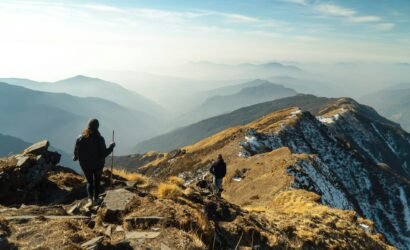
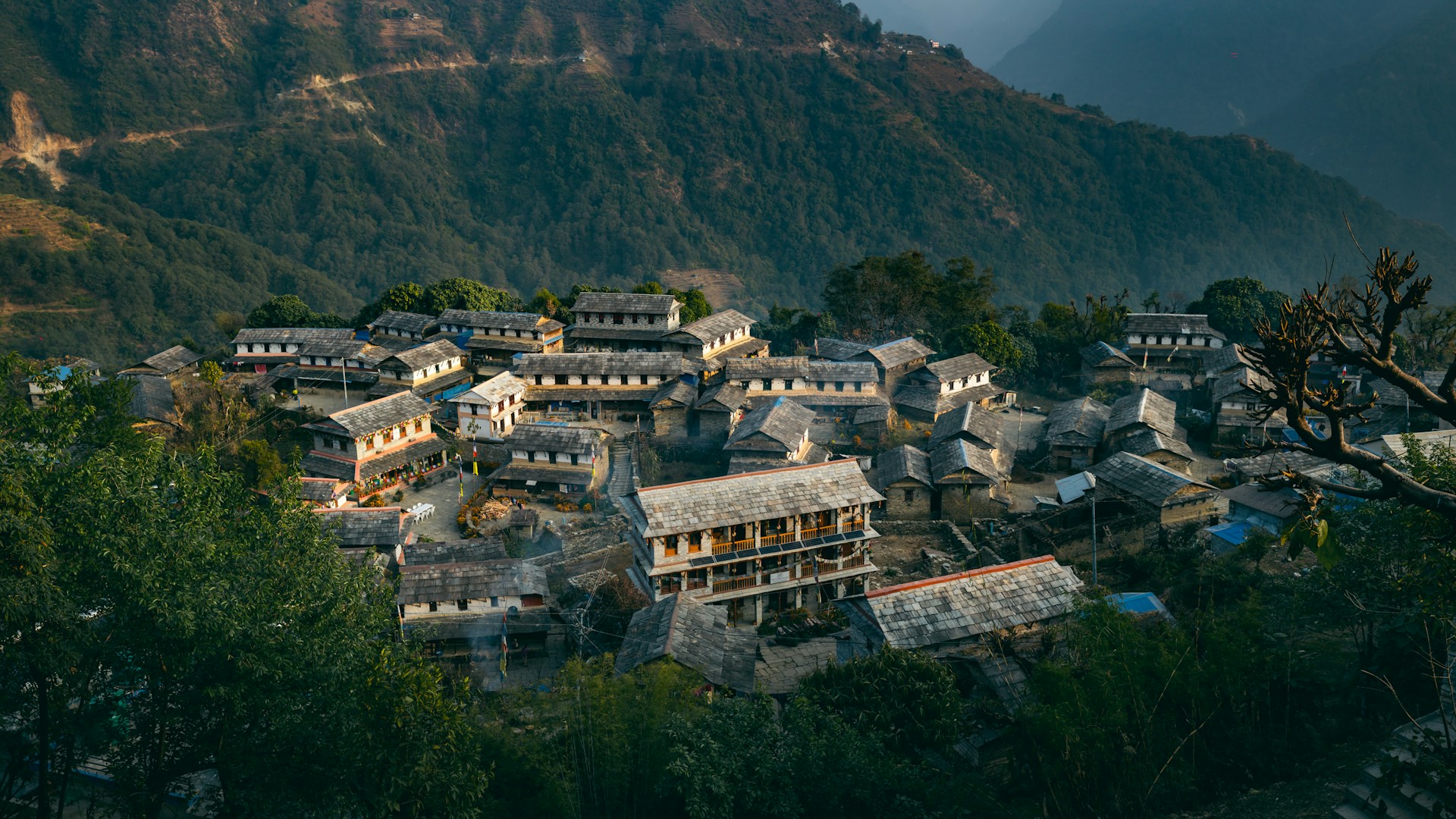
The Ghandruk trek packs the essence of Himalayan trekking into three walkable days. You walk through terraced fields, cross a suspension bridge over the Modi Khola, climb stone steps through rhododendron forest, and arrive in a living Gurung village where every stone house has a direct view of Annapurna South, Hiunchuli, and the sacred Machhapuchhre.
Ghandruk itself sits on a sunny ridge at 2,012 meters. It’s not a museum—over 5,000 Gurung people live here year-round. The stone-paved lanes, the communal water spouts, the women weaving in doorways, the old men playing cards in the chautara (resting platform)—these aren’t performances. They’re Tuesday. The Gurung culture is one of the most intact in the Nepal mid-hills, and because Ghandruk is both a trekking destination and a functioning village, you get real cultural exposure without the voyeuristic feel of some more heavily commercialized stops.
The 3-day itinerary is superior to the 2-day rush job some companies sell. Two days means you arrive late on day one, exhausted, see the village in the dark, and leave immediately after breakfast. That’s a waste. Our version gives you a full afternoon and evening in Ghandruk, a sunrise over the Annapurnas from your lodge, and a morning village exploration before a leisurely descent. The extra night transforms the trek from a box-checking exercise into a genuine mountain stay.
What makes this different from Poon Hill? Poon Hill (3,210 m) involves 3,000 stone steps of continuous ascent on day one and again the next morning in darkness. It’s physically demanding, often crowded, and the viewpoint can be a scrum of tripods. Ghandruk is gentler, less trafficked, and trades the 360-degree panorama for a more intimate, culturally rich experience. You still see the mountains—spectacularly—but from a village balcony with a cup of tea, not from a freezing ridgeline at 5 a.m.
What makes this different from Mardi Himal? Mardi Himal reaches 4,500 m and requires a minimum of 5 days for proper acclimatization. It’s a high-altitude trek with real AMS risk. Ghandruk is safe at 2,012 m. If you have children, older parents, or a partner who’s never trekked before, this is the confident choice.
Who is this trek for? First-time trekkers in Nepal. Families with children age 7+. Travelers over 65. Anyone with only a long weekend in Pokhara. People who want to experience a teahouse trek without altitude anxiety. Photographers who want to capture village life against a snow peak backdrop without the rush of a long itinerary.
Why Book This Package With Us
Most Ghandruk packages sold online are resold by agents who have never set foot in Ghandruk. They sub-contract to a Pokhara transport company and a freelance guide they’ve never met. When something goes wrong—a delayed pickup, a bad lodge, a guide who doesn’t speak English—you’re stuck calling a call center in another country.
We’re different in specific, verifiable ways.
1. Direct operational control. Our Pokhara office is 200 meters from the Lakeside bus park. The guide who meets you at your hotel is our employee. We know his family. He’s done this route more than 150 times. The driver is the same person who does our airport transfers. The teahouse owner in Ghandruk has been our partner for 13 years. When you book with us, there is no hand-off to a third party.
2. Transparent pricing with no surprise fees. Our price includes private transport, ACAP and TIMS permits, all meals on the trek, accommodation, a licensed guide, and all government taxes. The only things you pay for are drinks, hot showers, and personal expenses. Many online listings show a low “from $120” price that excludes permits ($30), transport ($60–80), and meals ($40–50). When you add those, they’re more expensive than our all-in rate.
3. Private, flexible departures. We don’t force you onto a bus with 20 strangers. You go when you want. Want to start at 7:30 a.m. instead of 8? Fine. Want to stop for an extra hour in a village because your daughter loves the chickens? Done. The guide adjusts to you, not the other way around.
4. Genuine local knowledge. Our lead guide, Dil Gurung, was born in a village just below Ghandruk. He can tell you which trees are used for making the wooden water channels, why certain houses have double roofs, and which family’s apple rakhi (local spirit) is worth trying. That depth can’t be faked by a guide who only knows what’s in the Lonely Planet.
5. Quality teahouse selection. We use two specific lodges in Ghandruk that have attached bathrooms with solar hot water, clean kitchens, and the best mountain views from the dining room. We don’t drop you at the first available lodge and hope for the best. We pre-book the best rooms.
6. Safety infrastructure. Our guide carries a comprehensive first aid kit, a pulse oximeter (even though altitude isn’t a major risk, we monitor), and a satellite phone for emergencies in the unlikely event of a serious medical issue. We also hold a standing contract with a helicopter evacuation provider. We’ve never needed it on this route, but we have it.
Complete Day-by-Day Itinerary
Day 1 – Pokhara to Ghandruk via Nayapul and the Modi Khola Valley
Drive: 1.5 hours private car to Nayapul, then a further 40-minute jeep ride up a rough track to Kimche (1,640 m). We prefer starting from Kimche. It cuts out the uninteresting initial section of road walking from Nayapul to Birethanti and reduces the first day’s climbing by 300 meters of vertical. You start where the real trail begins: a stone staircase rising through terraced fields.
Trekking time: 2.5–3 hours
Distance: 6 km
Altitude gain: 1,640 m to 2,012 m
Terrain: Stone steps and narrow dirt path through fields and forest
From Kimche, the trail climbs steadily. The steps are uneven—some cut from single stones, others patched with smaller rocks. Trekking poles are genuinely useful here, not just a fashion accessory. You’ll pass through small hamlets where farmers tend their millet and maize terraces. The Modi Khola gorge falls away to your left; you can hear the river far below.
After about an hour, you reach a small tea shop at Chane (1,880 m). Stop here. The owner makes strong sweet tea and sells boiled eggs. The bench outside has a clear view of the ridge you’re about to climb. This is the moment the trek shifts from leg-burning ascent to the first real mountain reveal. As you leave Chane, the forest opens up and Annapurna South (7,219 m) suddenly appears, filling the northern sky. It’s close enough that you can see individual ice seracs on the face.
The final 40 minutes into Ghandruk are on a more gradual path through rhododendron forest—scarlet blooms in March/April, deep green shade the rest of the year. You’ll enter Ghandruk through the lower gate, pass the ACAP visitor center (worth a quick stop on day two), and climb to your lodge.
Lunch: Served at the lodge around 1:00–2:00 p.m. After lunch, you have the entire afternoon free. We recommend visiting the Gurung Museum in the old part of the village. It’s a traditional stone house converted into a cultural display, with photographs of Ghandruk soldiers who served in the British and Indian Gurkha regiments, traditional dress, and farming implements. The entrance fee is NPR 200.
Dinner and overnight: Teahouse in Ghandruk. The dining room has a wood-burning stove. After sunset, the temperature drops quickly. Gather around the fire, order a plate of dal bhat, and swap stories with other trekkers if you’re in the mood. The lodge owner will point out the constellations that rise over the Annapurna massif—clear nights here are incredible.
Practical tip for Day 1: The stone steps can be slippery if there’s been recent rain. Wear shoes with good grip, not fashion sneakers. Your guide will set a slow, steady pace; there’s no rush.
Day 2 – Explore Ghandruk Village and Sunrise Over the Annapurnas
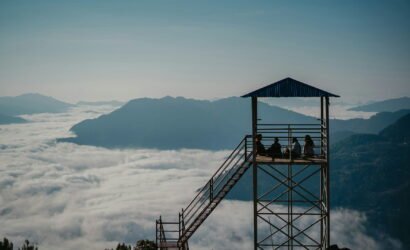
Wake-up: 6:00 a.m. for sunrise (times vary by season). From the lodge rooftop or the open area near the old monastery, you’ll watch the first light hit Annapurna South. It starts as a faint pink line on the summit snows and spreads downward until the whole mountain glows orange. Machhapuchhre, to the east, catches light at a different angle, its fishtail summit distinct and sharp. This is worth every step you climbed yesterday.
After breakfast, we spend the morning exploring the village. This is not a forced march—it’s a cultural walk. The guide takes you through the narrow stone lanes, past communal water spouts (pani dharas) where women fill brass pots, to the old Buddhist monastery (gompa) at the upper edge of the village. It’s a modest building, but it’s active. You might see monks chanting or a family offering butter lamps. Remove your shoes, walk clockwise, and if you wish to donate, put money in the box rather than handing it to an individual.
Next, we visit the Annapurna Conservation Area Project headquarters. The displays explain the ecological significance of the region, the biodiversity, and the community-managed conservation model that’s been running since 1986. It’s surprisingly well-done and takes about 30 minutes.
Around midday, you have a traditional Gurung lunch at a family kitchen we’ve worked with for years. They’ll serve dhido (a thick porridge made from buckwheat or millet), local greens, and a spicy chutney. This is food that fuels farmers and porters—dense, warm, and satisfying.
The afternoon is yours. Some trekkers walk up to a small viewpoint above the village for a different angle on the mountains. Others sit on the lodge balcony with a book. A few join the lodge owner to help prepare the evening meal (just ask). The point is that day two isn’t a transit day; it’s the reason you came.
Overnight: Same teahouse.
Day 3 – Ghandruk to Pokhara
Wake-up: Sunrise again if you want, but most people sleep a little later. After breakfast, we begin the descent.
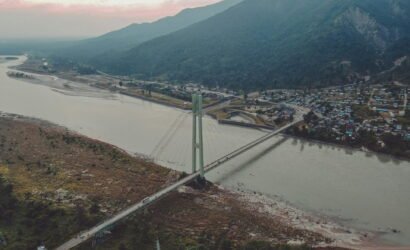
Route option: You can retrace the path to Kimche (1.5 hours) or take a longer loop down to Syauli Bazaar and then along the river to Birethanti (3–4 hours). The longer route passes through more villages and includes a suspension bridge crossing over the Modi Khola that’s a classic photo stop. We recommend the longer route unless you have a tight schedule. It’s not strenuous—mostly downhill or flat—and the river scenery is a nice contrast to the ridge-top village.
At Birethanti, your jeep meets you. It’s a 1.5-hour drive back to Pokhara. You’ll be at your hotel by early afternoon, with time to shower, find a good lunch, and reflect on the fact that this morning you were in a 500-year-old stone village staring at Himalayan giants.
Meals: Breakfast included. Lunch is on your own in Pokhara.
Accommodation
Teahouse lodges in Ghandruk are family-run, simple, and clean. The rooms have twin beds with thick foam mattresses, clean sheets, pillows, and heavy blankets. We book lodges with attached bathrooms (toilet and solar-heated shower) when available. Solar hot water depends on the previous day’s sun; in cloudy weather, it may be lukewarm. There’s almost always enough for a short shower. The dining room is communal, heated by a central stove.
We specifically use Hotel Ghandruk or Ghandruk Guest House because they’ve consistently provided the best food hygiene, the warmest hospitality, and the most unobstructed mountain views from the room windows. If you want a guarantee of an attached bathroom and a private western toilet, we book those rooms specifically. There’s a slight supplement (included in our base price already) because they are limited.
Meals
The teahouse menu is surprisingly extensive. You’ll find:
- Dal bhat: Rice, lentil soup, vegetable curry, pickle, papad. The classic trekker’s fuel. Unlimited refills—you won’t go hungry.
- Momos: Steamed dumplings filled with vegetables, cheese, or occasionally chicken. (We recommend vegetarian at high altitudes.)
- Noodles: Fried or soup (thukpa), often with egg and vegetables.
- Tibetan bread: Thick, fried flatbread with honey or jam.
- Pasta, fried rice, chapati, and sometimes pizza.
We include three meals a day on the trek: breakfast, lunch, dinner. Breakfast usually includes porridge, eggs, toast, and tea/coffee. Lunch and dinner are ordered from the menu; you choose what you want. We encourage dal bhat because it’s the most nutritious, safest, and most culturally authentic. All meals are freshly cooked. We have never had a food poisoning case on this route from our selected lodges, but we advise against meat above 2,500 m if you were going higher; here it’s less of an issue, but still, we recommend vegetarian for the trek.
Boiled and filtered water is available at every teahouse for a small fee (NPR 100–200 per liter). We provide purification tablets for emergency backup. Avoid bottled water on the trail—plastic waste is a serious problem—use refillable bottles. The lodge will fill them.
Transportation
Our package includes private car or jeep transport from your Pokhara hotel to the trailhead and back. For 1–2 trekkers, a compact SUV like a Maruti Brezza. For groups, a Toyota Hiace or similar. The road to Nayapul is paved and smooth. The road from Nayapul to Kimche is rough, dusty, and winding—a 4WD track. The driver is experienced on this specific route and knows how to handle the switchbacks.
We pick you up directly from your hotel in Lakeside or anywhere in Pokhara city. The drive to Nayapul takes about 1.5 hours, plus another 40 minutes to Kimche. On the return, we meet you at Birethanti (or Kimche) and bring you back to Pokhara. There’s no waiting for a public bus; you leave when you’re ready.
Permits
Two permits are needed.
1. Annapurna Conservation Area Permit (ACAP). Cost: NPR 3,000 (approx. $25) for foreign nationals. This funds conservation and community development in the ACAP region. It’s obtained from the Nepal Tourism Board office in Kathmandu or Pokhara. We can arrange it for you (we need your passport details and a photo) or you can get it yourself in Pokhara before the trek. If we do it, we charge the exact government fee—no markup.
2. TIMS (Trekkers’ Information Management System) Card. Historically required, the rule has fluctuated. As of early 2026, TIMS is required for most trekking routes in the Annapurna region, but the government has periodically suspended it for certain areas. We stay updated and will advise you at the time of booking. If required, the cost is NPR 2,000 (about $17) for individual trekkers or NPR 1,000 for groups. We include it in the package if it’s needed; if not, we deduct the fee.
Document checklist for permits:
- Scanned copy of passport photo page
- 2 passport-size photos (we can take them in our Pokhara office if needed)
- Nepal visa valid for the trek dates
We handle all permit logistics. You just provide the documents. Permits are checked at the trailhead in Birethanti and occasionally at the ACAP checkpoint in Ghandruk. Keep them accessible.
Difficulty
This trek is rated easy to moderate. It’s not a technical climb, and there’s no glacier crossing or scrambling. The main physical challenge is the ascent on day one: roughly 370 meters of elevation gain over 6 km, mostly on stone steps. If you’re a regular walker, you’ll find it manageable. If you’re sedentary, you’ll find it taxing but achievable with breaks.
How it compares:
- Easier than Poon Hill, because Poon Hill involves 1,000+ meters of cumulative ascent on day one and a predawn climb on day two.
- Easier than Mardi Himal, which has longer, steeper days and altitude.
- Far easier than any Everest region trek.
- Similar to Australian Camp trek, but with more cultural depth and better mountain views.
We’ve taken fit 7-year-olds and 78-year-old grandparents. The key is pacing. Our guide sets a deliberately slow rhythm, with frequent rest stops at scenic spots. There’s no rush to get anywhere; the destination is Ghandruk, and it’s not going anywhere.
Fitness and Preparation
You don’t need special training. If you can climb stairs for 30 minutes without stopping, you’re fit enough. A few weeks before, we recommend:
- Walking with a daypack (3–4 kg) on hilly terrain or stairs for 45 minutes, 3 times a week.
- Practice with the shoes you’ll wear to avoid blisters.
- Hydration discipline: get used to drinking 2–3 liters of water per day.
For families with children, the kids often bound ahead. For older trekkers, we can arrange a porter to carry your daypack ($25 for the 3 days) so you walk with just a water bottle and camera. There’s no shame in this—it’s smart.
Weather and Best Time to Trek
Ghandruk sits in the mid-hills, so it doesn’t experience the deep cold of high-altitude treks. But the weather is seasonal.
| Month | Day Temp (°C) | Night Temp (°C) | Rain | Mountain Visibility | Recommendation |
|---|---|---|---|---|---|
| Jan | 12–18 | 2–5 | Low | Good mornings, haze later | OK, cold |
| Feb | 14–20 | 3–7 | Low | Good | Good, fewer trekkers |
| Mar | 18–25 | 6–10 | Occasional showers | Very good, rhododendrons bloom | Excellent |
| Apr | 20–28 | 8–14 | Pre-monsoon build-up | Good mornings, cloud afternoon | Very good |
| May | 22–30 | 12–18 | Increasing | Lower, often obscured | Hot, hazy |
| Jun | 24–30 | 16–20 | Monsoon begins | Poor | Not recommended |
| Jul | 24–28 | 17–20 | Heavy rain, leeches | Very poor | Avoid |
| Aug | 24–28 | 17–20 | Heavy rain | Poor | Avoid |
| Sep | 22–27 | 14–18 | Post-monsoon clearing | Improving | Good from mid-month |
| Oct | 18–24 | 8–13 | Low | Excellent | Best month |
| Nov | 14–20 | 3–8 | Very low | Crystal clear | Excellent |
| Dec | 12–18 | 1–5 | Low | Good | Cold, clear |
Best months: October and November offer crisp air and flawless mountain views. March and April are second-best, with warm temperatures and rhododendrons blooming in the forest below Ghandruk. February is underrated—quiet trails and clear skies, just bring a warm layer for evening.
We operate year-round except mid-June to early September, when monsoon makes the trail slippery and leeches are active. If you’re in Nepal during monsoon and still want a taste of the hills, ask us about alternative day walks near Pokhara that are less affected.
Packing List
Pack light. You’re only gone two nights. A 30–35 liter daypack is sufficient.
Clothing:
- 2 quick-dry t-shirts
- 1 long-sleeved shirt (sun protection, evenings)
- 1 pair trekking pants (zip-off legs are useful)
- 1 light fleece or sweater
- 1 lightweight down jacket or insulated vest (evenings get cold)
- 1 rain jacket (even in dry season, mountain weather can surprise)
- 2 pairs of hiking socks (wool or synthetic, not cotton)
- Underwear
- Warm hat and sun hat
- Light gloves (optional for cold-sensitive people in winter)
Footwear:
- Hiking shoes or trail runners with good grip. Avoid heavy boots—they’re overkill. Lightweight approach shoes are perfect.
- Sandals for the teahouse
Gear:
- 30–35 liter daypack
- Water bottle (1 liter) and purification tablets or filter
- Sunglasses
- Sunscreen SPF 50+
- Lip balm with SPF
- Trekking poles (helpful, not essential)
- Headlamp (power cuts are possible)
- Power bank (10,000 mAh)
- Quick-dry towel (teahouses provide towels, but a small personal one is good)
- Toiletries: toothbrush, toothpaste, biodegradable soap, hand sanitizer, toilet paper (bring a roll; teahouses supply but sometimes run out)
- Basic first aid: blister plasters, ibuprofen, antihistamine, any personal meds
- Camera/phone with extra battery
Documents:
- Passport and permit copies
- Insurance details
We provide a detailed packing list after booking, but this covers everything.
Altitude and Acclimatization
Ghandruk’s 2,012 meters is well below the threshold for acute mountain sickness (AMS), which typically starts above 2,500 meters. You may feel a slight shortness of breath on the uphill, but that’s just the physical exertion at a higher elevation than you’re used to. No acclimatization schedule is necessary. That makes this trek safe for almost everyone, including those with well-controlled hypertension or mild respiratory issues. We always recommend checking with your doctor if you have concerns.
Culture and Etiquette in Ghandruk
Ghandruk is a Gurung village, and the Gurung people have a rich martial tradition. Many families have members serving in the Gurkha regiments. The stone houses are traditional, with slate roofs and carved wooden windows.
When walking through the village:
- Greet people with “Namaste” or “Namaskar.” A smile goes a long way.
- Ask permission before photographing individuals, especially older people. A small tip (NPR 50–100) is polite if someone poses for you.
- Walk clockwise around chörtens, mani walls, and temples.
- Do not touch religious objects or sit on mani stones.
- Dress modestly in the village: cover shoulders and knees. The teahouse dining room is casual, but on the lanes, be respectful.
- If you’re invited into a home, remove your shoes at the door. Accept tea with both hands. Try the local raksi (millet alcohol) if offered, but only a sip—it’s strong.
Our guide will teach you a few Gurung phrases: “Chhyaba” (greetings), “Thukche” (thank you). People genuinely appreciate the effort.
Wildlife and Flora
Ghandruk’s forests are part of the Annapurna Conservation Area, a biodiversity hotspot. You may see:
- Birds: Himalayan griffon vultures soaring over the gorge, laughing thrushes, sunbirds, and the occasional monal (Nepal’s national bird) if you’re lucky.
- Mammals: Barking deer (muntjac) are heard more than seen. Rhesus macaques and langur monkeys frequent the forests. Leopards exist but are extremely shy.
- Flora: The rhododendron forests in March/April are spectacular—red, pink, and white blooms. Orchids cling to tree branches. In autumn, the forests are golden with changing leaves of chestnut and walnut.
The ACAP visitor center has a small exhibit on the area’s ecology.
Photography Tips
- Best sunrise spot: The open area near the monastery or your lodge rooftop. Tripod not necessary but helpful for sharp shots in low light. The light on Annapurna South at dawn is the money shot.
- Village scenes: The stone lanes, the water spouts, and the old women in traditional lungi and cholo are compelling. Ask permission first. A small 50mm prime lens is great for portraits, but a 24–70mm zoom covers everything.
- Drone usage: Technically requires permission from the Civil Aviation Authority of Nepal and local authorities. In practice, enforcement is lax but to be safe, don’t fly directly over people or monasteries. We can advise on the latest rules.
- Protection: The trail is dusty. Carry a ziplock bag for your camera and don’t change lenses in the open.
Internet and Electricity
Wi-Fi is available at lodges in Ghandruk, but it’s slow and sometimes unreliable. There’s 4G cellular coverage (Ncell) in the village. You can get a Nepali SIM in Pokhara before departure—data is cheap. Electricity is from the micro-hydro plant; 220V sockets in the dining room for charging. A power bank ensures your phone stays topped up if the lodge’s charging station is busy.
Money and Expenses
The Nepali rupee (NPR) is used. There are ATMs in Pokhara; withdraw cash before leaving. Ghandruk has no ATM. You’ll need cash for:
- Drinks (tea, coffee, soft drinks, beer)
- Hot showers (NPR 100–200)
- Charging devices (sometimes free, sometimes NPR 100)
- Tips for guide and porter
- Souvenirs from the village
Budget about NPR 2,000–3,000 for personal expenses on the trek. Our package covers all essentials, so you won’t need more unless you indulge.
Safety and Emergency Plan
The Ghandruk trail is well-defined, well-traveled, and safe. The main risks are:
- Slips on wet stone steps (wear good shoes)
- Mild dehydration (drink enough)
- Unlikely medical issue
Our guide is trained in wilderness first aid. If a serious emergency occurs, a helicopter can be called for evacuation from Pokhara. The cost is covered only if you have appropriate travel insurance. We require that all trekkers have insurance covering helicopter rescue and medical evacuation up to 3,000 m.
We also carry a satellite phone for areas where mobile signal might be patchy (though Ghandruk has coverage, some sections of the trail do not). The guide contacts our Pokhara office every evening to report status.
Responsible Tourism
We’re committed to leaving Ghandruk as we found it. We follow these principles:
- All waste is carried out. We avoid single-use plastic—fill reusable bottles instead.
- We support the local economy by hiring local guides, porters, and staying in family-run lodges.
- We encourage trekkers to purchase souvenirs directly from craftswomen.
- We donate to the local school fund annually; a portion of your trek cost goes toward that.
We ask our trekkers to not give sweets or money to children begging, as it creates dependency. If you want to support, donate to the school or community organization.
Cost Breakdown: Ghandruk Trek 3 Days Package
| Item | Cost per Person (USD) for 2 pax |
|---|---|
| Private car/jeep Pokhara–Kimche–Birethanti–Pokhara | $65 |
| ACAP permit | $25 |
| TIMS card (if applicable) | $17 |
| Accommodation (2 nights teahouse) | $20 |
| Meals (3 lunches, 2 dinners, 2 breakfasts) | $55 |
| Licensed English-speaking guide (3 days) | $45 |
| Guide’s food, accommodation, insurance | $10 |
| Government taxes and service charge | $8 |
| Total per person | $245 |
For 3–4 persons: $210 per person (shared transport and guide cost)
**For 5+ persons:** $185 per person
Optional add-ons:
- Porter (carries up to 15 kg): $25 for the 3 days
- Single supplement (private room in Ghandruk): $15
- Upgrade to superior lodge (better view room, attached bath guaranteed): included in base but if needed separate, $10 extra
No hidden fees. No booking charges.
Package Includes
- Private transportation Pokhara to trailhead and return
- ACAP permit and TIMS (if required)
- 2 nights teahouse accommodation in Ghandruk
- All meals on trek (breakfast, lunch, dinner)
- Professional English-speaking trekking guide
- Guide’s expenses (salary, food, accommodation, insurance)
- All government taxes and service charges
Package Excludes
- Personal expenses (drinks, hot shower, phone charging, snacks)
- Travel insurance (mandatory)
- Tips for guide and porter (suggested: $15–20 per person for the trek)
- Lunch on Day 3 in Pokhara
- Any extra nights or changes due to unforeseen circumstances (we assist but costs are yours)
- Porter (available as add-on)
Frequently Asked Questions
1. Is the Ghandruk trek suitable for beginners?
Absolutely. It’s the first trek we recommend to anyone who’s never hiked in the Himalayas. Low altitude, short days, and comfortable teahouses.
2. How many hours per day do we walk?
Day 1: about 3 hours, Day 2: optional 1–2 hours exploring, Day 3: 1.5–4 hours depending on the route you choose.
3. Can children do this trek?
Yes. We’ve had kids as young as 5 complete it. For very young children, a porter to carry them if needed is available.
4. What is the maximum altitude?
Ghandruk village is at 2,012 meters. There’s no altitude risk.
5. Do I need a guide for Ghandruk?
The route can be done independently, but the cultural insight, logistics handling, and safety net a guide provides elevate the experience. Also, permits are easier with an agency.
6. When is the best time for Ghandruk trek?
October–November and March–April. February is also good if you don’t mind cooler nights.
7. Can I do this trek in the monsoon?
We do not recommend it. The trail becomes slippery, leeches are present, and mountain views are often obscured.
8. Is there an ATM in Ghandruk?
No. Bring cash from Pokhara.
9. What kind of food is available?
Full meals—dal bhat, noodles, momos, fried rice, and more. Vegetarian options are plentiful.
10. Do I need travel insurance?
Yes, we require it. It must cover medical evacuation and trekking up to 2,500 m.
11. Can I customize the itinerary?
Yes. We can extend to include a day at Landruk or add a night in Dhampus. Just ask.
12. How much does the Ghandruk trek cost independently?
If you do it yourself: permits $25+$17, bus/jeep transport ~$30, accommodation $10, meals $45. Total around $127. For an extra $118 with us, you get private transport, a guide, and all logistics handled, plus the security of emergency support. Many find the value worthwhile.
13. What about drinking water?
Filtered water is available at teahouses. Bring a reusable bottle.
14. Are there hot showers?
Yes, solar-heated in our chosen lodges. May be lukewarm after cloudy days.
15. Can I leave luggage in Pokhara?
Yes, our office can store luggage for free.
16. What wildlife might I see?
Monkeys, various birds, and possibly deer.
17. Do I need trekking poles?
Not essential, but helpful for the descent and the stone steps.
18. Is the trek crowded?
Less than Poon Hill. In peak season, you’ll see other trekkers, but it’s not overcrowded.
19. Can I charge my phone?
Yes, in the dining room. Bring a power bank as backup.
20. How do I book?
Fill the inquiry form, email us, or call. We respond within hours. A small deposit secures your date.