
Introduction to Nepal Climate in November
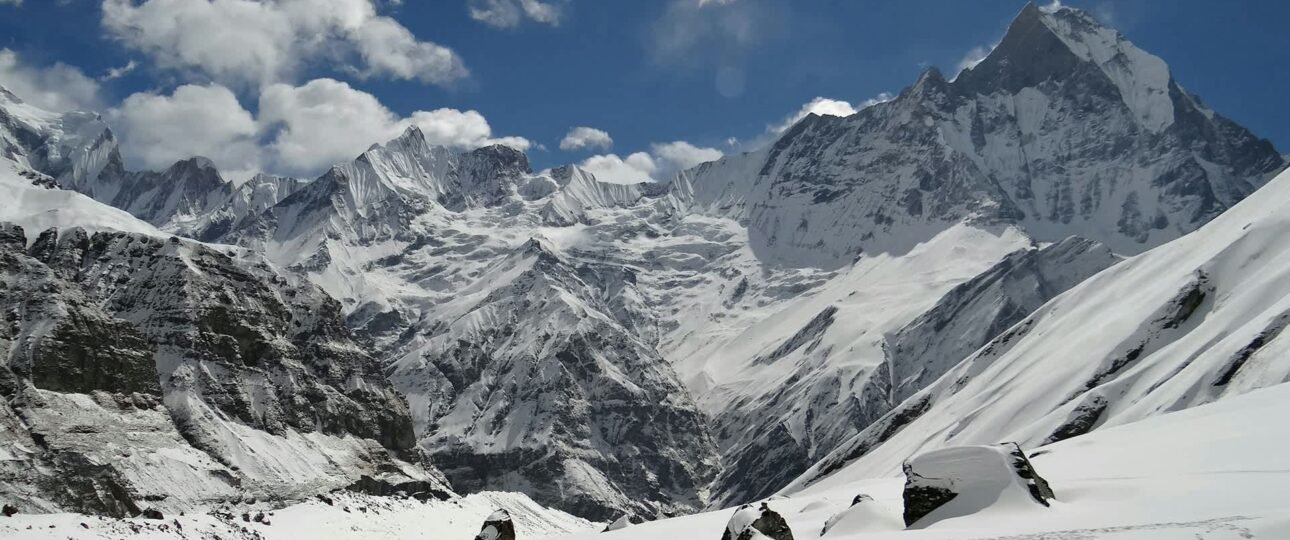
If you are wondering what the Nepal climate in November is really like, here is the direct answer: it is dry, mostly clear and comfortable in the valleys, and properly cold in the high mountains once the sun goes down. The monsoon has been gone for weeks, the air has settled, and the Himalayan skyline is at its sharpest. The trade-off is temperature. Days in Kathmandu and Pokhara feel mild, while nights above 4,000 metres regularly fall well below freezing.
That contrast is the whole story of the month. Nepal packs lowland plains, mid-hill valleys and 8,000-metre peaks into a country smaller than many US states, so one number never describes the weather. This guide breaks the month down by region, altitude and even by early versus late November, then covers what to pack, what can go wrong and which trek suits which kind of traveller.
Nepal in November: The Quick Answer
Before the detail, here is the short version most readers need.
- Rain: Very little. Kathmandu typically sees around 10 mm across the whole month and about one rainy day, according to long-term averages published by Weather2Travel.
- Daytime temperatures: Around 22°C maximum in Kathmandu, warmer in Pokhara and the Terai, and cool to cold as you climb.
- Nights: Chilly in the valleys, freezing from roughly Namche Bazaar upward, and commonly around minus 15°C at Gorak Shep on the Everest route.
- Skies: Clear and stable for most days, which is why this is one of the two main trekking seasons.
- Crowds: Busy early in the month, noticeably quieter by the last week.
- Best for: Everest, Annapurna and Langtang treks, peak climbing on moderate peaks, Kathmandu Valley sightseeing and Pokhara lakeside days.
- Not ideal for: Travellers who hate cold nights or who plan to cross high passes without proper gear.
For a wider view across the year, the month-by-month breakdown in our Nepal best time to visit guide shows where November sits against October, December and the spring season.
Why November Feels Different From Other Months
Nepal’s weather is controlled by the South Asian monsoon. From roughly June to September, moist air from the Bay of Bengal is pushed against the Himalaya, and the country receives the bulk of its yearly rain. By late September the monsoon withdraws. October is the transition, and November is when the dry, stable pattern is fully established.
Three things follow from that.
Visibility improves. Months of rain wash dust out of the air and the humidity drops. In the first half of November, mornings in the hills are often crisp and cloudless, which is exactly what photographers and first-time Himalayan trekkers hope for.
Temperature swings widen. Dry air and clear skies hold little heat overnight. Sun-warmed afternoons can feel almost spring-like at 2,000 metres, then the temperature falls fast when the sun slips behind a ridge. A 15-degree difference between afternoon and dawn is normal in the mountains.
The season starts turning toward winter. November is autumn on the calendar, but at altitude it already behaves like early winter. Snow is less frequent than in December to February, though it can fall on high passes, and if you want to see what happens after this month, our guide to Nepal in the winter explains what stays open and what shuts down.
Weather in Nepal in November by Region
The Nepal climate in November is shaped far more by altitude than by location. As a rule of thumb, temperature drops by roughly 6 to 7 degrees Celsius for every 1,000 metres you climb, so the gap between Kathmandu at around 1,400 metres and Gorak Shep at over 5,000 metres is enormous. The table below gives a practical picture. Figures are typical ranges drawn from long-term climate averages and trekking-operator data, and they vary between sources and between years, so treat them as a planning guide rather than a forecast.
| Area | Approx. altitude | Typical November days | Typical November nights | What it feels like |
|---|---|---|---|---|
| Terai lowlands (Chitwan, Lumbini) | Under 300 m | Warm, often mid-20s °C | Cool, with morning fog common | Pleasant by day, jacket needed at dawn |
| Pokhara | About 800 m | Warm and sunny | Cool | Light layers, comfortable for lake and hill walks |
| Kathmandu Valley | About 1,400 m | Around 20 to 22 °C | Single digits to low teens °C | Mild days, cold mornings and evenings |
| Lukla and Phakding (Everest) | 2,600 to 2,860 m | About 10 to 12 °C | Around 0 to 4 °C | Cool and crisp |
| Namche Bazaar | 3,440 m | About 5 to 10 °C | Below freezing | Sunny but cold in shade |
| Dingboche and Lobuche | 4,410 to 4,940 m | Around 0 to 5 °C | Roughly minus 10 to minus 14 °C | Cold, thin air, heavy down gear |
| Gorak Shep | About 5,164 m | Around 0 to 2 °C in sun | Commonly around minus 15 °C | Very cold, strong wind possible |
Two cautions about numbers like these. First, mountain temperatures change quickly with wind, cloud and the exact day, so a “typical” night can be several degrees colder or warmer. Second, teahouse bedrooms are usually unheated, so the room is only slightly warmer than the air outside. Plan your sleeping gear for the outside figure, not for the numbers on a weather app.
For official forecasts closer to your dates, Nepal’s Department of Hydrology and Meteorology publishes national and regional weather updates.
Kathmandu Weather in November
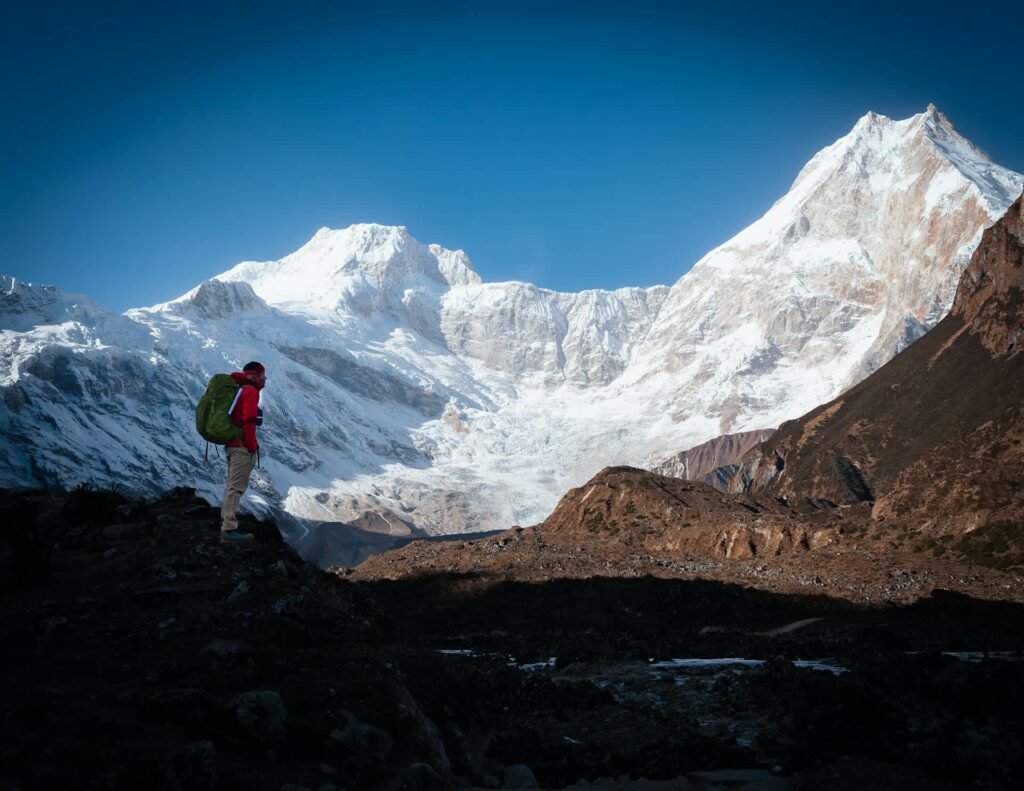
Kathmandu in November is one of the more comfortable versions of the city. Rain is almost absent, the sky is usually blue, and daytime highs sit around 22°C. Mornings and evenings are cool enough for a fleece, and by the last week of the month many people in the valley are wearing wool caps at dawn.
Early November is slightly warmer. By the end of the month the afternoon highs have slipped lower and nights feel noticeably sharper, particularly outside the main tourist streets where buildings are not heated.
There are two honest downsides. The first is air quality. As the dry season settles in, dust and smoke can collect in the valley, and on some days the city looks hazy even when the sky above the haze is clear. If you have asthma or are sensitive to pollution, carry a mask and consider spending your valley days in higher, cleaner places like Nagarkot or Shivapuri. The second is that few Kathmandu hotels and cafes have central heating, so evenings indoors can feel colder than the thermometer suggests.
What you gain is walking weather. Temple visits to Boudhanath, Swayambhunath and Patan Durbar Square are at their most comfortable in the middle of the day. Our guide to Pashupatinath in Kathmandu is useful if you are planning cultural days around the festival dates covered below.
Pokhara and the Annapurna Foothills
Pokhara sits much lower than Kathmandu, so it feels warmer. Days are sunny and pleasant, lake mornings are calm, and the Annapurna and Machapuchare skyline is often visible at sunrise. Evenings cool down, though rarely to the same degree as Kathmandu.
This is a good month for the lakeside, paragliding days when the thermals are working, short hikes to Sarangkot or the World Peace Pagoda and easy boat rides. If you are building a few relaxed days around a trek, read our Pokhara lakeside guide for what to see and what to expect.
Higher up in the Annapurna foothills, temperatures fall quickly. Poon Hill at about 3,200 metres can be properly cold at sunrise, and Annapurna Base Camp at roughly 4,130 metres is a different climate from the town you started in. If Annapurna is your target, our Annapurna Base Camp weather guide breaks the conditions down by month and elevation.
Everest Region in November
The Khumbu is the headline region for Nepal in November, and with good reason. The air is dry, the trail is firm, and the views of Everest, Lhotse, Nuptse and Ama Dablam are usually sharp from Namche Bazaar upward.
But this is also where the temperature story is clearest. A typical Everest Base Camp itinerary climbs from Lukla at about 2,860 metres to Everest Base Camp at 5,364 metres and Kala Patthar at roughly 5,545 metres. In November you will experience several different climates on a single trek:
- Lukla to Namche: Cool, sunny and easy to walk in a light fleece during the day.
- Namche to Tengboche: Colder, with frost on the trail in the morning, and strong sun on exposed ridges.
- Dingboche and Lobuche: Cold days and bitterly cold nights. Water bottles can freeze overnight even inside a room.
- Gorak Shep and Kala Patthar: The coldest part of the trek. Sunrise at Kala Patthar is spectacular and brutally cold, especially if there is wind.
If you want the route details, our Everest Base Camp trek map guide shows the stages and elevations, and the page on Dingboche is worth reading before your acclimatisation day.
Lukla flights in November
Most Everest treks begin with a flight to Lukla. November weather is generally reliable, but early-morning fog, afternoon cloud or wind can still delay flights. In peak trekking seasons some Lukla flights have operated from Manthali (Ramechhap) rather than Kathmandu, which means a very early road transfer. Rules and flight arrangements change, so confirm the current departure airport and timing with your operator. Build at least one spare day into your schedule, particularly at the end of the trek when you have an international flight to catch.
Annapurna, Langtang and the Other Trekking Regions
Annapurna
Annapurna in November is classic trekking terrain. The Annapurna Base Camp route, the Annapurna Circuit and shorter options like Ghorepani Poon Hill all work well. Afternoons are mild in the lower villages, and nights drop quickly after Chomrong and above. The Annapurna Circuit is the one that deserves extra caution: Thorong La at about 5,416 metres can see early winter snow and strong wind, so check recent conditions with your guide or local teahouse owners before you commit to the crossing day.
Langtang
Langtang is the closest high-mountain trekking region to Kathmandu, and November suits it well. The valley is dry, trails are in good shape, and crowds are lower than in Everest or Annapurna. Nights at Kyanjin Gompa, at roughly 3,870 metres, are cold but manageable with a good sleeping bag. Read our guide to Langtang National Park for the landscape, wildlife and trail context.
Manaslu and Upper Mustang
Both are restricted-area treks that require special permits and a licensed guide. November is workable for both, but both are colder than they look on a map. Manaslu’s high pass can be snowy, and Upper Mustang is a high, dry, windy rain-shadow region where daytime sun is strong but evenings are very cold. These treks are better suited to travellers who already have some mountain experience and who do not mind a cold dining room.
Shorter treks near Kathmandu
If you only have a few days, short routes such as Chisapani and Nagarkot or Pikey Peak give you a mountain view without committing to a high-altitude itinerary. November visibility is good for these, and temperatures are far easier to manage than on the major high-altitude routes.
Early November vs Late November
“November” is a long month in the mountains, and the difference between the first week and the last is worth understanding.
Early November (roughly days 1 to 10). This is still peak autumn trekking season. The weather is very stable, days are warmer, and nights are cold but less severe. The downside is crowding. Popular teahouses at places like Lobuche and Gorak Shep can fill early in the afternoon, so booking ahead matters. The first half of the month also overlaps with the Tihar festival period in 2026, which affects transport and staffing in some places.
Mid-November. Many trekkers consider this the sweet spot. The first-week rush has thinned, the weather is usually still settled, and the cold is serious but manageable with the right gear.
Late November (roughly days 20 to 30). Crowds drop sharply, trails are quiet, and lodges have more room. In exchange, you meet colder mornings, shorter daylight hours, and a higher chance of early winter snow at the highest passes. Some higher teahouses begin to shut as the season ends, particularly in the most remote areas, so check which lodges are open before you commit to an off-the-beaten-track route.
If you want the best balance of clear skies and fewer people, aim for the middle of the month and be flexible about the exact start date.
Daylight, Sun and the November Clock
Days are shorter than in October and much shorter than in spring. In practice, that changes how trekkers should organise the day. Start early, finish walking by mid-afternoon, and expect it to cool quickly once the sun disappears behind a ridge. The sun at altitude is strong even when the air is cold, so sunglasses with good UV protection, a brimmed hat and sun cream are not optional.
The other effect of short days is on the evening schedule. Teahouse dining rooms become the centre of life, usually warmed by a single stove, and most trekkers are in bed early. If you are used to being active after dark, plan for books, cards, a downloaded film or a notebook.
Clouds, Haze and the Honest Downsides
Most guides describe November as perfect, and for most of the month it is close. But it helps to know what can still go wrong.
- Afternoon cloud. Even on dry days, valley cloud often builds after midday. Plan for mountain views early in the morning.
- Haze in the lowlands. Kathmandu and the Terai can look grey, and long-range views from the valley may be softer than you expect.
- Cold nights. This is the most common complaint, and it is a gear problem more than a weather problem.
- Occasional storms. A western disturbance can bring cloud and a dusting of snow to high areas even in a dry month. These events are not common in November but they do happen, so keep a spare day in your plan.
- Frozen water and pipes. At higher lodges, taps and toilets may freeze overnight.
- Dry throat and cough. Often called the “Khumbu cough”, this is common at altitude and made worse by cold, dry air and smoky dining rooms.
None of these are reasons to avoid the month. They are reasons to pack properly and give yourself some flexibility.
Crowds, Prices and Booking in November
November is a high season month. Flights, popular teahouses and well-reviewed guides are in demand, particularly in the first half of the month. If you want a specific departure date, book early. If your dates are flexible, the second half of the month is easier and quieter.
Teahouse rooms on busy routes are allocated on a first-come basis unless your operator has reserved them. At Lobuche and Gorak Shep in peak weeks, rooms can fill by early afternoon. A guide who walks ahead to secure rooms is one of the quiet benefits of trekking with an organised team.
For permit and fee details on the Everest route, our article on the EBC trek permit explains what you actually pay and when, and rules should always be checked again close to your travel date.
What to Pack for Nepal in November
The right kit depends on where you are going. A Kathmandu and Pokhara holiday needs very different clothes from a trek to 5,000 metres. These are the practical essentials, built around layering.
For a Kathmandu and Pokhara trip
- T-shirts and light long-sleeve tops for daytime
- A fleece or light down jacket for mornings and evenings
- Comfortable walking shoes
- Sun hat, sunglasses and sun cream
- A scarf or buff, useful for dust as well as warmth
- A mask if you are sensitive to air pollution
For a high-altitude trek
- Base layers: Two or three merino or synthetic tops and bottoms. Avoid cotton.
- Mid layers: A fleece and a lighter insulating layer.
- Outer layers: A down jacket for evenings and early starts, plus a windproof and waterproof shell.
- Legs: Trekking trousers for walking and insulated trousers for evenings at the highest camps.
- Hands, head and neck: Warm hat, liner gloves and warm outer gloves or mittens, plus a buff.
- Sleeping bag: Rated well below the coldest expected night. A liner adds warmth and hygiene.
- Footwear: Broken-in waterproof trekking boots, warm socks and camp shoes.
- Eyes and skin: UV-rated sunglasses, high-factor sun cream and lip balm.
- Extras: Trekking poles, headlamp with spare batteries, a water bottle that can hold hot water and a small first-aid kit.
Many operators and teahouse towns in the Khumbu rent or sell down jackets and sleeping bags. That can save weight, but quality and fit vary, so check items carefully before relying on them.
Staying Safe in the Cold and at Altitude
November’s clear weather can give a false sense of security. The biggest health risk on high treks is not the cold itself but altitude illness, and cold weather can make it harder to notice how you are feeling.
Acute mountain sickness typically shows up as headache, nausea, tiredness, dizziness and poor sleep. The standard rules are simple: ascend gradually, include acclimatisation days, drink enough fluid, avoid alcohol and sleeping pills, and descend if symptoms worsen. If you want a plain-language medical overview, the Cleveland Clinic has a clear explanation of altitude sickness, and you should talk to a travel-medicine professional before your trip, particularly if you have a heart or lung condition.
Cold adds its own risks. Keep spare dry layers, avoid sweating through your base layer, and put on a warm layer the moment you stop walking. Insurance matters too. Check that your policy covers trekking at the altitude you plan to reach and includes emergency helicopter evacuation, and read the exact wording.
For deeper background on how elevation shapes the experience, our guide to Nepal elevation, altitude and terrain is a useful companion.
Peak Climbing in November
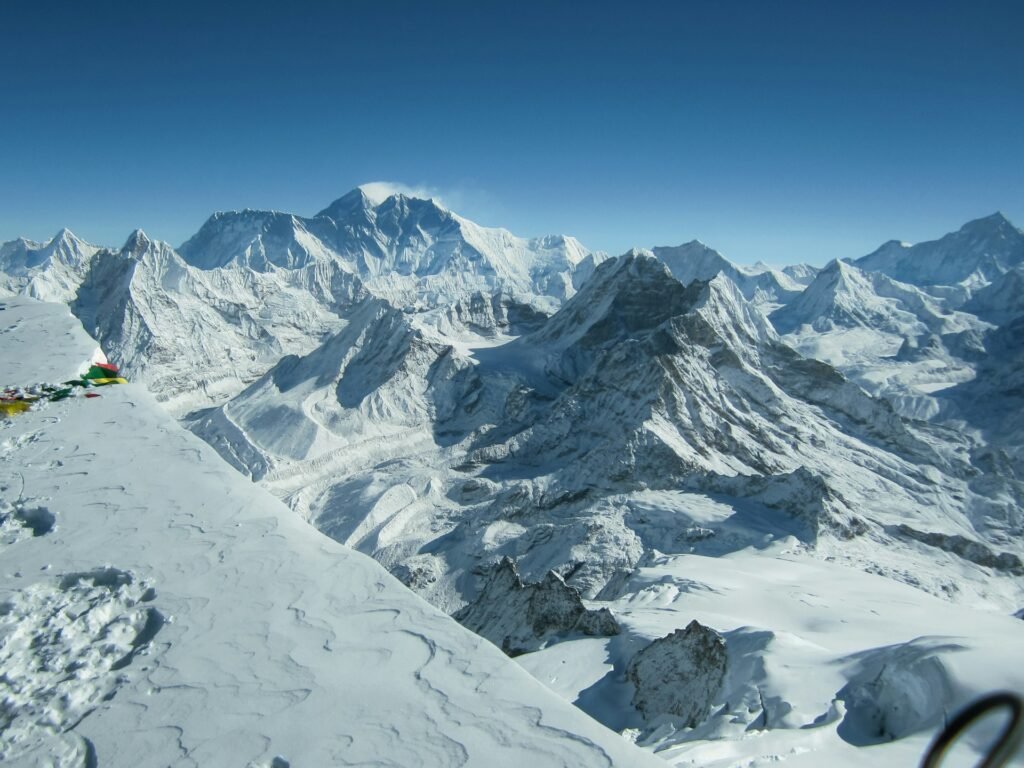
Autumn is a popular season for trekking peaks, and November conditions can be good for moderate objectives. Mera Peak, at around 6,476 metres, is one of the best-known trekking peaks and is often attempted in autumn. Our Mera Peak guide covers the route, season and preparation in more detail.
Climbing in November means colder summit mornings than in October, and wind can be a serious factor. Treat any peak climb as a different category of trip from a teahouse trek: you need appropriate experience, correct equipment, adequate acclimatisation and a team you trust. Do not use a weather forecast as a replacement for guide judgment on summit day.
Festivals and Culture in November
November is also a rich month culturally. The biggest event in 2026 is Tihar, Nepal’s festival of lights, which falls in the first half of the month. Published calendars place the main Laxmi Puja night on Sunday 8 November 2026, with Bhai Tika coming a couple of days later around 10 or 11 November. Because the exact day for some of the later rituals depends on the lunar calendar and calendars differ slightly, confirm the dates locally before building your plans around them.
During Tihar, homes and shops in Kathmandu and Pokhara are decorated with oil lamps and marigold garlands, and groups of children go door to door singing Deusi and Bhailo. It is a beautiful time to be in a city. It is also a time when many Nepali families travel home, so buses can be crowded, some offices and shops close for several days and guides and porters may be harder to book at short notice.
In the Everest region, the monasteries host their own events through the autumn, including the Mani Rimdu festival, whose exact dates change from year to year. Our guide to Tengboche Monastery explains the setting if you want to plan a trek around it, and the details should be confirmed with the monastery or your operator.
Other Things to Do in November
Not everyone comes for a multi-day trek, and the weather opens up plenty of other options.
- Kathmandu Valley day hikes: Nagarkot, Shivapuri, Champadevi and similar routes are comfortable and offer mountain views on clear mornings.
- Chitwan or Bardia wildlife trips: The lowlands are warm in the day, and fog can linger in the early morning. Dress warmly for jungle drives at dawn.
- Pokhara activities: Boating, paragliding, cycling and lakeside cafes.
- Cultural tours: Bhaktapur, Patan, Boudhanath and Swayambhunath are at their best in dry weather.
- Short village treks: Lower-altitude walks through terraced hills and Tamang or Gurung villages are very comfortable in November.
If you want help choosing between regions, our overview of the best treks in Nepal compares routes by difficulty, scenery and time needed.
Sample Plans for Different Travellers
The same month can feel very different depending on who you are and what you want. Here are three simple frameworks to adapt.
The first-time visitor who wants comfort. Spend three or four days in Kathmandu Valley, two or three in Pokhara and add a short hike such as Ghorepani Poon Hill or Chisapani-Nagarkot. You get mountain views, mild weather and a manageable altitude, and you do not need heavy expedition gear.
The fit walker who wants a classic trek. Choose Annapurna Base Camp, Langtang or Everest Base Camp. Aim for the middle of the month, add two buffer days, and pack seriously for the cold. This is the most common November visitor profile.
The experienced trekker who wants quiet and a challenge. Consider a restricted-area route such as Manaslu or a trekking peak, travel in the second half of the month and prepare for serious cold, short days and possible snow. This is also the group that most benefits from a guide who can read conditions day by day.
How to Choose the Right Month Around November
If November does not quite fit your schedule, the neighbouring months have different strengths. October is warmer at altitude and busier, and it carries a slightly higher chance of late monsoon cloud in the first days. December is colder and quieter, with excellent clarity but more severe nights. Spring, especially April, brings rhododendron blooms and warmer weather but more haze. Matching the month to your tolerance for cold and crowds is more useful than chasing a single “perfect” week.
A Typical November Trek Day, Hour by Hour
Understanding the daily rhythm helps you pack and pace yourself, because the weather follows a very predictable pattern in November.
Before dawn. This is the coldest moment of the day. Water bottles left outside can be frozen, and the dining room is usually unheated until the stove is lit. Sleep with tomorrow’s base layer inside your sleeping bag so that it is warm when you put it on.
Early morning. Breakfast is usually around 6:30 or 7:00. Skies are often at their clearest, so this is the time for views and photos. Start walking in your warm layers, then strip down after the first 30 to 40 minutes once the sun reaches the trail.
Late morning to lunch. The sun is strong and the air is still. This is the easiest walking of the day, and the best time to move steadily between villages. Keep drinking water even when you do not feel thirsty, because the dry air increases fluid loss.
Afternoon. Cloud often builds in the valleys, wind can pick up, and the temperature starts dropping early. Aim to arrive at your lodge by mid-afternoon so that you have time to wash, change into dry clothes and warm up before the evening chill sets in.
Evening. The dining room is the social centre of the lodge. Many teahouses light a yak-dung or wood stove only after dark, so bring your insulating layer to dinner. After dinner, most trekkers go straight to bed to get through the long, cold night.
This rhythm is why November trekkers are often told to start early, finish early and keep a dry set of clothes for the evening. It also explains why a trek that looks easy on paper can feel tiring in practice: the cold makes sleep lighter, appetite smaller and recovery slower.
Common Mistakes People Make With November Weather
- Judging the whole country by Kathmandu. A comfortable afternoon in the capital says very little about a night at 4,400 metres.
- Packing cotton. It stays wet and cold, and it is one of the quickest ways to feel miserable on a trek.
- Underestimating sleeping-bag rating. A bag that is fine for a summer camping trip is rarely enough for a freezing teahouse room.
- Booking a rushed itinerary. A tight schedule leaves no space for weather delays or slower acclimatisation.
- Ignoring the sun. Cold air does not reduce UV exposure, and snow and rock reflect it back at you.
- Waiting for perfect forecasts. Mountain forecasts are useful but imperfect, and local guides often read conditions better than an app does.
Practical Planning Checklist
- Choose your region first, then check the altitude profile and the expected night temperatures for it.
- Pick your dates with the early, mid and late November pattern in mind.
- Book flights and key lodges early, especially if you are travelling in the first two weeks.
- Add buffer days for flight delays and a possible weather shift.
- Test your gear before you leave home, especially boots, sleeping bag and down jacket.
- Arrange insurance that covers your maximum altitude and helicopter evacuation.
- Confirm permits and rules close to departure, because requirements can change.
- Tell someone your plan and keep your operator’s emergency contact easy to reach.
The Bottom Line on Nepal Climate in November
November rewards travellers who respect the cold. The skies are clear, the air is dry and the trails are firm, but the mountains are shifting into winter and the nights prove it. If you pack in layers, choose a sensible itinerary, give yourself time to acclimatise and stay flexible with dates, this is one of the best months of the year to see Nepal. Whether you want a gentle valley holiday or a push toward the high Himalaya, the weather is on your side far more often than not.
Frequently Asked Questions About Nepal in November
1. Is November a good time to visit Nepal?
Yes. November sits in the post-monsoon dry season, with little rain, clear mountain views and comfortable days in the valleys. The main drawbacks are cold nights at altitude and crowds in the first half of the month.
2. What is the weather like in Kathmandu in November?
Mostly dry and sunny. Daytime highs are around 22°C, while mornings and evenings are cool enough for a fleece or jacket. Rain is rare, and air quality can be hazy on some days.
3. How cold does it get at Everest Base Camp in November?
Very cold. Daytime temperatures near Gorak Shep and Base Camp hover around freezing in the sun, and night temperatures are commonly quoted at around minus 15°C, with wind making it feel colder. Exact figures vary by year and source.
4. Is it too cold to trek in Nepal in November?
Not if you are prepared. Thousands of people trek every November with proper layers, a warm sleeping bag and a down jacket. It is a gear and planning question rather than a reason to avoid the month.
5. Does it rain or snow in Nepal in November?
Rain is minimal across most of the country. Snow is uncommon on the main trekking routes early in the month, though it can fall at higher elevations, especially later in November and on high passes.
6. Are the mountain views clear in November?
Usually yes, especially in the morning. Afternoon cloud can build up in the valleys, so plan to enjoy the best views early in the day.
7. Which treks are best in November?
Everest Base Camp, Annapurna Base Camp, Annapurna Circuit, Langtang Valley and shorter routes like Ghorepani Poon Hill are all popular choices. The right one depends on your fitness, time and tolerance for cold.
8. Is November crowded in Nepal?
The first half of the month is busy, especially on the Everest and Annapurna routes. By the last week, trails are noticeably quieter and lodges have more space.
9. What should I pack for Nepal in November?
Layers are the answer: base layers, a fleece, a down jacket, a windproof shell, warm hat and gloves, a rated sleeping bag for treks, UV sunglasses and sun cream. A Kathmandu and Pokhara trip needs far less than a high-altitude trek.
10. Is Tihar in November, and does it affect travel?
In 2026 the main Laxmi Puja night is on 8 November, with the festival running over about five days. It is a lovely time to be in a city, but transport can be crowded and some businesses close, so book ahead and confirm dates locally.
Plan Your November Trip With Wonder Hikes Nepal
Reading about the Nepal climate in November is a good start, but choosing the right region, date and itinerary is easier with someone who knows the trails. Tell us when you plan to travel, how many people are in your group and how much trekking experience you have, and we will help you match your plans to the weather. The quickest way to reach us is on WhatsApp.
Chat with Wonder Hikes Nepal on WhatsApp: +977 986-0221055
Ready to plan your trek?
Tell us your dates and group size. We reply on WhatsApp within a few hours.