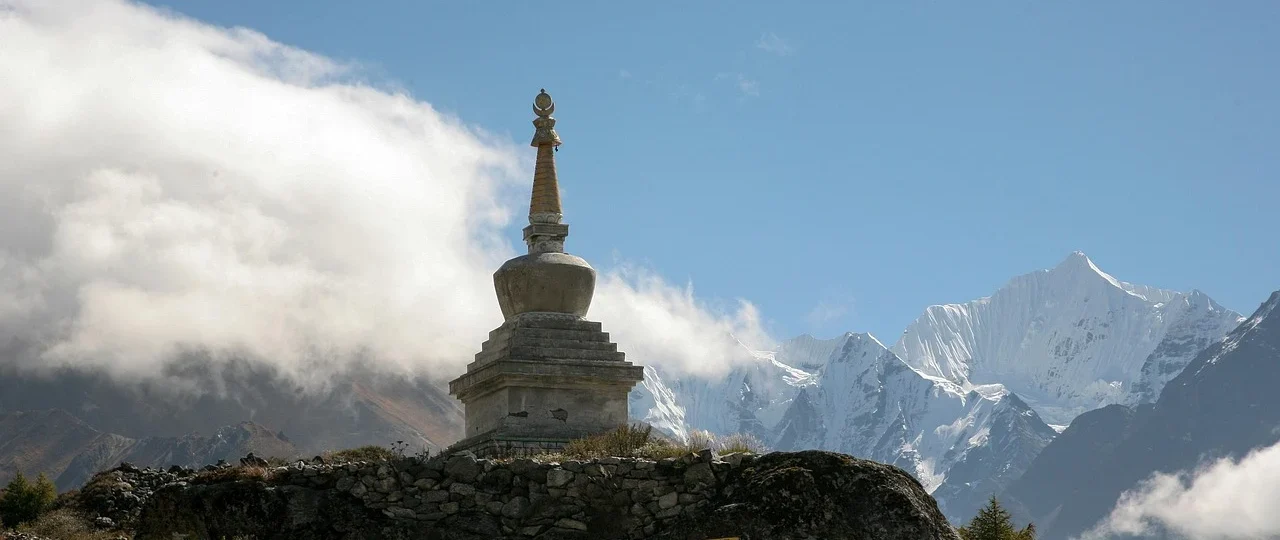
Langtang Heritage Trail: What This Trek Actually Is
Langtang Heritage Trail is the name many trekkers use when searching for what is officially known as the Tamang Heritage Trail—a cultural trekking route through the Tamang villages of the Langtang region in Rasuwa district, Nepal. This trek focuses on cultural immersion rather than high-altitude adventure. The route passes through traditional Tamang settlements including Gatlang, Tatopani, Nagthali, Thuman, and Briddim, offering trekkers the chance to stay in village homestays, experience local customs, and view the Langtang Himalayan range without the demanding altitude of the standard Langtang Valley Trek.
The Langtang Heritage Trail is distinct from the Langtang Valley Trek in both purpose and route. While the Langtang Valley Trek follows the Langtang River toward Kyanjin Gompa at 3,870 meters, the heritage trail explores the ridgeline villages and cultural landscapes south and west of the main valley. The heritage trail typically reaches its highest point at Nagthali Hill at approximately 3,165 meters—significantly lower than Kyanjin Gompa—making it more accessible for trekkers who want a genuine Himalayan experience without extreme altitude.
Understanding the Langtang Heritage Trail terminology is important. The Nepal Tourism Board and most trekking agencies officially use the name “Tamang Heritage Trail.” However, many international trekkers search for “Langtang Heritage Trail” because the route is in the Langtang region. Both names refer to the same trekking route and the same cultural experience. This article uses both terms interchangeably while respecting the official designation.
Langtang Heritage Trail: Quick Facts Table
| Feature | Details |
|---|---|
| Official name | Tamang Heritage Trail |
| Common search name | Langtang Heritage Trail |
| Location | Rasuwa district, Langtang region, Nepal |
| Trek type | Cultural trek with homestay accommodation |
| Typical duration | 5–7 days trekking |
| Total trip from Kathmandu | 7–9 days |
| Starting point | Syabrubesi or Gatlang (varies by route) |
| Ending point | Syabrubesi or Briddim (varies by route) |
| Highest point | Nagthali Hill (approx. 3,165m) |
| Trekking distance | 45–60 km (varies by route) |
| Difficulty | Easy to moderate |
| Best seasons | March–May and October–November |
| Accommodation | Village homestays and basic lodges |
| Permits | Langtang National Park Entry Permit, TIMS card |
| Guide requirement | Recommended but not legally mandatory for main route |
Langtang Heritage Trail: Understanding the Route and Terminology
The Langtang Heritage Trail route explores the cultural landscape of the Tamang people, an ethnic group indigenous to the central Himalayan region of Nepal. The Tamang community has inhabited the Rasuwa district for centuries, developing distinct traditions, language, architecture, and agricultural practices that remain visible in the villages along this trek.
Why the Name Confusion Exists
The terminology confusion between Langtang Heritage Trail and Tamang Heritage Trail stems from geography. The route is located within the broader Langtang region, and many trekkers naturally associate any trek in this area with the Langtang name. However, the trek is specifically designed to showcase Tamang culture, hence the official name.
When researching this trek, you will encounter both names used interchangeably by trekking companies, guidebooks, and online resources. The route is the same regardless of which name is used. Understanding this helps you avoid confusion when comparing itineraries from different sources.
The Cultural Focus
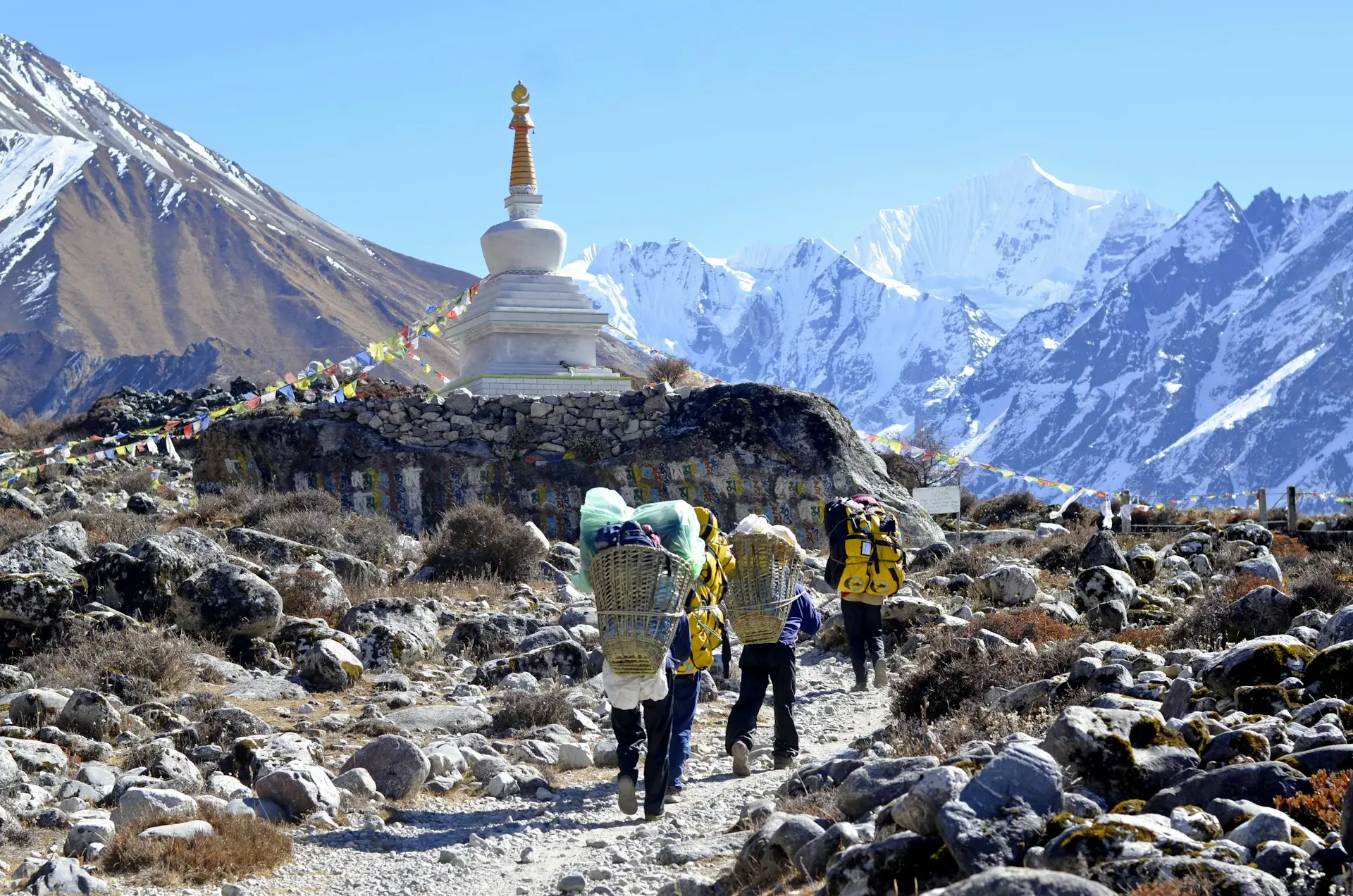
Unlike standard Himalayan treks that prioritize mountain scenery and high passes, the Langtang Heritage Trail emphasizes cultural exchange. Trekkers stay in village homestays rather than trekking lodges, eat meals prepared by local families, and have opportunities to observe and participate in daily village life. This immersive approach provides insight into Tamang traditions that most trekkers never experience on standard routes.
Langtang Heritage Trail: Complete Itinerary Overview
The Langtang Heritage Trail itinerary typically covers 5 to 7 trekking days, with total trip duration from Kathmandu ranging from 7 to 9 days including transportation. The exact route varies between trekking companies, but the standard circuit includes the major Tamang villages of the region.
Typical Day-by-Day Itinerary
| Day | Route | Walking Time | Overnight | Elevation |
|---|---|---|---|---|
| 1 | Kathmandu to Syabrubesi | 7–9 hours (drive) | Syabrubesi | 1,500m |
| 2 | Syabrubesi to Gatlang | 4–5 hours | Gatlang | 2,240m |
| 3 | Gatlang to Tatopani | 5–6 hours | Tatopani | 2,607m |
| 4 | Tatopani to Nagthali to Thuman | 5–6 hours | Thuman | 2,338m |
| 5 | Thuman to Briddim | 4–5 hours | Briddim | 2,229m |
| 6 | Briddim to Syabrubesi | 3–4 hours | Syabrubesi | 1,500m |
| 7 | Syabrubesi to Kathmandu | 7–9 hours (drive) | Kathmandu | 1,350m |
Note: Some itineraries include an additional day at Nagthali for sunrise views or extend the trek to include Timure and Rasuwagadhi near the Tibet border. These variations add 1–2 days to the itinerary.
Langtang Heritage Trail: Major Villages Along the Route
The Langtang Heritage Trail passes through several significant Tamang villages, each with distinct characteristics and cultural attractions. Understanding what each village offers helps you appreciate the route’s design.
Gatlang (2,240 meters)
Gatlang is typically the first major village on the Langtang Heritage Trail itinerary. This traditional Tamang settlement is known for its stone houses, Buddhist chortens, and the nearby Gatlang viewpoint offering views of the Ganesh Himal range. The village provides an immediate introduction to Tamang architecture and daily life. Gatlang has basic homestay accommodation and a few small shops.
Tatopani (2,607 meters)
Tatopani, meaning “hot water” in Nepali, is named for the natural hot springs near the village. After a day of trekking, soaking in these springs is a genuine highlight. The village itself is smaller than Gatlang but offers authentic homestay experiences. The hot springs are simple—don’t expect developed spa facilities—but the experience of bathing in natural thermal water with mountain views is memorable.
Nagthali Hill (3,165 meters)
Nagthali is the highest point of the Langtang Heritage Trail at approximately 3,165 meters. This grassy ridge offers panoramic views of the Langtang Himalayan range, including Langtang Lirung, Ganesh Himal, and the surrounding peaks. Trekkers typically cross Nagthali between Tatopani and Thuman, with the climb providing the trek’s most demanding section. The viewpoint is particularly spectacular at sunrise.
Thuman (2,338 meters)
Thuman is a culturally significant Tamang village known for its traditional architecture and strong community identity. The village has maintained its cultural practices more visibly than some larger settlements. Homestays in Thuman provide insight into Tamang family life, and the village offers views across the valley toward the Langtang range.
Timure and Rasuwagadhi (Border Area)
Some Langtang Heritage Trail itineraries include a visit to Timure and Rasuwagadhi, the Nepal-Tibet border crossing. This extension adds cultural and geographic interest but requires additional permits and may not be available during all periods. The border area has specific regulations that must be verified before planning this extension.
Briddim (2,229 meters)
Briddim is often the final village on the Langtang Heritage Trail before returning to Syabrubesi. The village is known for its well-established homestay program and cultural performances. Many trekkers consider Briddim the highlight of the route for its warm hospitality and organized cultural activities. The village has invested significantly in developing its tourism infrastructure while maintaining traditional character.
Langtang Heritage Trail: Daily Walking Hours and Distance
The Langtang Heritage Trail involves moderate daily walking hours, making it more accessible than many Himalayan treks. Understanding the physical demands helps you prepare realistically.
Walking Hours by Day
| Day | Route | Walking Hours | Distance |
|---|---|---|---|
| 2 | Syabrubesi to Gatlang | 4–5 hours | 8–10 km |
| 3 | Gatlang to Tatopani | 5–6 hours | 10–12 km |
| 4 | Tatopani to Nagthali to Thuman | 5–6 hours | 10–12 km |
| 5 | Thuman to Briddim | 4–5 hours | 8–10 km |
| 6 | Briddim to Syabrubesi | 3–4 hours | 6–8 km |
Total Trekking Distance
The Langtang Heritage Trail covers approximately 45 to 60 kilometers of trekking depending on the exact route and whether extensions are included. This distance is spread over 5 to 7 trekking days, resulting in manageable daily distances for most trekkers.
Why Daily Walking Is Manageable
The Langtang Heritage Trail is designed for cultural immersion rather than physical challenge. Daily walking hours are moderate, and the elevation gain is gradual compared with the Langtang Valley Trek. The trail does include some steep sections—particularly the climb to Nagthali—but these are interspersed with easier walking through villages and agricultural terraces.
Langtang Heritage Trail: Difficulty Assessment
The Langtang Heritage Trail is classified as easy to moderate in difficulty. This makes it one of the more accessible trekking options in the Langtang region, suitable for beginners with reasonable fitness.
Difficulty Breakdown
| Aspect | Rating | Details |
|---|---|---|
| Physical difficulty | Easy to moderate | 4–6 hours walking daily |
| Technical difficulty | Very low | No climbing skills or equipment needed |
| Altitude difficulty | Low | Highest point at 3,165m |
| Mental difficulty | Low | Good accommodation, moderate days |
| Terrain difficulty | Easy to moderate | Village trails, some steep sections |
The Hardest Section
The climb to Nagthali Hill at 3,165 meters represents the most physically demanding section of the Langtang Heritage Trail. The ascent from Tatopani involves sustained climbing over several hours. However, even this section is manageable for trekkers with basic fitness, and the panoramic views from the top provide ample reward.
Altitude Considerations
The Langtang Heritage Trail reaches a maximum elevation of approximately 3,165 meters at Nagthali. This is below the threshold where most people experience significant altitude effects. Mild symptoms such as slight breathlessness are possible, but serious altitude sickness is rare on this route. The moderate altitude is one reason the heritage trail is recommended for trekkers concerned about altitude.
Langtang Heritage Trail: Cultural Experience and Homestay Accommodation
The defining feature of the Langtang Heritage Trail is the cultural immersion experience, particularly through village homestays.
What Homestay Accommodation Is Like
Homestays on the Langtang Heritage Trail provide basic but comfortable accommodation in local family homes. Expect:
-
Simple rooms: Clean beds with basic bedding
-
Shared facilities: Toilets and washing areas shared with the family
-
Family meals: Home-cooked food served in the family kitchen or dining area
-
Cultural interaction: Opportunities to talk with family members and observe daily life
-
Limited privacy: You are staying in someone’s home, not a hotel
-
Authentic experience: Direct exposure to Tamang customs, language, and hospitality
The Cultural Exchange
The Langtang Heritage Trail is designed to facilitate genuine cultural exchange. Trekkers have opportunities to:
-
Observe traditional cooking methods
-
Learn about Tamang Buddhist practices
-
See traditional architecture and building techniques
-
Participate in cultural activities where invited
-
Understand agricultural practices and seasonal rhythms
-
Experience traditional music and dance performances in some villages
Responsible Cultural Tourism
When staying in village homestays on the Langtang Heritage Trail, practice responsible tourism:
-
Respect local customs and dress modestly
-
Ask permission before photographing people
-
Learn a few words of the Tamang language
-
Purchase local products where available
-
Follow your guide’s advice on cultural etiquette
-
Be mindful that you are a guest in someone’s home
Langtang Heritage Trail: Permits and Regulations
The Langtang Heritage Trail requires standard Langtang region permits. As of 2026, the requirements are:
Required Permits
Langtang National Park Entry Permit:
-
Foreign nationals: NPR 3,000
-
SAARC nationals: NPR 1,500
-
Nepali citizens: NPR 100
TIMS Card (Trekkers’ Information Management System):
-
Foreign nationals: NPR 2,000
-
SAARC nationals: NPR 1,000
Additional Permits for Border Extensions
If your Langtang Heritage Trail itinerary includes Timure or Rasuwagadhi near the Tibet border, additional permits may be required. These border areas have specific regulations, and access can change based on security conditions. Verify current requirements with your trekking agency or the Nepal Tourism Board before planning this extension.
Guide Requirements
A guide is not legally mandatory for the main Langtang Heritage Trail route. However, a local guide significantly enhances the experience by:
-
Facilitating cultural exchange and translation
-
Explaining Tamang customs and traditions
-
Navigating the route between villages
-
Arranging homestay accommodation
-
Managing logistics and unexpected issues
Wonder Hikes Nepal provides licensed guides with local knowledge of the Tamang villages and cultural context that enriches the trekking experience.
Langtang Heritage Trail: Best Seasons for Trekking
The Langtang Heritage Trail is accessible year-round, but seasonal conditions significantly affect the experience.
Spring (March–May)
Spring offers moderate temperatures and stable weather for the Langtang Heritage Trail. Rhododendrons bloom in the surrounding forests, adding color to the landscape. Visibility is generally good, though afternoon clouds are common.
Advantages: Pleasant temperatures, blooming vegetation, good visibility
Challenges: Occasional rain, crowded trails during peak months
Autumn (October–November)
Autumn provides the most stable weather with clear skies and excellent mountain views. This is the most popular season for the Langtang Heritage Trail, and homestays can be busy.
Advantages: Clear skies, stable weather, excellent visibility
Challenges: Cold nights, crowded conditions, limited availability
Summer/Monsoon (June–September)
Monsoon conditions make the Langtang Heritage Trail less appealing. Rain creates muddy trails, and visibility is often poor. However, the lower elevations of this trek mean monsoon conditions are less severe than on higher routes.
Advantages: Fewer trekkers, lush green landscapes
Challenges: Rain, mud, leeches in forested sections, poor visibility
Winter (December–February)
Winter trekking on the Langtang Heritage Trail is possible but cold. Daytime temperatures are moderate, but nights are freezing, and some homestays may be less prepared for winter guests.
Advantages: Clear skies, solitude, cultural authenticity
Challenges: Cold temperatures, limited services, possible snow at higher sections
Langtang Heritage Trail: Transportation and Access
Reaching the Langtang Heritage Trail requires road transportation from Kathmandu to the trailhead.
Getting to Syabrubesi
The standard access point for the Langtang Heritage Trail is Syabrubesi, reached by a 7–9 hour drive from Kathmandu covering approximately 120–150 kilometers. Transportation options include:
-
Private jeep: Faster, more comfortable, arranged through trekking agencies like Wonder Hikes Nepal
-
Local bus: Cheaper but slower and less comfortable
Returning to Kathmandu
The Langtang Heritage Trail typically ends at Syabrubesi, meaning you return to Kathmandu by the same road. This circular route structure is convenient for logistics.
Road Conditions
The road to Syabrubesi has improved significantly over the years but remains a mountain road with winding sections and variable surface conditions. Travel time can extend beyond 9 hours in poor weather or after monsoon damage.
Langtang Heritage Trail vs Langtang Valley Trek
Understanding the differences between the Langtang Heritage Trail and the Langtang Valley Trek helps you choose the right trek for your goals.
| Feature | Langtang Heritage Trail | Langtang Valley Trek |
|---|---|---|
| Focus | Cultural immersion, village life | High-altitude scenery, mountain views |
| Duration | 5–7 days trekking | 7–10 days trekking |
| Highest point | Nagthali (3,165m) | Kyanjin Gompa (3,870m) or higher |
| Accommodation | Village homestays | Teahouses/lodges |
| Difficulty | Easy to moderate | Moderate |
| Cultural interaction | Extensive | Limited |
| Mountain views | Good from Nagthali | Excellent from Kyanjin Gompa |
| Crowds | Fewer trekkers | More popular |
Which Should You Choose?
Choose the Langtang Heritage Trail if you prioritize cultural experience, prefer moderate altitude, want shorter walking days, or are concerned about altitude sickness.
Choose the Langtang Valley Trek if you prioritize mountain scenery, want a more physically demanding trek, or have already experienced cultural treks elsewhere.
Combining Both Treks
Many trekkers combine the Langtang Heritage Trail with the Langtang Valley Trek for a comprehensive Langtang region experience. This combined itinerary typically takes 12–15 days and provides both cultural immersion and high-altitude adventure. Wonder Hikes Nepal offers combined itineraries that link the two routes seamlessly.
Langtang Heritage Trail: What to Pack
The Langtang Heritage Trail requires standard trekking gear appropriate for moderate altitude and cultural homestay accommodation.
Essential Items
-
Trekking boots: Broken-in, comfortable for 4–6 hours of daily walking
-
Warm layers: Fleece or light down jacket for evenings
-
Rain jacket: Essential during spring and monsoon seasons
-
Comfortable clothing: Modest attire appropriate for village homestays
-
Sleeping bag: Lightweight, rated to 0°C is sufficient for most seasons
-
Water purification: Tablets or filter bottle
-
Headlamp: For evening movement in villages
-
Sun protection: Sunscreen, sunglasses, hat
-
Basic first-aid: Blister treatment, pain relief, personal medications
-
Small gifts: Optional small items for homestay families (school supplies, photos from home)
-
Document storage: Waterproof pouch for permits and passport
What You Don’t Need
The Langtang Heritage Trail does not require technical equipment, ice axes, crampons, or heavy expedition gear. The moderate altitude and established trails mean you can pack lighter than for higher-altitude treks.
Langtang Heritage Trail: Safety and Practical Considerations
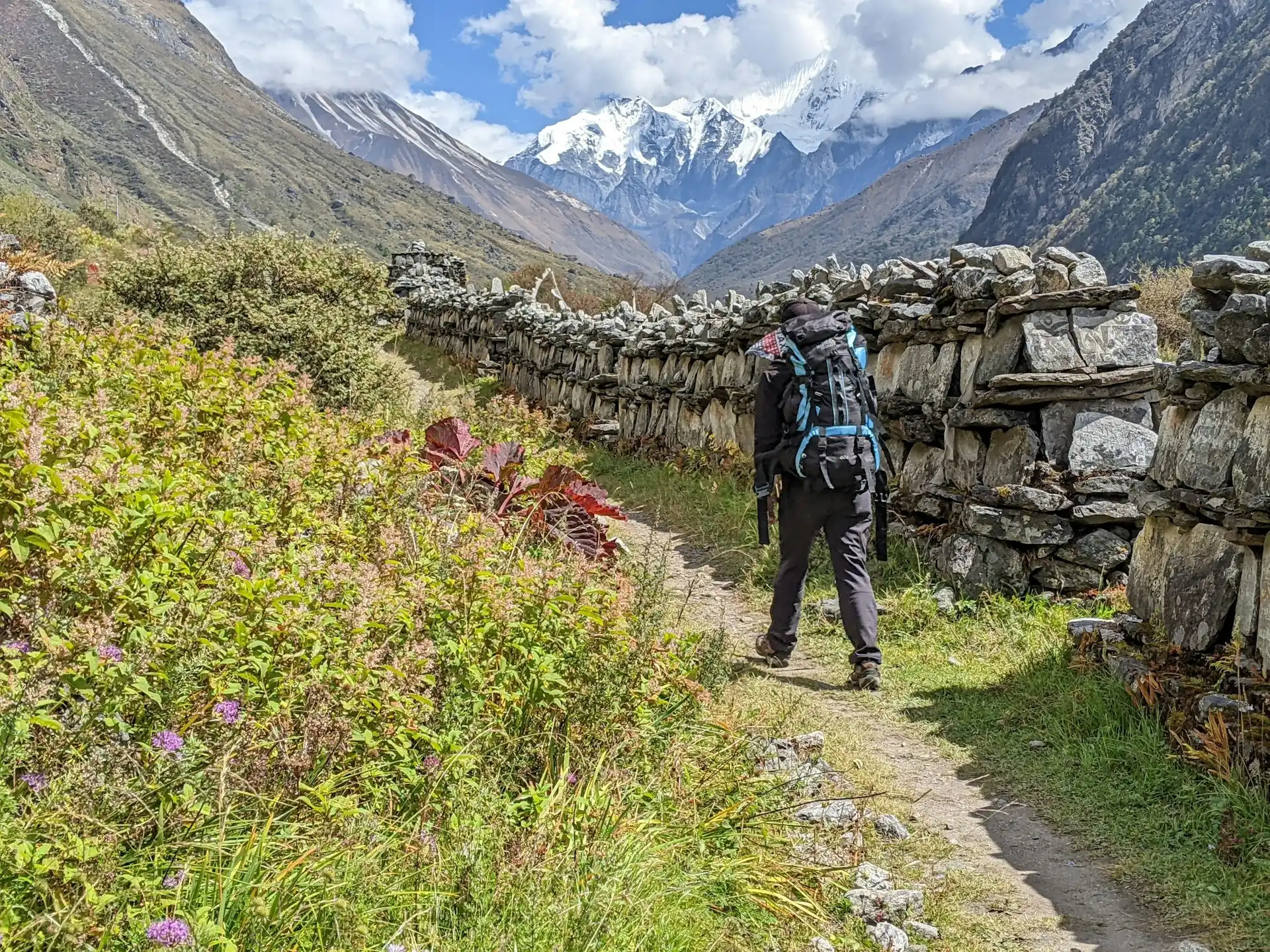
The Langtang Heritage Trail is generally safe, but standard trekking precautions apply.
Health and Safety
-
Altitude: The moderate elevation means altitude sickness is uncommon, but stay alert for symptoms
-
Food and water: Eat well-cooked food, drink purified water
-
Trail conditions: Trails are generally good but can be muddy after rain
-
Weather: Conditions can change quickly; carry rain gear regardless of season
-
Communication: Mobile coverage is limited in some villages; your guide should carry communication equipment
Travel Insurance
Travel insurance with trekking coverage is essential for the Langtang Heritage Trail. Ensure your policy covers trekking up to at least 3,500 meters and includes emergency evacuation coverage.
Responsible Tourism
Practice responsible tourism on the Langtang Heritage Trail:
-
Respect local customs and traditions
-
Dispose of waste properly
-
Conserve water and electricity
-
Support local businesses
-
Be mindful of cultural sensitivities
-
Ask permission before photographing people
How Wonder Hikes Nepal Plans the Langtang Heritage Trail
Wonder Hikes Nepal understands that the Langtang Heritage Trail is about cultural experience, not just completing a route. The company’s approach focuses on authentic immersion and practical logistics.
When you book the Langtang Heritage Trail with Wonder Hikes Nepal, the team:
-
Designs authentic itineraries: Routes are planned to maximize cultural interaction while maintaining realistic walking hours
-
Coordinates homestay arrangements: Village stays are booked in advance, with families who are experienced hosts
-
Provides cultural guides: Licensed guides with local knowledge of Tamang customs, language, and traditions
-
Processes permits: Langtang National Park and TIMS permits handled before departure
-
Arranges transportation: Kathmandu to Syabrubesi and return transportation coordinated
-
Offers route flexibility: Itineraries can be adjusted to include extensions like Nagthali sunrise or border-area visits
-
Supports local communities: Homestay arrangements directly benefit village families
The goal is to provide a genuine cultural experience that benefits both trekkers and the Tamang communities they visit.
Frequently Asked Questions About Langtang Heritage Trail
1. What is the Langtang Heritage Trail?
The Langtang Heritage Trail is the common search name for the official Tamang Heritage Trail, a cultural trekking route through Tamang villages in the Langtang region of Nepal.
2. Is Langtang Heritage Trail the same as Tamang Heritage Trail?
Yes, both names refer to the same trekking route. The official name is Tamang Heritage Trail, but “Langtang Heritage Trail” is commonly used because the route is in the Langtang region.
3. How long is the Langtang Heritage Trail?
The Langtang Heritage Trail typically takes 5 to 7 trekking days, with total trip duration from Kathmandu of 7 to 9 days.
4. How difficult is the Langtang Heritage Trail?
The Langtang Heritage Trail is easy to moderate in difficulty, making it suitable for beginners with reasonable fitness.
5. What is the highest point of the Langtang Heritage Trail?
The highest point is Nagthali Hill at approximately 3,165 meters.
6. What permits are required for the Langtang Heritage Trail?
You need the Langtang National Park Entry Permit and TIMS card. Border-area extensions require additional permits.
7. Where does the Langtang Heritage Trail start?
The trek typically starts at Syabrubesi, reached by a 7–9 hour drive from Kathmandu.
8. What villages are visited on the Langtang Heritage Trail?
Major villages include Gatlang, Tatopani, Thuman, and Briddim, with optional visits to Timure and Rasuwagadhi.
9. What is accommodation like on the Langtang Heritage Trail?
Accommodation is primarily village homestays—basic but comfortable rooms in local family homes.
10. Is the Langtang Heritage Trail suitable for beginners?
Yes, the Langtang Heritage Trail is suitable for beginners with basic fitness and a willingness to walk 4–6 hours daily.
11. What is the best season for the Langtang Heritage Trail?
The best seasons are March to May and October to November.
12. Do I need a guide for the Langtang Heritage Trail?
A guide is not legally mandatory but strongly recommended for cultural interpretation and logistics.
13. How much does the Langtang Heritage Trail cost?
The cost varies by itinerary and services. Budget approximately $500–$900 for a 7–9 day package including permits, guide, transportation, and accommodation.
14. Can I combine the Langtang Heritage Trail with the Langtang Valley Trek?
Yes, many trekkers combine both routes for a comprehensive Langtang region experience lasting 12–15 days.
15. What makes the Langtang Heritage Trail different from other treks?
The Langtang Heritage Trail focuses on cultural immersion through village homestays and Tamang community interaction, rather than high-altitude mountain scenery.
Plan Your Langtang Heritage Trail Trek With Wonder Hikes Nepal
The Langtang Heritage Trail offers a unique opportunity to experience the cultural richness of the Tamang people while trekking through the beautiful Langtang region. The moderate altitude, manageable walking hours, and authentic homestay experiences make this trek accessible to a wide range of trekkers.
Wonder Hikes Nepal can help you plan the right Langtang Heritage Trail itinerary for your interests, fitness level, and time constraints. The team handles permits, transportation, guide arrangements, and homestay reservations, allowing you to focus on the cultural experience. Contact Wonder Hikes Nepal to discuss your Langtang Heritage Trail plans for 2026.