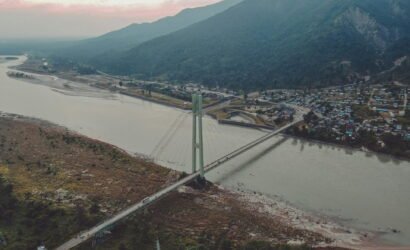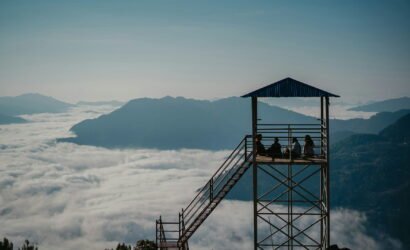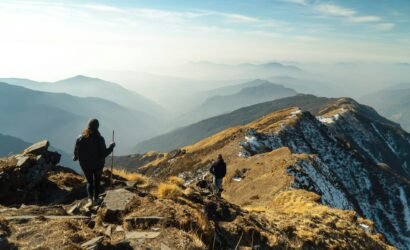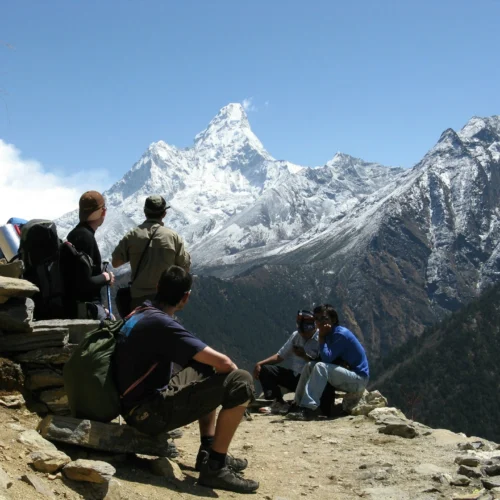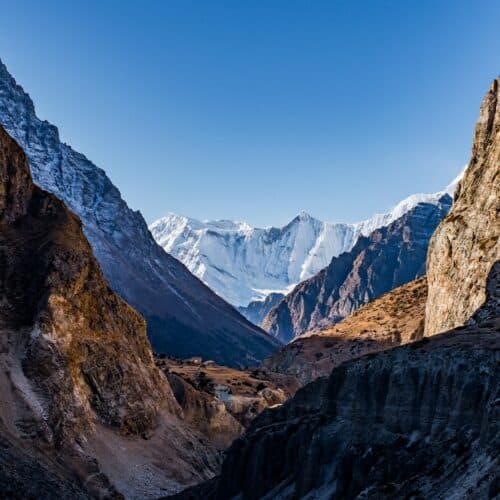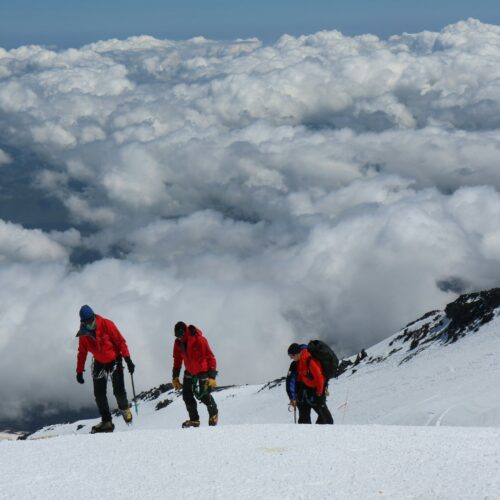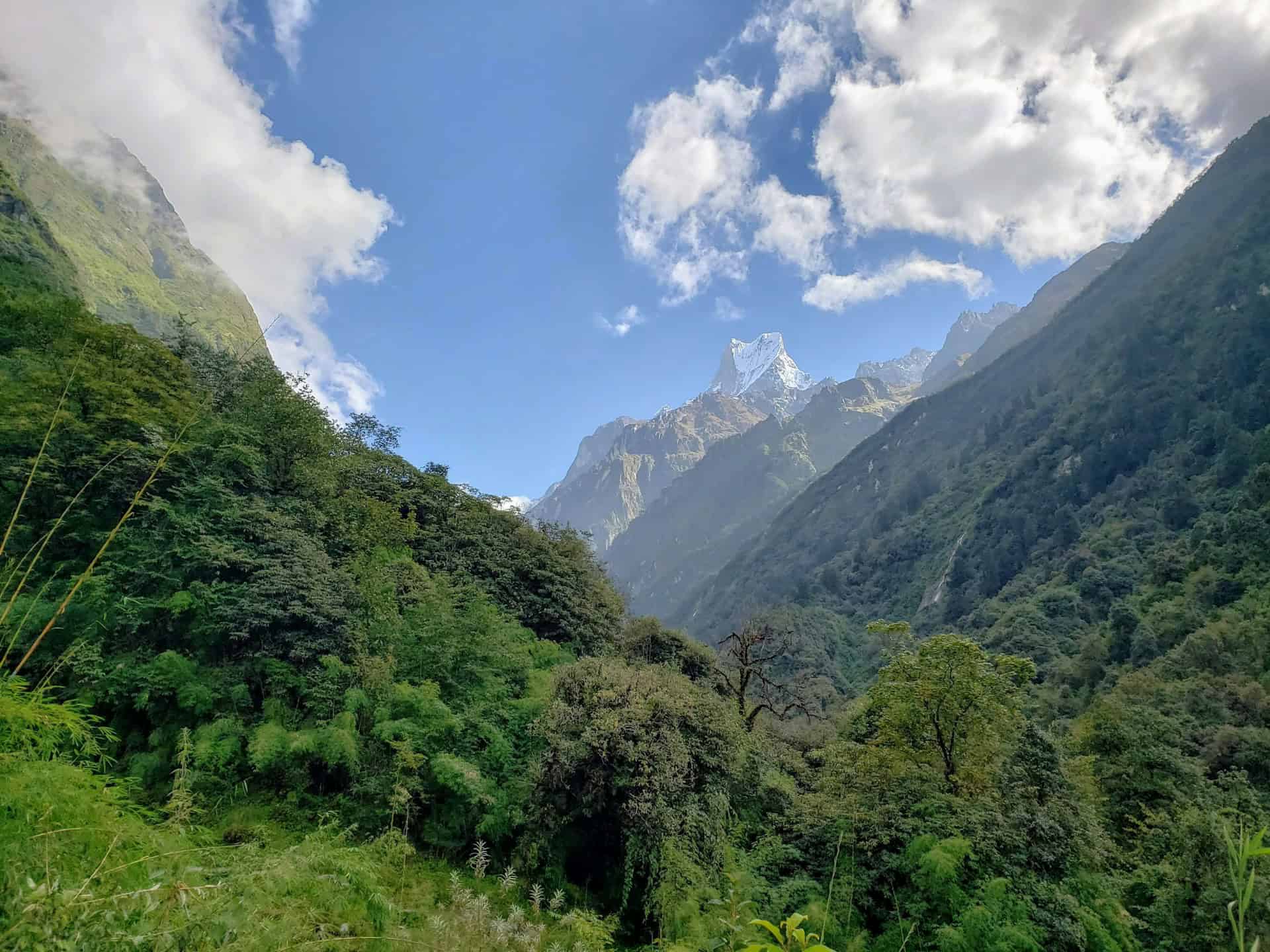
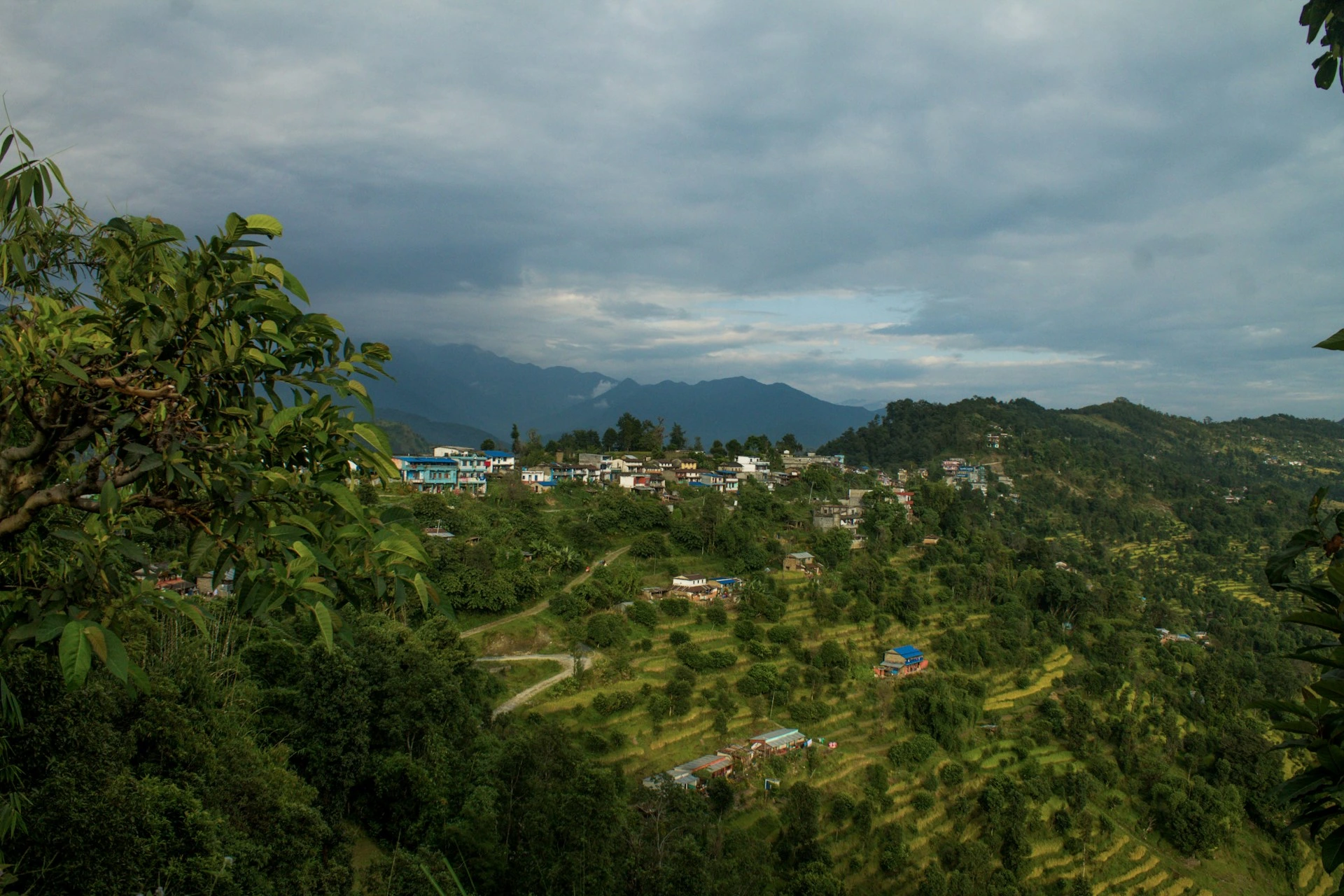
The Ruby Valley Trek is one of Nepal’s lesser-explored trekking adventures, located between the famous Langtang and Manaslu regions. Named after the precious ruby gemstones once discovered in the area, this trek offers a unique combination of untouched Himalayan landscapes, rich Tamang and Gurung culture, traditional mountain villages, terraced farmlands, dense forests, waterfalls, and panoramic snow-capped peaks.
Unlike crowded trekking routes such as Everest Base Camp or Annapurna Base Camp, the Ruby Valley Trek remains peaceful and authentic, making it ideal for trekkers seeking a quiet Himalayan experience.
The trail usually begins from Syabrubesi or Dhading district depending on the itinerary and passes through beautiful settlements like Gatlang, Somdang, Tipling, Chalish Gaun, Borang, and Jharlang.
Along the route, trekkers witness stunning views of Ganesh Himal, Langtang Himal, Manaslu, and other surrounding mountain ranges. The region is culturally rich, with Buddhist monasteries, chortens, mani walls, and warm local hospitality adding depth to the journey.
Ruby Valley Trek is perfect for travelers who want a balance of adventure, culture, scenic beauty, and off-the-beaten-path exploration. The trek also supports community-based tourism, helping preserve the traditions and livelihoods of local mountain communities.
Best Season for Ruby Valley Trek
The best time for the Ruby Valley Trek is during the spring and autumn seasons when the weather is stable and mountain visibility is excellent.
Spring Season (March to May)
Spring is one of the most beautiful times for the trek. Forests bloom with colorful rhododendrons and wildflowers, creating vibrant landscapes throughout the trail. Temperatures are moderate, skies are generally clear, and mountain views are spectacular. This season is ideal for photography and nature lovers.
Autumn Season (September to November)
Autumn is considered the peak trekking season in Nepal. After the monsoon rains, the skies become crystal clear, offering excellent visibility of Ganesh Himal, Langtang, and Manaslu ranges. The weather remains dry and comfortable, making trekking conditions highly favorable.
Winter Season (December to February)
Winter trekking is possible but temperatures can drop significantly at higher elevations. Snowfall may affect some sections of the trail, but the landscapes become incredibly beautiful and peaceful for trekkers who enjoy cold weather and solitude.
Monsoon Season (June to August)
Monsoon is generally less recommended due to heavy rainfall, slippery trails, landslides, and reduced mountain visibility. However, the hills become lush and green during this period, offering a unique natural atmosphere.
What Makes Ruby Valley Trek Special?
Ruby Valley Trek stands out because of its untouched beauty and cultural authenticity. While many trekking routes in Nepal have become heavily commercialized, Ruby Valley still preserves the raw charm of rural Himalayan life. Trekkers can connect closely with local communities and experience traditional lifestyles that have remained unchanged for generations.
The region is especially known for its ethnic diversity. Tamang, Gurung, and Ghale communities warmly welcome trekkers into their villages and homes. Staying in local homestays provides a deeper understanding of mountain traditions, farming practices, cuisine, and Buddhist culture.
Another special feature is the remarkable scenery. The trail offers incredible mountain panoramas while passing through forests, rivers, suspension bridges, yak pastures, and hidden valleys. The combination of natural beauty and cultural richness creates a truly immersive trekking experience.
Ruby Valley Trek is also an excellent alternative for trekkers seeking a quieter and more peaceful Himalayan journey without sacrificing scenic beauty or adventure.
Highlights of Ruby Valley Trek
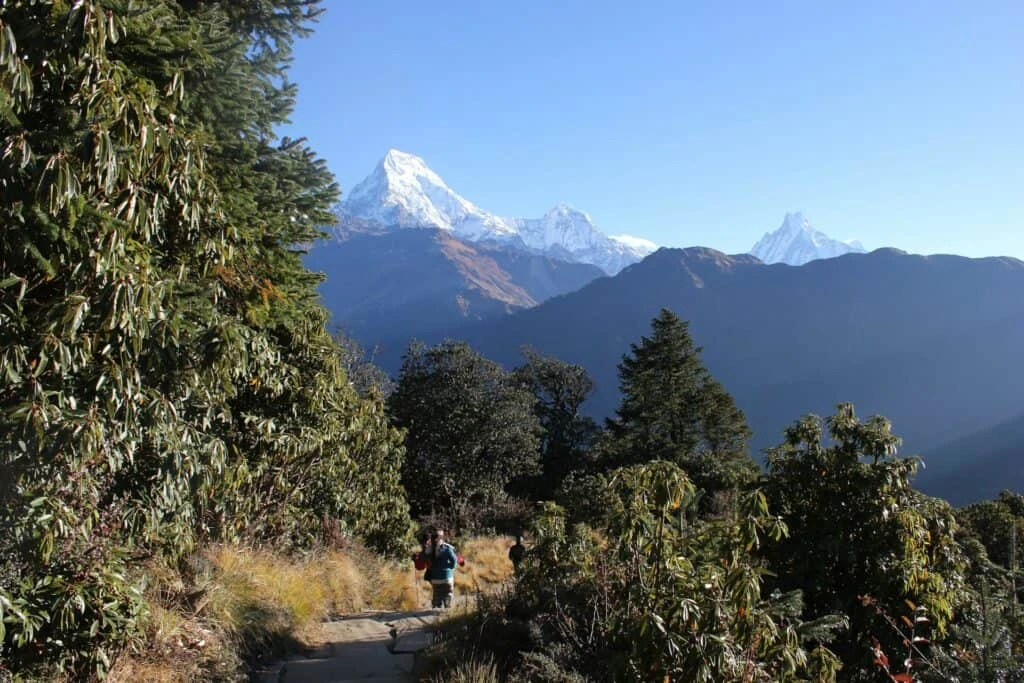
- Explore one of Nepal’s hidden trekking destinations with fewer crowds
- Experience authentic Tamang and Gurung mountain culture
- Stunning views of Ganesh Himal, Langtang, Manaslu, and Tibetan ranges
- Visit traditional villages untouched by modern tourism
- Trek through rhododendron forests, alpine meadows, waterfalls, and terraced fields
- Discover natural hot springs and local community lifestyles
- Stay in community-based homestays and tea houses
- Observe ancient Buddhist monasteries, prayer flags, mani walls, and chortens
- Enjoy peaceful trekking routes away from commercialized trails
- Opportunity to experience local festivals, traditions, and organic mountain cuisine
How Difficult is Ruby Valley Trek
Ruby Valley Trek is considered a moderate-level trek suitable for trekkers with average physical fitness. The route includes several uphill and downhill sections, forest trails, stone staircases, and remote mountain paths. Daily trekking usually ranges from 5 to 7 hours depending on the itinerary.
The trek reaches elevations above 3,500 meters, which means altitude can become a challenge for some trekkers. However, compared to more extreme high-altitude treks in Nepal, Ruby Valley is less demanding and technically easier.
Beginners with good preparation and a positive mindset can successfully complete the trek. Previous hiking experience is helpful but not mandatory. Trekkers should be prepared for basic accommodation facilities in remote villages and changing mountain weather conditions.
Key difficulty factors include:
- Long walking hours on certain days
- Remote trail conditions
- Steep ascents and descents
- Limited modern infrastructure
- Basic tea house facilities
- Cold temperatures at higher elevations
With proper acclimatization, steady pacing, and preparation, most trekkers can comfortably enjoy the trek.
Permits Required
Trekkers need several permits to enter the Ruby Valley region legally. These permits help support conservation and local tourism development.
Required Permits:
- Langtang National Park Entry Permit
- TIMS (Trekkers’ Information Management System) Card
- Restricted area permits may be required depending on the route and itinerary
Permits are generally arranged through registered trekking agencies in Nepal. Trekkers should carry passport copies and passport-sized photographs for permit processing.
It is highly recommended to trek with a licensed guide, especially because some sections are remote and less developed compared to mainstream trekking regions.
Safety and Precautions
Safety is an important part of trekking in remote Himalayan regions. Although Ruby Valley Trek is relatively safe, trekkers should remain cautious and properly prepared throughout the journey.
Important Safety Measures:
- Trek with an experienced guide or porter-guide
- Follow proper acclimatization schedules
- Drink plenty of water to stay hydrated
- Avoid rushing at higher elevations
- Carry essential medications and a first-aid kit
- Check weather conditions before trekking
- Wear proper trekking boots with good grip
- Use layered clothing for changing temperatures
- Keep important documents and permits secure
- Inform someone about your trekking itinerary
Trekkers should also maintain environmental responsibility by avoiding littering and respecting local customs and traditions.
Altitude Sickness and Prevention
Although Ruby Valley Trek is not among Nepal’s highest treks, altitude sickness can still affect trekkers as the trail ascends above 3,000 meters. Symptoms may include headaches, dizziness, nausea, shortness of breath, loss of appetite, and fatigue.
Prevention Tips:
- Ascend gradually without rushing
- Stay hydrated throughout the trek
- Avoid excessive alcohol and smoking
- Eat nutritious meals regularly
- Take proper rest and acclimatization breaks
- Inform your guide immediately if symptoms appear
In severe cases, descending to a lower altitude is the best solution. Most trekkers can avoid serious altitude problems by following proper trekking practices and listening to their bodies.
What You Can Expect from the Ruby Valley Trek?
Ruby Valley Trek offers a complete Himalayan experience filled with cultural interaction, scenic beauty, peaceful trails, and adventure. Trekkers can expect remote mountain villages, welcoming locals, traditional stone houses, yak pastures, dense forests, and panoramic Himalayan landscapes throughout the journey.
The trek is ideal for those who appreciate authentic local experiences rather than luxury trekking environments. Accommodation is mostly in tea houses or community homestays, giving trekkers a chance to interact directly with local families.
You can also expect:
- Beautiful sunrise and sunset mountain views
- Traditional Nepali and Tibetan-influenced culture
- Fresh organic local meals
- Peaceful trekking routes with minimal crowds
- Unique village lifestyles and traditions
- Suspension bridges, rivers, waterfalls, and forests
- Memorable interactions with mountain communities
The trek combines adventure with cultural immersion, making it one of Nepal’s hidden trekking gems.
Is Ruby Valley Trek Suitable For You?
Ruby Valley Trek is suitable for trekkers who:
- Prefer less crowded trekking routes
- Want authentic cultural experiences
- Enjoy nature, mountains, and remote villages
- Are looking for moderate trekking difficulty
- Appreciate peaceful and offbeat adventures
- Want to explore hidden Himalayan regions
The trek is suitable for beginners with preparation as well as experienced trekkers seeking a quieter alternative to Nepal’s popular routes. Families, solo travelers, couples, and small groups can all enjoy this trekking experience.
However, trekkers expecting luxury accommodation or highly developed infrastructure may find the route more basic and remote compared to commercial trekking areas.
Training and Preparation for the Ruby Valley Trek
Proper preparation significantly improves the trekking experience. While Ruby Valley Trek does not require technical climbing skills, good physical conditioning helps trekkers handle long walking days and changing elevations comfortably.
Recommended Training:
- Regular walking or hiking
- Stair climbing exercises
- Cardio workouts such as running or cycling
- Leg strengthening exercises
- Light backpack training hikes
Preparation Tips:
- Break in trekking boots before the trek
- Pack lightweight but essential gear
- Research weather and trail conditions
- Purchase travel insurance covering trekking activities
- Stay mentally prepared for remote conditions
- Train at least 4–6 weeks before the trek
Good preparation helps reduce fatigue and increases overall trekking enjoyment.
Ruby Valley Trek Accommodation
Accommodation during the Ruby Valley Trek is mainly provided through local tea houses, lodges, and community homestays. Facilities are generally basic but comfortable enough for trekkers exploring remote Himalayan regions.
Rooms are usually twin-sharing with simple beds, blankets, and pillows. Bathrooms may be shared in many villages, and hot showers may be available for an additional cost depending on the location.
One of the most rewarding aspects of accommodation in Ruby Valley is the opportunity to experience local hospitality. Homestays allow trekkers to interact closely with local families, learn about village lifestyles, and enjoy authentic cultural experiences.
Although luxury accommodation is limited, the warmth and friendliness of local hosts make the experience highly memorable.
Ruby Valley Trek Food and Meals
Trekkers can enjoy a variety of local and basic international meals during the trek. Tea houses and homestays generally serve freshly prepared food using local ingredients.
Common Meals Available:
- Dal Bhat (rice, lentils, vegetables, pickles)
- Noodles and fried rice
- Tibetan bread and chapati
- Soups and curry dishes
- Momos (dumplings)
- Eggs, potatoes, porridge, and pancakes
- Tea, coffee, and hot lemon drinks
Dal Bhat is the most popular trekking meal because it provides high energy and unlimited refills in many places. Meals become simpler and more limited at higher elevations due to transportation challenges.
Trekkers should also carry snacks such as energy bars, nuts, chocolates, and electrolyte powders for extra energy during long trekking days.
Ruby Valley Trek Packing List, Gears, and Equipment
Packing wisely is essential for a comfortable and safe trekking experience in Ruby Valley.
Clothing:
- Moisture-wicking base layers
- Warm fleece or down jacket
- Waterproof jacket and pants
- Trekking pants and shirts
- Thermal wear for cold nights
- Gloves, hat, scarf, and warm socks
Footwear:
- Comfortable trekking boots
- Camp shoes or sandals
- Extra socks
Trekking Equipment:
- Backpack and daypack
- Sleeping bag
- Trekking poles
- Water bottles or hydration bladder
- Headlamp with extra batteries
- Sunglasses and sunscreen
Personal Items:
- Toiletries and wet wipes
- Personal medications
- First-aid kit
- Power bank and charging cables
- Passport and permits
- Snacks and energy bars
Packing lightweight but essential gear helps make the trek more enjoyable and manageable.
Things You Should Know
- Ruby Valley Trek is still a developing trekking destination with limited infrastructure.
- Internet and mobile networks may be weak or unavailable in remote areas.
- Electricity charging facilities may require additional payment.
- Cash is essential because ATMs are unavailable along the trail.
- Weather conditions in the mountains can change quickly.
- Respect local customs, traditions, and religious sites.
- Hiring local guides and porters supports community tourism and improves safety.
- Trekking insurance covering emergency evacuation is strongly recommended.
- Basic medical facilities are limited in remote villages.
- The trek offers a peaceful and authentic Himalayan experience far from commercial tourism crowds.
Your journey to the Ruby Valley region begins with a scenic drive from Kathmandu to Syabrubesi, a beautiful mountain town in northern Nepal. Leaving the busy capital behind, the road follows winding hillsides, rivers, terraced farms, and traditional villages, offering a wonderful introduction to Nepal’s countryside.
Throughout the drive, you can enjoy views of the Trishuli River, green hills, waterfalls, and small local settlements. The route becomes more mountainous as you approach the Langtang region, with occasional glimpses of snow-capped Himalayan peaks on clear days.
After passing through Dhunche, the road descends toward Syabrubesi, a peaceful village located beside the Bhote Koshi River. Syabrubesi is a popular starting point for treks in the Langtang and Ruby Valley regions.
Upon arrival, you will check into a local tea house or lodge, enjoy a warm meal, and prepare for the trekking adventure ahead.
Today marks the first day of trekking as you leave Syabrubesi and begin a steady ascent toward the traditional Tamang village of Gatlang. The trail climbs through terraced farmlands, pine forests, and small settlements while offering beautiful views of the surrounding hills and valleys.
After several hours of trekking, you will reach Chawatar, a scenic resting point where lunch is served. From here, the trail continues uphill through picturesque mountain landscapes with occasional views of Ganesh Himal and Langtang ranges.
Upon reaching Gatlang, you will be welcomed by one of the largest and most culturally significant Tamang villages in the region. The village is known for its traditional stone houses, rich Buddhist heritage, and warm local hospitality. Spend the evening exploring the village and experiencing the unique culture of the local community.
Today’s trek takes you deeper into the beautiful Ruby Valley region as you leave the traditional village of Gatlang and head toward Somdang. The trail gradually ascends through forests, alpine meadows, and peaceful mountain landscapes with spectacular views of Ganesh Himal and surrounding peaks.
One of the major highlights of the day is visiting the sacred Parvati Kund, a revered alpine lake surrounded by prayer flags and stunning Himalayan scenery. The area holds religious importance for local communities and offers a peaceful atmosphere for rest and photography.
Continuing onward, the trail passes through Yuri Kharka, a scenic pastureland where you will usually stop for lunch while enjoying panoramic mountain views and fresh mountain air. From here, the path climbs steadily toward Somdang, a remote settlement once known for its mining activities.
Upon arrival in Somdang, trekkers can enjoy beautiful mountain surroundings, quiet landscapes, and the authentic wilderness of the Ruby Valley region.
Today is one of the most scenic days of the Ruby Valley Trek as you cross the beautiful Pangsang Pass at 3,842 meters. The trail gradually climbs through alpine landscapes and open ridges, offering breathtaking panoramic views of the Ganesh Himal, Manaslu, Langtang, and even distant Annapurna ranges on clear days.
Pangsang Pass is famous for its spectacular Himalayan viewpoints and peaceful mountain surroundings. Trekkers can enjoy prayer flags fluttering in the wind while taking in the dramatic snow-capped scenery.
After spending time at the pass, the trail descends steadily through forests, grazing lands, and traditional settlements toward the charming village of Tipling. Located in a culturally rich Tamang community, Tipling offers beautiful rural landscapes and warm local hospitality.
The day combines stunning mountain views, high-altitude adventure, and cultural experiences, making it one of the highlights of the entire trek.
Today’s trek is shorter and more relaxed as you journey from Tipling to the beautiful village of Chalish Gaon. The trail passes through scenic hillsides, terraced farmland, forests, and traditional settlements, allowing trekkers to fully enjoy the peaceful atmosphere of the Ruby Valley region.
Along the route, you will experience authentic local culture and daily village life while enjoying impressive views of the surrounding green hills and distant mountains. The relatively easy walk provides a good opportunity to rest and recover after the previous day’s high pass crossing.
Chalish Gaon is a culturally rich Gurung and Ghale village known for its warm hospitality, traditional stone houses, and unique local traditions. The village offers an excellent chance to interact with locals and experience rural Himalayan lifestyles in a quiet and untouched setting.
Today begins with a short and pleasant trek from Chalish Gaon to Borang through scenic rural landscapes, terraced fields, and traditional villages. The trail offers a final opportunity to experience the peaceful atmosphere and cultural richness of the Ruby Valley region.
After reaching Borang, you will board a vehicle for the drive to Dhading Besi. The road journey passes through beautiful hills, rivers, forests, and countryside settlements, gradually descending to lower elevations. Along the way, trekkers can enjoy views of rural Nepal and reflect on the memorable experiences of the trek.
Dhading Besi, the district headquarters of Dhading, offers more developed facilities and a comfortable place to rest after completing the trekking portion of the journey.
Today marks the final day of your Ruby Valley Trek adventure as you drive back from Dhading Besi to Kathmandu. The journey follows scenic hillside roads, rivers, terraced farmlands, and traditional rural settlements, offering a final glimpse of Nepal’s beautiful countryside.
As you leave the peaceful hills behind and approach the Kathmandu Valley, the landscape gradually transitions from quiet rural scenery to the lively atmosphere of the capital city. Along the drive, you can relax and reflect on the memorable experiences, mountain views, cultural encounters, and remote Himalayan landscapes explored during the trek.
Upon arrival in Kathmandu, you will be transferred to your hotel or preferred location, officially concluding your unforgettable Ruby Valley Trek journey.