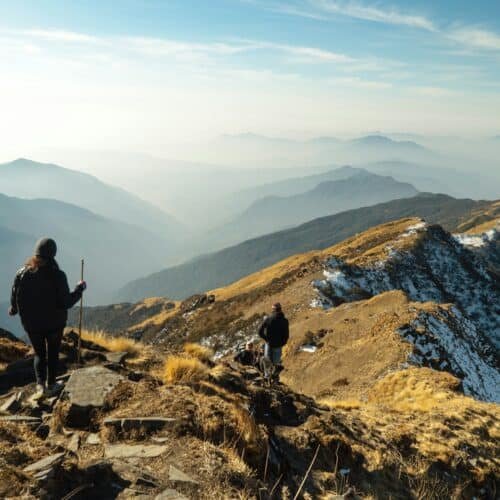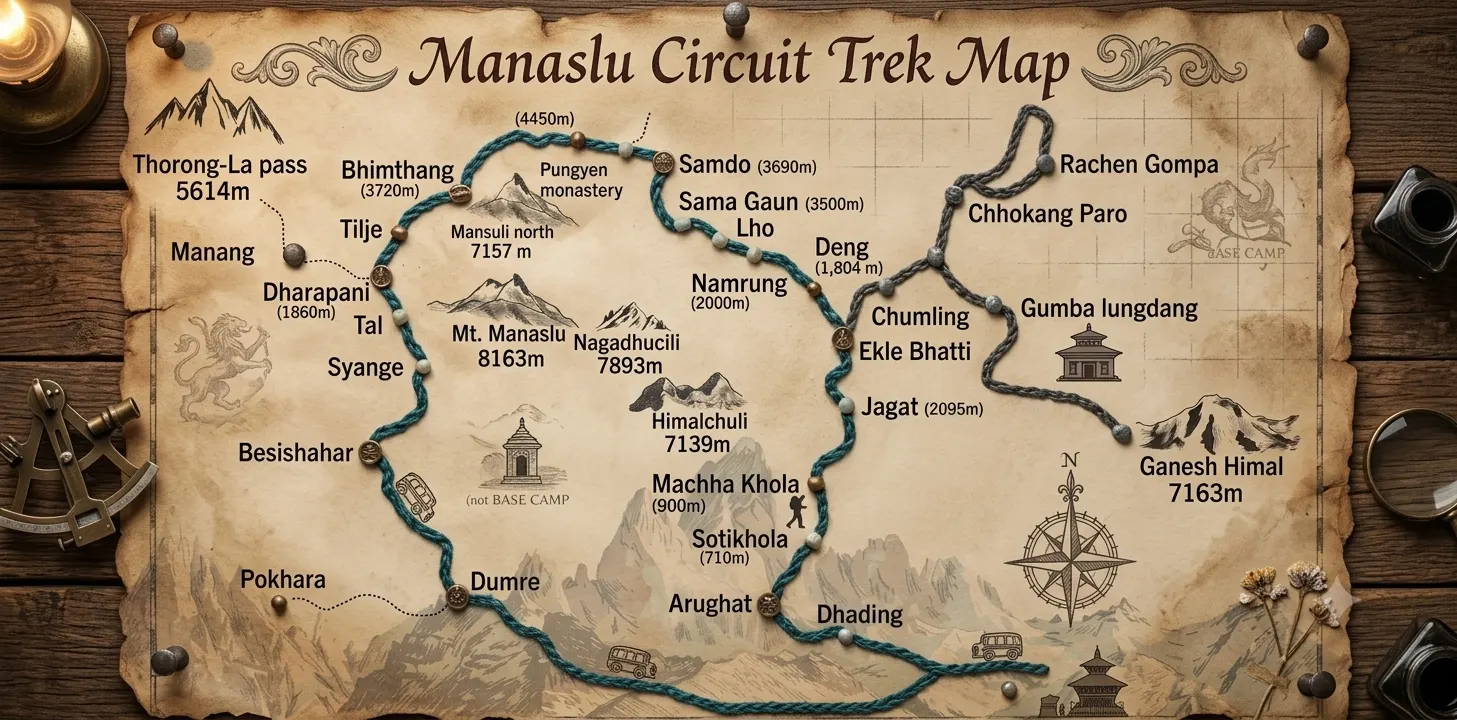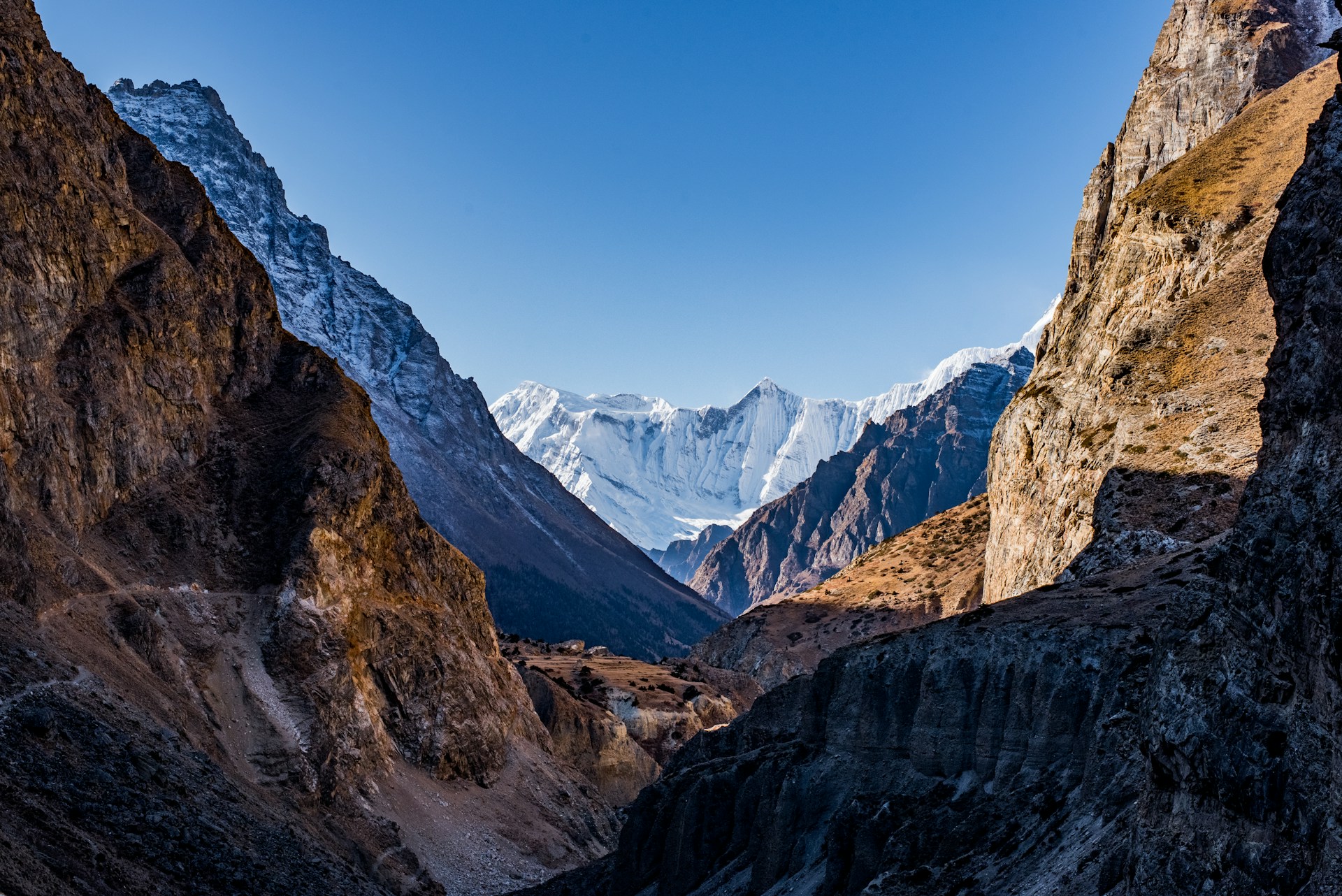
The Nar Phu Valley Trek is one of the most extraordinary and exclusive trekking experiences in Nepal — a journey into a hidden trans-Himalayan world that remained completely closed to foreign visitors until 2003 and continues to see only a small fraction of the trekkers who visit the more famous routes nearby. Nestled deep within the Annapurna Conservation Area, the Nar and Phu valleys sit in the remote northeastern corner of the Manang district, separated from the main Annapurna Circuit by a dramatic landscape of towering gorges, ancient glacial valleys, and high mountain passes. To trek here is to step into a Nepal that most travelers never get to see.
The twelve-day journey begins in Kathmandu with a scenic mountain flight to Humde airport in Manang, from where the trail departs westward into territory that feels genuinely untouched by the modern world. The route penetrates deep into the Phu valley, a high-altitude Tibetan plateau that sits between 3,600 and 4,200 meters and is enclosed on all sides by some of the most dramatic peaks of the Annapurna and Damodar Himal ranges. From Phu, the trek crosses back through Nar — an equally remarkable village perched dramatically on a high terrace above the gorge — before returning to the main Annapurna region via the challenging Kang La Pass at 5,320 meters.
What defines the Nar Phu Trek above all else is its extraordinary cultural and geographical isolation. The villages of Nar and Phu are inhabited by a small community of Tibetan-heritage people who have maintained their ancient Buddhist traditions, their unique architecture, their distinct dialect, and their traditional way of life almost entirely intact. Ancient monasteries cling to cliffsides, prayer flags snap in the mountain wind, yak herders lead their animals across glacial plains, and the air carries a quality of stillness and remoteness that is increasingly rare in a connected world. This is not just a trek — it is a journey back in time.
The trek also demands respect as a serious high-altitude expedition. With nights spent at altitudes ranging from 3,500 to over 4,000 meters and a high pass crossing at 5,320 meters, the Nar Phu Trek requires solid preparation, careful acclimatization, and a genuine respect for the mountain environment. It rewards those who are ready for it with an experience of unparalleled depth, beauty, and authenticity — one that experienced trekkers consistently rate among the finest they have ever undertaken anywhere in the world.
Nar Phu Trek at a Glance
- Trek Duration: 12 Days
- Trek Grade: Strenuous
- Maximum Altitude: 5,320 m (Kang La Pass)
- Starting Point: Kathmandu / Humde (Manang)
- Ending Point: Koto / Chame / Kathmandu
- Total Walking Distance: Approximately 120–140 km
- Daily Walking Hours: 5–8 hours
- Accommodation: Teahouse / Lodge / Tented Camp (where required)
- Meals: Breakfast, Lunch, and Dinner (included)
- Best Season: October–November and March–May
- Permits Required: Nar Phu Restricted Area Permit, ACAP, TIMS Card
- Trek Start/End: Kathmandu
Best Season for Nar Phu Valley Trek
Choosing the right season for the Nar Phu trek is essential, as the high altitude and remote location make weather conditions a critical factor in both safety and enjoyment.
- Autumn (Oct–Nov): The finest season for Nar Phu trek. October in particular offers stable weather, dry trails, crystal-clear skies, and outstanding mountain visibility. The days are comfortably cool at lower elevations and cold but manageable at higher camps. Kang La Pass is typically snow-free or lightly dusted in October, making the crossing safer and more straightforward. November is still excellent, though temperatures drop more noticeably, especially above 4,000 meters.
- Spring (Mar–May): The second best season, with gradually warming temperatures and generally clear mornings. The valleys come alive with wildflowers and migrating birds, and the overall ambiance of the trek is beautiful. April is the peak spring trekking month. Late May can bring pre-monsoon clouds and some precipitation, but the trek is usually still very feasible.
- Winter (Dec–Feb): Not recommended for most trekkers. Temperatures at high altitude become extreme, and Kang La Pass is likely to be heavily snow-covered and potentially impassable without technical winter equipment and experience. The lower valleys are cold but walkable, but the pass crossing makes a full winter traverse very challenging.
- Monsoon (Jun–Sep): The Nar and Phu valleys lie in the rain shadow of the Himalayas and receive significantly less monsoon precipitation than the southern slopes, which means this is actually a more viable option here than on many other Nepal treks. However, the approach trails and lower sections can still be wet and difficult, and Kang La Pass carries increased risk from unstable snow and poor visibility. Experienced trekkers with appropriate gear sometimes complete this trek in the monsoon season successfully, but it is not recommended for most.
What Makes Nar Phu Trek Special?
The Nar Phu Trek is in a category of its own among Nepal’s trekking options. It is not simply a beautiful walk through mountains — it is an expedition into one of the last genuinely remote and culturally intact regions of the Himalayan world.
Here is what makes Nar Phu trek exceptional:
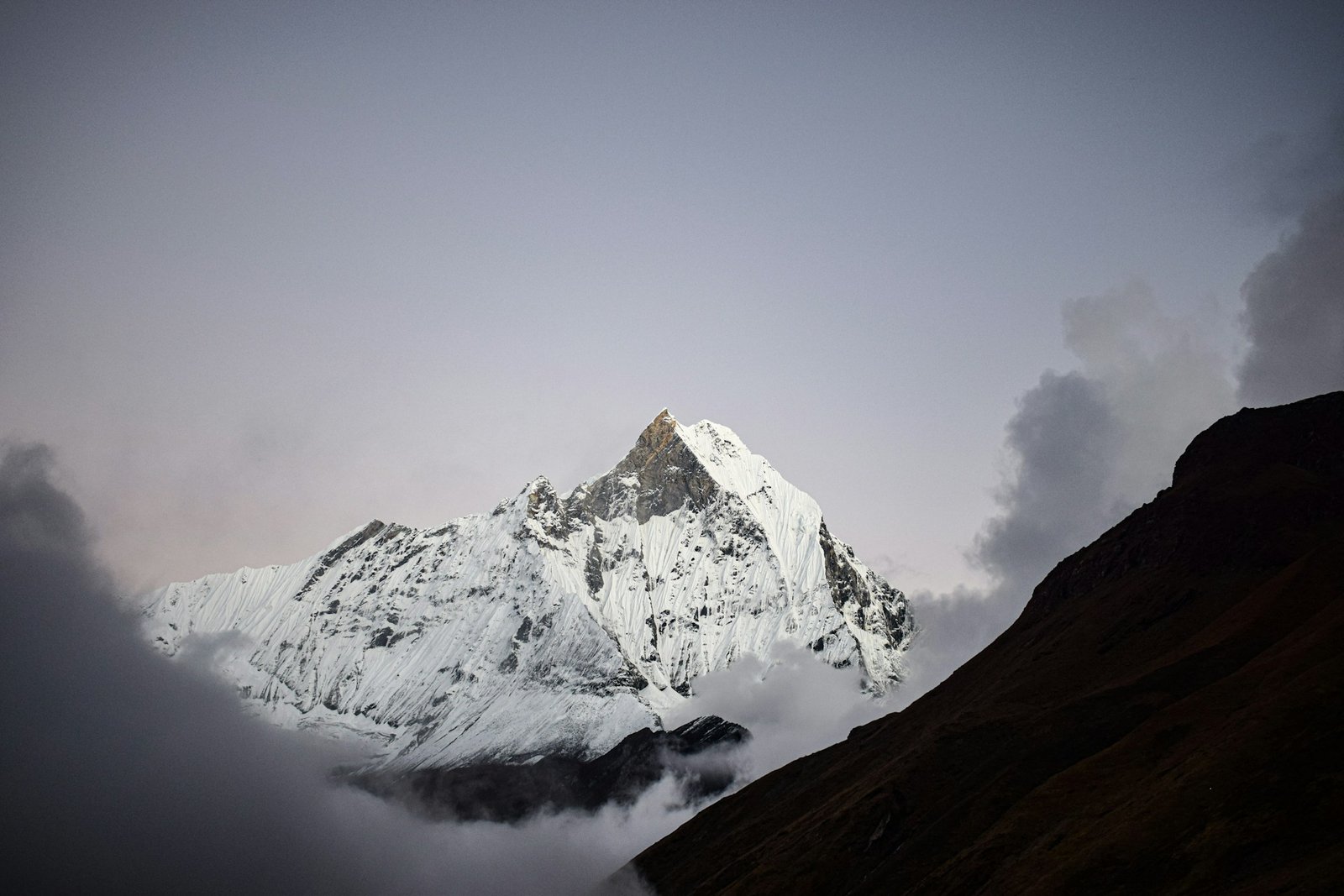
- Restricted access — a special permit requirement limits the number of trekkers entering the valley, meaning the trails remain uncrowded and the environment and culture are preserved at a level simply not possible on more accessible routes
- Ancient Tibetan-heritage villages of Nar and Phu, where centuries-old Buddhist monasteries, chortens, mani walls, and traditional mud-brick architecture create an atmosphere unlike anything else in Nepal
- Kang La Pass (5,320 m) — a dramatic and physically demanding high pass crossing that delivers one of the most exhilarating and rewarding high-altitude experiences available on any non-technical trek in the Annapurna region
- Extraordinary landscape diversity — from deep river gorges and pine forests at lower elevations to wide glacial plateaus, rocky moraines, and high alpine tundra in the upper valleys
- Intimate wildlife encounters — the remote valleys are home to the elusive snow leopard, Himalayan blue sheep (bharal), Himalayan tahr, musk deer, and a rich variety of high-altitude bird species
- Unparalleled cultural immersion — the communities of Nar and Phu have maintained their Tibetan Buddhist traditions with remarkable continuity, and the opportunity to interact with these communities is a genuinely rare privilege
- Combined with the Annapurna Circuit — the trek connects seamlessly with the Annapurna Circuit, allowing trekkers to experience both the hidden valleys and the classic high-altitude circuit in a single extended journey
- True wilderness experience — for much of the route, you walk through terrain where you may not encounter another trekking group for hours or even days
How Difficult is Nar Phu Trek?
The Nar Phu Trek is graded strenuous and is best suited to trekkers with prior high-altitude trekking experience. This is not a trek for beginners. The combination of sustained high altitude, demanding daily walking distances, a challenging high pass crossing, and limited access to emergency services in the remote upper valleys demands a serious level of physical preparation and mental resilience.
Daily walking hours range from five to eight hours, and several days involve long, demanding sections with significant elevation gain and loss. The crossing of Kang La Pass at 5,320 meters is the most physically and psychologically demanding section of the entire route, involving a steep ascent on loose and potentially icy terrain followed by an equally steep descent on the other side. Trekking poles and micro-spikes or crampons may be necessary depending on conditions.
Nights are spent at altitudes between 3,500 and 4,200 meters, and the body needs to acclimatize carefully to avoid altitude sickness. The itinerary includes properly scheduled acclimatization days, but trekkers must be honest about their physical condition throughout and communicate openly with their guide.
Prior experience of trekking above 4,000 meters — on routes such as the Annapurna Base Camp Trek, Poon Hill Trek, or similar — is strongly recommended before attempting this trek. Regular cardiovascular fitness training, strength work for the legs and core, and consistent hiking in the months leading up to departure will all contribute significantly to a safe and enjoyable experience.
Permits Required for Nar Phu Trek
The Nar Phu Valley is a restricted area, and entering it requires specific permits beyond the standard documents required for most Nepal treks. Three permits are required in total:
- Nar Phu Restricted Area Permit: This is the most important and distinctive permit for this trek. It is a special restricted area permit issued only through registered trekking agencies and requires a minimum of two trekkers traveling together with a licensed guide. This restriction is what keeps the valley protected and the trekker numbers low, preserving its unique character.
- ACAP (Annapurna Conservation Area Permit): Required for all trekkers entering the Annapurna Conservation Area, of which the Nar Phu valleys form a part.
- TIMS Card (Trekkers’ Information Management System): The standard trekker registration and safety document required for all trekking routes in Nepal.
All permits are arranged by Travel Wonder Hikes on your behalf as part of the package. Given the restricted area status, it is essential to book through a registered and licensed trekking agency — independent trekking without a registered guide is not permitted in the Nar Phu valley.
Safety, Training & Preparation
Preparing thoroughly for the Nar Phu Trek is not optional — it is essential. This is a high-altitude, high-effort journey in a remote area with limited infrastructure and restricted evacuation options. The following preparation is strongly recommended:
- Cardiovascular training: Build up your cardiovascular fitness through consistent running, cycling, swimming, or intense hiking in the three to four months before the trek. Aim for at least four to five sessions per week as the trek approaches.
- Strength and endurance: Focus on leg strength, core stability, and overall endurance. Stair climbing with a weighted pack is one of the most practical and effective exercises for trekking preparation.
- Prior altitude experience: If you have not previously trekked above 4,000 meters, it is strongly advisable to complete a shorter high-altitude trek first, such as the Annapurna Base Camp Trek or the Three Passes Trek in the Everest region.
- Gear preparation: Invest in high-quality cold-weather gear, a warm sleeping bag rated to at least -15°C, and well-broken-in boots with crampon compatibility for the pass crossing.
- Medical preparation: Consult your doctor before the trek. Discuss the option of carrying Diamox (acetazolamide) as a preventative or emergency medication for altitude sickness. Ensure all vaccinations are current.
All Travel Wonder Hikes groups are led by highly experienced, licensed high-altitude guides with extensive knowledge of the Nar Phu region, trained in wilderness first aid and fully equipped for high-altitude emergency management.
Mountain Views
The mountain scenery on the Nar Phu Trek is consistently awe-inspiring, and the remote, unobstructed nature of the terrain means the views are experienced with an intimacy and immediacy that more crowded routes simply cannot offer. Peaks visible throughout the trek include:
- Annapurna II — 7,937 m
- Annapurna III — 7,555 m
- Annapurna IV — 7,525 m
- Gangapurna — 7,455 m
- Glacier Dome (Tilicho Peak) — 7,134 m
- Kang Guru — 6,981 m — a particularly striking and prominent peak visible from the upper Nar valley
- Pisang Peak — 6,091 m
- Chulu West and Chulu East — 6,419 m and 6,584 m
- Damodar Himal range — a series of dramatic peaks enclosing the upper Phu valley
- Himlung Himal — 7,126 m — towers magnificently above the Phu valley
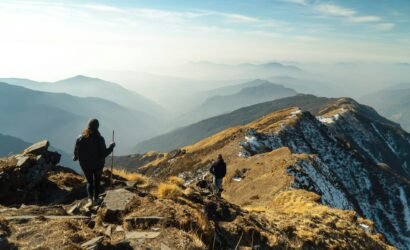
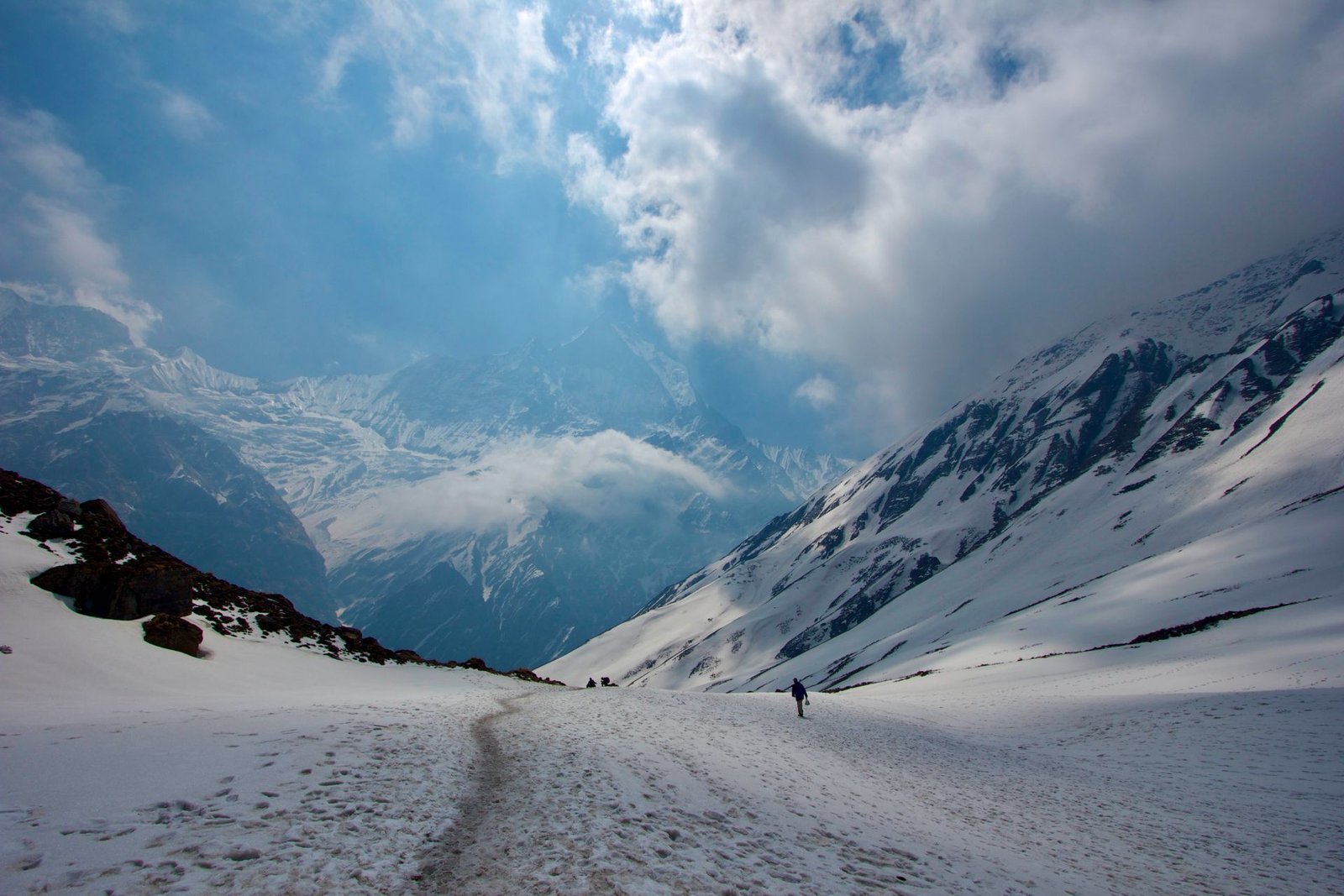
From the summit of Kang La Pass, the 360-degree panorama is simply extraordinary — one of the finest high-altitude viewpoints accessible on any non-technical trek in Nepal, with unobstructed views across the entire Manang valley, the Nar and Phu valleys, and a vast arc of Himalayan summits stretching in every direction.
Altitude Sickness and Prevention
Altitude sickness is a serious and genuine risk on the Nar Phu Trek, and it must be treated with full respect. The trek spends multiple consecutive nights above 3,500 meters and crosses a pass at 5,320 meters, placing it firmly in the category of high-altitude trekking. The following guidelines are essential:
- Acclimatize properly — the itinerary includes scheduled rest and acclimatization days; these must not be skipped under any circumstances, regardless of how well you feel
- Follow the golden rule: climb high, sleep low — this principle is built into the itinerary and should always be respected
- Hydrate consistently: drink a minimum of 4–5 liters of water per day at high altitude
- Ascend gradually: never increase sleeping altitude by more than 300–500 meters per day above 3,000 meters
- Know the symptoms: headache, nausea, dizziness, loss of appetite, and disturbed sleep are early warning signs; shortness of breath at rest, confusion, and loss of coordination are serious symptoms requiring immediate descent
- Carry Diamox (after consulting your doctor) — this medication can be effective in preventing and managing mild altitude sickness symptoms
- Always inform your guide at the first sign of any symptoms — in the remote Nar Phu valley, early intervention is critical
Your guide carries a pulse oximeter to monitor blood oxygen levels throughout the trek and is trained to make descent decisions quickly and confidently when necessary.
Internet Access and Mobile Network
The Nar Phu Valley is genuinely remote, and internet and mobile network access is limited and unreliable throughout most of the route. In the lower sections of the trek around Koto and Chame, both Ncell and Nepal Telecom offer reasonable signal. As the trail enters the restricted area and ascends into the Phu and Nar valleys, mobile coverage becomes increasingly sparse and may be entirely absent in certain sections, particularly between villages.
Some teahouses in Nar and Phu villages have satellite-based Wi-Fi, but speeds are very slow and connections are inconsistent. Trekkers should communicate clearly with family, friends, and colleagues before entering the restricted area, sharing the itinerary and expected check-in points. Download all offline maps, emergency contacts, and any essential documents before departing Kathmandu. A satellite communicator device — such as a Garmin inReach — is a worthwhile investment for this level of remote trekking, providing two-way messaging and SOS capability regardless of cellular coverage.
Nar Phu Valley Trek 12 Days Itinerary
- Day 1: Arrival in Kathmandu (1,400 m) — Welcome and Trek Briefing
- Day 2: Fly Kathmandu to Humde, Trek to Koto (2,600 m) | 2–3 hours
- Day 3: Koto to Meta (3,560 m) | 5–6 hours — Into the Restricted Zone
- Day 4: Meta to Phu Village (4,080 m) | 6–7 hours — Gateway to the Hidden Valley
- Day 5: Acclimatization and Exploration Day at Phu | Rest, Village and Monastery Visit
- Day 6: Phu to Nar Phedi (4,080 m) | 5–6 hours — Across the High Plateau
- Day 7: Nar Phedi to Nar Village (4,110 m) | 3–4 hours — Village Life and Cultural Immersion
- Day 8: Acclimatization Day at Nar | Explore Nar Village, Monastery, and Surroundings
- Day 9: Nar to Kang La Base Camp (4,900 m) | 5–6 hours — The Approach to the Pass
- Day 10: Kang La Pass (5,320 m) to Ngawal (3,657 m) | 7–8 hours — The High Pass Crossing
- Day 11: Ngawal to Chame (2,710 m) | 5–6 hours — Descent into the Marsyangdi Valley
- Day 12: Drive Chame to Kathmandu | Farewell and Departure
Why Choose Travel Wonder Hikes Nepal for Your Nar Phu Trek?
The Nar Phu Trek is not a journey to be undertaken with just any operator. The restricted area status, high altitude, remote terrain, and genuine cultural sensitivity of the region demand an operator with deep local expertise, proper licensing, and a genuine commitment to responsible and safe trekking. Here is why Travel Wonder Hikes is the right choice:
- Restricted area specialists — we have extensive experience operating in the Nar Phu restricted area and understand the permit requirements, logistics, and trail conditions intimately
- Expert high-altitude guides — all guides assigned to the Nar Phu Trek have years of experience leading groups through high-altitude, remote terrain and are trained in wilderness first aid and altitude emergency management
- Small group sizes — we keep groups small to minimize environmental impact, maximize safety, and ensure a more meaningful and personal trekking experience
- Fully licensed and registered with the Nepal Tourism Board — our agency status is essential for processing the restricted area permits required for this trek
- Responsible and culturally respectful trekking — we operate with deep respect for the communities of Nar and Phu and contribute to local economies by using local guides, teahouses, and support staff
- End-to-end support from our Kathmandu office, available before, during, and after your trek for any logistical, safety, or personal assistance
Nar Phu Trek Price
The full package cost for the 12 Days Nar Phu Valley Trek is USD 1,250 per person, adjusted for group discounts and inclusions — contact us for group pricing and customization options).
Things You Should Know
Before embarking on the Nar Phu Trek, there are several important practical points to be aware of:
- Minimum group requirement: The Nar Phu Restricted Area Permit requires a minimum of two trekkers — solo trekking is not permitted in this zone. Solo travelers can be paired with other guests; contact us to arrange this.
- Licensed guide is mandatory: Independent trekking without a registered guide is strictly prohibited in the Nar Phu restricted area. This is enforced at checkpoints along the route.
- Cash is essential: There are no ATMs anywhere on the trekking route. Bring sufficient Nepali Rupees from Kathmandu to cover all personal expenses for the entire 12 days.
- Teahouse facilities are basic in the upper valleys: Nar and Phu villages offer simple but genuine hospitality. Expect basic rooms, cold water, and limited menu options — part of the authentic experience of this remote region.
- Weather can change rapidly at altitude: Even in the best seasons, conditions above 4,000 meters can shift quickly. Always follow your guide’s advice regarding weather and trail safety.
- Leave no trace: The Nar and Phu valleys are extraordinarily pristine environments. Carry out all waste, avoid single-use plastic, and always follow responsible trekking practices within the conservation area.
- Respect local customs: Photography of people, monasteries, and religious objects should always be done with permission. Dress modestly when visiting villages and monasteries, and always walk clockwise around chortens and mani walls.
Is Nar Phu Trek for You?
The Nar Phu Trek is an ideal match if you:
- Have prior trekking experience at altitude, ideally above 4,000 meters on a previous expedition
- Are physically fit and have been training consistently in the months leading up to the trek
- Are genuinely drawn to remote, off-the-beaten-path destinations where cultural authenticity is intact and crowds are absent
- Have a strong interest in Tibetan Buddhist culture, ancient village life, and the anthropology of Himalayan communities
- Are comfortable with basic teahouse accommodation and simple living conditions in a genuinely remote environment
- Want to cross a dramatic high mountain pass and experience the full spectrum of high-altitude trekking challenge
- Are looking for one of the most exclusive and memorable trekking experiences available anywhere in Nepal
It is not the right trek if you are a first-time trekker, if you have no prior experience above 4,000 meters, if you are not prepared for challenging weather and basic facilities, or if you are looking for a comfortable, well-serviced trail with many trekkers and facilities at every step.
Meals & Accommodation
Accommodation on the Nar Phu Trek varies depending on the location. In the lower villages and in Koto, Chame, and Ngawal, standard teahouses provide comfortable rooms with twin beds, blankets, and basic bathroom facilities. In the upper restricted area villages of Meta, Phu, Nar Phedi, and Nar, accommodation is in smaller, simpler guesthouses that reflect the remote and traditional character of the region. In locations where teahouse accommodation is not available, Travel Wonder Hikes provides full camping equipment including tents, sleeping mats, and a dedicated cook.
Meals are freshly prepared throughout the trek and are designed to provide the nutrition and calories needed for sustained high-altitude trekking. In the lower villages, menus are varied and similar to standard teahouse fare found across Nepal. In the upper restricted area villages, menus are simpler but always satisfying, with options including:
- Dal Bhat — the Nepali staple, always available, always nourishing, and served with unlimited refills — the single best meal for sustained energy on a demanding trek
- Tsampa porridge — a traditional Tibetan staple made from roasted barley flour, commonly eaten in the high-altitude villages
- Noodle soups, fried rice, and vegetable dishes at lower elevations
- Bread, eggs, and porridge for breakfast throughout the route
- Hot drinks — tea, ginger lemon honey, black coffee, and hot chocolate available throughout
Vegetarians are well-catered for on this trek. Trekkers with specific dietary requirements should inform us at the time of booking Nar Phu Trek.
Highlights of Nar Phu Trek
- Kang La Pass (5,320 m) — one of the most dramatic and rewarding high pass crossings available on any non-technical trek in the Annapurna region, with extraordinary 360-degree views of the surrounding Himalayan giants
- Phu Village — a remote, ancient Tibetan-heritage settlement at over 4,000 meters, surrounded by towering peaks and enclosed within a dramatic glacial valley that feels entirely removed from the modern world
- Nar Village — perched magnificently on a high terrace with sweeping views of the Manang valley, ancient monasteries, and traditional mud-brick architecture that has endured for centuries
- Ancient Buddhist monasteries and chortens throughout the restricted area, some dating back several hundred years and still actively used by the local communities
- Restricted area exclusivity — the limited permit system means you share these extraordinary valleys with very few other trekkers, preserving a sense of wilderness and discovery that is increasingly rare
- Himlung Himal (7,126 m) close-up views towering directly above the Phu valley in one of the most dramatic mountain settings on the entire trek
- Wildlife encounters — the remote valleys offer genuine opportunities to observe Himalayan blue sheep, musk deer, Himalayan tahr, lammergeier vultures, and possibly tracks or sightings of the elusive snow leopard
- Cultural immersion unlike anywhere else in Nepal — the Tibetan-heritage communities of Nar and Phu have maintained their language, religion, dress, and traditions with remarkable integrity
- Connection to the Annapurna Circuit — the trek transitions seamlessly into one of the world’s classic trekking routes, offering the option to extend the journey further
- True wilderness and solitude — for long sections of the route, the only sounds are the wind, the river, and your own footsteps on an ancient mountain trail
Travel Insurance
Comprehensive travel insurance is not just recommended for the Nar Phu Trek — it is an absolute and non-negotiable requirement. The combination of remote location, high altitude, limited infrastructure, and restricted evacuation options makes adequate insurance coverage a critical component of safe participation on this trek.
Your policy must cover:
- Emergency medical treatment and hospitalization
- Helicopter evacuation to a minimum altitude of 5,500 meters — this is essential and must be explicitly confirmed with your insurer before departure
- Trip cancellation or interruption
- Loss or theft of baggage and personal belongings, including expensive trekking equipment
- Personal liability
- Search and rescue operations
Many standard travel insurance policies do not automatically cover trekking above 4,000 or 5,000 meters — you must specifically confirm high-altitude trekking coverage with your provider. Carry printed and digital copies of your policy and your emergency contact numbers throughout the trek. Share your insurance details with the Travel Wonder Hikes team before departure. If you need guidance selecting an appropriate provider, our team is experienced in advising on this and will ensure you have the right coverage before you set off.
Booking Process
Booking the Nar Phu Trek requires slightly more lead time than shorter, more straightforward routes due to the restricted area permit requirements and logistics involved. Here is how the process works:
- Contact us via our website, email, or WhatsApp with your preferred dates, group size, experience level, and any specific requirements
- Receive a detailed proposal including the full itinerary, cost breakdown, permit requirements, and pre-trek preparation guidance
- Pay a deposit to initiate the permit application process — restricted area permits must be applied for in advance and cannot be obtained last-minute
- Receive your confirmation along with a comprehensive pre-trek pack covering gear lists, fitness preparation, altitude guidance, and logistics
- Arrive in Kathmandu and meet your guide for a full pre-trek briefing covering the itinerary, safety protocols, altitude management, and any final questions
- Begin your expedition — from that point, every detail of the journey is managed by our team
We strongly recommend booking at least four to six weeks in advance for the Nar Phu Trek, and earlier during peak season (October–November and March–May) to ensure permit availability and guide scheduling.
Packing List, Gear & Equipment
The Nar Phu Trek requires proper high-altitude and cold-weather gear. Investing in quality equipment for this trek is not a luxury — it is a safety necessity.
Clothing:
- Thermal base layers (top and bottom) — heavyweight for this trek
- Mid-layer fleece or down jacket
- High-quality insulated down jacket (essential for evenings, camps, and the pass crossing)
- Waterproof and windproof hardshell jacket and trousers
- Trekking trousers (2 pairs)
- Warm hat, balaclava, and heavyweight gloves or mittens
- Sun hat and neck gaiter or buff
- Five to six pairs of quality trekking socks including wool socks for cold nights
Footwear:
- Sturdy, well-broken-in high-altitude trekking boots — crampon-compatible for the pass crossing
- Lightweight camp shoes or sandals for teahouse evenings
- Gaiters for snow sections on and around Kang La Pass
Gear & Essentials:
- Trekking backpack (50–60 liters) for the full expedition
- Daypack (20–30 liters) for daily walking
- Sleeping bag rated to -15°C or lower — essential
- Sleeping bag liner for additional warmth
- Trekking poles (essential — strongly recommended for both ascent and descent)
- Micro-spikes or lightweight crampons for the pass crossing
- Headlamp with spare batteries
- Sunglasses with full UV protection (category 4 recommended at altitude)
- High-protection sunscreen (SPF 50+) and lip balm with SPF — UV radiation is intense at high altitude
- Reusable water bottle and hydration bladder
- Water purification tablets or a SteriPen
- Personal first aid kit including blister treatment, pain relief, anti-diarrheal medication, and any prescription medications
- Diamox (acetazolamide) — after medical consultation
- Pulse oximeter (your guide also carries one)
- Camera with spare batteries or a solar charger
- Satellite communicator (strongly recommended — Garmin inReach or similar)
- Cash in Nepali Rupees for all personal expenses throughout the 12 days
Cancellation & Refund Policy
- 45+ days before departure: Full refund, minus restricted area permit costs and any non-recoverable administrative fees already incurred
- 30–44 days before departure: 75% refund of the total trek cost, minus permit fees
- 15–29 days before departure: 50% refund of the total trek cost
- 7–14 days before departure: 25% refund of the total trek cost
- Less than 7 days before departure: No refund; however, rescheduling to a future date may be possible subject to availability
- No-shows: No refund
Given the restricted area permit costs, which are non-refundable once processed, we strongly encourage all trekkers to book travel insurance that includes comprehensive trip cancellation coverage for Nar Phu Trek. Cancellations arising from force majeure events — natural disasters, government restrictions, or political instability — will be handled individually and with maximum fairness and transparency.
Your adventure begins with your arrival at Tribhuvan International Airport in Kathmandu, where you'll be met and transferred to your hotel in the city. Kathmandu, the capital of Nepal, sits in a wide valley surrounded by hills and is home to a fascinating mix of ancient temples, bustling markets, and vibrant street life. Depending on your arrival time, you may have a chance to relax after your journey or take a short stroll through the nearby streets to get a first taste of the city's energy and atmosphere.
In the afternoon or evening, you'll meet your guide and trekking team for a pre-trek briefing, where you'll go over the itinerary, discuss the special permit requirements for the restricted Nar Phu Valley region, and review packing essentials and what to expect on the trail ahead. This is also a good opportunity to ask any last-minute questions, have your gear checked, and make sure everything is in order before departing for the mountains the following day.
An overnight stay in Kathmandu, with a welcome dinner often included, rounds off your first day and sets the tone for the unique cultural and high-altitude journey ahead.
The day begins with an early and scenic mountain flight from Kathmandu to Humde, a small airstrip in the Manang district that sits along the classic Annapurna Circuit route. The short flight offers spectacular aerial views of the Himalayan foothills and, on clear days, glimpses of peaks such as Manaslu and the Annapurna range as you approach the Marsyangdi valley. Landing in Humde at around 3,280 meters places you immediately in dramatic mountain scenery, with terraced fields, pine forests, and steep valley walls surrounding the small settlement.
From Humde, the trek begins with a gentle downhill walk along the Marsyangdi River valley, following part of the Annapurna Circuit trail through pine forest and past small villages with traditional stone houses. After roughly 2 to 3 hours of easy walking, you'll reach Koto at 2,600 meters, a checkpoint village where permits for the restricted Nar Phu Valley are checked before the route branches off the main Annapurna trail.
Koto offers a few teahouses and lodges for an overnight stay, giving you a chance to acclimatize gently and rest before beginning the more remote and dramatic trail into the Nar Phu Valley the following day.
Leaving Koto, the trail leaves the well-traveled Annapurna Circuit route and turns north into the Nar Phu Valley, entering one of Nepal's restricted areas that requires special permits and a registered guide. The path follows the dramatic gorge of the Nar Khola, a narrow and often steep canyon flanked by towering rock walls, where the trail clings to the cliffside and crosses several suspension bridges over the rushing river below. The scenery shifts noticeably here, becoming wilder and more remote, with sparse vegetation, pine and birch forest giving way to rugged, rocky terrain as you gain altitude.
After several hours of walking through this narrow gorge, including some sections with cables or chains for added security along exposed parts of the trail, the valley gradually opens up as you approach Meta. After 5 to 6 hours of trekking, you'll arrive at Meta, a small settlement at 3,560 meters that marks a significant gain in elevation and serves as your first overnight stop in the heart of the Nar Phu region.
The village offers basic teahouse accommodation, and from here you'll begin to notice the influence of Tibetan Buddhist culture in the architecture, prayer flags, and chortens that become more common as you continue deeper into this remote valley.
From Meta, the trail continues deeper into the Nar Phu Valley, winding along high cliffs and through increasingly stark, high-altitude terrain where trees give way to scrub juniper and rugged alpine landscapes. The path passes a few seasonal herding settlements and crosses additional suspension bridges, with the valley narrowing again in places before opening into wide, dramatic vistas framed by towering peaks. Along the way, you may spot the ruins of old forts and watchtowers perched on cliffsides, remnants of the valley's history as a buffer zone between Nepal and Tibet, as well as the chance to see blue sheep or other high-altitude wildlife on the surrounding slopes.
After 6 to 7 hours of trekking, the trail brings you to Phu Village at 4,080 meters, a remarkable settlement built into and around a hillside, with closely packed stone houses, chortens, and a prominent gompa (monastery) overlooking the village. Phu feels like a step back in time, with a strong Tibetan Buddhist character reflected in its architecture, prayer wheels, and the daily rhythms of its inhabitants, who maintain a traditional way of life centered on yak herding and barley cultivation.
An overnight stay here offers a rare glimpse into one of the most isolated and culturally rich communities in the Nepal Himalaya, with simple teahouse lodging available for trekkers.
Day 5: Acclimatization and Exploration Day at Phu | Rest, Village and Monastery Visit
With Phu Village sitting at over 4,000 meters, this is an important rest day built into the itinerary to allow your body to adjust to the altitude before continuing higher into the valley. Rather than a full day of inactivity, it's typically used for short, gentle excursions around the area, which help with acclimatization while also giving you the chance to explore this remarkable settlement in more depth. A highlight is a visit to Tashi Lhakhang Gompa, a centuries-old monastery perched above the village, where resident monks may show you around the prayer halls and ancient religious artifacts, offering insight into the deep Tibetan Buddhist traditions that shape daily life here.
The rest of the day can be spent wandering through the narrow lanes of Phu itself, observing the traditional stone houses stacked tightly against the hillside, watching villagers go about tasks like herding yaks or working in the small barley fields, and taking in sweeping views of the surrounding peaks and the dramatic landscape that encloses the village. Some trekkers also use part of the day for a short hike toward the ruins of the old fort above the village or to nearby viewpoints for better perspectives on the valley.
This day of rest and light exploration is essential for safe acclimatization and also offers one of the richest cultural experiences of the entire trek, set against a backdrop of stark, high-altitude beauty.
Leaving Phu Village, the trail retraces part of the previous days' route briefly before branching off toward Nar, crossing a high, windswept plateau that offers a dramatically different landscape from the narrow gorges below. This stretch of trail traverses open, rolling terrain at altitude, with sweeping views of barren ridgelines, distant snow-capped peaks, and the kind of vast, empty high-mountain scenery that defines the Nar Phu region. The path crosses several streams and a few exposed sections, and the thinner air at this elevation means the pace is generally slower, with frequent short breaks to manage the altitude.
After 5 to 6 hours of trekking across this remote plateau, you'll descend slightly to reach Nar Phedi, sitting at around 4,080 meters in a sheltered spot near a small monastery and a cluster of basic teahouses. The setting here is quiet and atmospheric, often with prayer flags fluttering against the backdrop of bare peaks and the sound of the nearby river.
Nar Phedi serves as a peaceful overnight stop before the final approach to Nar Village, allowing trekkers time to rest, take in the stark beauty of the surroundings, and prepare for the next stage of the journey deeper into this remote Himalayan valley.
This is a relatively short and gentle day, allowing for a relaxed pace as you continue further into the high valley toward Nar Village. The trail climbs gradually from Nar Phedi, following the river valley through stark, high-altitude terrain dotted with juniper scrub and prayer flags marking the route. As you approach Nar, the landscape opens up to reveal the village nestled below towering peaks, with its distinctive cluster of flat-roofed stone houses creating a striking visual against the barren mountain backdrop.
After 3 to 4 hours of walking, you'll arrive in Nar Village at 4,110 meters, one of the largest and most well-preserved traditional settlements in the region, home to a community that has maintained its Tibetan Buddhist culture and traditional lifestyle for generations. The remainder of the day can be spent exploring the village's narrow alleyways, visiting its monastery and chortens, and observing the daily routines of villagers tending to yaks, sheep, and small fields of barley and potatoes at this altitude.
With comfortable teahouse accommodation available, Nar offers a wonderful opportunity for cultural immersion and a chance to interact with local residents before the trek's most challenging day, crossing the high Kang La Pass, the following day.
With the challenging crossing of Kang La Pass ahead, this second built-in acclimatization day at Nar Village is an important opportunity to rest and further adjust to the high altitude while exploring one of the most culturally rich villages in the region. The morning can be spent visiting Nar's main monastery, where you may have the chance to observe monks at prayer or learn about the religious practices that have shaped community life here for centuries. Wandering through the village itself reveals a maze of narrow stone-walled lanes, traditional homes with stacked firewood and drying crops on rooftops, and numerous chortens and mani walls adorned with carved prayers.
For those wanting some gentle activity to aid acclimatization, short hikes to nearby ridges or viewpoints above the village offer expansive views over the Nar valley and the surrounding peaks that will need to be crossed in the coming days. These vantage points also provide a good preview of the terrain ahead, helping you mentally and physically prepare for the demanding push over Kang La Pass.
This day of rest, cultural exploration, and light activity is essential for safe acclimatization before tackling one of the highest and most dramatic sections of the entire Nar Phu Valley trek.
Leaving Nar Village, the trail begins a steady and increasingly steep climb out of the valley, leaving behind the cultivated fields and stone houses as the landscape transitions into a stark, high-altitude environment of rock, scree, and sparse alpine vegetation. The path winds upward through a series of switchbacks and ridgelines, with the air growing noticeably thinner as you gain elevation, and views opening up across the surrounding peaks and the valley you're leaving behind. This is a physically demanding day, with a significant elevation gain, and the pace is typically slow and steady to manage the effects of altitude.
After 5 to 6 hours of climbing, you'll reach Kang La Base Camp at approximately 4,900 meters, a remote and exposed camp situated below the pass itself, surrounded by an amphitheater of high peaks and glaciated terrain. Accommodation here is typically in tented camps, as there are no teahouses at this altitude, with the trekking crew setting up camp and providing meals.
The night at base camp is cold and the setting dramatic, with a sense of anticipation building for the early morning crossing of Kang La Pass, one of the most challenging and rewarding days of the entire trek, scheduled for the following day
This is the most demanding and dramatic day of the entire trek, beginning with an early start from Kang La Base Camp to tackle the steep climb to the top of Kang La Pass at 5,320 meters. The ascent involves a sustained push over loose scree and rocky terrain, often with snow underfoot depending on the season, and the thin air at this altitude makes for slow, deliberate progress. Reaching the summit of the pass rewards trekkers with one of the most spectacular panoramas of the entire journey, with sweeping views across the Annapurna range, including peaks such as Annapurna II, Gangapurna, and the surrounding Himalayan giants, along with the dramatic landscapes of both the Nar Phu and Manang valleys.
After taking in the views and a well-earned rest at the top, the trail begins a long and steep descent on the opposite side of the pass, dropping down through scree slopes and rugged terrain before eventually reaching grassier hillsides as you lose elevation. The descent is notably long and can be tough on the knees, requiring careful footing on the loose ground.
After 7 to 8 hours of trekking in total, you'll arrive in Ngawal at 3,657 meters, a picturesque village on the Annapurna Circuit known for its traditional architecture, large monastery, and views of Annapurna and Pisang Peak, where comfortable teahouse accommodation awaits after a long and unforgettable day.
Leaving Ngawal, the trail descends gradually back toward the Marsyangdi River, rejoining the main Annapurna Circuit route and passing through a series of villages that mark a welcome return to lower altitude and a gentler landscape. The path winds through pine and fir forests, with the terrain becoming noticeably greener and more lush as you lose elevation, a striking contrast to the stark, high-altitude environments of the past several days. Along the way, you'll pass through villages such as Mungji and Pisang, where you can stop for tea and observe the blend of traditional and modern influences that characterize life along this popular trekking corridor.
Continuing the descent, the trail follows the Marsyangdi River valley, with the river itself growing larger and louder as smaller tributaries join its flow, and the surrounding hillsides becoming increasingly forested. After 5 to 6 hours of walking, you'll arrive in Chame at 2,710 meters, the administrative headquarters of the Manang district and a bustling village with a wider range of amenities, including shops, bakeries, and even natural hot springs where tired trekkers can soak and relax.
An overnight stay in Chame offers a comfortable end to the trekking portion of the journey, with the easier walk back toward Kathmandu still ahead,
The final day of the trek begins with a scenic but long drive from Chame back toward Kathmandu, following winding mountain roads that descend through the Marsyangdi valley and pass through a changing landscape of terraced hillsides, rivers, and small towns. Depending on road conditions, the journey may be broken into a drive to Besisahar followed by a transfer onward to Kathmandu, or covered more directly by jeep, with the full journey typically taking the better part of the day.
Along the way, you'll have time to reflect on the incredible diversity of landscapes and cultures experienced over the past two weeks, from the lush lower valleys to the remote, high-altitude villages of Phu and Nar and the dramatic crossing of Kang La Pass.
Upon arrival back in Kathmandu, you'll be transferred to your hotel, with the remainder of the day free to rest, explore the city, or do some last-minute shopping for souvenirs in areas like Thamel. A farewell dinner is often arranged to celebrate the successful completion of the trek and to share memories and photos with your guide and fellow trekkers before departure.
This marks the end of an extraordinary 12-day journey through one of Nepal's most remote and culturally rich regions, with onward flights or further travel typically arranged for the following day.