Camp 3 Everest
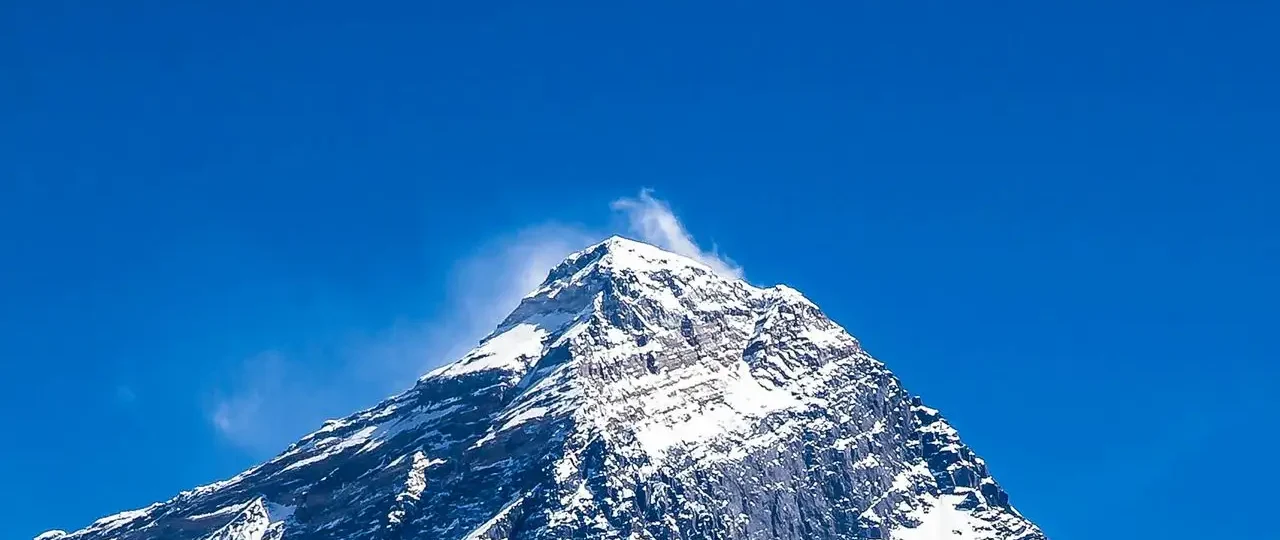
Camp 3 Everest is the third high camp on the South Col route, positioned on the Lhotse Face at approximately 7,100 to 7,300 metres. It is the most precarious camp on the mountain — a handful of tent platforms carved into a steep wall of blue ice, exposed to avalanche risk, extreme altitude, and temperatures that drop below -30°C. Unlike Camp 2, which sits on a relatively flat moraine, Camp 3 clings to the side of the Lhotse Face. Reaching it requires climbing 40–50 degree ice using fixed ropes and jumars. It is not a trekking destination. It is a mountaineering objective, and it marks the point where most climbers begin using supplemental oxygen.
This guide explains exactly what Camp 3 is, where it sits, why it matters, and what the 2026 season revealed about conditions on the Lhotse Face. Wonder Hikes Nepal has compiled this from expedition dispatches, official tourism reports, and mountaineering sources to give you a clear, accurate picture of one of the most consequential locations on Everest.
What Is Camp 3 on Everest?
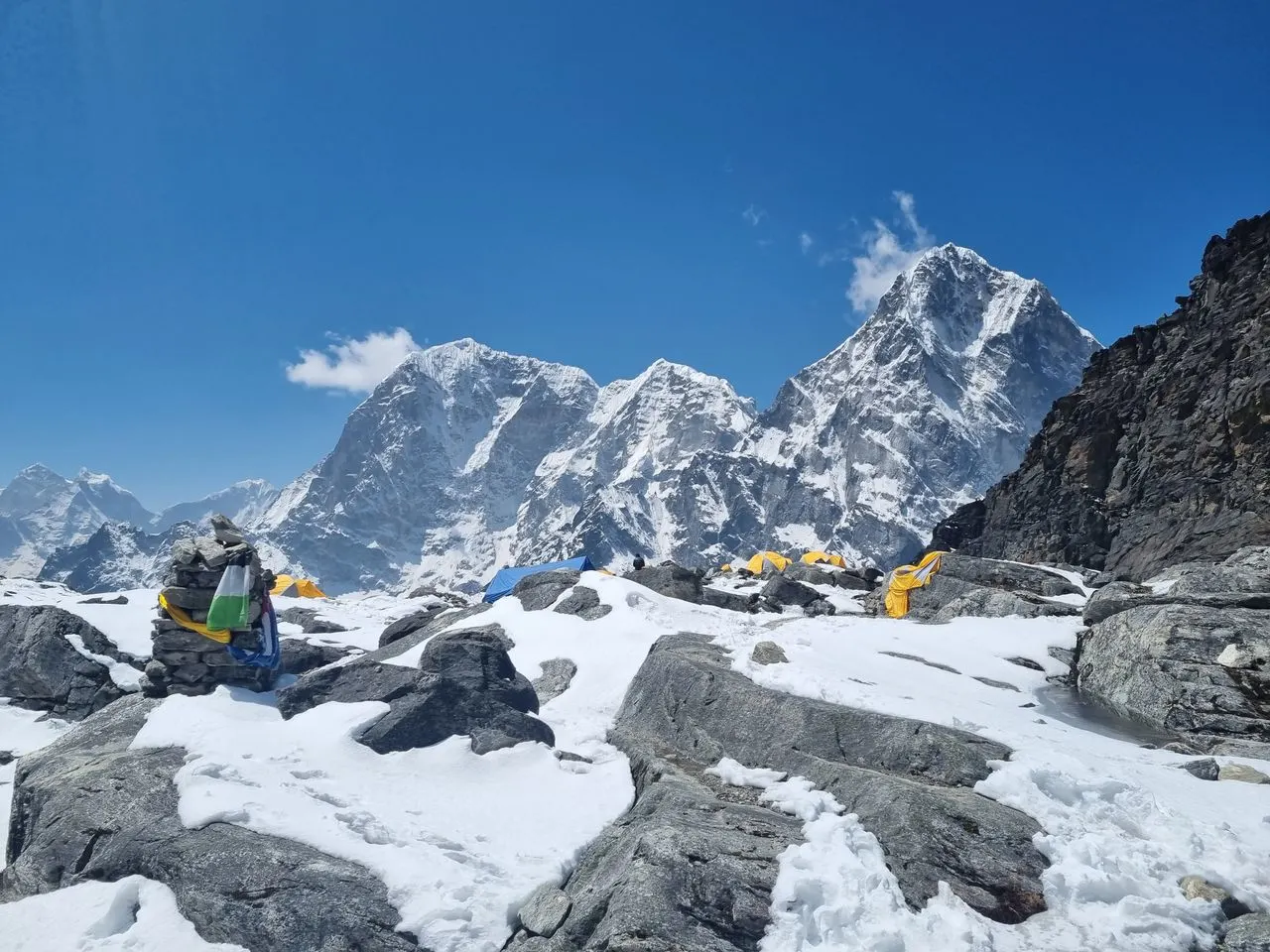
Camp 3 Everest is the third of four high camps on the standard South Col route from Nepal. It sits on the Lhotse Face, roughly halfway up the ice wall that separates the Western Cwm from the South Col. The camp consists of a small number of tent platforms — carved into the ice itself — where climbers spend one or two nights during their final acclimatisation rotation and, if weather and conditions allow, one night during a summit push.
Camp 3 is also the point where most expeditions begin using supplemental oxygen. Above Camp 3, the air is thin enough that the human body struggles to function without additional oxygen. The camp marks the transition into the upper reaches of the mountain, where survival depends on careful management of time, warmth, and oxygen flow. Camp 3 is not the Death Zone — that begins above 8,000 metres — but the effects of altitude are already severe. Sleep is difficult or impossible. Appetite disappears. The body is under constant stress.
How High Is Camp 3 Everest?
Camp 3 Everest altitude is consistently reported as approximately 7,100 to 7,300 metres (23,300 to 23,950 feet) by the most reliable current sources. Madison Mountaineering, a long-established expedition operator, recorded Camp 3 at 7,230 metres (23,720 feet) during their 2026 season dispatches. Reuters confirmed approximately 7,200 metres (23,620 feet) in May 2026 coverage of a Sherpa guide who died near Camp 3. Himalayan Guides lists Camp 3 at 7,300 metres (23,950 feet).
The variation is real, and it matters. Camp 3’s location shifts slightly from season to season, and different expeditions establish their tent platforms at slightly different points on the Lhotse Face. A camp at 7,100 metres is meaningfully different — physiologically and logistically — from a camp at 7,300 metres. When reading any source that states a single figure, treat it as an approximation, not a precise measurement.
South Col Route Camp Altitudes
| Camp | Approximate Altitude | Location |
|---|---|---|
| Everest Base Camp | 5,364 m / 17,598 ft | Khumbu Glacier terminus |
| Camp 1 | ~6,065 m / 19,900 ft | Top of Khumbu Icefall |
| Camp 2 | ~6,400–6,500 m / 21,000–21,325 ft | Upper Western Cwm, base of Lhotse Face |
| Camp 3 | ~7,100–7,300 m / 23,300–23,950 ft | On the Lhotse Face |
| Camp 4 / South Col | ~7,900–8,000 m / 26,000–26,250 ft | South Col saddle |
| Summit | 8,848.86 m / 29,031.7 ft | Official 2020 survey |
The elevation gain from Camp 2 to Camp 3 is roughly 600–800 metres, but the horizontal distance is short — approximately 1 kilometre. That compression, combined with the steepness of the Lhotse Face, is why the climb from Camp 2 to Camp 3 is one of the hardest days on the route.
Where Is Camp 3 Located?
Camp 3 Everest location is on the Lhotse Face, the steep western flank of Lhotse (8,516m), the fourth-highest mountain in the world. The camp sits above the Western Cwm and below the South Col, on the route that connects Camp 2 to Camp 4. To reach Camp 3, climbers ascend from Camp 2 to the base of the Lhotse Face — a section called the bergschrund — and then climb fixed ropes up the face for approximately 5–6 hours, depending on conditions.
Camp 3 is not on a flat shelf or a moraine like Camp 2. It is pitched on narrow ice ledges that have been carved into the face itself. MountainZone’s historical dispatches describe Camp III as “pitched on narrow ice-ledges of the steep Lhotse Face” and note that it is “by far the most dangerous camp on the climb”. That description remains accurate today. The tent platforms are small, the exposure is extreme, and a misstep can be fatal.
What Is the Lhotse Face?
Camp 3 Everest exists because of the Lhotse Face — and understanding the face is essential to understanding the camp. The Lhotse Face is the western flank of Lhotse, rising from the Western Cwm to the South Col, a vertical gain of approximately 1,100 metres over a steep, sustained ice slope. PBS/NOVA describes it as a “45–50 degree wall of ice” with occasional 80-degree bulges. Himalayan Guides describes the climb as “very steep (40–50-degree slopes)” with fixed lines.
The face is made of hard, blue glacial ice. Climbers ascend using fixed ropes, jumars, and crampons. The climbing is not technically complex by mountaineering standards — it is not vertical rock climbing — but it is sustained, exhausting, and objectively dangerous. Falling on the Lhotse Face is almost always fatal. Camp 3 sits about two-thirds of the way up the face, on a small, narrow shelf.
The Lhotse Face is also exposed to avalanche risk from the surrounding slopes, particularly after heavy snowfall. It is exposed to rockfall and icefall from above. In 2026, a Sherpa guide died after slipping on the snow and falling into a crevasse near Camp 3.
Why Camp 3 Is the Most Precarious Camp on Everest
Camp 3 Everest has a reputation that is well-earned. It is, by consensus among expedition dispatches and mountaineering sources, the most precarious camp on the South Col route. MountainZone states it plainly: “This is by far the most dangerous camp on the climb”.
Exposure. Unlike Camp 2, which sits on a relatively flat moraine, Camp 3 is on a steep face. The tent platforms are small. There is no room to walk around. A slip outside the tent can be catastrophic. In 1996, one climber slid down the face and into a crevasse when he stepped out of his tent without putting on crampons.
Avalanche risk. The Lhotse Face is subject to avalanche risk, particularly after snowfall. Camp 3 is not protected by topography in the way Camp 2 is. MountainZone notes that this part of the route “faces the most avalanche risk”.
Altitude. At 7,100–7,300 metres, Camp 3 is high enough that the human body is under severe stress. Sleep is difficult or impossible. Appetite disappears. The risk of altitude-related illness is significant. Most climbers use supplemental oxygen at Camp 3 or begin using it there.
Cold. Temperatures at Camp 3 can drop below -30°C at night. The wind, while less constant than at the South Col, can still be severe.
Isolation. Camp 3 is remote. Rescue from that altitude is difficult and weather-dependent. The 2026 death near Camp 3 occurred when a guide slipped and fell into a crevasse; recovery efforts were complicated by the location.
Sherpas themselves often avoid sleeping at Camp 3. MountainZone notes that the Sherpas on one expedition “never stay at this camp. Strong enough to keep climbing, they prefer to push on to the South Col rather than spend a night on the Lhotse Face”.
Everest Camps 1–4: Complete Comparison
| Feature | Camp 1 | Camp 2 | Camp 3 | Camp 4 / South Col |
|---|---|---|---|---|
| Altitude | ~6,065 m | ~6,400–6,500 m | ~7,100–7,300 m | ~7,900–8,000 m |
| Location | Top of Khumbu Icefall | Upper Western Cwm, base of Lhotse Face | On the Lhotse Face | South Col saddle |
| Terrain | Flat snow and ice | Glacial moraine | Steep ice (40–50°) | Wind-swept col |
| Purpose | First rotation, gear cache | Main acclimatisation hub, ABC | Final acclimatisation, oxygen threshold | Summit push staging |
| Facilities | Minimal | Dining tents, comms | Tent platforms only | Tents only; no facilities |
| Oxygen use | Rare | Some begin | Most begin | Universal |
| Hazard profile | Icefall runout | Crevasses, heat | Avalanche, exposure, altitude | Extreme cold, wind, altitude |
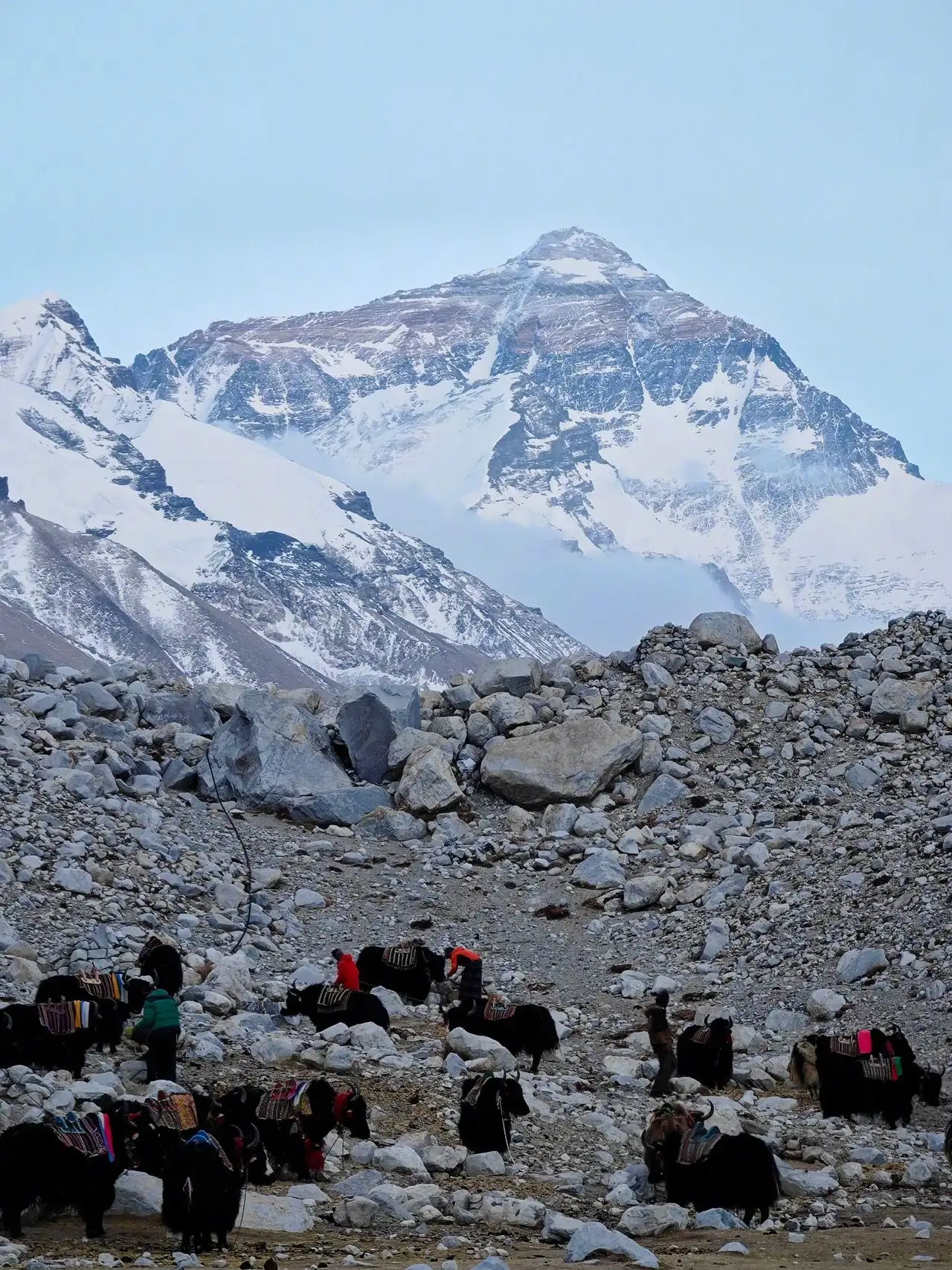
Camp 1 is a waypoint. Camp 2 is a base. Camp 3 is a threshold. Camp 4 is the final staging point before the summit push. Each camp serves a distinct physiological and logistical purpose, and Camp 3 is the one that most climbers remember as the point where the mountain became genuinely serious.
Camp 2 vs Camp 3 vs Camp 4
Camp 2 is comfortable by high-altitude standards — dining tents, supplies, a relatively safe location at the base of the Lhotse Face. Camp 3 is the opposite: exposed, cramped, and dangerous. The transition from Camp 2 to Camp 3 is the transition from “advanced base camp” to “high-altitude survival.” Climbers who feel strong at Camp 2 often find Camp 3 humbling.
Camp 3 sits at approximately 7,200 metres; Camp 4 sits at approximately 7,950 metres on the South Col. Camp 3 is on the face; Camp 4 is on a saddle. Camp 3 is sheltered from wind but exposed to avalanches; Camp 4 is exposed to wind but relatively free from avalanche risk. Both are above 7,000 metres, but Camp 4 enters the Death Zone. Camp 4 is where the summit push begins.
Camp 3 vs Everest Base Camp is not a comparison that makes much sense in mountaineering terms. Base Camp is at 5,364 metres and is the end of the trekking route. Camp 3 is at 7,200 metres and is a mountaineering camp. The difference in altitude is nearly 2,000 metres — roughly the same as the difference between sea level and the summit of Mont Blanc. They are not comparable destinations.
What Does Camp 3 Look Like?
Camp 3 Everest looks like a handful of tents clinging to a wall of ice. The platforms are carved into the face — flat spots hacked out of the ice by Sherpa teams — and the tents are pitched on these narrow ledges. There is no flat ground. There is no dining tent. There is nowhere to walk except along the fixed ropes.
One of the best descriptions comes from a 2016 expedition account: “Imagine a Toblerone Chocolate bar. Break off one wedge, and turn it on its side and put some tents there — this is what the campsite looks and feels like.” That analogy captures the scale and the exposure better than any technical description.
Climbers report spending hours preparing tent platforms, battling hoarfrost inside the tent, and struggling to sleep at an altitude where the body is under constant stress. The views from Camp 3 are dominated by the Lhotse Face above and the Western Cwm below. Camp 2 is visible far below. On a clear day, the scale of the route becomes stark: the tents at Camp 3 are tiny specks against a wall of blue ice.
Why Camp 3 Matters on an Everest Expedition
Camp 3 serves three critical functions on an Everest expedition.
Final acclimatisation is the first. Climbers spend one or two nights at Camp 3 during their final rotation before a summit push. This is the last chance for the body to adapt to extreme altitude before entering the Death Zone. The night at Camp 3 is often described as the hardest night of the expedition — sleep is elusive, appetite is gone, and the body is under severe stress.
Oxygen threshold is the second. Camp 3 is where most expeditions begin using supplemental oxygen. Explorersweb reported in 2025 that climbers “will rely on supplementary oxygen from Camp 3 or even Camp 2” during summit pushes. The physiological logic is simple: above 7,000 metres, the body’s ability to function without oxygen supplementation declines rapidly.
Summit push staging is the third. During a summit push, climbers move from Camp 2 to Camp 3, spend a night, and then continue to Camp 4 the following day. Camp 3 is the last camp where climbers have any semblance of logistical support before the South Col. Above Camp 3, the environment becomes even more extreme, and the margin for error shrinks further.
Is Camp 3 Part of the Everest Base Camp Trek?
No, Camp 3 Everest is not part of the Everest Base Camp Trek. The EBC Trek ends at Base Camp (5,364m). Camp 3 is at approximately 7,200m on the Lhotse Face, above the Western Cwm and the Khumbu Icefall. Reaching it requires mountaineering skills, specialised equipment, and a permit for high-altitude climbing — not a trekking permit.
There is a commercial market for “Camp 3 expeditions” — guided trips that take experienced climbers to Camp 3 as a stepping stone to a future Everest attempt or another 8,000m peak. Namas Adventure, for example, offers a Camp 3 expedition at 7,100m, though their programme specifically notes that members will not sleep at Camp 3; they summit to Camp 3 and return to Camp 2. These are not treks. They are mountaineering objectives, and they require prior experience on steep ice and at high altitude.
If you have completed the EBC Trek and are wondering whether you can extend to Camp 3, the answer is no — not without a completely different set of skills, permits, and preparation.
Everest Camp 3 in 2026
Camp 3 Everest 2026 season context is shaped by two major factors: the delayed opening of the route through the Khumbu Icefall and the deaths that occurred near Camp 3 during the season.
The 2026 season began with a significant obstacle. In April, a towering block of ice delayed by nearly two weeks the opening of the route to Everest’s summit, stranding hundreds of climbers at Base Camp. Once the icefall was opened, rope-fixing teams began pushing toward Camp 3. By early May, teams had fixed ropes up to 7,400 metres according to Explorersweb. Madison Mountaineering’s team climbed to Camp 3 on May 11, reporting 7,230 metres and “great views while climbing the fixed lines”.
But the season was marked by tragedy. On May 12, 2026, Reuters and US News reported that Phura Gyaljen Sherpa, a 21-year-old guide from Thame, Solukhumbu, died after slipping on snow and falling into a crevasse near Camp 3 at approximately 7,200 metres. It was the third Everest death of the season. Nepal’s tourism department confirmed the accident, and the season’s toll among Himalayan climbers reached five by mid-May.
Despite these deaths, 492 permits were issued for Everest in the 2026 spring season, an increase from 478 in 2023. The season served as a reminder that Camp 3 remains one of the most hazardous locations on the mountain — a place where the margin between success and catastrophe is measured in inches and seconds.
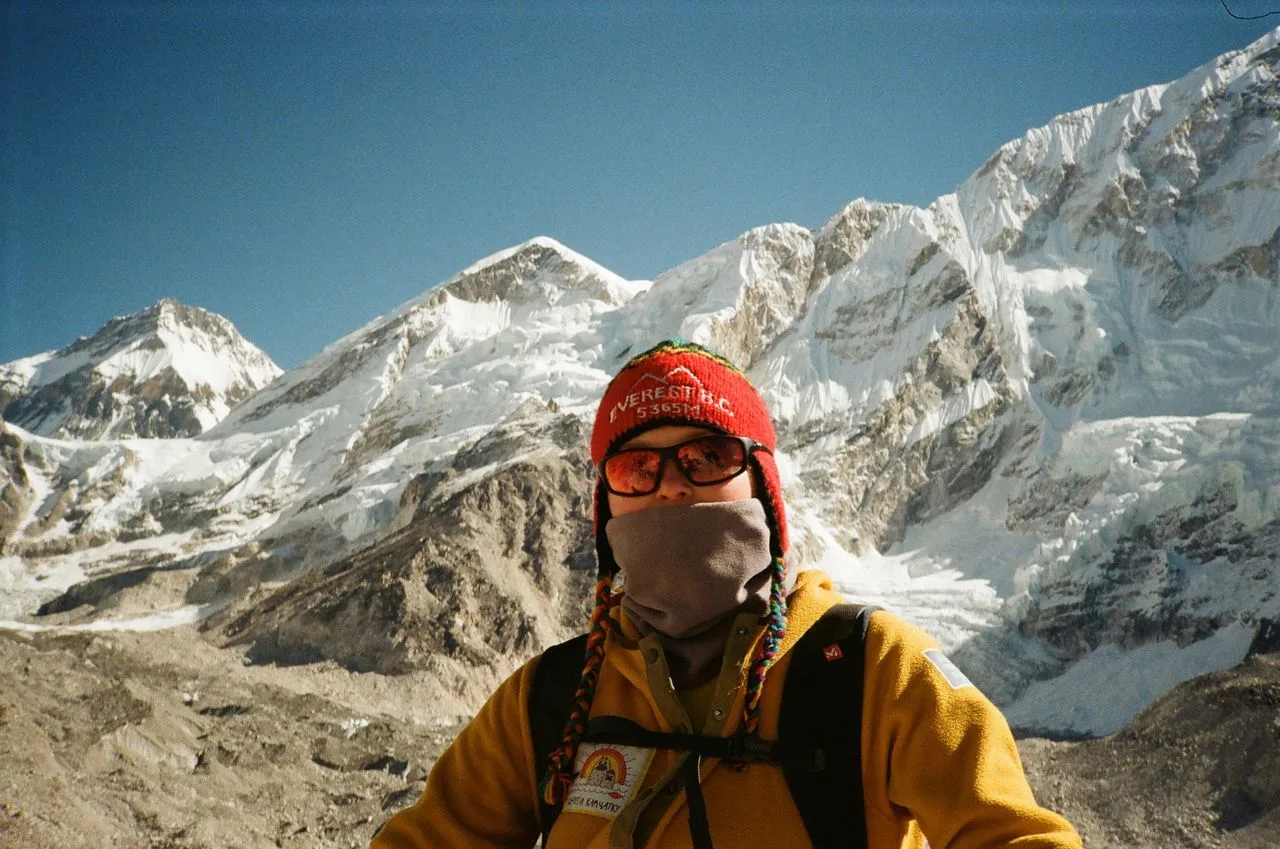
Frequently Asked Questions
What is Camp 3 on Everest?
Camp 3 is the third high camp on the South Col route, located on the Lhotse Face at approximately 7,100–7,300 metres. It is the most precarious camp on the mountain.
How high is Camp 3 Everest?
Approximately 7,100–7,300 metres (23,300–23,950 feet), with slight seasonal variation in camp placement.
Where is Camp 3 located?
On the Lhotse Face, above the Western Cwm and below the South Col, on the route between Camp 2 and Camp 4.
What is the Lhotse Face?
A steep ice wall (40–50 degrees) on the western flank of Lhotse, rising approximately 1,100 metres from the Western Cwm to the South Col. Camp 3 sits about two-thirds of the way up.
Is Camp 3 the same as Camp 2?
No. Camp 2 is at ~6,400–6,500m on a moraine; Camp 3 is at ~7,100–7,300m on a steep ice face. They are entirely different environments.
Is Camp 3 part of the Everest Base Camp Trek?
No. Camp 3 is a mountaineering objective, not a trekking destination. Reaching it requires climbing the Lhotse Face.
What does Camp 3 look like?
A few tents on narrow ice ledges carved into the Lhotse Face. One source compares it to a Toblerone wedge turned on its side.
Why is Camp 3 dangerous?
Exposure, avalanche risk, extreme altitude, cold, and the difficulty of rescue at that height. MountainZone calls it “by far the most dangerous camp on the climb.”
Do climbers use oxygen at Camp 3?
Most do. Camp 3 is the point where supplemental oxygen typically begins.
How long do climbers stay at Camp 3?
Usually one or two nights during acclimatisation rotations, and one night during a summit push.
What happened at Camp 3 in 2026?
A Sherpa guide, Phura Gyaljen Sherpa, died after falling into a crevasse near Camp 3 in May 2026. The route to Camp 3 was fixed by early May.
Can trekkers visit Camp 3?
No. Camp 3 is above the Khumbu Icefall and the Lhotse Face, both of which require mountaineering skills.
What is above Camp 3?
The upper Lhotse Face, the South Col (Camp 4), and the summit.
How steep is the Lhotse Face?
40–50 degrees, with occasional bulges up to 80 degrees.
Is Camp 3 colder than Camp 2?
Yes. Temperatures at Camp 3 can drop below -30°C, and the altitude makes the cold more dangerous.
Planning a Trek in the Everest Region?
Wonder Hikes Nepal is a Nepal-based trekking and mountain adventure company. If you are planning an Everest Base Camp Trek, a trek in the Khumbu region, or researching the logistics of high-altitude mountaineering, our team can help you understand the terrain, the camps, and the preparation required. We do not guide Everest summit expeditions, but we do provide expert guidance on trekking in the Everest region and responsible mountain travel in Nepal. If you would like to talk through your plans, get in touch — we are happy to help.