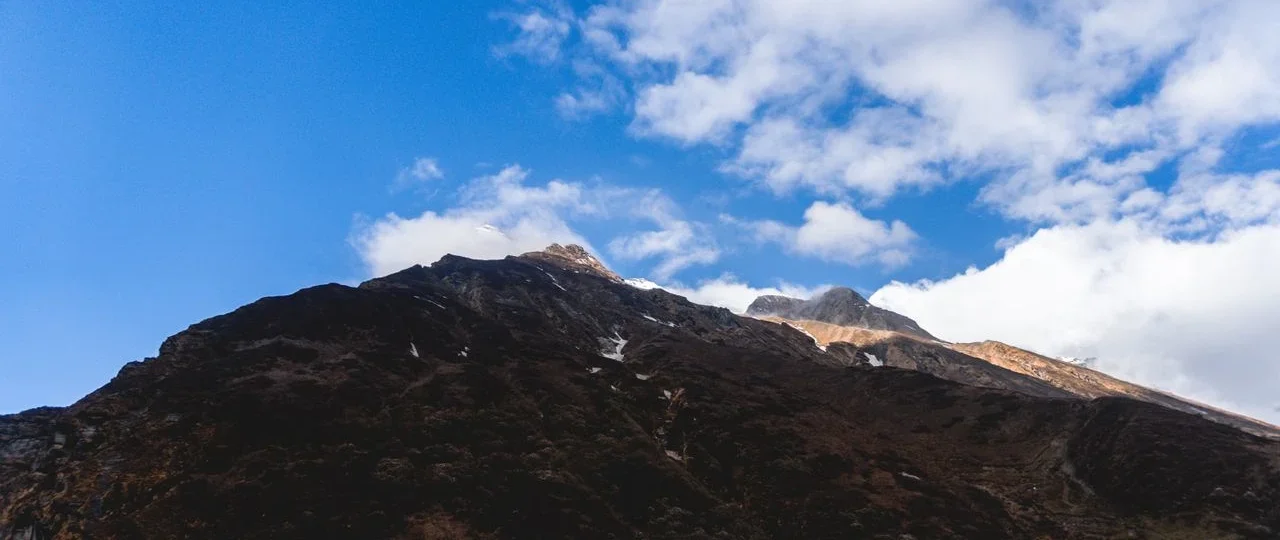
Lobuche Peak climbing cost in 2026 sits somewhere between a straightforward answer and a frustrating puzzle. You see packages advertised at USD 1,900. You read blog posts quoting USD 4,500. Both numbers are technically real. Neither tells you what you will actually spend.
Here is the honest version: the advertised package price is the entry point. The real total — permits, flights, insurance, gear rental, tips, contingency — adds another USD 1,300 to 3,000 on top. For most international climbers, the all-in budget lands between USD 3,200 and USD 6,500, depending on group size, service level, and how much gear you already own.
This breakdown is current for 2026, verified against the September 2025 NMA fee revision, and written for climbers who want to plan with real numbers instead of vague ranges.
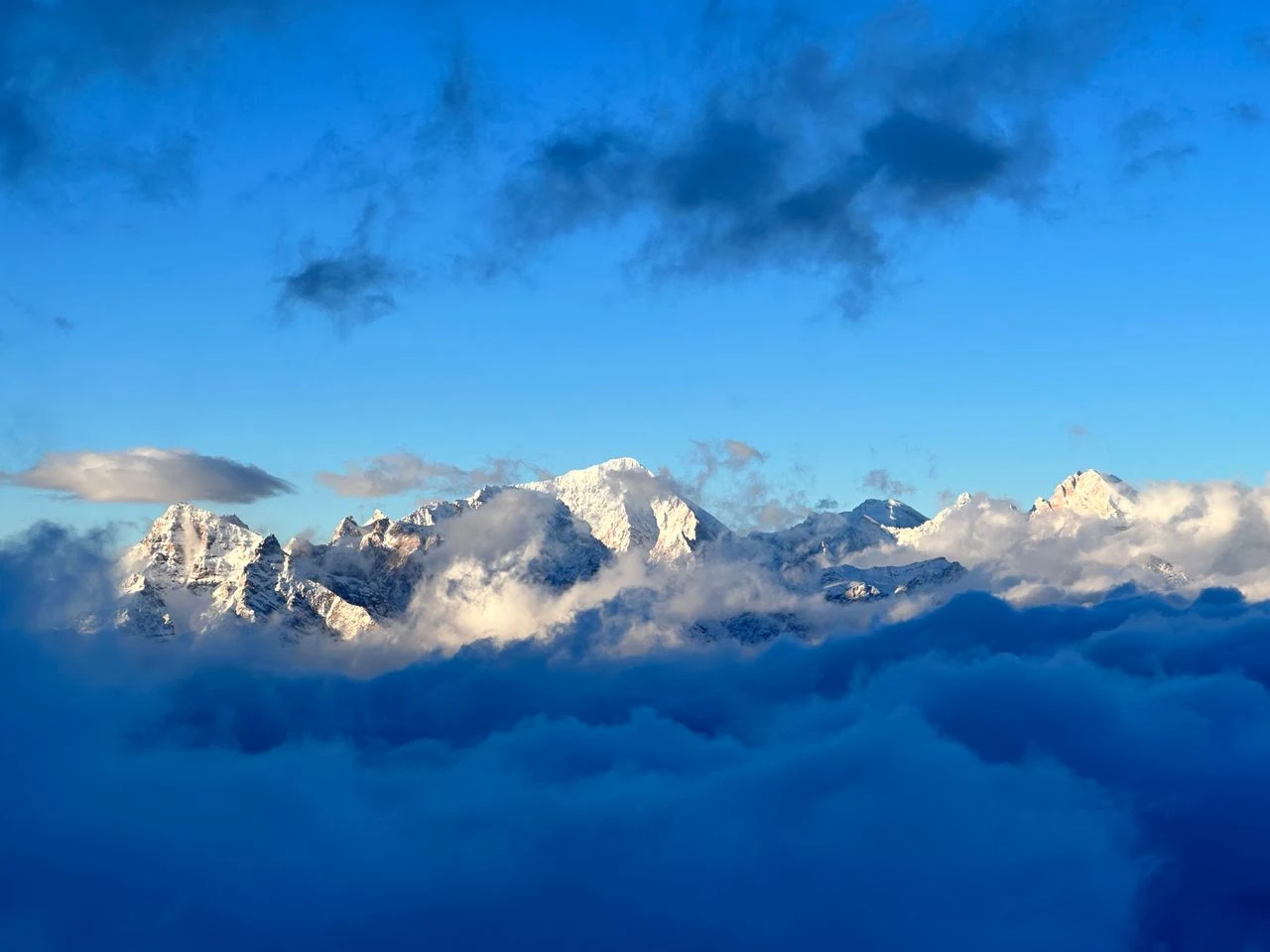
Lobuche East vs Lobuche West: Know Which Peak You Are Paying For
Lobuche has two summits. Lobuche East (6,119 m) is the commercial trekking peak that virtually every guided climb targets. It is graded PD — technically moderate, but physically demanding at altitude. Lobuche West (6,145 m) is a steeper, more technical objective. It requires a different permit category, more advanced guiding, and a longer itinerary.
Almost all cost searches and package listings refer to Lobuche East. If a quote mentions “Lobuche Peak” without specifying which summit, ask. The permit structure alone is different enough to change your budget by hundreds of dollars.
The 2026 NMA Permit: What Changed and Why It Matters
The Nepal Mountaineering Association revised trekking peak fees effective September 1, 2025 — the first major update since 2015. These rates hold through the 2026 season, and many competitor pages still cite outdated figures.
For Lobuche East (a peak under 6,500 m), the 2026 permit structure is:
| Season | Fee per Climber (Group of 1–4) | Additional Climber (Above 4) |
|---|---|---|
| Spring (March–May) | USD 350 | USD 40 |
| Autumn (September–November) | USD 350 | USD 40 |
| Winter/Monsoon | USD 200 | USD 25 |
Source: The Everest Holiday, citing the September 2025 NMA revision
The NMA permit is not issued to individuals. Only registered trekking agencies can obtain it, and a government-licensed climbing guide is mandatory. The fee is non-refundable regardless of summit success.
You will still find pages quoting USD 250 spring / USD 125 autumn for Lobuche East. Those are pre-September 2025 rates. If an operator quotes those figures for 2026, they are using outdated information .
Other Mandatory Fees: Sagarmatha and Khumbu Pasang Lhamu
Beyond the NMA climbing permit, Lobuche East climbers pay two additional government fees. Lobuche Peak climbing cost for permits alone totals roughly USD 390–415 per climber when all three are combined.
| Fee | Cost (2026) | Where Paid |
|---|---|---|
| Sagarmatha National Park entry | NPR 3,000 (~USD 22–25) | Monjo checkpoint |
| Khumbu Pasang Lhamu Rural Municipality permit | NPR 2,000–3,000 (~USD 15–22) | Lukla or Monjo |
The Sagarmatha fee covers the entire Everest region above Monjo. The Khumbu Pasang Lhamu municipal permit was raised from NPR 2,000 to NPR 3,000 in September 2024, though some operators still list the lower figure . TIMS is no longer required for the Khumbu region.
All three permits are typically included in a standard operator package. Confirm this in writing before booking.
What a Lobuche Package Usually Includes
Most mid-range Nepali operator packages cover the operational essentials from Lukla to Lukla. According to Mountain Hike Nepal’s 2026 breakdown, a standard package includes :
-
NMA Lobuche East climbing permit (USD 350)
-
Sagarmatha National Park permit (~USD 23)
-
Khumbu Pasang Lhamu permit (~USD 15)
-
Round-trip Lukla flights (via Ramechhap in peak season)
-
Ramechhap airport transfer
-
Teahouse accommodation during trek
-
Three meals per day during trek
-
Climbing Sherpa support on summit day
-
Group climbing equipment (ropes, snow bars, ice screws)
-
Lobuche Base Camp and High Camp logistics
-
Porter service (shared between two trekkers)
-
Guide and staff insurance
-
Government taxes
What “all-inclusive” means in practice: the trek and climb from Lukla back to Lukla. Everything before and after — international flights, visa, insurance, personal gear, tips, Kathmandu hotel outside package dates — sits outside the price.
What It Excludes: The Costs That Add Up Fast
This is where Lobuche Peak climbing cost gets real. The package price covers the mountain. These costs cover everything else, and they are not optional:
| Excluded Cost | Realistic Estimate (USD) |
|---|---|
| International flights to Nepal | USD 650–1,200 |
| Nepal visa (30 days) | USD 50 |
| Travel insurance (6,200 m+) | USD 100–200 |
| Climbing gear rental (crampons, ice axe, harness, boots, helmet) | USD 80–140 |
| Trekking gear rental (sleeping bag, down jacket, poles) | USD 60–100 |
| Daily trail extras (showers, charging, snacks, water) | USD 200–350 |
| Tips (guide, Sherpa, porter) | USD 150–250 |
| Kathmandu accommodation (pre/post) | USD 60–200 |
| Personal spending | USD 100–300 |
Source: Mountain Hike Nepal (2026) and Nepal Nomad (2026)
Total personal costs: USD 1,400–2,740. That is the gap between the package price and what you actually spend. The gear rental line catches people off guard. Lobuche East is a 6,119 m peak — you need mountaineering boots, crampons, an ice axe, a harness, and an ascender. Renting the full set in Kathmandu costs roughly USD 80–140 for the climb duration .
Flights to Lukla: Cost, Routing, and the Delay Problem
Every Lobuche expedition starts with a flight to Lukla. This is the most variable cost item on the trip and the one most likely to change after you book.
2026 flight costs:
| Route | One-Way Cost | Round-Trip Cost |
|---|---|---|
| Kathmandu–Lukla (off-peak) | USD 180–220 | USD 360–440 |
| Ramechhap–Lukla (peak season) | USD 95–120 | USD 190–240 |
| Helicopter (shared, one-way) | USD 450–600 | — |
Source: Global Nepal Treks (2026)
During peak climbing seasons — March to May and September to November — most Lukla flights depart from Ramechhap/Manthali Airport, a 4–5 hour drive from Kathmandu. The ticket covers the Ramechhap–Lukla leg plus the tourist bus transfer .
Lukla flights are weather-dependent. Delays are normal, not exceptional. Budget USD 200–500 for flight-related contingencies: extra nights in Lukla or Kathmandu, extra meals, and potentially a helicopter transfer. A package that includes “Lukla flights” does not usually include the cost of waiting three extra days for weather to clear.
Travel Insurance: The 6,200 m Requirement
Lobuche Peak climbing cost planning often overlooks insurance until it is too late. Standard travel insurance caps at 3,000 m. Lobuche East is 6,119 m. A standard policy will not pay out for altitude-related medical issues on this mountain.
Your policy must explicitly cover climbing to 6,200 m or higher, include helicopter evacuation from any point on the itinerary, and cover trip cancellation for weather and medical reasons .
Expected premium: USD 100–200 for a 30-day policy meeting these terms. The difference between a standard policy and a climbing-specific one is roughly USD 50–120. A helicopter evacuation from above 5,500 m costs USD 6,000–10,000. Without the right cover, that bill is yours .
Do not rely on credit card insurance or a standard annual travel policy unless you have verified in writing that it covers climbing above 6,000 m.
Group Size and Private vs Group Pricing
Lobuche Peak climbing cost drops significantly as group size increases. Here is the per-person pricing pattern from 2026 operator listings:
| Group Size | Per-Person Package (USD) |
|---|---|
| 1 (solo private) | USD 2,699–2,990 |
| 2 people | USD 2,590–2,799 |
| 3–5 people | USD 2,185–2,499 |
| 6–10 people | USD 1,999–2,450 |
| 11+ people | USD 1,840–2,390 |
Sources: Glory Adventure (2026) and Footprint Adventure
A solo climber pays roughly 30–40% more than someone in a group of three to five. The savings come from shared guide costs, shared Sherpa costs, and shared logistics. Group climbs mean less flexibility and less individual attention on summit day. If you want maximum summit support, the private premium is worth evaluating.
Building Your Realistic Total Budget: Three Scenarios
Budget Climber: USD 3,200–4,200 total
You join a group departure (6–10 people) with a local Nepali operator. You rent most of your gear in Kathmandu. You stay in basic teahouses and eat simple meals. Your contingency buffer is modest. This is a legitimate way to climb Lobuche East — but you need to be flexible and prepared for delays. Mountain Eco Trails puts the realistic Nepal-trip budget for group joining at USD 3,800–4,500 .
Mid-Range Climber: USD 4,200–5,200 total
You join a small group (3–5 people) with better logistics, a stronger guide-to-client ratio, and more comfortable accommodation. You own some gear and rent the rest. Your contingency fund is realistic. This is the sweet spot for most independent climbers.
Premium Climber: USD 5,200–6,500+ total
You climb privately or with a very small group. You have a dedicated climbing Sherpa, better food at High Camp, and helicopter contingency built in. You own most of your gear. Mountain Eco Trails lists the solo or premium private climb budget at USD 5,500–6,500+ excluding international airfare .
EBC + Lobuche Combination: What It Adds
Many climbers combine the Everest Base Camp trek with a Lobuche East summit. Lobuche Base Camp sits just off the EBC trail, making the combination efficient.
A guided 17–18-day combined Lobuche East climb with Everest Base Camp generally costs USD 2,800–3,500 for the package per person in 2026. However, the realistic total budget — including insurance, personal gear, visa, tips, trail expenses, and contingency — reaches USD 3,800–5,200, excluding international airfare .
The combination adds roughly 2–3 days to a standard EBC itinerary and USD 600–1,000 to the package price compared to EBC alone.
How to Compare Operator Quotations
The difference between a USD 1,900 package and a USD 3,500 package is not profit margin. It is guide-to-client ratio, Sherpa support, food quality at High Camp, equipment condition, and contingency planning. Use this checklist when comparing quotes:
| Question | What a Good Answer Looks Like |
|---|---|
| Climbing Sherpa ratio on summit day? | 1:2 or 1:3 |
| Acclimatization days built in? | At least one full rest day at Dingboche or Lobuche |
| Down suit or high-camp boots included? | Confirm explicitly in writing |
| Lukla flight delay policy? | Operator covers extra accommodation or states policy clearly |
| NMA permit at current USD 350? | Yes, for 2026 spring/autumn |
| Evacuation protocol? | Helicopter evacuation coordinated; insurance covers cost |
| Written itinerary with acclimatization marked? | Yes |
A good operator answers all seven without hesitation. A vague answer on any one of them is a signal.
Final Cost Checklist
Before committing to a Lobuche Peak climb in 2026, confirm you have budgeted for:
-
Package price (USD 1,900–3,500)
-
International flights (USD 650–1,200)
-
Nepal visa (USD 50)
-
Travel insurance above 6,200 m (USD 100–200)
-
Climbing gear rental (USD 80–140)
-
Trekking gear rental (USD 60–100)
-
Trail extras (USD 200–350)
-
Tips (USD 150–250)
-
Kathmandu accommodation (USD 60–200)
-
Contingency (USD 300–600)
Total realistic budget: USD 3,200–6,500.
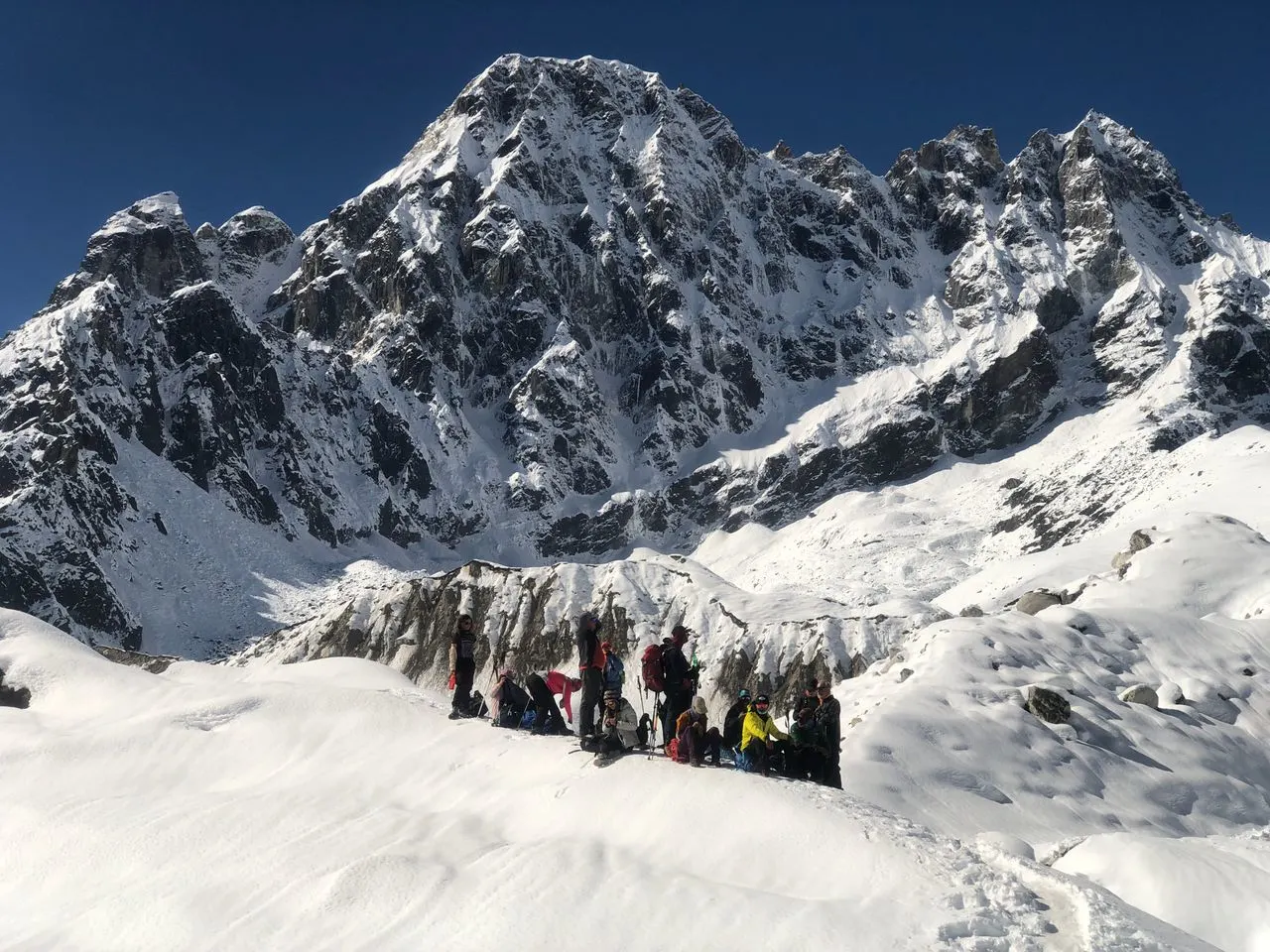
Plan Your Lobuche Peak Climb with Wonder Hikes Nepal
Permit fees change. Flight routings shift. A quote that looks transparent in January may look incomplete when you are in Lukla waiting for weather. Wonder Hikes Nepal builds Lobuche Peak itineraries with itemized cost breakdowns — included and excluded — so you know what you are paying for before you commit. If you are planning a 2026 climb and want a quotation that reflects the full picture, get in touch.
[Contact Wonder Hikes Nepal for a Lobuche Peak cost consultation →]
FAQs
1. How much does Lobuche Peak climbing cost in 2026?
Total trip cost ranges from USD 3,200–6,500 for most climbers, depending on service level and group size. Package prices alone range from USD 1,900–3,500.
2. Is the NMA permit fee included in the package?
Yes, for almost all commercial packages. The current 2026 fee is USD 350 per climber for groups of 1–4 in spring and autumn. Each additional climber above 4 costs USD 40.
3. What is the difference between Lobuche East and Lobuche West?
Lobuche East (6,119 m) is the commercial trekking peak covered by the NMA permit. Lobuche West (6,145 m) is more technical and requires different permits and logistics.
4. What travel insurance do I need for Lobuche East?
A policy that explicitly covers climbing above 6,200 m, with helicopter evacuation, medical expenses, and repatriation. Expect to pay USD 100–200 for a 30-day policy meeting these terms.
5. How much should I budget for Lukla flights?
Round-trip flights cost USD 190–440 depending on routing. During peak season, flights depart from Ramechhap. Budget USD 200–500 extra for potential weather delays.
6. What is the hardest cost to plan for?
Flight delays. Lukla weather can ground flights for days. Extra accommodation, meals, and potential helicopter transfer can add USD 200–500 to your trip.
7. Is a private climb worth the extra cost?
A private climb costs roughly 30–40% more per person but gives you a dedicated climbing Sherpa and flexible pacing. Worth it if summit support and schedule control matter to you.
8. How much gear rental will I need?
Climbing gear rental in Kathmandu costs USD 80–140. Trekking gear rental (sleeping bag, down jacket, poles) costs USD 60–100.
9. How much should I tip my guide and Sherpa?
Budget USD 150–250 per person. Climbing Sherpa: USD 15–20 per day. Porter: USD 5–10 per day. Bring Nepali rupees.
10. Can I combine Everest Base Camp with Lobuche East?
Yes. A combined 17–18-day EBC + Lobuche East climb costs USD 2,800–3,500 for the package, with a realistic total of USD 3,800–5,200 excluding international airfare.
11. What is the best season to climb Lobuche East?
Spring (March–May) and autumn (September–November). October is the single best month for weather and summit success.
12. How many days does a Lobuche Peak climb take?
Standard itineraries run 15–18 days from Kathmandu to Kathmandu, including trekking, acclimatization, and summit day.
13. Is Lobuche East suitable for beginners?
Lobuche East is graded PD — technically moderate but physically demanding. Prior high-altitude trekking experience (5,000 m+) is strongly recommended.
14. What happens if I cannot summit?
The NMA permit is non-refundable. Most operators do not refund the climbing portion if you turn back. Check the cancellation policy before booking.
15. How do I choose a reputable Lobuche operator?
Ask about Sherpa ratio, acclimatization days, insurance coordination, and flight delay policy. Look for TAAN membership, verifiable reviews, and transparent pricing. Avoid operators quoting below USD 1,800 without explanation.