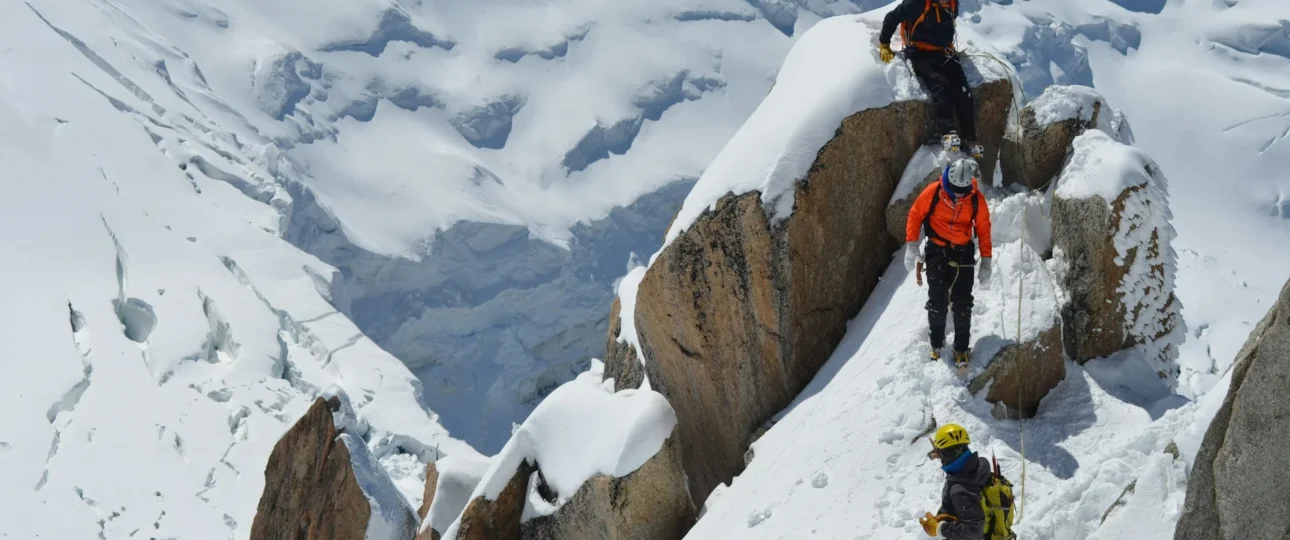
What Does “Sherpa Mountain Climbers” Actually Mean?
Sherpa is an ethnicity. The word comes from the Tibetan shar (east) and pa (people), referring to their origins in the Kham region of eastern Tibet. Sometime between the 15th and 17th centuries, Sherpa families crossed the Himalayas and settled in the high valleys of what is now Nepal’s Solukhumbu district, including the Khumbu Valley below Everest Base Camp. Today, approximately 150,000 Sherpas live in Nepal, with diaspora communities in India, Bhutan, the United States, and Europe.
The confusion arises because “sherpa” entered English as a generic term for a mountain porter or guide. This usage is inaccurate. A Sherpa who works in an office in Kathmandu is still a Sherpa. A Nepali guide from the Tamang or Rai ethnic groups who carries loads on a trek is a porter, not a Sherpa. Using the word as a job title erases the cultural and historical identity of an entire people, and it reinforces a colonial-era habit of treating Sherpas as interchangeable labour rather than as members of a distinct community with their own language, religion, and traditions.
Sherpa culture is deeply rooted in Tibetan Buddhism. Villages like Namche Bazaar and Thame are home to monasteries, mani walls, and festivals such as Mani Rimdu and Losar. The famous Tengboche Monastery, founded in 1916, remains a spiritual centre for the region. Trekking through Khumbu, you pass through living Sherpa communities, not through an open-air museum.
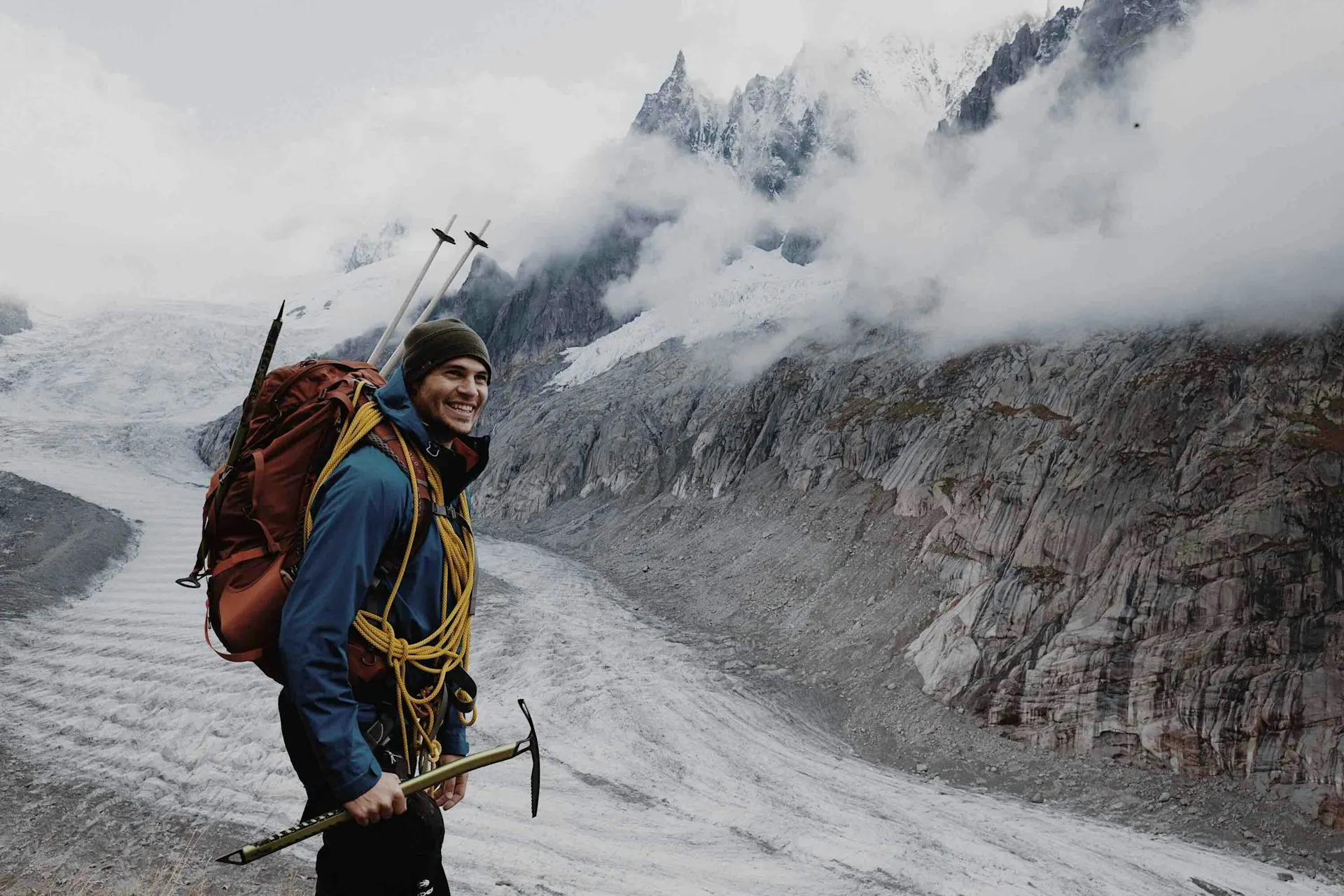
Sherpa Climber vs. Porter vs. Mountain Guide
Understanding the differences between these roles helps travellers ask the right questions and choose operators who treat their staff fairly.
| Role | Who They Are | What They Do | Where They Work |
|---|---|---|---|
| Climbing Sherpa | Usually ethnic Sherpa, trained through apprenticeship and formal courses | Fix ropes, establish camps, carry supplies, support clients, perform rescues | Above Base Camp to the summit |
| Porter | Any ethnicity (Rai, Tamang, Sherpa, others) | Carry equipment and supplies, often between villages or up to Base Camp | Trekking routes and lower trails |
| Mountain guide | Any ethnicity; formally certified (IFMGA or national equivalent) | Lead clients, make route decisions, manage safety, teach technical skills | Throughout an expedition |
Climbing Sherpas are the ones who go above Base Camp. They are the rope-fixers, the camp-builders, the people who carry oxygen cylinders to Camp IV and then turn around to help a struggling client. Porters are essential to trekking logistics but rarely work above Base Camp. Mountain guides may be Sherpa or non-Sherpa, and their qualifications vary by certification system.
Some senior Sherpa climbers, such as Mingma G, hold IFMGA certification and lead expeditions globally. Others learned through decades of on-mountain experience that exceeds the requirements of any formal course. Both paths matter. The distinction is useful not to rank them, but to understand what each role involves and how operators should be compensating them.
A Short History of Sherpa Mountaineering
Sherpa involvement in Himalayan climbing began in the 1920s, when British reconnaissance expeditions to Everest Base Camp recruited local workers. These early expeditions relied heavily on Sherpa labour, and colonial records from the period reflect the racial attitudes of the time, often describing Sherpas in dismissive terms. But the Sherpas learned quickly. They absorbed rope techniques, glacier travel, and high-altitude survival skills from the expeditions they supported.
The turning point came on 29 May 1953, when Tenzing Norgay and Edmund Hillary reached the summit of Everest. Tenzing was not a hired porter on that expedition. He was a full climbing partner. His achievement, alongside Hillary’s, brought global attention to Sherpa mountaineering and made the Khumbu Valley a destination for climbers from around the world.
Tenzing’s nephew, Nawang Gombu, summited Everest in 1963 and again in 1965, becoming the first person to reach the summit twice. The growth of commercial expeditions in the 1990s and 2000s transformed the industry. Sherpas became the backbone of Everest logistics, managing routes, camps, and client safety. But the 2014 Khumbu Icefall avalanche, which killed 16 Sherpa workers in a single morning, exposed how dangerous that work had become and triggered demands for better insurance, compensation, and working conditions.
Today, a new generation is pushing in a different direction. Rather than accepting the role of support staff for foreign climbers, Sherpas like Nima Rinji and Dawa Yangzum are claiming mountaineering records in their own right.
What Climbing Sherpas Do Above Base Camp
The work of a climbing Sherpa is not a single job. It is a sequence of specialised tasks that begin before the climbing season and continue until the last client is safely down.
Route preparation through the Khumbu Icefall. Each spring, a team of six to eight Icefall Doctors enters the shifting maze of the Khumbu Icefall to establish a route from Base Camp to Camp I and Camp II. They place aluminium ladders across crevasses, anchor ropes, and monitor ice conditions. The nickname “doctor” reflects their role in keeping the route healthy, not a medical qualification. In 2026, the Icefall Doctors had to find alternative routes around a large serac collapse that blocked the standard path, working through late April to reopen access to Camp I and beyond.
Rope fixing above Camp II. Beyond the Icefall, Sherpas fix ropes through the Western Cwm to Camp III, up the Lhotse Face to Camp IV, and along the summit ridge. This involves carrying heavy coils of rope at altitudes where every step requires deliberate effort. The ropes they place become the safety lines that hundreds of climbers will clip into during their summit pushes.
Camp establishment and supply runs. Sherpas carry tents, food, fuel, oxygen cylinders, and cooking equipment to progressively higher camps. They stock Camp II, Camp III, and Camp IV, often making multiple trips through the same hazardous terrain. Without this logistical work, no client would have a chance at the summit.
Client support and rescue. During summit pushes, Sherpas accompany clients, monitor their physical condition, and assist on technical sections. When a client develops altitude illness or becomes exhausted, the Sherpa may initiate a rescue, sometimes at significant personal risk. Many Sherpas have saved lives by recognising the early signs of high-altitude cerebral or pulmonary edema and acting quickly.
Base Camp management. Senior Sherpas often run Base Camp operations as sirdars, coordinating supplies, communications, medical support, and scheduling. This is the equivalent of expedition management, and it requires skills in logistics and leadership that go far beyond climbing ability.
Why Sherpas Perform Well at Altitude
The scientific explanation for Sherpa altitude performance has become much clearer in recent years, thanks largely to genetic research published in 2025 and 2026.
At altitudes above 5,500 metres, oxygen partial pressure drops significantly. For most people, the body responds by increasing breathing rate and red blood cell production. This helps in the short term, but over time, excessive red blood cell production thickens the blood and raises the risk of stroke and chronic mountain sickness.
Sherpas carry genetic variants in two key genes, EPAS1 and EGLN1, that modulate this response. A 2026 study published in the Annals of Human Genetics examined blood samples from 56 Sherpa highlanders living in Namche Bazaar at 3,440 metres and 25 non-Sherpa lowlanders in Kathmandu. The researchers found that Sherpas had significantly lower frequencies of the wild-type alleles of both genes, and these variants were linked to reduced mRNA expression. In practical terms, this means Sherpa bodies do not overreact to low oxygen. They maintain lower haemoglobin levels, avoid blood thickening, and still deliver oxygen efficiently to tissues. Their serum erythropoietin (EPO) concentrations remain comparable to lowlanders despite the hypoxia, which suggests a blunted EPO response that protects them from chronic mountain sickness.
This is not the same as immunity. Sherpas can and do get altitude sickness. They experience headaches, nausea, and fatigue. They can develop HACE and HAPE. Their genetic adaptations reduce risk, but they do not eliminate it. The “superhuman” label that sometimes appears in media coverage is both inaccurate and harmful, because it discourages recognition of Sherpa vulnerability and the need for safety protocols.
Adaptation is also not the same as acclimatization. Acclimatization is the short-term process any lowlander undergoes when ascending gradually. Genetic adaptation is the product of thousands of years of natural selection. Sherpas benefit from both, but neither makes them invulnerable.
Famous Sherpa Mountain Climbers and Their Records
The following climbers have documented achievements that are verifiable through official records, reputable news sources, and mountaineering organisations.
Tenzing Norgay (1914–1986) reached the summit of Everest with Edmund Hillary on 29 May 1953. He was born in Thame village, Solukhumbu, the same village as Kami Rita Sherpa.
Nawang Gombu (1936–2011) was Tenzing’s nephew and the first person to summit Everest twice, in 1963 and 1965.
Apa Sherpa (b. 1960) summited Everest 21 times and has worked on environmental and community projects in the Khumbu region.
Kami Rita Sherpa (b. 1970) holds the world record for the most Everest ascents. He reached the summit for the 32nd time on 17 May 2026, at 10:12 am local time, while guiding clients from 14 Peaks Expedition. He first summited in 1994 at the age of 24 and has climbed almost every year since, except when expeditions were cancelled due to avalanches, earthquakes, or the pandemic. He was born in Thame and followed his father, who worked as a sirdar on Everest.
Lhakpa Sherpa (b. 1973) holds the women’s record with 11 Everest summits. She reached the summit on 17 May 2026, at 9:30 am local time, climbing from the Tibetan side. She was the first Nepali woman to summit Everest and return alive, in 2000. Her life is the subject of the Netflix documentary Mountain Queen.
Pasang Lhamu Sherpa (1961–1993) became the first Nepali woman to summit Everest on 22 April 1993. She died during the descent at the age of 32. A crater on the Moon’s South Pole was named “Lhamu” in her honour in 2024.
Dawa Yangzum Sherpa (b. 1990) became the first Nepali woman to summit all 14 of the world’s 8,000-metre peaks, completing the feat on Shishapangma in October 2024 at the age of 33. She is also the first female Asian mountain guide certified by the IFMGA.
Nima Rinji Sherpa (b. 2006) became the youngest person to summit all 14 8,000-metre peaks, completing the feat on Shishapangma on 9 October 2024 at the age of 18. He launched the #SherpaPower initiative to reshape global perceptions of Sherpas as elite athletes and expedition leaders.
Mingma G (Mingma Gyalje Sherpa) became the first Nepali climber to summit all 14 8,000-metre peaks without supplemental oxygen. He is an IFMGA guide and the managing director of Imagine Nepal Trek and Expeditions.
| Climber | Key Achievement | Year(s) |
|---|---|---|
| Tenzing Norgay | First Everest summit with Hillary | 1953 |
| Nawang Gombu | First to summit Everest twice | 1963, 1965 |
| Apa Sherpa | 21 Everest summits | 1990–2011 |
| Kami Rita Sherpa | 32 Everest summits (world record) | 1994–2026 |
| Lhakpa Sherpa | 11 Everest summits (women’s record) | 2000–2026 |
| Pasang Lhamu Sherpa | First Nepali woman to summit Everest | 1993 |
| Dawa Yangzum Sherpa | First Nepali woman to summit all 14 8000ers | 2024 |
| Nima Rinji Sherpa | Youngest to summit all 14 8000ers | 2024 |
| Mingma G | First Nepali to summit 14 8000ers without oxygen | 2021 |
Women in Sherpa Mountaineering
Women have always been part of Sherpa mountaineering, but their contributions have often been recorded in the margins. Pasang Lhamu Sherpa’s 1993 ascent was a landmark. She faced scepticism from her family, from government officials, and from the mountaineering establishment. When she died on the descent, her body was recovered just 72 metres below the summit. Her legacy is commemorated across Nepal, and her story continues to inspire young women in the Khumbu and beyond.
Lhakpa Sherpa began working as a porter in her teens and summited Everest for the first time in 2000. She has now climbed it 11 times, more than any other woman, and her documentary brought her story to a global audience.
Dawa Yangzum Sherpa’s completion of all 14 8,000-metre peaks in 2024 was a milestone for Nepali women in mountaineering. She grew up in Na village in Dolakha at 4,200 metres and first went trekking without telling her family when she was 12. Her IFMGA certification opened doors to international guiding work, and she has used her platform to advocate for women in mountaineering and raise awareness about climate change impacts on Himalayan ecosystems.
These climbers have expanded what is possible for Sherpa women. Barriers remain, particularly around access to sponsorship, training, and leadership roles, but the trajectory is clear.
Modern Sherpa Mountaineering
The professional landscape for Sherpa climbers has changed dramatically in the past two decades.
Formal certification is now more common. The Khumbu Climbing Center, founded by Conrad Anker and others, provides technical training for Sherpa climbers. Some pursue IFMGA certification, which is recognised globally. Others combine decades of on-mountain experience with specialised courses.
Sherpa-owned expedition companies have emerged as significant players. Companies like 14 Peaks Expedition and Imagine Nepal are founded and operated by Sherpa climbers who have transitioned from guiding to ownership and management. This shift matters because it changes who controls the economics of Everest climbing.
The “SherpaPower” initiative, launched by Nima Rinji Sherpa, represents a generational shift in how Sherpa climbers see themselves and want to be seen. In a statement after completing his 14th 8,000-metre peak, Nima Rinji said: “Sherpas are not just mountain guides but elite athletes and adventurers capable of creating unique paths on the world stage.” He dedicated his record to “every Sherpa who has dared to dream beyond the traditional boundaries set for us.”
Climate change is reshaping the mountains themselves. The August 2024 glacial lake outburst flood that devastated Thame village, home to Tenzing Norgay and Kami Rita Sherpa, destroyed homes and displaced families. UNESCO has since partnered with the community to document and safeguard Sherpa intangible cultural heritage affected by the disaster. For Sherpa climbers, the shifting terrain means new risks and changing routes. The 2026 Everest season saw a large serac collapse block the Khumbu Icefall for two weeks, requiring Icefall Doctors to find alternative paths.
The Risks of High-Altitude Sherpa Work
Sherpa work is statistically more dangerous than climbing for recreation. Of the approximately 340 deaths on Everest since 1953, 48 have occurred in the Khumbu Icefall, and most of those were Sherpa workers. One analysis found that of 332 recorded Everest fatalities, 130 were working Sherpas, more than a third of the total. Between 2013 and 2023, 47 of the 92 deaths on Everest were Sherpas.
The 2014 Khumbu Icefall avalanche killed 16 Sherpa workers in a single morning and led to a shutdown of the climbing season. It also triggered demands for better insurance and compensation. Some progress has been made, but gaps remain. Many Sherpa workers still lack adequate coverage for rescue, medical care, or long-term disability.
Climate change is adding new hazards. Warmer temperatures make the Icefall more unstable. Glacial retreat alters route conditions. The Thame flood in 2024 destroyed homes and infrastructure, and climate-related disasters are becoming more frequent in the Khumbu region.
Mental health is another under-discussed dimension. Sherpas work long hours under extreme stress, often far from family for months at a time. The cumulative toll of repeated high-altitude expeditions can be significant, and access to mental health support is limited.
What Travellers Should Understand
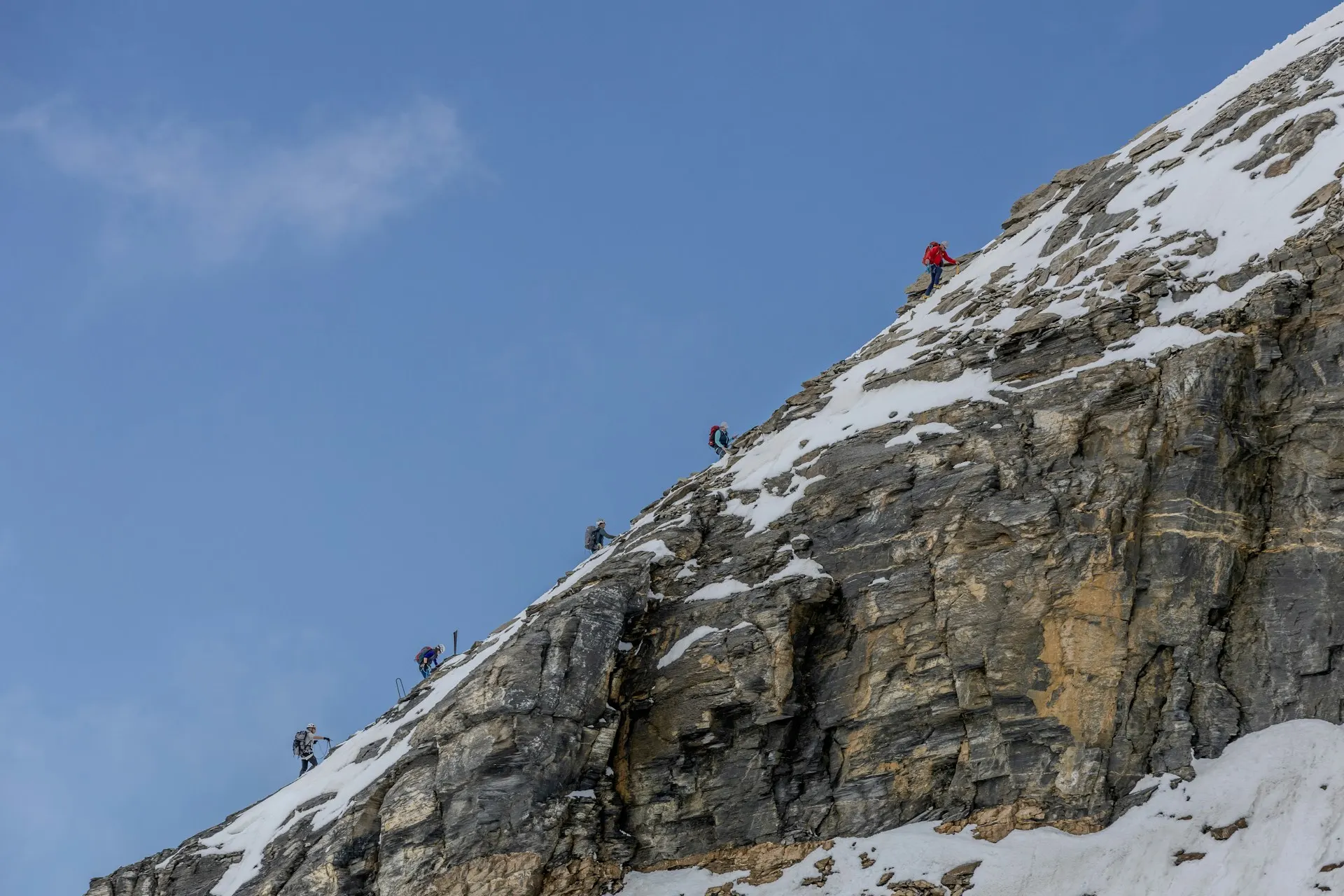
For anyone planning a trek or expedition in Nepal, understanding Sherpa culture and the conditions of Sherpa work changes how you experience the mountains.
Choose operators that treat staff fairly. Ask about insurance coverage, pay scales, and safety protocols. If an operator cannot answer clearly, look elsewhere.
Respect the ethnicity-versus-role distinction. Your guide is a professional. Learn their name. Acknowledge their expertise. Do not treat them as interchangeable.
Altitude affects everyone. Do not assume that because your guide is Sherpa, you can skip acclimatization. Follow the itinerary, drink water, and monitor your symptoms.
Support local communities. Stay in family-run lodges. Buy from local shops. Where possible, hire local guides and porters directly.
Understand the season. Spring and autumn are the main trekking seasons. Winter treks are colder and quieter. Monsoon brings rain and leeches at lower elevations.
Wonder Hikes Nepal works with local Sherpa guides and supports responsible trekking practices. If you are planning a trek in the Everest region or elsewhere in Nepal, we can help you plan a realistic, respectful, and well-supported journey.
Frequently Asked Questions
1. Who are Sherpa mountain climbers?
Climbing Sherpas are members of the Sherpa ethnic group who work as high-altitude guides, rope-fixers, and expedition leaders in the Himalayas. They are elite mountaineers, not simply porters or support staff.
2. Are all Sherpas mountain climbers?
No. Sherpa is an ethnicity. Most Sherpas work in farming, tourism, business, or other industries. Only a subset work in mountaineering.
3. What is the difference between a Sherpa and a porter?
A Sherpa is a member of an ethnic group. A porter is a job role that involves carrying loads. Porters can be of any ethnicity, including Sherpa, Rai, Tamang, and others.
4. Why are Sherpas good at climbing mountains?
Sherpas carry genetic variants in EPAS1 and EGLN1 that improve oxygen efficiency at altitude, combined with lifelong exposure to high altitude and deep knowledge of mountain terrain.
5. Are Sherpas immune to altitude sickness?
No. Sherpas are better adapted to altitude but not immune. They can still develop altitude sickness and other altitude-related conditions.
6. Who has climbed Everest the most times?
Kami Rita Sherpa holds the record with 32 summits as of May 2026.
7. Who is the female climber with the most Everest summits?
Lhakpa Sherpa holds the women’s record with 11 summits as of May 2026.
8. What do Sherpas do on Everest?
They fix ropes, place ladders, establish camps, carry supplies, guide clients, and perform rescues. Icefall Doctors are a specialised team that prepares the route through the Khumbu Icefall.
9. How dangerous is Sherpa work?
Very dangerous. The Khumbu Icefall is particularly lethal, and Sherpas face risks from avalanches, falls, altitude illness, and exposure.
10. Do Sherpas use supplemental oxygen?
Most climbing Sherpas use supplemental oxygen above certain altitudes, though some have summited Everest and other 8,000-metre peaks without it. Mingma G was the first Nepali to climb all 14 8000ers without supplemental oxygen.
11. Where do Sherpas live?
Most Sherpas live in Nepal’s Solukhumbu district, including the Khumbu Valley. Smaller communities exist in India, Bhutan, and Tibet.
12. What is Sherpa culture like?
Sherpa culture is closely tied to Tibetan Buddhism. Festivals like Mani Rimdu and Losar, monasteries like Tengboche, and traditions of hospitality are central to Sherpa life.
13. How do Sherpas train?
Training varies. Some learn through apprenticeship and on-the-job experience. Others attend formal courses at the Khumbu Climbing Center or pursue IFMGA certification.
14. How much do Sherpa guides earn?
Earnings vary widely. Senior guides on Everest can earn several thousand dollars per season, while porters and junior staff earn much less. Pay and insurance conditions have been a subject of advocacy.
15. Can I trek in Nepal without a Sherpa guide?
Yes, many treks can be done independently, though regulations require a licensed guide for some areas. For high-altitude expeditions, a qualified guide is strongly recommended.
Conclusion
Sherpa mountain climbers sit at the intersection of ethnicity, profession, and high-altitude science. They are members of a distinct community with a deep history in the Khumbu region, and the best among them are among the world’s most accomplished mountaineers. Their work has made modern Everest climbing possible. Their records continue to redefine what is achievable.
Understanding who Sherpas are — and who they are not — is the first step toward respecting their role. For travellers planning a trek or expedition in Nepal, that understanding shapes how you choose an operator, how you interact with your guides, and how you experience the mountains.
Wonder Hikes Nepal works with local Sherpa guides and supports responsible trekking practices. If you are planning a trek in the Everest region or elsewhere in Nepal, we can help you plan a realistic, respectful, and well-supported journey.
Ready to plan your trek?
Tell us your dates and group size. We reply on WhatsApp within a few hours.