30 Interesting Facts About Mount Everest
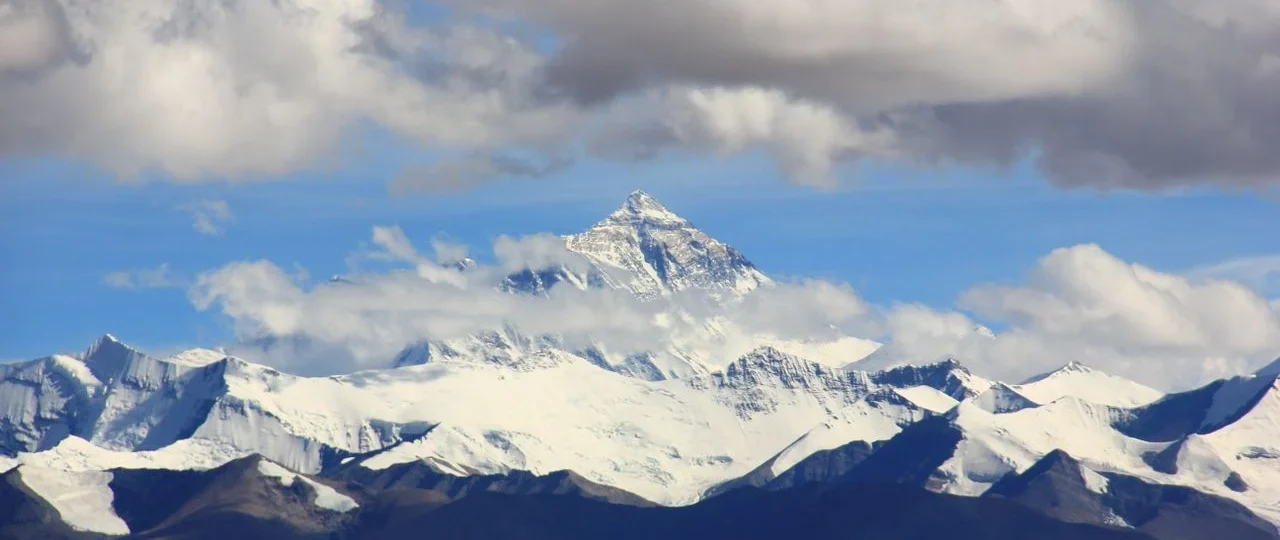
Mount Everest is the highest point on Earth, but that single fact tells you almost nothing about the mountain. It is a peak made of ancient seafloor. It was named after a man who never saw it and didn’t want his name on it. Its height was disputed by two countries until 2020. Its most famous early climbers may have reached the summit nearly thirty years before history recorded it. And in 2026, more people stood on top in a single day than ever before.
These thirty facts cover the mountain’s names, geology, history, records, dangers, and the Sherpa climbers who make modern expeditions possible. Some are well known. Many are not.

Quick Everest Facts
| Fact | Detail |
|---|---|
| Official height | 8,848.86 m (29,032 ft) |
| Location | Nepal–China (Tibet) border |
| Nepali name | Sagarmatha |
| Tibetan name | Chomolungma |
| First confirmed ascent | 29 May 1953 |
| First woman to summit | Junko Tabei, 1975 |
| First without oxygen | Messner & Habeler, 1978 |
| Most summits (individual) | Kami Rita Sherpa, 32 |
| Highest single-day summits | 274 (May 2026) |
| National park | Sagarmatha National Park (UNESCO) |
1. Everest Has Three Official Names
The mountain known to the world as Everest carries two older names that predate any European survey. In Nepali, it is Sagarmatha — a term adopted officially in the 1960s, generally rendered as “brow of the sky” or “head of the ocean.” In Tibetan, it is Chomolungma, meaning “Goddess Mother of the World” or “Holy Mother,” a name used by local communities for centuries. The English name came much later, and the man it honours never actually saw the mountain.
2. The Man Everest Never Climbed It — Or Wanted His Name On It
Mount Everest is named after Sir George Everest, a former Surveyor General of India who spent decades mapping the subcontinent but never laid eyes on the peak itself. The 19th-century surveyors who calculated its height initially labelled the mountain “Peak XV.” Andrew Waugh, Everest’s successor, proposed naming it after his predecessor. George Everest objected, partly because his surname was difficult to write in Hindi. His objection was overruled. And the pronunciation is wrong: Sir George pronounced his name “Eve-rest,” not “Ever-est”.
3. The Height Was Officially Settled Only in 2020
For decades, Nepal and China disagreed about Everest’s exact height. Nepal favoured a measurement that included the snowcap. China measured the rock head beneath the ice. In December 2020, the two countries jointly announced a new agreed figure: 8,848.86 metres (29,032 feet). This was 86 centimetres higher than Nepal’s previous official measurement. Nepal conducted its own survey for the first time after the 2015 earthquake raised questions about whether tectonic movement had shifted the mountain. About 300 Nepali experts and surveyors were involved, some walking on foot and others using helicopters to reach data collection stations.
4. Everest Is Still Growing
The mountain is rising at roughly 2 millimetres per year — about double the rate scientists had previously expected. Recent research suggests that a river capture event approximately 89,000 years ago triggered erosion that caused the crust to rebound upward. The Indian tectonic plate is still pushing northward into the Eurasian plate, driving the Himalayas upward with every passing decade.
5. Everest Is the Highest, Not the Tallest
Everest has the highest elevation above sea level of any mountain on Earth. But “highest” and “tallest” measure different things. Mauna Kea in Hawaii rises more than 10,000 metres from its base on the ocean floor — taller than Everest measured from base to summit. And Chimborazo in Ecuador has its peak farther from the centre of the Earth than Everest, because it sits near the equator where the planet bulges outward. Everest wins only on the sea-level measurement.
6. The Summit Is Made of Marine Fossils
The rock at the very top of Everest is Ordovician limestone, deposited in a warm, shallow sea approximately 450 million years ago. Within this limestone are fossils of marine creatures: brachiopods, crinoids, and conodonts that lived in tropical waters long before the Himalaya existed. When India collided with Asia roughly 55 million years ago, the seafloor was thrust upward and folded into the highest mountain range on Earth. The summit of Everest is literally the remains of an ancient ocean floor, pushed into the sky.
7. The First Confirmed Ascent Was in 1953
Edmund Hillary, a New Zealand beekeeper, and Tenzing Norgay, a Sherpa climber born in Nepal, reached the summit on 29 May 1953 as part of a British expedition led by Colonel John Hunt. They were the backup team. The first pair had turned back. Hillary and Tenzing pressed on, reaching the top at 11:30 a.m., and returned to tell the world. The news broke on the morning of Queen Elizabeth II’s coronation — a coincidence that amplified its global impact.
8. Mallory and Irvine May Have Beaten Them by 29 Years
On 8 June 1924, George Mallory and Andrew “Sandy” Irvine disappeared high on Everest’s northeast ridge. They were last seen alive climbing toward the summit. Whether they reached it before they died remains unknown. Mallory’s body was found in 1999, about 600 metres below the summit, astonishingly well preserved. Irvine’s remains were believed to have been discovered in 2024. The camera Irvine carried — which might contain summit photographs — has never been found. If they summited, they did so 29 years before Hillary and Tenzing.
9. Junko Tabei Was the First Woman to Summit
Japanese climber Junko Tabei reached the summit on 16 May 1975 as the leader of an all-female expedition. She was 35 years old, barely 1.5 metres tall, and had survived an avalanche that buried her team’s camp. After Everest, she became the first woman to complete the Seven Summits — the highest peak on every continent. She continued climbing into her later years and remained a vocal advocate for women in mountaineering until her death in 2016.
10. The First Ascent Without Supplemental Oxygen Was in 1978
Reinhold Messner and Peter Habeler reached the summit on 8 May 1978 without using bottled oxygen — a feat many physiologists at the time considered impossible. At the summit, the partial pressure of oxygen is roughly one-third of the value at sea level. The prevailing scientific view was that sustained physical effort at that altitude without oxygen was beyond human capability. Messner and Habeler proved otherwise. Messner later described the experience as “a new dimension of being” rather than a physical achievement.
11. Kami Rita Sherpa Holds the All-Time Summit Record
Kami Rita Sherpa reached the summit for the 32nd time on 17 May 2026, extending his own world record. He first climbed Everest in 1994 at the age of 24 and has summited almost every year since. Known as the “Everest Man,” he is a professional guide who leads clients up the mountain and views his record as a symbol of pride for Nepal and the Sherpa people. He is 56 years old.
12. Lhakpa Sherpa Has Summited More Than Any Woman
Lhakpa Sherpa reached the summit for the 11th time on 17 May 2026 — the same day as Kami Rita’s 32nd. She first summited in 2000 via the South Col route. Most of her subsequent ascents were via the North Ridge in Tibet. She retired from mountaineering after her sixth summit, returned ten years later, and has added five more since. Born in Nepal and later based in the United States, she has worked as a guide on most of her ascents.
13. Pasang Dawa Sherpa Is Closing In
Pasang Dawa Sherpa summited Everest twice in May 2026, bringing his total to 31 ascents. He is Kami Rita’s closest rival and, at current pace, could challenge the record within a few seasons. His 2026 season included two separate summit pushes in May, which is unusual even for professional guides.
14. The Youngest and Oldest Summiteers
Jordan Romero, an American, reached the summit in May 2010 at the age of 13 years and 10 months — the youngest person ever to do so. Yuichiro Miura, a Japanese skier and adventurer, reached the summit in 2013 at age 80 years and 7 months, becoming the oldest. Miura had previously summited at 70 and 75, and returned after heart surgery to reclaim the record at 80. His doctors had advised against the attempt.
15. A Blind Climber Reached the Summit in 2001
Erik Weihenmayer became the first blind person to summit Everest on 25 May 2001. He had lost his sight at age 13 to a genetic condition. He went on to complete the Seven Summits, including Carstensz Pyramid in Indonesia and Mount Vinson in Antarctica. His expedition was documented in the film Blindsight, which followed six blind Tibetan teenagers climbing Lhakpa Ri near Everest’s north face.
16. Nima Rinji Sherpa Summited All 14 Eight-Thousanders at 18
Nima Rinji Sherpa became the youngest person to summit all 14 peaks above 8,000 metres when he reached the top of Shishapangma in October 2024, at age 18. He started climbing at 16 and completed the circuit in just over two years. His achievement was notable not just for his age but for the message he has carried since: that Sherpas should be recognised as athletes and expedition leaders, not just as support staff.
17. The Death Zone Begins Above 8,000 Metres
Above 8,000 metres, the human body begins to deteriorate in ways that no amount of training can prevent. The “death zone” — a term coined by Swiss physician Edouard Wyss-Dunant in 1952 — is the altitude at which oxygen availability is insufficient to sustain normal physiological function for more than a few days. On Everest, the death zone holds roughly one-third the oxygen available at sea level. Climbers can experience hallucinations, blurred vision, loss of coordination, and impaired decision-making. Most deaths on Everest occur during the descent, not the ascent.
18. The Khumbu Icefall Is the Most Dangerous Section
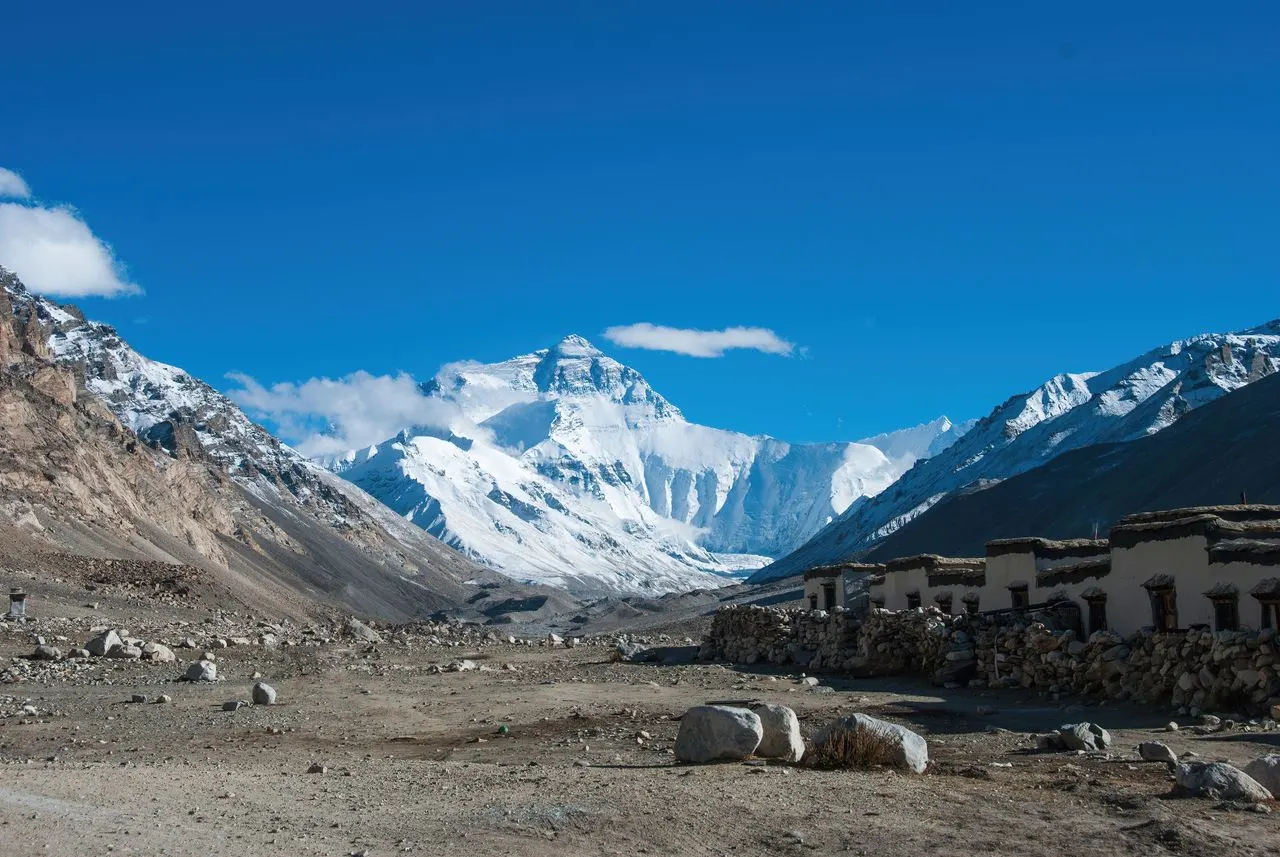
The Khumbu Icefall is a moving glacier that shifts continuously, opening crevasses that can swallow climbers whole and releasing seracs — blocks of ice that can be the size of ten-storey buildings. It is the first major obstacle after Base Camp on the South Col route, and it is considered one of the most hazardous sections of the entire climb. Sherpas fix aluminium ladders across crevasses each season, but the icefall remains unpredictable. In 2014, a serac collapse in the icefall killed 16 Sherpa guides in a single accident.
19. The 2026 Season Set a Single-Day Summit Record
On 20 May 2026, a record 274 climbers reached the summit from the Nepal side in a single day, including 150 Nepali Sherpas. More than 1,000 climbers summited over the course of the spring season, making it the busiest on record. The season was delayed by a large serac blocking the route through the Khumbu Icefall, which compressed the summit window and contributed to the record single-day number. Overcrowding on the upper mountain remains a major safety concern.
20. The 2026 Permit Fee Is $15,000
Nepal raised the spring permit fee for foreign climbers from $11,000 to $15,000 beginning in the 2025 season, and that rate applied in 2026. Authorities issued a record 492 permits for Everest in 2026, generating royalties of approximately $7.19 million. The fee does not include guide costs, equipment, oxygen, logistics, or insurance. A full Everest expedition with a reputable operator typically costs between $40,000 and $80,000.
21. More Than 300 People Have Died on Everest
The total recorded death toll on Everest exceeds 300. The deadliest single event was the 1996 storm, which killed eight climbers and inspired Jon Krakauer’s Into Thin Air. The 2014 Khumbu Icefall avalanche killed 16 Sherpa guides. The 2015 earthquake triggered an avalanche at Base Camp that killed 19 people. The average age of climber fatalities is around 7,970 metres; for Sherpas, the average is 6,894 metres — because Sherpas die more often during route preparation, before the climbing season begins.
22. Sherpas Bear the Highest Risk
Sherpas make up approximately 40% of Everest fatalities, a disproportionate share given that they are fewer in number than foreign climbers. Most Sherpa deaths occur during route preparation — fixing ropes, carrying loads, and establishing camps — rather than during summit pushes. A landmark study found that 82.2% of Sherpa deaths occurred during route preparation, compared with 76.5% of climber deaths on summit day. Sherpas carry heavier loads, spend more time in the icefall, and face higher exposure to objective hazards.
23. The 1996 Disaster Changed Everest Forever
On 10–11 May 1996, a sudden storm trapped more than 20 climbers on the upper mountain. Eight died, including expedition leaders Rob Hall and Scott Fischer. The disaster was chronicled in Jon Krakauer’s Into Thin Air and became the defining narrative of Everest’s commercial era. It prompted reforms in expedition leadership, weather forecasting, and client screening — though debates about commercialisation and risk management continue today.
24. The Hillary Step May Have Collapsed
The Hillary Step was a 12-metre near-vertical rock face at approximately 8,790 metres — the last major obstacle before the summit on the South Col route. It was named after Edmund Hillary, who climbed it in 1953. In 2017, climbers reported that the Step had collapsed, possibly as a result of the 2015 earthquake. Some mountaineers disputed the reports, and the exact status of the rock feature remains uncertain. Its disappearance or alteration has changed the final approach to the summit.
25. Summit Temperatures Can Drop Below −60°C
The average January summit temperature on Everest is approximately −36°C, and temperatures can plunge to −60°C or lower. The average summit temperature in July — the warmest month — is only about −19°C. The combination of cold, wind, and low oxygen makes the summit environment lethal without proper equipment. Frostbite is a constant risk, and many climbers have lost fingers or toes to the cold.
26. Jet Stream Winds Can Exceed 200 mph
Everest’s summit protrudes into the jet stream — the fast-moving band of air that circles the globe at high altitudes. Wind speeds at the summit can exceed 200 mph (320 km/h). These winds are the primary reason Everest has a narrow summit window. The jet stream shifts north in late May, creating a brief period of calmer conditions when climbers make their summit attempts. Outside that window, the winds are simply too strong to climb.
27. A Mobile Phone Call Was Made From the Summit in 2007
British climber Rod Baber made the first successful mobile phone call from the summit of Everest on 21 May 2007, using a Motorola handset. The temperature at the time was approximately −30°C, and Baber described the experience as “fantastic” despite the extreme conditions. The call was made possible by a mobile tower installed at Base Camp on the north side. In 2013, Daniel Hughes made the first video call from the summit.
28. Everest Is Visible From Space
Mount Everest is visible from the International Space Station, and astronauts have photographed it numerous times. In 2026, NASA astronaut Zena Cardman captured near-infrared images of Everest that revealed details not visible to the naked eye. The mountain’s scale and isolation are perhaps most striking when viewed from 400 kilometres above the Earth.
29. Everest Has a Serious Waste Problem — and a Cleanup Plan
More than 80 tonnes of waste remain on Everest, including oxygen cylinders, plastics, climbing equipment, and human waste. In 2026, the Sagarmatha Pollution Control Committee established its first-ever Everest Rangers Base at Camp II, stationing rangers to monitor climbers and enforce waste rules. New regulations require each climber to bring back at least 8 kg of garbage from above Base Camp, with 2 kg collected specifically from areas above Camp II. The rules are enforced by SPCC staff at checkpoints.
30. The 2026 Season Recorded 1,008 Summits and Five Deaths
The 2026 spring season ended with 1,008 successful summits — a record — and five fatalities. Three of the dead were Nepali mountain workers: Lakpa Dendi Sherpa, 52, who died while hiking to Base Camp; Bijay Ghimire Bishwakarma, who died of cardiac arrest in the Khumbu Icefall; and Phura Gyaljen Sherpa, 21, who fell into a crevasse near Camp III. The season’s numbers illustrate the dual reality of modern Everest: unprecedented access and persistent risk, often borne by those who make the climbs possible.
What Makes Mount Everest So Dangerous?
Everest’s danger is not a single factor. It is a combination of environmental conditions that overwhelm human physiology and judgment. At the summit, atmospheric pressure is roughly one-third of sea level, meaning each breath delivers a fraction of the oxygen the body needs. Temperatures drop below −40°C. Wind speeds can exceed 100 mph. The terrain includes crevasses, seracs, and exposed rock faces. And the human brain, deprived of oxygen, makes poor decisions.
The death zone accelerates physical deterioration. Climbers who spend too long above 8,000 metres risk high-altitude cerebral edema (HACE) and high-altitude pulmonary edema (HAPE) — conditions that can be fatal within hours if not treated. Descent is the only reliable treatment. Most deaths occur on the descent, when climbers are exhausted and the summit’s psychological pull no longer provides motivation.
Mount Everest Facts Every Trekker Should Know
The Everest Base Camp trek is not a summit expedition. It is a 12–14 day high-altitude trek that reaches 5,364 metres at Base Camp and 5,545 metres at Kala Patthar, the most accessible viewpoint of Everest. Trekkers do not climb Everest. They walk to the foot of it, sleep in lodges, and return the way they came.
The trek requires acclimatisation, physical preparation, and a licensed guide (mandatory since 2023). It passes through Sagarmatha National Park, a UNESCO World Heritage Site established in 1976 and inscribed in 1979. The park covers 1,148 square kilometres and is home to snow leopards, red pandas, and Himalayan tahr.
For trekkers, the distinction matters. The EBC trek is challenging but achievable for most reasonably fit people who prepare properly. The summit expedition is a technical climb requiring years of mountaineering experience, substantial funding, and acceptance of significant risk. The two experiences share a trail but are fundamentally different undertakings.
5 Everest Facts People Commonly Get Wrong
“Everest is the tallest mountain.” It is the highest above sea level, but Mauna Kea is taller from base to summit, and Chimborazo is farther from Earth’s centre.
“Everest is entirely in Nepal.” The summit sits on the border between Nepal and China (Tibet). Climbers can attempt it from either side.
“George Everest climbed the mountain.” He never saw it. He didn’t want it named after him. And he pronounced his name differently.
“Everest Base Camp is near the summit.” Base Camp is at 5,364 metres. The summit is at 8,848.86 metres. That’s a vertical difference of more than 3,400 metres.
“Being fit makes Everest safe.” Fitness helps, but it does not eliminate the risks of altitude, weather, and objective hazards. Experienced climbers have died on Everest.
The Sherpa Contribution
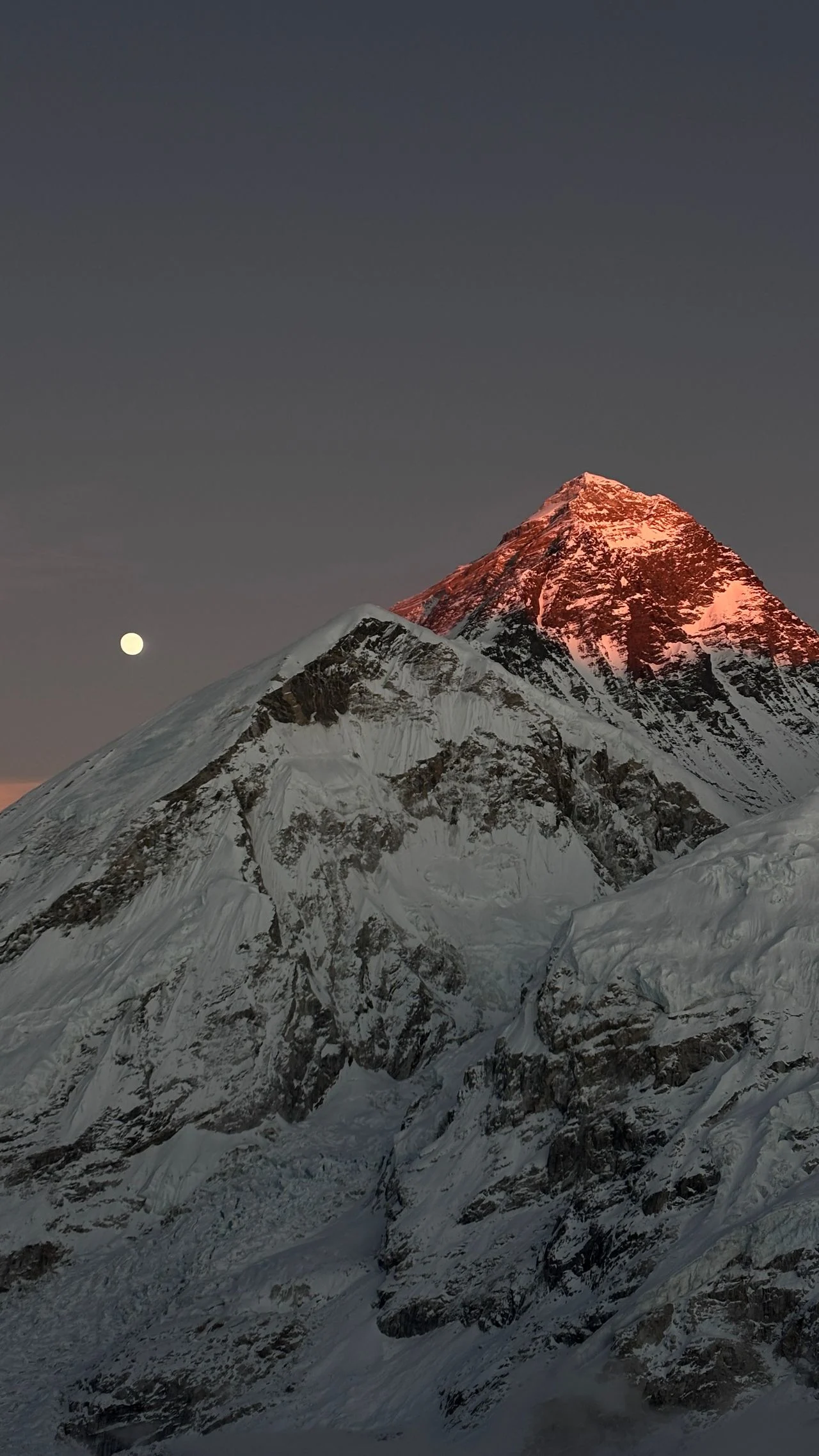
Sherpas are not porters. They are high-altitude athletes, guides, and expedition leaders whose knowledge of the mountain is unmatched. Tenzing Norgay’s 1953 ascent with Hillary was not a supporting role — it was a partnership. Today, Sherpas fix the ropes through the Khumbu Icefall, establish camps, carry oxygen and supplies, and guide clients to the summit. They also bear the highest risk. The 2014 icefall avalanche killed 16 Sherpa workers, exposing the disproportionate dangers they face.
Kami Rita Sherpa, Lhakpa Sherpa, Pasang Dawa Sherpa, and Nima Rinji Sherpa are not exceptions. They are the visible tip of a community whose skills and labour make every commercial Everest expedition possible. Understanding their role is essential to understanding the mountain itself.
Frequently Asked Questions
1.How high is Mount Everest?
8,848.86 metres (29,032 feet), as jointly agreed by Nepal and China in 2020.
2.Where is Mount Everest located?
On the border between Nepal and the Tibet Autonomous Region of China.
3.What is Everest called in Nepal and Tibet?
Sagarmatha in Nepal, Chomolungma in Tibet.
4.Who first climbed Everest?
Edmund Hillary and Tenzing Norgay on 29 May 1953.
5.Who was the first woman to summit?
Junko Tabei of Japan on 16 May 1975.
6.Who has summited Everest the most?
Kami Rita Sherpa, with 32 summits as of May 2026.
7.What is the death zone?
The altitude above 8,000 metres where oxygen is insufficient to sustain human life for extended periods.
8.Can you climb Everest without oxygen?
Yes, but it is extremely dangerous. Reinhold Messner and Peter Habeler were the first to do it in 1978.
9.How cold does it get on Everest?
Summit temperatures average around −36°C in January and can drop below −60°C.
10.What is the Khumbu Icefall?
A constantly shifting glacier section on the South Col route, considered one of the most dangerous parts of the climb.
11.How many people have died on Everest?
More than 300.
12.What is the youngest age someone has summited?
13 years and 10 months, by Jordan Romero in 2010.
13.Has a blind person climbed Everest?
Yes. Erik Weihenmayer summited in 2001.
14.What is the difference between Everest Base Camp and the summit?
Base Camp is at 5,364 metres; the summit is at 8,848.86 metres. Trekkers reach Base Camp. Climbers continue to the summit.
15.Can you visit Everest without climbing it?
Yes. The Everest Base Camp trek reaches 5,364 metres and offers views of the mountain from Kala Patthar.
Planning Your Everest Region Experience
Understanding Everest’s facts is one thing. Experiencing the Khumbu region — walking through Sherpa villages, seeing the mountain from Kala Patthar, and standing at the foot of the world’s highest peak — is something else entirely. The Everest Base Camp trek is the most popular way to do it, and it requires proper planning: permits, acclimatisation, a licensed guide, and a realistic itinerary.
Wonder Hikes Nepal operates treks in the Everest region and can help with itinerary planning, permit coordination, and logistics. For travellers who want to experience the mountain without attempting a summit, a well-organised Base Camp trek is the practical option. For those interested in the broader Himalayan experience — including the culture, the landscape, and the history covered in these facts — working with a local operator makes the logistics simpler and the experience richer.
Ready to plan your trek?
Tell us your dates and group size. We reply on WhatsApp within a few hours.