What Manaslu Base Camp Actually Is
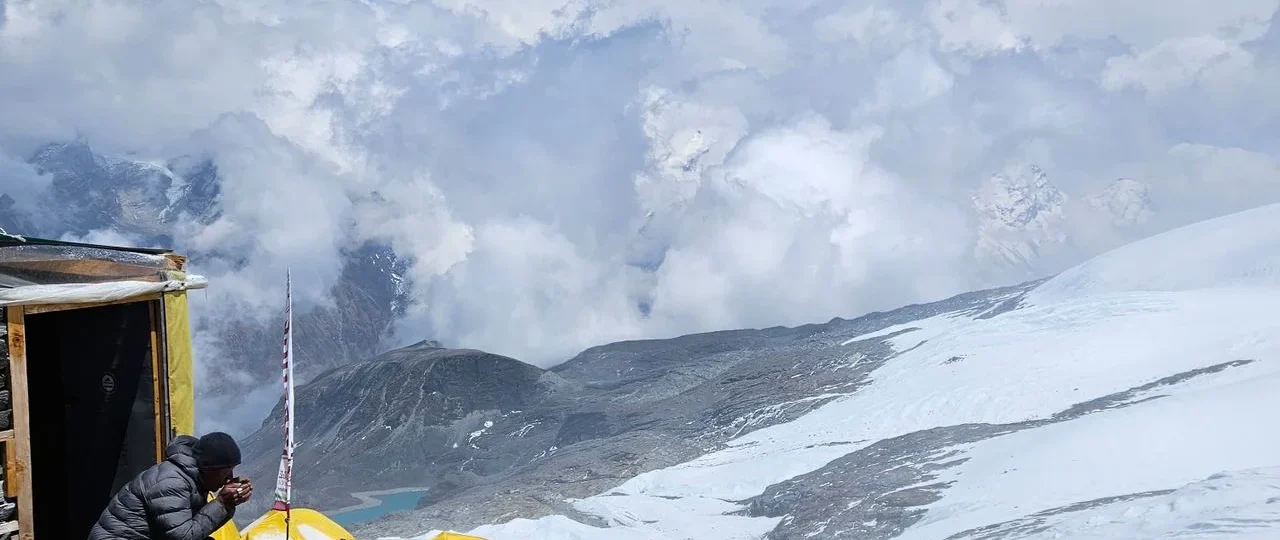
Manaslu Base Camp is not what most people expect. It is not a separate trek, nor is it a developed mountaineering facility. It is a high-altitude viewpoint and natural stopping point above Samagaon village, used primarily as an acclimatization excursion during the Manaslu Circuit Trek.
The term creates confusion because trekking agencies sometimes market a “Manaslu Base Camp Trek” as if it were an independent route. In reality, the standard Manaslu Circuit itinerary passes through Samagaon, where trekkers spend an acclimatization day. The hike to Manaslu Base Camp is the most common way to spend that day productively.
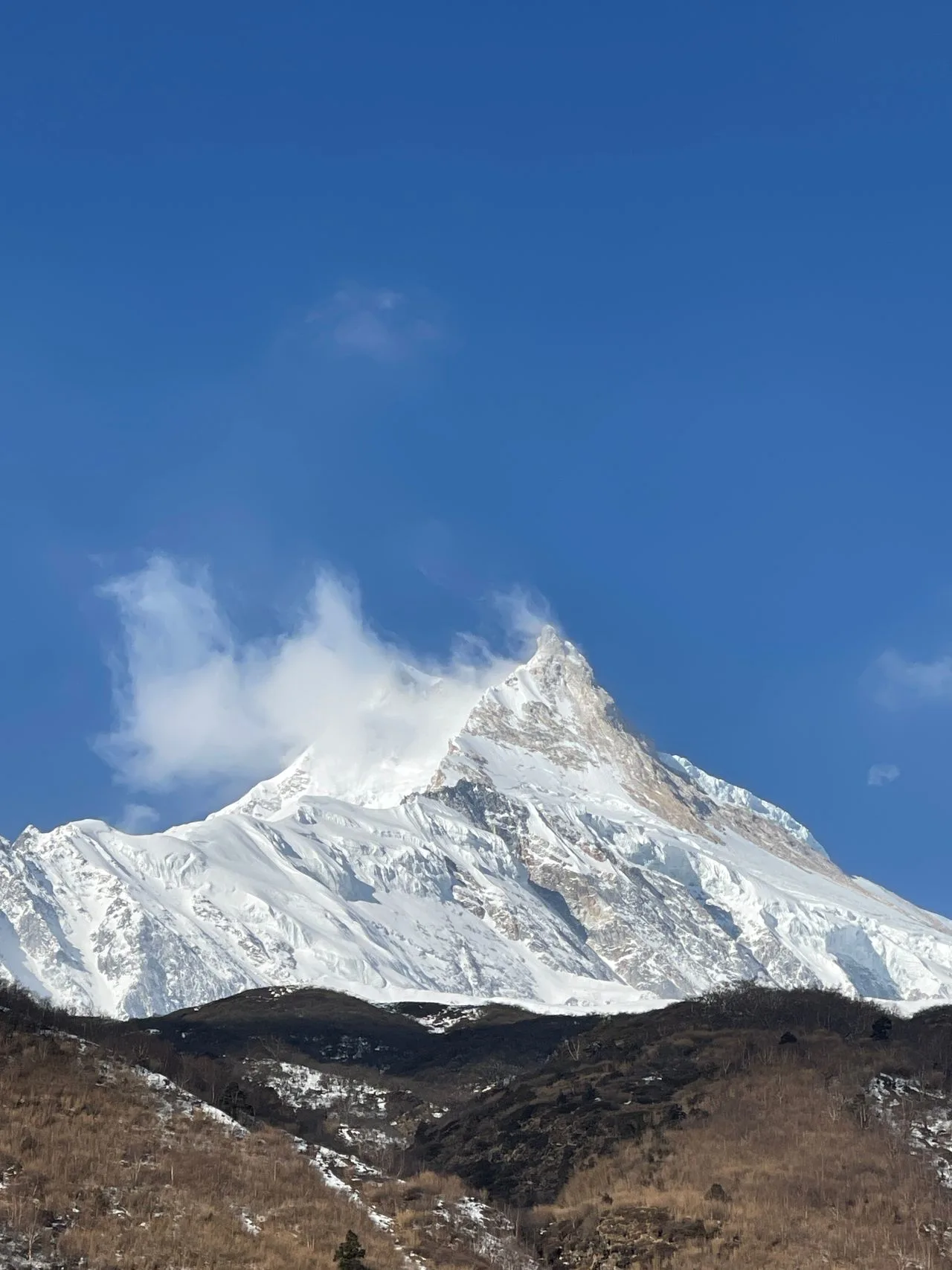
Manaslu Base Camp trek refers to the day hike from Samagaon (3,520m) to approximately 4,800m, where the terrain opens toward the Manaslu Glacier and the northeast face of Mount Manaslu. There is no permanent accommodation, no teahouse, and no infrastructure at the Base Camp itself. Trekkers reach the viewpoint, spend time taking in the glacier and mountain views, then descend back to Samagaon for the night.
Manaslu Base Camp height of approximately 4,800 meters places it firmly in the high-altitude zone. This elevation serves an important physiological purpose: climbing to 4,800m during an acclimatization day, then sleeping at 3,520m in Samagaon, helps the body adapt to altitude before continuing toward Larkya La.
The distinction matters because trekkers who misunderstand what Manaslu Base Camp is may arrive with wrong expectations. They might anticipate a mountaineering base camp with facilities, permanent structures, or expedition teams. Instead, they find a rocky viewpoint above the glacier, marked by prayer flags and cairns, with Mount Manaslu rising dramatically behind.
Manaslu Base Camp Quick Facts
Before diving into detailed explanations, here are the essential facts about the Manaslu Base Camp excursion:
| Quick Fact | Details |
|---|---|
| Starting point | Samagaon village |
| Samagaon elevation | 3,520m (11,548 ft) |
| Base Camp elevation | Approximately 4,800m (15,748 ft) |
| Elevation gain | Approximately 1,280m (4,200 ft) |
| Distance (one way) | 6-8 km depending on route |
| Hiking duration (round trip) | 6-9 hours |
| Difficulty | Moderate to challenging |
| Type of excursion | Acclimatization day hike |
| Accommodation | None at Base Camp |
| Guide requirement | Yes (restricted area) |
| Permit requirement | Yes (Manaslu permits) |
| Best months | March-May, September-November |
Manaslu Base Camp distance from Samagaon varies between sources because the trail offers multiple approach options. The most commonly cited distance is 6-8 kilometers one way, but the elevation gain matters more than the horizontal distance. The hike involves climbing over 1,200 vertical meters, which makes it significantly more challenging than the distance alone suggests.
Manaslu Base Camp altitude of approximately 4,800 meters is not precisely marked with official signage. Different GPS readings and trekking references cite elevations ranging from 4,750m to 4,900m. The figure of 4,800m represents a reasonable planning number, and trekkers should not expect to find a formal altitude marker.
Where Manaslu Base Camp Sits on the Circuit
Manaslu Base Camp occupies a specific position within the broader Manaslu Circuit Trek. Understanding this context prevents the common misconception that the Base Camp is a separate destination.
The Manaslu Circuit follows a counterclockwise route around Mount Manaslu, the world’s eighth-highest mountain. Trekkers typically reach Samagaon on day 7 or 8 of a standard 14-16 day itinerary. Samagaon serves as the primary acclimatization stop before the trek continues toward Samdo, Dharamsala, and eventually crosses Larkya La Pass at 5,160m.
Manaslu Base Camp from Samagaon functions as an acclimatization hike. The pattern of climbing high during the day and sleeping low at night is a recognized altitude management strategy. Trekkers who complete the Base Camp excursion gain valuable acclimatization that helps them manage the higher altitudes ahead.
The Base Camp hike typically occurs on the acclimatization day in Samagaon. Some itineraries schedule two nights in Samagaon, providing a full day for the excursion. Other itineraries offer the Base Camp hike as an optional activity on the rest day, with Birendra Lake or Pungyen Gompa as alternatives.
Standard Manaslu Circuit packages from agencies like Wonder Hikes Nepal typically include the Base Camp excursion as part of the itinerary. The guide coordinates the hike, ensuring trekkers pace themselves appropriately and manage altitude safely. There is usually no additional cost for this excursion since it falls within the scheduled acclimatization day and requires no extra permits.
Samagaon: The Starting Point for the Base Camp Hike
Samagaon is the last major permanent settlement before the Manaslu Circuit pushes toward Larkya La. This village, sometimes spelled Sama Gaon or Samdo Gaon, sits at 3,520m and serves as the launching point for the Base Camp hike.
The village holds strategic importance for trekkers. It offers the best teahouse accommodation and food options in the upper Manaslu region. Trekkers can rest, wash clothes, recharge electronics, and prepare for the challenging days ahead. Samagaon’s relatively comfortable facilities make it the ideal place for an extended acclimatization stop.
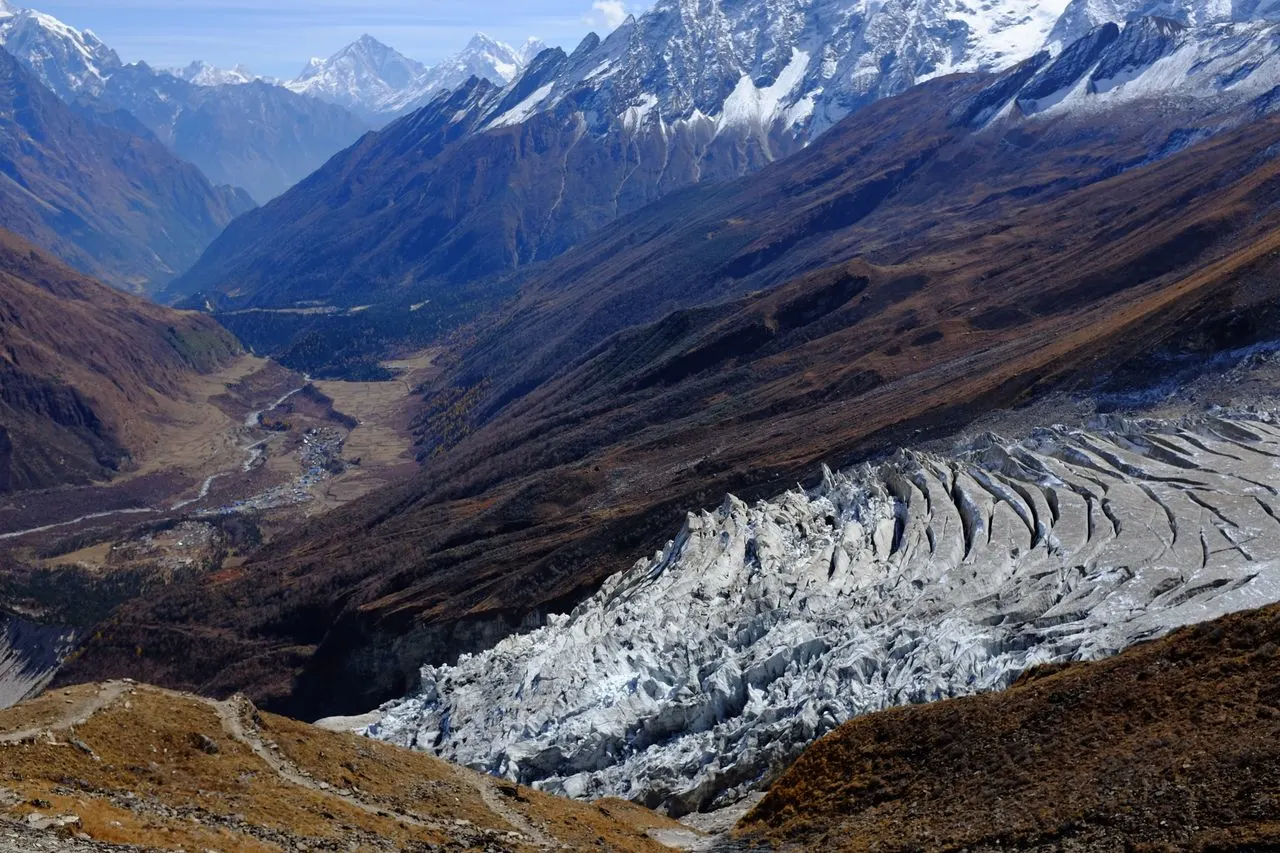
Samagaon elevation of 3,520m places it in the moderate altitude zone where most trekkers still sleep comfortably. The village sits in a broad valley with views toward Mount Manaslu to the northeast. From Samagaon, the Base Camp trail climbs steadily up the valley toward the Manaslu Glacier.
Guides use Samagaon strategically. The village’s elevation allows trekkers to rest while still gaining some altitude benefit. Spending two nights at Samagaon, with a Base Camp excursion on the rest day, creates an effective acclimatization pattern. Trekkers who skip the excursion miss an opportunity to prepare their bodies for the higher altitudes ahead.
Manaslu Base Camp hike from Samagaon typically begins after breakfast. Guides prefer an early start, usually departing by 7:00-8:00 AM, to allow sufficient daylight for the full excursion. The morning departure also increases the chance of clear views before afternoon clouds move in.
The Route from Samagaon to Manaslu Base Camp
The Manaslu Base Camp route from Samagaon follows a trail that climbs steadily through alpine terrain. Understanding the route helps trekkers pace themselves and know what to expect.
The trail begins at the upper edge of Samagaon, passing stone walls and yak pastures before climbing onto open hillsides. The path is generally clear but rocky in sections. Trekking poles provide valuable stability on loose terrain.
The first section climbs gradually through juniper and rhododendron scrub before emerging above treeline. The vegetation thins quickly as elevation increases, leaving trekkers exposed to sun and wind. The views open up dramatically, revealing the Manaslu massif ahead.
Midway through the hike, trekkers encounter a series of moraine ridges and glacial deposits. The trail becomes less defined in places, requiring attention to cairns and guide direction. This middle section often feels longer than expected due to the combination of altitude and uneven terrain.
The final approach to Manaslu Base Camp climbs through rocky terrain with scattered boulders. Prayer flags appear near the traditional stopping point, marking the area where trekkers typically rest and take in views of the Manaslu Glacier and northeast face of Mount Manaslu.
The descent follows the same route back to Samagaon. Descent typically takes 2-3 hours, roughly half the ascent time. Trekkers should still exercise caution on descent, as tired legs and loose rocks create slip hazards.
Manaslu Base Camp Elevation and What It Means for Trekkers
Manaslu Base Camp elevation of approximately 4,800 meters places the excursion firmly in the high-altitude zone. This elevation has significant physiological implications that every trekker should understand.
At 4,800m, atmospheric pressure drops to roughly 55% of sea level. This means each breath delivers substantially less oxygen to the bloodstream. Trekkers experience faster breathing, elevated heart rate, and reduced physical capacity. Tasks that feel easy at lower elevations become noticeably more challenging.
The elevation gain from Samagaon compounds the challenge. Climbing from 3,520m to 4,800m represents an ascent of approximately 1,280 vertical meters in a single day. This elevation gain exceeds what most trekkers experience on typical hiking days. The body must work hard to maintain oxygen levels while climbing.
Manaslu Base Camp height serves a specific acclimatization purpose. By climbing to 4,800m and then descending to sleep at 3,520m, trekkers follow the “climb high, sleep low” principle. This pattern stimulates altitude adaptation without the risks associated with sleeping at high altitude. Trekkers who complete this excursion typically feel stronger on subsequent trek days.
The altitude at Manaslu Base Camp is higher than many trekkers have ever experienced. Trekkers coming directly from lower-altitude regions may feel the effects more strongly. The acclimatization schedule leading to Samagaon matters. Trekkers who have followed the standard gradual ascent typically handle the Base Camp excursion well.
How Difficult Is the Manaslu Base Camp Hike?
Manaslu Base Camp trek difficulty is moderate to challenging, but not extreme. The hike requires no technical skills, no mountaineering equipment, and no special training. However, the combination of altitude and elevation gain creates genuine physical demands.
The primary challenge is the sustained climbing. The trail ascends nearly continuously from Samagaon to the Base Camp viewpoint. There are few flat sections where trekkers can recover. The constant uphill nature of the hike taxes leg muscles and cardiovascular capacity.
Manaslu Base Camp hiking duration of 6-9 hours round trip makes this a full-day excursion. Most trekkers take 4-5 hours to reach the viewpoint and 2-3 hours to descend. The total time commitment leaves little room for other activities on the acclimatization day.
Weather adds another difficulty factor. The Base Camp area lies exposed above treeline, with no shelter from wind or precipitation. Trekkers must be prepared for rapid weather changes, including cold temperatures, strong winds, and sudden cloud cover. Afternoon weather often deteriorates, making the descent potentially uncomfortable.
Altitude effects represent the most unpredictable difficulty factor. Some trekkers handle 4,800m without significant symptoms, while others struggle despite good fitness. The only way to know how altitude affects you is to gain elevation gradually and pay attention to your body’s signals.
Manaslu Base Camp vs Birendra Lake: Choosing Your Acclimatization Day
Trekkers on the Manaslu Circuit often face a choice during their Samagaon acclimatization day. The two most popular options are Manaslu Base Camp and Birendra Lake. Understanding the differences helps trekkers make the right decision.
| Factor | Manaslu Base Camp | Birendra Lake |
|---|---|---|
| Elevation | ~4,800m | ~3,650m |
| Distance (round trip) | 12-16 km | 6-8 km |
| Duration | 6-9 hours | 3-4 hours |
| Elevation gain | ~1,280m | ~130m |
| Difficulty | Moderate-challenging | Easy-moderate |
| Views | Glacier, Mount Manaslu | Lake, mountain reflections |
| Acclimatization benefit | High | Low |
| Best for | Strong trekkers, acclimatization | Rest day, recovery |
Manaslu Base Camp vs Birendra Lake comparison reveals different purposes. The Base Camp excursion provides stronger acclimatization but demands more physical effort. Birendra Lake offers a gentler walk that still gets trekkers out of the teahouse without significant elevation stress.
Birendra Lake, also known as Birendra Tal, sits at approximately 3,650m, barely higher than Samagaon. The lake is known for its still waters that reflect surrounding mountains, creating photographic opportunities. Trekkers can reach the lake in 1.5-2 hours, spend time by the water, and return to Samagaon by early afternoon.
For trekkers focused on maximizing acclimatization, Manaslu Base Camp provides clear advantages. The higher elevation creates stronger altitude adaptation. Trekkers who complete the Base Camp excursion typically feel more confident and physically prepared for the continuing trek toward Larkya La.
For trekkers feeling fatigued or showing mild altitude symptoms, Birendra Lake offers a safer choice. The gentle walk provides light activity without pushing the body into high-altitude stress. Guides often recommend Birendra Lake for trekkers who need genuine rest.
Manaslu Base Camp vs Pungyen Gompa: Another Alternative
Pungyen Gompa offers a third option for the Samagaon acclimatization day. This Buddhist monastery sits at approximately 4,050m, between Birendra Lake and Manaslu Base Camp in terms of both elevation and difficulty.
The trail to Pungyen Gompa climbs through forested slopes before emerging onto a ridge with monastery buildings and mountain views. The monastery holds cultural significance for local communities and offers trekkers insight into Himalayan Buddhist traditions.
| Factor | Manaslu Base Camp | Pungyen Gompa |
|---|---|---|
| Elevation | ~4,800m | ~4,050m |
| Distance (round trip) | 12-16 km | 8-10 km |
| Duration | 6-9 hours | 4-6 hours |
| Elevation gain | ~1,280m | ~530m |
| Difficulty | Moderate-challenging | Moderate |
| Views | Glacier, Mount Manaslu | Monastery, valley views |
| Acclimatization benefit | High | Moderate |
| Cultural experience | Minimal | Significant |
Manaslu Base Camp vs Pungyen Gompa presents a choice between natural scenery and cultural experience. The Base Camp offers the closest views of Mount Manaslu and the glacier but involves a longer, higher hike. Pungyen Gompa provides a more moderate option with genuine cultural interest.
Some trekkers choose to visit both sites, spending extra days in Samagaon. This extended acclimatization period works well for trekkers with flexible schedules and strong interest in both natural and cultural experiences. However, standard itineraries typically allow time for only one excursion.
What You Actually See at Manaslu Base Camp
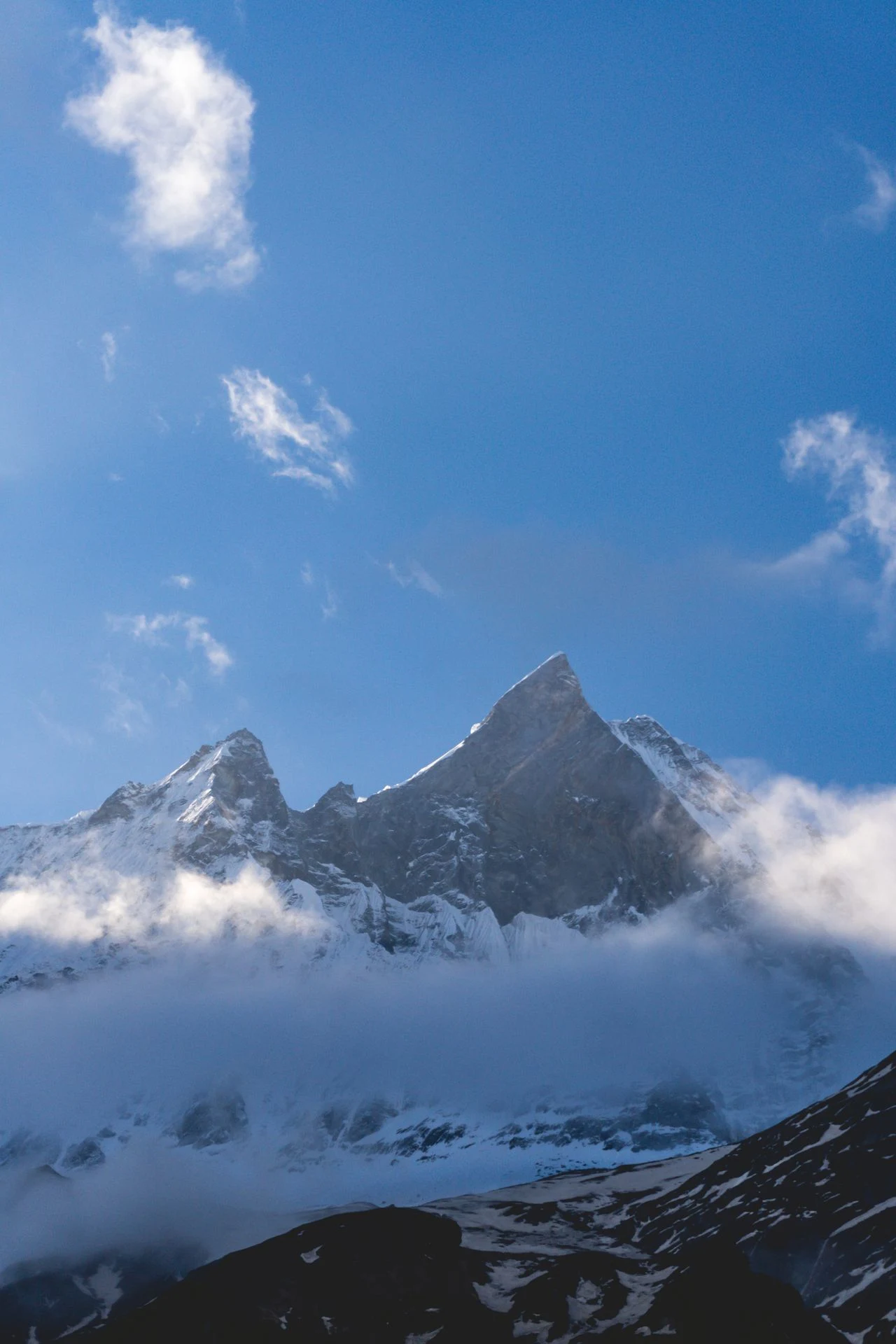
The Manaslu Base Camp viewpoint delivers what trekkers come for: proximity to Mount Manaslu and its glacier system. Understanding what to expect prevents disappointment and helps trekkers appreciate the experience.
The most striking feature is Mount Manaslu itself. At 8,163m, Manaslu dominates the northern skyline. The northeast face rises dramatically from the glacier, creating a wall of ice and rock that towers over the viewpoint. Trekkers stand roughly 3,300 vertical meters below the summit.
The Manaslu Glacier spreads below the viewpoint, a river of ice flowing from the mountain’s upper reaches. The glacier surface appears deceptively smooth from distance, though crevasses and ice formations become visible on closer inspection. The glacier’s scale is difficult to comprehend without reference points.
The viewpoint area is marked by prayer flags and stone cairns, placed by trekkers and guides over years of visits. These markers create a natural stopping point where trekkers rest, take photographs, and absorb the mountain environment. The area offers unobstructed views toward Manaslu and surrounding peaks.
On clear days, trekkers can see details of the mountain’s features: seracs, ice cliffs, and rock bands. The play of light on the glacier changes throughout the day, creating different photographic conditions. Morning visits typically offer clearer skies before afternoon clouds build around the summit.
Best Time for the Manaslu Base Camp Excursion
Manaslu Base Camp best time aligns with the broader Manaslu Circuit trekking seasons. The excursion is most enjoyable during the spring and autumn trekking months.
Spring (March-May) offers stable weather and warming temperatures. The trail clears of winter snow, and vegetation appears at lower elevations. Visibility is generally good, though hazy conditions can occur in April. Rhododendrons bloom in late spring, adding color to the approach hike.
Autumn (September-November) provides the clearest skies and most reliable visibility. The post-monsoon atmosphere is clean, offering sharp mountain views. Temperatures are comfortable for hiking, though November brings colder conditions. This is the most popular season for the Manaslu Circuit.
Winter (December-February) makes the Base Camp excursion significantly more challenging. Snow covers the upper trail, making navigation difficult and increasing the risk of slips. Temperatures at 4,800m can drop well below freezing. Only experienced winter trekkers should attempt the excursion during these months.
Monsoon (June-August) brings rain and limited visibility. The trail becomes muddy, and cloud cover often obscures mountain views. The Base Camp hike holds little appeal during monsoon conditions, though some trekkers still visit the region during this period.
What to Carry for the Base Camp Day Hike
Manaslu Base Camp packing requires thoughtful preparation. The day hike demands more equipment than a typical acclimatization walk due to the altitude and weather exposure.
Essential Daypack Items
| Item | Why Needed |
|---|---|
| Insulated jacket | Cold temperatures at 4,800m |
| Windproof/waterproof shell | Weather changes |
| Warm hat and gloves | Temperature drops with altitude |
| Sunglasses | Strong UV at altitude |
| Sunscreen | Intense sun exposure |
| 1-2 liters water | Hydration |
| Energy snacks | Sustained energy |
| First aid basics | Minor issues |
| Trekking poles | Stability on climb/descent |
| Camera/phone | Photography |
Manaslu Base Camp day hike demands layered clothing. Temperatures at the start in Samagaon may be pleasant, but conditions at 4,800m can be significantly colder and windier. Trekkers should dress in layers that can be adjusted as conditions change.
Water management requires attention. Trekkers should carry at least 1.5 liters, as no water sources exist on the upper trail. Some trekkers carry water purification tablets in case they need to refill from streams on the lower sections.
Energy snacks matter for this hike. The sustained climb burns significant calories, and maintaining energy levels helps manage both physical fatigue and altitude effects. Chocolate, nuts, energy bars, and dried fruit all work well.
Altitude Safety During the Base Camp Hike
Manaslu Base Camp altitude sickness prevention requires awareness and honest self-assessment. The hike to 4,800m pushes trekkers into the altitude zone where Acute Mountain Sickness (AMS) symptoms commonly appear.
Guides monitor trekkers throughout the excursion. Experienced guides recognize early AMS signs and make appropriate decisions. However, trekkers must also take responsibility for communicating how they feel.
Key Altitude Warning Signs
-
Persistent headache unrelieved by water or medication
-
Nausea or vomiting
-
Unusual fatigue or weakness
-
Dizziness or loss of coordination
-
Shortness of breath at rest
-
Confusion or difficulty thinking clearly
Any trekkers experiencing these symptoms should inform their guide immediately. Descent is the most effective treatment for altitude sickness. The Base Camp excursion has a clear advantage here: the descent back to Samagaon provides rapid relief from altitude stress.
Manaslu Base Camp safety depends on honest self-assessment. Trekkers who feel genuinely unwell should not push toward the viewpoint. The mountain will remain; the priority is returning safely to Samagaon. Guides respect trekkers who communicate concerns early.
Who Should Attempt the Base Camp Hike
Manaslu Base Camp difficulty makes the excursion appropriate for most reasonably fit trekkers, but not everyone. Understanding whether this hike suits your fitness and experience level helps you make an honest decision.
Good Candidates for the Base Camp Hike
-
Trekkers with prior high-altitude experience (4,000m+)
-
Those with good cardiovascular fitness
-
Trekkers who have handled the circuit well so far
-
People who want maximum acclimatization benefit
-
Trekkers with strong motivation to see the glacier up close
Who Should Consider Alternatives
-
Trekkers experiencing any altitude symptoms
-
Those feeling significantly fatigued from previous days
-
Trekkers with limited hiking experience
-
People with knee or joint issues affecting climbing
-
Anyone uncertain about managing sustained elevation gain
Manaslu Base Camp hike should not become a test of determination. If conditions—either internal or external—suggest the excursion is unwise, Birendra Lake or Pungyen Gompa provide excellent alternatives. The goal is a successful overall Circuit trek, not completing every possible side trip.
How the Base Camp Fits Into Your Manaslu Circuit Itinerary
Manaslu Base Camp itinerary integration depends on your overall trek schedule. Understanding how the excursion fits into the broader journey helps with planning and expectations.
The standard Manaslu Circuit itinerary typically reaches Samagaon on day 7 or 8. Most itineraries include two nights at Samagaon, with the second day designated for acclimatization activities. The Base Camp hike fills this day for trekkers who choose this option.
Some itineraries reach Samagaon earlier, providing more flexible scheduling. Trekkers with additional time may spend three nights at Samagaon, allowing for both the Base Camp hike and a visit to Birendra Lake or Pungyen Gompa. This extended acclimatization period provides excellent preparation for Larkya La.
Manaslu Circuit with Base Camp requires no additional permits beyond those already required for the main trek. The excursion falls within the Manaslu Conservation Area, and trekkers are already covered by their existing permit package. Guides handle all logistics without additional paperwork.
The Base Camp hike typically occurs as a guided activity. Trekkers cannot undertake the excursion independently, as Manaslu remains a restricted area requiring guide accompaniment. Most guides know the route well and adjust pacing based on group ability.
Manaslu Base Camp Costs and Permits
Manaslu Base Camp cost considerations differ from what some trekkers expect. The excursion itself typically involves no additional charges beyond the standard Manaslu Circuit package price.
Agencies include the acclimatization day activities in their package pricing. The guide’s daily rate, which covers the Base Camp hike, is already factored into the overall trek cost. Trekkers do not pay extra for choosing the Base Camp excursion over Birendra Lake or Pungyen Gompa.
Manaslu Base Camp permits are included in the standard Manaslu permit package. The excursion falls within the Manaslu Conservation Area, covered by the Restricted Area Permit and MCAP. No special mountaineering permit is required for reaching the Base Camp viewpoint.
Trekkers who want to climb beyond the Base Camp viewpoint, onto the glacier itself, or toward higher camps would require mountaineering permits. These expeditions are entirely different undertakings beyond the scope of standard trekking.
Manaslu Base Camp cost for the standard Circuit trek ranges from $1,200 to $3,500 depending on service level and group size. The Base Camp excursion represents one component of this overall package, not an additional expense.
Wonder Hikes Nepal: Planning Your Base Camp Experience
Wonder Hikes Nepal helps trekkers plan their Manaslu Circuit journey, including the Base Camp acclimatization excursion. Our itineraries are designed with realistic pacing and appropriate acclimatization schedules.
Our Manaslu Circuit packages include the Samagaon acclimatization day as standard. Guides discuss options with trekkers—Base Camp, Birendra Lake, or Pungyen Gompa—and help each trekker choose the best option based on fitness, altitude comfort, and personal interest.
We provide transparent information about the Base Camp excursion: what to expect, how to prepare, and how to manage altitude safely. Our guides carry communication equipment and first aid supplies throughout the trek, including during the Base Camp hike.
If you are planning the Manaslu Circuit and want to understand how the Base Camp excursion fits into your itinerary, contact Wonder Hikes Nepal for detailed information. We provide honest guidance about pacing, acclimatization, and excursion options.
Plan Your Manaslu Circuit with Base Camp – Contact Wonder Hikes Nepal
FAQs about Manaslu Base Camp:
1. What is Manaslu Base Camp?
Manaslu Base Camp is a high-altitude viewpoint above Samagaon village, not a developed mountaineering facility. It serves as an acclimatization day hike during the Manaslu Circuit Trek, offering views of the Manaslu Glacier and northeast face of Mount Manaslu. There is no permanent accommodation or infrastructure at the site.
2. How high is Manaslu Base Camp?
Manaslu Base Camp elevation is approximately 4,800 meters (15,748 feet). Sources cite figures ranging from 4,750m to 4,900m, as no official marker exists. The viewpoint sits roughly 3,300 vertical meters below the summit of Mount Manaslu.
3. How far is Manaslu Base Camp from Samagaon?
Manaslu Base Camp distance from Samagaon is 6-8 kilometers one way, depending on the route taken. The elevation gain of approximately 1,280m matters more than the horizontal distance. Trekkers typically cover the round trip in 6-9 hours.
4. How long does it take to hike to Manaslu Base Camp?
The Manaslu Base Camp hike typically takes 4-5 hours to reach the viewpoint from Samagaon, with 2-3 hours for the descent. Total round trip time averages 6-9 hours. Individual times vary based on fitness, altitude adjustment, and weather conditions.
5. Is Manaslu Base Camp part of the Manaslu Circuit Trek?
Yes, Manaslu Base Camp is typically included as an optional acclimatization activity during the standard Manaslu Circuit Trek. Trekkers spend two nights at Samagaon, using the rest day for the Base Camp excursion or alternative activities like Birendra Lake or Pungyen Gompa.
6. Is Manaslu Base Camp worth visiting?
For most trekkers, Manaslu Base Camp is worth visiting if they feel strong and want maximum acclimatization benefit. The glacier views and proximity to Mount Manaslu are impressive. However, trekkers who are tired or experiencing altitude symptoms should consider Birendra Lake as a gentler alternative.
7. How difficult is the Manaslu Base Camp hike?
The Manaslu Base Camp hike difficulty is moderate to challenging. No technical skills are required, but the sustained climb of 1,280m at high altitude creates genuine physical demands. Trekkers should have reasonable cardiovascular fitness and ideally some prior high-altitude experience.
8. What is the difference between Manaslu Base Camp and Birendra Lake?
Manaslu Base Camp sits at 4,800m with significant elevation gain, offering glacier and mountain views. Birendra Lake sits at 3,650m with minimal elevation gain, offering a gentle walk and lake reflections. Base Camp provides stronger acclimatization; Birendra Lake is better for rest and recovery.
9. Do I need a guide for Manaslu Base Camp?
Yes, Manaslu Base Camp requires a licensed guide. The Manaslu region remains a restricted area where independent trekking is prohibited. Your guide accompanies you on the Base Camp excursion as part of the standard guided trek.
10. What permits are required for Manaslu Base Camp?
Manaslu Base Camp permits are included in the standard Manaslu permit package: Restricted Area Permit, Manaslu Conservation Area Permit, Annapurna Conservation Area Permit, and TIMS Card. No additional permits are required for the Base Camp viewpoint.
11. When is the best time to visit Manaslu Base Camp?
The best time for Manaslu Base Camp is during spring (March-May) and autumn (September-November). These seasons offer stable weather, good visibility, and comfortable hiking temperatures. Winter brings snow and cold; monsoon brings rain and poor visibility.
12. What should I carry for the Base Camp day hike?
For the Manaslu Base Camp day hike, carry an insulated jacket, windproof shell, warm hat, gloves, sunglasses, sunscreen, 1-2 liters of water, energy snacks, trekking poles, and basic first aid supplies. Layered clothing is essential for changing conditions.
13. Can I see Mount Manaslu from Base Camp?
Yes, Mount Manaslu is clearly visible from the Base Camp viewpoint. The northeast face rises dramatically from the Manaslu Glacier, creating a spectacular mountain panorama. On clear days, trekkers can see detailed features of the mountain including seracs and ice cliffs.
14. How does Manaslu Base Camp compare to Everest Base Camp?
Manaslu Base Camp differs significantly from Everest Base Camp. Manaslu is a simple viewpoint reached on a day hike during the Circuit, with no facilities or permanent structures. Everest Base Camp is a destination in itself with seasonal expedition infrastructure. Manaslu offers comparable mountain views with far fewer trekkers.
15. Is Manaslu Base Camp suitable for beginner trekkers?
Manaslu Base Camp is suitable for beginners who have good fitness and have handled the Circuit trek well to that point. However, trekkers with no prior high-altitude experience should be honest about their comfort level. The 1,280m elevation gain at altitude makes this a challenging day hike, not a casual walk.