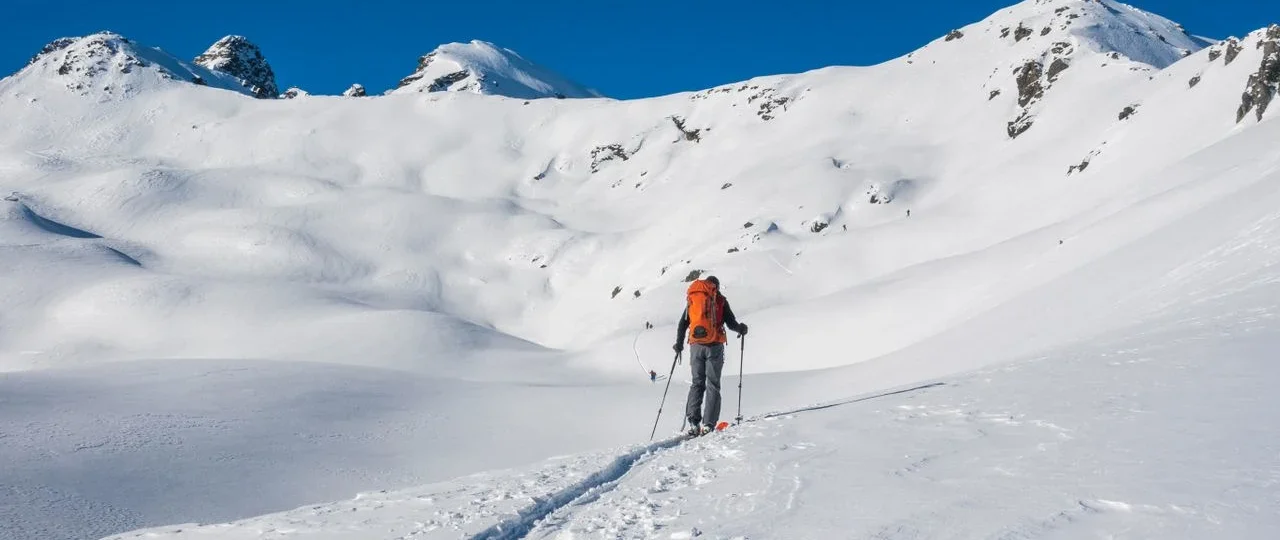
How to Stay Hydrated While Skinning
How to stay hydrated while skinning tips starts with understanding that ski touring hydration is not a summer problem dressed in winter clothing. It is a cold-weather physiological challenge that catches experienced tourers off guard every season. As ski touring and alpine touring continue to grow in popularity across the Himalaya, North America, and Europe, backcountry skiers are learning the hard way that skinning uphill dehydrates you faster than almost any other mountain activity—and the consequences range from a bad day to a genuine safety emergency.
Wonder Hikes Nepal has guided trekkers and ski tourers across Himalayan terrain for years, and our guides consistently report the same pattern: the people who struggle on long skin tracks are almost never the least fit. They are the ones who underestimated their fluid needs. This guide is our editorial team’s complete, field-tested answer to that problem.
Why Skinning Uphill Dehydrates You So Quickly
Skinning uphill hydration demands respect because three physiological mechanisms work against you simultaneously. First, skinning is sustained aerobic work. You are moving uphill at altitude, often breaking trail, usually carrying a pack. You sweat—sometimes heavily—even in sub-zero temperatures. Second, cold, dry air pulls moisture from your lungs with every breath. At altitude, respiratory water loss climbs dramatically, and this loss happens whether you feel thirsty or not. Third, and most dangerously, cold suppresses thirst. Your body does not send the same urgent “drink now” signals it would on a hot summer hike. You drift into dehydration silently.
Ski touring hydration gets even more complicated at elevation. Higher altitudes increase your basal metabolic rate, shift your body toward carbohydrate oxidation, and make your thirst response less reliable—not more. Dehydration at altitude mimics and amplifies acute mountain sickness symptoms: headache, fatigue, nausea, and loss of appetite. By the time you notice these signs, you may already be significantly behind on fluids.
The Science of Fluid Loss on the Skin Track
Ski touring hydration strategies must be built on real numbers, not guesswork. Research on extreme ski touring events recommends 6–10 ml of water and 3–5 mg of sodium per kilogram of body mass per hour. For a 75 kg skier, that is 450–750 ml of fluid and 225–375 mg of sodium every hour. That is a wide range, and it exists because individual sweat rates vary enormously.
The most reliable way to dial in your personal skinning hydration number is the weigh-in method. Weigh yourself fully hydrated before a tour. Track everything you drink. Weigh yourself afterward. Water weighs one kilogram per litre. If you finish a four-hour tour one kilogram lighter after drinking one litre, you lost approximately half a litre per hour beyond what you replaced. Do this once or twice per season and you will have a personal hydration target that actually means something for your body, your pace, and your terrain.
A practical starting point for most tourers: around half a litre of liquid per hour of moderate skinning, adjusted upward for heavy sweating, steep terrain, heavy packs, and high altitude. For a full day tour, plan on approximately two litres as a baseline, with significant upward adjustment for spring conditions or big vertical gain.
Pre-Hydration: The Step Most Ski Tourers Skip
Ski touring hydration begins before you leave the trailhead. Pre-hydration is the single most effective hydration habit for skinning, and it is the one most people neglect. Drink half a litre or more of electrolyte mix right before you start moving. This tops up your tank before sweating begins and gives your body a buffer to work with. It also means you carry less water weight up the skin track—a meaningful advantage on long tours.
Pair pre-hydration with a real breakfast that includes salt. Eggs, salted porridge, or a savoury breakfast wrap all contribute to your electrolyte baseline before you clip in. Caffeine is fine in moderation, but do not rely on coffee as your primary pre-tour fluid. It is a mild diuretic and contributes less to hydration than an electrolyte drink.
Electrolytes for Ski Touring: Why Plain Water Falls Short
Electrolytes for ski touring are not optional on any tour longer than about 90 minutes. When you sweat, you lose sodium, potassium, magnesium, and calcium alongside water. If you replace only the water and not the salts, your body senses that its fluid is too dilute and flushes the excess as urine. You end up drinking more, retaining less, and feeling worse. This is why tourers who drink plain water all day often arrive at the car dehydrated despite carrying plenty of fluid.
The solution is straightforward. Electrolyte tablets are the lightest and most packable option. Brands like Nuun and Precision Fuel make tablets specifically designed for endurance activity. Powder drink mixes give you more control over concentration and let you choose a simple ingredient list—no dyes, no unnecessary flavours. Real-food alternatives work too, especially in Nepal. A thermos of salty broth, a cup of garlic soup, or a bowl of Sherpa stew contributes meaningfully to both fluid and electrolyte intake while also providing warmth and calories.
For heavy, salty sweaters—the ones whose base layers show white streaks after a tour—electrolytes should be in the first bottle, not the second. Start with them from the first sip and maintain them throughout the day.
Hydration Gear for Skinning: Bladders, Bottles, and Freeze Management
Hydration gear for skinning is a trade-off between convenience and cold-weather reliability, and there is no perfect system. Understanding the strengths and weaknesses of each option lets you build a system that works for your conditions.
Hydration Bladders: Convenient Until They Freeze
Hydration bladders with drink tubes let you sip without stopping or removing your pack. On a long, steady skin, that convenience means you drink more often. The downside is well known to every cold-weather tourer: the tube freezes. Outdoor gear testing shows that even insulated tubes only delay freezing—they do not prevent it in extremely cold conditions.
The fixes are cumulative and effective when combined. Use a tube insulator to slow freezing. Blow the water back into the bladder after every sip so nothing remains in the tube to freeze. Tuck the bite valve inside your jacket when not drinking so your body heat keeps it thawed. On very cold days, wear the bladder under your jacket so it stays liquid against your back. If the tube does freeze, tuck it down the back of your jacket between your body and your pack—it will thaw within minutes of skinning.
One additional caution with bladders: they make it harder to monitor your intake. It is easy to finish your day’s water by lunch without realising it because you cannot see the level dropping. Check the bladder at every transition.
Water Bottles and Soft Flasks: Simple and Freeze-Resistant
Water bottles for ski touring are harder to drink from on the move, but they are easier to monitor and less prone to catastrophic freezing. A wide-mouth insulated bottle stored upside-down in your pack is a classic solution. Soft flasks fit in jacket pockets—including skin pockets on many touring pants—which keeps them warm against your body and accessible without stopping.
A hybrid system works well for many tourers: a bladder for long approach sections and lower-angle terrain, paired with a bottle or soft flask for steep, cold upper sections where a tube would freeze.
Hot Drinks: More Than a Morale Boost
Hot drinks are a legitimate hydration tool on a skin track, not just a comfort item. Warm fluids are more palatable in cold conditions, which means you are more likely to drink them. A thermos of herbal tea, miso soup, or broth contributes to both hydration and warmth. On a Nepal ski touring objective, a thermos of salty Sherpa stew broth or garlic soup is both hydration and fuel—a genuinely effective combination for high-altitude efforts.
Carrying Less Water Without Getting Dehydrated
Water is heavy. One litre weighs one kilogram, and carrying three or four litres for a full day is six to eight pounds of dead weight on your back. The solution is not to carry less water and risk dehydration. It is to carry water smartly.
Pre-hydrate aggressively before you leave, so you start with a full tank and carry less.
Use snow as a refill. Fill a bottle with hot water and a heavy dose of electrolytes. Add clean snow to the bottle each time you drink. The snow melts into the electrolyte mix and stretches your water supply without adding weight. This works best in spring conditions when snow is plentiful and temperatures are mild enough for melting.
Stash water for laps. If you are doing multiple laps on a short skin track, cache a bottle at the bottom. You will have fresh water waiting without carrying it up every time.
Plan refill points. On a multi-day Nepal trek or guided tour, teahouses and streams can be refill points if you carry a lightweight filter. A Sawyer Squeeze or Katadyn BeFree weighs under 100 grams and turns any stream into a water source.
Recognizing Dehydration on the Skin Track
Dehydration on a skin track does not announce itself dramatically. It creeps in through signals that are easy to dismiss as tiredness or cold. Watch for dark yellow urine (aim for pale straw colour), headache that was not there earlier, fatigue disproportionate to the effort, irritability or unusual grumpiness, loss of appetite at a break when you should be hungry, and dizziness when you stand up after a transition.
If you notice any of these, stop. Drink. Add electrolytes if you have them. Take a proper break—not a thirty-second pause. Dehydration that progresses far enough to affect motor function and decision-making is a backcountry safety problem, not just a performance problem.
If a partner shows signs of confusion, stumbling, or unusual silence, treat it as a red flag. Dehydration and early altitude illness can look similar, and both require you to stop, hydrate, and reassess whether continuing upward is the right call.
Nepal-Specific Hydration Strategy for Ski Tourers
Altitude hydration in Nepal follows different rules than sea-level touring. Above 3,500 metres, respiratory water loss increases significantly, and thirst suppression becomes more pronounced. Aim for 3–4 litres of total daily fluid intake on trekking and touring days at altitude, with electrolytes added to at least one bottle per day.
Nepali teahouse culture offers genuinely useful hydration tools. Jhol—the broth or soup base served with meals—is an excellent electrolyte drink disguised as food. Garlic soup, Sherpa stew, and vegetable soups are all salty, warm, and hydrating. Order an extra bowl at lunch; it is not just a meal, it is a hydration strategy.
Boiled water from teahouses is generally safe and far cheaper than bottled water, which can cost 100–200 Nepali rupees per litre at lower elevations and significantly more at altitude. If you are filtering your own water, a lightweight filter is the most sustainable and cost-effective option. Avoid relying on alcohol or excessive caffeine for hydration at altitude—both increase fluid loss and can worsen altitude symptoms.
A Simple Hydration Plan for a Skinning Day
How to stay hydrated while skinning tips come together in a practical daily plan. Here is what a complete strategy looks like from car to summit and back.
Before you leave: Drink 500 ml of water with electrolytes. Eat a breakfast that includes salt.
First hour: Sip steadily. Aim for 400–500 ml. If using a bladder, blow the tube back after every sip. Keep the bite valve inside your jacket if it is cold.
Hours two and beyond: Continue at roughly 400–500 ml per hour, adjusting up for heavy sweating or hard pace. Electrolytes should be in at least one bottle.
At transitions: Check your water level. Drink. Eat around 150 calories per hour of skinning—real food like bagels, sardines, or a sandwich at the top helps your body process fluids better.
On the descent: Keep sipping. Many tourers forget to drink on the way down and arrive at the car already dehydrated.
At the car: Drink before you drive. Rehydrating after a tour is part of recovery and sets you up for the next day if you are touring multiple days in a row.
The Bottom Line
Staying hydrated while skinning is not complicated, but it requires deliberate action. The tourers who go all day without bonking are not genetically superior—they drink before they are thirsty, they replace electrolytes, they manage their gear so their water does not freeze, and they pay attention to early dehydration signs before those signs become a problem.
Start with half a litre before you leave. Drink half a litre per hour on the skin track. Add electrolytes after 90 minutes. Carry a system that works in the cold. If you are touring in Nepal, treat soup as a hydration tool, not just lunch.
Wonder Hikes Nepal builds hydration and altitude safety into every guided trek and ski touring itinerary in the Himalaya. Our guides are trained in backcountry nutrition and altitude management. If you are planning a Himalayan ski touring objective and want to dial in your hydration and fueling strategy, get in touch—we will help you build it into your trip.