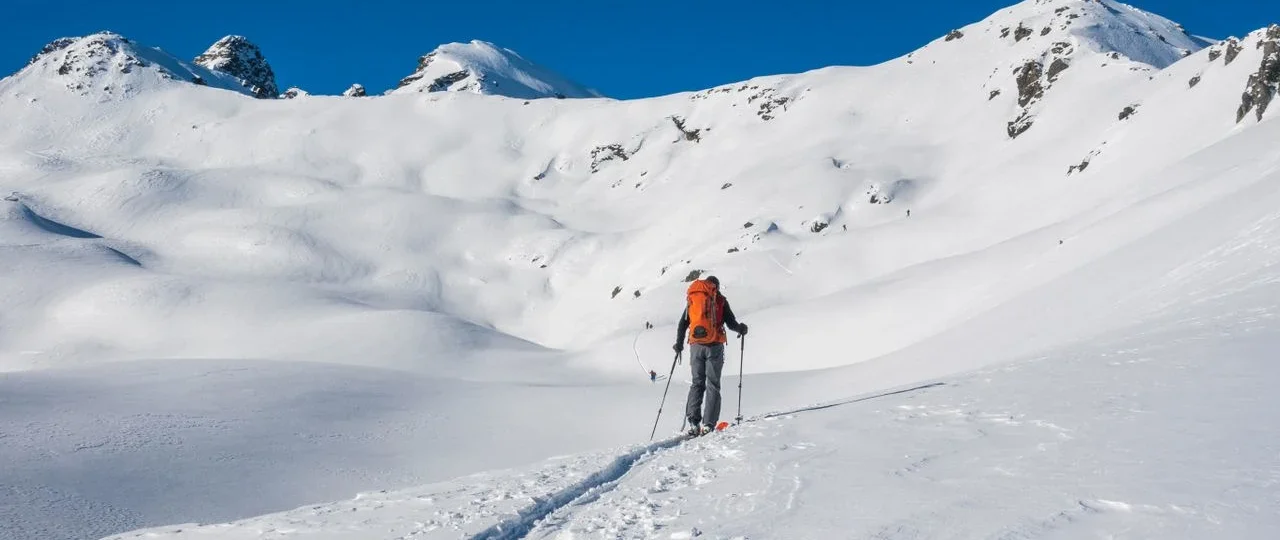
How to Stay Hydrated While Skiing
Staying hydrated while skiing starts with understanding that winter hydration is not simply a summer problem dressed in cold-weather clothing. Skiing is a physically demanding activity, and the combination of cold temperatures, dry air, altitude, exercise, and heavy clothing can cause you to lose more fluid than you realize.
Whether you are skiing at a resort, ski touring in the backcountry, or exploring high-altitude slopes in the Himalaya, proper hydration plays an important role in maintaining energy, concentration, and overall performance. Many skiers focus heavily on equipment, technique, and fitness but overlook one of the simplest parts of preparation: drinking enough fluids.
Wonder Hikes Nepal has guided trekkers and ski tourers across Himalayan terrain for years, and our guides consistently see how easily hydration can be overlooked during long days in the mountains. This guide explains how to stay properly hydrated before, during, and after skiing, including practical hydration strategies for high-altitude skiing in Nepal.
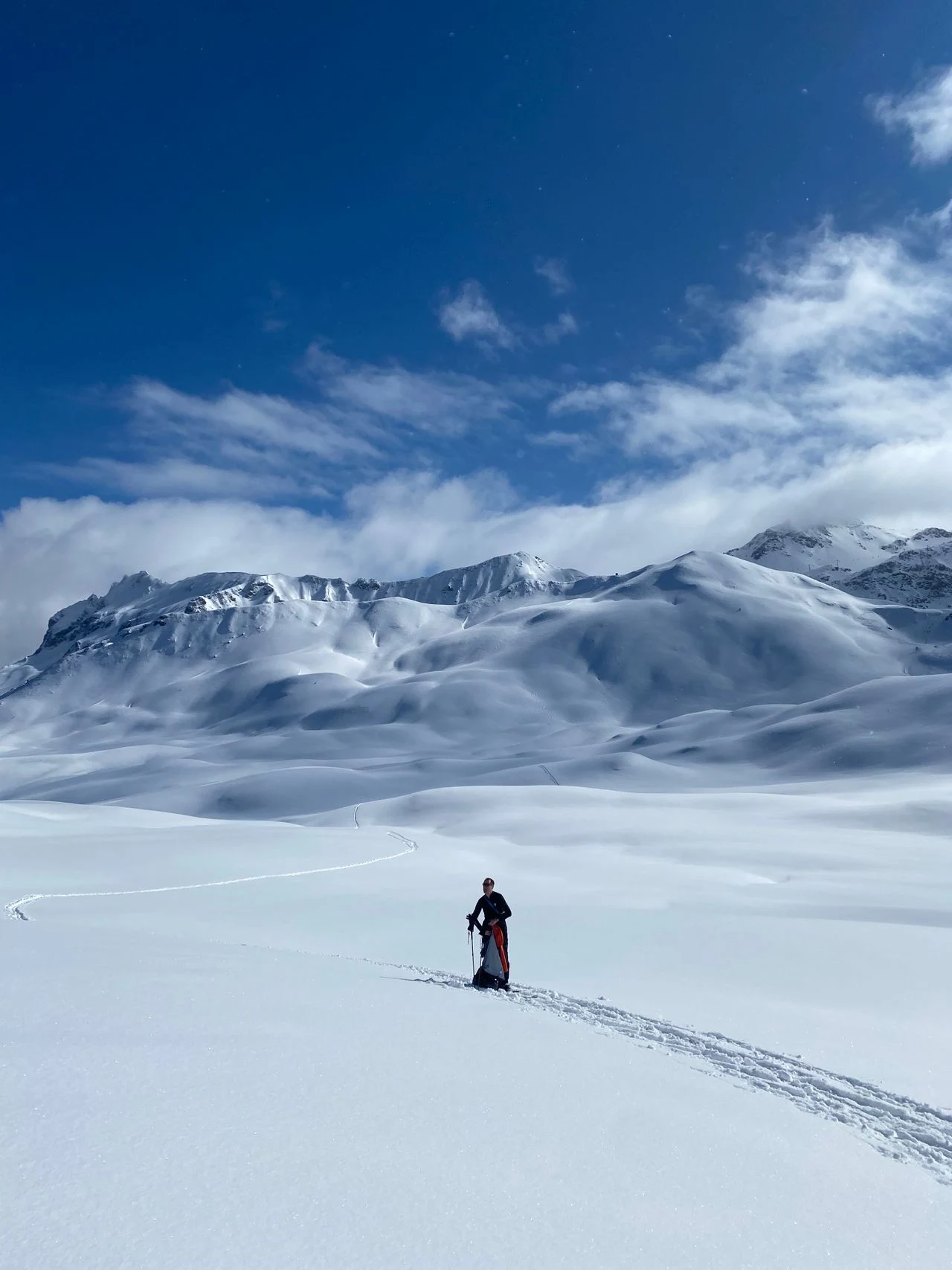
Why Skiing Uphill Dehydrates You So Quickly
Skiing can lead to significant fluid loss even when the weather feels freezing. Several factors work together to increase your hydration needs.
First, skiing is sustained physical activity. Whether you are making repeated downhill runs, climbing during a ski tour, or carrying equipment through the mountains, your body produces heat and you can sweat heavily underneath your layers.
Second, cold and dry air increases moisture loss through breathing. At altitude, this respiratory water loss can become even more significant because the air contains less moisture.
Third, cold temperatures can reduce your natural sensation of thirst. You may not feel as thirsty as you would during a hot summer hike, even though your body is still losing fluids.
This combination can allow dehydration to develop gradually without obvious warning signs.
The Science of Fluid Loss While Skiing
A good skiing hydration strategy should be based on your individual needs rather than simply drinking whenever you remember.
Research on extreme ski touring events recommends approximately 6–10 ml of water and 3–5 mg of sodium per kilogram of body weight per hour. For a 75 kg skier, that works out to approximately 450–750 ml of fluid and 225–375 mg of sodium per hour. Individual requirements vary considerably depending on temperature, exercise intensity, altitude, body size, and sweat rate.
One practical way to understand your personal fluid requirements is the weigh-in method. Weigh yourself while fully hydrated before skiing, record how much you drink during the activity, and weigh yourself again afterward. Because one litre of water weighs approximately one kilogram, the difference can help you estimate how much fluid you lose during a typical skiing session.
As a practical starting point, many skiers can aim for around 500 ml of fluid per hour during moderate activity, adjusting upward when conditions are demanding, you are sweating heavily, or you are skiing at high altitude.
For a full-day ski tour, approximately two litres can be a starting baseline, but your actual requirement may be considerably higher depending on the conditions and duration of the trip.
Pre-Hydration: The Step Many Skiers Skip
Hydration for skiing begins before you reach the slopes.
Pre-hydration is one of the simplest ways to start your skiing day properly hydrated. Consider drinking 500 ml or more of water with electrolytes before you begin skiing, particularly if you are heading into a long day in the mountains.
Starting hydrated also gives you a buffer before you begin losing fluids through sweating and breathing.
Your breakfast can contribute to your electrolyte intake as well. Eggs, salted porridge, or a savory breakfast can provide sodium before you start skiing. Coffee can be enjoyed in moderation, but it should not replace your main source of fluids before a demanding day outdoors.
Electrolytes for Ski Touring: Why Plain Water Falls Short
Water is essential, but during prolonged or strenuous skiing, replacing only water may not provide everything your body needs.
Sweating causes your body to lose electrolytes such as sodium, potassium, magnesium, and calcium alongside water. If you are skiing for several hours, particularly in demanding conditions, replacing some of these electrolytes can help support your overall hydration strategy.
Electrolyte tablets are lightweight and easy to carry. Powdered drink mixes allow you to control the concentration and are also convenient for longer ski trips.
Real food and warm drinks can contribute as well. A thermos of salty broth, garlic soup, or a warm meal can provide fluids, sodium, and calories at the same time.
For people who sweat heavily and notice salt marks on their clothing after skiing, including electrolytes from the beginning of the day may be particularly useful.
Hydration Gear for Skiing: Bladders, Bottles, and Freeze Management
Hydration bladders allow you to drink without stopping or removing your backpack. This convenience can encourage regular drinking during long ski tours.
Hydration Bladders: Convenient Until They Freeze
Hydration bladders allow you to drink without stopping or removing your backpack. This convenience can encourage regular drinking during long ski tours.
The main problem is freezing.
The drinking tube can freeze in very cold conditions, even when the bladder itself remains liquid. An insulated tube can delay freezing but may not prevent it in extreme temperatures.
Several simple strategies can help:
- Use an insulated drinking tube.
- Blow the remaining water back into the bladder after drinking.
- Keep the bite valve inside your jacket when you are not using it.
- On extremely cold days, keep the bladder closer to your body.
- If the tube freezes, place it inside your jacket so your body heat can help thaw it.
Another disadvantage of a bladder is that it can be difficult to see how much water remains. Check your supply regularly during breaks and transitions.
Water Bottles and Soft Flasks: Simple and Freeze-Resistant
Water bottles are slightly less convenient to drink from while skiing, but they are easy to monitor and can be more reliable in cold conditions.
A wide-mouth insulated bottle can work well for winter skiing. Soft flasks can also be kept inside jacket pockets, allowing your body heat to help prevent freezing while keeping the water accessible.
A combination of systems can work particularly well for ski touring: a hydration bladder for easier drinking during longer sections and a bottle or soft flask as a backup or for colder sections of the route.
Hot Drinks: More Than a Morale Boost
Warm drinks are a practical part of a winter skiing hydration strategy.
Hot tea, broth, miso soup, or herbal drinks can make it easier to consume fluids when temperatures are low. Warm liquids are often more appealing than cold water during a freezing day outdoors.
For high-altitude skiing in Nepal, a thermos containing salty broth or garlic soup can provide both hydration and warmth while also contributing some calories and electrolytes.
Carrying Less Water Without Getting Dehydrated
Water is heavy. One litre weighs approximately one kilogram, so carrying several litres can significantly increase the weight of your ski touring pack.
The goal should not be to carry dangerously little water. Instead, plan your hydration system intelligently.
Start hydrated. Drink before leaving so that you do not begin the day already behind on fluids.
Use snow when appropriate. In suitable conditions, clean snow can be melted and added to your water supply. A bottle containing hot water and electrolytes can help melt additional snow. This is particularly useful when snow is plentiful and temperatures allow practical melting.
Cache water for repeated runs. If you are skiing multiple laps on the same route, you may be able to safely leave a bottle at a suitable location rather than carrying the entire supply on every lap.
Plan refill points. During multi-day ski trips or guided mountain journeys, planned water sources can reduce the amount you need to carry at one time. When treating natural water, use an appropriate filtration or purification system.
Recognizing Dehydration While Skiing
Dehydration can develop gradually while skiing, and its early symptoms can easily be mistaken for normal tiredness.
Pay attention to signs such as:
- Dark yellow urine
- Headache
- Unusual fatigue
- Irritability
- Loss of appetite
- Dizziness when standing
- Reduced physical performance
If you notice these symptoms, take a proper break, drink fluids, and consider adding electrolytes if appropriate.
Severe dehydration can become a backcountry safety issue because it can affect concentration, coordination, and decision-making.
If a skiing partner develops confusion, unusual stumbling, or significant changes in behavior, stop and reassess the situation. At altitude, dehydration and altitude-related illness can sometimes produce overlapping symptoms, so continuing upward without assessing the problem can be dangerous.
Hydration for High-Altitude Skiing in Nepal
Skiing at altitude requires additional attention to hydration.
Above approximately 3,500 metres, respiratory water loss can increase, while thirst may become less reliable. For trekking and ski touring days at altitude, a total daily fluid intake of around 3–4 litres can be a useful planning range, although individual needs vary.
Nepal’s mountain food culture also provides several useful hydration options.
Jhol, the broth or soup base served with meals, can contribute fluid and sodium. Garlic soup, Sherpa stew, and vegetable soups are warm, salty, and hydrating.
Boiled water from teahouses can also be a practical hydration source during mountain journeys. If you are collecting and treating natural water, carry a suitable filtration or purification system.
At altitude, avoid relying excessively on alcohol or caffeinated drinks as your primary source of hydration.
A Simple Hydration Plan for a Skiing Day
A simple plan can make it much easier to stay hydrated from the beginning to the end of your skiing day.
Before skiing: Drink approximately 500 ml of water with electrolytes and eat a breakfast containing some salt.
First hour: Drink steadily rather than waiting until you become thirsty. Aim for roughly 400–500 ml during the first hour, adjusting for your personal needs and conditions.
During the rest of the day: Continue drinking approximately 400–500 ml per hour as a starting point, increasing your intake when skiing is strenuous, temperatures are mild, or you are sweating heavily.
During breaks: Check your remaining water supply and drink before heading back onto the slopes.
During long ski tours: Combine fluids with regular food intake. Carbohydrates and calories help support prolonged physical activity and can make it easier to maintain your energy levels.
During the descent: Continue drinking. It is easy to forget about hydration once the hardest uphill work or main skiing objective is finished.
After skiing: Rehydrate before driving or beginning your recovery routine. Proper post-ski hydration can also help prepare you for another day of skiing.
The Bottom Line on How to Stay Hydrated While Skiing
Staying hydrated while skiing does not have to be complicated. The key is to make hydration part of your preparation rather than waiting until you feel thirsty.
Start your day hydrated, drink regularly while skiing, replace electrolytes during prolonged or strenuous activity, protect your hydration system from freezing, and pay attention to early signs of dehydration.
A practical starting point is to drink around 500 ml before skiing and approximately 400–500 ml per hour during moderate activity, then adjust according to your body, weather, altitude, intensity, and duration.
For high-altitude skiing in Nepal, hydration becomes even more important. Warm soups, broth, boiled water, and electrolyte drinks can all become useful parts of your daily hydration strategy.
Wonder Hikes Nepal incorporates hydration and altitude safety into guided trekking and ski touring experiences in the Himalaya. If you are planning a Himalayan skiing or ski touring adventure, proper preparation—including hydration, nutrition, and altitude planning—can help you approach your trip with greater confidence.