Why the Spelling Changes and What It Means for Your Booking
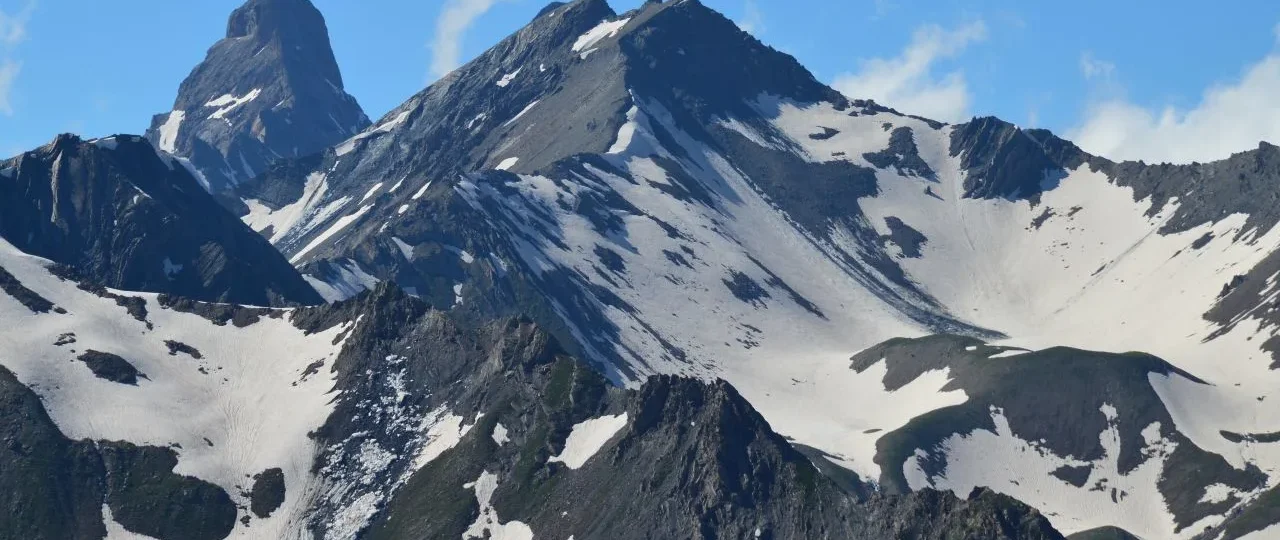
Muldai View Point are the same place. The spelling varies because Nepali place names are transliterated differently depending on the source. Operator listings alternate between “Muldai View Point Trek” and “Mulde View Point Trek” for identical itineraries. If you see two packages with different names and different prices, the price difference comes from the operator, not the destination. The hilltop is the same.
Some trekking websites list them as separate attractions. They are not. There is one viewpoint. The naming variation is a transliteration issue, not a geographic one. When you book, confirm the itinerary matches the route you want — Ghandruk, Tadapani, Dobato, the sunrise summit, Ghorepani — regardless of which spelling appears on the booking confirmation.
Why the Elevation Figure Shifts
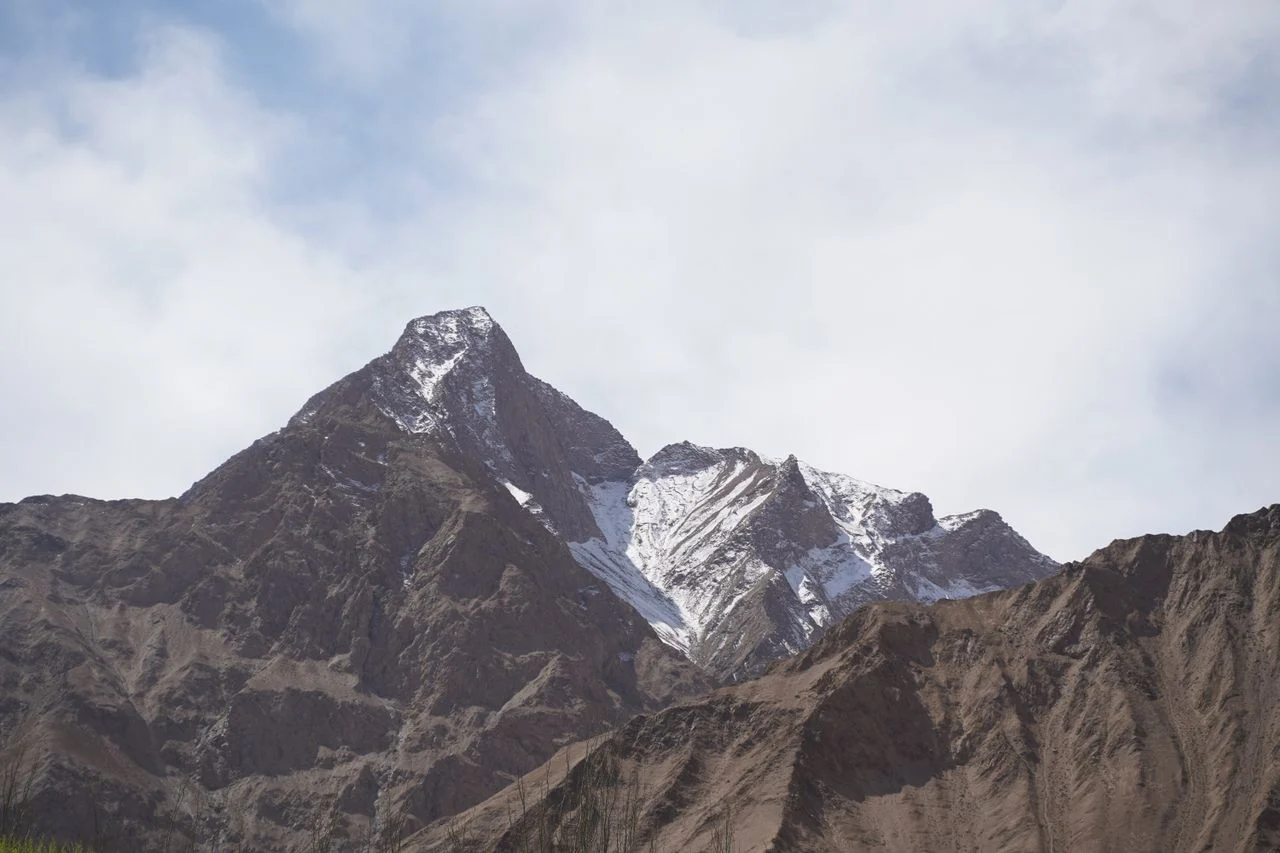
Mulde Peak sits in the Myagdi District of Gandaki Province, inside the Annapurna Conservation Area. The nearest settlement is Dobato, a small teahouse village at roughly 3,350 metres. From Dobato, the summit is a 30–45 minute uphill walk.
The elevation is most commonly cited as 3,637 metres (11,932 ft). Mapping data confirms this figure. Some operator pages list 3,650 metres or even 3,660 metres, and a few older sources round to 3,700 metres. The variation comes from different survey methods and rounding. For planning purposes, 3,637 metres is the figure to use — it matches the majority of current mapping references and operator listings.
For context: Poon Hill is 3,210 metres. This ridge is 427 metres higher, which is why the panorama is wider and the terrain feels more exposed.
What You Actually See from the Summit
The Muldai View Point delivers a 360-degree panorama. From the top, the visible peaks include:
-
Dhaulagiri (8,167m) — the seventh-highest mountain in the world
-
Annapurna I (8,091m) — the tenth-highest
-
Machhapuchhre (6,993m) — the fishtail peak
-
Manaslu (8,163m) — visible on clear days
-
Nilgiri, Tukuche Peak, Gangapurna, and Lamjung Himal
The view is wider than Poon Hill because the elevation is higher and the viewpoint sits on an open ridge rather than a forested hilltop. Crowd levels are also lower. Poon Hill can draw hundreds at sunrise; this summit often sees fewer than twenty people.
There is a swing at the viewpoint that has become a popular photo spot. It is not the reason to go, but it makes a good foreground element for sunrise photography.
The Route: How You Actually Get There
The standard Mulde View Point Trek starts from Pokhara and follows this structure:
Pokhara → Ghandruk (jeep) → Tadapani → Dobato → Muldai View Point → Ghorepani → Pokhara
Day 1 is a drive from Pokhara to Ghandruk (2.5 hours by jeep), followed by a 4–5 hour trek to Tadapani (2,630m). Day 2 climbs from Tadapani to Dobato (3,350m) in 5–6 hours, passing through rhododendron and oak forest. Day 3 is the sunrise hike to the ridge, then a descent to Ghorepani. Day 4 descends to Hile and drives back to Pokhara.
Some operators start from Kimche instead of Ghandruk. Others skip Ghorepani on the return. The core route is consistent: Ghandruk, Tadapani, Dobato, the summit, Ghorepani.
A 4-Day Itinerary That Includes Both Viewpoints
| Day | Route | Walking Time | Overnight |
|---|---|---|---|
| 1 | Pokhara → Ghandruk (jeep) → Tadapani | 4–5 hrs trek | Tadapani |
| 2 | Tadapani → Dobato | 5–6 hrs trek | Dobato |
| 3 | Dobato → Muldai View Point (sunrise) → Ghorepani | 6–7 hrs trek | Ghorepani |
| 4 | Ghorepani → Poon Hill (sunrise) → Hile → Pokhara | 4–5 hrs trek + drive | Pokhara |
This itinerary combines both viewpoints in a single 4-day trek. It is the most popular structure because it gives you two sunrise experiences without adding significant time. The Muldai sunrise is quieter and higher. The Poon Hill sunrise is more social and has better teahouse infrastructure nearby.
A 3-day version is possible if you skip Poon Hill on the return. But most trekkers prefer the 4-day combo because Poon Hill sits directly on the descent route and adds minimal extra effort.
How Hard Is the Trek, Honestly?
The difficulty level is easy to moderate. It is not a technical climb. There is no scrambling, no rope work, and no mountaineering equipment required. The trail is stone steps, forest paths, and ridge walking.
What makes it feel harder than it looks:
-
Daily walking hours: 4–6 hours per day, covering 7–12 kilometres
-
Steep sections: The climb from Tadapani to Dobato is a sustained uphill. The descent from Ghorepani to Hile involves thousands of stone steps.
-
Altitude: At 3,637 metres, mild altitude symptoms are possible, but severe altitude sickness is unlikely at this elevation.
The trek is suitable for beginners with basic fitness. If you can walk 5–6 hours a day on hilly terrain for consecutive days, you can do this trek. Training on stairs or hills before you arrive makes a noticeable difference.
Permits and Fees for 2026
Annapurna Conservation Area, so two permits are required
| Permit | Cost (2026) | Where to Obtain |
|---|---|---|
| ACAP (Annapurna Conservation Area Permit) | NPR 3,000 (~USD 22–25) | Nepal Tourism Board office in Pokhara or Kathmandu |
| TIMS Card | NPR 2,000 (~USD 15) individual; NPR 1,000 (~USD 7.50) via agency | TAAN office, with passport photos |
Total permit cost for independent trekkers: NPR 5,000 (~USD 37–40). If you book through a registered agency, the TIMS card costs less because the agency arranges it under the group category.
A guide is not legally mandatory for this trek, unlike restricted areas such as Manaslu. However, most trekking operators include a licensed guide and porter in their packages. For solo trekkers, hiring a guide is recommended for navigation and language support, even though it is not required by law.
Your operator will typically arrange all permits for you. If you are trekking independently, obtain ACAP and TIMS in Pokhara before heading to the trailhead.
What the Trek Costs: Package Price vs Real Budget
Cost varies significantly depending on duration, service level, and group size. Here is a realistic 2026 framework:
| Service Level | Package Price (USD) | What It Includes |
|---|---|---|
| Budget group join (3 days) | USD 267–350 | Guide, teahouse, permits, transport |
| Standard group (4 days) | USD 320–500 | Guide, porter, meals, permits, transport |
| Private trek (3–4 days) | USD 500–800 | Dedicated guide, flexible pace |
| Extended Khopra Danda combo (5–7 days) | USD 700–1,000+ | Multi-viewpoint route |
Sources: Yatra For Fun (2026) lists a 3-day Mulde View Point Trek from USD 267. Expedia lists a 4-day Mulde trek from Pokhara at USD 320. Private guided options run higher.
What is usually included: Guide, porter (shared), teahouse accommodation, meals during trek, ACAP and TIMS permits, Pokhara-to-trailhead transport.
What is often excluded: Personal expenses, drinks and snacks, hot showers, charging, Wi-Fi, tips, insurance, and extra nights in Pokhara.
A realistic total budget for a 4-day trek, including personal costs and tips, is USD 400–600 for a budget trekker and USD 650–900 for a private or premium service. The package price alone does not tell the full story.
Mulde Peak vs Poon Hill: Which One Suits You?
This is the comparison that matters most for trekkers deciding between the two.
| Feature | Poon Hill | Muldai View Point |
|---|---|---|
| Elevation | 3,210m | 3,637m |
| Crowds | High (hundreds at sunrise) | Low (often fewer than 20) |
| View | Wide arc of Dhaulagiri/Annapurna | Wider 360-degree panorama |
| Difficulty | Easy | Easy–Moderate |
| Best for | First-timers, families, social trekkers | Photographers, solitude seekers, fitter trekkers |
| Accommodation | Better lodges, attached bathrooms | Basic teahouses, shared bathrooms |
Source: Base Camp Hike (2026).
Which one suits you:
If you want the classic Annapurna sunrise experience with comfortable lodges and minimal effort, Poon Hill is the better choice. If you want a quieter trail, a higher viewpoint, and a more satisfying sense of accomplishment worth the extra day.
You can do both in 4 days. The combo itinerary is the best of both worlds and is what most trekkers choose.
Mulde Peak vs Khopra Danda: When to Combine Them
Khopra Danda (3,670m) is another ridge viewpoint in the same area, slightly higher than Peak. It is often visited on a longer trek that includes this summit as one of several highlights.
The key difference: Khopra Danda is more remote, requires a longer trek, and offers a different perspective — closer to Dhaulagiri and the Kali Gandaki Valley. It is more accessible and fits into a shorter itinerary.
If you have 5–7 days, combining peak with Khopra Danda gives you three major viewpoints (Muldai, Khopra, and Poon Hill) in a single trek. The Khopra Ridge Trek follows the same route as the classic Poon Hill trail from Ghandruk to Tadapani, then splits north toward Khopra. If you have 3–4 days, alone (or Mulde + Poon Hill) is the more practical choice.
Is This Trek Suitable for Families and Beginners?
Yes, with realistic expectations. The Muldai View Point Trek is suitable for:
-
Families with children (age 10+) who are used to walking
-
Older trekkers with basic fitness
-
First-time Nepal trekkers who want a short Himalayan experience
-
Trekkers who prefer quieter trails over the Poon Hill crowds
What “easy” means in practice: 4–6 hours of walking per day on well-defined trails, with stone steps and forest paths. No technical skills are required. The main challenge is consecutive days of walking and the altitude at Dobato (3,350m).
If you are unsure about your fitness, a 3-day version that skips the Poon Hill return is less demanding. A private guide can also adjust the pace to your needs.
Best Time to Trek and What the Weather Does
The best seasons for this trek are:
| Season | Months | Conditions |
|---|---|---|
| Spring | March–May | Rhododendrons in bloom; clear views; moderate temperatures |
| Autumn | September–November | Best overall; stable weather; clear skies; October is peak |
| Winter | December–February | Cold; possible snow; fewer crowds |
| Monsoon | June–August | Rain, leeches, cloud cover; not recommended |
October is the single best month for views and trail conditions. March–April is second-best for rhododendron scenery. Winter treks are possible but require warmer gear and flexibility with snow.
At 3,637 metres, snow is possible from December through February. If you trek in early spring (March), crampons may be useful for the final section to the summit, though the trail is usually manageable without them.
Practical Tips: Packing, Sunrise, and Photography
Packing essentials:
-
Layered clothing (base layer, fleece, down jacket, waterproof shell)
-
Trekking poles (useful for the stone steps)
-
Headlamp (for the pre-dawn hike to the summit)
-
Sunscreen and sunglasses (the altitude intensifies UV)
-
Water purification tablets or a filter
-
Snacks and electrolyte tablets
Sunrise timing: Leave Dobato by 4:30am to reach the top before first light. The walk takes 30–45 minutes. Bring a headlamp, wear warm layers, and be prepared for cold wind at the summit.
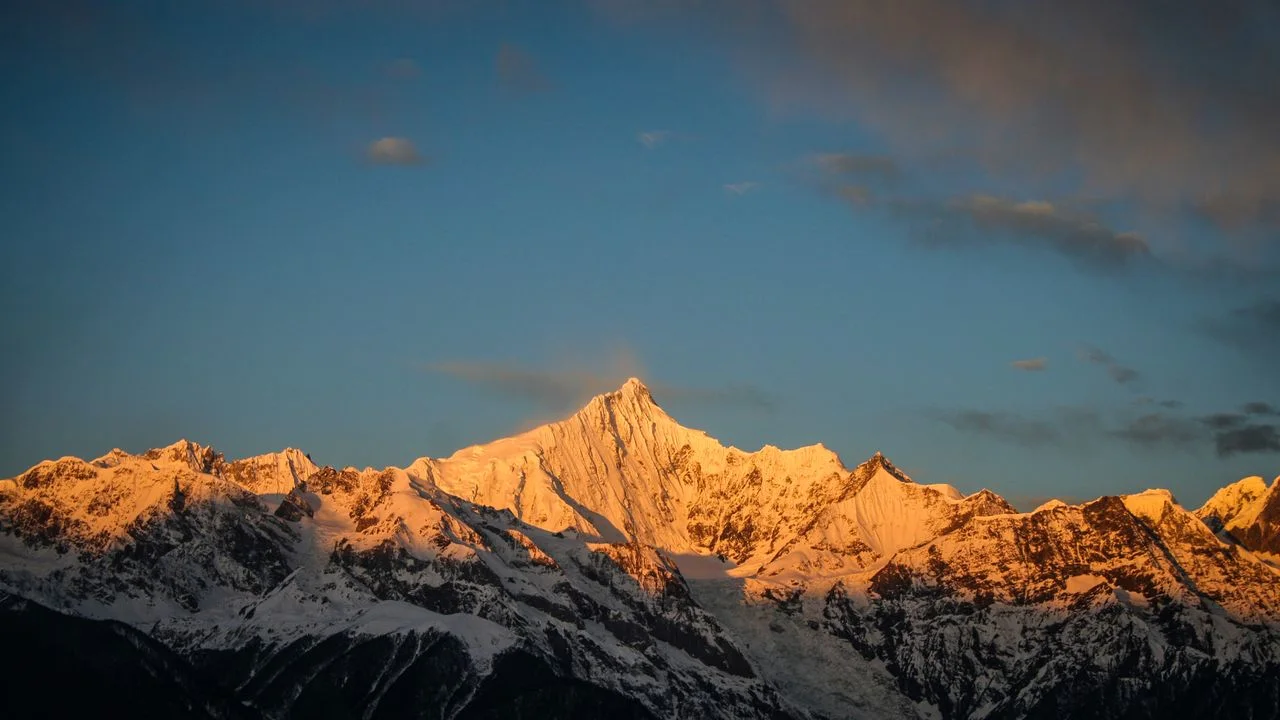
Photography: The best light is at sunrise, when the peaks turn golden. A wide-angle lens captures the 360-degree panorama. A telephoto lens is useful for isolating individual peaks like Machhapuchhre. The swing at the viewpoint makes a good foreground element.
Plan Your Trek with Wonder Hikes Nepal
It is a short trek with a high reward. The route is accessible from Pokhara, the permits are straightforward, and the views rival anything on the better-known Poon Hill trail. But the details matter: which itinerary you choose, whether you add Poon Hill or Khopra Danda, and what service level fits your budget.
Wonder Hikes Nepal plans Muldai View Point treks with flexible itineraries, licensed guides, and transparent costs. If you want a 3-day trek, a 4-day combo with Poon Hill, or a longer Khopra Danda extension, we can build a route that fits your time and fitness. Get in touch to discuss your dates and preferences.
[Contact Wonder Hikes Nepal for a Peak trek consultation →]
FAQs
1. Is Mulde Peak the same as Muldai View Point?
Yes. , Muldai View Point, Muldai Peak, and Mulde View Point all refer to the same 3,637-metre hilltop in the Annapurna Conservation Area.
2. How high is Peak?
3,637 metres (11,932 ft). Some sources list 3,650m or 3,660m, but 3,637m is the most widely accepted and mapping-confirmed figure.
3. Where is Peak located?
In the Myagdi District of Gandaki Province, inside the Annapurna Conservation Area. The nearest village is Dobato, about 30–45 minutes below the summit.
4. How many days does the trek take?
3–4 days from Pokhara. The standard itinerary is 4 days and includes both Mulde Peak and Poon Hill.
5. Is Mulde Peak harder than Poon Hill?
Yes, slightly. Mulde Peak is 427 metres higher, and the approach via Dobato involves more sustained climbing. But it is still an easy-to-moderate trek with no technical skills required.
6. Do I need a guide for the Mulde Peak trek?
A guide is not legally mandatory for this trek, unlike restricted areas. However, most operators include a guide, and hiring one is recommended for navigation and local knowledge.
7. What permits do I need for Mulde Peak?
ACAP (NPR 3,000) and TIMS (NPR 2,000 individual, NPR 1,000 via agency). Total permit cost is approximately USD 37–40. Your operator usually arranges these.
8. How much does the Mulde Peak trek cost?
Package prices range from USD 267 for a 3-day budget group trek to USD 800+ for a private trek. A realistic total budget, including personal costs, is USD 400–900 depending on service level.
9. Can I combine Mulde Peak with Poon Hill?
Yes. The standard 4-day itinerary includes both viewpoints. You hike to Mulde Peak on Day 3 and Poon Hill on Day 4.
10. Can I combine Mulde Peak with Khopra Danda?
Yes. A 5–7 day trek can include Mulde Peak, Khopra Danda, and Poon Hill. This is a longer but more rewarding route.
11. Is Mulde Peak suitable for beginners?
Yes. The trek is easy-to-moderate and suitable for beginners with basic fitness. No technical skills are required.
12. Is Peak suitable for families with children?
Yes, for children aged 10+ who are used to walking. The daily walking hours (4–6) and altitude (3,637m) are manageable for most families.
13. What is the best time to trek to Peak?
October is the best month for views and weather. March–May is also excellent, with rhododendrons in bloom.
14. What mountains can I see from Mulde Peak?
Dhaulagiri (8,167m), Annapurna I (8,091m), Machhapuchhre (6,993m), Manaslu (8,163m), Nilgiri, Tukuche Peak, and more than 25 other peaks.
15. Is there snow on Mulde Peak?
Snow is possible from December to February. In spring and autumn, the trail is usually clear. In early March, crampons may be useful for the final section.
Conclusion
The naming confusion is real, but the trek itself is straightforward: a 3–4 day route from Pokhara through Ghandruk, Tadapani, and Dobato, with a 360-degree sunrise panorama that is wider and quieter than Poon Hill.
The trek is suitable for beginners, families, and anyone who wants a short Himalayan experience without technical climbing. The permits are simple. The costs are reasonable. The only decision is whether to combine it with Poon Hill, Khopra Danda, or both.
If you want the full Annapurna panorama without the crowds, delivers. If you want the classic experience with better lodges, Poon Hill is still a good choice. Do both in 4 days, and you get the best of each.