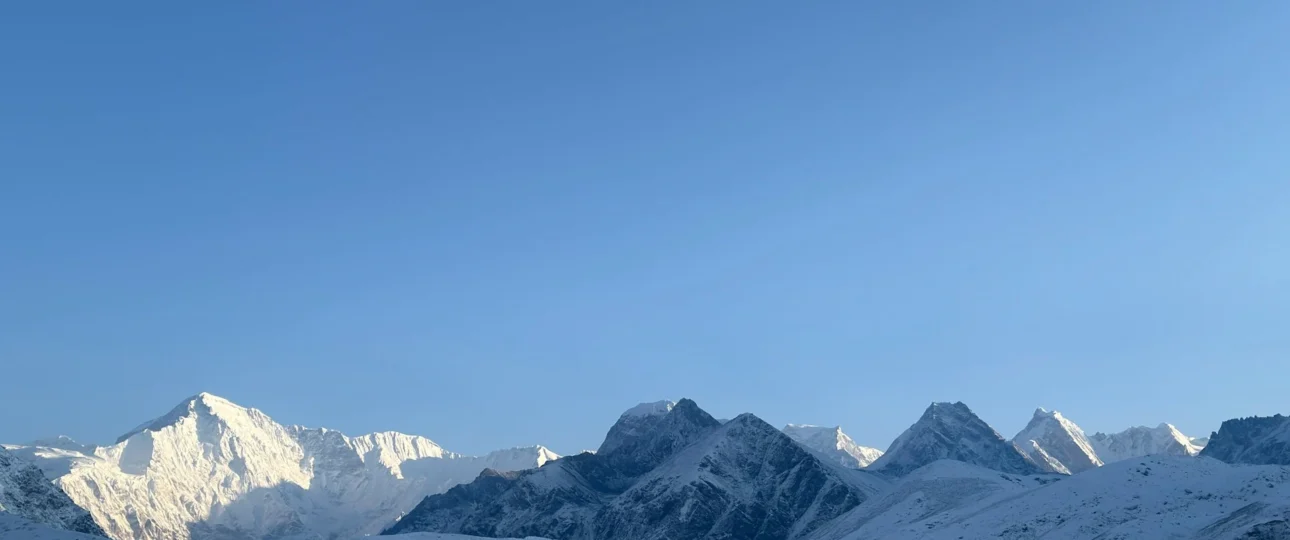
Everest View Trekking is the most efficient way to see the world’s highest mountain without committing to the two-week Everest Base Camp expedition. This short Khumbu itinerary reaches a maximum altitude of 3,880m at the Everest View Hotel ridge above Namche Bazaar — high enough to deliver a genuine Everest panorama, low enough to complete in five to seven days. If you have under ten days in Nepal, want a real Himalayan experience, and are either unwilling or unable to handle the altitude and duration of EBC, this trek was designed for you.
Everest View Trek at a Glance
| Feature | Detail |
|---|---|
| Duration | 5–7 days trekking (7–9 days total from Kathmandu) |
| Maximum Altitude | 3,880m (Everest View Hotel / Syangboche ridge) |
| Start / End | Lukla (flight from Kathmandu or Ramechhap) |
| Difficulty | Moderate (not “easy” — see difficulty section) |
| Best Season | October–November (clearest); March–April (second best); December–February (viable but cold) |
| Permits | Sagarmatha National Park (NPR 3,000) + Khumbu Pasang Lhamu Rural Municipality (NPR 2,000) |
| Accommodation | Teahouses / lodges (twin-sharing); luxury option at Everest View Hotel |
| Group Size | 1–12+ (pricing varies by group size) |
| Cost Range | $600–$1,500+ per person (budget to luxury) |
What Is Everest View Trekking? (And What It Is Not)
It is not a single, officially defined route. It is a commercial name for a family of short Khumbu itineraries that share a common objective: reaching a viewpoint from which Mount Everest is visible, without continuing to Everest Base Camp.
The route follows the classic EBC approach trail from Lukla to Namche Bazaar, then diverges. Where EBC trekkers continue north toward Tengboche, Dingboche, and eventually Base Camp at 5,364m, Everest View trekkers either return to Lukla or extend slightly to Tengboche (3,867m) before turning back.
Three things people confuse:
-
The trek — the 5–7 day walking itinerary
-
The Everest View Hotel — the luxury lodge at 3,880m that serves as the trek’s high point and namesake
-
The Everest viewpoint — the ridge near Syangboche from which the mountain is visible
You do not need to stay at the Everest View Hotel to complete this trek. Most trekkers hike up to the ridge as a day trip from Namche Bazaar, spend an hour at the hotel terrace, and walk back down. Staying overnight is a separate luxury option.
Everest View Trek Route: Lukla to Syangboche and Back
The route is linear: fly to Lukla, walk up the Dudh Koshi valley to Namche, acclimatise, hike to the viewpoint, then retrace your steps.
Key settlements and landmarks:
-
Lukla (2,840m): Tenzing-Hillary Airport. The trailhead.
-
Phakding (2,610m): First overnight stop. Riverside village. The trail from Lukla actually descends slightly to Phakding.
-
Monjo (2,835m): Sagarmatha National Park entrance checkpoint. Permits checked here.
-
Jorsalle (2,740m): Lunch stop before the Namche hill.
-
Namche Bazaar (3,440m): The commercial hub of Khumbu. Banks, bakeries, gear shops, Wi-Fi cafés.
-
Syangboche (3,780m): Small airstrip and the ridge where Everest View Hotel sits. The trek’s high point.
-
Khumjung (3,790m): Sherpa village above Namche. Khumjung Monastery, Edmund Hillary School.
-
Tengboche (3,867m): Largest monastery in Khumbu. Optional extension for 7-day itineraries.
The route involves several suspension bridges, the most notable being the Hillary Suspension Bridge over the Dudh Koshi. The climb from Jorsalle to Namche is the most physically demanding section: approximately 600m of elevation gain over 2–3 hours of steep stone staircases.
Itinerary (7-Day Recommended)
This is the itinerary we recommend for most travelers. It includes an acclimatisation day in Namche, which is not optional for a safe trek.
| Day | Route | Walking Time | Altitude | Why This Day Matters |
|---|---|---|---|---|
| 1 | Kathmandu → Lukla (flight) → Phakding | 3–4 hrs | 2,840m → 2,610m | Descent day. Acclimatises you gently. |
| 2 | Phakding → Namche Bazaar | 5–6 hrs | 2,610m → 3,440m | The hardest day. 830m gain, including the steep Namche hill. |
| 3 | Namche acclimatisation day | 3–4 hrs (day hike) | 3,440m → 3,880m → 3,440m | Hike to Everest View Hotel and back. Sleep at Namche. |
| 4 | Namche → Tengboche (optional) → Namche | 5–6 hrs | 3,440m → 3,867m → 3,440m | Optional extension. Tengboche Monastery and Ama Dablam views. |
| 5 | Namche → Phakding | 4–5 hrs | 3,440m → 2,610m | Mostly downhill. Recovery day. |
| 6 | Phakding → Lukla | 3–4 hrs | 2,610m → 2,840m | Short day. Position for the morning flight. |
| 7 | Lukla → Kathmandu (flight) | — | — | Morning flight. Build a buffer day. |
Why the acclimatisation day is non-negotiable: On Day 3, you climb 440m above your sleeping altitude. This “climb high, sleep low” approach is standard altitude practice. Skipping it — as 5-day itineraries often do — increases the risk of altitude symptoms during the hike to the viewpoint.
Difficulty: An Honest Assessment
Most operator pages label this trek “Easy.” We disagree with that label.
The trek is Moderate. Here is what “moderate” actually means:
-
Walking hours: 4–6 hours per day, with 5–6 hours on the hardest days.
-
Terrain: Stone staircases, suspension bridges, rocky trails, uneven ground.
-
Altitude: 3,880m is high enough to cause headaches, fatigue, and sleep disturbance in susceptible individuals.
-
Elevation gain: The total gain from Lukla (2,840m) to the high point (3,880m) is 1,040m.
What makes it manageable: Excellent teahouse infrastructure, short daily distances, a well-marked trail, and the option to turn around at any point.
What makes it harder than “easy”: The Namche hill on Day 2, the cumulative fatigue of consecutive walking days, and altitude effects that are unpredictable.
Fitness requirements: If you can walk 5–6 hours on hilly terrain for three consecutive days, you are fit enough. You do not need gym training. You do need broken-in boots and realistic expectations.
Can Beginners Do Trekking?
Yes — with caveats.
Beginners with no prior high-altitude experience regularly complete this trek. The trail is not technical. The teahouses are comfortable. The guide-to-trekker ratio is favourable.
But three conditions apply:
-
You must pace yourself. The Namche hill is not a race. Start early, walk slowly, take breaks.
-
You must take the acclimatisation day. Do not book a 5-day itinerary that skips it.
-
You must be honest about your health. If you have heart, lung, or blood pressure conditions, consult a travel medicine doctor before booking.
The trek is also suitable for older travelers. Multiple operators run “senior” versions with shorter walking days and extra acclimatisation. Children aged 10+ generally handle the trek well if they are active.
Everest View Hotel: What You’ll Actually See
The Everest View Hotel sits on a ridge at 3,880m, about 2–3 hours above Namche Bazaar. It was built by Japanese climber Takashi Miyahara and opened in 1971. It holds a Guinness World Record as one of the highest luxury hotels in the world.
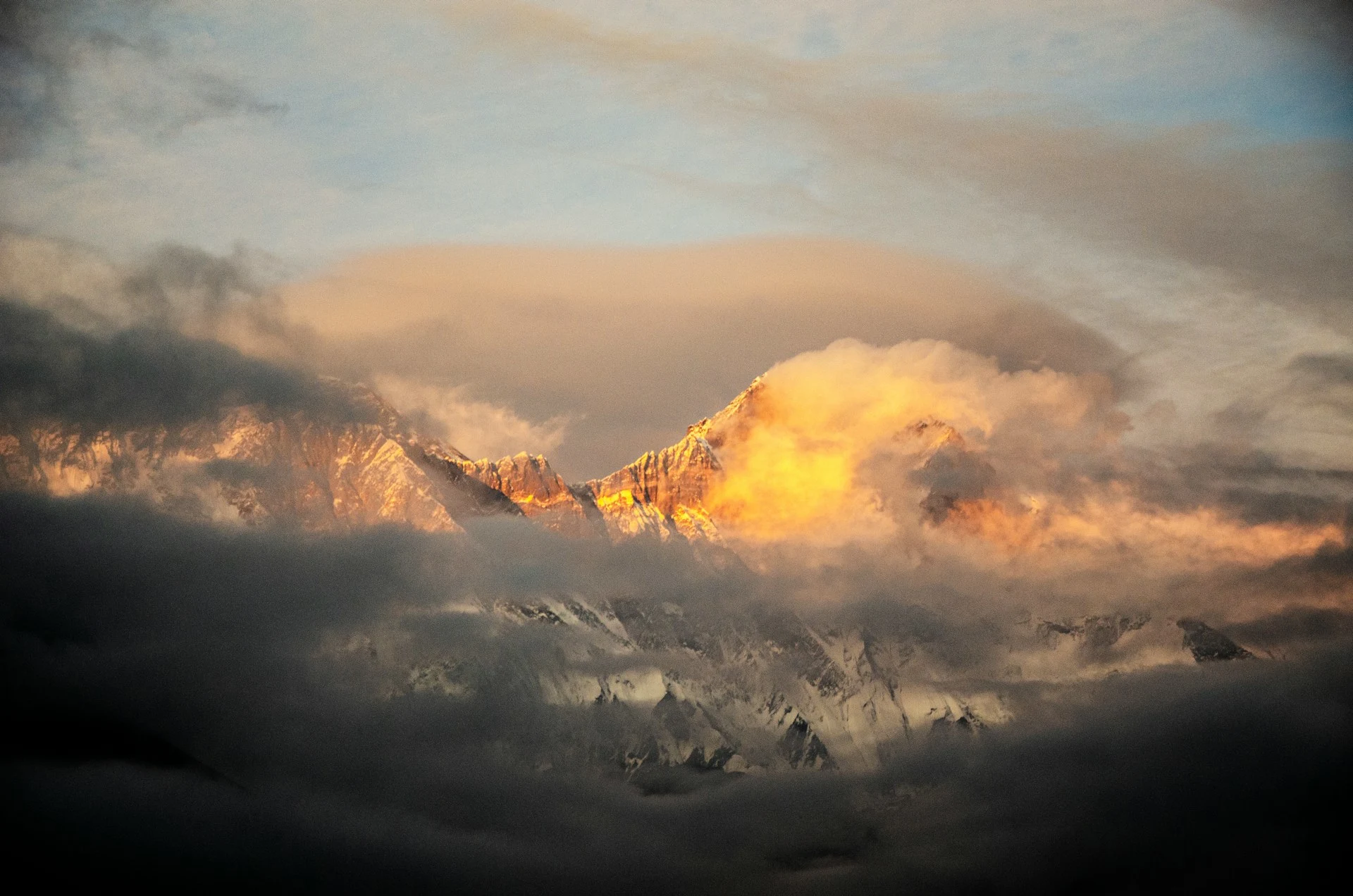
What you see from the terrace (on a clear day):
-
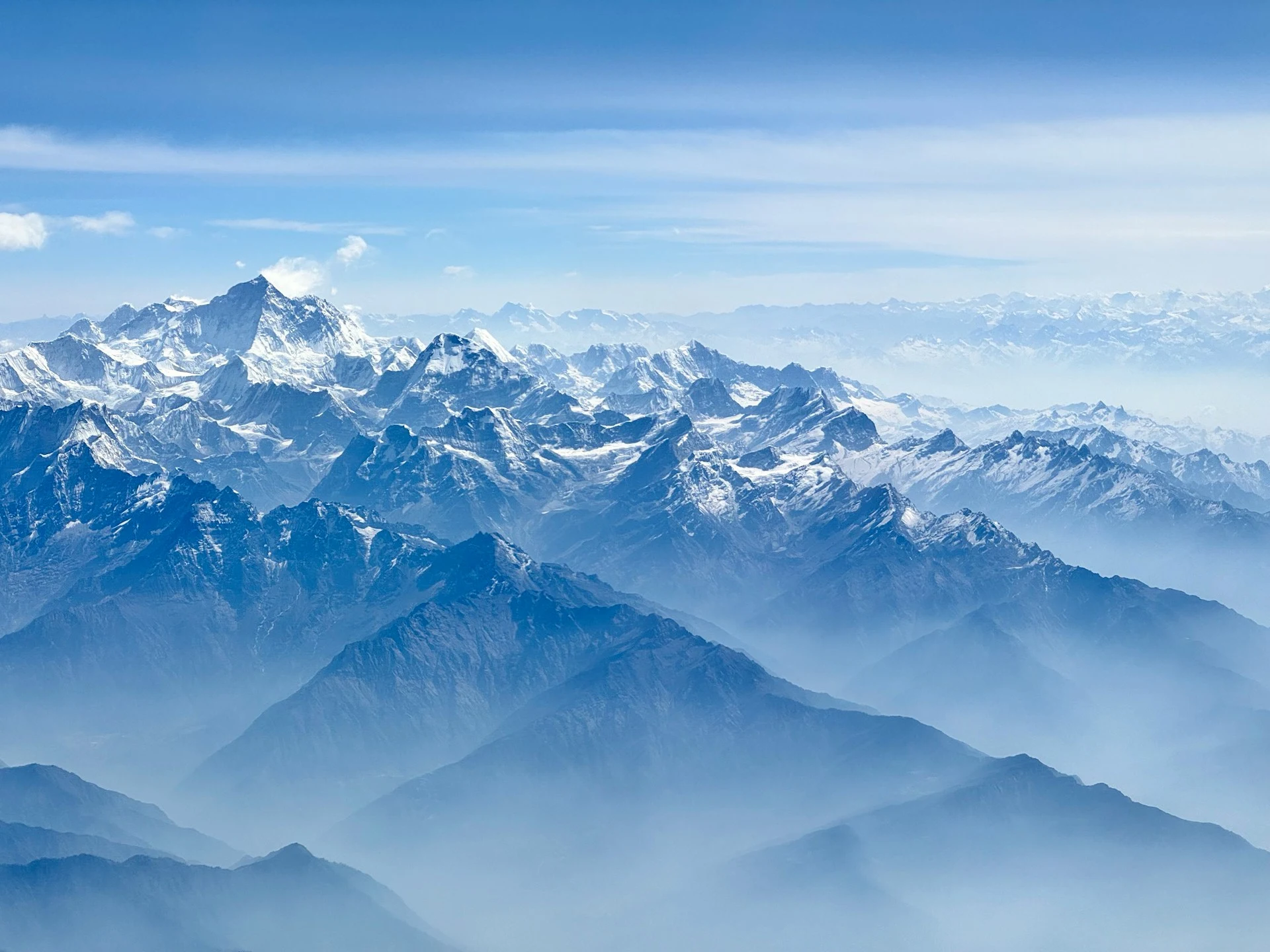
Mount Everest (8,848m): Visible as a distant summit pyramid, roughly 12–15km to the northeast.
-
Lhotse (8,516m): The fourth-highest mountain in the world.
-
Nuptse (7,861m): The broad, dark wall in front of Everest.
-
Ama Dablam (6,812m): The most dramatic peak from this vantage point.
-
Thamserku (6,608m), Kongde Ri (6,187m), Kusum Kanguru (6,367m): Additional peaks along the skyline.
Visibility limitations:
-
Haze: Even in clear seasons, atmospheric haze softens the view.
-
Clouds: Afternoon cloud build-up is common. Mornings are consistently clearer.
-
Monsoon: June–August cloud cover blocks the view on most days.
Overnight stay vs day visit: The hotel charges premium rates (roughly $200–$400+ per night). Most trekkers visit for breakfast or lunch on the terrace. Staying overnight is not necessary to “see Everest” — the view from the ridge is the same.
Best Time for Trekking
| Season | Months | Visibility | Temperature (Namche) | Crowds | Lukla Flights | Verdict |
|---|---|---|---|---|---|---|
| Autumn | Sep–Nov | Excellent — clearest of the year | 5°C to 15°C daytime; below freezing at night | High | Most reliable | Best overall |
| Spring | Mar–May | Very good — clear mornings, some haze by May | 5°C to 18°C daytime | High | Reliable | Second best |
| Winter | Dec–Feb | Good — crisp, dry air | -5°C to 10°C daytime | Low | Some morning fog delays | Underrated |
| Monsoon | Jun–Aug | Poor — cloud cover blocks views | 10°C to 20°C; humid | Very low | Frequent delays | Avoid |
The winter nuance: Most Everest region advice says “avoid winter.” For EBC, that is correct. For Everest View Trek, which tops out at 3,880m, winter is genuinely viable. Namche’s teahouses are open and quiet. The air is often the driest of the year.
The monsoon calculus: The monsoon does not make this trek dangerous — it makes it pointless. The entire purpose is the view. If clouds block Everest for 80% of days in July, you are paying for a trek you cannot see.
Cost 2026: Complete Breakdown
Prices vary significantly based on group size, season, operator, and inclusions. Here is a transparent breakdown.
| Cost Category | Budget | Standard | Luxury |
|---|---|---|---|
| Operator package (guide, porter, permits, teahouse, meals) | $600–$800 | $900–$1,200 | $1,500–$2,500+ |
| Lukla flights (round trip) | $340–$380 | $340–$380 | $340–$380 |
| Kathmandu accommodation (2 nights) | $30–$60 | $80–$150 | $200–$500+ |
| Travel insurance (high-altitude + heli evacuation) | $50–$100 | $50–$100 | $50–$100 |
| Personal expenses (showers, Wi-Fi, charging, snacks) | $50–$100 | $50–$100 | $50–$100 |
| Tips (guide + porter) | $50–$100 | $80–$150 | $100–$200 |
| Total estimate | $1,120–$1,540 | $1,500–$2,080 | $2,240–$3,780+ |
What the operator package typically includes:
-
Licensed English-speaking guide
-
Porter service (1 porter per 2 trekkers)
-
Sagarmatha National Park permit (NPR 3,000)
-
Khumbu Pasang Lhamu permit (NPR 2,000)
-
Teahouse accommodation (twin-sharing)
-
Three meals per day during trekking
-
Domestic airport transfers
What it typically does not include:
-
International flights to Nepal
-
Nepal entry visa
-
Travel insurance
-
Personal trekking gear
-
Hot showers, Wi-Fi, device charging (NPR 200–500 per use)
-
Bottled water or purification supplies
-
Alcoholic drinks
-
Tips
Why prices vary so much:
-
Group size: Solo trekkers pay more per person because guide and porter costs are fixed. A group of 6–10 brings per-person cost down by 20–30%.
-
Season: Peak season (October–November) prices are higher.
-
Operator overhead: Registered agencies with proper insurance, training, and equipment cost more.
-
Accommodation tier: Luxury lodges cost $150–$300+ per night versus $10–$30 for standard teahouses.
Trek Permits 2026
Two permits are required for this trek. A third — TIMS — has a confusing status.
| Permit | Cost (2026) | Where to Get It | Notes |
|---|---|---|---|
| Sagarmatha National Park Entry Permit | NPR 3,000 (~$22) | Nepal Tourism Board office or Monjo checkpoint | Required for all trekkers entering the national park. |
| Khumbu Pasang Lhamu Rural Municipality Entry Permit | NPR 2,000 (~$15) | Lukla or Monjo checkpoint | Introduced in 2018. Collected locally. |
| TIMS Card | Conflicting information | Nepal Tourism Board or TAAN | See note below. |
TIMS card discrepancy: The Nepal Tourism Board’s current TIMS rules list Everest region routes — including Everest View — as requiring a licensed guide and agency-issued TIMS card. In practice, the Khumbu region has a documented history of diverging from this on the TIMS side specifically, with the Khumbu Pasang Lhamu Rural Municipality permit often issued and checked in place of a separate TIMS card. For a 2026 trek, check the current requirements before departure rather than relying on older forum reports.
Guide requirement: As of 2025–2026, Nepal requires a licensed guide for most popular trekking routes, including the Everest region. Independent trekking without a guide is no longer permitted on this route.
Lukla Flight and Ramechhap Logistics
This is the most practically important section of this guide. Lukla flights are the single biggest logistical risk in any Everest region trek.
The basics:
-
Flights operate from Kathmandu (Tribhuvan) or Ramechhap (Manthali) Airport.
-
During peak seasons (March–May, September–November), most flights operate from Ramechhap due to air traffic congestion at Kathmandu.
-
The drive from Kathmandu to Ramechhap takes 5–6 hours, typically starting at 2:00–3:00 AM to catch a morning flight.
-
Flight duration: 15–20 minutes from Ramechhap; 30–40 minutes from Kathmandu.
Delay and cancellation probability:
-
Lukla is a visual flight rules (VFR) airport. No instrument landings.
-
Weather cancellations are common, especially in monsoon and winter fog months.
-
During peak season, a 1–2 day delay is not unusual.
Buffer days:
If you have an international flight home, build at least 2 buffer days in Kathmandu after your scheduled Lukla return. Do not book a tight connection.
Contingency options if flights are cancelled:
-
Wait it out: Usually 1–2 days. Most operators build this into their scheduling.
-
Helicopter: Shared helicopter flights from Lukla to Kathmandu cost $500–$1,000+ per person.
-
Road transfer: Drive from Lukla to Kathmandu via Jiri or Salleri. This takes 2–3 days.
-
Fly to/from Ramechhap instead: Some operators arrange this as an alternative.
Practical advice: Book the earliest possible morning flight. Weather is most stable in the morning. Carry cash for a helicopter contingency. Do not schedule anything important in Kathmandu for the 24 hours after your scheduled Lukla return.
Accommodation: What Teahouses Are Really Like
Teahouses on the Everest View Trek route are family-run lodges with basic but comfortable facilities. They are not hotels. They are not camping. They are somewhere in between.
Standard teahouse room:
-
Twin-sharing (two single beds)
-
Foam mattress, pillow, blanket (bring a sleeping bag liner or rent a sleeping bag)
-
Shared bathroom (squat toilet or western toilet depending on the teahouse)
-
No heating in rooms (warm blankets provided)
-
Electric blanket at some Namche and above lodges (NPR 200–500 charge)
Paid extras (per use or per device):
-
Hot shower: NPR 200–500
-
Wi-Fi: NPR 200–500 (often slow at higher elevations)
-
Device charging: NPR 200–500
-
Bottled water: NPR 100–300
-
Snacks (chocolate, biscuits): NPR 200–500
The Everest View Hotel luxury option:
If you want comfort, the Everest View Hotel offers private rooms with attached bathrooms, hot showers, restaurant dining, and the best view on the ridge. Rates run $200–$400+ per night. Some luxury trek packages include a night here.
Food and Drinking Water on the Trek
Typical teahouse menu:
-
Dal bhat: Rice, lentil soup, vegetable curry. Unlimited refills at most lodges. The trekking staple.
-
Sherpa stew: Hearty potato, vegetable, and dumpling stew.
-
Tibetan bread with honey or jam: Breakfast staple.
-
Garlic soup: A local remedy for altitude symptoms — mild scientific basis, mostly comfort food.
-
Fried rice / chow mein / pasta: Available everywhere but quality varies.
-
Egg dishes: Omelettes, scrambled eggs, boiled eggs.
Water safety:
-
Do not drink untreated tap water.
-
Boiled water: Available at teahouses for NPR 100–200 per litre. Safe and recommended.
-
Purification tablets: Cheap and effective. Bring from home.
-
Bottled water: Available but environmentally problematic and expensive at altitude (NPR 200–500 per litre).
-
Best approach: Bring a reusable bottle and a SteriPen or purification tablets. Refill with boiled water at teahouses.
Appetite and altitude: Loss of appetite is common above 3,000m. Eat smaller meals more frequently. Dal bhat is easy to digest and calorie-dense.
Packing List
| Category | Items | Notes |
|---|---|---|
| Clothing | Thermal base layers (2–3), fleece mid-layer, down jacket, waterproof shell, trekking trousers (2), casual trousers for evenings | Down jackets can be rented in Namche for $3–$5/day |
| Footwear | Broken-in trekking boots, 3–4 pairs of wool/synthetic socks, camp shoes or sandals | Boots are the most important purchase. |
| Head & Hands | Sun hat, warm beanie, buff/neck gaiter, lightweight gloves, warmer gloves for winter | Sun protection is critical at altitude |
| Electronics | Headlamp + spare batteries, power bank (10,000+ mAh), phone, camera, charging cables | Charging costs NPR 200–500 per device at teahouses |
| Personal | Sunscreen (SPF 50+), lip balm with SPF, toiletries, quick-dry towel, wet wipes, hand sanitiser | High-altitude sun is intense |
| Health & Safety | First aid kit, Diamox (consult doctor), ibuprofen, blister plasters, water purification tablets, rehydration salts | Diamox is prescription-only in some countries |
| Documents | Passport, visa, permits, travel insurance details, cash (NPR) | ATMs exist in Namche but are unreliable. |
| Sleeping | Sleeping bag (3-season, -10°C rating) or sleeping bag liner | Sleeping bags can be rented in Namche or Kathmandu |
What can be rented in Namche (or Kathmandu): Down jacket, sleeping bag, trekking poles, crampons (winter).
What to bring from home: Boots (fit is personal), base layers, socks, personal medication, camera.
Altitude and Acclimatization: What You Need to Know
Altitude is the most misunderstood factor in Everest View Trek planning. Here is what is actually true.
Why 3,880m matters: At this altitude, the air contains roughly 60–65% of the oxygen available at sea level. Your body must adapt. For most people, this adaptation happens naturally over 1–2 days. For some, it does not happen fast enough.
Acute Mountain Sickness (AMS) symptoms:
-
Headache (most common)
-
Nausea or vomiting
-
Dizziness
-
Fatigue beyond normal tiredness
-
Difficulty sleeping
-
Loss of appetite
What to do if symptoms appear:
-
Do not ascend further. Stay at your current altitude or descend.
-
Tell your guide immediately. Do not hide symptoms.
-
Drink water. Dehydration worsens AMS.
-
Take ibuprofen for headache (if medically appropriate).
-
If symptoms worsen, descend. Descent is the only definitive treatment.
Acclimatisation pacing:
-
Sleep at Namche (3,440m) for at least one night before hiking to 3,880m.
-
Hike to the Everest View Hotel and return to sleep at Namche. This is “climb high, sleep low.”
-
Do not skip the acclimatisation day.
When to seek medical advice before booking:
If you have a history of altitude sickness, heart conditions, lung conditions, or severe migraines, consult a travel medicine doctor. This article is not medical advice.
Everest View Trek vs Everest Base Camp: Which Is Right for You?
| Factor | Everest View Trek | Everest Base Camp Trek |
|---|---|---|
| Duration | 5–7 days (7–9 total) | 12–14 days (14–16 total) |
| Maximum Altitude | 3,880m | 5,545m (Kala Patthar) |
| Physical Demand | Moderate | Moderate–Challenging |
| Main Objective | Everest view from lower altitude | Stand at Base Camp, Kala Patthar sunrise |
| Scenery | Ama Dablam, distant Everest, Sherpa villages | Khumbu Glacier, Icefall, close Everest faces |
| Time Commitment | 1 week | 2 weeks |
| Best For | Limited time, first-time Himalayan trekkers, altitude-anxious, families | Those with 2+ weeks, altitude confidence, wanting the “achievement” |
Which should you choose?
Choose Everest Trek if: You have under 10 days, you are uncertain about altitude, you want a genuine Khumbu experience without the commitment of EBC, or you are travelling with family members of varying fitness.
Choose Everest Base Camp if: You have 14+ days, you are confident at altitude, standing at Base Camp is the specific goal, or you want the most dramatic close-up mountain scenery.
Neither is “better.” They serve different travelers with different constraints.
5-Day vs 7-Day vs 9-Day: Choosing Your Itinerary Length
| Duration | Itinerary | Acclimatisation | Risk | Suitable For |
|---|---|---|---|---|
| 5 days | Lukla → Phakding → Namche → Everest View Hotel (day hike) → Lukla | None (no rest day) | Higher — altitude symptoms more likely | Fit trekkers with prior altitude experience only |
| 7 days | Lukla → Phakding → Namche → Acclimatisation day → Tengboche → Phakding → Lukla | 1 day at Namche | Standard | Most travelers |
| 9 days | 7-day itinerary + Khumjung/Khunde village day + extra buffer | 1–2 days | Lower | Families, older travelers, anyone wanting a slower pace |
The 5-day concern: It skips the Namche acclimatisation day. You arrive in Namche on Day 2 and hike to 3,880m on Day 3 — only one night at 3,440m before ascending another 440m. For some, this is fine. For others, it triggers headaches and fatigue that ruins the experience. If you have any doubt about your altitude tolerance, book the 7-day version.
Is Tengboche Worth Adding?
Tengboche Monastery sits at 3,867m, roughly 5–6 hours from Namche. It is the largest monastery in the Khumbu region and the spiritual centre of Sherpa Buddhism.
Why add it:
-
The monastery itself is culturally significant.
-
The view of Ama Dablam from Tengboche is arguably the best in the region.
-
It adds a genuine cultural dimension to a trek that is otherwise view-focused.
Why skip it:
-
It adds 1–2 days to the itinerary.
-
The walking is harder than the Namche-Everest View Hotel day trip.
-
The Everest view from Tengboche is not better than from the Everest View Hotel ridge.
Verdict: If you have 7 days and want culture alongside views, add Tengboche. If you are on a tight schedule, the Everest View Hotel ridge is the essential objective.
Who Should Choose Everest View?
The limited-time traveler: You have 7–10 days in Nepal and want a real Himalayan experience. This trek fits.
The first-time Himalayan trekker: You have never been above 3,000m and want to test your altitude tolerance before committing to a longer trek.
The traveler who wants Everest views but not Base Camp: You want to see the mountain, but the idea of sleeping at 5,000m does not appeal.
The family or group traveler: You are travelling with people of different fitness levels. This trek accommodates that.
The experienced trekker with a short window: You have trekked in Nepal before but only have a week. This is the best use of that week.
Who Should Choose Everest Base Camp Instead?
Choose EBC if:
-
Standing at Everest Base Camp is a specific life goal
-
You want to see the Khumbu Icefall and Kala Patthar sunrise
-
You have 14+ days
-
You are confident at altitude and want the challenge
There is no shame in either choice. They are different experiences.
Practical Tips for a Better Trek
Book your Lukla flight early. Peak season flights sell out weeks in advance.
Build buffer days. At least 2 days in Kathmandu after your scheduled Lukla return.
Carry cash. ATMs in Namche exist but are unreliable. Bring NPR 10,000–15,000 for personal expenses.
Get proper insurance. Your policy must cover high-altitude trekking (up to 4,000m+) and helicopter evacuation.
Respect local customs. Walk clockwise around mani walls and chortens. Ask before photographing people. Do not touch monastery artefacts without permission.
Pack layers, not bulk. Temperature varies from 15°C in the sun to below freezing at night. Layers are more versatile than a single heavy jacket.
Start early. Morning weather is clearer and trails are quieter.
Drink water consistently. 3–4 litres per day. Dehydration mimics and worsens altitude symptoms.
Why Plan Your Everest View Trekking with Wonder Hikes Nepal
Wonder Hikes Nepal is a registered trekking operator based in Kathmandu. For the Everest View Trek, we provide:
-
Licensed, English-speaking guides with Khumbu region experience
-
Permit handling — Sagarmatha National Park and Khumbu Pasang Lhamu permits arranged before arrival
-
Lukla flight coordination — including Ramechhap logistics during peak season
-
Itinerary customisation — 5, 7, or 9-day versions based on your time and fitness
-
Group-size flexibility — private departures or small-group join-ins
-
Pre-trek briefing in Kathmandu covering altitude, packing, and route conditions
-
24/7 support during your trek for flight changes or emergencies
We do not claim to be the “best” or “cheapest.” We provide a well-organised, transparent service. What you pay for is what you get.
Frequently Asked Questions
1. Can I see Mount Everest on the Everest View ?
Yes. From the Everest View Hotel ridge at 3,880m, Everest is visible as a distant summit pyramid on clear days. It is approximately 12–15km away.
2. How many days does the Everest View take?
The core trek is 5–7 days of walking. Including arrival and departure days in Kathmandu, plan for 7–9 days total.
3. How difficult is the Everest Trek?
Moderate. It involves 4–6 hours of walking per day on uneven terrain, with a maximum altitude of 3,880m.
4. What is the highest altitude on Everest View Trek?
3,880m at the Everest View Hotel / Syangboche ridge.
5. Do I need a guide for Everest View Trek?
Yes. As of 2025–2026, Nepal requires a licensed guide for most Everest region treks, including this route.
6. What permits do I need?
Sagarmatha National Park entry permit (NPR 3,000) and Khumbu Pasang Lhamu Rural Municipality permit (NPR 2,000).
7. How much does Everest View Trek cost?
Budget: $600–$800 for the operator package. Standard: $900–$1,200. Luxury: $1,500–$2,500+.
8. What is the best time to do Everest View Trek?
October–November offers the clearest views. March–April is second best. Winter (December–February) is viable and quiet.
9. Can beginners do Trek?
Yes, with realistic expectations. Fit beginners who pace themselves and take the acclimatisation day regularly complete this trek.
10. Will I get altitude sickness?
Not necessarily. At 3,880m, the risk is lower than at EBC altitudes. But altitude affects everyone differently.
11. What happens if my Lukla flight is cancelled?
Wait for the next available flight (usually 1–2 days), book a helicopter ($500–$1,000+), or drive to/from Lukla via Jiri (2–3 days).
12. Is the Everest View Hotel worth staying at?
It is a luxury option, not a necessity. The view from the ridge is the same whether you sleep there or hike up from Namche.
13. What should I pack?
Layers, broken-in boots, sleeping bag, headlamp, sunscreen, water purification, first aid kit, and cash.
14. Is Everest View Trek better than Everest Base Camp?
Neither is universally better. Everest View suits travelers with limited time or altitude concerns.
15. Do I need travel insurance?
Yes. Your policy must cover high-altitude trekking (up to 4,000m+) and helicopter evacuation.
Final Thoughts
Everest View Trekking is not the “lite” version of Everest Base Camp. It is a distinct trek for a distinct traveler: someone who wants to see the world’s highest mountain, experience Sherpa culture, and walk in the Khumbu — but who has limited time, altitude concerns, or a preference for shorter, lower-altitude trekking.
If that describes you, this trek delivers. You will stand on a ridge at 3,880m and see Everest. You will walk through Namche Bazaar and Khumjung. You will sleep in teahouses and eat dal bhat. And you will do it in a week.
If your goal is to stand at Base Camp, see the Khumbu Icefall, and watch sunrise from Kala Patthar, then book the EBC trek instead. It is a different experience, and worth the extra time.
If you have questions about which trek is right for you, or want help planning an Everest View itinerary that matches your dates and fitness, contact Wonder Hikes Nepal.