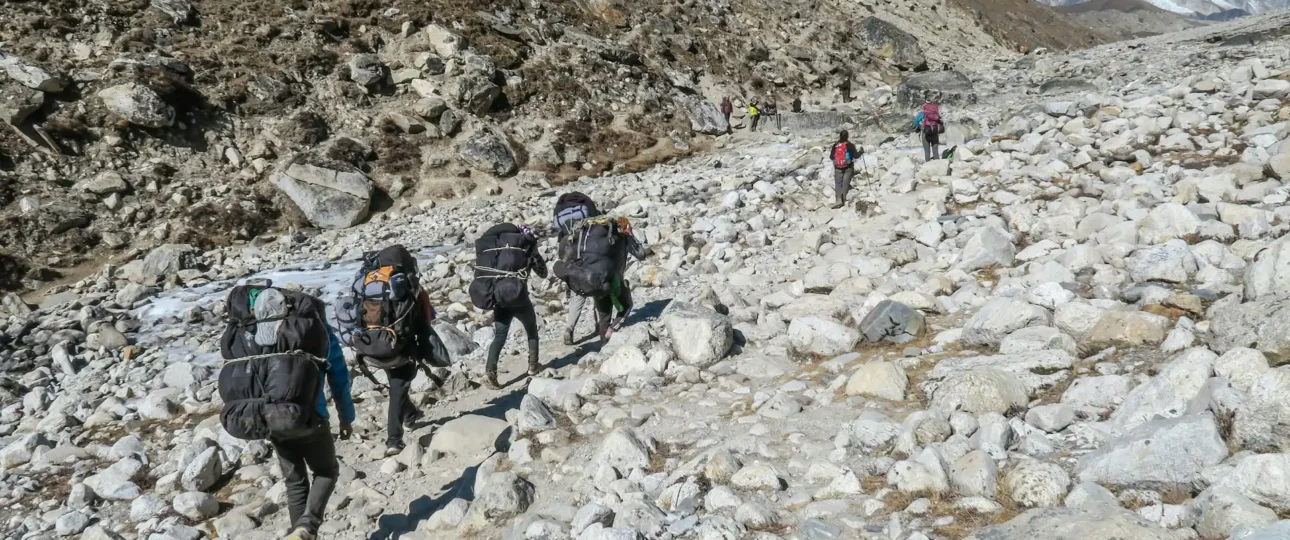
How Much Does a Sherpa Get Paid in 2026
There is no single Sherpa salary. In 2026, Nepal‘s regulatory minimum for a climbing Sherpa or high-altitude worker is NPR 1,200 per day (about $9). Experienced Everest climbing Sherpas are reported to earn between $4,000 and $10,000 in total expedition earnings — but that range combines base wages, summit bonuses, tips, and other components. A senior Sirdar can exceed $10,000 in a strong season. Base-camp workers and porters earn substantially less. Insurance, equipment, food, and accommodation are additional non-cash benefits, not salary.
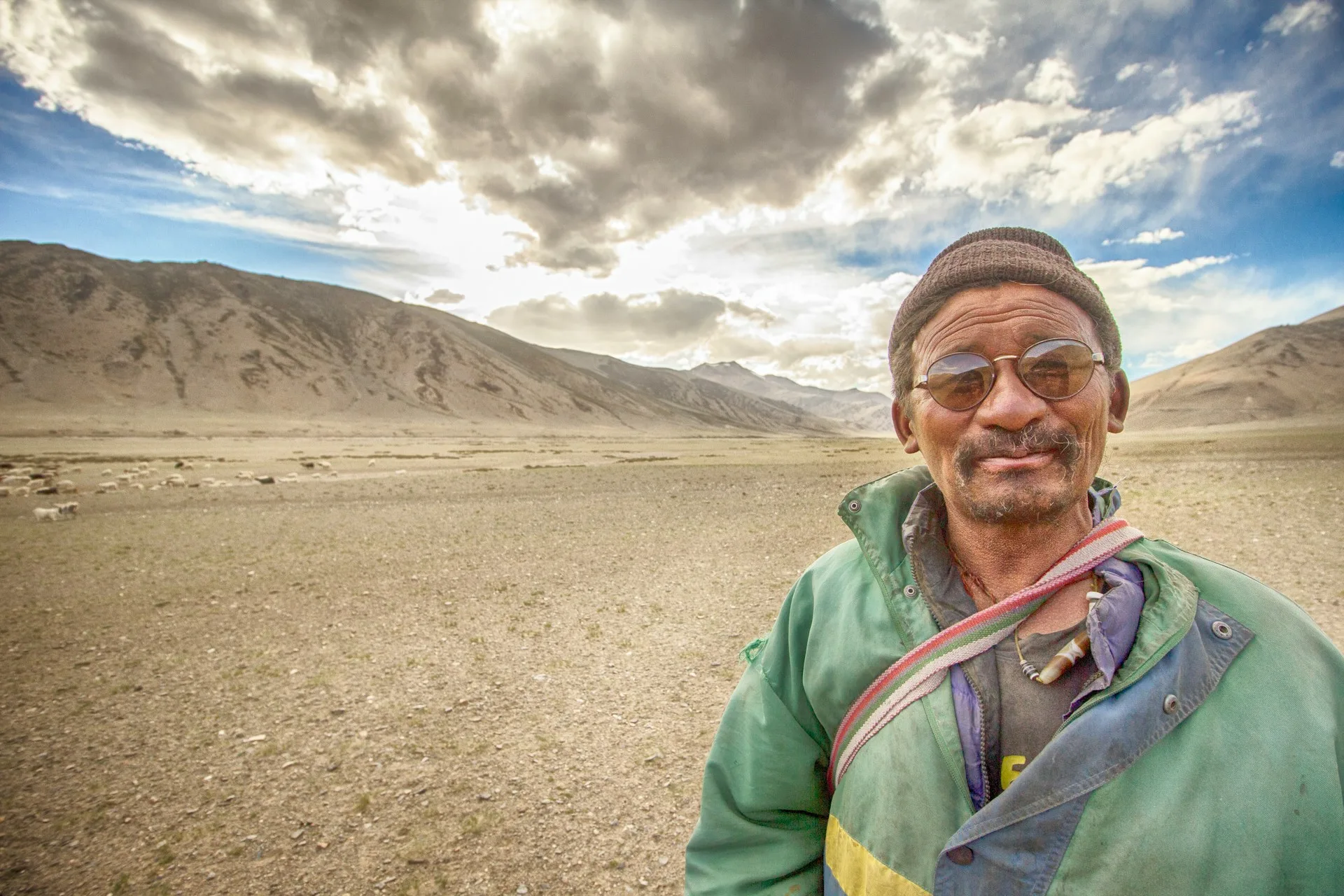
Sherpa Pay 2026: The Complete Compensation Picture
If you have searched for how much a Sherpa earns and found answers ranging from $500 to $50,000, you are not alone. The confusion arises because different sources measure different things — and often combine them into a single misleading number.
Here is the framework that makes sense of it all:
| Component | 2026 Figure | What It Actually Is |
|---|---|---|
| Regulatory daily rate (climbing Sherpa / high-altitude worker) | NPR 1,200/day (~$9) | Government-mandated minimum daily wage — not total pay |
| Regulatory daily rate (Sirdar) | NPR 1,500/day (~$11) | Government-mandated minimum for expedition leaders |
| Regulatory daily rate (base-camp worker) | NPR 1,000/day (~$7.50) | Government-mandated minimum for base-camp staff |
| Reported base expedition wage (experienced climbing Sherpa) | $2,500–$4,500 | Contracted expedition pay before bonuses and tips |
| Reported total expedition earnings (experienced climbing Sherpa) | $4,000–$10,000 | Includes base wage + summit bonus + tips + other components |
| Summit bonus (named operator example) | $1,500 per climber | Conditional payment upon successful summit (Alpine Ascents policy) |
| Insurance (high-altitude workers) | NPR 2,000,000 minimum | Non-cash benefit — does not appear in take-home pay |
| Insurance (base-camp workers) | NPR 1,500,000 minimum | Non-cash benefit |
The key insight: the regulatory daily rate is one component of compensation. It is not the Sherpa’s total income. A climbing Sherpa who earns NPR 1,200 per day for 60 days on Everest earns NPR 72,000 (~$540) in base regulatory wages alone — before any expedition contract premium, summit bonus, tips, equipment, or insurance.
Why There Is No Universal Sherpa Salary
Nepal does not publish a universal total-season salary for expedition workers. The Department of Tourism sets minimum daily rates, but individual employment contracts between Sherpas and expedition operators remain private. This means the actual take-home amount varies enormously depending on:
-
Role: A Sirdar (expedition leader) earns significantly more than a base-camp kitchen worker.
-
Experience: A Sherpa with multiple Everest summits commands higher contract rates than a first-timer.
-
Operator: Some operators pay above regulatory minimums; others do not. Published policies vary.
-
Season: Spring Everest season is the primary income window. Autumn offers some work on other peaks. Winter and monsoon are lean.
-
Summit success: Summit bonuses are conditional. If weather, illness, or client fitness prevents a summit, that component disappears.
-
Tips: Client gratuities can add thousands of dollars — or nothing, depending on the client and the operator’s tipping culture.
This is why you will see figures as low as $500 (regulatory wages only, short season) and as high as $25,000 (elite Sirdar with multiple successful expeditions and generous tips) in different sources. Neither is wrong. They are describing different roles and different components.
How Much Does an Everest Sherpa Make Per Expedition?
The most commonly cited range for experienced Everest climbing Sherpas is $4,000 to $10,000 in total expedition earnings. This figure appears in multiple 2026 sources and is best understood as a reported range, not an official salary.
For a personal climbing Sherpa assigned to a specific client, 2026 data suggests:
-
Base wage: $2,500–$4,500 for the expedition
-
Summit bonus: $1,500–$3,500 (conditional on reaching the summit)
-
Tips: Variable, often $500–$2,000+ depending on client generosity
A veteran Khumbu Sherpa with multiple successful expeditions can clear $10,000 or more in a single spring season. Across a full year, combining Everest and autumn 8,000m work, the most experienced Sherpas may earn $15,000–$25,000 — though this is far from typical.
Important: These are reported figures from operator disclosures, ethnographic research, and industry analysis. They are not government-published salaries. The only official figures are the regulatory daily rates listed above.
Nepal’s Current Expedition Staff Rates (2025–2026)
Nepal’s Ministry of Culture, Tourism and Civil Aviation amended mountaineering regulations in early 2025, tripling daily wage minimums for expedition workers. These rates apply to all expeditions operating under Nepali law.
| Role | Old Rate (NPR/day) | Current Rate (NPR/day) | Approx. USD/day |
|---|---|---|---|
| Sirdar (expedition leader) | 400 | 1,500 | ~$11 |
| Mountain guide / Climbing Sherpa / High-altitude worker | 350 | 1,200 | ~$9 |
| Base-camp worker | 300 | 1,000 | ~$7.50 |
| Local worker (up to 3,700m) | — | 800 | ~$6 |
| Local worker (above 3,700m) | — | 1,000 | ~$7.50 |
These are minimum daily rates. An expedition operator may pay more. The rates cover the days the worker is employed on the expedition — typically 45–60 days for Everest.
The same regulations also set minimum insurance coverage:
-
NPR 2,000,000 for Sirdars, mountain guides, and high-altitude workers
-
NPR 1,500,000 for base-camp workers
Insurance is a legal requirement and a non-cash benefit. It does not appear in the worker’s take-home pay, but it represents a substantial cost to the operator and a critical protection for the worker and their family.
What Does an Everest Sherpa Actually Get Paid For?
Sherpa compensation on Everest is not a single wage. It is a bundle of components, some guaranteed, some conditional, some in-kind:
Guaranteed cash components:
-
Base daily wage (regulatory minimum or higher, per contract)
-
Expedition contract premium (operator-specific)
-
Load-carrying compensation (per load or per carry)
-
High-camp work allowance (for nights spent at Camp I–IV)
Conditional cash components:
-
Summit bonus (paid only if the summit is reached)
-
Summit-attempt bonus (some operators pay partial bonus even without summit)
-
Tips (client gratuity, distributed at expedition end)
Non-cash benefits:
-
Insurance (minimum NPR 2,000,000 for high-altitude workers)
-
Equipment (clothing, boots, ice axe, harness, sleeping bag — often provided or reimbursed)
-
Food and accommodation at Base Camp and high camps
-
Medical coverage and rescue coverage
When climbers ask how much a Sherpa gets paid, they are usually asking about cash take-home — but a fair comparison requires understanding the full bundle.
Sherpa Pay by Role
Climbing Sherpa
The climbing Sherpa is the role most people mean when they search for Sherpa pay on Everest. This is a high-altitude worker who ascends with clients, fixes ropes, carries loads, and supports summit attempts.
2026 reported earnings:
-
Base wage: $2,500–$4,500 per expedition
-
Summit bonus: $1,500–$3,500 (conditional)
-
Tips: variable
-
Total reported: $4,000–$10,000 per expedition
Regulatory minimum: NPR 1,200/day
What makes the difference: Number of prior summits, certification (IFMGA/NNMGA), client reviews, operator tier, and whether the Sherpa is assigned as a personal guide (1:1) or general support.
Sirdar
The Sirdar is the expedition leader — the most senior Sherpa on the mountain. They manage all Sherpa staff, coordinate with the Western guide, oversee route-fixing and camp logistics, and often climb above Base Camp themselves.
2026 reported earnings:
-
$5,000–$10,000+ per season
-
Regulatory minimum: NPR 1,500/day
-
Elite Sirdars at top operators may earn $15,000–$25,000 in a strong season
What makes the difference: Leadership experience, number of expeditions managed, operator prestige, and relationships with Western guides and clients.
Mountain Guide
A mountain guide in the Nepali context can be a Nepali guide with IFMGA or NNMGA certification, or a Western guide working for an international operator. The term overlaps with climbing Sherpa but carries a distinct professional certification.
Nepali mountain guide:
-
Regulatory minimum: NPR 1,200/day
-
Reported earnings: $3,000–$8,000 per expedition
Western mountain guide:
-
Reported earnings: ~$15,000–$25,000 per season (Alan Arnette 2026 analysis)
-
Some senior Western guides earn $50,000+ per season
The pay gap between Western guides and Nepali climbing Sherpas is a persistent topic in Everest economics. It reflects differences in certification requirements, liability insurance costs, client expectations, and passport privilege — not differences in mountain skill.
Base Camp Worker
Base-camp workers include kitchen staff, dining tent crew, toilet cleaners, communications staff, and logistics personnel. They do not climb above Base Camp but are essential to expedition operations.
2026 regulatory rate: NPR 1,000/day
Reported season earnings: $1,500–$2,500 for a 60–75 day season
Insurance: NPR 1,500,000 minimum
For context: an average salary in the Khumbu region is just over $500 per year. An Everest base-camp worker can earn four to five times that in a single season. It is a life-changing amount of money for a family — and the work carries real risk, including illness and avalanche exposure at Base Camp itself.
Trekking Guide and Porter
Trekking guides and porters work on the trails to Everest Base Camp and other routes — not on the climbing route above Base Camp. Their compensation is lower but follows a similar structure.
Trekking guide (2026):
-
Standard route: $30–$40/day
-
Everest region: $40–$50/day
-
Restricted route (Manaslu, Upper Mustang): $50/day
-
Food, lodging, and insurance are provided on top of the daily wage
Porter (2026):
-
Everest and Annapurna regions: $20–$25/day
-
Lower-altitude routes: $15–$20/day
-
Load limits: typically 18–25 kg, with responsible operators splitting heavier loads
Critical distinction: Porters are not Sherpas. Sherpa is an ethnic identity. Porter is a job. Some porters are Sherpa; many are not. Some Sherpas work as porters; many do not. Using the terms interchangeably is inaccurate and disrespectful to both roles.
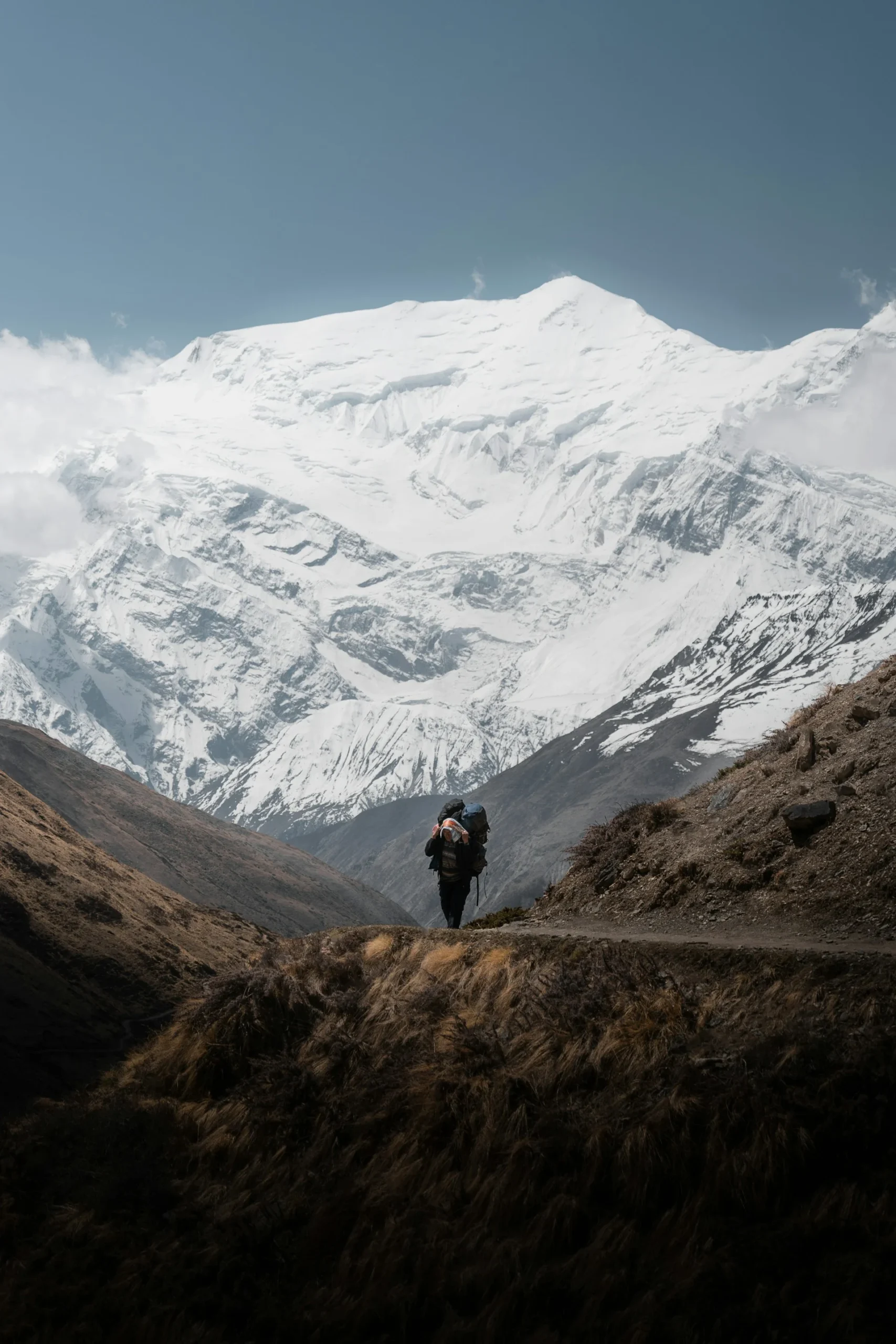
How Everest Summit Bonuses Work
The summit bonus is the most misunderstood component of Sherpa compensation. Here is how it actually works:
What it is: A conditional cash payment made to a climbing Sherpa if the summit is reached. It is typically negotiated before the expedition as part of the contract.
Who pays it: The expedition operator, using funds from the client’s expedition fee. Some operators itemise it separately; others bundle it into the total fee.
How much it is:
-
Named operator example: Alpine Ascents publishes a $1,500 summit bonus per climber for Sherpa guides. Staff tips are separate.
-
Reported range: $1,500–$3,500 in 2026
-
Historical reference: Seven Summit Treks paid a $1,000 summit bonus in 2012 and $1,500 in 2019
-
Unwritten tradition: Some sources suggest $1,500–$2,500 per successful summit as a common range
When it is paid: After the expedition, upon verification of summit success.
What happens if the summit fails: This is where most articles go silent. In practice:
-
If weather prevents a summit attempt entirely, most operators do not pay the summit bonus. The Sherpa earns base wage, load-carrying fees, and tips only.
-
If the client turns back but the Sherpa is willing to continue, the bonus may be paid or partially paid depending on the contract.
-
If the Sherpa turns back due to injury or illness, the bonus is typically forfeited.
-
Some operators pay a summit-attempt bonus of $500–$1,000 even without a summit, as recognition of the work performed.
This conditional structure means a Sherpa’s actual income can vary by 30–50% from one season to the next, even with the same operator and role.
How Tips Affect Sherpa Earnings
Tips are a significant but unpredictable component of Sherpa compensation. Unlike base wages and summit bonuses, tips are not contractual — they depend on client generosity, cultural norms, and the operator’s tipping guidance.
Typical tip ranges (2026):
| Recipient | Typical Tip | Source |
|---|---|---|
| Lead trekking guide | $10–$15/day | Operator guidance |
| Assistant guide | $8–$10/day | Operator guidance |
| Porter | $5/day | Operator guidance |
| Climbing Sherpa (Everest) | $500–$2,000+ per expedition | Reported range |
| Base-camp staff (pooled) | $100–$300 per staff member | Operator guidance |
How tips are distributed: On most Everest expeditions, the climbing Sherpa receives tips directly from their assigned client. Base-camp staff tips are often pooled and distributed equally. Some operators collect tips centrally and distribute them; others leave it to clients.
Why tips matter: Base wages in the trekking and expedition industry are deliberately kept low to keep expedition prices competitive. Tips close the gap. A climbing Sherpa who receives a generous tip from a grateful client may earn more from tips than from the summit bonus.
Practical advice for climbers: Budget $500–$1,500 for tips per Sherpa on an Everest expedition, depending on the level of service and your satisfaction. Hand tips directly to the worker in cash at the end of the expedition. Do not route them through the operator unless the operator has a transparent, verifiable distribution system.
Does High-Altitude Work Increase Compensation?
Yes — but not through a single high-altitude allowance. The increase comes from multiple components:
High-camp work: A climbing Sherpa who spends nights at Camp II, III, or IV earns more than one who only works below Base Camp. Some contracts specify a per-night rate for high-camp stays.
Load-carrying: Carrying loads between camps (food, fuel, oxygen, ropes) is often compensated per load or per kilogram. A Sherpa who carries multiple loads during rotation earns more than one who does not.
Route-fixing: The Icefall Doctors — a specialised team of Sherpas who fix ropes through the Khumbu Icefall — earn a flat season rate of $2,500–$3,000 for this exceptionally dangerous work. Each expedition member pays a $600 fee that funds their work. This is separate from regular climbing Sherpa pay and reflects the specialised, high-risk nature of the role.
Oxygen support: Sherpas who carry and manage oxygen systems at high altitude may receive additional compensation.
The regulatory daily rate of NPR 1,200 applies regardless of altitude, but operators supplement it for high-altitude work. The gap between the regulatory minimum and actual earnings is widest for the most experienced high-altitude Sherpas.
What Insurance and Equipment Mean for Sherpa Compensation
Insurance and equipment are not salary. They are non-cash benefits that represent real value to the worker and real cost to the operator.
Insurance (2025–2026 minimums):
| Role | Minimum Insured Sum (NPR) | Approx. USD |
|---|---|---|
| Sirdar | 2,000,000 | ~$15,000 |
| Mountain guide / climbing Sherpa / high-altitude worker | 2,000,000 | ~$15,000 |
| Base-camp worker | 1,500,000 | ~$11,000 |
This insurance covers medical treatment, evacuation, and death/disability benefits. It is a legal requirement under the 2025 amendment. Before this amendment, many workers had inadequate or no coverage.
Equipment: Operators typically provide or reimburse the following for climbing Sherpas:
-
Down suit and high-altitude boots
-
Ice axe, crampons, harness, ascender
-
Sleeping bag rated to -40°C
-
Goggles, gloves, mittens
-
Oxygen system (shared)
-
Ropes and hardware (expedition-provided)
For porters and base-camp workers, equipment is simpler: boots, jacket, trousers, sweater, gloves, and a sleeping bag.
The 2026 insurance-fraud context: In April 2026, Nepali police charged 32 people — including Sherpas, trekking agency operators, helicopter companies, and hospital staff — in a $20 million insurance fraud scheme. The allegations involved drugging trekkers to trigger unnecessary helicopter rescues and insurance payouts. This scandal has damaged trust in the trekking industry and made climbers more cautious about insurance arrangements. It does not mean all Sherpas are involved in fraud; it means climbers should verify their operator’s insurance practices and use reputable, transparent providers.
How Experience Affects Sherpa Pay
Sherpa pay is not seniority-based in the traditional corporate sense. It is performance-based and reputation-based:
First-season climbing Sherpa: Base wage at or near regulatory minimum. Assigned to load-carrying and camp support. Summit bonus only if they reach the top. Reported earnings: $2,000–$3,000.
Mid-career Sherpa (3–5 summits): Higher base wage, often assigned as personal climbing Sherpa to a specific client. Reliable summit bonus. Reported earnings: $4,000–$7,000.
Veteran Sherpa (10+ summits): Premium base wage, often works with repeat clients. Strong summit bonus and tips. Reported earnings: $8,000–$12,000+.
Sirdar (expedition leader): The highest-paid Nepali role on the mountain. Manages the entire Sherpa team, coordinates with Western guides, and bears ultimate responsibility for staff safety and logistics. Reported earnings: $5,000–$25,000+ depending on operator and season.
Certification: IFMGA or NNMGA certification commands a premium, particularly for Nepali mountain guides working with international operators.
Summit record: The number of Everest summits is a proxy for experience and reliability. A Sherpa with 10 summits can negotiate significantly higher rates than one with two.
Language skills: English fluency is increasingly important for personal climbing Sherpas who interact directly with clients. It commands a premium.
What does NOT affect pay: Ethnicity. Not all high-altitude workers are Sherpa. Nepali workers from other ethnic groups (Tamang, Rai, Gurung) also work in expedition support roles. The industry term climbing Sherpa describes a job, not an ethnic requirement.
Is Sherpa Income Seasonal?
Yes — highly seasonal. The Everest climbing season runs from late March to late May (spring). A smaller autumn season (September–November) offers work on other 8,000m peaks (Manaslu, Dhaulagiri, Cho Oyu). Winter and monsoon are lean for high-altitude work.
Spring Everest season: The primary income window. A climbing Sherpa may earn 60–80% of their annual income in these three months.
Autumn season: Some Sherpas transition to Manaslu, Dhaulagiri, or Ama Dablam expeditions. Pay is lower than Everest but still significant.
Winter: Limited expedition work. Some Sherpas work in trekking or return to farming and family businesses.
Monsoon (June–August): Minimal high-altitude work due to weather. Trekking continues in rain-shadow areas (Upper Mustang, Dolpo) but at lower wages.
Annual income framing: A Sherpa who works both Everest and a major autumn expedition may earn $8,000–$15,000 across a full year. For comparison, Nepal’s average annual income is approximately $1,399. An Everest climbing Sherpa earning $10,000 in a season is earning seven times the national average — and earning it in three months. This is why the work, despite the risk, remains economically rational for Khumbu families.
Why Online Sherpa Salary Figures Are So Different
If you have seen Sherpa salary reported as $500, $5,000, $50,000, and $500,000 in different places, here is why:
Reason 1: Wage-only vs. all-inclusive. A bare regulatory daily wage (NPR 1,200 × 60 days = NPR 72,000 ≈ $540) looks nothing like total expedition earnings including bonuses, tips, and equipment ($4,000–$10,000). Both figures are real but describe different things.
Reason 2: Role confusion. A base-camp kitchen worker, a trekking porter, a climbing Sherpa, and a Sirdar all fall under the loose category of Sherpa worker in some articles. Their pay is not comparable.
Reason 3: Season vs. annual. A $10,000 figure may be one spring season; a $15,000 figure may be a full year combining Everest and autumn expeditions. Neither is wrong — they just measure different periods.
Reason 4: Currency and date errors. Many blog articles recycle figures from 2013, 2015, or 2019 without adjusting for inflation, currency fluctuation, or the 2025 regulatory wage increase. A 2013 figure of $2,000 for three months of work is not the same as a 2026 figure.
Reason 5: Operator variation. Some operators publish transparent compensation policies; others do not. Named operator figures (e.g., Alpine Ascents $1,500 summit bonus) are reliable for that operator but not universal.
Reason 6: Tips and bonuses are conditional. A Sherpa who summits with a generous client may earn $10,000. The same Sherpa in a bad weather season with a frugal client may earn $3,000. Both figures are from the same person, same role, different year.
The solution: Always ask what a figure represents: daily wage, expedition base, total earnings, cash only, or including benefits. If the source does not say, treat it with caution.
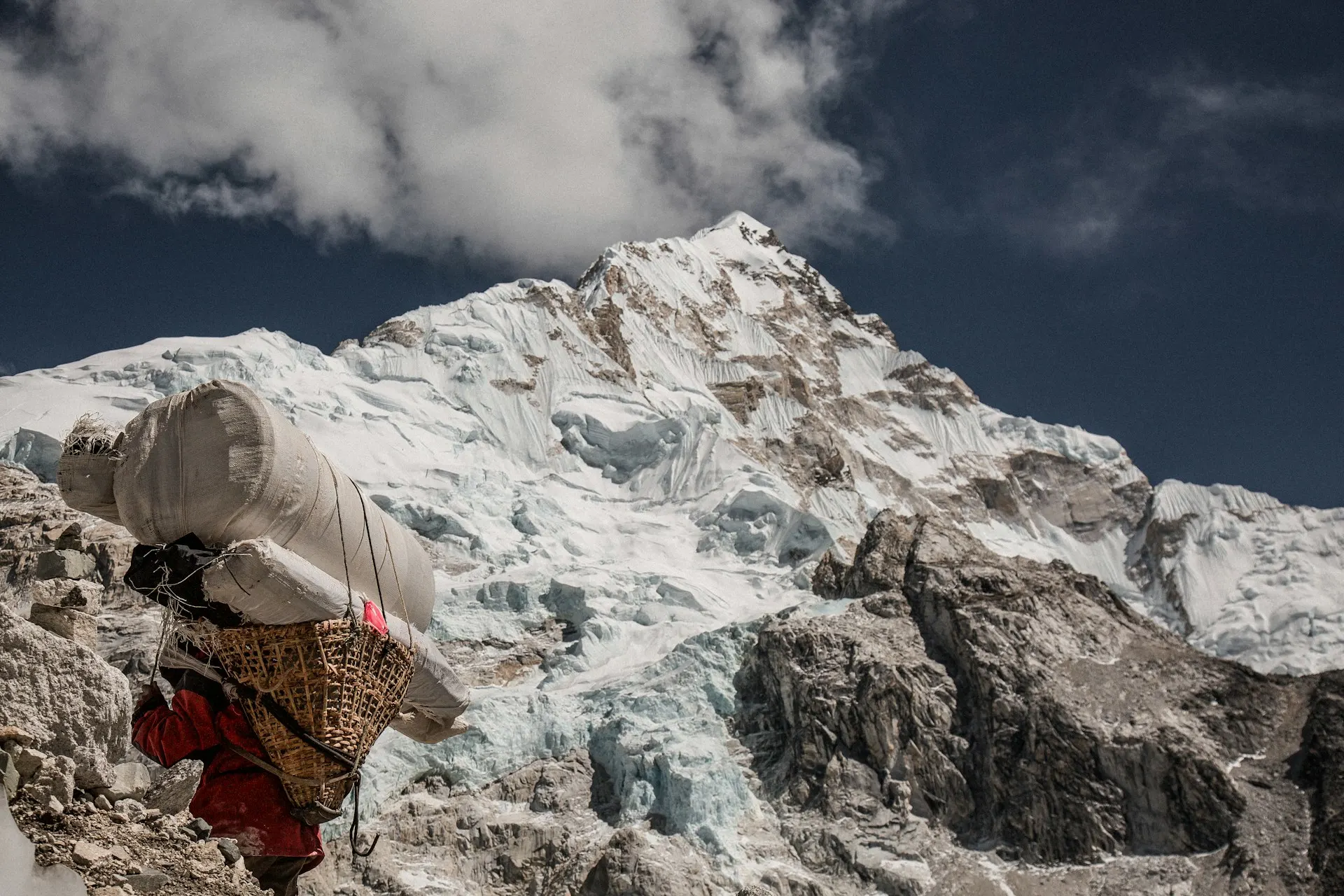
Sherpa Pay vs Western Guide Pay
The pay gap between Western mountain guides and Nepali climbing Sherpas is one of the most discussed — and most misunderstood — aspects of Everest economics.
| Metric | Nepali Climbing Sherpa | Western Mountain Guide |
|---|---|---|
| Reported season earnings | $4,000–$10,000 | $15,000–$25,000 |
| Senior/elite earnings | $10,000–$25,000 (Sirdar) | $50,000+ |
| Certification requirement | IFMGA/NNMGA (increasing) | IFMGA mandatory |
| Liability insurance cost | Low | High (often $10,000+/year) |
| Cost of living | Nepal | North America/Europe |
| Passport privilege | Restricted | Unrestricted |
Why the gap exists:
-
Western guides must carry expensive professional liability insurance and maintain IFMGA certification through costly recertification.
-
Western guides are often paid by the expedition company on a seasonal contract, not a per-day basis.
-
Client expectations and marketing premiums attach to Western guide credentials.
-
The cost of living in the guide’s home country is factored into their pay expectations.
What the gap does NOT reflect: Mountain skill. Experienced climbing Sherpas are among the most skilled high-altitude workers in the world. The gap is structural and economic, not a comment on competence.
A note on percentages: Some articles claim Sherpas receive less than 10% or around 5% of the expedition fee. This is not supportable from public data. Expedition fees cover permits ($15,000 in 2026), logistics, oxygen, food, insurance, equipment, helicopter support, and administrative costs — not just wages. No operator publishes a complete payroll breakdown. Treat percentage claims with scepticism.
What Should Climbers Ask Their Everest Operator?
If you are considering an Everest expedition, ask your operator these questions. A transparent operator will answer directly.
| Question | Why It Matters |
|---|---|
| What is the base wage for my climbing Sherpa? | Ensures you know it meets or exceeds the NPR 1,200/day regulatory minimum |
| Is the summit bonus included in my fee or separate? | Avoids awkward end-of-expedition negotiations |
| How much is the summit bonus per climber? | $1,500 is a common published figure; $3,500+ is premium |
| What happens to Sherpa pay if we don’t summit? | Clarifies whether base wage and tips still apply |
| What insurance coverage does my Sherpa have? | Confirms the NPR 2,000,000 minimum is in place |
| How are tips distributed? | Ensures your tip reaches the worker directly |
| Does the Sherpa receive equipment from the operator or must they supply their own? | Affects the Sherpa’s real income |
| How many expeditions has my Sherpa completed? | Experience affects your safety as well as their pay |
| Is the Sherpa IFMGA/NNMGA certified? | Certification is not mandatory for all roles but signals professionalism |
| What is the Sherpa-to-client ratio on summit day? | 1:1 is standard for personal climbing Sherpas |
A good operator will welcome these questions. Wonder Hikes Nepal approaches staffing with the same transparency framework outlined here: fair wages that meet or exceed regulatory minimums, clear bonus structures, and honest communication about what expedition fees cover and what they do not.
The Human Reality Behind the Numbers
The Sherpa who carries your oxygen, fixes your ropes, and walks ahead of you through the Khumbu Icefall is not a line item on an expedition invoice. They are a parent, a spouse, a child of the Khumbu. The money they earn on Everest — whatever the exact figure — is often the difference between a family sending a child to school in Kathmandu or keeping them in the village.
The risk is real. According to the Himalayan Database, there have been 42 staff deaths on Everest in the last decade. Many occurred below 6,000 metres — at Base Camp, in the Icefall, during routine load carries. The insurance coverage now mandated by law is a direct response to the reality that this work can end a life.
The 2025 wage increase — tripling daily rates from NPR 400/350/300 to NPR 1,500/1,200/1,000 — was a recognition that the people who make Everest expeditions possible deserve a fair share of an industry worth hundreds of millions of dollars. It was also a reminder that regulatory progress is recent and incomplete. Individual contracts still vary. Tips and bonuses remain conditional. Seasonality means income can disappear with a bad weather window.
When you ask how much a Sherpa gets paid, you are asking a question that sits at the intersection of labour economics, mountaineering culture, and human dignity. The answer is not one number. It is a structure — and understanding that structure is the first step toward respecting the people who work within it.
Frequently Asked Questions
1. How much does a Sherpa get paid on Everest?
There is no single figure. The regulatory minimum for a climbing Sherpa is NPR 1,200/day (~$9). Experienced climbing Sherpas are reported to earn $4,000–$10,000 in total expedition earnings, including base wage, summit bonus, and tips. Elite Sirdars can exceed $10,000 per season.
2. How much does an Everest Sherpa make per season?
A climbing Sherpa typically earns $4,000–$10,000 per spring season. A Sirdar may earn $5,000–$25,000. Base-camp workers earn $1,500–$2,500. These figures include cash components only; insurance and equipment are additional benefits.
3. How much does a climbing Sherpa earn per day?
Nepal’s regulatory minimum is NPR 1,200/day (~$9) for a mountain guide or climbing Sherpa. Actual daily rates may be higher depending on the operator and experience. The daily rate is one component of total expedition pay.
4. Do Sherpas get paid to climb Everest?
Yes. Climbing Sherpas are paid a base daily wage, load-carrying compensation, high-camp allowances, and potentially a summit bonus and tips. The base wage is guaranteed for the days worked; the summit bonus and tips are conditional.
5. Do Sherpas receive summit bonuses?
Many do. A summit bonus is a conditional payment made if the summit is reached. Alpine Ascents publishes a $1,500 per-climber summit bonus as a named example. Reported bonuses range from $1,500 to $3,500.
6. How much is an Everest Sherpa summit bonus?
Named operator Alpine Ascents pays $1,500 per climber. Reported ranges for 2026 are $1,500–$3,500. The bonus is conditional on reaching the summit and is typically paid after the expedition.
7. Do Sherpas receive tips?
Yes. Tips are a significant but unpredictable component of compensation. Everest climbing Sherpas may receive $500–$2,000+ in tips per expedition, depending on client generosity. Tips are separate from wages and bonuses.
8. Are Sherpas paid more for carrying loads?
Yes, in most contracts. Load-carrying between camps is often compensated per load or per kilogram. This is separate from the base daily wage and can add significantly to total earnings.
9. Do Sherpas get insurance?
Yes. Nepal law requires minimum insurance coverage of NPR 2,000,000 for Sirdars and high-altitude workers, and NPR 1,500,000 for base-camp workers. Insurance is a non-cash benefit and does not appear in take-home pay.
10. Do all Sherpas earn the same amount?
No. Earnings vary enormously by role (Sirdar vs. climbing Sherpa vs. base-camp worker), experience (first season vs. veteran), operator, season, summit success, and tips. There is no uniform Sherpa salary.
11. Does experience affect Sherpa pay?
Yes. Experienced Sherpas with multiple summits command higher base wages and are more likely to receive generous tips and premium assignments. IFMGA/NNMGA certification also commands a premium.
12. Is Sherpa income seasonal?
Yes, highly. The spring Everest season (March–May) is the primary income window. Autumn offers limited work on other 8,000m peaks. Winter and monsoon are lean. Most Sherpas earn the majority of their annual income in three months.
13. Are Sherpas the same as porters?
No. Sherpa is an ethnic identity. Porter is a job. Some porters are Sherpa; many are not. Some Sherpas work as porters; many do not. Using the terms interchangeably is inaccurate.
14. How much does a Sirdar earn?
A Sirdar (expedition leader) earns a regulatory minimum of NPR 1,500/day. Reported season earnings range from $5,000 to $25,000+ depending on experience, operator, and summit success. The Sirdar is the highest-paid Nepali role on the mountain.
15. Why are Sherpa salary figures different online?
Because different sources measure different things: regulatory daily wage vs. expedition base vs. total earnings; one season vs. full year; cash only vs. including benefits; different roles; different years. Always ask what a figure represents before trusting it.