Introduction to Barun Valley Nepal
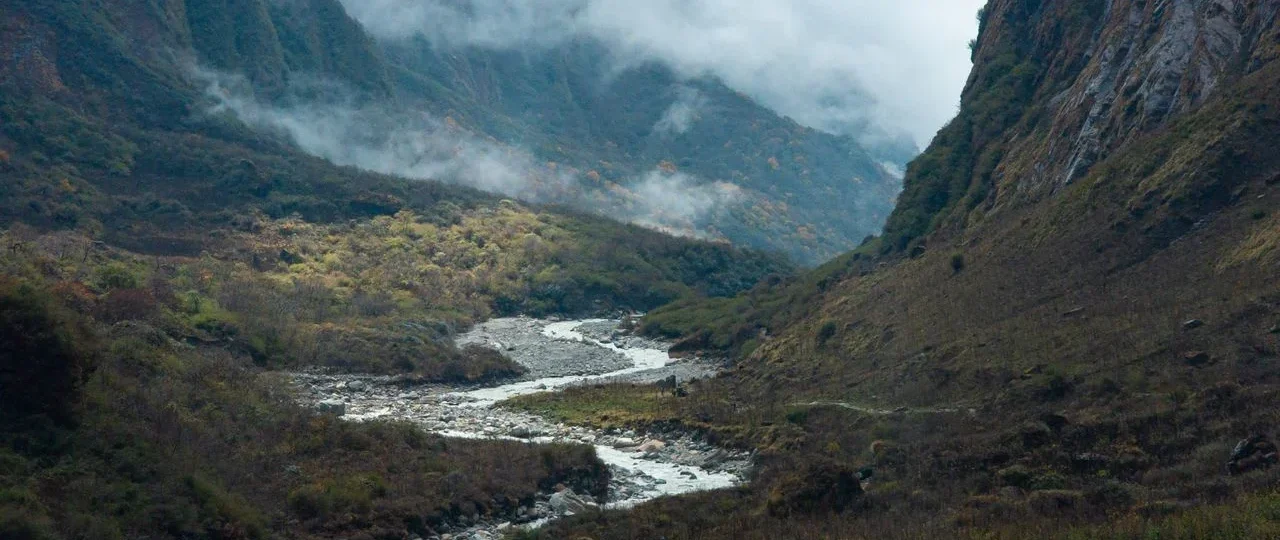
Barun Valley Nepal is not a place you stumble upon by accident. It does not appear in most trekking brochures. It has no airport, no road access above a certain point, and no teahouse network stretching to its upper reaches. What it does have is something increasingly rare in the Himalayas: genuine, unfiltered wilderness. If you have searched for this valley, you are likely trying to answer one question: Is this trek right for me?
This guide, prepared by the editorial team at Wonder Hikes Nepal, answers that question with verified information, practical detail, and honest assessments of what the trail actually demands. We do not fabricate first-hand experiences, and we do not pretend this is an easy route. It is not. But for the right trekker, it may be the most meaningful Himalayan journey available in 2026.
What Is Barun Valley Nepal?
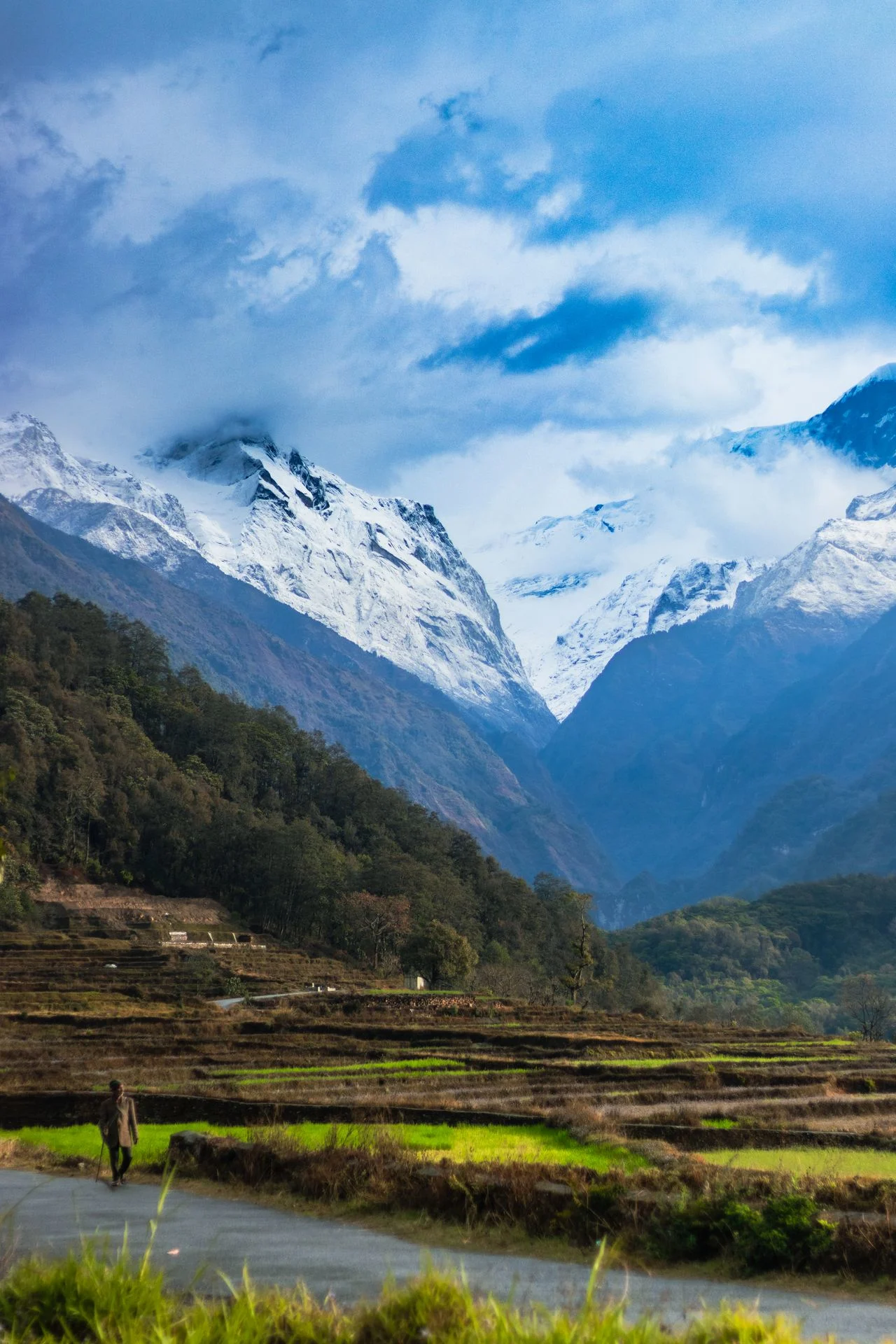
Barun Valley Nepal is a remote Himalayan valley in the Sankhuwasabha district of Koshi Province, in Nepal’s far eastern region. It lies entirely within Makalu-Barun National Park, close to the Tibetan border, and is carved by the Barun River (Barun Khola), a glacier-fed river that drains the ice below Mount Makalu .
The valley stretches approximately 46 kilometers from the lower Arun River confluence to the glacial cirque beneath Makalu’s south face . In the local Limbu language, the Barun River is known as Chukchuwa, and the valley has been inhabited historically by Yakkha and Limbu communities .
Barun Valley Nepal is globally unique for its vertical range. It is the only protected area on Earth that climbs more than 8,000 meters within its boundaries—from warm, near-tropical forest in the Arun lowlands to permanent snow and ice on Makalu . This ecological gradient is what makes the valley scientifically significant and visually extraordinary.
Where Is Barun Valley in Nepal?
Barun Valley Nepal is located in the Sankhuwasabha district of Koshi Province, in the easternmost part of the country. The valley sits inside Makalu-Barun National Park, which was established in 1992 as the eastern extension of Sagarmatha (Everest) National Park .
The park covers approximately 1,500 square kilometers, with an additional 830 square kilometers of buffer zone . The Barun River flows down from the Makalu glacier and joins the larger Arun River, which eventually feeds into the Koshi River system. The trailhead for most treks is at Num or Seduwa, reached by a short flight from Kathmandu to Tumlingtar followed by a drive .
Barun Valley Nepal is not near Everest Base Camp in any practical sense. Everest is about 19 kilometers northwest of Makalu, and while the two mountains share a skyline on clear days, the trekking routes are entirely separate .
Why Is Barun Valley Famous?
Barun Valley Nepal is famous for a specific kind of reputation: it is one of the last truly wild trekking destinations in Nepal. While tens of thousands of trekkers walk the Everest and Annapurna trails each year, only a few hundred reach Barun .
The valley is also famous for its ecological significance. It is part of the Eastern Himalayan biodiversity hotspot, home to endangered species including red pandas, snow leopards, and Himalayan black bears. The park protects around 3,000 species of flowering plants, 440 species of birds, and 75 species of mammals .
Barun Valley Nepal is also known in Tibetan Buddhist tradition. The valley is identified with Beyul Khembalung, one of seven hidden valleys blessed by the 8th-century tantric master Padmasambhava as a refuge for times of great cataclysm . This spiritual dimension adds a layer of cultural significance that most trekking routes in Nepal do not have.
Barun Valley and Mount Makalu: The Connection
Barun Valley Nepal and Mount Makalu are inseparable. The valley exists because of the mountain. Makalu’s glaciers feed the Barun River, and the valley’s dramatic upper section is essentially the glacial cirque beneath Makalu’s south face.
Mount Makalu is the world’s fifth-highest peak at 8,485 meters. It is a perfect pyramid, often described as one of the most beautiful 8,000-meter peaks. Makalu Base Camp sits directly under its 3,000-meter south face, offering a view that climbers and trekkers consistently describe as among the most impressive in the Himalayas.
For trekkers, Barun Valley Nepal offers something that few other Everest-region routes can: a close-up encounter with an 8,000-meter mountain without the crowds, the infrastructure, or the commercial pressure of the Everest corridor.
Is Barun Valley Part of the Makalu Base Camp Trek?
Barun Valley Nepal forms the core of the Makalu Base Camp Trek. The standard route to Makalu Base Camp passes through the Barun Valley, and the valley itself is the most scenic and ecologically significant section of the trek .
The trek typically begins with a flight from Kathmandu to Tumlingtar, followed by a drive to Num or Seduwa. From there, the trail climbs through Rai and Sherpa villages to Tashi Gaon, the last permanent settlement. Above Tashi Gaon, the trail crosses the Shipton La and Keke La before dropping into the Barun Valley .
From the Barun Valley, the route continues through Yangri Kharka, Sherson, and finally to Makalu Base Camp. The maximum altitude is generally cited as 4,870 meters . Most trekkers spend 17 to 22 days on the round trip, including acclimatization and travel time .
How Do You Reach Barun Valley Nepal?
Barun Valley Nepal is reached through a combination of flight and road transfer, followed by several days of trekking. The standard access is:
-
Flight: Kathmandu to Tumlingtar (approximately 40 to 45 minutes)
-
Drive: Tumlingtar to Num or Seduwa (4 to 6 hours by jeep)
-
Trek: Num or Seduwa to Tashi Gaon, then over Shipton La into the Barun Valley
There is no road access to the upper Barun Valley. Above Tashi Gaon, all movement is on foot, and all supplies must be carried or transported by mule or porter.
Barun Valley Trek Route Overview
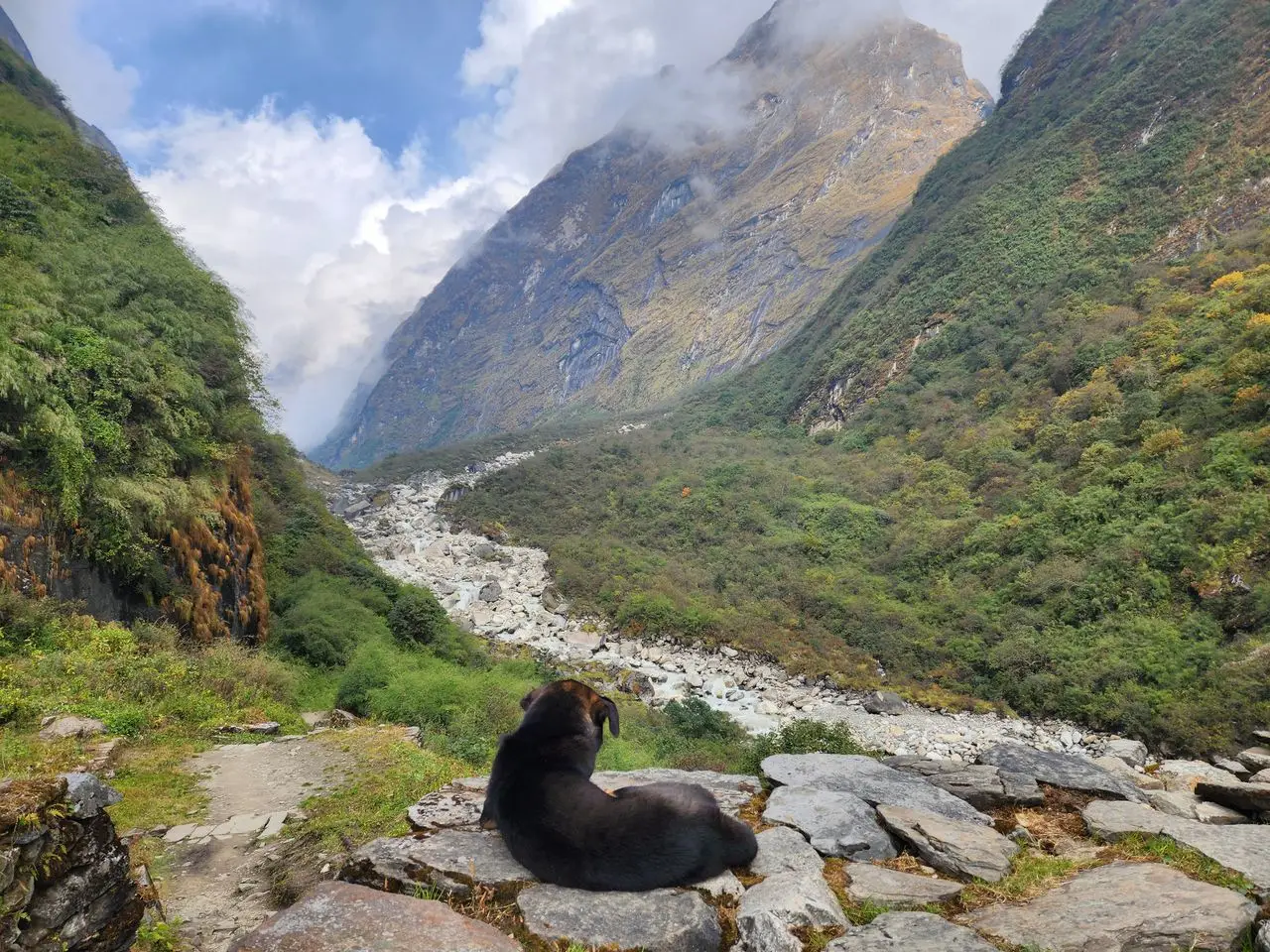
The standard Barun Valley Nepal trek follows a well-established route, though the trail is rough and remote. Below is a simplified overview of the main sections:
| Section | Approximate Character | Key Experience |
|---|---|---|
| Tumlingtar to Num | Road transfer, then short trek | Arun River valley, subtropical forest |
| Num to Seduwa | Steep descent to river, then climb | Suspension bridges, Rai villages |
| Seduwa to Tashi Gaon | Steady climb through forest | Last permanent village, Sherpa culture |
| Tashi Gaon to Khongma Danda | Steep ascent | Rhododendron forest, mountain views |
| Khongma to Mumbuk | Cross Shipton La (4,210m) | High pass, alpine terrain |
| Mumbuk to Yangri Kharka | Descent into Barun Valley | First views of Makalu, waterfalls |
| Yangri Kharka to Sherson | Gradual climb | Yak pastures, river crossings |
| Sherson to Makalu Base Camp | Final approach | Glacier, base camp views |
The trail above Tashi Gaon is steep and rugged, and trekkers should expect to walk 5 to 7 hours on a typical day. The route involves multiple river crossings, landslide-prone sections, and exposed traverses.
How Difficult Is the Barun Valley Trek?
Barun Valley Nepal is rated as a strenuous trek. It is not suitable for beginners. The route requires solid fitness, previous trekking experience at altitude, and a tolerance for basic conditions.
The main challenges are:
-
Altitude: The trek reaches approximately 4,870 meters at Makalu Base Camp, with several nights spent above 4,000 meters
-
Terrain: The trail above Tashi Gaon is rough, steep, and often exposed. Landslides are common in the monsoon season
-
Remoteness: There are no lodges above Tashi Gaon. Trekkers must camp, and evacuation in case of emergency is difficult and expensive
-
Weather: Conditions can change rapidly. Snow is possible on the passes even in the trekking seasons
-
Duration: The trek takes 17 to 22 days, requiring a significant time commitment
Is Barun Valley Nepal suitable for beginners? No. If you have not trekked above 4,000 meters before, this is not the route to start with. A more appropriate first high-altitude trek would be Everest Base Camp or Annapurna Base Camp, where the infrastructure is more developed and evacuation is more feasible.
What Altitude Does the Trek Reach?
The maximum altitude on the Barun Valley Nepal trek is Makalu Base Camp, which is generally cited as being between 4,870 meters and 5,000 meters . Some sources place the base camp at 5,250 meters . The discrepancy likely reflects different locations for the base camp itself or different survey methods.
The Shipton La, which must be crossed to enter the Barun Valley, is at 4,210 meters. Keke La is slightly higher at approximately 4,230 meters .
How Should Trekkers Prepare for Altitude?
Barun Valley Nepal requires serious altitude preparation. The trek involves multiple days above 4,000 meters and reaches nearly 5,000 meters at base camp. Proper acclimatization is not optional.
Key preparation steps:
-
Build fitness before the trek: Cardiovascular training, hiking with a pack, and stair climbing are essential
-
Arrive with prior altitude experience: If possible, complete a lower-altitude trek before attempting Barun
-
Follow a gradual ascent profile: The standard itinerary includes acclimatization days at Khongma Danda and Yangle Kharka . Do not skip them
-
Know the symptoms of altitude sickness: Headache, nausea, dizziness, and shortness of breath are early signs. Ignoring them can lead to HACE or HAPE, which are life-threatening
-
Consider prophylactic medication: Consult a travel medicine doctor about acetazolamide (Diamox) before the trek
-
Stay hydrated and eat regularly: Even when appetite is low, food and water help the body adjust
Best Time to Visit Barun Valley Nepal
The best seasons for Barun Valley Nepal are spring (March to May) and autumn (September to November) . During these periods, the weather is most stable, and the trails are in the best condition .
Spring (March to May): Warmer temperatures, rhododendron blooms in the lower valleys, and clearer mornings. This is the most popular season for the Barun Valley trek. April and May are particularly good, though lower elevations can become hot.
Autumn (September to November): The most stable weather of the year. Clear skies, moderate temperatures, and excellent mountain views. October is often considered the single best month for trekking in Nepal.
Monsoon (June to September): Not recommended. The trail becomes muddy, river crossings are hazardous, and leeches are common in the lower valleys .
Winter (December to February): The upper Barun Valley is closed by snow. Tashi Gaon and lower sections can be trekked, but Makalu Base Camp is generally inaccessible.
What Is the Weather Like?
Weather in Barun Valley Nepal varies dramatically with elevation. At the lower elevations near Num and Seduwa, temperatures can reach 25 to 30 degrees Celsius in spring and autumn. At Makalu Base Camp, temperatures can drop well below freezing at night, even in the trekking seasons.
The valley is also known for its microclimates. The lower Barun Valley is humid and green, while the upper valley is dry and rocky. Fog, rain, and snow are possible year-round above 4,000 meters.
What Accommodation Is Available?
Accommodation on the Barun Valley Nepal trek is limited. Teahouses and lodges are available up to Tashi Gaon, but above that village, there are no permanent lodges. Trekkers must camp .
This means the trek is camping-focused. Most organized treks provide tents, sleeping bags, and a camp crew. Independent trekkers must carry all their own equipment, food, and fuel, which adds significant weight and logistical complexity.
What Permits Are Required in 2026?
For Barun Valley Nepal in 2026, two permits are required:
-
Makalu-Barun National Park Entry Permit: NPR 3,000 (approximately USD 23) for foreigners, NPR 1,500 for SAARC nationals, and NPR 100 for Nepali citizens
-
TIMS Card: NPR 1,000 to 2,000, depending on whether you are trekking with an agency or independently
There is no restricted area permit required for the Barun Valley, and there is no minimum group size. Total permit cost is roughly USD 30 to 40 per person. Permits can be obtained in Kathmandu through the Nepal Tourism Board or a licensed trekking agency. The park entry point is at Num village or Seduwa gate .
What Wildlife Can Be Found in Barun Valley?
Barun Valley Nepal is one of the richest wildlife areas in Nepal. Because so few trekkers pass through, the valley supports populations of species that are rare or absent in more visited regions.
The park is home to:
-
Red panda: An endangered species that prefers temperate forests with bamboo understory
-
Snow leopard: Present but rarely seen. Sightings are usually limited to tracks in snow
-
Himalayan black bear: Found in forested areas at middle elevations
-
Musk deer, Himalayan tahr, ghoral, and serow: Various mountain ungulates
-
Himalayan monal: Nepal’s colorful national bird, often seen in rhododendron forests
-
Over 440 bird species: The park is a birdwatcher’s paradise
Can you see red pandas? It is possible but not guaranteed. Red pandas are shy and primarily nocturnal. The best chance is in the temperate forests between Tashi Gaon and Khongma Danda, where bamboo is abundant. A 2018 study published in PLoS ONE found that 443 square kilometers of the park provide suitable red panda habitat, with conifer forest being the most important habitat type .
What Plants and Forests Are Found There?
Barun Valley Nepal spans five bioclimatic zones: tropical, subtropical, temperate, subalpine, and alpine. The vegetation changes dramatically with elevation:
-
Tropical and subtropical: Dipterocarp and sal forests near the Arun River
-
Temperate: Broadleaf evergreens, oaks, and rhododendrons
-
Subalpine: Conifers including Abies spectabilis
-
Alpine: Rhododendron shrubs and alpine herbs above the tree line
The park contains 25 of Nepal’s 30 rhododendron species, 47 orchid varieties, and 15 oak types . This botanical diversity is one of the valley’s most underrated features.
What Makes Barun Valley Ecologically Important?
Barun Valley Nepal is ecologically important for several reasons. First, it is part of the Eastern Himalayan biodiversity hotspot, one of the most biologically diverse regions on Earth. Second, it contains an unbroken elevation gradient from 400 to 8,485 meters, which is globally unique .
Third, the valley serves as a critical corridor for wildlife moving between the lowlands and the high mountains. As climate change alters habitats, these corridors become increasingly important for species survival.
Fourth, the park is a carbon sink. Its forests and alpine meadows store significant amounts of carbon, contributing to climate regulation.
What Are the Main Challenges on the Trail?
Barun Valley Nepal presents several specific challenges that trekkers should understand before committing to the route:
-
Landslides: Common in the monsoon season and sometimes in spring. The trail above Seduwa has several exposed sections
-
River crossings: The Barun River and its tributaries must be crossed multiple times. Bridges exist in some places, but not all
-
Steep terrain: The trail is rarely flat. Most days involve significant elevation gain or loss
-
Altitude: The combination of high elevation and rugged terrain makes every step harder
-
Remoteness: There is no easy evacuation above Tashi Gaon. A serious injury or illness could require a multi-day carry to a helicopter pickup point
-
Basic conditions: Camping, limited food variety, and no showers for days are part of the experience
What Safety Issues Should Trekkers Understand?
Safety on the Barun Valley Nepal trek requires preparation and honest self-assessment. The most serious risks are:
-
Altitude sickness: The primary safety concern. Trekkers must recognize symptoms and descend if they worsen
-
Landslides and rockfall: Particularly dangerous in wet conditions
-
River crossings: Can be hazardous after rain
-
Hypothermia: Temperatures can drop rapidly, especially at camp
-
Medical evacuation: Difficult and expensive. Travel insurance that covers high-altitude trekking and helicopter evacuation is essential
How Remote Is Barun Valley?
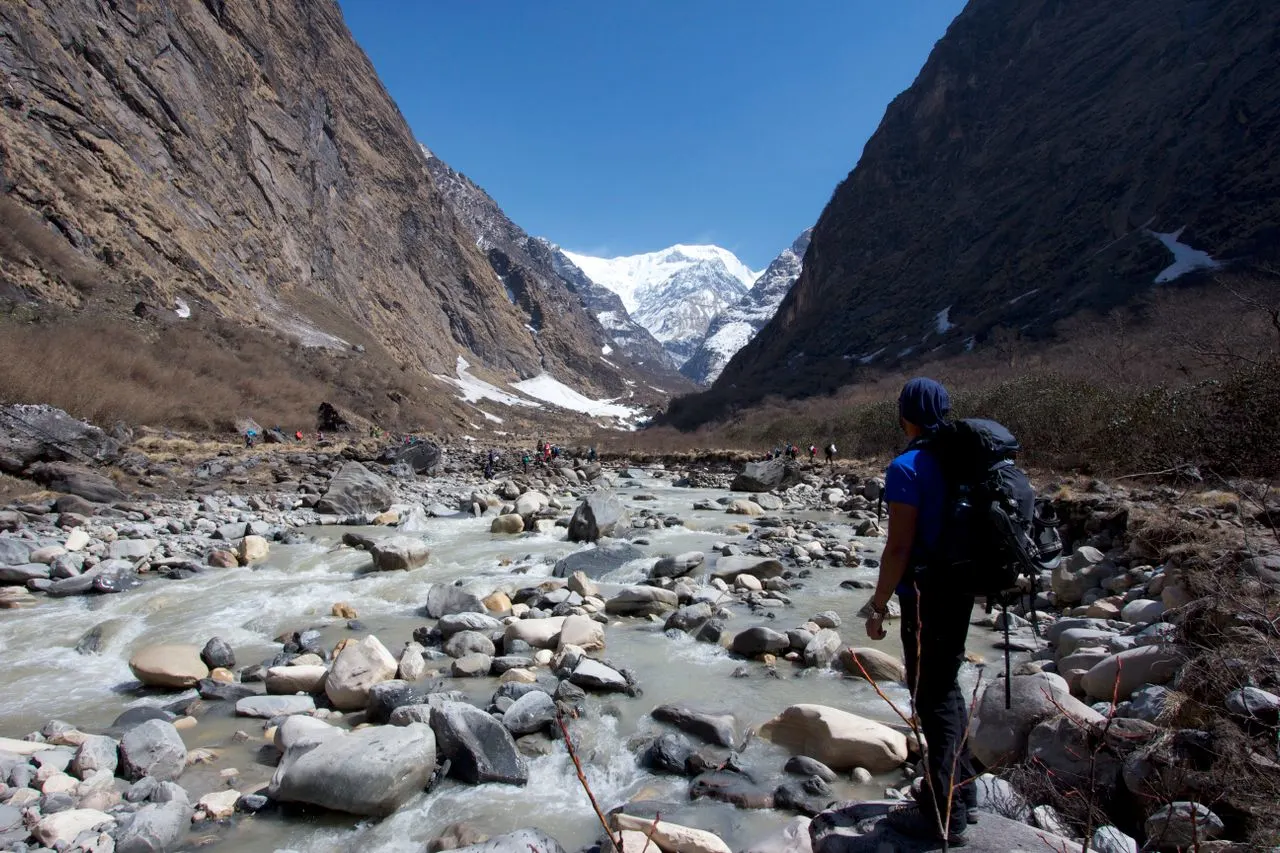
Barun Valley Nepal is one of the most remote trekking destinations in Nepal. Above Tashi Gaon, there are no roads, no lodges, no electricity, and no mobile phone signal.
The nearest hospital is in Kathmandu or Dharan, days away by foot and vehicle. Satellite communication devices are recommended for emergencies. This level of remoteness is part of what makes the valley special, but it also means that trekkers must be self-sufficient and prepared for the unexpected.
How Does Barun Valley Compare with Everest Base Camp?
Barun Valley Nepal and Everest Base Camp are fundamentally different experiences. The table below summarizes the key differences:
| Feature | Barun Valley / Makalu Trek | Everest Base Camp Trek |
|---|---|---|
| Location | Sankhuwasabha, eastern Nepal | Solukhumbu, eastern Nepal |
| Max altitude | ~4,870–5,000 m | 5,364 m (EBC), 5,545 m (Kala Patthar) |
| Duration | 17–22 days | 12–14 days |
| Accommodation | Camping above Tashi Gaon | Teahouses throughout |
| Crowds | Fewer than 500 trekkers/year | Tens of thousands/year |
| Difficulty | Strenuous | Moderate to challenging |
| Permits | Makalu-Barun NP + TIMS | Sagarmatha NP + TIMS |
| Best for | Experienced trekkers seeking solitude | First-time high-altitude trekkers |
If you want solitude and a genuine wilderness experience, Barun Valley Nepal is the better choice. If you want infrastructure, shorter duration, and more company on the trail, Everest Base Camp is more suitable.
How Does It Compare with Annapurna?
The Annapurna region is more developed than Barun Valley Nepal. The Annapurna Circuit and Annapurna Base Camp treks have extensive teahouse networks, shorter access times, and more trekkers. Annapurna is generally considered easier and more accessible.
Barun Valley Nepal is wilder, more remote, and more demanding. It is not a substitute for Annapurna; it is a different category of trek altogether.
Who Is the Barun Valley Trek Best Suited For?
Barun Valley Nepal is best suited for:
-
Experienced trekkers who have completed at least one high-altitude trek
-
Trekkers who are comfortable with camping and basic conditions
-
People who value solitude over convenience
-
Photographers and nature lovers interested in Himalayan biodiversity
-
Trekkers who want to see Makalu, one of the most beautiful 8,000-meter peaks, up close
It is not suitable for beginners, families with young children, or anyone who requires teahouse comfort and easy evacuation options.
What Should Trekkers Pack?
Packing for Barun Valley Nepal requires more equipment than a teahouse trek. Essential items include:
-
Layers: Base layer, insulating layer, waterproof shell
-
Footwear: Broken-in hiking boots, camp shoes
-
Sleeping system: Four-season sleeping bag, insulated sleeping pad
-
Camping gear: Tent (if trekking independently), headlamp, water purification
-
Altitude medication: Acetazolamide (consult a doctor)
-
First aid kit: Including blister care, pain relief, and antibiotics
-
Navigation: Map, compass, GPS device, satellite communicator
-
Sun protection: Sunglasses, sunscreen, lip balm
Is Barun Valley Worth Visiting?
Barun Valley Nepal is worth visiting for the right trekker. It offers a combination of wilderness, biodiversity, mountain scenery, and cultural depth that few other treks in Nepal can match. The absence of crowds is a feature, not a flaw.
But it is not an easy destination. It requires time, fitness, preparation, and a tolerance for discomfort. If you are looking for a comfortable, well-serviced trek, this is not it. If you are looking for one of the last true wilderness experiences in the Himalayas, Barun Valley Nepal may be exactly what you are looking for.
How Can Wonder Hikes Nepal Help Plan the Trek?
Wonder Hikes Nepal designs Barun Valley Nepal treks with a focus on safety, acclimatization, and responsible wilderness travel. Our itineraries include appropriate acclimatization days, experienced guides, and full camping logistics above Tashi Gaon.
We do not claim to have special access or secret routes. What we offer is careful planning, honest advice, and a team that understands the demands of this remote valley. If you are considering the Makalu Base Camp Trek or a dedicated Barun Valley Nepal itinerary, we can help you assess whether this trek is right for you and how to prepare for it.
You can learn more about our Makalu region treks and Everest Base Camp trek options on our website.
Barun Valley Nepal at a Glance
| Feature | Information |
|---|---|
| Location | Sankhuwasabha district, Koshi Province, eastern Nepal |
| Protected area | Makalu-Barun National Park (est. 1992) |
| Park size | 1,500 km² core + 830 km² buffer |
| River | Barun River (Barun Khola) |
| Highest point | Mount Makalu (8,485 m) |
| Trek max altitude | ~4,870–5,000 m (Makalu Base Camp) |
| Trek duration | 17–22 days |
| Difficulty | Strenuous |
| Accommodation | Teahouse to Tashi Gaon, camping above |
| Best season | March–May, September–November |
| Permits | Makalu-Barun NP entry + TIMS |
| Wildlife | Red panda, snow leopard, Himalayan black bear |
| Nearest access | Flight to Tumlingtar, drive to Num/Seduwa |
Frequently Asked Questions About Barun Valley Nepal
1. What is Barun Valley Nepal?
Barun Valley is a remote Himalayan valley in eastern Nepal, inside Makalu-Barun National Park, at the base of Mount Makalu. It is known for its wilderness, biodiversity, and the Makalu Base Camp Trek.
2. Where is Barun Valley located?
It is in the Sankhuwasabha district of Koshi Province, eastern Nepal, near the Tibet border. It lies entirely within Makalu-Barun National Park.
3. Is Barun Valley part of the Makalu Base Camp Trek?
Yes. The Barun Valley forms the core section of the standard Makalu Base Camp Trek route.
4. How difficult is the Barun Valley Trek?
It is rated strenuous. It requires solid fitness, prior high-altitude trekking experience, and comfort with camping and basic conditions.
5. How long does the Barun Valley Trek take?
Most treks take 17 to 22 days, including travel, acclimatization, and buffer days.
6. What is the maximum altitude on the trek?
Makalu Base Camp is the highest point, generally cited as between 4,870 and 5,000 meters.
7. What permits are required for Barun Valley?
A Makalu-Barun National Park entry permit (NPR 3,000 for foreigners) and a TIMS card (NPR 1,000–2,000).
8. What is the best time to visit Barun Valley?
Spring (March–May) and autumn (September–November) offer the most stable weather and best trail conditions.
9. Is Barun Valley suitable for beginners?
No. It is a remote, strenuous trek suitable for experienced trekkers only.
10. What wildlife can be seen in Barun Valley?
Red pandas, snow leopards (rarely), Himalayan black bears, musk deer, Himalayan tahr, and over 440 bird species.
11. Is there teahouse accommodation in Barun Valley?
Only up to Tashi Gaon. Above that village, camping is required.
12. How do I reach Barun Valley?
Fly from Kathmandu to Tumlingtar, drive to Num or Seduwa, then trek into the valley.
13. How does Barun Valley compare to Everest Base Camp?
Barun Valley is more remote, more difficult, longer, and sees far fewer trekkers. EBC is more accessible and has teahouse infrastructure.
14. Is Barun Valley safe?
It is safe with proper preparation, experienced guides, and good decision-making. The main risks are altitude, landslides, and river crossings.
15. Can I trek Barun Valley independently?
Technically yes, but it is not recommended. The logistics are complex, and a licensed guide is strongly advised.
A note on sources: This article draws on information from the Nepal Tourism Board, Makalu-Barun National Park official resources, the Prime Minister’s 2026 itinerary release, and established trekking industry sources . Where figures vary between sources—such as Makalu Base Camp‘s exact elevation—we have noted the discrepancy. Wonder Hikes Nepal has not fabricated first-hand experiences or guide testimonials. If you find errors, please let us know.