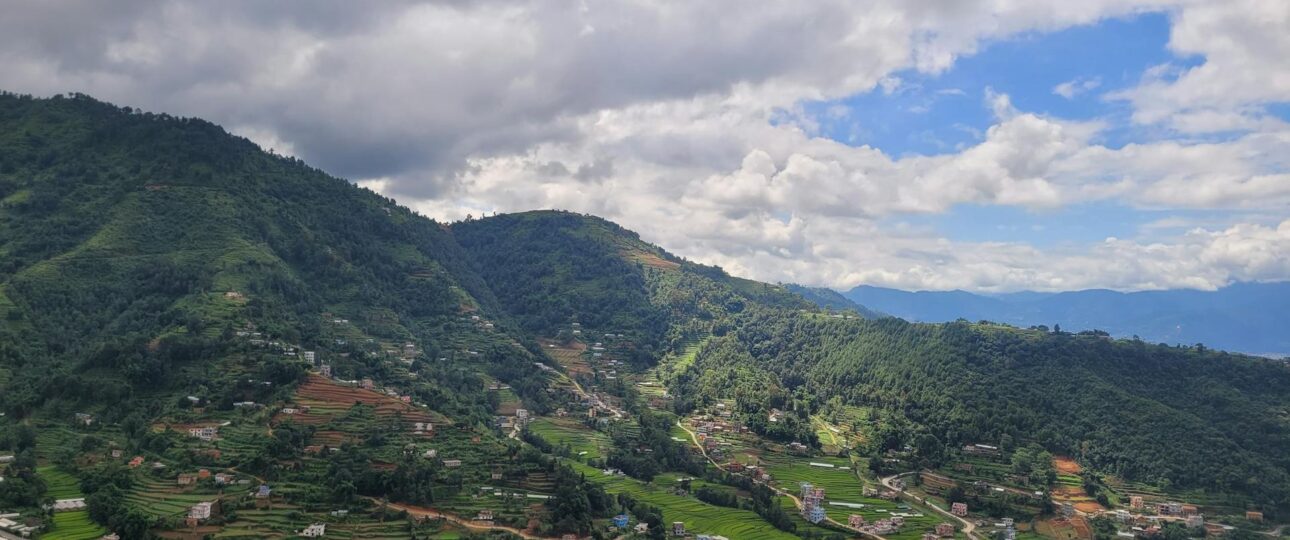
Introduction to Ruby Valley Trek Nepal
Ruby Valley Trek Nepal is a beautiful trekking route located between the Ganesh Himal and Langtang regions of Nepal. This peaceful trail takes you through traditional villages, green forests, open meadows, and mountain viewpoints. It is a great choice for travelers who want to explore a less busy part of the country and experience local culture up close.
Often known as one of the best offbeat treks Nepal offers, the route passes through communities of Tamang, Gurung, and other ethnic groups. Visitors can enjoy warm hospitality, local food, and stunning views of snow-capped peaks. The trek is also connected to the famous Ganesh Himal trek region, making it rich in natural beauty and cultural heritage.
The Ruby Valley Trek Nepal is perfect for trekkers looking for a peaceful and authentic Himalayan experience. In the following sections, we will explore the route, highlights, difficulty, and planning tips.
Where Is Ruby Valley Located?
Ruby Valley is located in central Nepal, between the Langtang National Park and the Ganesh Himal mountain range. The valley lies mainly within the Dhading and Rasuwa districts, north of Kathmandu. It is one of the most scenic and less explored trekking areas in the country, making it a popular choice for travelers seeking hidden trekking routes Nepal is known for.
The region stretches across beautiful hills, forests, rivers, and traditional mountain villages. Along the trail, trekkers can enjoy amazing views of Ganesh Himal, Langtang Himal, Manaslu, and other Himalayan peaks. The area is home to diverse ethnic communities, including Tamang, Gurung, and Dalit groups, who have preserved their unique culture and way of life for generations.
Ruby Valley earned its name from the ruby gemstones once found in the area. Today, it is better known for its natural beauty, rich culture, and peaceful trekking trails. As part of a growing community-based trekking Nepal initiative, local villages benefit directly from tourism, helping improve livelihoods while preserving local traditions.
Its location between major trekking regions makes Ruby Valley a special destination for travelers who want a quieter and more authentic Himalayan experience away from crowded routes.
Why Ruby Valley Is Nepal’s Best Hidden Trekking Route
Ruby Valley is one of Nepal’s most rewarding trekking destinations. It offers a rare combination of beautiful mountain scenery, rich local culture, and peaceful trails. For travelers searching for hidden trekking routes Nepal is famous for, Ruby Valley provides an authentic experience far from the busy trekking crowds.
Here are some reasons why Ruby Valley is considered a hidden gem:
- Peaceful and uncrowded trails – Unlike popular routes such as Everest Base Camp or Annapurna, Ruby Valley remains quiet, allowing trekkers to enjoy nature in a calm setting.
- Spectacular Himalayan views – The trail offers stunning panoramas of Ganesh Himal, Langtang Himal, Manaslu, and several other snow-covered peaks.
- Rich cultural experiences – Trekkers pass through traditional Tamang, Gurung, and other local villages where they can learn about local customs, food, and daily life.
- Beautiful natural attractions – The route includes forests, waterfalls, alpine meadows, rivers, natural hot springs, and scenic mountain passes.
- Authentic local hospitality – Many trekkers stay in community-run lodges and homestays, creating a more personal and meaningful travel experience.
As one of the finest less crowded treks in Nepal, Ruby Valley allows visitors to explore untouched landscapes and experience genuine village life. The region has not been heavily developed for tourism, helping it maintain its natural charm and cultural authenticity.
For trekkers seeking adventure, cultural discovery, and peaceful mountain trails, Nepal offers an unforgettable journey and a truly unique side of Nepal.
Ruby Valley Trek Itinerary Overview
The Ruby Valley Trek itinerary offers a wonderful mix of mountain scenery, local culture, and peaceful trails. Over seven days, trekkers travel through traditional villages, forests, high ridges, and beautiful viewpoints while enjoying views of the Ganesh Himal and Langtang ranges. This trek is ideal for those seeking a memorable adventure in a less-explored part of Nepal.
Day 1: Kathmandu to Syabrubesi
Drive from Kathmandu to Syabrubesi, the starting point of the trek. Enjoy scenic views of hills, rivers, and rural landscapes along the way.
Day 2: Syabrubesi to Gatlang
Begin trekking through forests and hillside paths to the traditional Tamang village of Gatlang.
Day 3: Gatlang to Somdang
Walk through terraced fields, forests, and mountain trails while enjoying beautiful Himalayan views.
Day 4: Somdang to Tipling
Cross scenic ridges and descend into charming villages surrounded by natural beauty.
Day 5: Tipling to Chalish Gaun
Trek through remote settlements and experience the rich culture of local communities.
Day 6: Chalish Gaun to Borang
Enjoy peaceful trails, forests, and panoramic mountain scenery on the way to Borang.
Day 7: Borang to Kathmandu
Drive back to Kathmandu after completing an unforgettable journey through the Ruby Valley region.
Plan your Ruby Valley Trek today — see the full 7-day Ruby Valley trek itinerary and price
Major Highlights of the Ruby Valley Trek
The Ruby Valley Trek is filled with unforgettable experiences that combine natural beauty, cultural discovery, and peaceful adventure. Located between the Ganesh Himal and Langtang regions, this trail offers a unique opportunity to explore one of Nepal’s most scenic and less-visited trekking areas.
Some of the major highlights of the trek include:
- Stunning Himalayan Views
Enjoy breathtaking panoramas of Ganesh Himal, Langtang Himal, Manaslu, and other snow-capped peaks throughout the journey. Many viewpoints along the trail provide excellent photo opportunities. - Authentic Mountain Villages
The trek passes through traditional Tamang and Gurung settlements where visitors can experience local lifestyles, customs, and hospitality. Villages such as Gatlang, Tipling, and Chalish Gaun offer a genuine cultural experience. - Beautiful Natural Landscapes
Walk through dense forests, terraced farmlands, alpine meadows, rivers, and waterfalls. The changing scenery keeps every day of the trek exciting and rewarding. - Natural Hot Springs
Along the route, trekkers can relax in natural hot springs, a perfect way to rest after a day of hiking. - Rich Cultural Heritage
The region is known for its unique traditions, local festivals, ancient monasteries, and traditional stone houses. These cultural elements add depth to the trekking experience. - Peaceful and Less Crowded Trails
As one of the most attractive offbeat treks Nepal offers, Ruby Valley provides a quiet and relaxing environment away from the busy trekking routes. - Community-Based Tourism Experience
The trek supports community-based trekking Nepal initiatives, allowing local families and villages to benefit directly from tourism while preserving their culture and environment.
Culture and Local Communities
One of the most rewarding parts of the Ruby Valley trek is the chance to experience the rich culture and warm hospitality of the local communities. The region is home to several ethnic groups, including the Tamang, Gurung, Ghale, and Dalit communities, each with its own traditions, language, and way of life.
As trekkers pass through villages such as Gatlang, Tipling, and Chalish Gaun, they can observe daily activities that have remained unchanged for generations. Farming, livestock raising, weaving, and traditional craftsmanship continue to play an important role in local livelihoods. Visitors are often welcomed with friendly smiles and traditional Nepalese hospitality.
The area is also known for its colorful festivals, cultural dances, and religious practices. Buddhist monasteries, prayer flags, chortens, and sacred sites can be seen throughout the trail, reflecting the strong spiritual heritage of the region.
Local food is another highlight of the journey. Trekkers can enjoy traditional meals prepared by local families while learning more about village life and customs.
These meaningful cultural encounters make the trek more than just a mountain adventure, offering a deeper understanding of Nepal’s diverse communities and heritage.
Trek Difficulty and Altitude
The Ruby Valley Trek is considered a moderate trek that is suitable for both first-time trekkers with good fitness and experienced hikers. While the trail does not involve technical climbing, it includes uphill and downhill sections that require stamina and regular walking experience.
For a clearer understanding, here are the key points about the trek’s difficulty and altitude:
- Moderate Difficulty Level
The trek is neither too easy nor extremely demanding. Most healthy and active travelers can complete the route with proper preparation and a steady pace. - Daily Walking Hours
Trekkers typically walk between 5 and 7 hours each day. The trail passes through forests, villages, ridges, farmland, and mountain landscapes. - Highest Point of the Trek
The highest elevation is Pangsang Pass (Pangsang La) at approximately 3,850 meters (12,631 feet). This viewpoint offers magnificent views of Ganesh Himal, Langtang, Manaslu, and other Himalayan peaks. - Altitude Considerations
Although the trek reaches a lower altitude than Everest Base Camp or Annapurna Circuit, it is still important to stay hydrated, walk at a comfortable pace, and allow your body time to adjust. - No Technical Skills Required
Special climbing equipment or mountaineering experience is not needed. Good walking shoes and basic trekking gear are usually sufficient.
Best Time for Ruby Valley Trek
The Ruby Valley Trek can be enjoyed throughout much of the year, but some seasons offer better weather, clearer mountain views, and more comfortable trekking conditions. Choosing the right season can greatly improve your overall trekking experience.
Here are the best times to visit Ruby Valley:
- Spring (March to May)
Spring is one of the most popular seasons for trekking in Ruby Valley. The weather is generally mild, and the hillsides are covered with colorful rhododendron flowers. Clear skies and pleasant temperatures provide excellent views of Ganesh Himal, Langtang, and Manaslu. - Autumn (September to November)
Autumn is widely considered the best trekking season in Nepal. After the monsoon rains, the air becomes fresh and visibility is excellent. The stable weather and clear mountain panoramas make this an ideal time for photography and trekking. - Winter (December to February)
Winter offers peaceful trails and beautiful mountain scenery. However, temperatures can be quite cold, especially at higher elevations. Trekkers should be prepared with warm clothing. - Monsoon (June to August)
Heavy rainfall can make trails muddy and slippery during the monsoon season. Clouds may also block mountain views. While the landscape becomes lush and green, trekking can be more challenging.
For the best combination of weather, scenery, and trail conditions, most trekkers choose spring or autumn.
Permits Required for Ruby Valley Trek
Before starting the Ruby Valley Trek, trekkers must obtain the necessary permits required by the Nepalese authorities. These permits help support conservation efforts, trail management, and local community development in the trekking region.
The main permits required for the trek include:
- TIMS Card (Trekkers’ Information Management System)
The TIMS card helps maintain trekking records and improves the safety and security of trekkers in Nepal. It is commonly required for many trekking routes across the country. - Langtang National Park Entry Permit
Parts of the Ruby Valley trekking route connect with areas near Langtang National Park. This permit helps fund conservation projects, wildlife protection, and park maintenance. - Local Area or Rural Municipality Fees (if applicable)
Depending on the specific route and local regulations, trekkers may need to pay additional local entry or community development fees.
It is always a good idea to check the latest permit requirements before traveling, as trekking regulations can change over time.
Most trekking agencies like our Travel Wonder Hikes can arrange the necessary permits on behalf of their clients, making the process simple and hassle-free.
Accommodation and Food on the Trail
The Ruby Valley Trek offers simple yet comfortable accommodation and food options that allow trekkers to experience authentic mountain hospitality. While the region is less developed than some of Nepal’s popular trekking areas, visitors can still find welcoming places to stay and enjoy nourishing meals throughout the journey.
Here is what trekkers can expect along the trail:
- Local Teahouses and Homestays
Most accommodation is provided by family-run teahouses and community homestays. Rooms are usually basic but clean, with twin beds, blankets, and shared bathroom facilities. - Warm Local Hospitality
One of the highlights of the trek is the opportunity to stay with local families and learn about their culture, traditions, and daily life. - Traditional Nepalese Meals
Dal Bhat, Nepal’s traditional meal of rice, lentil soup, vegetables, and pickles, is widely available. It is nutritious, filling, and popular among trekkers. - Other Food Options
Depending on the village, trekkers may also find noodles, fried rice, soups, potatoes, eggs, pancakes, tea, coffee, and simple snacks. - Freshly Prepared Food
Meals are typically cooked fresh using locally available ingredients, providing a genuine taste of rural Nepal.
Although facilities are modest, the friendly atmosphere, homemade food, and cultural experiences make accommodation and dining on the Ruby Valley Trek both enjoyable and memorable.
Essential Packing List and Tips for First-Timers
Packing wisely can make your Ruby Valley Trek safer, more comfortable, and more enjoyable. Since the trail passes through different elevations and weather conditions, it is important to bring the right gear without overpacking.
Essential Packing List
- Comfortable trekking boots with good grip and ankle support
- Lightweight backpack (30–40 liters) for daily essentials
- Warm jacket or fleece for chilly mornings and evenings
- Waterproof jacket and rain cover in case of unexpected rain
- Moisture-wicking shirts and trekking pants
- Thermal layers for higher elevations and colder nights
- Hat, sunglasses, and sunscreen for sun protection
- Reusable water bottle or hydration bladder
- Basic first-aid kit with personal medications
- Trekking poles for added balance on steep sections
- Headlamp or flashlight with extra batteries
- Power bank for charging electronic devices
- Personal toiletries and wet wipes
- Snacks and energy bars for long trekking days
Tips for First-Time Trekkers
- Start preparing early by doing regular walking, hiking, or light exercise before the trek.
- Pack light but smart to avoid carrying unnecessary weight.
- Stay hydrated and drink plenty of water throughout the trek.
- Walk at a steady pace rather than rushing, especially on uphill sections.
- Respect local customs and traditions when visiting villages and religious sites.
- Check weather conditions before your departure and pack accordingly.
- Travel with a guide or trusted agency if you are unfamiliar with the region.
With proper preparation and the right equipment, first-time trekkers can enjoy a safe, comfortable, and unforgettable Ruby Valley adventure.
Conclusion – Why Ruby Valley Trek Deserves More Attention
The Ruby Valley Trek Nepal is one of the country’s most underrated trekking adventures. Nestled between the Ganesh Himal and Langtang regions, it offers everything many travelers seek in a Himalayan journey—spectacular mountain views, rich cultural experiences, peaceful trails, and genuine local hospitality.
Unlike many crowded trekking routes, Ruby Valley provides a quieter and more authentic experience. Trekkers can walk through traditional villages, meet welcoming local communities, relax in natural surroundings, and enjoy breathtaking landscapes without the busy atmosphere found on more popular trails. This makes it an excellent choice for those interested in remote trekking Nepal and discovering places that remain largely untouched by mass tourism.
Another reason the trek deserves more recognition is its positive impact on local communities. Tourism in the region helps support village livelihoods while encouraging the preservation of cultural traditions and natural resources.
Whether you are a first-time trekker or an experienced hiker looking for a different adventure, Ruby Valley offers a rewarding blend of nature, culture, and exploration. Its beauty, authenticity, and peaceful environment make it a hidden gem in the Himalayas.
If you are planning your next trekking adventure in Nepal, Travel Wonder Hikes can help you organize a safe, memorable, and well-planned journey through the remarkable Ruby Valley region.
And if you are looking for a shorter alternative near Pokhara, you can also read our Dhampus Australian Camp Trek guide.