Langtang Village in 2026
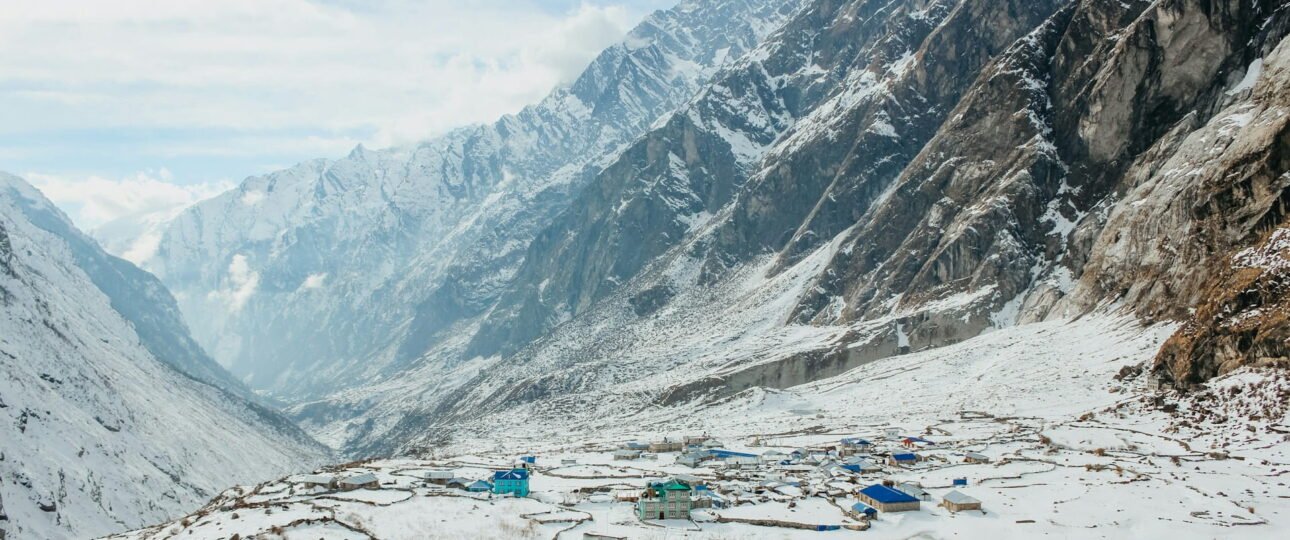
A lot of what’s written about Langtang village in other places is out of date. Sources describing a community “getting back on its feet” and lodges “being rebuilt” were accurate in 2017. The Langtang you will actually walk into in 2026 is a different place: the village has been completely rebuilt, the lodges are among the newest in Nepal, and in the last fiscal year more than 42,000 people trekked here, making it the country’s third busiest trekking region after Annapurna and Everest.
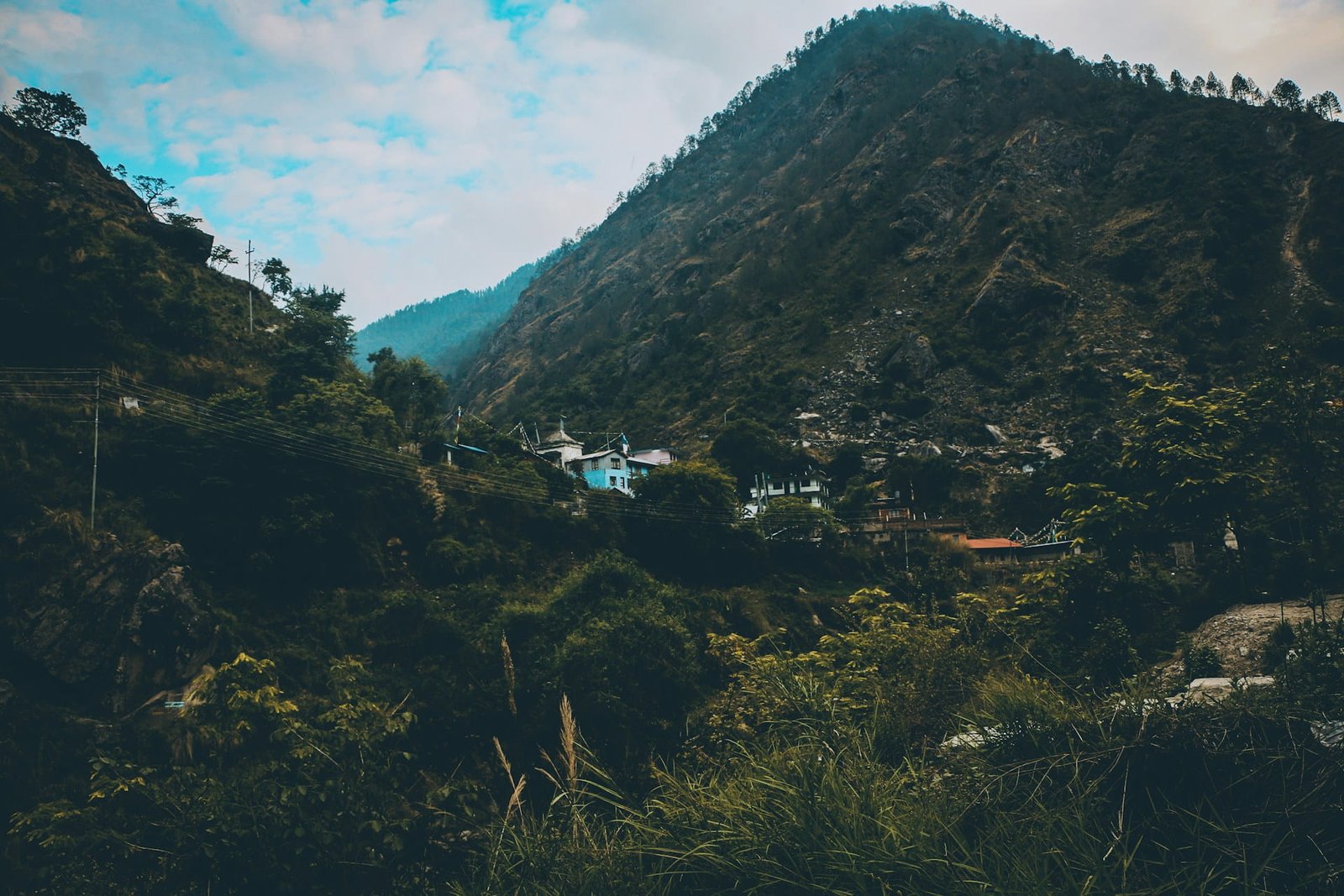
The rebuilt village is a remarkable thing to see — not in spite of its history, but because of it. Reconstruction successfully preserved cultural heritage while introducing earthquake-resistant structures, which means the place you arrive at is simultaneously a living Tamang community with centuries of mountain-Buddhist identity and a village that was physically reimagined from the ground up less than a decade ago. That layering — old culture in new buildings, grief alongside resilience — gives Langtang village a quality that no amount of infrastructure can produce artificially.
Rich in Tibetan Buddhist culture and inhabited by traditional Tamang people, the tranquil Langtang Valley extends a warm welcome to visitors. Arriving here after two days of walking from Syabrubesi, with Langtang Lirung’s 7,234 m north face filling the sky above the village, is a moment that trekkers consistently describe as the emotional core of the route — not Kyanjin Gompa, not Tserko Ri, but the simple arrival in a village that the mountain nearly erased and the people chose to rebuild.
Here is what to do with your time when you get there.
Top 5 Things to Do and See in Langtang Village
1. Walk the Earthquake Memorial and the Old Village Site
This is the single most important thing to do in Langtang village and the one most guides either skip or relegate to a sentence. It should come first.
Langtang Village at 3,430 m was one of the hardest-hit areas during the 2015 earthquake. A massive avalanche from Langtang Lirung buried the entire village under rock, ice, and snow. More than 300 lives were lost in the disaster, which included villagers, guides, and trekkers. Centuries-old monasteries, mani walls, and stone houses disappeared within moments.
The site of the original village is a short walk above the rebuilt settlement. What you find there is not a ruin in the conventional sense — there are no walls remaining to indicate where things once were. The scale of the avalanche was such that the debris field buried everything, and what you walk through now is a vast field of boulders, piled metres deep, from which fragments of carved stone and slate occasionally protrude. Today, there are only temporary settlements and an army post. This was once the teaming village of Langtang, with its many trekkers’ tea houses. Today the area is full of boulders, deprived of life after the 2015 earthquake.
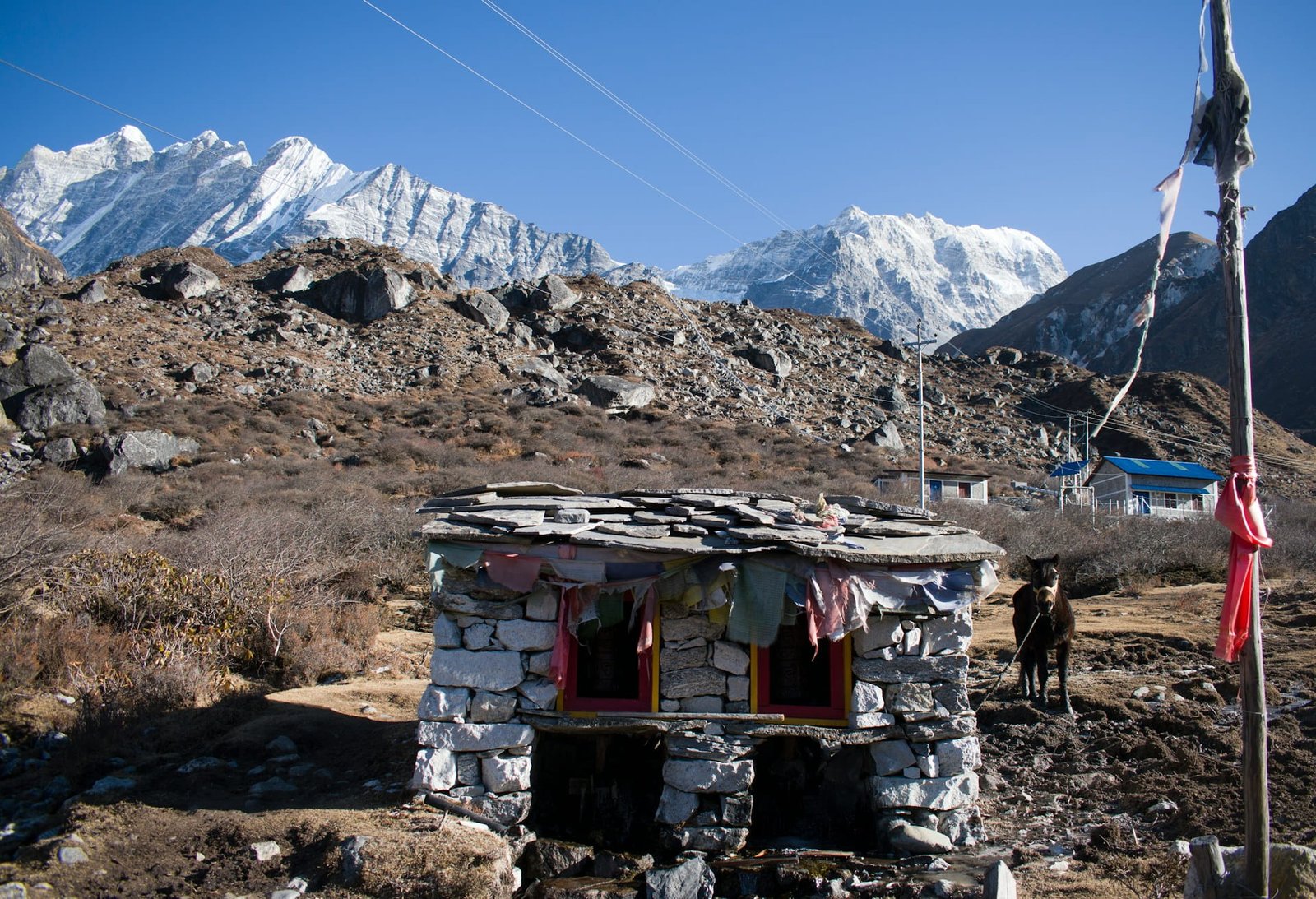
A small memorial — photographs, names, prayer flags, and some written tributes — has been established near the edge of the debris field. Take the time to stop here before continuing to Kyanjin. The memorial exists not as a tourist exhibit but as an active place of grief and remembrance for families who still live and work in the rebuilt village below. Approach it as you would any place of that kind — quietly, without hurry.
The walk to the old village site takes roughly 30-45 minutes from the new village and is worth doing in the early morning when the light on the boulder field and the peaks behind it is extraordinary and the site is quiet before other trekkers pass through.
2. Spend Time in the New Village — It Deserves More Than a Pass-Through
Langtang village is almost universally treated in trekking guides as a waypoint rather than a destination — the place you sleep before continuing to Kyanjin Gompa. This framing undersells what the village offers when you slow down enough to notice it.
The Langtang village thrives with a community health post, government schools, small markets, and monasteries. The Tamang people who rebuilt here did so in a place they chose to return to despite the risk — a fact that gives the community a particular intentionality that is palpable in how the village functions. Children in school uniforms, women carrying loads up the main lane, men tending yaks in the pastures at the edge of the village — the rhythms of a working mountain settlement carry on, and they’re worth observing.
The rebuilt lodges and teahouses are, as noted, among the newest in Nepal — modern construction with clean rooms, solar heating, and menus that comfortably cover everything from dal bhat to pasta. This is one context where “newest infrastructure in Nepal” is not a euphemism for something having been lost. It is simply accurate.
Walk the village’s main lane slowly. Find the local monastery and sit in its courtyard for a while. The prayer wheels along the outer wall are kept freshly painted and regularly turned. Mani walls carved with Buddhist mantras line the paths at the village’s edges — these are among the most beautifully maintained in the region, a deliberate act of cultural restoration following the avalanche.
If your itinerary has built in a rest or acclimatization day at Langtang village before pushing to Kyanjin, use it here rather than rushing on. The village at dusk, with cooking fires lit and the north face of Langtang Lirung catching the last light above it, is the defining Langtang image for many people who’ve completed this trek.
3. Walk the Yak Pastures at the Village Edge
Langtang village sits at the point where the valley floor widens into the first broad pasture area above the forest zone. The pastures extending north and east of the village — used seasonally by Tamang herders for yak grazing — are both visually extraordinary and practically easy to explore without a guide.
Yaks are a genuinely photogenic subject in this landscape, but they’re also working animals and should be given appropriate space. The herders move them between higher and lower pastures depending on season, and in autumn you’ll find them at their densest in the valley floor around Langtang village before the high pastures are vacated for winter.
The pasture walk also gives you the best lateral perspective on the village itself — looking back south toward the settlement with Langtang Lirung above it, you see the rebuilt village in its full context: a cluster of new stone and timber buildings at the base of one of the most dramatic mountain faces in the region.
You will be trekking inside the Langtang National Park, which is rich in biodiversity, with chances to spot rare red pandas, langur monkeys, Himalayan black bears, and over 250 bird species. The pasture and forest margins at Langtang village altitude are particularly good for birdwatching — the transition zone between the forest corridor below and the alpine grassland above concentrates bird activity, and early morning pasture walks regularly produce sightings of blood pheasant, Himalayan monal, and various thrush species.
4. Continue to Kyanjin Gompa — and Understand Why It’s a Separate Experience
This requires a clarification that most articles writing about “things to do in Langtang village” consistently skip: Kyanjin Gompa is not in Langtang village. It’s a separate settlement approximately 4-5 km further up the valley, at 3,870 m, and reaching it from Langtang village involves a further 2-3 hours of walking along the valley floor.
The reason this matters: most competitor articles about “Langtang village things to do” include “visit Kyanjin Gompa” as if it’s a short stroll from the teahouse. It isn’t. Kyanjin is a full half-day trek from Langtang village, involves meaningful altitude gain, and is typically an overnight stop in its own right on standard itineraries. Understanding this separation changes how you allocate your time between the two settlements.
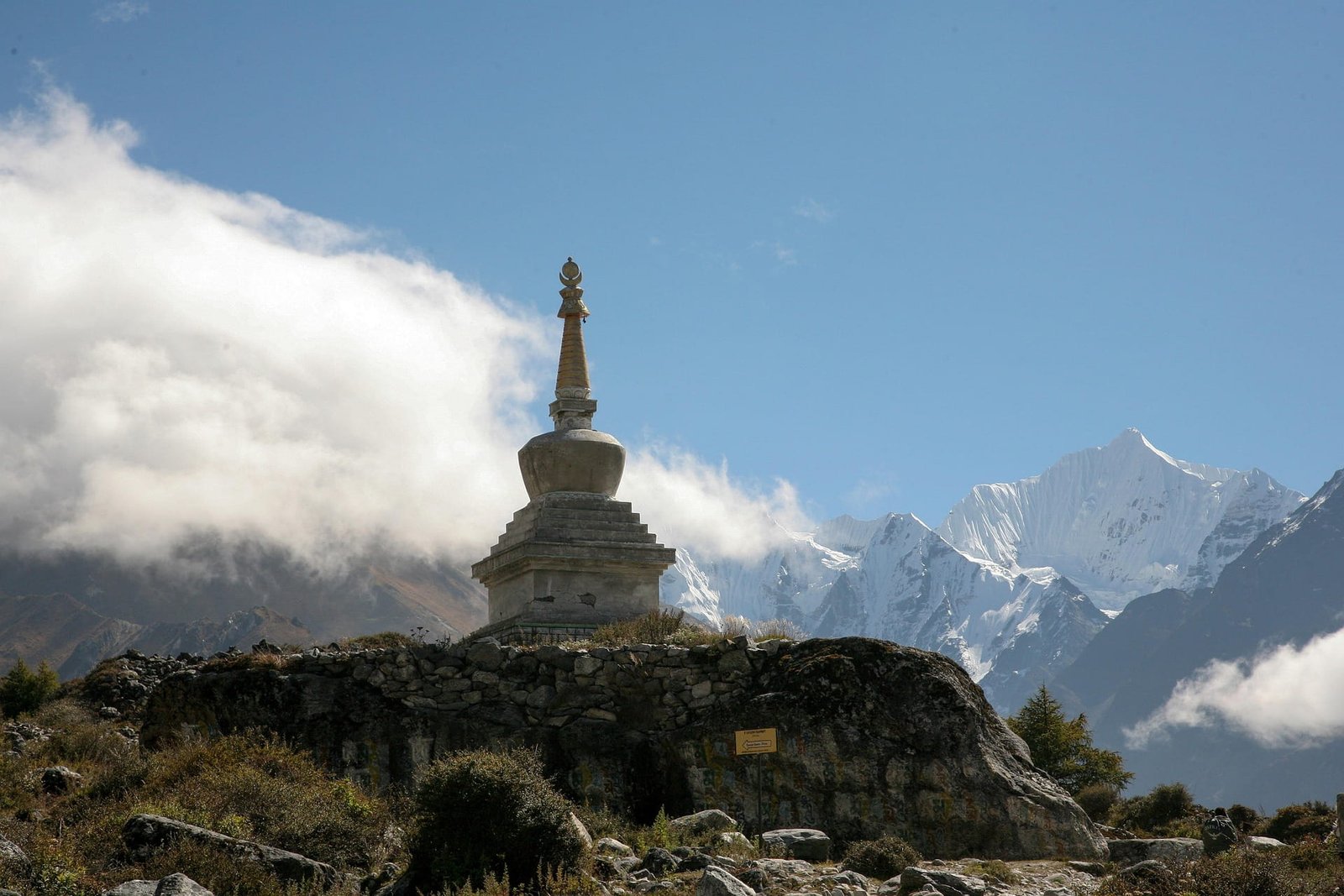
With that clarification made, Kyanjin Gompa is a primary destination in its own right and a genuinely different experience from the village below. From Langtang Village, you continue trekking to Kyanjin Gompa, the spiritual heart of the Langtang region. The trek to Kyanjin Gompa is relatively short but provides the best views of Langtang Lirung and the surrounding peaks. Along the way, you’ll cross high-altitude meadows, where you might spot yaks grazing, and small Buddhist stupas.
At Kyanjin, the central gompa (monastery) is an active Tibetan Buddhist religious site — monks are in residence, prayers are held in the early morning and evening, and the interior is accessible to respectful visitors. The monastery’s setting, with Gangchempo’s rock faces immediately behind it and the glacier tongue visible above, is among the most dramatically positioned in Nepal.
And Kyanjin’s cheese factory — a cooperative established with Swiss development assistance in 1955 and still producing yak-milk cheese using traditional methods — is one of the more genuinely unexpected experiences on any Nepal trek. The cheese itself (a firm, slightly sharp yak milk variety) is available for purchase and is excellent. The factory is a working operation, not a tourist demonstration, and visiting is a window into the valley’s economic history as much as its food culture.
5. Climb Kyanjin Ri or Tserko Ri for the Full Langtang Panorama
The two most accessible viewpoint climbs from the Kyanjin Gompa area are the definitive high-altitude experiences of the Langtang Valley route — and they represent genuinely different visual experiences despite being in the same vicinity.
Hike to the peaks of Kyanjin Ri at 4,773 m and Tserko Ri at 5,000 m, which provide you with the breathtaking 360-degree views of the Langtang Region, such as Langtang Lirung, Dorje Lakpa, Ganesh Himal, Yala Peak, and Shishapangma.
Kyanjin Ri is the shorter and more accessible of the two — a 2-3 hour climb from Kyanjin Gompa that rewards with a clear, wide panorama of the upper valley, including Langtang Lirung’s full profile and the first clear sight of the Tibetan plateau beyond the northern ridge. It’s achievable in a morning with a pre-dawn start for sunrise, and it’s the right choice for trekkers who want the viewpoint experience without pushing to 5,000 m.
Tserko Ri at 5,000 m is the more demanding option — a 4-5 hour return from Kyanjin with significant elevation gain and a summit that is genuinely above the threshold where altitude becomes a physiological factor. Climb Tserko Ri for its stunning scenic views. The panorama from here extends beyond the Langtang valley itself to include the Ganesh Himal range to the west, Dorje Lakpa to the southeast, and on exceptional days, the distant profile of peaks deep into Tibet. It is the most complete view of this entire region available from a non-technical summit.
Most trekkers with an 8-day itinerary allocate a rest/acclimatization day at Kyanjin and spend it climbing one of these two peaks in the morning. Tserko Ri in particular requires that acclimatization day at Kyanjin (3,870 m) before the push — attempting it on arrival after climbing from Langtang village is an altitude management risk that guides consistently advise against.
What to Know Before You Arrive at Langtang Village
- The guide requirement: Since the strict ban on free individual trekkers in Nepal’s protected areas began on April 1, 2025, all trekkers must hire a professional guide when trekking in the country’s protected areas. Langtang National Park falls under this mandate. This is enforced at permit checkpoints and is not optional.
- Cash: There are no ATMs beyond Syabrubesi. Carry enough cash for the entire trek. The rebuilt teahouses and lodges accept only cash; bring sufficient Nepali rupees from Kathmandu
- Altitude: Langtang village sits at 3,430 m — comfortably above the altitude where acclimatization becomes relevant. Most trekkers arrive here on their second or third day from Syabrubesi, which provides reasonable acclimatization, but gaining further elevation to Kyanjin (3,870 m) and the viewpoints above should be done gradually.
- The earthquake site: Approach the old village memorial thoughtfully. It is an active place of remembrance for community members who live in the rebuilt village you’re staying in. The appropriate stance is quiet respect rather than the lens-forward engagement you might bring to a scenic viewpoint.
Frequently Asked Questions about Langtang Village
- Is Langtang village fully rebuilt after the 2015 earthquake?
Yes. The new Langtang village was completely rebuilt in a safer location below the original site, with earthquake-resistant structures and modern lodge infrastructure. The rebuilt village is in full operation and is among the best-equipped trail communities in Nepal’s trekking corridors. - Is Kyanjin Gompa the same as Langtang village?
No — they are separate settlements approximately 4-5 km apart in the same valley. Langtang village sits at 3,430 m; Kyanjin Gompa is further up the valley at 3,870 m, about 2-3 hours of additional walking. Most itineraries include both as overnight stops. - What mountains can I see from Langtang village?
Langtang Lirung (7,234 m) dominates the view directly above the village — its north face is one of the most impressive mountain walls visible from any trail village in Nepal. Gangchempo, Langtang Ri, and Dorje Lakpa are also visible from higher points around the village. - How long should I spend at Langtang village?
An overnight stop is the minimum and is standard on most itineraries. A full extra rest day here before continuing to Kyanjin allows a more relaxed cultural experience, a proper visit to the earthquake memorial, and a better acclimatization profile before the altitude gains above. - Can I see red pandas near Langtang village?
Red pandas inhabit the forest zones below Langtang village — the bamboo and rhododendron forests between Syabrubesi and the treeline are better habitat than the open valley at village altitude. Sightings are genuinely possible but not reliably frequent; early morning is the best window. - Do I need a guide for the Langtang Valley Trek?
Yes. Since April 2025, all trekkers in Nepal’s protected areas — including Langtang National Park — are required to with a licensed guide from a registered agency. Independent trekking without a guide is not permitted. - What is the earthquake memorial at Langtang village?
A memorial stupa and remembrance site was built near the original village location to honor the roughly 300 people, including the majority of the village’s residents, who died when the 2015 earthquake triggered a massive avalanche that buried the old settlement. Many itineraries include a stop here as part of the rest day, giving trekkers context for the valley’s recent history before continuing upward. - What kind of food and lodging can I expect in Langtang village?
The rebuilt lodges offer a genuinely comfortable standard for a village at this altitude, with proper dining halls, reliable dal bhat and basic Western menu items, and warmer rooms than many other high-altitude villages provide. It’s a noticeable step up in comfort compared to older-style teahouses further up the valley toward Kyanjin Gompa. - Is Langtang Valley trek good for beginners?
Yes, it’s one of the more approachable moderate-altitude treks in Nepal, with a gradual elevation profile and shorter daily walking hours than routes like EBC or Annapurna Circuit. The main altitude test comes above Kyanjin Gompa on optional side trips, so trekkers can tailor difficulty by choosing whether to push higher. - What is the best time of year to visit Langtang village?
Autumn (September-November) and spring (March-May) are the strongest windows, with autumn offering the clearest views of Langtang Lirung and spring adding rhododendron bloom lower in the valley. Winter is passable at village altitude but conditions above Kyanjin can turn harsh with snow. - How does Langtang compare to Everest and Annapurna in terms of crowds?
Langtang sees noticeably fewer trekkers than either the Everest or Annapurna regions, partly a lingering effect of the earthquake’s impact on the trail’s reputation even a decade later. This makes it a strong choice for travelers who want Himalayan scenery on a similar scale without the trail congestion of the more famous routes. - Can I combine a Langtang village stay with other treks in the region?
Yes — the Tamang Heritage Trail and Gosaikunda lakes are both commonly combined with a Langtang Valley itinerary, since they share the same access point at Syabrubesi. A combined itinerary typically adds 3-5 days and offers a broader mix of cultural villages and high-altitude lake scenery beyond the core valley trek.