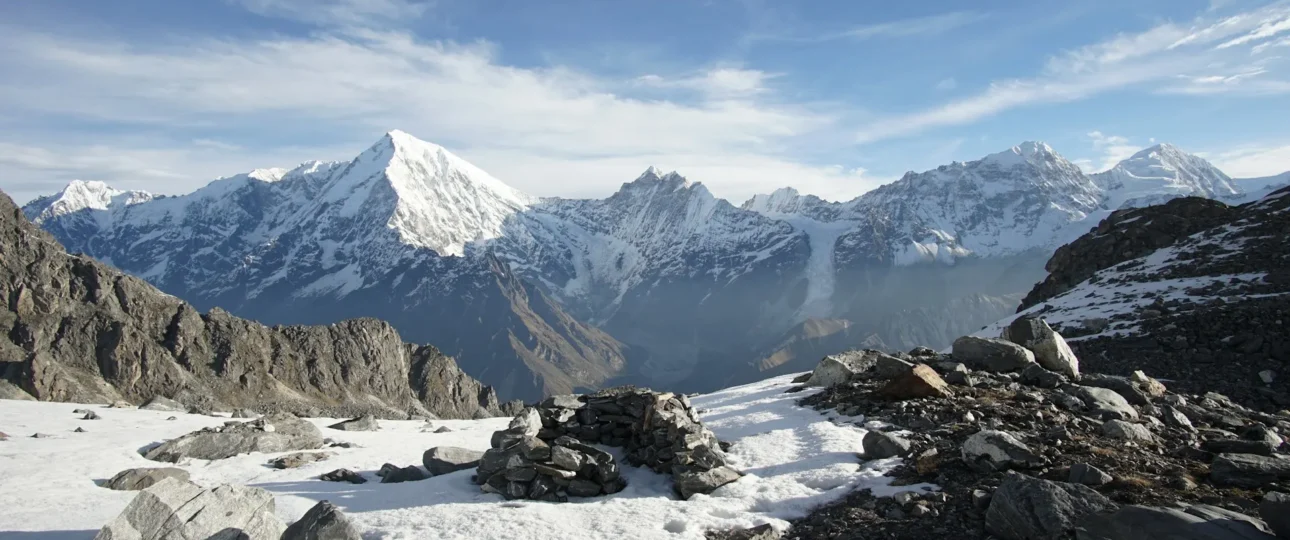
Where Will You Sleep on the Mardi Himal Trek?
The short answer: you sleep in basic teahouses — family-run lodges that offer a room, a bed, and a warm meal. But that simple answer hides a lot of variation.
The reality of Mardi Himal Trek accommodation changes dramatically as you climb. At lower elevations, you’ll find private rooms, hot showers (for a fee), and even Wi-Fi. At High Camp, you’ll be in a basic plywood room with shared bathrooms and cold water only — and you’ll be grateful for it because the views are extraordinary.
This guide tells you exactly what to expect at every stop, what facilities are available, how much things cost, and what questions to ask before you book.
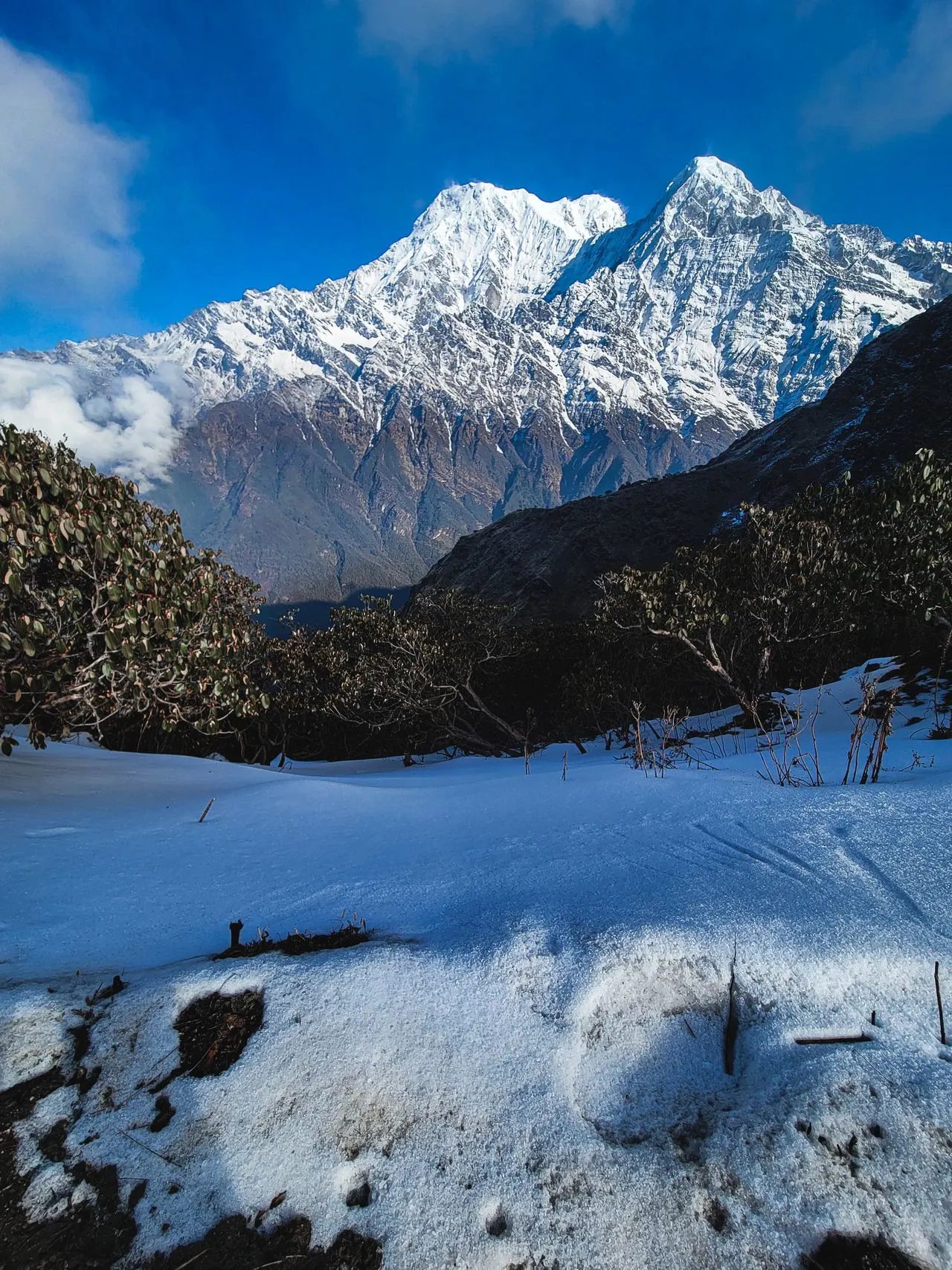
Mardi Himal Trek Accommodation at a Glance
| Location | Altitude | Room Type | Bathroom | Hot Shower | Wi-Fi | Charging |
|---|---|---|---|---|---|---|
| Kande / Australian Camp | ~2,060m | Private rooms | Shared/Attached | Yes (fee) | Limited | Limited |
| Pothana / Pitam Deurali | ~2,000m | Private rooms | Shared/Attached | Yes (fee) | Yes | Yes |
| Forest Camp | ~2,600m | Private/Basic | Shared | Yes (fee) | Limited | Yes (fee) |
| Low Camp | ~2,985m | Private/Basic | Shared | Usually (fee) | Limited | Yes (fee) |
| Badal Danda | ~3,210m | Private/Basic | Shared | Sometimes | Rare | Yes (fee) |
| High Camp | ~3,550-3,580m | Basic/Dorm | Shared | Cold only | Limited | Yes (fee) |
| Upper Viewpoint / Base Camp | ~4,500m | None | None | None | None | None |
| Siding | ~1,750m | Private rooms | Shared/Attached | Yes | Yes | Yes |
What Type of Accommodation Is Available?
The Mardi Himal Trek is a teahouse trek. This means you stay in locally-run lodges along the trail, not in hotels or camping (unless you book a specialized luxury version).
Teahouses are simple structures, usually built from local materials with plywood walls and corrugated metal roofs. They typically have:
-
Dining hall: A communal space where everyone eats meals together around a large table. This is the social heart of the teahouse — where you’ll warm up by the stove, share stories with other trekkers, and enjoy your dal bhat.
-
Sleeping rooms: Small rooms with twin beds (two single beds), a mattress, and sometimes a blanket. Rooms are basic — plywood walls, simple furnishings, and minimal insulation.
-
Shared bathrooms: Almost always shared, except at lower elevations where some lodges have attached bathrooms. Bathrooms are often Asian-style (squat toilets), though you’ll find Western-style toilets at some lodges.
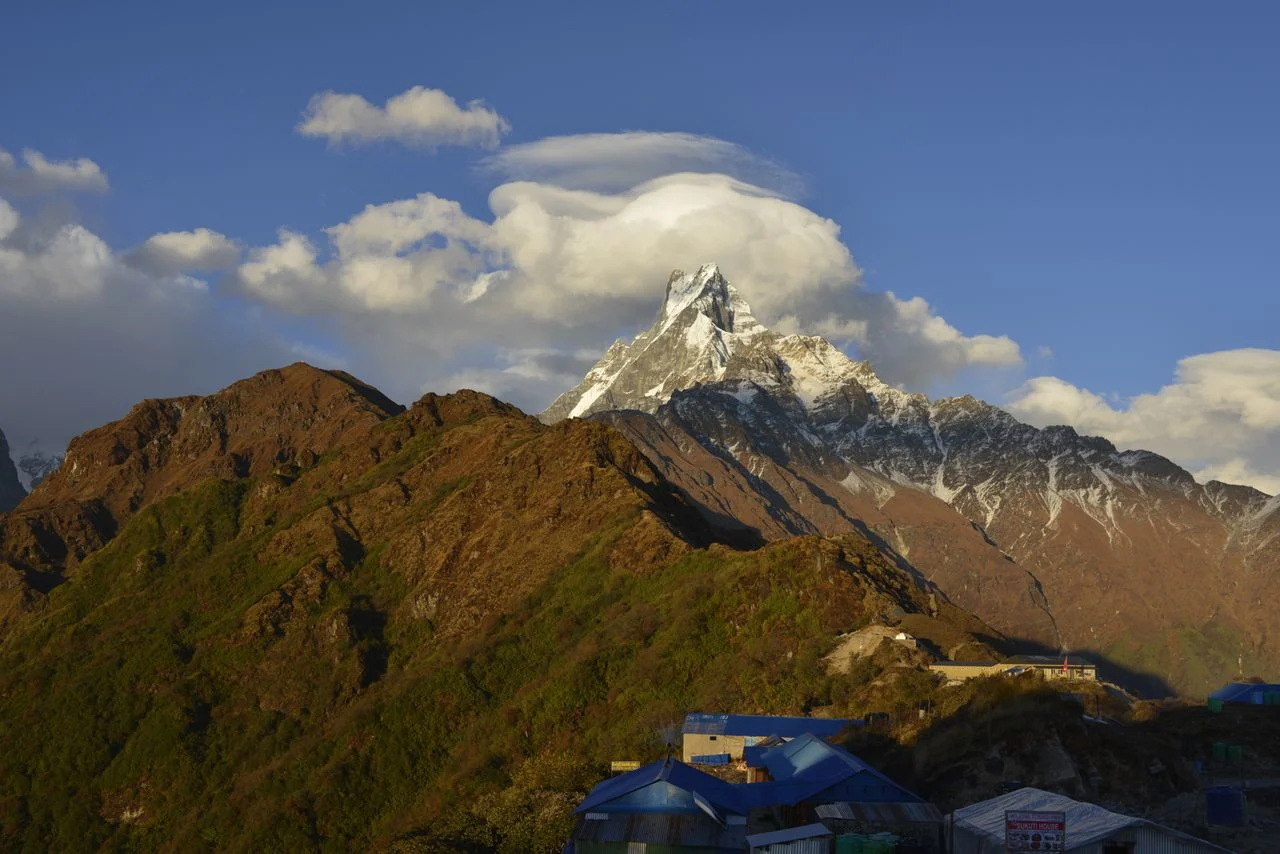
Important reality check: The higher you climb, the more basic the accommodation becomes. At High Camp (3,550-3,580m), rooms are plywood boxes with thin walls, shared bathrooms, and cold water only. This is the trade-off for sleeping on a ridge with 180-degree views of Machhapuchhre and Annapurna.
Mardi Himal Trek Accommodation by Trekking Stop
Kande / Australian Camp (~2,060m)
Kande is the starting point for most Mardi Himal itineraries. Australian Camp is a popular first-night stop for those who begin in the afternoon.
What to expect: Private rooms with comfortable beds. Hot showers are available for a fee (around NPR 200-400). Wi-Fi is limited but sometimes available. This is the most comfortable night of the trek.
Facilities: Private rooms, shared or attached bathrooms, hot showers, limited Wi-Fi, charging points.
Pothana / Pitam Deurali (~2,000-2,200m)
Some treks overnight here instead of Forest Camp. Pothana is the entry checkpoint for the Mardi Himal Trek and offers a few good teahouses with decent facilities.
What to expect: A pleasant village environment with private rooms and attached bathrooms available. Wi-Fi and hot showers are generally available. The atmosphere is lively, surrounded by lush green forest.
Facilities: Private rooms, attached bathrooms possible, hot showers, Wi-Fi.
Forest Camp (Kokar) (~2,600m)
Forest Camp is a small cluster of 3-4 teahouses in a forest clearing at the edge of the tree line. It’s the first proper overnight stop after leaving Kande.
What to expect: Basic but comfortable rooms. Teahouses here are built with local materials and traditional designs with steel roofs. Nights can be cold, especially in winter, but lodges are equipped to keep you warm.
Facilities: Private rooms, shared bathrooms, hot bucket showers (fee), limited Wi-Fi, charging (fee).
Cost: NPR 300-500 per night.
Number of teahouses: 3-4.
Low Camp (~2,985m)
Low Camp is a cluster of 4-5 teahouses at a forest clearing on the ridge. This is the first point where mountain views begin to emerge through the trees.
What to expect: A friendlier atmosphere at the teahouses, with great views of Machhapuchhre. Built with locally sourced materials, teahouses give a traditional vibe with modern amenities like Wi-Fi and hot showers.
Facilities: Private rooms, shared bathrooms, hot showers usually available (fee), limited Wi-Fi, charging (fee).
Cost: NPR 300-500 per night.
Number of teahouses: 4-5.
Badal Danda (~3,210m)
Some trekkers stop here instead of pushing directly from Low Camp to High Camp. This breaks up the day and provides better acclimatization.
What to expect: Similar to Low Camp, with basic rooms and mountain views. Facilities are slightly more limited due to the altitude.
Facilities: Private/basic rooms, shared bathrooms, hot showers sometimes available, charging (fee), limited Wi-Fi.
High Camp (~3,550-3,580m)
High Camp is the highest overnight stop on the Mardi Himal Trek. It’s a cluster of 6-8 teahouses on an exposed ridgeline with panoramic views.
What to expect: This is where accommodation becomes truly basic.
Rooms are plywood boxes with thin walls. Shared bathrooms with squat toilets and cold water only. No hot showers — water is freezing and showers at this altitude can be dangerous for your health. Blankets are provided but not always sufficient; a good sleeping bag is essential.
The dining hall is the warmest place in the teahouse. Here you’ll find a wood-burning stove, a large table for communal meals, and often a guitar for evening entertainment.
Facilities: Basic rooms (private or dorm), shared bathrooms (squat toilets), cold water only, limited Wi-Fi (solar-powered), charging (fee, solar).
Cost: NPR 400-600 per night.
Number of teahouses: 6-8.
Important: Heaven View Guesthouse is a popular option at High Camp with good reviews for its friendly hosts and delicious food. Hotel Trekkers Paradise is another well-reviewed option, with one trekkers describing it as “more than a hotel — it’s a home in the heart of the mountains”. However, as with all teahouses at this altitude, bathrooms are basic and bed sheets may have stains — a reality you have to accept at 3,500 meters.
Upper Viewpoint / Mardi Himal Base Camp (~4,500m)
There is NO accommodation at the Upper Viewpoint or Base Camp.
What you’ll find: maybe 1-2 tiny tea shops selling coffee and tea, but no rooms, no bathrooms, and no place to sleep. Trekkers visit the viewpoint for sunrise and then descend back to High Camp or continue down to Siding.
Why no accommodation? The altitude (4,500m) and extreme cold make permanent accommodation impractical. Oxygen is thin, and staying overnight at this altitude without proper acclimatization would be dangerous.
Distance from High Camp: 4 km each way (about 2-3 hours of walking).
Siding (~1,750m)
Siding is the village where most itineraries end. It’s a welcome return to civilization after the basic conditions at High Camp.
What to expect: Private rooms with comfortable beds. Hot showers, good Wi-Fi, charging, and better food options. You’ll feel like you’re back in the real world.
Facilities: Private rooms, attached bathrooms possible, hot showers, Wi-Fi, charging.
Facilities: What’s Actually Available?
Bathrooms
Bathroom facilities vary significantly by altitude:
| Location | Toilet Type | Privacy | Notes |
|---|---|---|---|
| Lower camps (Kande, Forest Camp, Low Camp) | Western & Squat | Shared or attached | Attached bathrooms available at some lodges |
| High Camp | Squat only | Shared | No attached bathrooms |
| Upper Viewpoint | None | N/A | No facilities |
| Siding | Western & Squat | Shared or attached | Returning to comfort |
Reality check: Most bathrooms along the route are Asian-style (squat) toilets. Western-style toilets are found at a few lodges in lower camps but are not guaranteed. All bathrooms above Forest Camp are shared.
Practical advice: Carry toilet paper and hand sanitizer. Toilet paper is not provided in teahouses. At High Camp, bathrooms are basic and cleanliness varies — this is just part of the experience at 3,500 meters.
Hot Showers
| Location | Availability | Cost | Notes |
|---|---|---|---|
| Kande / Australian Camp | Yes | NPR 200-400 | Best shower of the trek |
| Pothana / Pitam Deurali | Yes | NPR 200-400 | Private bathroom available |
| Forest Camp | Yes (bucket) | NPR 200-400 | Hot bucket showers |
| Low Camp | Usually | NPR 200-400 | Limited availability |
| High Camp | Cold only | N/A | No hot showers — water too cold and showers can be dangerous |
Reality check: Hot showers are available at lower elevations for a fee. At High Camp, there are no hot showers — the water is freezing cold, and taking a shower at 3,500m in cold water is not advisable.
Practical advice: Use wet wipes and a clean towel for body wiping. Consider washing your hair at lower camps. At High Camp, accept that you won’t shower — everyone else is in the same situation.
Wi-Fi and Internet
| Location | Wi-Fi Availability | Reliability | Cost |
|---|---|---|---|
| Kande / Australian Camp | Limited | Fair | Usually free or small fee |
| Pothana / Pitam Deurali | Yes | Good | Usually free |
| Forest Camp | Limited | Poor | Fee |
| Low Camp | Limited | Poor | Fee |
| High Camp | Limited | Unreliable | Fee |
Reality check: Wi-Fi is available at many teahouses but is not reliable above 3,000 meters. Teahouses at High Camp run on solar power, so internet connectivity is limited and depends on sunlight.
Practical advice: Carry a local Nepal SIM card (NCell or NTC) for better mobile data coverage, though even this is unreliable at higher altitudes. Download maps, guides, and entertainment before you leave Pokhara.
Electricity and Charging
| Location | Availability | Cost | Notes |
|---|---|---|---|
| Kande / Australian Camp | Yes | Free or small fee | Grid electricity |
| Forest Camp | Yes | NPR 200-300 | Charging fee |
| Low Camp | Yes | NPR 200-300 | Charging fee |
| High Camp | Yes (solar) | NPR 300-500 | Solar-powered; limited availability |
Reality check: Charging is available at most teahouses for a fee, but above 3,000 meters, electricity is often solar-powered and unreliable. On cloudy days, there may be no charging. One reviewer noted that at Hotel Trekkers Paradise, when lights went out, “he took everyone’s cellphone and went out to charge it in generator”.
Practical advice: Carry a high-capacity power bank (10,000mAh or more). This is your backup when solar power fails. If you’re carrying a camera, bring extra batteries.
Heating
Teahouses at higher elevations have dining halls with wood-burning stoves. These are the warmest places in the teahouse, and everyone gathers here in the evenings.
What you won’t find: Central heating, room heaters, or any form of climate control in sleeping rooms.
Practical advice: The dining hall is warm; your room is not. Spend evenings in the dining hall and dress warmly for sleep.
Blankets and Sleeping Bags
Teahouses provide blankets on the beds. However, at High Camp, blankets may be thin and insufficient, especially in winter.
What teahouses provide: A mattress, a pillow, and 1-2 blankets.
What you need: Your own sleeping bag rated to -10°C or lower. For luxury treks, companies provide premium sleeping bags.
Bed sheet note: Some trekkers report stained bed sheets at High Camp teahouses — a reality at 3,500 meters. Carrying a sleeping bag liner (silk or fleece) solves this problem.
Mardi Himal Trek Accommodation Costs
Room Rates (2026)
| Location | Cost (NPR) | Cost (USD) | Notes |
|---|---|---|---|
| Lower camps (Forest Camp, Low Camp) | 300-500 | ~$2-4 | Basic rooms |
| High Camp | 400-600 | ~$3-5 | Basic rooms; higher demand |
| Siding | 500-800 | ~$4-6 | Better quality |
| Teahouses (general) | 1,500-2,500 | $10-20 | Varies by season and room type |
Important: Room rates are often included in organized trekking packages. If you’re trekking independently, you pay per night at each teahouse.
Price variation: Costs can increase by 20-30% during peak season (spring and autumn).
Additional Facility Costs
| Service | Cost (NPR) | Cost (USD) | Notes |
|---|---|---|---|
| Hot shower | 200-400 | ~$2-3 | Lower camps only |
| Charging devices | 200-500 | ~$2-4 | Per device; higher at High Camp |
| Wi-Fi | Free-200 | ~$0-2 | Unreliable at higher altitudes |
| Drinking water (bottled) | 100-500 | ~$1-4 | Increases with altitude |
What’s Included in a Trekking Package?
When you book through a trekking company like Wonder Hikes Nepal, your package typically includes:
-
Accommodation in teahouses (twin-sharing rooms)
-
Three meals per day (breakfast, lunch, dinner)
-
Tea/coffee (often included with meals)
-
Guide and porter services
-
Transport to and from trailhead
What’s NOT included in most packages:
-
Hot showers (extra fee)
-
Charging devices (extra fee)
-
Wi-Fi (extra fee if available)
-
Alcoholic drinks
-
Snacks and bottled water
-
Tips for guide and porter
Luxury Options: What If You Want More Comfort?
For trekkers who want more than basic teahouse accommodation, luxury versions of the Mardi Himal Trek are available.
What luxury often includes:
-
Private teahouse rooms (not shared)
-
Premium sleeping bags (-20°C) with silk liners
-
Dedicated cook team preparing fresh, multi-course meals (not reheated teahouse noodles)
-
Portable hot water for washing
-
Down jackets, thermal layers, and hot water bottles
-
Pulse-oximeter and satellite communication
-
For the highest comfort: luxury mobile tented camps at High Camp with heated sleeping tents, en-suite toilet tents, and dining marquee
Cost range: $2,000-3,500 per person, significantly more than standard treks.
The trade-off: Even with luxury services, the teahouses at High Camp are still basic. The luxury comes from what you bring — not from the buildings.
Booking: Do You Need to Reserve in Advance?
Peak season (spring: March-May; autumn: October-November): Yes.
In peak season, accommodation at High Camp can fill up 2-3 days in advance. Trekkers should book their teahouses ahead of time or book through an agency that handles arrangements.
Off-peak (monsoon: June-September; winter: December-February): Less crowded; booking is easier and room rates drop 20-30%.
Practical advice:
-
If trekking independently in peak season, contact teahouses in advance via phone or WhatsApp to reserve rooms.
-
If booking through an agency, the agency will handle all accommodation arrangements.
-
Always have a backup plan — some teahouses may be full even with advance notice.
What to Pack for Teahouse Accommodation
Based on the realities of Mardi Himal Trek accommodation, here’s what you need:
Essential Items
| Item | Why You Need It |
|---|---|
| Sleeping bag (-10°C or lower) | Teahouse blankets are thin; essential at High Camp |
| Sleeping bag liner | Provides extra warmth and keeps you away from stained sheets |
| Trekking poles | Essential for the descent from High Camp to Siding |
| Power bank (10,000mAh+) | Charging is unreliable at higher altitudes |
| Head torch with extra batteries | Rooms have no lighting; essential for early morning starts |
| Wet wipes / body wipes | Showers aren’t always available; for hygiene when showering isn’t possible |
| Hand sanitizer | Shared bathrooms; no soap provided |
| Toilet paper | Not provided in teahouse bathrooms |
| Earplugs | Thin walls; noisy teahouses |
| Dry bag / stuff sacks | Keeps gear dry and organized |
| Water purification tablets | Boiled water is available but tablets are a backup |
Solo Trekkers and Private Rooms
Private rooms are available at most teahouses on the Mardi Himal Trek, especially at lower elevations.
Availability by location:
| Location | Private Rooms | Cost Difference |
|---|---|---|
| Kande / Australian Camp | Yes | +NPR 200-400 |
| Pothana / Pitam Deurali | Yes | +NPR 200-400 |
| Forest Camp | Usually | +NPR 200-300 |
| Low Camp | Usually | +NPR 200-300 |
| High Camp | Limited | +NPR 200-400 |
| Siding | Yes | +NPR 300-500 |
For solo trekkers: Private rooms are available but in higher demand. At High Camp, private rooms are limited and may be reserved for groups. Request your preference through your agency or ask at the teahouse upon arrival. One solo female reviewer noted feeling “very safe and comfortable” at Heaven View Guesthouse.
Frequently Asked Questions about Mardi Himal Trek Accommodation
1. What type of accommodation is available on Mardi Himal Trek?
Teahouses — family-run lodges with basic rooms, shared bathrooms, and a communal dining hall. Rooms are simple, with plywood walls, beds, and sometimes blankets.
2. Where do you sleep on Mardi Himal Trek?
At teahouses along the route: Forest Camp, Low Camp, Badal Danda, High Camp, and Siding. There is no accommodation at Upper Viewpoint or Base Camp.
3. Are there teahouses on Mardi Himal Trek?
Yes. The Mardi Himal Trek is a teahouse trek with 3-8 teahouses at each overnight stop.
4. Is accommodation included in Mardi Himal Trek packages?
Yes. Most organized trekking packages include teahouse accommodation (twin-sharing rooms) as part of the package.
5. How much does accommodation cost?
NPR 300-500 per night at lower camps, NPR 400-600 at High Camp, and $10-20 per night generally depending on season and room type.
6. Can I get a private room?
Yes, at most teahouses, especially at lower elevations. Private rooms are more limited at High Camp.
7. Are bathrooms shared?
Most bathrooms along the route are shared. Attached bathrooms are available at some lodges in lower camps but are rare at High Camp.
8. Are hot showers available?
At lower camps (Kande, Forest Camp, Low Camp) — yes, for a fee. At High Camp — no. Only cold water is available.
9. Is Wi-Fi available?
At lower camps — limited but available. At High Camp — limited and unreliable, powered by solar. Not available at Upper Viewpoint.
10. Is electricity available for charging?
Yes, at most teahouses for a fee. Charging is powered by solar at High Camp and can be unreliable on cloudy days.
11. Do teahouses provide blankets?
Yes, teahouses provide blankets but they are often thin. At High Camp, blankets may be insufficient, especially in winter.
12. Do I need a sleeping bag?
Yes. Bring a sleeping bag rated to -10°C or lower. You will need it at High Camp.
13. Is there accommodation at Mardi Himal Base Camp?
No. There is no accommodation at Upper Viewpoint or Base Camp. Trekkers visit the viewpoint and descend back to High Camp or Siding.
14. What is High Camp accommodation like?
Basic — plywood rooms, thin walls, shared bathrooms (squat toilets), cold water only, limited solar Wi-Fi and charging. Night temperatures drop to freezing.
15. Should I book accommodation in advance?
In peak season (spring and autumn), yes — High Camp can fill up 2-3 days in advance. Off-season, booking is easier.
The Honest Reality of Mardi Himal Trek Accommodation: What to Expect
The Mardi Himal Trek offers basic but comfortable teahouse accommodation. Here’s the honest picture:
The good: The teahouses are clean (by local standards), the hosts are friendly, the food is warm and filling, and the dining hall provides a great communal atmosphere where you’ll meet trekkers from around the world.
The reality: At High Camp, rooms are plywood boxes with thin walls. Shared bathrooms are squat toilets with no hot water. Blankets are thin. Wi-Fi is slow and unreliable. This is not luxury — and anyone who tells you otherwise hasn’t stayed there.
The trade-off: You’re sleeping at 3,580m on a ridge with 180-degree views of Machhapuchhre and Annapurna. The sunrise from the viewpoint is extraordinary. That’s why trekkers come — not for the rooms, but for the ridgeline and the clouds below.
Wonder Hikes Nepal: Transparent Accommodation, Realistic Expectations
Wonder Hikes Nepal plans Mardi Himal treks with full transparency about accommodation. We tell you exactly what to expect at each teahouse — because knowing the realities of accommodation in teahouses ahead of time is the best way to enjoy the experience.
We handle all teahouse bookings, provide clear information on what’s included and what costs extra, and prepare you for the conditions at High Camp. Our packages include teahouse accommodation, meals, permits, and licensed guides — everything you need for a safe and enjoyable trek.
Book your 2026 Mardi Himal Trek with Wonder Hikes Nepal and experience the Mardi Himal ridge with local expertise, safety, and realistic expectations.