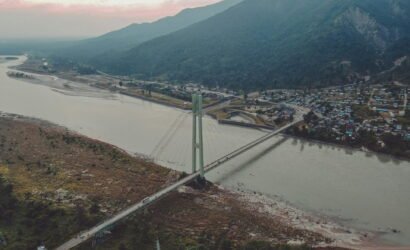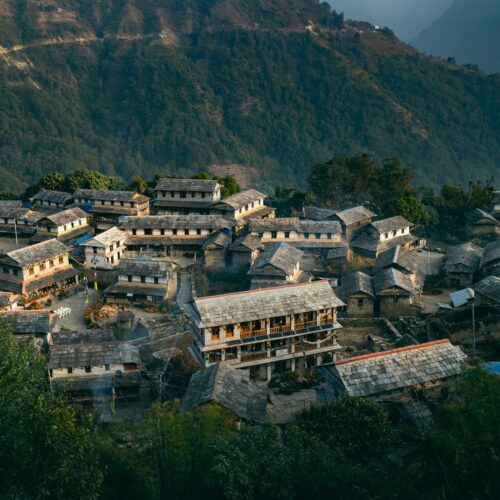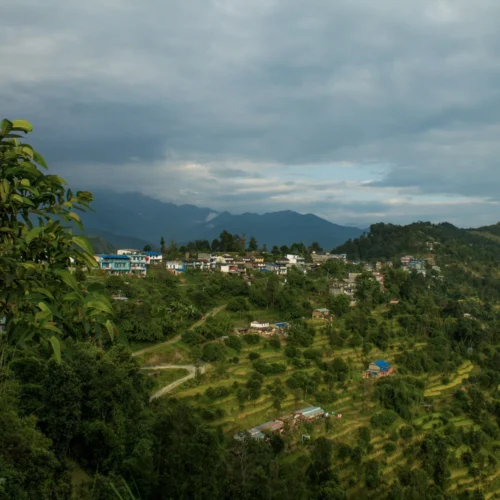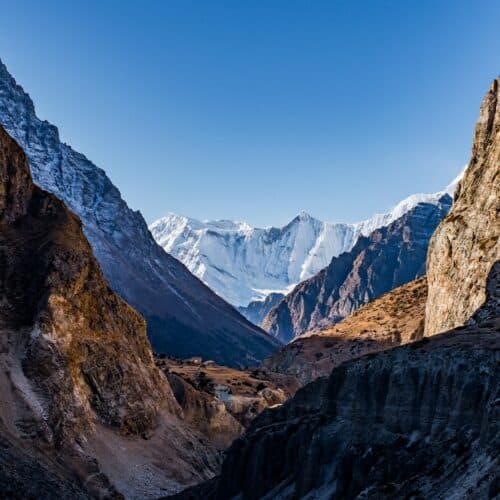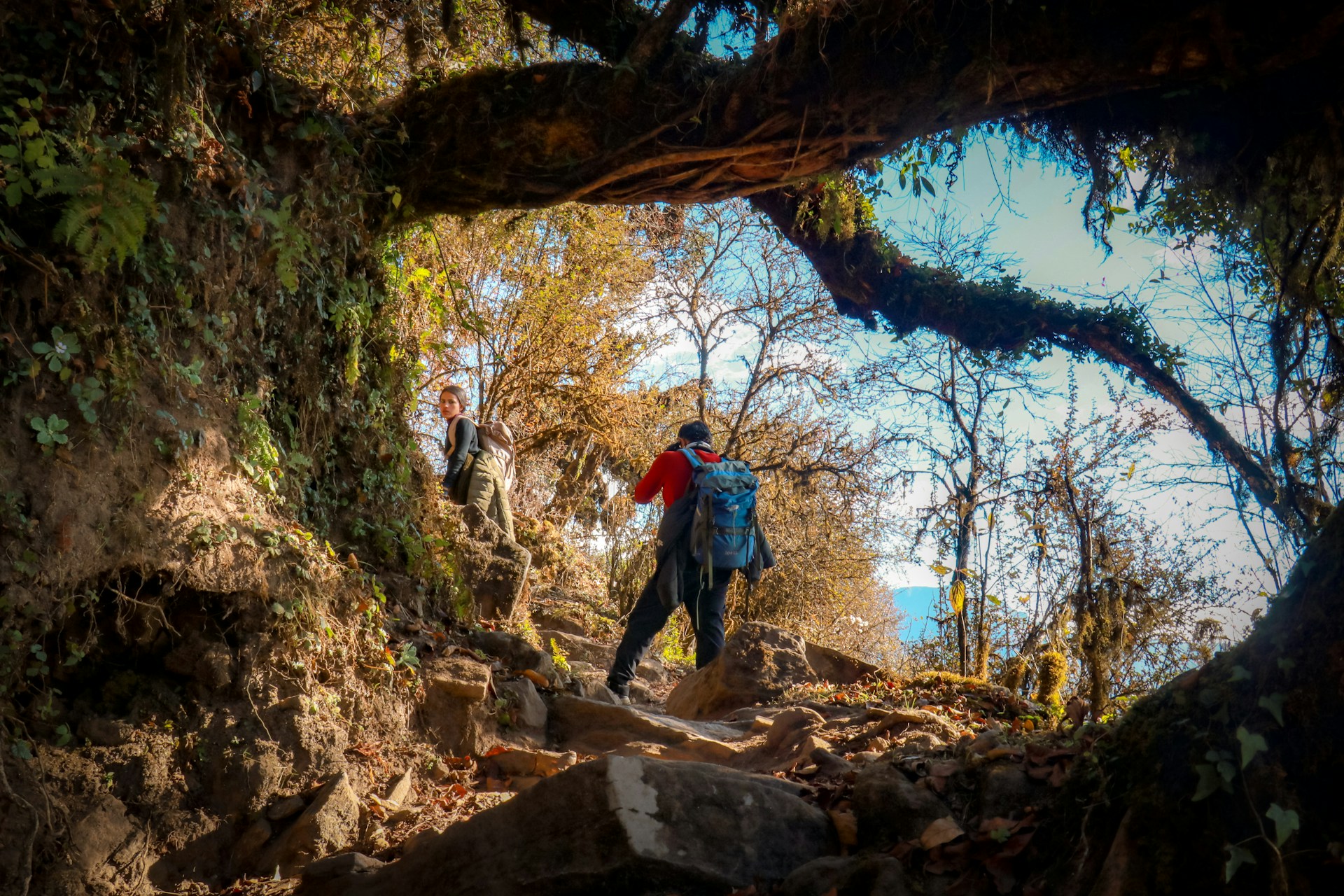
We started guiding on the Mardi Himal trail in 2014, back when there were only three teahouses above Forest Camp, no signage, and you’d see maybe two other trekkers the entire day. Today it’s Nepal’s fastest-growing short trek, and for good reason. The ridge walk above 3,500 meters delivers a Himalayan panorama—Machhapuchhre, Annapurna South, Hiunchuli—so close you feel you could touch the snow. It does all this in five days without the crowds of Annapurna Base Camp or the brutal stone steps of Poon Hill. This page is built from 2,100+ successful Mardi Himal treks. It answers every planning question, strips away the marketing fluff, and gives you the exact information you need to decide if this trek is right for you and to book with absolute clarity.
Quick Facts
| Detail | Information |
|---|---|
| Duration | 5 days (Pokhara to Pokhara) |
| Total Trek Distance | Approx. 40 km |
| Maximum Altitude | 4,500 m (Mardi Himal Base Camp) or 4,200 m (Upper Viewpoint) |
| Difficulty | Moderate (high altitude but short stages) |
| Walking Hours per Day | 4–7 hours |
| Accommodation | Teahouse lodges (basic but comfortable) |
| Meals | Full board on trek |
| Best Season | October–November, March–May |
| Start/End Point | Pokhara – drive to Kande, return via Siding or Lumre |
| Transport | Private jeep to trailhead and back |
| Permits Required | ACAP and TIMS (if applicable) |
| Group Size | Private trek (1–10) |
| Guide | Licensed English-speaking trekking guide |
| Price (per person, 2 pax) | $395 (all-inclusive except personal expenses) |
Trek Overview: Why Mardi Himal Became Nepal’s Hottest Short Trek
For years, the Annapurna Sanctuary was the go-to trek for a one-week Himalayan experience. But its 4,130-meter amphitheater is now so popular that the lodges fill days in advance and the trail can feel like a queue in peak season. Mardi Himal, opened to teahouse trekking only after 2012, is its quiet, more intimate sibling. It climbs a narrow, forested spur of the Machhapuchhre massif, breaking above treeline onto a grassy ridge that feels like a spine of the earth. To your left, the Annapurna South wall rises abruptly; to your right, the iconic fishtail peak of Machhapuchhre looms so close its seracs crack and echo across the valley.
The trailhead starts just an hour’s drive from Pokhara. From Kande (1,770 m), the path ascends through a dense rhododendron and oak forest that thins as you climb. You emerge at around 2,900 meters onto a breezy ridge that becomes the defining feature of the trek. For the next two days, you walk this ridgeline, with views that expand with every step. It’s a photographer’s dream: the layered blue ridges of the middle hills, the snowy giants of the Annapurna massif, and in spring, the understory blazing with pink and red rhododendron blooms.
Who is this trek for? Trekkers who have maybe done Poon Hill or Ghandruk and want a taste of high altitude without a multi-week commitment. People with only 5 days but who crave a summit-like experience. Couples, solo travelers, small friend groups, and photographers who want the Annapurna panorama from a unique, uncrowded vantage point. It’s also ideal for those who find the idea of trekking on a glacier or dealing with technical terrain intimidating—Mardi Himal has none of that. It’s a walking trail the entire way, with a few steep sections that require strong knees, not mountaineering skills.
What makes it different from Annapurna Base Camp? ABC involves deeper valleys, a longer approach, and at least 7–8 days. Mardi Himal compresses the altitude gain into 5 days. You miss the 360-degree bowl of the sanctuary, but you gain an uninterrupted view of Machhapuchhre’s south face, which you don’t see from ABC. The Mardi trail is also far less trafficked—even today, you’ll encounter a fraction of the number of trekkers on the ABC route. That means quieter teahouses and a more solitary experience above 3,500 meters.
What makes it different from Poon Hill? Poon Hill reaches 3,210 meters, but it’s all stone steps and can be extremely crowded. Mardi Himal goes higher, feels wilder, and the reward-to-effort ratio is far greater. You earn a true alpine ridge walk without the physical punishment of thousands of steps.
Why Book This Package With Himalayan Soul Adventures
Many agencies sell Mardi Himal as a fixed-departure group trek, subcontracting to freelance guides they’ve never vetted. That model works until something goes wrong—a delayed porter, a guide who doesn’t speak English, a lodge that’s overbooked. We’ve built our reputation on direct operational control and transparent, fair pricing. Here’s what that means on the ground.
1. Local team, local knowledge. Our Pokhara office is staffed entirely by people who grew up in the Annapurna foothills. The lead guide on this route, Dawa Sherpa, has summited the Mardi Himal peak (5,587 m) twice and knows the ridge trail in every season. He can tell you which side of the ridge the snow will be melting, which teahouse bakes fresh bread, and the exact spot where the Himalayan monal feeds at dawn. That depth can’t be learned from a guidebook.
2. Private, fully customized itinerary. We don’t put you on a bus with 15 strangers. You decide the start date, the pace, and the small details—if you want to spend an extra hour at Badal Danda photographing the cloud inversion, we do that. If you’d rather push to High Camp on day three instead of the standard two-stage climb, we’ll adjust. Your guide is your trip partner, not a human schedule-keeper.
3. Transparent pricing. Our $395 price (for 2 persons) includes private transport from Pokhara, all meals on the trek, ACAP and TIMS permits, a licensed guide, and lodging. You won’t find a “hidden” permit fee or a surprise transport surcharge. Some agencies advertise $299 but then charge separately for permits ($30), transport ($60), and meals ($70–80). Our final price is always lower when you add up the real costs.
4. Safety infrastructure that matches the altitude. Mardi Himal isn’t extreme, but High Camp sits at 3,550 meters and the day hike to Base Camp touches 4,500 m. Altitude sickness is a real possibility. Our guides carry pulse oximeters, a medical-grade oxygen cylinder, and a satellite phone. They check your oxygen saturation and heart rate twice daily above 3,000 meters and are trained to recognize early AMS symptoms. We also hold a standing helicopter evacuation agreement, so if something serious happens, you’re not waiting for a random operator.
5. Teahouse pre-booking in peak season. In October and November, High Camp and Low Camp lodges fill. We secure rooms months in advance through our direct relationships with the owners. You won’t arrive at 3,550 meters exhausted and find you have to sleep in the dining room on a bench—it’s happened to independent trekkers, and we make sure it never happens to our guests.
6. Responsible tourism embedded in operations. We pay our guides and porters above the industry standard, provide them with proper gear and insurance, and never overload porters. We also fund a reforestation project in the Mardi Himal area, planting native oak and rhododendron saplings each year. When you trek with us, you’re directly contributing to that.
Detailed Day-by-Day Itinerary
This is the standard 5-day Mardi Himal Trek itinerary. It’s paced for proper acclimatization and maximum enjoyment. We can compress it to 4 days if you’re short on time, but we recommend against it unless you’re already well acclimatized.
Day 1 – Pokhara to Forest Camp (2,500 m) via Kande and Australian Camp
Drive: 1 hour from Pokhara to Kande (1,770 m).
Trekking time: 5–6 hours
Distance: 11 km
Altitude gain: 1,770 m to 2,500 m
Terrain: Stone steps through forest, gradual uphill
We leave Pokhara after breakfast, drive past Sarangkot, and reach the village of Kande. The trail starts immediately with a set of stone steps. This is the steepest section of the entire trek, but it’s short—about an hour—and it brings you to Australian Camp (2,060 m), a grassy saddle with a teahouse and a view of the Annapurnas that makes a fine first rest stop. From here, the path levels off and enters the cool shade of a mixed forest of oak, maple, and rhododendron. The ground is carpeted with ferns, and in spring the canopy is a riot of red blossoms.
You’ll stop for lunch at Pothana (1,950 m), a small settlement with a few lodges. After lunch, the trail continues gently upward, crossing small streams on wooden bridges. The forest thickens, the air grows noticeably cooler, and the sound of the highway below disappears. You reach Forest Camp (also called Kokar) in the late afternoon. It’s a cluster of three lodges nestled among towering trees. This is the quietest night of the trek—few trekkers stay here, most push on to Low Camp, but that would mean a 7–8 hour first day, which we consider poor pacing. Sleeping at 2,500 meters gives your body a gentle altitude introduction.
Meals: Lunch at Pothana, dinner at Forest Camp.
Overnight: Teahouse at Forest Camp.
Day 2 – Forest Camp to Low Camp (2,970 m)
Trekking time: 3–4 hours
Distance: 5 km
Altitude gain: 2,500 m to 2,970 m
Terrain: Steep forest trail, muddy in places
A shorter day by design—this gives your body a second night of moderate altitude before the big push to High Camp. The trail climbs steeply through the last of the oak forest. The trees begin to shrink in size; you’ll see more birch and juniper. The undergrowth opens up, and you start catching glimpses of the ridge ahead. About two hours in, you break out of the treeline onto a shoulder where the first close-up view of Machhapuchhre’s south face stops you in your tracks. It’s a sheer wall of ice and rock, so near you can make out individual crevasses.
Low Camp is a small collection of lodges perched right on the ridge. The afternoon is free. You can sit in the dining room with a cup of tea and watch clouds build and dissolve around the peaks. This is also the first night the temperature drops significantly—bring your down jacket to dinner.
Meals: Breakfast at Forest Camp, lunch and dinner at Low Camp.
Overnight: Teahouse at Low Camp.
Day 3 – Low Camp to High Camp (3,550 m) via Badal Danda
Trekking time: 4–5 hours
Distance: 6 km
Altitude gain: 2,970 m to 3,550 m
Terrain: Open ridge, rocky path, exposure to wind
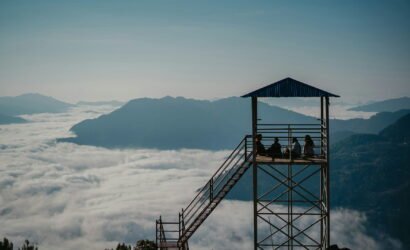
This is the most photogenic day. The trail follows the grassy ridge, dipping and rising, with 270-degree views that expand with every meter of elevation. About halfway, you reach Badal Danda (3,300 m), meaning “cloud hill.” On clear mornings, a sea of clouds often fills the valley below while the peaks stand stark above—one of the most surreal sights in the Annapurna region. Stop here for a rest and take photos; the light is perfect mid-morning.
Above Badal Danda, the terrain becomes more alpine: low juniper bushes, scattered rocks, a few patches of snow in late autumn. The air is thin, and you’ll feel the altitude in your breath. High Camp appears suddenly on a wide shelf, its brightly painted blue-roofed lodges visible from a distance. You’ll arrive by early afternoon, giving you time to rest and acclimatize before the next day’s predawn start.
At High Camp, you’re above the treeline. The lodge is basic—think plywood walls, communal dining, and the best mountain view from a toilet window anywhere in Nepal. The temperature drops well below freezing at night. The dining room stove is the social center. Eat a large dinner, drink plenty of water, and get to bed early.
Meals: Breakfast at Low Camp, lunch and dinner at High Camp.
Overnight: Teahouse at High Camp.
Day 4 – High Camp to Upper Viewpoint (4,200 m) or Base Camp (4,500 m), then descend to Low Camp
Wake-up: 4:00 a.m. for sunrise.
Trekking time: 2–3 hours to Upper Viewpoint, another 1.5 hours to Base Camp; total descent 4–5 hours.
Altitude: High Camp 3,550 m → Upper Viewpoint 4,200 m → (optionally) Mardi Himal Base Camp 4,500 m → descend to Low Camp 2,970 m.
Terrain: Narrow ridge, rocky, possible snow
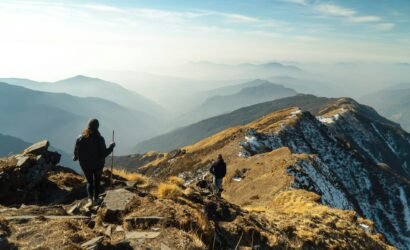
This is the day that defines the trek. Your guide wakes you in the dark, and with headlamps on, you set out along the narrowing ridge. The trail is a dirt path that becomes a rocky spine in places, with steep drops on both sides—not dangerous, but you need to watch your footing. The first light catches the tip of Machhapuchhre, turning it a deep orange, then gold. By the time you reach the Upper Viewpoint (4,200 m), the sun is up and the entire Annapurna range is bathed in morning light.
For most trekkers, the Upper Viewpoint is the climax. You get an unobstructed panorama: Annapurna South, Hiunchuli, Machhapuchhre, and the deep green valleys below. If you’re feeling strong and the weather is stable, you can continue another 1.5 hours to Mardi Himal Base Camp at 4,500 meters. This section is rougher, with loose scree and possible snow patches. The Base Camp isn’t a camp—just a flat area with prayer flags and a view that extends into the Sanctuary. Your guide will assess your energy and the conditions; if it’s safe, we go, if not, we don’t push. The descent is always to Low Camp for a safer sleeping altitude. Most people are back at High Camp for a late breakfast, then continue down to Low Camp.
Meals: Early breakfast at High Camp, lunch on the trail, dinner at Low Camp.
Overnight: Teahouse at Low Camp.
Day 5 – Low Camp to Siding (1,200 m) and drive to Pokhara
Trekking time: 4–5 hours
Distance: 10 km
Descent: 2,970 m to 1,200 m
Terrain: Steep downhill through villages
Instead of returning the same way, we take the less-traveled eastern route via Siding village. This path drops quickly through terraced fields and small Gurung settlements. It’s a knee-pounding descent, so trekking poles are invaluable. You’ll pass water buffalo, kids walking to school, and farmers harvesting millet. It’s a different cultural window—less trekker infrastructure, more authentic rural life. The trail ends at the village of Siding, where our jeep waits. The drive back to Pokhara takes about 2 hours. You’ll be at your hotel by early afternoon, with a hot shower and a cold drink in hand.
Meals: Breakfast at Low Camp, lunch in Siding or Pokhara (not included).
Overnight: Your hotel in Pokhara.
Accommodation on the Mardi Himal Trek
Lodges along the Mardi Himal route are newer than those on the Annapurna Circuit, but they’re still basic. Rooms are twin-share with foam mattresses, pillows, and blankets. At Forest Camp and Low Camp, some lodges have attached bathrooms with solar-heated showers, but not all—we pre-book the best available. High Camp has shared facilities only; there’s no running water in the rooms, but the toilet block is clean and maintained. The dining rooms are heated by a central stove in the evening. Electricity is from solar panels, so charging a phone costs a small fee (NPR 200–300). We provide a sleeping bag liner for hygiene, but the blankets are heavy and warm. The experience is authentic teahouse trekking: not luxurious, but comfortable and welcoming.
Meals and Food Safety
Menus are standardized across teahouses. You’ll find dal bhat (rice, lentil soup, vegetable curry, pickle), various noodle soups, momos, fried rice, pasta, and Tibetan bread. The higher you go, the simpler the menu becomes. At High Camp, fresh vegetables are limited—you’ll eat a lot of potatoes, cabbage, and eggs. We strongly recommend sticking to vegetarian meals above 3,000 meters, as meat may not be stored at safe temperatures. All our lodges use filtered or boiled water for cooking. We also provide purification tablets for drinking water. Tap water is not safe to drink; use refillable bottles and fill them with treated water at the lodge. Tea and coffee are always boiled, so they’re fine. We’ve had zero food-related illnesses on this route in our 2,100+ treks, thanks to careful lodge selection and dietary advice.
Transportation
Our package includes private transport in a comfortable 4WD jeep or car. The Pokhara–Kande drive is on a paved road and takes about an hour. The return from Siding involves a winding dirt road for the first 30 minutes, then a sealed highway back to Pokhara. We use the same vehicles for airport transfers. If you’re coming from Kathmandu, we can arrange the tourist bus ($25) or flight ($105) to Pokhara and back—just ask.
Permits for Mardi Himal
Two permits are required:
- Annapurna Conservation Area Permit (ACAP): NPR 3,000 (~$25) for foreign nationals. This goes toward conservation and community projects in the Annapurna region. Obtainable in Kathmandu or Pokhara.
- TIMS (Trekkers’ Information Management System) Card: NPR 2,000 for individual trekkers or NPR 1,000 for groups (as of 2026, the rules are stable but can change—we’ll handle it). The TIMS card is for your safety, tracking your entry and exit from the trail.
We handle all permit paperwork. You need to provide a digital copy of your passport and two passport-sized photos. We submit the documents before you arrive, so you just show up and trek. The fees are included in the package.
Difficulty: How Hard Is Mardi Himal Compared to Other Treks?
Mardi Himal is moderate. The daily distances are short, but the altitude makes it challenging. If you can comfortably walk 6 hours in the hills, you can do it. Here’s how it stacks against popular treks:
| Trek | Max Altitude | Days | Key Challenge |
|---|---|---|---|
| Mardi Himal | 4,500 m | 5 | Altitude on day 4, steep descents |
| Poon Hill | 3,210 m | 3–4 | Thousands of stone steps |
| Ghandruk | 2,012 m | 3 | Mild, short |
| Annapurna Base Camp | 4,130 m | 7–9 | Long approach, altitude |
| Everest Base Camp | 5,545 m | 12–14 | Extreme altitude, long days |
| Langtang Valley | 3,870 m | 6–7 | Moderate altitude, landslide recovery |
Mardi Himal’s difficulty is the high overnight at High Camp (3,550 m) and the summit day push above 4,200 m. If you’ve never been above 3,000 m, you’ll feel the altitude. But because the trek is short and well-paced, the overall physical demand is less than ABC or EBC. The steep descent to Siding is tough on knees—trekking poles are non-negotiable here.
Fitness and Training
You don’t need to be an athlete, but you do need a base level of cardiovascular fitness. We recommend a simple 6-week preparation: walk on hilly terrain or a treadmill with incline for 45–60 minutes, three times a week, while wearing the shoes and daypack you’ll use. Add some leg strength work—lunges, squats, and calf raises—to condition your knees for the descent. If you’re over 50 or have any health issues, consult your doctor, but many of our trekkers are in their 60s and complete the trek without issue by training sensibly.
Altitude and Acclimatization
High Camp at 3,550 m is the highest sleeping altitude. The day hike to Upper Viewpoint reaches 4,200 m, and optional Base Camp touches 4,500 m. Acute Mountain Sickness (AMS) can affect anyone above 2,500 m. Symptoms include headache, nausea, dizziness, and loss of appetite. Our itinerary is designed to minimize risk: we sleep at progressively higher altitudes (2,500 m → 2,970 m → 3,550 m) and stay only one night at High Camp. The guide monitors your oxygen saturation and pulse daily. If you develop moderate to severe AMS, the protocol is immediate descent—Low Camp is only 1.5 hours down from High Camp, and jeep access from Siding is quick. This rapid descent capability makes Mardi Himal safer than more remote treks.
Hydration is your best defense. Drink at least 3 liters of water per day. Avoid alcohol and sleeping tablets at altitude. We also provide Diamox (acetazolamide) in our medical kit as a backup, but its use is a personal choice—discuss with your doctor beforehand.
Weather and Best Time to Trek
Mardi Himal, being south of the main Himalayan crest, gets more moisture than the rain-shadow areas. The best months mirror the typical Annapurna seasons.
| Month | Day Temp (Low Camp) | Night Temp (High Camp) | Rain | Mountain Views | Recommendation |
|---|---|---|---|---|---|
| Jan | 8–15°C | -8 to -2°C | Low | Clear but cold | Possible, cold |
| Feb | 10–17°C | -5 to 0°C | Low | Very good | Good, fewer people |
| Mar | 14–22°C | -2 to 5°C | Occasional showers | Excellent, rhododendron bloom | Excellent |
| Apr | 16–24°C | 2 to 8°C | Pre-monsoon build-up | Good, cloud in afternoon | Very good |
| May | 18–26°C | 5 to 10°C | Increasing | Hazy, but manageable | Good, hot |
| Jun | 20–27°C | 10 to 15°C | Monsoon onset | Poor | Not recommended |
| Jul–Aug | 20–26°C | 10 to 15°C | Heavy rain, leeches | Very poor | Avoid |
| Sep | 18–24°C | 8 to 12°C | Post-monsoon clearing | Improving | Good from mid-month |
| Oct | 14–20°C | 0 to 5°C | Low | Crisp, perfect | Best month |
| Nov | 10–17°C | -5 to 2°C | Very low | Crystal clear | Excellent |
| Dec | 8–14°C | -8 to -2°C | Low | Clear, cold | Cold but doable |
Best window: The six weeks from mid-October to end of November, and March to mid-April. Spring offers rhododendrons; autumn offers the cleanest air. We operate year-round except during monsoon (mid-June to early September), when the trail is slippery, leeches are a nuisance, and mountains are often hidden.
Packing List – What to Bring for Mardi Himal
Pack for three seasons in one day: a warm morning at High Camp, a sunny ridge walk at midday, and a freezing evening. Layering is key.
Clothing:
- 2 quick-dry base layer t-shirts
- 1 long-sleeved hiking shirt (sun protection)
- 1 fleece mid-layer
- 1 lightweight insulated down or synthetic jacket (essential for evenings)
- 1 waterproof and windproof hard shell jacket
- 2 pairs of hiking pants (zip-off legs are handy)
- Thermal bottoms (for High Camp night)
- 3–4 pairs of merino wool or synthetic hiking socks
- Warm beanie, sun hat, neck gaiter
- Lightweight gloves (mornings at altitude are cold)
Footwear:
- Sturdy, broken-in hiking boots or approach shoes with good ankle support (trail can be rocky)
- Camp sandals or flip-flops for the lodge
Equipment:
- 30–40 liter daypack
- Trekking poles (non-negotiable for the descent)
- Headlamp with fresh batteries
- Sunglasses (UV at altitude is fierce)
- Sunscreen SPF 50+, lip balm with SPF
- Reusable water bottles (2 x 1 liter) and water purification tablets or filter
- Power bank (10,000–20,000 mAh)
- Toiletries (biodegradable soap, toothbrush, hand sanitizer, toilet paper)
- Quick-dry towel
- Sleeping bag liner (for hygiene)
- Basic first aid: blister plasters, ibuprofen, antihistamine, any personal medication
- Camera with extra battery (cold drains batteries fast)
Documents:
- Passport (valid for at least 6 months)
- 2 passport-sized photos (if not already submitted digitally)
- Travel insurance details (printed)
Culture and Etiquette
The lower villages are predominantly Gurung. You’ll see older women in traditional lungi and cholo, men wearing the bhangra (a white cloth wrapped around the body). The teahouse owners are welcoming; a “Namaste” goes a long way. When visiting a small monastery or passing mani walls, always walk clockwise and never sit on the stones. Ask permission before photographing people—especially elders. If invited into a kitchen, remove your shoes. Tipping is customary for guides and porters, not mandatory, but a fair amount for your 5-day trip is $20–30 per trekker for the guide and $15–20 for a porter if you hire one. It’s a direct way to support the local economy.
Wildlife and Flora
The Annapurna Conservation Area is home to a rich biodiversity. On this trek, you may see:
- Birds: Himalayan griffon, lammergeier (bearded vulture), blood pheasant, and the colorful Himalayan monal (danphe) – Nepal’s national bird.
- Mammals: Rhesus macaques and langurs in the forest, barking deer, and if you’re incredibly lucky, a leopard (very rare).
- Flora: The rhododendron forests are extraordinary in March-April. Over 30 species bloom here, from scarlet to pink. In the alpine zone, look for edelweiss and tiny gentians.
Photography Guide
- Sunrise at Upper Viewpoint: This is the shot. The north-facing Annapurna massif gets direct morning light. Set up before dawn, use a tripod if possible, and bracket exposures—the dynamic range between the bright snow and dark valleys is extreme.
- Badal Danda for cloud inversions: If you’re there by 8–9 a.m., you may capture a sea of clouds below the ridge, with islands of peaks. A wide-angle lens captures the scale.
- Night sky at High Camp: With no light pollution, the Milky Way arches over Machhapuchhre. A fast lens (f/2.8 or wider) and a sturdy mini-tripod are essential.
- Drone rules: Nepal requires a permit from the Civil Aviation Authority and local permission. Enforcement is spotty, but we recommend not flying near monasteries or military areas. If you plan to use one, check the latest regulations with us.
Internet, Electricity, and Charging
3G/4G signal (Ncell) is available up to Low Camp. At High Camp, signal is weak or nonexistent. Some lodges have Wi-Fi for a small fee, but it’s slow. Electricity for charging is available in the dining rooms; a full charge may cost NPR 200–400. Bring a power bank to avoid reliance on lodge charging.
Money and Expenses
The local currency is Nepalese Rupee (NPR). You’ll need cash for:
- Hot showers (NPR 200–300)
- Charging devices
- Bottled water (we provide treated water, but if you want sealed bottles, they’re expensive at altitude—up to NPR 300 per liter)
- Snacks, chocolate bars
- Tips
There are no ATMs beyond Pokhara, so withdraw enough cash beforehand. For a 5-day trek, NPR 5,000–7,000 per person for personal expenses is plenty.
Safety and Emergency Protocol
The main risks on Mardi Himal are altitude sickness, slips on loose rock, and hypothermia from sudden weather changes. We mitigate these through:
- Trained guides with Wilderness First Aid certification
- Mandatory pulse oximeter checks and daily health monitoring
- Satellite phone for emergencies
- Oxygen cylinder carried above High Camp
- Standing agreement with Fishtail Air for helicopter evacuation (covered by your insurance)
Your travel insurance must cover helicopter rescue up to 4,500 m and medical evacuation. We’ll check your policy before departure.
Responsible Tourism
We’re committed to leaving the Mardi trail cleaner than we found it. All our trekkers carry reusable bottles; we provide water purification tablets. We pack out all non-biodegradable waste. We encourage buying local handicrafts—the women’s cooperative in Siding sells knitted wool items. We also contribute $10 per trekker to the Mardi Himal Conservation Fund, which supports trail maintenance and reforestation.
Complete Cost Breakdown: Mardi Himal Trek 5 Days
| Item | Cost per Person (USD) |
|---|---|
| Private transport Pokhara–Kande and Siding–Pokhara | $60 |
| ACAP permit | $25 |
| TIMS card | $17 |
| Accommodation (4 nights teahouse) | $35 |
| Meals (4 breakfasts, 4 lunches, 4 dinners, plus hot drinks) | $90 |
| Licensed English-speaking guide (5 days) | $100 |
| Guide’s expenses (food, lodging, insurance) | $25 |
| Government taxes and service charge | $10 |
| Total per person (2 pax) | $362 |
| With safety margin and administration | $395 |
For 3–4 trekkers: $340 per person
**For 5+ trekkers:** $310 per person
Single supplement (private room where available): +$40
**Porter (carries 15 kg):** $25/day ($125 total) – recommend for 2+ trekkers sharing
Compare this to doing it independently: permits $42, transport $30 shared jeep, lodging $35, meals $90, total about $197 without a guide. With our package, you’re paying about $198 more for a professional guide, private transport, and total peace of mind. Most independent trekkers end up spending close to this after hiring a guide anyway—ours is simply bundled and guaranteed safe.
What’s Included
- All ground transport: Pokhara hotel pickup and drop-off, private jeep to Kande and return from Siding
- 4 nights teahouse accommodation (twin-share)
- Full board meals on trek (from lunch Day 1 to lunch Day 5)
- All necessary permits (ACAP and TIMS)
- English-speaking licensed trekking guide with all his expenses and insurance
- First aid kit, pulse oximeter, satellite phone, oxygen
- Government taxes and service charges
- Pre-trek briefing and gear check in Pokhara
- Free luggage storage in Pokhara while you trek
What’s Excluded
- Meals in Pokhara (lunch Day 1 before departure, lunch Day 5)
- Drinks (mineral water, soft drinks, alcohol)
- Hot showers, battery charging, Wi-Fi fees
- Personal expenses (souvenirs, snacks)
- Travel insurance (must be arranged separately)
- Tips for guide and porter
- Any additional costs due to early descent or itinerary changes (unforeseen circumstances)
Frequently Asked Questions
1. How difficult is the Mardi Himal trek?
Moderate. Short daily distances but high altitude on day four. Anyone with good fitness and a positive attitude can complete it.
2. Do I need a guide for Mardi Himal?
Legally, independent trekking is allowed on this route. However, the trail is less marked than ABC, and altitude safety alone justifies a guide. Our guides add immense value in navigation, cultural interpretation, and emergency handling.
3. What’s the highest point on the Mardi Himal trek?
Mardi Himal Base Camp at 4,500 m, though many trekkers turn around at Upper Viewpoint (4,200 m) which offers the same quality of views.
4. How many days do I need?
Five days from Pokhara is ideal. You can do it in 4 with an early start on day one and fast pace, but you’ll have less acclimatization time.
5. What is the difference between Mardi Himal and Annapurna Base Camp?
Mardi Himal is shorter, less crowded, and gives an intimate view of Machhapuchhre. ABC is a longer, deeper journey into a glacial amphitheater. Both are spectacular; Mardi is better if you have limited time.
6. Can I see Mount Everest from Mardi Himal?
No, Everest is far to the east. The main peaks are Machhapuchhre, Annapurna South, Hiunchuli, and a distant Dhaulagiri.
7. When is the best time to do the Mardi Himal trek?
Mid-October through November, and March through April. These months offer stable weather and clear mountain views.
8. Is altitude sickness a risk?
Yes, because you sleep above 3,000 m and ascend to 4,500 m. Our itinerary and safety measures minimize risk, but you must be aware of symptoms.
9. What kind of accommodation is available?
Teahouse lodges with twin rooms, shared bathrooms at High Camp, and basic facilities. Clean, warm, and welcoming.
10. Do I need travel insurance?
Yes, and it must cover helicopter evacuation from 4,500 m and medical expenses. We require proof.
11. What if I need to cancel?
Our deposit is refundable up to 30 days before departure, minus a small processing fee. After that, we offer date changes or partial refunds based on permit costs.
12. Can I charge my camera batteries?
Yes, in the dining rooms for a small fee. Power banks are recommended as backup.
13. Is there mobile network on the trail?
Ncell has signal up to Low Camp, occasionally at High Camp. Do not rely on constant connectivity.
14. What food will I eat?
Standard teahouse menu: dal bhat, momos, noodles, fried rice, Tibetan bread. Vegetarian options are always available.
15. Can I do this trek in winter?
Yes, but it’s cold. Snow may cover the trail above High Camp. We provide microspikes if needed. Check with us for conditions.
16. How much cash should I carry?
NPR 5,000–7,000 for personal extras. There are no ATMs after Pokhara.
17. Will I see rhododendrons?
In March–April, the forests are ablaze with blooms.
18. Do I need trekking poles?
Absolutely. The descent to Siding is hard on knees. Poles reduce impact significantly.
19. Can I leave luggage in Pokhara?
Yes, we store it for free at our office.
20. Is the trek crowded?
Far less than ABC or Poon Hill. Even in peak October, you’ll have stretches of trail to yourself, especially above Low Camp.
21. How do I prepare physically?
Walk hills with your pack 3–4 weeks prior. Focus on leg strength and cardio.
22. What is the cancellation policy due to bad weather?
If flights to Pokhara are grounded, we adjust your itinerary. If the trek becomes unsafe due to extreme weather, we offer an alternative or a refund for unused services.
23. Do you offer group discounts?
Yes, for groups of 3 or more, the per-person cost drops.
24. Can I combine Mardi Himal with another trek?
Yes, you can add Ghandruk or a day trip to Sarangkot afterward.
25. Is Mardi Himal suitable for children?
We recommend it for ages 12 and up due to the altitude. Younger children with trekking experience can manage, but we’d want to discuss carefully.
26. Are there hot showers?
At Forest Camp and Low Camp, yes (solar). At High Camp, only bucket hot water is possible; we provide a warm washcloth.
27. What happens in an emergency?
The guide contacts our office via satellite phone, and we coordinate evacuation. Helicopter rescue is used if medically necessary.
28. Do I need a sleeping bag?
Not required, as teahouses provide blankets. A liner is good for hygiene.
29. How do I book?
Complete the inquiry form on this page. We’ll confirm availability within hours. A 20% deposit secures your dates.
30. Why should I choose Himalayan Soul Adventures?
We’ve run this trek more than 2,100 times, employ only local guides, pre-book the best teahouses, and our safety record is flawless. Our pricing is transparent, and we genuinely care about your experience.