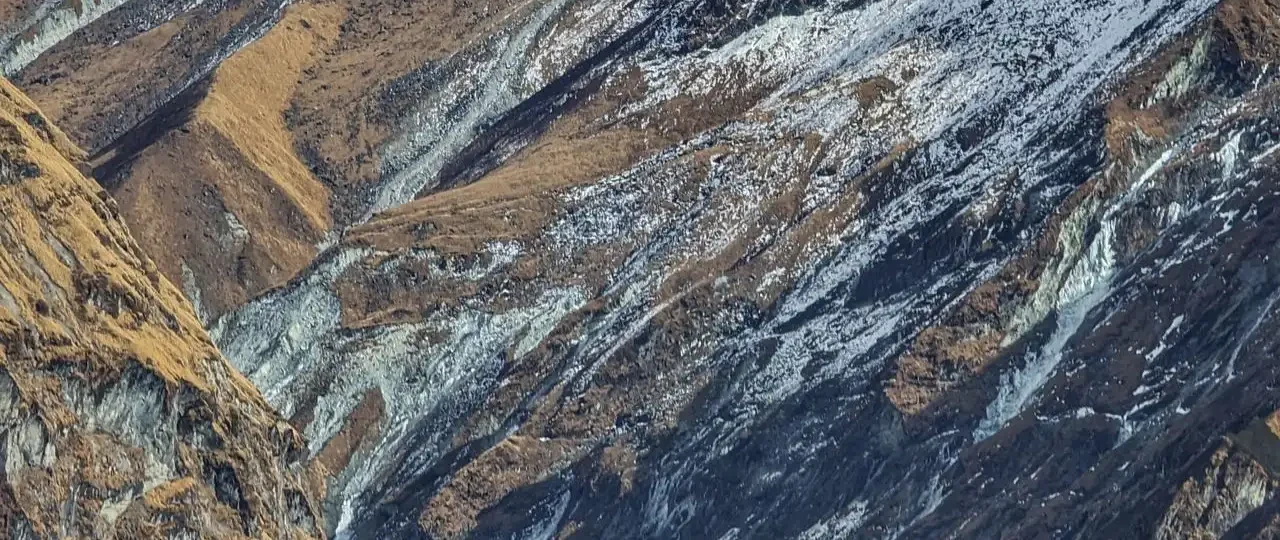
Mardi Himal Trek Distance
The total walking distance for the Mardi Himal Trek is approximately 40–60 km, depending on your chosen route and itinerary. The most common 5-day route via Kande to Siding covers roughly 44–47 km of walking . But distance isn’t the whole story — this trek’s challenge comes from the altitude gain, the steep terrain, and the exposed ridge walking above 3,500 meters.
If you’re searching for “Mardi Himal Trek distance,” you’re probably not just looking for a single number. You want to know: Can I physically handle this? How long will I walk each day? Which day is hardest? This guide answers all of that — with real distances for each route option, walking hours, and what the terrain actually feels like.
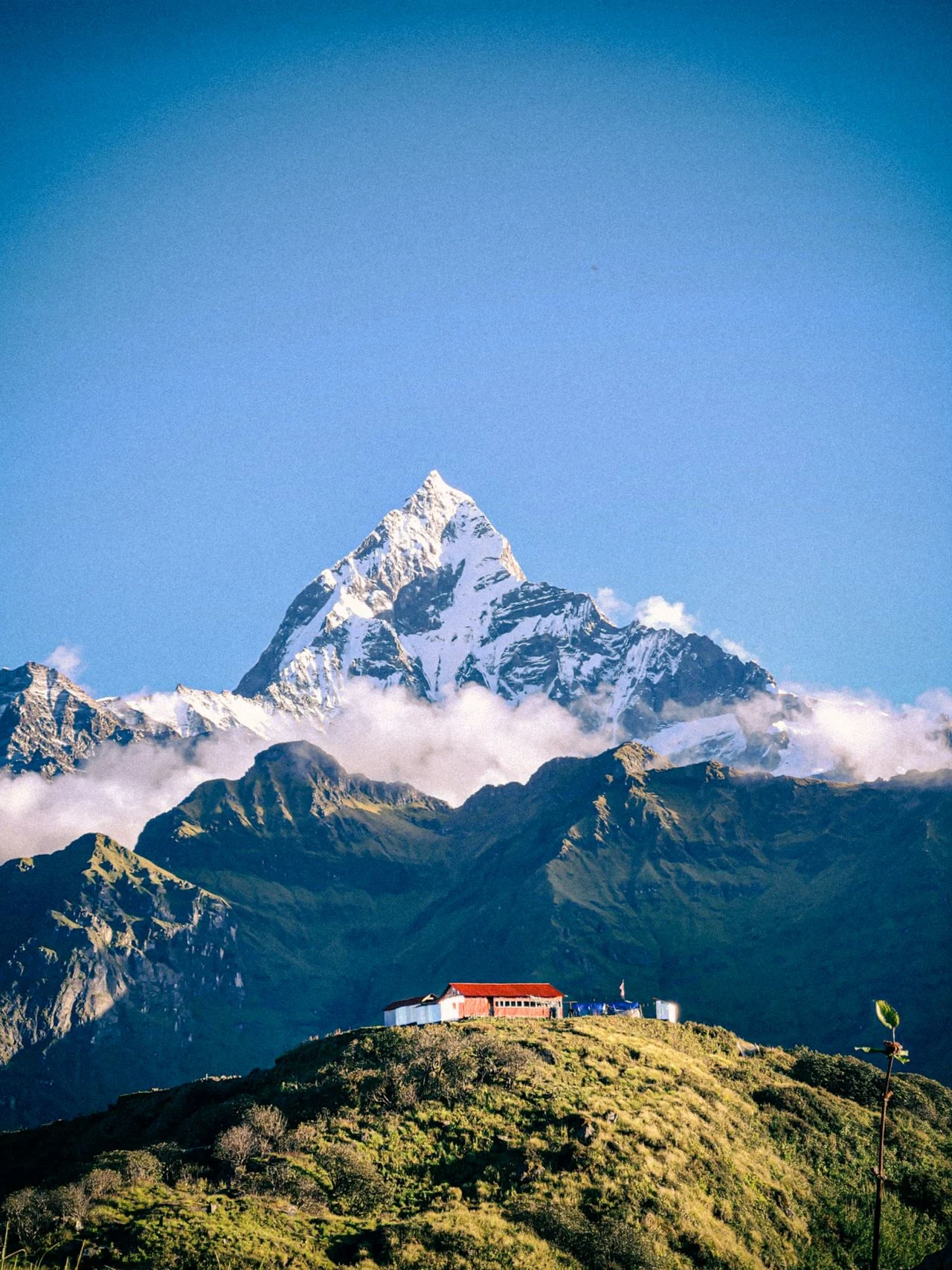
Mardi Himal Trek Distance at a Glance
| Route Option | Total Walking Distance | Duration | Notes |
|---|---|---|---|
| Standard 5-Day (Kande → Siding) | 44–47 km | 5 days | Most common; includes Upper Viewpoint |
| Round Trip (Kande → Viewpoint → Kande) | 40–46 km | 5 days | Returns via same route |
| 4-Day Itinerary | 38–45 km | 4 days | Rushed; experienced trekkers only |
| 6-Day (Slower Pace) | 44–47 km | 6 days | Shorter daily distances |
| Via Phedi/Dhampus | 50–55 km | 5–6 days | Longer approach |
Important: Some sources report the Mardi Himal Trek as 60 km . This includes the full route with all small deviations and the return from viewpoint to High Camp. The 44–47 km figure is the pure walking distance along the main trail from Kande to Siding.
Why Do Different Websites Report Different Distances?
You’ll see Mardi Himal Trek distances ranging from 38 km to 60 km. This isn’t because someone is wrong — it’s because:
-
Starting points differ: Some treks start from Kande (most common), others from Phedi or Dhampus. The Phedi route adds several kilometers.
-
Finishing points differ: Some itineraries end at Siding, others at Lumre (adds ~6.6 km), and some return to Kande via the same route.
-
Upper Viewpoint vs Base Camp: The viewpoint at ~4,200m is often called “Base Camp,” but some trekkers push further to the 4,500m ridge. The distance from Upper Viewpoint to the true Base Camp area is about 1.6 km each way.
-
Some include road travel: Road transport from Pokhara to Kande (approx. 1 hour drive) is not walking distance, but some sources blur the line.
-
Measuring differences: GPS tracks vary, and small trail variations add up.
The bottom line: The standard 5-day Mardi Himal Trek from Kande to Siding is approximately 44–47 km of walking . If your itinerary starts in Pokhara, drives to Kande, and ends with a drive from Lumre, your total walking distance is in that 44–47 km range.
Day-by-Day Mardi Himal Trek Distance & Walking Hours
The 5-Day Itinerary (Most Common)
| Day | Route | Distance | Walking Time | Elevation Change | Terrain |
|---|---|---|---|---|---|
| Day 1 | Kande → Forest Camp | ~8–10 km | 4–5 hours | +830m | Steep ascent through rhododendron forest |
| Day 2 | Forest Camp → Low Camp | ~6–7 km | 5–6 hours | +390m | Forest trail; first mountain views |
| Day 3 | Low Camp → High Camp | ~8.5 km | 4–5 hours | +560–710m | Alpine terrain; exposed ridge walking |
| Day 4 | High Camp → Upper Viewpoint → Siding | ~14 km | 8–9 hours | +950m / -2,750m | Rocky, steep, exposed; hardest day |
| Day 5 | Siding → Lumre → Pokhara | ~5–6 km (walk) | 30 min walk + 2 hr drive | -800m | Walk to road; drive to Pokhara |
| Total | ~44–47 km | ~24 hours |
Route Variations and Their Distances
Route 1: Kande → Forest Camp → Low Camp → High Camp → Upper Viewpoint → Siding (Standard)
-
Total distance: 44–47 km
-
Why choose it: Most complete route; no backtracking; ends in Siding with easy drive to Pokhara
-
Best for: Most trekkers
Route 2: Kande → Viewpoint → Kande (Round Trip)
-
Total distance: 40–46 km
-
Why choose it: Shorter; avoids Siding descent
-
Best for: Trekkers with limited time or knee concerns
Route 3: Phedi/Dhampus → Kande → Mardi Himal → Siding
-
Total distance: 50–55 km
-
Why choose it: Alternative start; includes Australian Camp and Pothana
-
Best for: Trekkers wanting more village experience
Route 4: 4-Day Itinerary
| Day | Route | Distance | Walking Time |
|---|---|---|---|
| Day 1 | Pokhara → Kande → Forest Camp → Low Camp | ~14 km | 6–7 hours |
| Day 2 | Low Camp → High Camp | ~8.5 km | 5–6 hours |
| Day 3 | High Camp → Viewpoint → Low Camp | ~14 km | 8–9 hours |
| Day 4 | Low Camp → Siding → Pokhara | ~10 km | 4–5 hours |
Total: ~40–45 km but more compressed; not recommended for beginners.
Route 5: 6-Day Itinerary (Slower Pace)
Same total distance (44–47 km) but spread over 6 days with shorter daily walks. Recommended for beginners and those wanting better acclimatization.
Route 6: 7-Day Itinerary
| Day | Route | Distance |
|---|---|---|
| Day 1 | Drive Kathmandu to Pokhara | N/A |
| Day 2 | Drive to Kande, trek to Forest Camp | ~8 km |
| Day 3 | Forest Camp to Low Camp | ~6 km |
| Day 4 | Low Camp to High Camp | ~8.5 km |
| Day 5 | High Camp to Upper Viewpoint, return High Camp | ~8 km |
| Day 6 | High Camp to Siding via Badal Danda | ~12 km |
| Day 7 | Siding to Lumre, drive to Pokhara | ~5 km |
Total: ~47 km spread over 5 walking days.
Key Distances on the Trail
| Section | Distance | Notes |
|---|---|---|
| Kande → Pitam Deurali | 5.5–5.8 km | Steep start; 375m ascent |
| Pitam Deurali → Low Camp | 6.8 km | Forest section; 650m ascent |
| Low Camp → High Camp | 8.5 km | 1,100m ascent; tough but rewarding |
| High Camp → Upper Viewpoint | 4 km each way | Exposed ridge; 950m ascent |
| Upper Viewpoint → Mardi Himal Base Camp | 1.6 km | Optional extension; 180m ascent |
| High Camp → Badal Danda → Siding | ~12–14 km | Descent day; very hard on knees |
| Badal Danda → Siding | 5.2–5.6 km | Steep descent |
| Siding → Lumre | 5–6 km | Final walk to road |
The Hardest Day: High Camp to Siding via Upper Viewpoint
Distance: ~14 km total (4 km up to viewpoint, return to High Camp, then descent to Siding via Badal Danda) .
Walking time: 8–9 hours.
Why it’s the hardest:
-
Steep ascent: You gain ~950m from High Camp to the viewpoint. The trail is rocky, exposed, and the air is thin.
-
Long descent: After reaching the viewpoint, you descend 2,750m down to Siding. Trekking poles are non-negotiable — this descent is brutal on knees.
-
Early start: You’ll leave at 4:30–5:00 AM for sunrise views.
Elevation profile for this day:
-
3,550m (High Camp) → 4,500m (Viewpoint) → 1,700m (Siding) .
Total Distance vs Walking Hours
| Itinerary | Total Distance | Total Walking Time | Daily Average |
|---|---|---|---|
| 4-Day | ~38–45 km | ~24 hours | 6 hours/day |
| 5-Day | 44–47 km | ~24 hours | 4.8 hours/day |
| 6-Day | 44–47 km | ~24 hours | 4 hours/day |
| 7-Day | ~47 km | ~24 hours | 3.4 hours/day |
Key insight: Distance doesn’t change much between 5 and 7 days — what changes is how the walking is distributed. Longer itineraries have easier, shorter days.
Altitude and Distance: What Matters More
On the Mardi Himal Trek, altitude matters more than distance.
The numbers:
-
Starting altitude: 1,770m (Kande)
-
Highest point: 4,500m (Upper Viewpoint)
-
Altitude gain over 3 days: ~2,700m
Why this matters:
-
Reaching 4,500m means altitude affects most trekkers. Headaches, fatigue, and shortness of breath are common.
-
The 4-day itinerary compresses the altitude gain, increasing the risk of AMS (Acute Mountain Sickness).
-
Distance alone doesn’t tell you how hard the trek is — elevation gain and thin air are the real challenges.
Acclimatization advice: The 5-day itinerary provides significantly better acclimatization than the 4-day option, even though the total distance is similar.
What the Distance Feels Like
Day 1: You’ll walk 8–10 km with 830m ascent. The trail starts with stone steps through forest. Your calves will feel it.
Day 2: About 6–7 km with 390m ascent. More relaxed; the forest opens up to mountain views.
Day 3: 8.5 km with 710m ascent. This is where the trek gets real — the trail emerges onto the exposed Mardi Himal ridge. The air starts thinning.
Day 4: 14 km, 950m ascent and 2,750m descent. This is a big day by any standard. The descent to Siding is harder on your knees than the ascent was on your lungs. Trekking poles are mandatory.
Day 5: Just 5–6 km walk to the road, then drive to Pokhara.
How Mardi Himal Trek Distance Compares to Other Nepal Treks
| Trek | Total Distance | Walking Days | Max Altitude | Difficulty |
|---|---|---|---|---|
| Mardi Himal | 44–47 km | 5 days | 4,500m | Moderate |
| Poon Hill | 30–40 km | 4 days | 3,210m | Easy |
| Annapurna Base Camp | ~100 km | 7–10 days | 4,130m | Moderate |
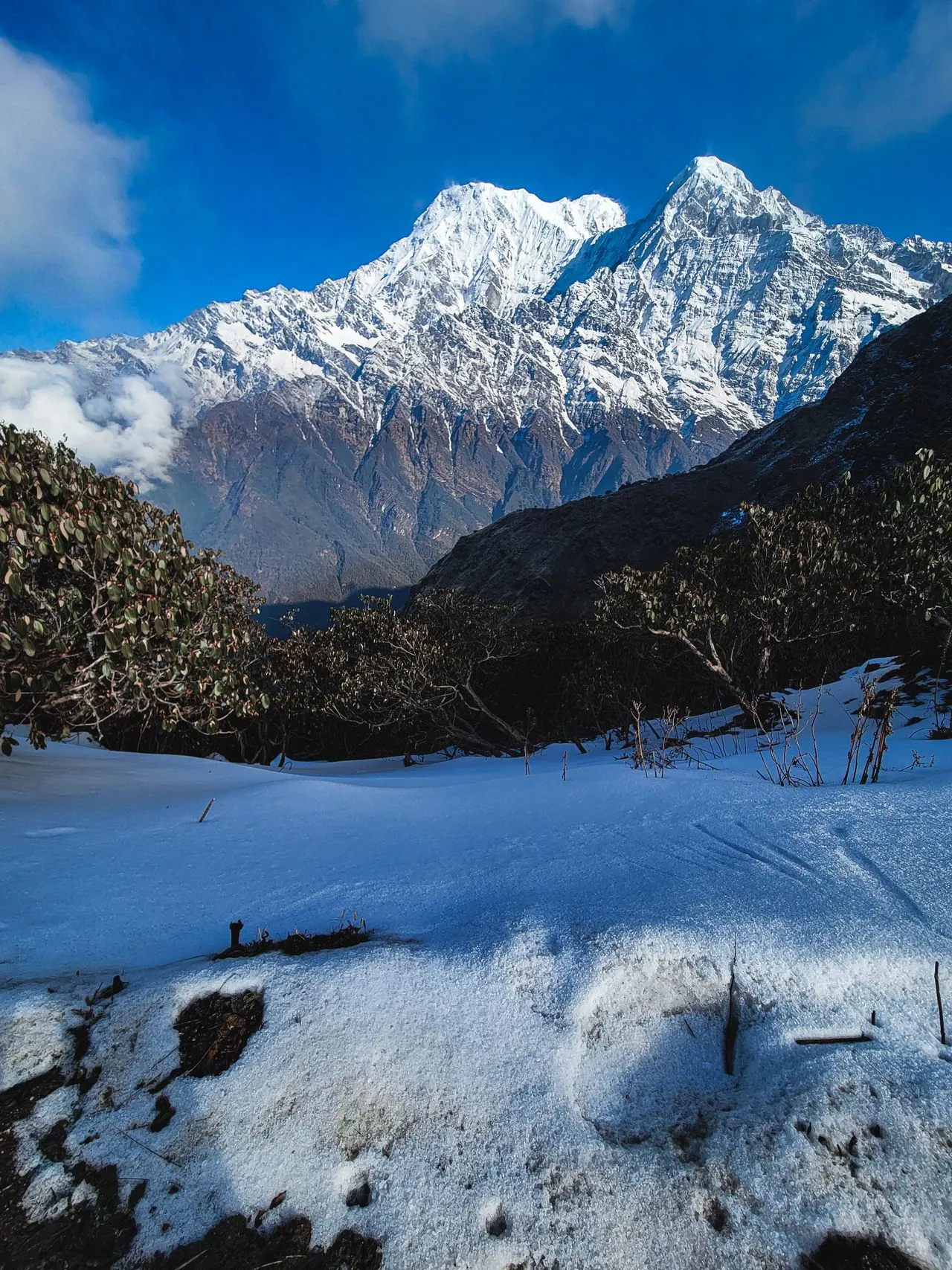
Why Mardi Himal is unique: It’s shorter than ABC but reaches a higher altitude (4,500m vs 4,130m). The ridge walking and close-up Fishtail views are distinctive. The Mardi Himal route offers a moderately challenging, less crowded teahouse trek with stunning close-up views of Machhapuchhre (Fishtail), Annapurna, and other Himalayan peaks, passing through beautiful rhododendron forests and high-ridge landscapes .
The Experience Beyond the Numbers
The Mardi Himal Trek distance is just one part of the equation. What makes this trek special is the experience across each kilometer:
The Rhododendron Forests (Days 1–2)
The first 15–18 km of the trek take you through dense rhododendron forests. In spring (March–May), these forests burst into bloom with red, pink, and white flowers. The trail here is shaded, cool, and peaceful — a gentle introduction before the higher altitudes.
The Ridge Opening (Day 3)
Around the 20–25 km mark, the forest ends and the Mardi Himal ridge takes over. This is a dramatic transition — from enclosed forest to open, alpine terrain with 360-degree views. The trail narrows, and the drops on both sides become real. This is where the trek transforms from a forest hike into a true Himalayan ridge experience.
The Summit Push (Day 4)
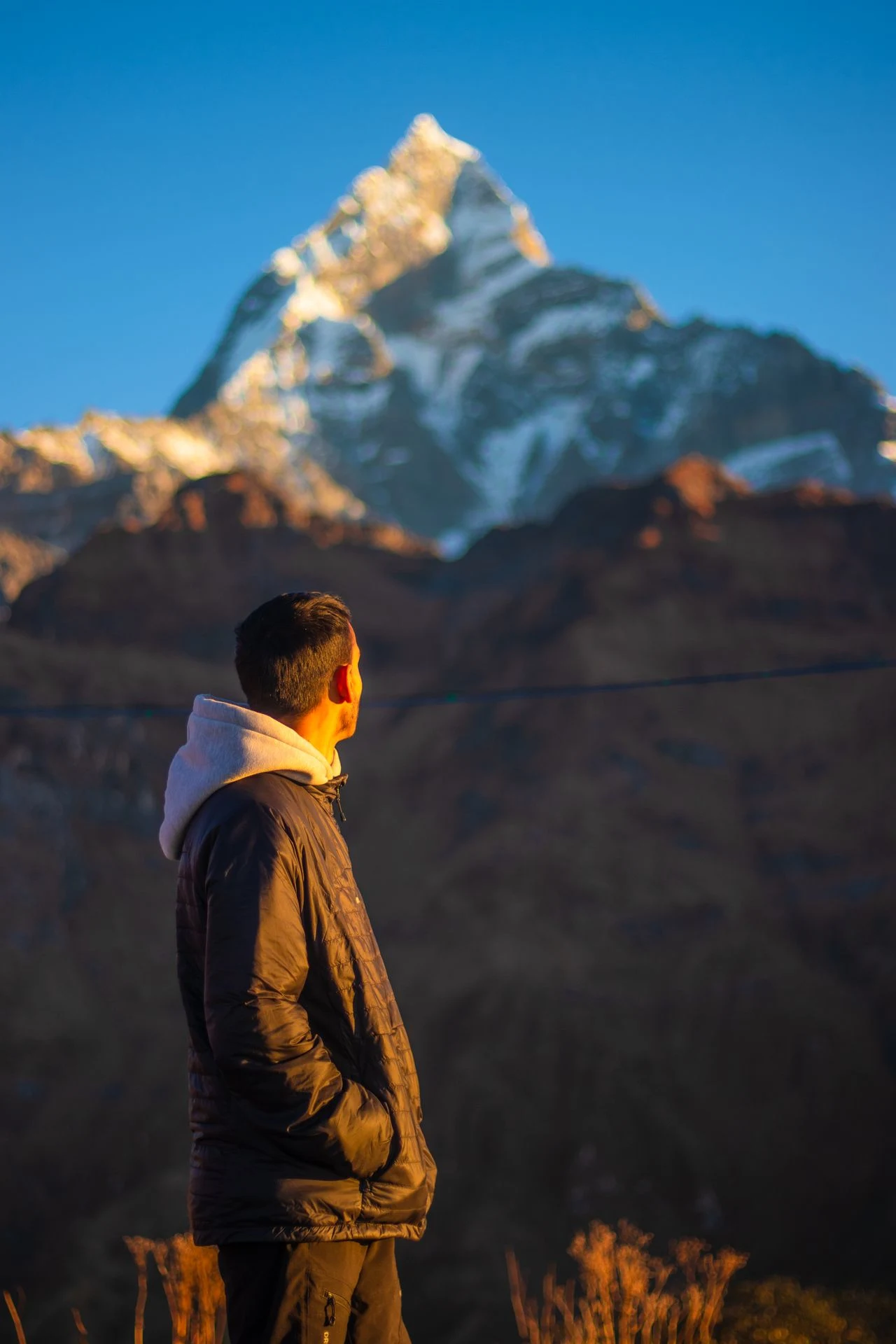
The final 4 km from High Camp to the Upper Viewpoint is the most challenging section of the entire trek. You gain 950m in elevation over rocky, exposed terrain. The air is thin — each step requires effort. But the reward is unparalleled views of Machhapuchhre, Annapurna South, Hiunchuli, and Mardi Himal itself.
The Descent (Day 4–5)
After the viewpoint, you face 14 km of descent over the remainder of Day 4 and into Day 5. The descent from High Camp to Siding drops 2,750m — more than any other day. Trekking poles become essential, and your knees will feel every kilometer.
Planning Your Trek Around the Distance
Who Should Choose the 5-Day Itinerary (44–47 km)?
The 5-day itinerary is the “sweet spot” for most trekkers. It offers:
-
Manageable daily distances (8–14 km)
-
Proper acclimatization
-
Time to enjoy the views
-
A complete route without backtracking
According to trekkers who have completed the route, 4–5 days feels like the ideal duration and very manageable .
Who Should Choose the 4-Day Itinerary (38–45 km)?
The 4-day option is only for:
-
Fit, experienced trekkers
-
Those with tight schedules
-
Trekkers comfortable with 8+ hour walking days
Warning: The short and rapid 4-day Mardi Himal Trek itinerary is suggested only for experienced hikers. Beginners should extend the trek by 1 or 2 days for proper acclimatization.
Who Should Choose the 6-Day Itinerary (44–47 km)?
The 6-day itinerary is ideal for:
-
Beginners
-
Trekkers wanting more acclimatization
-
Those who prefer shorter walking days (4–5 hours)
-
Anyone with knee concerns
Family Trekking and the Distance
The Mardi Himal Trek can be suitable for families with older children. One trekker reported completing the Mardi Himal trek over 5 days with boys aged 11 and 8 . The manageable daily distances and teahouse accommodations make it accessible, but altitude should be carefully considered for younger trekkers.
Practical Advice for Your Trek
What distance should I expect on the standard 5-day itinerary?
You’ll walk approximately 44–47 km over 5 days, with the longest day being 14 km .
What’s the longest day?
Day 4 — 14 km with 8–9 hours of walking, including the hardest ascent and descent.
Does the starting point change the distance?
Yes. Starting from Phedi or Dhampus adds kilometers. Starting from Kande is the standard and shortest route.
Does the finishing point change the distance?
Yes. Ending at Siding and walking to Lumre is standard. Some itineraries return to Kande (same route back) or go to Landruk, which adds distance.
Is the distance the same for Upper Viewpoint and Base Camp?
No. The Upper Viewpoint at ~4,200m is the common stopping point. The true Base Camp area is 1.6 km further. Most trekkers stop at the viewpoint due to altitude considerations.
Should I choose 4, 5, or 6 days?
-
4 days: ~38–45 km compressed; for experienced trekkers only.
-
5 days: 44–47 km; balanced; recommended for most trekkers.
-
6 days: 44–47 km; slower pace; ideal for beginners and better acclimatization.
How much elevation gain should I expect?
Total elevation gain is approximately 2,700m from Kande to the viewpoint, with the descent adding another 2,750m to reach Siding .
What is the actual Mardi Himal Trek distance in miles?
44–47 km equals approximately 27–29 miles.
Wonder Hikes Nepal: Your Mardi Himal Trek Partner
Wonder Hikes Nepal offers transparent Mardi Himal trekking packages with clear daily distances, realistic walking times, and proper acclimatization built into the itinerary. We use the standard Kande-to-Siding route (44–47 km), with flexibility to adjust based on your fitness level and preferences.
Our guides are licensed, local, and know the trail intimately — they’ll pace the trek to your comfort level and ensure you get the most out of each day’s walking.
When you book with Wonder Hikes Nepal, you’ll receive a detailed day-by-day itinerary with exact distances, walking times, and elevation profiles. We believe in transparency — you should know exactly what to expect before you arrive in Nepal.
Book your 2026 Mardi Himal Trek with Wonder Hikes Nepal and experience the Annapurna region with local expertise, safety, and responsible trekking.
Frequently Asked Questions about Mardi Himal Trek Distance
1. How many km is the Mardi Himal Trek?
The standard 5-day route from Kande to Siding is approximately 44–47 km . Some longer variations can reach 60 km .
2. Why do different websites show different distances?
Because starting points, finishing points, and route variations differ. The 44–47 km figure is the most common standard route.
3. What is the total walking distance for the 5-day itinerary?
Approximately 44–47 km over 5 days.
4. How far is Kande to Mardi Himal Viewpoint?
Kande to Upper Viewpoint is about 26 km one-way.
5. How far is High Camp to Mardi Himal Base Camp?
High Camp to Upper Viewpoint is 4 km each way; extending to Base Camp adds another 1.6 km each way.
6. How many hours do you walk each day?
4–5 hours on most days, except Day 4 which is 8–9 hours.
7. Which day is the longest walking day?
Day 4 (High Camp → Viewpoint → Siding) with 8–9 hours and 14 km.
8. Does the starting point change the total distance?
Yes. Starting from Phedi or Dhampus adds kilometers. Kande is the standard start.
9. Does the finishing point change the total distance?
Yes. Finishing at Siding and walking to Lumre is standard. Some routes return to Kande, adding distance.
10. Does distance include road travel?
No. Walking distance excludes the drive from Pokhara to Kande or from Lumre to Pokhara.
11. Is the 4-day itinerary much shorter?
The 4-day route is about 38–45 km, but it’s compressed into fewer days. It’s not recommended for beginners.
12. Is Mardi Himal suitable for beginners?
Yes, with the 5-day or 6-day itinerary. The 4-day option is for experienced trekkers only.
13. How does altitude affect the distance?
Altitude doesn’t change the distance, but thin air makes every kilometer harder. Reaching 4,500m is the real challenge.
14. How should I train for Mardi Himal?
Focus on stair climbing, hiking with a daypack, and building endurance for 4–5 hours of walking daily on uneven terrain.
15. What distance should I expect on the standard Wonder Hikes Nepal package?
Our standard 5-day package covers approximately 44–47 km of walking, with daily distances clearly outlined in the itinerary.