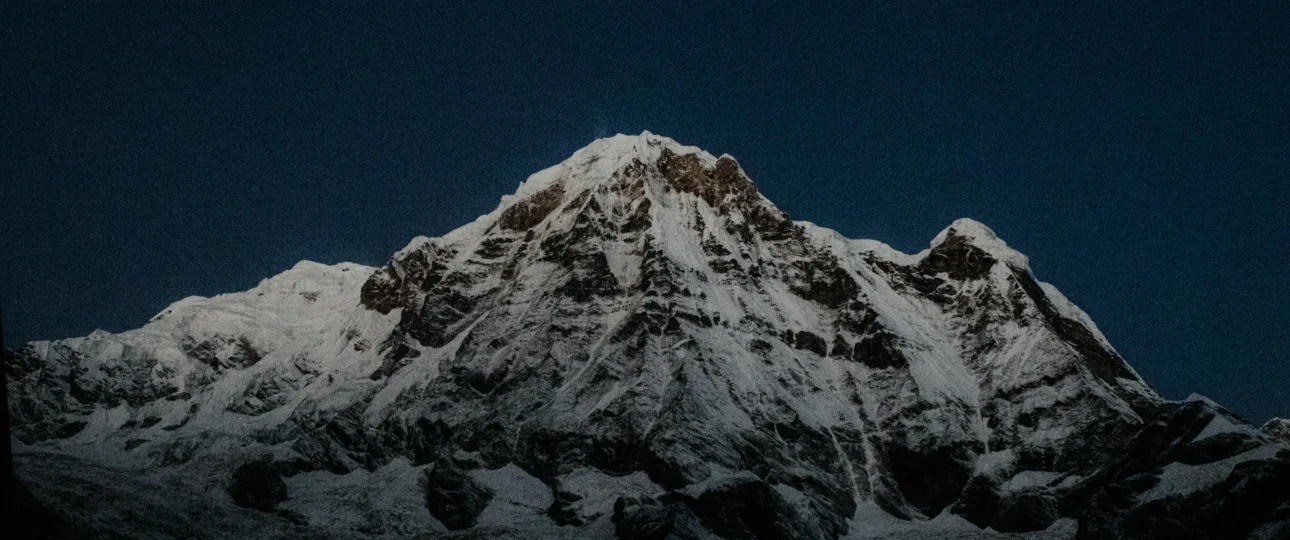
If you are searching for “Annapurna Base Camp weather,” the most important thing to understand is this: the weather at ABC changes dramatically with elevation and season. At 4,130 meters, temperatures can range from a daytime high of 10°C in spring to a bone-chilling -15°C on a winter night—while the trailhead at Nayapul might be a comfortable 25°C on the same day .
This guide covers everything you need to know: month-by-month weather breakdowns, temperatures at different elevations, seasonal pros and cons, packing advice for each season, and how to check forecasts before and during your trek with Wonder Hikes Nepal.
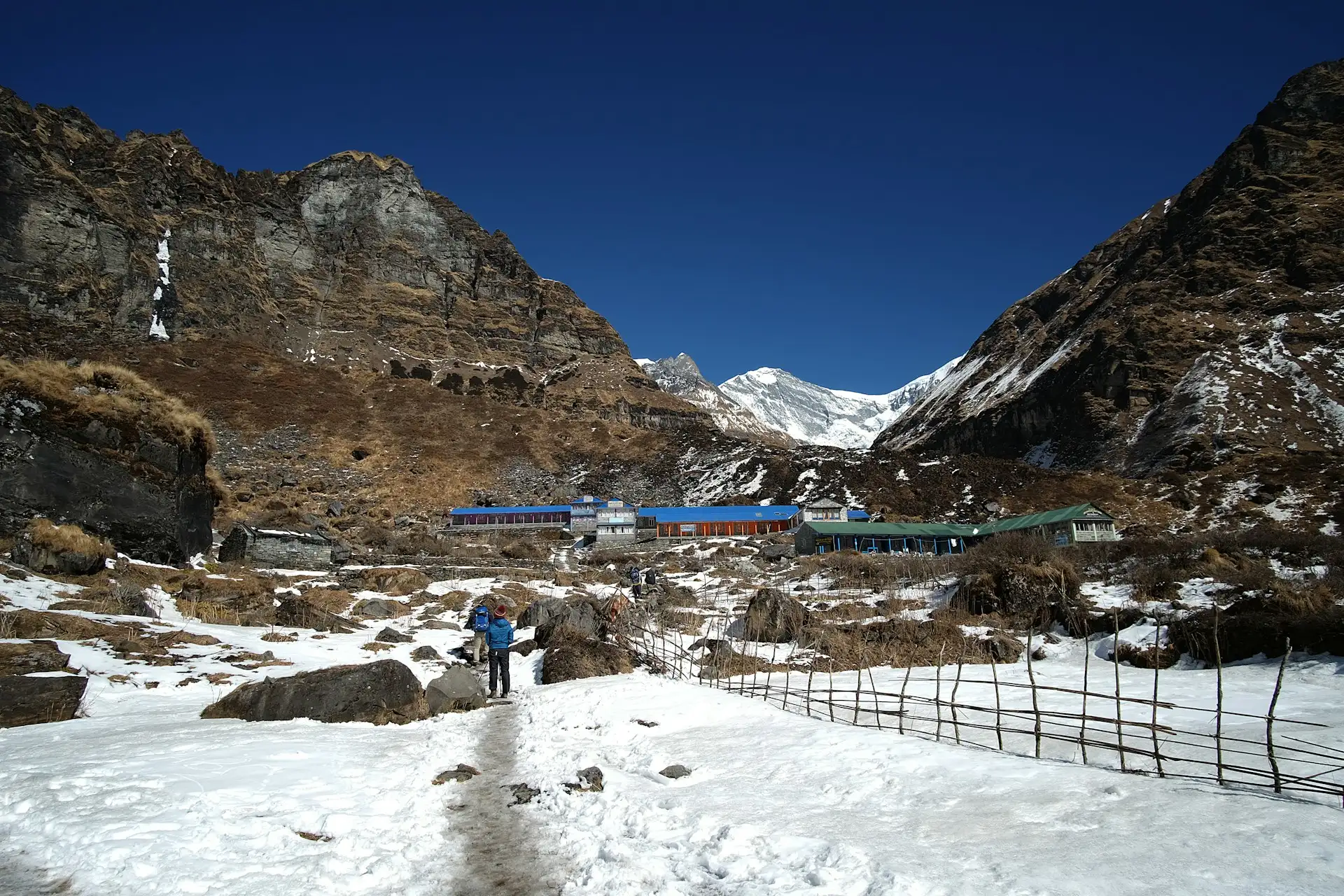
Annapurna Base Camp Weather at a Glance
Before diving into the details, here is a quick overview of the four main trekking seasons.
| Season | Months | Daytime at ABC | Night at ABC | Key Feature | Verdict |
|---|---|---|---|---|---|
| Autumn | Sep–Nov | 2°C to 12°C | -8°C to -2°C | Crystal-clear skies, best views | Best |
| Spring | Mar–May | 0°C to 10°C | -10°C to -5°C | Rhododendron blooms, stable | Best |
| Winter | Dec–Feb | 0°C to 5°C | -15°C to -10°C | Snow, cold, empty trails | Possible |
| Monsoon | Jun–Aug | 5°C to 15°C | 0°C to 5°C | Rain, mud, leeches, poor views | Avoid |
Why Weather Changes So Much on the ABC Trek
The Annapurna Base Camp trek covers an elevation range of about 3,300 meters, from Nayapul (1,070m) to ABC (4,130m). As a rule of thumb, temperature drops roughly 6.5°C for every 1,000 meters you climb . That means the weather you experience at the start of your trek is completely different from what you will face at the top.
The trail passes through several climate zones:
-
Subtropical forest (Nayapul to Chhomrong): Warm, humid, and green. Monsoon brings heavy rain; winter is pleasant during the day.
-
Temperate forest (Chhomrong to Deurali): Rhododendron and oak forests. Spring is spectacular; winter brings frost and occasional snow.
-
Alpine zone (Deurali to MBC): Open terrain, colder, windier. Snow is possible in winter and early spring.
-
High-altitude sanctuary (MBC to ABC): Exposed, cold, and prone to sudden weather changes. Snow can fall any month of the year .
The mountains themselves create their own weather. The Annapurna massif blocks moisture from the south, and the narrow Modi Khola valley funnels wind and cloud straight up toward the sanctuary. That is why forecasts at Pokhara often bear little resemblance to conditions at ABC .
Annapurna Base Camp Weather by Month
Here is a month-by-month breakdown of what to expect on the ABC trail.
January — Coldest Month of the Year
Weather: Dry, clear, and bitterly cold. Snow blankets the upper trail above Deurali. The sanctuary sits under clear skies more often than not, but when clouds arrive, they can bring heavy snow .
Temperature at ABC: Days 0°C to 3°C; nights -15°C to -10°C .
Trail conditions: Icy above 3,000m; microspikes are essential. Lower sections are dry and cold.
Crowds: Very low. You will have the teahouses almost to yourself.
Who it suits: Experienced trekkers with proper winter gear and high-altitude cold experience. Not for beginners.
February — Still Winter, But Slightly More Manageable
Weather: Similar to January but with marginally warmer days. Clear skies between snowfall events. Snow still likely above 3,500m .
Temperature at ABC: Days 0°C to 5°C; nights -15°C to -8°C .
Trail conditions: Icy patches persist; microspikes recommended. Lower trail is dry and pleasant.
Crowds: Very low.
Who it suits: Experienced trekkers seeking solitude and snow-covered scenery.
March — Spring Begins, Budget-Friendly Option
Weather: Transition month. Lower trail warms up; ABC still feels like winter. Rhododendrons start blooming at lower elevations by late March. Occasional snow above 3,500m .
Temperature at ABC: Days 0°C to 5°C; nights -8°C to -4°C .
Trail conditions: Firm and dry in most sections; snow patches above Deurali. Microspikes recommended for early March.
Crowds: Low to moderate. April is busier, so March offers a quieter alternative.
Who it suits: Trekkers who want to avoid crowds and do not mind cold nights. The most budget-friendly of the spring months.
April — Peak Rhododendron Season
Weather: The sweet spot of spring. Stable, dry, and warm enough for comfortable walking, with the most spectacular floral display of the year. Mornings are crisp and clear; afternoon clouds may roll in above 3,000m .
Temperature at ABC: Days 8°C to 12°C; nights -4°C to -6°C .
Trail conditions: Dry, firm, and free of snow. The trail through the rhododendron forest between Chhomrong and Sinuwa is at its most beautiful .
Crowds: Very high. April is one of the two busiest months of the year. Book teahouses in advance.
Who it suits: First-time trekkers, photographers, nature lovers, and anyone wanting the best combination of scenery and stable weather.
May — Warm Days, Pre-Monsoon Shift
Weather: Warm and pleasant at lower elevations; ABC days are the warmest of the year. Pre-monsoon conditions begin, with occasional afternoon rain on the lower trail. Clouds build more consistently after midday, reducing mountain views .
Temperature at ABC: Days up to 14°C; nights -2°C to 1°C .
Trail conditions: Dry early in the month; occasional mud late month. Leeches appear on the lower trail by late May. Avalanche risk between Deurali and MBC is minimal .
Crowds: Lower than April. Teahouses are quieter.
Who it suits: Trekkers who prefer warmer conditions and do not mind occasional rain. Early May is genuinely underrated for its warmth and lower crowds; late May is a gamble .
June — Monsoon Begins
Weather: Monsoon arrives. Heavy rain on most days, particularly in the afternoons. Lower trail becomes muddy and slippery. Higher elevations receive less rain but are often shrouded in cloud .
Temperature at ABC: Days 5°C to 10°C; nights 0°C to 3°C .
Trail conditions: Slippery, muddy, and leech-infested on lower trail. Landslide risk increases. Views are mostly blocked.
Crowds: Very low.
Who it suits: Not recommended for most trekkers. Only for experienced trekkers on a budget or with fixed dates who understand the conditions.
July — Peak Monsoon
Weather: The wettest month of the year. Rain almost every day. Trails are muddy, leeches are abundant, and mountain views are nearly non-existent .
Temperature at ABC: Days 5°C to 10°C; nights 0°C to 5°C .
Trail conditions: Slippery, muddy, leeches, possible landslides. Tea houses remain open but with limited menus.
Crowds: The quietest month of the year.
Who it suits: Only experienced monsoon trekkers who are prepared for wet conditions and understand the risks. Most people should avoid.
August — Monsoon Weakens
Weather: Still rainy, but the monsoon begins to weaken toward the end of the month. The last week of August can offer a preview of the clearing conditions that arrive in September.
Temperature at ABC: Days 5°C to 12°C; nights 0°C to 5°C.
Trail conditions: Wet, muddy, and leechy. Trails begin drying out by late August.
Crowds: Very low.
Who it suits: Trekking in August is possible if you have flexible dates and can wait for a weather window. Most should wait until September.
September — Monsoon Clears
Weather: The transition month. Early September still carries the monsoon tail; by the second half of the month, the skies progressively clear. Vegetation is at its lushest and greenest .
Temperature at ABC: Days 5°C to 10°C; nights -2°C to 2°C .
Trail conditions: Improving. Some mud early month, firm and dry by late September.
Crowds: Low to medium. September is quieter than October but offers increasingly good conditions.
Who it suits: Trekkers who want lush landscapes and are willing to accept a higher chance of rain early in the month.
October — The Gold Standard
Weather: The single best month for the Annapurna Base Camp trek. Post-monsoon air is washed crystal-clear, delivering the sharpest mountain views of the year. Dry, stable, and comfortably warm during the day—cold at night .
Temperature at ABC: Days 3°C to 10°C; nights -5°C to -2°C .
Trail conditions: Dry, firm, and easy to walk. No mud, no leeches.
Crowds: The busiest month of the year. Teahouses, guides, and porters book up months in advance. Book early.
Who it suits: Everyone. First-timers, experienced trekkers, photographers, groups, and families. This is the safest bet for a successful trek.
Timing note: Weeks 2 and 3 of October are the sweet spot. Early October can occasionally have lingering monsoon rain; late October is still good but colder .
November — Solitude with Clear Views
Weather: Clear, dry, and colder than October. The atmosphere is exceptionally clear, often offering even sharper views than October due to lower humidity. Winter light is dramatic for photography .
Temperature at ABC: Days 2°C to 6°C; nights -10°C to -5°C .
Trail conditions: Dry. Snow possible above MBC late month; microspikes recommended for late November. Teahouses begin closing from late November onward .
Crowds: Moderate. Lower than October, but still busy early month. Quiet by mid-November.
Who it suits: Photographers, experienced trekkers, and anyone wanting a quieter trail with clear views. First-timers should choose October for warmer nights and guaranteed teahouse availability.
Timing note: Early November feels close to October; mid-November is the sweet spot for clarity and quieter trails; late November becomes cold, with teahouse closures possible .
December — Winter Arrives
Weather: Cold, dry, and clear between snowfall events. The snow-covered sanctuary is stunning but freezing. Teahouses remain open at lower elevations; at ABC, some close or have limited menus .
Temperature at ABC: Days 0°C to 5°C; nights -15°C to -20°C .
Trail conditions: Icy above 3,000m; microspikes essential. Snowfall likely at higher elevations .
Crowds: Very low. The trail is peaceful and quiet.
Who it suits: Experienced trekkers with proper winter gear (sleeping bag rated -15°C to -20°C, down jacket, microspikes). Not recommended for beginners .
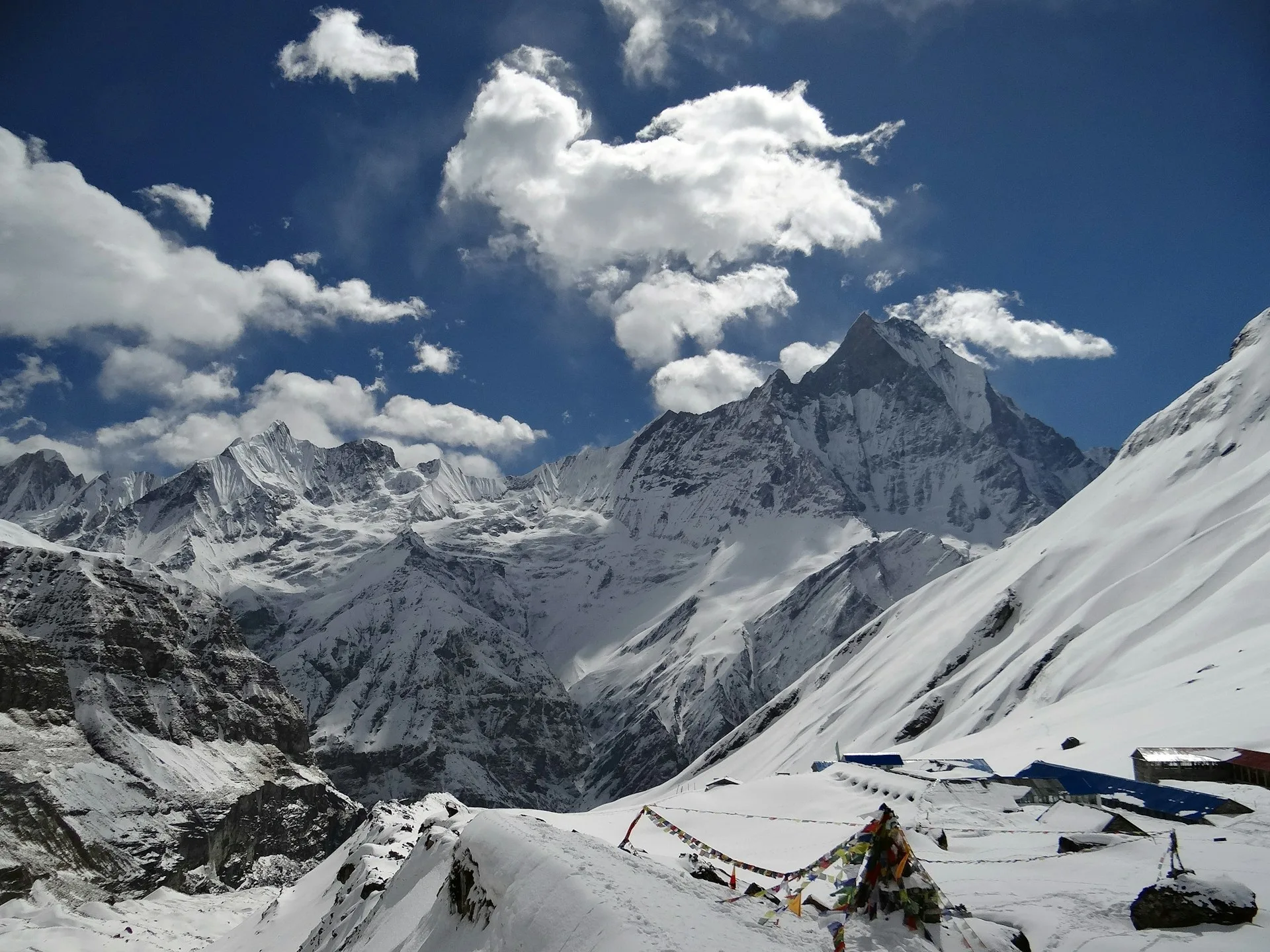
Annapurna Base Camp Weather by Season
Spring (March–May)
Spring is the most visually stunning season on the ABC trail—if you want rhododendrons, this is your window. The forests between Chhomrong and Sinuwa explode into red, pink, and white blooms, making it one of the most photographed sections of any Himalayan trek .
What to expect:
-
Mountain views: Clear in the morning, cloudy in the afternoon. Morning is the peak viewing window; clouds typically roll into the sanctuary by late morning .
-
Temperatures: Pleasant 15–25°C at lower elevations; 0–10°C at ABC. Nights at ABC drop to -10°C in March/April, warming to -2°C by May .
-
Trail conditions: Dry and safe. No snow on the main trail by April; March may have snow above 3,500m.
-
Crowds: Busy in April; quieter in March and May.
Best for: First-time trekkers wanting maximum scenery; photographers; nature lovers.
Monsoon (June–September)
Monsoon is the most challenging season on the ABC trail. Heavy rain, mud, leeches, and blocked views are the norm. That said, the trail is nearly empty, vegetation is lush, and costs are lower .
What to expect:
-
Mountain views: Mostly blocked by cloud. Views are rare and brief.
-
Temperatures: Humid 20–25°C at lower elevations; 5–15°C at ABC. Nights at ABC are 0–5°C .
-
Trail conditions: Slippery, muddy, leech-infested on the lower trail. Landslide risk. Trekking poles and good footwear are essential .
-
Crowds: The quietest season of the year.
Best for: Budget trekkers, off-season adventurers, and experienced trekkers who understand the challenges. Most people should avoid June-August .
Monsoon packing essentials: Waterproof jacket and trousers, backpack rain cover, dry bags for electronics, quick-dry clothing, anti-leech socks, salt for leeches, and sturdy footwear with good grip.
Guide recommendation: A licensed guide is mandatory for the ABC trek and is especially valuable during monsoon. Guides understand when to wait and when to move. Wonder Hikes Nepal provides experienced local guides who can help you navigate monsoon conditions safely.
Autumn (September–November)
Autumn is widely considered the best time for the Annapurna Base Camp trek. After the monsoon clears, the atmosphere becomes exceptionally clean, delivering the sharpest mountain views of the year .
What to expect:
-
Mountain views: The best of the year. Visibility from ABC can extend 100+ kilometers. Annapurna I, Machhapuchhre, Gangapurna, and Hiunchuli stand out against a deep blue sky with zero haze .
-
Temperatures: 10–20°C at lower elevations; -5°C to 12°C at ABC. Nights at ABC drop to -8°C in October, colder in November .
-
Trail conditions: Dry, firm, and stable. No mud, no leeches.
-
Crowds: The busiest season, especially in October.
Best for: Anyone wanting the best mountain views; first-time trekkers; photographers; groups and families.
Month by month:
-
September: Transition month, clearing progressively. Lush green landscapes.
-
October: The gold standard. Stable weather, crystal-clear views, perfect for first-timers .
-
November: Clearer views, quieter trails, but colder and risk of teahouse closures late month.
Winter (December–February)
Winter trekking to Annapurna Base Camp is possible, but it comes with real challenges. Temperatures at ABC plummet to -15°C at night, and snow above Deurali can make sections icy. For well-prepared trekkers, winter delivers stunning snow-covered landscapes and near-empty trails .
What to expect:
-
Mountain views: Clear and dramatic with snow-covered peaks. Fog can occasionally obscure views between snowfalls.
-
Temperatures: 5–10°C at lower elevations; 0–5°C at ABC during the day; nights drop to -15°C .
-
Trail conditions: Icy and snowy above 3,000m. Microspikes are essential. Snowfall can block the upper trail .
-
Crowds: Nearly empty. Very peaceful.
Best for: Experienced trekkers with high-altitude cold-weather experience and proper winter gear.
Winter packing essentials: Down jacket rated -20°C, sleeping bag rated -15°C to -20°C, microspikes, thermal base layers, insulated gloves, warm hat, insulated trekking pants, waterproof outer shell .
WARNING: The ABC trek requires a licensed guide, and this is even more important in winter, when weather can change rapidly and conditions can become hazardous. Wonder Hikes Nepal offers experienced guides who can assess conditions and keep you safe.
Weather at Different Elevations
The weather you experience on the ABC trek changes with every 1,000 meters you climb. Here is how temperatures roughly break down during the two best trekking seasons .
| Location | Altitude | Autumn Day | Autumn Night | Spring Day | Spring Night |
|---|---|---|---|---|---|
| Nayapul/Tikhedhunga | 1,070–1,540m | 22–26°C | 12–16°C | 20–24°C | 10–14°C |
| Ghorepani | 2,860m | 12–17°C | 2–6°C | 10–15°C | 2–5°C |
| Chhomrong | 2,170m | 17–20°C | 7–11°C | 15–19°C | 6–10°C |
| Deurali | 3,230m | 8–13°C | -2 to 2°C | 6–11°C | -3 to 1°C |
| MBC / ABC | 3,700–4,130m | 2–7°C | -8 to -4°C | 1–6°C | -10 to -5°C |
These are average ranges. An unexpected cold front can push ABC nighttime temperatures below -15°C in winter and even in late November .
What Is the Weather Like at Annapurna Base Camp?
At Annapurna Base Camp itself (4,130m), the weather is cold and unpredictable:
-
Daytime: 0°C to 12°C depending on season. Direct sun feels warm; shade is instantly cold.
-
Nighttime: -10°C to -5°C in spring/autumn; -15°C or lower in winter. Clouds can drop temperatures 5–10°C in minutes.
-
Visibility: Clear skies in spring and autumn; cloud and rain in monsoon; clear with occasional fog in winter.
-
Sun exposure: UV radiation is extreme at 4,130m. Sunscreen and sunglasses are essential, even on cold days .
-
Wind: The sanctuary can be windy, especially in the afternoon. Wind chill makes it feel significantly colder.
MBC to ABC: The trek from Machhapuchhre Base Camp to Annapurna Base Camp is exposed and prone to sudden weather changes. Start early, as clouds typically build in the afternoon and can reduce visibility or bring snow.
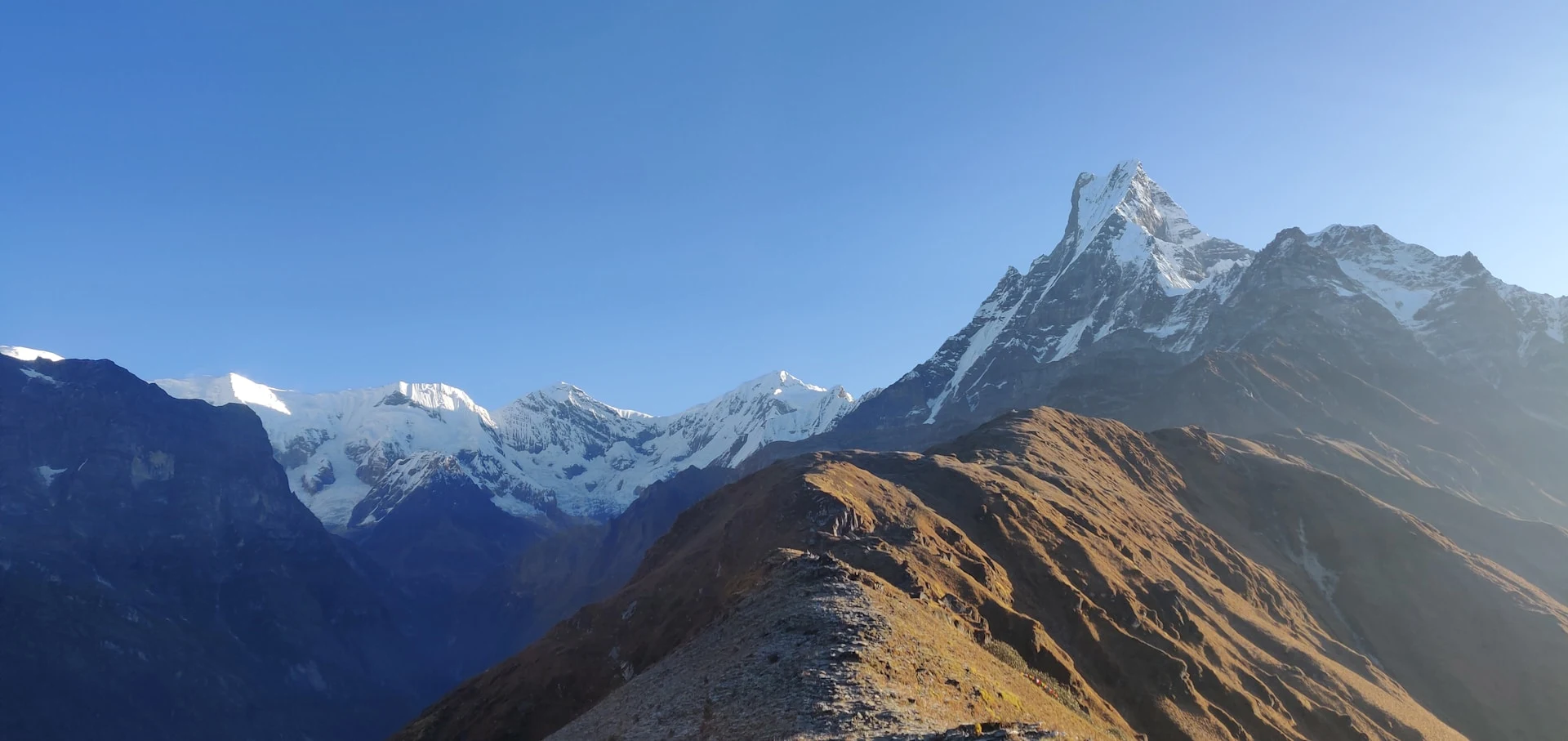
Does It Snow at Annapurna Base Camp?
Yes. Snow is common at Annapurna Base Camp, particularly:
-
December to March: Snowfall is frequent, and the sanctuary is often snow-covered. Snow can block the upper trail .
-
November: Snow possible, especially late month.
-
October: Snow is rare but not impossible if a cold front passes.
-
April: Occasional patches of old snow near ABC.
-
May to September: Snow at ABC is rare but not unheard of during extreme weather.
WARNING: If heavy snow falls above Deurali, the trail to MBC and ABC can become dangerous or impassable. Trekkers should have flexible itineraries and be prepared to turn back.
How Rain and Snow Affect Trek Difficulty
The same trail that feels easy in dry weather can become challenging or dangerous in rain or snow.
Rain:
-
Lower trail becomes slippery and muddy.
-
Leeches appear on the lower trail (especially May–September) .
-
Landslide risk increases in the narrow sections of the Modi Khola gorge.
-
Views are blocked by cloud, diminishing the experience.
Snow:
-
Trail above 3,000m becomes icy and requires microspikes.
-
Fresh snow can obscure the trail, increasing the risk of getting lost.
-
Snowfall can close the upper section for a day or more.
Wind:
-
Strong wind can make walking difficult, especially above MBC.
-
Wind chill can make safe temperatures feel dangerous.
Poor visibility:
-
Cloud, fog, or snow can reduce visibility, making navigation difficult.
Short daylight:
-
Winter days are short. Trekkers should start early and avoid being caught out after dark.
Best Months for Clear Mountain Views
If your priority is seeing the Annapurna massif at its sharpest, choose:
-
October (best): Post-monsoon air is washed crystal clear. Visibility from ABC can extend 100+ kilometers .
-
November: Even clearer than October in some respects, with dramatic low-angle winter light.
-
April: Clear mornings, but afternoon clouds can block views.
-
March: Mostly clear, occasional snow.
AVOID: June–August (monsoon) when mountain views are mostly blocked by cloud .
What to Pack for Different Weather Conditions
Your packing list depends entirely on when you trek. Here are seasonal essentials.
Spring/Autumn Packing
| Item | Why It’s Needed |
|---|---|
| Thermal base layers (top and bottom) | Cold nights at altitude |
| Fleece or softshell mid-layer | Warmth during the day |
| Down jacket (rated -5°C to -10°C) | Essential for ABC mornings and evenings |
| Waterproof jacket | April/May afternoon rain; autumn is dry but weather can change |
| Trekking trousers | Comfortable for walking |
| Warm hat and lightweight gloves | Cold mornings and evenings |
| Sunglasses with UV protection | Intense UV at altitude |
| Sunscreen | Even on cold days, UV is strong |
| Sleeping bag rated -10°C | Teahouse blankets are unreliable at ABC |
| Trekking poles | Useful on descents and slippery sections |
Winter Packing
| Item | Why It’s Needed |
|---|---|
| Thermal base layers (2 sets) | Extreme cold at altitude |
| Heavy fleece or softshell | Insulation |
| Down jacket rated -20°C | Essential for survival at ABC |
| Insulated trekking pants | Upper sections are freezing |
| Waterproof, windproof outer shell | Protection from wind and snow |
| Microspikes | Essential for icy sections above 3,000m |
| Insulated gloves + liner gloves | Protect hands from frostbite |
| Warm beanie and neck gaiter | Prevent heat loss |
| Sleeping bag rated -15°C to -20°C | Non-negotiable for winter |
| Head torch with spare batteries | Cold drains batteries faster |
| Hand and toe warmers | Comfort during cold nights at ABC |
Monsoon Packing
| Item | Why It’s Needed |
|---|---|
| Full waterproof jacket and trousers | Rain every day |
| Quick-dry clothing | Wet clothing causes heat loss |
| Backpack rain cover | Protect gear |
| Dry bags for electronics | Protect valuables |
| Anti-leech socks and salt | Leeches are abundant on lower trail |
| Sturdy boots with good wet-rock grip | Slippery trails |
| Trekking poles | Essential for balance on slippery trails |
How to Check the Weather Before and During the Trek
Before departure:
-
Check long-range forecasts for Pokhara and the Annapurna region. This gives a general sense of the week ahead.
-
Understand that Pokhara weather is not ABC weather—they can differ dramatically on the same day .
-
Talk to your guide or trekking company, as they have access to more detailed local information. Wonder Hikes Nepal can provide up-to-date weather briefings before your trek.
During the trek:
-
Ask your guide for daily weather updates. Experienced guides know the signs of changing conditions.
-
Check the sky each morning. In spring and autumn, mornings are the best viewing window .
-
Be prepared to adjust your itinerary if the weather changes.
Reality check: Long-range weather forecasts in the Himalayas are unreliable. The mountains create their own weather, and conditions can change in hours. The best approach is to choose the right season and stay flexible.
Annapurna Base Camp Weather Mistakes Trekkers Should Avoid
-
Packing only for the season you see at Pokhara. ABC is 3,300 meters higher and significantly colder.
-
Ignoring monsoon conditions. Trekking in June–August is possible but not recommended for most trekkers due to rain, mud, leeches, and poor views .
-
Believing the weather will be perfect for the entire trek. Even in October, you may experience some rain or cloud.
-
Not starting early enough. In spring and autumn, clouds usually build in the afternoon, obscuring mountain views. Get on the trail early for the best views.
-
Overconfidence in long-range forecasts. Himalayan weather is notoriously unpredictable. Flexibility is more important than a forecast.
-
Failing to listen to your guide. Local guides know the trail and the weather patterns. If they recommend a change, take it seriously.
-
Packing gear that is too light for winter. ABC can drop to -15°C. A lightweight jacket is not enough .
-
Assuming teahouses have heating at ABC. Teahouses are unheated or have minimal heating options. You need your own warmth system.
-
Not carrying cash in case of weather-related delays. If snow blocks the upper trail, you may need to stay longer than planned.
-
Thinking good weather eliminates altitude risk. Even on a perfect day, you need to acclimatize properly. Weather and altitude are separate concerns.
Annapurna Base Camp Weather FAQs
1. What is the weather like at Annapurna Base Camp?
ABC weather is cold and unpredictable. Days are 0°C to 12°C depending on season; nights drop to -10°C to -5°C in spring/autumn and -15°C or lower in winter. Snow is common in winter, rain in monsoon. Views vary from crystal-clear in autumn to cloud-covered in monsoon .
2. What is the temperature at Annapurna Base Camp?
Temperature depends on season. In spring (April), ABC daytime is 8–12°C, nights -4 to -6°C. In autumn (October), days 3–10°C, nights -5 to -2°C. In winter (December–February), days 0–5°C, nights -15°C to -20°C .
3. Which month has the best weather at Annapurna Base Camp?
October is generally considered the best month for ABC weather. The post-monsoon air is crystal-clear, the trails are dry, and temperatures are comfortable—though nights are cold. April offers comparable conditions with beautiful rhododendron blooms .
4. Does it snow at Annapurna Base Camp?
Yes. Snow is common from December to March, possible in November and late March, and rare but possible in April and October. Snow can block the upper trail and requires microspikes for safety .
5. Is Annapurna Base Camp cold?
Yes. ABC at 4,130m is cold year-round. Even in the warmest months (May–June), nights are near freezing. In winter, temperatures can drop to -15°C or lower. The wind chill can make it feel significantly colder.
6. Can you trek ABC during winter?
Yes, but it is challenging. Winter trekking requires proper gear: down jacket rated -20°C, sleeping bag rated -15°C, microspikes, and warm layers. The trail is nearly empty and the scenery is stunning, but conditions are cold and snow can block the trail .
7. Can you trek ABC during monsoon?
It is physically possible but not recommended. Monsoon brings heavy rain, mud, leeches, poor visibility, and landslide risk. The trail is nearly empty and costs are lower, but views are mostly blocked .
8. What is the weather like in October at ABC?
October is the best month for the ABC trek. Dry, stable, with crystal-clear mountain views. Daytime temperatures at ABC are 3–10°C; nights drop to -5°C to -2°C. The trail is dry and easy. It is the busiest month of the year .
9. What is the weather like in November at ABC?
November is clear, dry, and colder than October. Views are exceptionally clear. Daytime at ABC is 2–6°C; nights -10°C to -5°C. Snow is possible late month. Fewer crowds than October. Teahouse closures may begin late month .
10. What is the weather like in April at ABC?
April offers stable, dry weather with comfortable temperatures and spectacular rhododendron blooms. Daytime at ABC is 8–12°C; nights -4°C to -6°C. Mornings are clear; afternoon clouds can build above 3,000m. Very busy .
11. What is the weather like in March at ABC?
March is a transition month. Lower trail warms up, but ABC still feels like winter. Daytime at ABC is 0–5°C; nights -8°C to -4°C. Snow possible above 3,500m. Rhododendrons start blooming late month. Quieter than April.
12. How much rain does ABC receive?
ABC receives around 3,000mm of precipitation annually, with most falling during the monsoon (June–August). The sanctuary can receive rain even in spring and autumn, but usually in short bursts. Snow dominates winter precipitation.
13. When are the clearest mountain views from ABC?
October and November offer the clearest mountain views. The post-monsoon atmosphere is washed clean . April mornings are also clear, but afternoon clouds can block views.
14. What should I pack for ABC weather?
Packing depends on season. Spring and autumn require thermal layers, fleece, down jacket (rated -5°C to -10°C), waterproof jacket, warm hat, gloves, and a sleeping bag rated -10°C. Winter requires additional heavy gear: down jacket rated -20°C, sleeping bag rated -15°C to -20°C, microspikes, and insulated gloves. Monsoon requires full waterproofs and dry bags .
15. How does weather affect trek difficulty on the ABC trail?
Weather significantly affects difficulty. Dry conditions make the trail easy; rain makes it slippery, muddy, and leech-infested; snow makes it icy and potentially dangerous above 3,000m; strong wind makes walking difficult; poor visibility increases navigation risk. The same trail feels very different in autumn sun versus monsoon rain .
Final Verdict on Annapurna Base Camp Weather
The Annapurna Base Camp trek offers different weather experiences in each season:
-
October is the single best month for weather and mountain views. It is also the busiest .
-
April delivers spectacular rhododendrons with stable weather, second only to October for first-timers .
-
November gives exceptional clarity with fewer crowds, but it is colder and teahouses may close late month .
-
March is the budget-friendly spring alternative with quieter trails and rhododendron blooms starting.
-
December to February is for experienced trekkers seeking solitude and snow-covered landscapes, with proper cold-weather gear .
-
June to August (monsoon) is not recommended for most trekkers due to rain, mud, leeches, and poor views .
If you can only trek ABC once and want the safest bet for good weather and open teahouses, choose October. If you want a quieter version with similar clarity, choose November—but pack for cold .
For trekkers on a budget who want beautiful scenery, April offers rhododendrons and stable weather, though it is busy. March is quieter and cheaper, but colder.
About guides: A licensed guide is mandatory for the Annapurna Base Camp trek. This is especially important for assessing weather-related trail conditions. Wonder Hikes Nepal provides experienced local guides who know the Annapurna region intimately, understand weather patterns, and can help you plan your trek for the best possible conditions. They can also advise on packing, monitor weather updates during your trek, and adjust your itinerary if conditions change.