What to Expect from Annapurna Base Camp Trek Food in 2026
If you’re searching for “Annapurna Base Camp Trek food,” here is the direct answer: you will eat at teahouses along the trail, with menus featuring dal bhat (rice and lentils), noodles, eggs, soups, and simple Western dishes like pasta and pizza. Food options become more limited and noticeably more expensive as you climb toward Annapurna Base Camp at 4,130 meters. Vegetarian food is widely available, meat becomes unavailable or strongly discouraged above Chhomrong, and you should budget around $20–35 per day for meals and drinks.
This guide covers exactly what you will find at breakfast, lunch, and dinner; how food changes with altitude; vegetarian and vegan options; what to pack; food safety; and realistic costs for 2026. Every price and fact here has been checked against current trekking sources.
Typical Teahouse Menu on the Annapurna Base Camp Trek
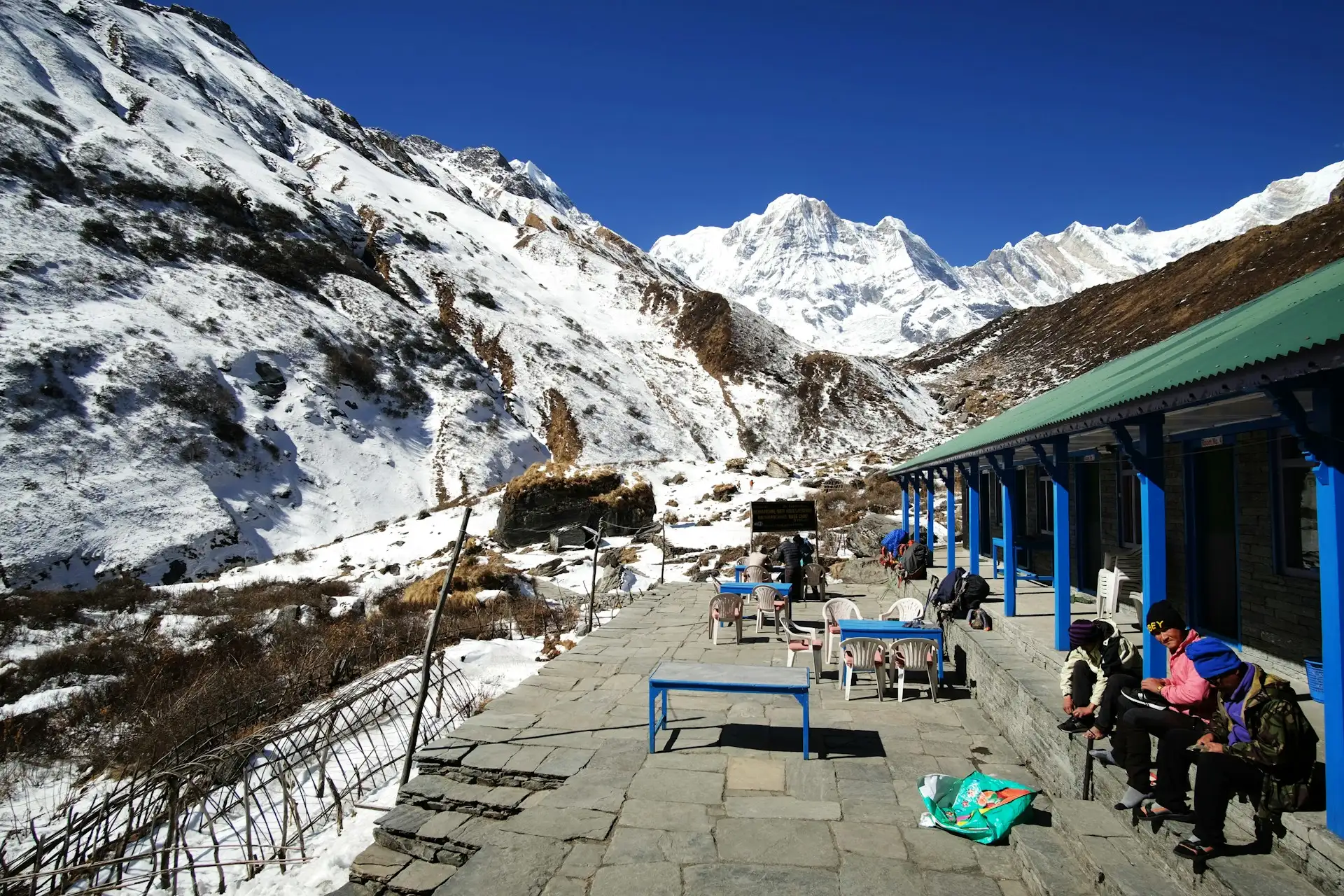
Teahouses along the ABC route serve a mix of Nepali and Western-style food. Most dishes are freshly cooked to order. The menu variety is best at lower elevations and becomes simpler higher up.
| Meal Type | Common Dishes | Best For |
|---|---|---|
| Breakfast | Porridge, eggs (any style), Tibetan bread, toast with jam/honey, pancakes, muesli | Starting the day with energy |
| Lunch | Dal bhat, fried rice, chow mein, noodle soup (thukpa), momos | Filling up for afternoon walking |
| Dinner | Dal bhat, pasta, garlic soup, pizza (Nepali style), vegetable curry with rice | Comfort food after a long day |
| Snacks | Chocolate bars, biscuits, nuts, chips, boiled potatoes | Quick energy between meals |
| Drinks | Tea (black, milk, ginger, lemon), coffee, hot chocolate, soft drinks | Hydration and warmth |
Breakfast on the ABC Trek
Breakfast is served early, typically around 6:30–7:30 AM, to get you started on the day’s walk. Portions are generous, and you will need the calories.
Common breakfast choices include:
-
Porridge – Oat, corn, or millet; served hot with honey or sugar. Light, warming, and easy to digest.
-
Eggs – Boiled, scrambled, or as an omelette. Usually served with toast or Tibetan bread.
-
Tibetan bread – Deep-fried bread, slightly sweet; often eaten with honey, jam, or egg.
-
Pancakes – Plain, apple, or banana; served with honey or syrup.
-
Toast – With jam, honey, butter, or cheese.
-
Chapati or roti – Flatbreads served with vegetable curry.
-
Muesli – With hot milk (in some teahouses).
Drinks: Tea (black, milk, ginger, or lemon), instant coffee, hot chocolate, or hot lemon.
Price estimate: Breakfast typically costs $3–9 depending on elevation, with eggs costing $1.50–8.00 as you climb higher .
Lunch on the ABC Trek
Lunch is usually eaten at a teahouse along the trail between 11:30 AM and 1:00 PM. It is the main meal for many trekkers because it provides energy for the afternoon walk.
Common lunch choices:
-
Dal bhat – The classic Nepali meal: steamed rice, lentil soup (dal), vegetable curry, and pickles (achar). Often comes with free refills of rice and dal.
-
Fried rice – With vegetables or egg.
-
Chow mein – Fried noodles with vegetables.
-
Thukpa – A hearty noodle soup, Tibetan in origin, popular at higher elevations.
-
Momo – Nepali-style dumplings, stuffed with vegetables (meat momos are available lower down).
-
Spring rolls – Vegetable-filled, deep-fried.
Price estimate: Lunch generally costs $4–11, with dal bhat ranging from $3.50 at lower elevations to $14 at ABC .
Dinner on the ABC Trek
Dinner is the main evening meal, served from around 6:00 PM in the teahouse where you are staying. After a long walking day, most trekkers want something hot, substantial, and comforting.
Common dinner choices:
-
Dal bhat – The same filling meal as lunch.
-
Garlic soup – Many guides recommend this at higher altitudes to help with acclimatisation; it is warm, hydrating, and easy to digest .
-
Pasta or spaghetti – Usually with tomato or cream sauce, sometimes with vegetables.
-
Pizza – “Mountain-style” pizza: a thick, bread-like base with cheese and vegetables. Not what you would get at home, but a popular treat.
-
Thukpa – Noodle soup; particularly good for cold evenings.
-
Vegetable curry with rice – A simple, freshly cooked meal.
-
Boiled potatoes with vegetables – A safe and simple option.
-
Desserts – Rice pudding, apple pie, or chocolate pudding when available .
Price estimate: Dinner costs $4–13 depending on elevation and dish .
Dal Bhat: The King of Trekking Food
Dal bhat is the most important meal on the ABC trek. It is the national dish of Nepal and the default option at almost every teahouse.
What is dal bhat? It is a plate of steamed rice, lentil soup (dal), vegetable curry, and pickles. Sometimes you get a small piece of meat or fried fish at lower elevations, but above Chhomrong, it is strictly vegetarian.
Why it matters for trekkers:
-
Unlimited refills – Many teahouses offer free refills on rice and dal . This makes it the best value for money on the trail.
-
High carbohydrate content – Rice provides sustained energy for walking.
-
Easily digestible at altitude – Dal bhat is low in fat, which matters because high altitude slows digestion .
-
Plant-based protein – Lentils provide protein, useful for vegetarian trekkers .
-
Hot and filling – Exactly what you need after a cold day on the trail.
Pro tip: Order dal bhat for lunch and dinner if you are on a budget. It is the most nutritionally and financially efficient meal on the trail.
Vegetarian and Vegan Food on the ABC Trek
Vegetarian Food
Vegetarian food is widely available and in fact becomes the only option at higher elevations. The ABC trek is very accommodating for vegetarians.
Vegetarian-friendly meals:
-
Dal bhat (naturally vegetarian)
-
Vegetable momos
-
Fried rice with vegetables
-
Vegetable chow mein
-
Pasta with tomato or cream sauce
-
Pizza (vegetable)
-
Eggs (if you are ovo-vegetarian)
-
Porridge, pancakes, toast
-
Vegetable curries with rice or chapati
Cultural note: Vegetarianism is well respected in Nepal. Many locals follow meat-free diets, especially during religious periods. Tea house owners are accustomed to vegetarian requests .
Food safety advantage: Vegetarian meals are generally safer than meat dishes because fresh vegetables are available and meat is often carried without refrigeration above Chhomrong .
Vegan Food
Vegan food is more challenging but still manageable with clear communication.
Vegan-friendly staples:
-
Plain dal bhat without ghee (clarified butter)
-
Vegetable curry cooked in oil
-
Rice, chapati, and roti
-
Boiled potatoes and vegetables
-
Fried rice without egg
-
Noodle soup (vegetable broth)
Important: Clearly state “no milk, no butter, no cheese, no ghee” when ordering . Dairy is commonly used in Nepal and may be added without you knowing.
Vegan breakfast options: Porridge with water, toast with jam, plain chapati, fruit (when available).
Dairy-Free and Allergy Considerations
-
Lactose intolerant trekkers should avoid milk tea, hot chocolate, and yoghurt. Ginger tea and black tea are safe.
-
Nut allergies – Be cautious with desserts and snacks; inform your guide and teahouse staff clearly.
-
Gluten-free – Rice, dal bhat, and potato dishes are safe; pasta and pizza are not.
Before you go: If you have strict dietary requirements, tell your trekking company before departure. Wonder Hikes Nepal can help communicate your needs to teahouses along the route and confirm what is possible at each stop.
Meat on the Trek
Meat availability changes dramatically with altitude.
Below Chhomrong (up to ~2,170m):
-
Meat dishes are available: chicken curry, meat momos, fried fish.
-
Meat is transported by road or short porter carries.
-
Prices are reasonable.
Above Chhomrong:
-
Meat is discouraged or unavailable .
-
The Annapurna Sanctuary is a religiously protected No-Kill Zone. Meat is not available at Machhapuchhre Base Camp or Annapurna Base Camp.
-
Any meat that does appear at higher elevations has been carried by porters for days without reliable refrigeration. The food poisoning risk is significant .
Our recommendation: Do not eat meat above Chhomrong. The risk is not worth it. Stick to dal bhat and vegetarian dishes higher up.
Snacks on the ABC Trek
Teahouses sell snacks, but the selection is limited and prices increase with altitude. We strongly recommend carrying your own snacks from Pokhara or Kathmandu .
What teahouses typically sell:
-
Chocolate bars
-
Biscuits/cookies
-
Chips/crisps
-
Instant noodles (to make with hot water)
-
Roasted peanuts
-
Popcorn
What to pack from home/Pokhara:
-
Energy bars – Lightweight, high-calorie.
-
Nuts – Good source of protein and fats.
-
Dried fruit – Dates, apricots, raisins.
-
Chocolate – Dark chocolate is best; less melty than milk chocolate.
-
Electrolyte powder – For adding to water.
-
Peanut butter sachets – Adds protein to bread.
-
Instant soup packets – A warm, salty treat at high altitude.
Snack prices: A chocolate bar that costs $1 in Pokhara can cost $2–3 at ABC . Bring what you will need.
Drinks on the ABC Trek
Hot drinks are the most popular choice on the trail, especially in cold weather.
| Drink | Typical Price (USD) | Note |
|---|---|---|
| Tea (black/milk) | $0.60–4.00 | Ginger tea and lemon tea are great for altitude |
| Coffee | $0.80–4.00 | Usually instant |
| Hot chocolate | $1.50–4.50 | A comforting treat |
| Hot lemon/honey | $0.80–3.50 | Soothing for sore throats and cold weather |
Soft drinks and alcohol:
-
Coca-Cola, Sprite, Fanta are available at most teahouses.
-
Soft drinks cost $1.00 at lower elevations, rising to $5.50 at ABC .
-
Beer (Everest, Gorkha, Tuborg) is available below 3,500m.
-
Alcohol is discouraged above 3,000m due to dehydration and altitude risks .
Our advice: Drink plenty of tea and water. Avoid alcohol until you have descended.
Water on the ABC Trek
Staying hydrated is critical, and how you manage water matters for your health, budget, and the environment.
Water sources and costs:
-
Boiled water – The safest and most recommended option. Costs $0.60–4.00 per litre depending on elevation .
-
Bottled water – Available but expensive ($1–4 per litre at higher elevations) and creates plastic waste. The Annapurna Conservation Area discourages bottled water use .
-
Tap water – Not safe to drink without treatment.
-
Stream water – Only drink if filtered or treated.
Water treatment options:
-
Boiled water – The gold standard; kills all pathogens.
-
Water purification tablets – Lightweight, effective, and cheap ($6–9 for a whole trek) .
-
Filter bottle – A reusable bottle with built-in filter. One-time purchase $22–45, but saves money over the trek .
Cost comparison for a 10-day trek:
-
Boiled water: $11–19
-
Bottled water: $37–60
Hydration strategy:
-
Drink 3–4 litres per day.
-
Fill your water bottle each morning and evening at your teahouse.
-
Use purification tablets or a filter for water from taps or streams.
-
Carry a reusable bottle; avoid single-use plastic.
Food at Higher Elevations: What Changes as You Climb
Food availability, variety, and price change significantly with altitude. Here is what to expect at key points on the route .
Pokhara to Nayapul (820m–1,070m)
-
Full restaurant menus.
-
Fresh meat, brewed coffee, baked goods.
-
Very affordable.
-
Stock up on snacks here.
Ghandruk and Landruk (~1,940m)
-
Extensive teahouse menus.
-
Dal bhat, momos, pizza, pasta, eggs, apple pie.
-
Fresh vegetables and meat dishes available.
-
Best variety on the lower trail.
Chhomrong (~2,170m)
-
Wide menus still available.
-
Last reliable point for meat dishes and fresh vegetables.
-
Prices begin to rise.
-
Apple pie and other desserts available.
Sinuwa, Bamboo, and Dovan (2,340m–2,520m)
-
Menus become predominantly vegetarian.
-
Dal bhat, fried rice, chow mein, soups, eggs, porridge.
-
Prices noticeably higher.
Himalaya and Deurali (2,900m–3,200m)
-
Simpler menus.
-
Dal bhat, noodle soup, thukpa, fried rice, eggs.
-
Appetite may begin to decrease.
-
Prioritise carbohydrate-rich, easily digestible foods.
-
Ginger and lemon tea available at all hours.
Machhapuchhre Base Camp – MBC (3,700m)
-
Basic menus only: dal bhat, noodles, soup, rice.
-
No complex Western dishes.
-
Garlic soup strongly recommended by guides.
-
Some trekkers experience loss of appetite. Eat anyway, even in small amounts.
Annapurna Base Camp – ABC (4,130m)
-
Most limited and most expensive menus.
-
Dal bhat (from $6–14), noodles, basic soups, hot drinks only.
-
No fresh vegetables, no meat.
-
Everything is carbohydrate-focused.
-
Warm ginger tea is essential.
-
Eat even if your appetite is very low – your body needs fuel.
Annapurna Base Camp Trek Food Costs
Food prices increase with altitude because everything above Chhomrong is carried by porters or mules . Here are approximate 2026 price ranges in USD :
| Menu Item | Lower (below 2,200m) | Mid (2,200–3,200m) | Upper (above 3,200m) |
|---|---|---|---|
| Dal Bhat | $3.50–4.50 | $4.50–6.00 | $6.00–14.00 |
| Noodle Soup / Thukpa | $2.30–4.00 | $3.00–6.00 | $4.00–10.00 |
| Pasta | $3.50–6.00 | $5.00–8.00 | $7.00–11.00 |
| Pizza | $4.50–7.00 | $7.00–9.00 | $8.00–10.00 |
| Eggs | $1.50–3.00 | $2.30–4.50 | $3.00–8.00 |
| Tea / Coffee | $0.60–1.50 | $0.80–2.50 | $1.10–4.00 |
| Boiled Water (1L) | $0.60–1.10 | $0.90–2.30 | $1.10–4.00 |
| Soft Drink | $1.00–2.00 | $2.00–4.00 | $3.00–5.50 |
Daily Food Budget
| Trekker Type | Daily Budget (USD) | Meals and Drinks |
|---|---|---|
| Budget | $18–25 | Mainly dal bhat, tea, boiled water |
| Standard | $25–35 | Mix of meals, coffee, occasional treats |
| Comfort | $35–50 | Western food, multiple coffees, snacks |
Total for a 10-day trek: $220–450 for food and drinks .
Money-saving tips:
-
Eat dal bhat twice daily – saves $80–120 over 10 days .
-
Drink tea instead of coffee – saves $20–30.
-
Use boiled water, not bottled – saves $25–40.
-
Bring your own snacks – saves $40–60 .
-
Avoid alcohol at altitude.
Food and Altitude: Appetite and Nutrition
Eating at altitude is different from eating at sea level. Your body changes, and you need to adapt.
Appetite changes:
-
Many trekkers experience reduced appetite above 3,000m.
-
This is normal but dangerous if you stop eating.
-
Your body burns more calories at altitude – up to 20–30% more than at sea level.
-
You need to eat even when you are not hungry.
What to eat:
-
Carbohydrates – Rice, noodles, bread, porridge. These are easy to digest and provide quick energy.
-
Easy-to-digest foods – Dal bhat, soups, porridge, pasta. Avoid heavy, fatty, or spicy meals .
-
Garlic soup – Many guides recommend it; it is warming, hydrating, and easy to digest.
-
Small, frequent meals – Eat little and often rather than three large meals.
Foods to avoid at high altitude:
-
Heavy, fried foods.
-
Very spicy dishes.
-
Large portions – your stomach empties more slowly at altitude.
-
Alcohol – it dehydrates you and impairs acclimatisation.
-
Meat above Chhomrong – food poisoning risk is higher and recovery at altitude is much harder.
Food Safety and Hygiene on the ABC Trek
Foodborne illness is the most common health problem on the trail. A day of diarrhoea at altitude is miserable and can be dangerous.
How to reduce food safety risks:
-
Eat freshly cooked hot food – Most teahouses cook to order; hot food is generally safe.
-
Avoid raw vegetables and salads – They may have been washed in untreated water .
-
Avoid raw or undercooked eggs – Stick to well-cooked eggs.
-
Avoid meat above Chhomrong – The food poisoning risk is high .
-
Drink boiled or purified water only.
-
Wash your hands – Use hand sanitiser before eating. Teahouses often have limited washing facilities.
-
Trust your instincts – If food smells off, tastes unusual, or looks questionable, do not eat it .
Food storage: Teahouses store dry goods well, but fresh ingredients are limited. Above 3,000m, many teahouses rely on tinned or dried ingredients.
What to Pack: Snacks and Essentials
Pack these food-related items before leaving Pokhara or Kathmandu.
Recommended snacks to carry:
-
Energy bars (10+)
-
Nuts and trail mix
-
Dried fruit
-
Dark chocolate
-
Peanut butter sachets
-
Instant soup packets
-
Electrolyte powder
-
Hard sweets or mints
Essential gear:
-
Reusable water bottle
-
Water purification tablets or a filter bottle
-
Thermos (for hot drinks on cold mornings)
-
Hand sanitiser
-
Small container for carrying snacks
What is not worth carrying:
-
Heavy or bulky food
-
Food that melts (soft chocolate in warm weather)
-
Large quantities – you can buy snacks at teahouses
Sample Full Day Meal Plan for the ABC Trek
| Meal | What to Eat | Why |
|---|---|---|
| Breakfast (6:30 AM) | Porridge + Tibetan bread with honey + ginger tea | Slow-release energy; easy to digest |
| Morning snack (9:00 AM) | Energy bar + water | Maintains energy between meals |
| Lunch (12:00 PM) | Dal bhat (unlimited refills) + lemon tea | Sustained energy for afternoon walk |
| Afternoon snack (3:00 PM) | Nuts and dried fruit | Quick energy boost |
| Dinner (6:30 PM) | Garlic soup + fried rice with vegetables + hot chocolate | Warm, filling, aids acclimatisation |
Practical Food Tips for the ABC Trek
These are insights from experienced trekkers and guides that are not always obvious.
-
Menus become less varied higher up. Do not expect a wide choice at ABC. The menu has 10–15 items at most.
-
Order early at peak times. Teahouses get busy at lunch and dinner. If you arrive late, you may wait an hour for food.
-
Tell your teahouse about dietary restrictions immediately. Do not assume they will remember.
-
Carry cash. Credit cards are not accepted at teahouses. ATMs are rare. Bring enough Nepali rupees for your entire trek.
-
Dal bhat is the most reliable option. If you are unsure what to order, order dal bhat.
-
Bring a stash of your favourite snacks. Teahouse snacks are limited and expensive. That one extra chocolate bar can be a lifesaver on a hard day.
-
Listen to your guide. If your guide recommends garlic soup or avoids certain foods, follow their advice – they know the trail and the teahouses.
-
Eat even when you are not hungry at altitude. Your body needs fuel; force yourself to eat small amounts if necessary.
-
Timing matters. On long walking days, eat a substantial breakfast and a good lunch. Snacks fill the gaps.
-
Stay hydrated. Drink water regularly throughout the day, not just at meals.
How Wonder Hikes Nepal Can Help
Wonder Hikes Nepal is a Kathmandu-based trekking company with extensive experience on the Annapurna Base Camp route. Their team can help you plan your food strategy and dietary requirements before you leave.
Specifically, Wonder Hikes Nepal can:
-
Confirm which teahouses can accommodate vegetarian, vegan, gluten-free, or dairy-free diets.
-
Communicate dietary needs to teahouses along the route before you arrive.
-
Advise on the best snacks to bring from home or buy in Pokhara.
-
Provide guides who know where to eat and what to order at each village.
-
Arrange teahouse bookings to ensure you have meals arranged, especially in peak season.
-
Handle practical preparation so you can focus on your trek.
Contact Wonder Hikes Nepal before your trek to discuss your dietary needs and get the most up-to-date advice for 2026.
Frequently Asked Questions about Annapurna Base Camp Trek Food
1. What food is available on the Annapurna Base Camp Trek?
Teahouses serve dal bhat (rice and lentils), noodles, eggs, soups, pasta, pizza, fried rice, porridge, Tibetan bread, and hot drinks. The menu is simple but sufficient. Variety decreases with altitude .
2. Is dal bhat available on the ABC trek?
Yes. Dal bhat is the most widely available meal on the trail, served at nearly every teahouse from the start to ABC. It often comes with unlimited refills .
3. Is vegetarian food available on the ABC trek?
Yes. Vegetarian food is available at all teahouses. Above Chhomrong, the menu is almost entirely vegetarian. Dal bhat, vegetable curry, fried rice, momos, and pasta are all vegetarian-friendly .
4. Is vegan food available on the ABC trek?
Yes, with careful communication. Vegan staples include dal bhat without ghee, vegetable curry, rice, chapati, and boiled potatoes. Clearly state “no milk, no butter” when ordering .
5. Can I get meat on the ABC trek?
Yes, but only below Chhomrong. Above Chhomrong, meat is unavailable or strongly discouraged due to the religious significance of the Annapurna Sanctuary and food safety risks. Do not eat meat above this point .
6. Can I get pizza on the ABC trek?
Yes, at many teahouses. “Mountain-style” pizza is available on the lower and mid sections of the trek. It has a thick, bread-like base. Quality varies .
7. What is available for breakfast on the ABC trek?
Breakfast options include porridge, eggs (boiled, scrambled, omelette), Tibetan bread, toast, pancakes, muesli, chapati, and tea or coffee .
8. What is available for lunch on the ABC trek?
Lunch options include dal bhat, fried rice, chow mein, thukpa (noodle soup), momos, spring rolls, and pasta .
9. What is available for dinner on the ABC trek?
Dinner options include dal bhat, garlic soup, pasta, pizza, vegetable curry with rice, thukpa, and sometimes desserts like apple pie or rice pudding .
10. How much does food cost on the ABC trek?
Food costs increase with altitude. A daily food budget ranges from $18–25 for budget trekkers to $35–50 for comfortable spending. Dal bhat costs $3.50–14 depending on elevation .
11. Is drinking water safe on the ABC trek?
Tap water is not safe to drink. Trekkers should drink boiled water, bottled water, or treated water with purification tablets or a filter. Boiled water is the most cost-effective and safe option .
12. What snacks should I carry on the ABC trek?
Carry energy bars, nuts, dried fruit, chocolate, peanut butter sachets, electrolyte powder, and hard sweets. Snacks are limited and expensive at higher elevations .
13. Does food become more expensive at higher elevations?
Yes. Prices rise steadily with altitude because all supplies above Chhomrong are carried by porters or mules. A dal bhat that costs $3.50 at the start can cost $14 at ABC .
14. What food should I avoid on the ABC trek?
Avoid meat above Chhomrong due to food safety risks and religious restrictions. Avoid raw vegetables and salads. At high altitude, avoid heavy, fried, or spicy foods that are hard to digest .
15. What is the best food to eat while trekking?
Dal bhat is the best choice: it is nutritious, filling, widely available, often has free refills, and is easy to digest. For breakfast, porridge is a good choice for slow-release energy .
Conclusion on Annapurna Base Camp Trek Food
The Annapurna Base Camp trek offers simple, filling, and safe food for trekkers. You will not go hungry. Dal bhat is your best friend on the trail – it is nutritious, cheap, and available everywhere. Vegetarian options are plentiful, especially above Chhomrong. Meat is best avoided at higher elevations. Budget around $20–35 per day for food and drinks, and carry extra cash for the higher prices at MBC and ABC. Pack your own snacks from Pokhara to save money and ensure you have familiar food.
The most important food advice for the ABC trek: eat well, stay hydrated, and avoid meat above Chhomrong. If you have dietary restrictions, communicate them clearly to your teahouse and trekking company before you start. Wonder Hikes Nepal can help you plan your food strategy so you can focus on enjoying the spectacular scenery of the Annapurna Sanctuary.