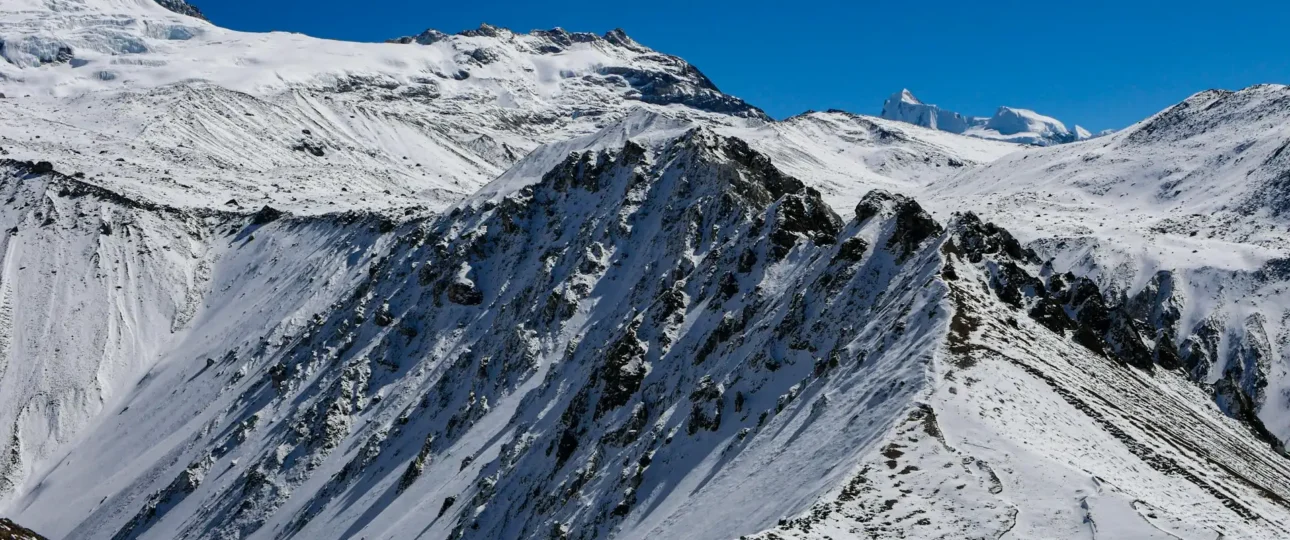
Introuduction to Langtang Valley Trek Permits
Langtang valley trek permits are simpler than most trekkers expect—but only if you’re working with current information. For the standard Langtang Valley Trek route from Syabrubesi to Kyanjin Gompa and back, you need exactly two documents: a Langtang National Park Entry Permit and a TIMS card. There is no restricted-area permit, no municipal tax, and no additional trail fee for the standard route.
The costs are as follows for 2026:
-
Foreign nationals: NPR 3,000 for the park permit + NPR 2,000 for TIMS = NPR 5,000 total (approximately $38)
-
SAARC nationals (including Indian citizens): NPR 1,500 for the park permit + NPR 1,000 for TIMS = NPR 2,500 total (approximately $19)
-
Nepali citizens: NPR 100 for park entry only, no TIMS required
A guide is not legally mandatory for Langtang Valley, unlike restricted areas such as Upper Mustang or Manaslu. However, a licensed guide provides significant safety advantages, especially for altitude management and logistics. Both permits are obtainable at the Nepal Tourism Board office in Kathmandu, and the process takes under two hours if you arrive prepared.
The confusion surrounding Langtang permits stems from outdated information, the false assumption that all border-adjacent trekking regions are restricted, and some agencies overcomplicating the process. This guide resolves all of that with verified 2026 information.
Langtang Valley Trek Permits: Complete Fee Breakdown Table
Understanding the exact cost of Langtang Trek permits requires separating the two documents and knowing your nationality category. Here is the complete breakdown for 2026:
| Permit Type | Foreign Nationals (NPR) | SAARC Nationals (NPR) | Nepali Citizens (NPR) | Purpose |
|---|---|---|---|---|
| Langtang National Park Entry Permit | 3,000 | 1,500 | 100 | Conservation and park access |
| TIMS Card | 2,000 | 1,000 | Not required | Trekker safety database |
| Total | 5,000 | 2,500 | 100 | Both documents required for foreign trekkers |
Why NPR Is the Only Reliable Currency
Many websites quote Langtang Trek permit fees in US dollars, but those figures shift with exchange rates and often include hidden service charges. The official fees are set in Nepalese rupees. When you pay at the Nepal Tourism Board office or the park checkpoint, NPR is the expected currency. Carrying exact cash in NPR speeds up processing and eliminates exchange-rate friction.
Children’s Permit Fees
There is no officially published reduced Langtang Valley Trek permit cost for children. The official rates apply regardless of age. Some trekking agencies may absorb child permit fees as a service, but you should not assume this. Budget for full permit costs for every trekker in your group unless your agency confirms otherwise in writing.
Langtang National Park Permit: The First Essential Document
The Langtang National Park permit is your authorization to enter Nepal’s first Himalayan national park, established in 1976. The park covers 1,710 square kilometers across Rasuwa, Nuwakot, and Sindhupalchok districts, including the entire Langtang Valley trekking corridor.
What the Park Permit Actually Covers
The Langtang National Park permit is fundamentally a conservation fee. The revenue supports:
-
Park ranger salaries and patrol operations
-
Trail maintenance within the park boundary
-
Anti-poaching and wildlife monitoring programs
-
Community development projects in park-adjacent villages
-
Bridge and infrastructure repairs, including post-2015 earthquake reconstruction
The permit is valid for the duration of your trek within the park boundary. You do not need separate daily permits or multiple entries for the standard route.
Current Langtang National Park Permit Fees
The Langtang National Park permit fee structure for 2026 is:
-
Foreign nationals: NPR 3,000 per person
-
SAARC nationals: NPR 1,500 per person
-
Nepali citizens: NPR 100 per person
Where to Obtain the Langtang National Park Permit
You have two options for getting your Langtang National Park permit:
Option 1: Nepal Tourism Board Office, Kathmandu (Recommended)
The Nepal Tourism Board office on Pradarshani Marg in central Kathmandu issues both the park permit and TIMS card. This is the most efficient option because you complete both permit requirements in one visit. The office is a 10-minute walk or short taxi ride from Thamel, the main tourist district.
Option 2: Park Checkpoint in Dhunche (Backup Only)
The park entry checkpoint in Dhunche, the Rasuwa district headquarters, can issue Langtang National Park permits on the spot. However, this checkpoint is designed primarily for verification, not issuance. Staffing is limited, payment processing is slower, and waiting here delays your arrival in Syabrubesi. You should only rely on Dhunche if you could not obtain your permit in Kathmandu.
Langtang Trek TIMS: The Second Required Document
The Langtang Trek TIMS requirement is frequently misunderstood. TIMS stands for Trekkers’ Information Management System, and it serves a completely different purpose from the park permit.
What TIMS Does
The Langtang Trek TIMS card is a safety document. When you apply for TIMS, you provide:
-
Your passport details
-
Emergency contact information
-
Planned itinerary and route
-
Guide information if applicable
-
Travel insurance details
This information is stored in a central database managed by the Nepal Tourism Board. Your TIMS card carries a unique QR code and identification number. At checkpoints along the trek, officials scan this code to log your location. If you go missing, are injured, or fail to check in at expected points, the system gives search-and-rescue teams a starting point for locating you.
Current TIMS Fees for Langtang
The Langtang Trek TIMS fee for 2026 is:
-
Foreign nationals: NPR 2,000 per person
-
SAARC nationals: NPR 1,000 per person
-
Nepali citizens: Not required
Types of TIMS Cards
There are two TIMS card types relevant to Langtang trekkers:
Green TIMS Card: Issued to independent trekkers who are not using a guide or agency. You apply for this yourself at the Nepal Tourism Board office.
Blue TIMS Card: Issued through registered trekking agencies. If you book through an agency like Wonder Hikes Nepal, the agency processes your TIMS as part of your trek package. The fee is the same; the color distinction simply tells checkpoint officials whether you are traveling independently or with professional support.
Digital TIMS System
Since 2023, Nepal has transitioned to a digital TIMS system with QR-code verification. The paper forms of earlier years have been largely phased out. The digital system allows for faster processing and more reliable data, but you still must visit the Nepal Tourism Board office in person for verification, payment, and card issuance if you are trekking independently.
Langtang Trek Guide Requirement: What the Rules Actually Say
The Langtang Trek guide requirement is one of the most searched questions about this route. The direct answer: no guide is legally required for the standard Langtang Valley Trek in 2026.
Langtang Is Not a Restricted Area
The confusion about Langtang Trek guide requirements stems from conflating Langtang with Nepal’s restricted trekking areas. Restricted areas—such as Upper Mustang, Manaslu, Nar Phu, and Dolpo—require:
-
A licensed guide
-
A restricted-area permit from the Department of Immigration
-
Significantly higher permit fees
-
Minimum group requirements in some cases
Langtang Valley is not on the restricted-area list. The standard route requires only the park permit and TIMS. You are legally free to trek independently.
Why a Guide Is Still Recommended
While the Langtang Trek guide requirement does not legally obligate you to hire a guide, there are compelling practical reasons to consider one:
Altitude safety: The Langtang Valley climbs from approximately 1,500 meters at Syabrubesi to 3,870 meters at Kyanjin Gompa. Side trips to Kyanjin Ri (4,773 meters) and Tserko Ri (4,984 meters) push you close to or above 5,000 meters. A trained guide recognizes early altitude sickness symptoms and makes conservative itinerary decisions that could prevent serious illness.
Weather judgment: Langtang’s weather can shift rapidly, especially during the shoulder seasons. Local guides read cloud patterns and temperature changes in ways that forecasts cannot capture. This knowledge helps you avoid dangerous conditions on high passes and ridge climbs.
Tea house logistics: During peak seasons (October–November and March–April), tea houses in Langtang Village and Kyanjin Gompa fill quickly. Guides typically phone ahead to reserve beds and meals, ensuring you have accommodations after a long day of trekking.
Post-earthquake context: The 2015 earthquake devastated Langtang Village, killing more than 200 residents and destroying much of the settlement. The community has spent years rebuilding. A local guide can help you understand what you are seeing, introduce you to local families, and ensure your tourism spending directly supports the community’s recovery.
Communication and emergency response: If you are injured or fall ill, a guide can communicate with local authorities, arrange evacuation if necessary, and navigate the complexities of insurance claims and medical care.
How Wonder Hikes Nepal Handles the Guide Question
Wonder Hikes Nepal provides licensed, experienced Langtang Valley guides who understand the route, the altitude profile, and the local communities. When you book a Langtang trek with Wonder Hikes Nepal, your guide is included in your package, along with all permit processing. This removes the logistical burden of finding a qualified guide independently and ensures your guide has been vetted for experience and safety protocols.
Is Langtang a Restricted Area? The Definitive Answer
No, Langtang is not a restricted area. This is one of the most common misunderstandings about Langtang Valley trek permits, and it leads to unnecessary concern about additional documentation.
Why the Confusion Persists
Several factors contribute to the widespread misunderstanding:
Proximity to Tibet: Langtang lies close to the Nepal-Tibet border, and some trekkers assume that all border-adjacent regions are restricted. This is incorrect. The restricted-area framework applies to specific designated zones, not all areas near the border.
Historical changes: Nepal has periodically added and removed areas from the restricted list. Some older guidebooks and websites describe requirements that no longer apply. Langtang has consistently remained outside the restricted framework for the standard route.
Agency messaging: Some trekking companies describe Langtang as requiring “special permits” or “restricted-area documentation” to justify higher package fees. This is misleading. The standard route requires only the park permit and TIMS.
Ganja La confusion: The Ganja La Pass route, which crosses from Langtang Valley to Helambu, does involve different requirements. However, this is not the standard Langtang Valley Trek. If you are doing the standard out-and-back route, no restricted-area documentation applies.
What Restricted-Area Status Actually Means
To put this in perspective, here is what restricted-area status actually involves in Nepal:
| Requirement | Restricted Areas (e.g., Upper Mustang) | Langtang Valley |
|---|---|---|
| Restricted-area permit | Required (US$500+ for 10 days) | Not required |
| Licensed guide | Mandatory | Not legally required |
| Minimum group size | Sometimes required | No minimum |
| Fixed itinerary | Required | Flexible |
| Permit-issuing authority | Department of Immigration | Nepal Tourism Board |
The difference is substantial. Langtang Trek permits are simpler, cheaper, and more flexible than restricted-area documentation.
Where to Get Langtang Trek Permits in Kathmandu
The Langtang Trek permit Kathmandu process is straightforward, but knowing where to go and what to expect saves time and frustration.
The Nepal Tourism Board Office
The Nepal Tourism Board office is the primary permit-issuing location for Langtang Valley. The office is located on Pradarshani Marg, near the eastern end of the former Royal Palace grounds. From Thamel, it is a 10-minute walk or a short taxi ride.
What the office issues:
-
Langtang National Park Entry Permits
-
TIMS cards (both green and blue)
-
Permits for other trekking regions in Nepal
What to bring:
-
Valid passport
-
Two passport-sized photographs (for TIMS)
-
NPR cash (small denominations work fine)
-
Planned itinerary details
-
Emergency contact information
Processing time: The combined process typically takes 45–90 minutes. Morning visits are generally faster. The office operates during standard Nepali government business hours, which have shifted occasionally. Check with your hotel or agency the day before your visit for current hours.
Through a Registered Trekking Agency
If you book your Langtang trek through Wonder Hikes Nepal, the agency handles both permits for you. You provide your passport details and photographs, and the permits are ready before your departure. This is the most convenient option for trekkers who:
-
Arrive in Kathmandu on a tight schedule
-
Prefer not to navigate government offices
-
Want everything confirmed before starting the trek
-
Are booking a complete package that includes guide, transportation, and accommodations
At the Park Checkpoint in Dhunche
The Langtang National Park checkpoint in Dhunche can issue park permits, but this should be a backup plan. The checkpoint is designed for verification, not issuance. Staffing is limited, payment processing is slow, and relying on this option delays your arrival in Syabrubesi. If you are traveling by road from Kathmandu, you will pass through Dhunche en route to Syabrubesi. Having your permit already in hand means you pass through quickly.
Langtang Trek Permit Documents: The Complete Checklist
Having the right documents ready before you visit the permit office makes the Langtang Trek permit Kathmandu process smooth. Here is everything you need:
Required Documents for Langtang Permits
Passport: Your valid passport is the foundational document. The name and passport number on your permits must match your passport exactly. Check this carefully before leaving the issuing counter.
Two passport-sized photographs: Standard Nepali visa photo dimensions work. If you don’t have photos, you can have them taken in Thamel before visiting the permit office.
Emergency contact details: You need the name, relationship, phone number, and email of someone who is not trekking with you. This is a TIMS requirement.
Itinerary information: Know your route name (Langtang Valley Trek), expected start date, planned duration, and whether you are trekking independently or with a guide.
NPR cash: Bring enough for both permit fees. The office prefers cash, and having exact change speeds up processing.
Documents to Carry During the Trek
Passport: You will need it for tea house registration and checkpoint verification.
Original permit documents: Carry both originals in a waterproof document pouch.
Digital copies: Photograph both permits and save them to cloud storage. If you lose the originals, digital copies help checkpoint staff verify your status.
Travel insurance documentation: Not a permit requirement, but essential if you need evacuation. Know your policy number and emergency contact.
How the Langtang Permit Process Works Step by Step
Understanding the Langtang Trek permit application process before you arrive in Kathmandu ensures you use your time efficiently.
Step 1: Prepare Your Documents
Gather everything the night before: passport, photos, emergency contact details, itinerary information, and NPR cash. This preparation makes the actual process much faster.
Step 2: Visit the Nepal Tourism Board Office
Arrive in the morning if possible. The office handles both park permits and TIMS, so you can complete everything in one visit. Expect to spend 45–90 minutes total.
Step 3: Complete the Application Forms
You will fill out forms for both permits. The park permit form is brief. The TIMS form is more detailed, asking for personal information, emergency contacts, and route details. The digital TIMS system may require you to submit an online form using a tablet or computer terminal at the office.
Step 4: Make Payment
Pay the combined fees in NPR cash. Keep your receipt. The receipt is your proof of payment if any questions arise about your permit status.
Step 5: Verify All Details
Before leaving the counter, check both documents carefully:
-
Is your name spelled exactly as it appears in your passport?
-
Is your passport number correct?
-
Is your nationality listed correctly?
-
Is the route information accurate?
Errors on Langtang Trek permits are difficult to correct once you are at the trailhead. A misspelled name or wrong passport number can cause delays at checkpoints and may require paying for a replacement permit.
Step 6: Store Your Permits Safely
Put the originals in a waterproof document pouch. Take photos of both documents with your phone and save them to cloud storage. Keep the permits accessible in your daypack, as you will need them at checkpoints.
Permit Checks During the Langtang Trek: What to Expect
You will encounter at least one formal permit check during your Langtang Valley Trek permits verification process, and possibly more. The checks are routine and straightforward if your paperwork is in order.
Where Checks Occur
Park entry checkpoint (Dhunche or Syabrubesi): This is the first formal verification. Officials inspect your park permit and may scan your TIMS QR code. Expect this early in your trek.
Trail checkpoints: Additional checkpoints exist along the trail at significant junctions or before major settlements. Officials may scan your TIMS to log your progress. These checks are quick.
Tea house registration: Every tea house records your passport details when you check in. Some tea house operators also ask to see your TIMS as part of registration. This is standard practice.
What Happens at a Checkpoint
The process is quick:
-
You present your permits
-
Officials scan the QR code or manually record your information
-
You continue on your way
The entire interaction usually takes less than five minutes.
If You Don’t Have the Correct Documentation
If you arrive at a checkpoint without proper Langtang Trek permits:
-
You will be stopped
-
You may be asked to pay the permit fee on the spot
-
You may be asked to return to the nearest permit-issuing location
-
You may face additional delays and scrutiny
The consequences are not severe in legal terms, but they waste trekking days and create unnecessary stress. There is no benefit to attempting to avoid permit fees. The costs are modest, and the system exists for legitimate safety and conservation purposes.
Side Trips from Kyanjin Gompa: Do You Need Additional Permits?
The standard side trips from Kyanjin Gompa—the traditional turnaround point of the Langtang Valley Trek—do not require any additional permits beyond your park permit and TIMS.
Kyanjin Gompa (3,870 meters)
Kyanjin Gompa is the main destination of the standard Langtang Valley Trek. The village sits in a high valley beneath Langtang Lirung (7,227 meters) and features a historic monastery, a yak cheese factory, and panoramic mountain views. Your standard permits cover your entire visit. No additional documentation or fees apply.
Kyanjin Ri (4,773 meters)
Kyanjin Ri is the most popular viewpoint climb from Kyanjin Gompa. The climb follows a steep trail up the ridge south of the village and offers views of Langtang Lirung, the Langtang glacier system, and the surrounding peaks. No additional permit is required for Kyanjin Ri. The climb is physically demanding and should not be attempted in poor visibility.
Tserko Ri (4,984 meters)
Tserko Ri is a more challenging viewpoint climb that starts from Kyanjin Gompa. The route is longer and steeper than Kyanjin Ri, but it is also within the park boundary and requires no additional permit. Tserko Ri is typically attempted as a pre-dawn start to reach the summit for sunrise. The altitude is significant, and proper acclimatization is essential.
A Note on Altitude Safety
While no additional Langtang Trek permits are required for these climbs, altitude management is critical. Kyanjin Ri and Tserko Ri push you close to or above 5,000 meters, where altitude symptoms can escalate rapidly. Your permit documentation has nothing to do with your physical safety. Make conservative decisions and descend if you experience:
-
Severe headache that does not respond to pain relief
-
Vomiting or persistent nausea
-
Confusion or difficulty thinking clearly
-
Loss of coordination or difficulty walking
Route Extensions: Ganja La Pass and Gosaikunda
The standard Langtang Valley Trek follows an out-and-back route from Syabrubesi to Kyanjin Gompa. If your itinerary includes route variations, the permit requirements may change.
Ganja La Pass (5,122 meters)
The Ganja La Pass crosses from the Langtang Valley to Helambu. This route is significantly more challenging than the standard valley trek and requires different logistics:
Technical difficulty: The pass involves glacier crossing and steep terrain. It is not a walk-up route.
Guide requirement: While there is no formal restricted-area designation for Ganja La, most reputable agencies require a licensed guide for this crossing. Some will not organize it without proper climbing experience.
Permit implications: The standard park permit and TIMS cover the Langtang Valley section. However, crossing into Helambu may require additional entry permissions depending on current regulations and the specific route. You must verify this with your agency or the Nepal Tourism Board before attempting the crossing.
Seasonal restrictions: The pass is typically crossable only in favorable weather windows during the pre-monsoon (April–May) and post-monsoon (October–November) seasons.
If your Langtang itinerary includes Ganja La, you are no longer doing the “standard” trek. Do not assume that the normal Langtang Trek permits documentation is sufficient. Confirm all requirements before leaving Kathmandu.
Gosaikunda Extension
The Gosaikunda Lakes area, accessed via the Laurebina La pass from the Langtang side, is a common extension for trekkers with extra time. The Gosaikunda area falls under a different management framework than the Langtang Valley:
Langtang National Park permit: Covers the valley section of your trek.
Additional entry fees: Gosaikunda has been subject to varying fee structures over the years. Some trekkers report paying a small additional fee at the Gosaikunda checkpoint. The fee situation is less standardized than the Langtang Valley.
TIMS: Your existing TIMS covers the entire route, including any Gosaikunda extension.
The practical advice is consistent: if you are doing anything beyond the standard Syabrubesi–Kyanjin Gompa out-and-back route, confirm your complete permit requirements before leaving Kathmandu. Route extensions can change the documentation picture, and the last place you want to discover an issue is at a remote checkpoint.
Common Langtang Permit Mistakes to Avoid
Trekkers make predictable mistakes with Langtang Valley trek permits. Understanding these pitfalls helps you avoid them.
1. Relying on Outdated Information
Guidebooks and older websites often contain permit information that is 3–5 years out of date. Fees change, systems update, and requirements shift. Treat any permit information from print sources as a starting point, not a final answer. The 2026 information in this article reflects current requirements.
2. Confusing TIMS with Park Entry
The Langtang National Park permit and Langtang Trek TIMS are separate documents with separate fees and separate purposes. Some trekkers assume that paying for one covers both. It does not. You need both documents.
3. Not Carrying Enough NPR Cash
Permit counters in Kathmandu and at the park checkpoint prefer NPR cash. Carrying exact change speeds up processing. Foreign currency and credit cards are unreliable for permit payments.
4. Not Checking Permit Details Before Leaving
A misspelled name or wrong passport number on your Langtang Trek permits creates problems at checkpoints. Officials may question the document’s validity, and you may face delays while the issue is resolved. Check everything before you leave the counter.
5. Assuming Restricted-Area Rules Apply
If you’ve previously trekked in Upper Mustang, Manaslu, or another restricted area, you may expect similar permit complexity for Langtang. That expectation is incorrect. Langtang’s two-document system is simpler and less expensive.
6. Waiting to Sort Permits in Syabrubesi
Syabrubesi does not have a full permit-issuing facility. If you arrive without your Langtang Trek permits, you will need to backtrack to Dhunche or send someone to resolve the issue. This costs a day or more of trekking time.
7. Booking with an Unregistered Operator
Some “trekking companies” in Kathmandu operate without official registration. They cannot issue legitimate TIMS cards or park permits through official channels. If you are booking through an agency, verify that they are registered with the Nepal Tourism Board and can provide your TIMS card in your name before you depart.
8. Photocopying Permits Instead of Carrying Originals
Carry the original Langtang Valley trek permits documents in your daypack. Photocopies are useful as backup, but officials at checkpoints are trained to look for originals. Digital copies on your phone are not a substitute.
How Wonder Hikes Nepal Simplifies the Langtang Permit Process
The Langtang Valley trek permits process is manageable for independent trekkers, but it requires time, coordination, and attention to detail. For many trekkers, the friction points are significant, especially when arriving in Kathmandu on a tight schedule.
Wonder Hikes Nepal is a registered trekking agency that handles the complete permit package for Langtang Valley treks. When you book your trek with Wonder Hikes Nepal, the team processes your Langtang National Park permit and TIMS card before you arrive in Kathmandu or during your first days in the city. You provide your passport details and photographs, and the permits are ready before your departure for Syabrubesi.
What Wonder Hikes Nepal Provides
Complete permit processing: The agency handles the Nepal Tourism Board office visits, form submission, payment, and document pickup. You don’t navigate government bureaucracy.
Licensed trekking guide: A registered guide with Langtang Valley experience, altitude training, and local knowledge of the route, tea houses, and safety procedures. Your guide understands the terrain, the weather patterns, and the communities you will pass through.
Transportation to Syabrubesi: Private jeep or bus arrangements to the trailhead, eliminating the uncertainty of public transportation logistics.
Tea house reservations: Especially valuable during peak seasons when rooms fill quickly. The agency arranges accommodations along the route.
Route planning and contingency management: Adjustments for weather, health issues, or unexpected trail conditions. Having local expertise in your corner means problems are handled before they escalate.
The Cost-Benefit Calculation
Using an agency for Langtang does not mean paying significantly more than independent trekking costs when you account for everything. The Langtang Trek permit fees remain the same regardless of how you book. You are paying for coordination, guidance, safety, and peace of mind. For trekkers who value time efficiency and the security of having everything arranged before departure, the service has clear value.
Frequently Asked Questions About Langtang Valley Trek Permits
1. What permits are required for Langtang Valley Trek?
You need two permits: a Langtang National Park Entry Permit and a TIMS card. No restricted-area permit is required for the standard route from Syabrubesi to Kyanjin Gompa and back.
2. How much does the Langtang Trek permit cost in 2026?
For foreign nationals, the Langtang Valley Trek permit cost is NPR 5,000 total (NPR 3,000 for park permit plus NPR 2,000 for TIMS). For SAARC nationals, the total is NPR 2,500 (NPR 1,500 plus NPR 1,000).
3. Do I need TIMS for Langtang Trek?
Yes. The Langtang Trek TIMS requirement applies to all foreign trekkers on the standard route, regardless of whether you are trekking independently or with an agency.
4. Do I need a guide for Langtang Valley Trek?
No. A guide is not legally required for the standard Langtang Valley Trek. However, a guide is recommended for safety, logistics, and the practical advantages of local knowledge.
5. Is Langtang Valley a restricted area?
No. Langtang Valley is not a restricted area. The Langtang Trek permits required are the park permit and TIMS only. Restricted-area rules apply to regions like Upper Mustang, Manaslu, and Dolpo.
6. Do Indian citizens need a Langtang permit?
Yes, Indian citizens need both permits. As SAARC nationals, Indian citizens pay reduced rates: NPR 1,500 for the Langtang National Park permit and NPR 1,000 for TIMS.
7. How much do SAARC nationals pay for Langtang permits?
SAARC nationals pay NPR 1,500 for the Langtang National Park permit and NPR 1,000 for TIMS. The total Langtang Trek permit fee is NPR 2,500.
8. Where can I get the Langtang National Park permit?
The primary location is the Nepal Tourism Board office in Kathmandu. You can also purchase the Langtang National Park permit at the park checkpoint in Dhunche, though this is slower and less convenient.
9. Can I get Langtang permits in Kathmandu?
Yes. The Nepal Tourism Board office in Kathmandu issues both the park permit and TIMS. The combined Langtang Trek permit Kathmandu process takes approximately 45–90 minutes.
10. Can I get the Langtang permit online?
As of 2026, there is no fully online permit-issuing system for individual trekkers. The digital TIMS system allows for online form submission, but you must still visit the Nepal Tourism Board office for verification, payment, and card issuance.
11. What documents are required for Langtang permits?
You need a valid passport, two passport-sized photographs, emergency contact details, itinerary information, and NPR cash for payment.
12. Are permits checked during the Langtang Trek?
Yes. You will encounter at least one checkpoint where your Langtang Trek permits are verified. Checks are routine and quick if your documentation is in order.
13. Do I need another permit for Kyanjin Ri?
No. Kyanjin Ri is within Langtang National Park and is covered by your standard park permit and TIMS. No additional Langtang Trek permits are required.
14. Do I need another permit for Tserko Ri?
No. Tserko Ri is also within the park boundary and requires no additional documentation beyond the standard permits.
15. Can I trek Langtang without a trekking agency?
Yes. Independent trekking is permitted on the standard Langtang Valley Trek. You can obtain your permits yourself in Kathmandu and trek without a guide or agency. However, you are responsible for your own safety, navigation, and logistics.