How difficult is Langtang Trek?
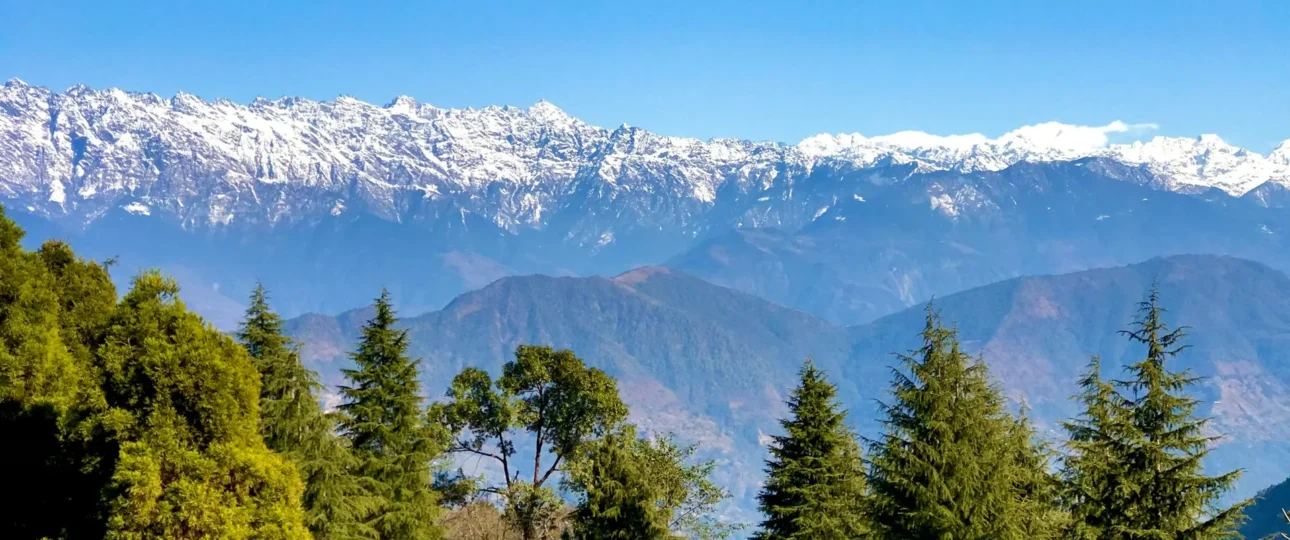
The honest answer is that Langtang Trek sits firmly in the moderate difficulty range for Himalayan treks—but “moderate” does not mean easy. The standard route from Syabrubesi to Kyanjin Gompa requires 5 to 7 hours of walking daily, climbs from 1,500 meters to 3,870 meters, and demands genuine cardiovascular endurance. The terrain itself is not technical. You will not need ropes, climbing gear, or mountaineering skills. What makes Langtang challenging is the combination of sustained uphill walking, consecutive trekking days, altitude exposure, and basic teahouse conditions.
A reasonably fit person who trains for 8 to 12 weeks can complete the standard Langtang Valley route. A sedentary person who attempts the trek without preparation will struggle significantly. The trek is suitable for fit beginners but unforgiving to those who underestimate it.
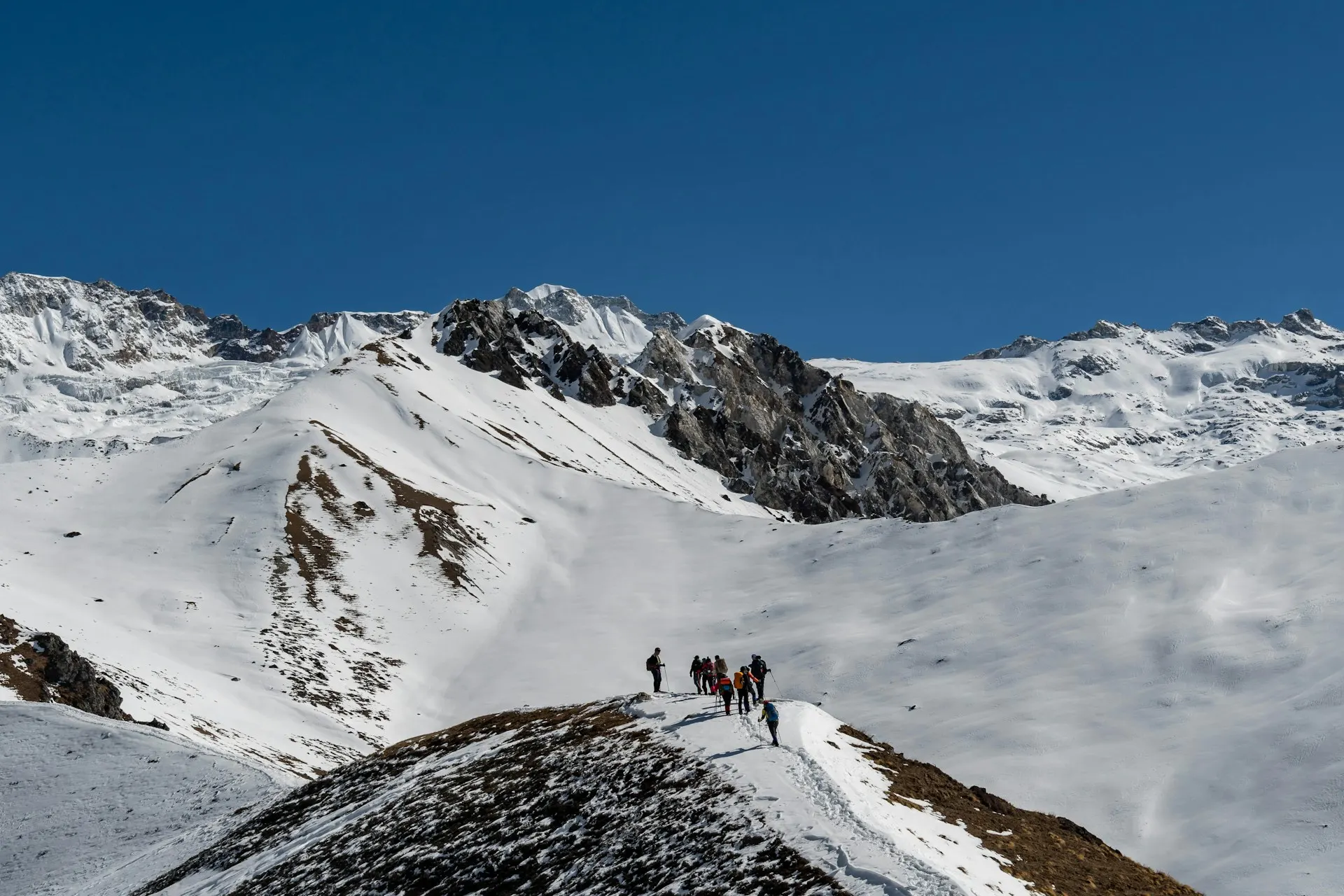
The difficulty of Langtang Trek is best understood by breaking it into five dimensions: physical effort, altitude, terrain, mental endurance, and environmental conditions. Each dimension affects trekkers differently, and understanding them helps you prepare realistically. Here is the complete breakdown for 2026.
Langtang Trek Difficulty: Complete 2026 Overview Table
| Difficulty Factor | Rating | What It Means for You |
|---|---|---|
| Overall difficulty | Moderate | Demanding but achievable with preparation |
| Technical difficulty | Low | No climbing skills or equipment needed |
| Physical difficulty | Moderate to High | 5–7 hours walking daily with elevation gain |
| Altitude difficulty | Moderate | Highest standard point at 3,870m |
| Mental difficulty | Moderate | Consecutive days, basic accommodation |
| Experience needed | Not required | Previous hiking strongly recommended |
| Fitness requirement | Moderate to High | Cardiovascular endurance essential |
| Biggest challenge | Altitude + Endurance | Combined effect of elevation and fatigue |
| Highest standard point | 3,870m | Kyanjin Gompa |
| Highest optional point | 4,984m | Tserko Ri (optional climb) |
Langtang Trek Difficulty: Understanding What “Moderate” Actually Means
The term “moderate” gets thrown around casually in trekking circles, but Langtang Trek difficulty deserves a more precise explanation. When experienced trekkers call Langtang moderate, they are comparing it to other Himalayan treks—not to everyday activities.
Langtang Trek difficulty means different things depending on your background:
-
For someone who has never hiked multi-day trails, Langtang will feel hard
-
For someone who has completed day hikes regularly, Langtang will feel challenging but manageable
-
For someone who has trekked at altitude before, Langtang will feel moderate
-
For someone who has completed Everest Base Camp or Manaslu, Langtang will feel relatively accessible
The label “moderate” assumes a baseline of reasonable fitness and preparation. Without that baseline, the trek becomes significantly harder than the label suggests.
What Moderate Does NOT Mean
Langtang Trek difficulty is often misrepresented by marketing materials that emphasize accessibility. Moderate does not mean:
-
A casual walk with scenic views
-
Suitable for anyone regardless of fitness
-
Easy terrain with minimal elevation change
-
A trek that requires no training
-
A route that can be completed quickly without acclimatization
Langtang Trek difficulty is real. The trail climbs more than 2,300 meters over several days. The altitude at Kyanjin Gompa is high enough to affect breathing and pace. The consecutive days of walking create cumulative fatigue. These factors make the trek genuinely demanding.
Langtang Trek Difficulty for Beginners: Can First-Timers Complete It?
Langtang Trek difficulty for beginners is one of the most searched questions about this route. The answer requires nuance: fit beginners who train properly can complete Langtang Trek. Unfit beginners who expect an easy walk cannot.
What Kind of Beginner Are You?
True beginners with no hiking experience, no multi-day walking background, and limited overall fitness should not attempt Langtang without significant preparation. The trek will be overwhelming.
Hiking beginners who have done day hikes but no multi-day treks can complete Langtang with proper training and a sensible itinerary. The key is preparation.
Trekking beginners who have done multi-day hikes elsewhere but have not trekked at altitude are well-positioned for Langtang’s physical demands. Their main challenge will be altitude management.
A Practical Self-Assessment for Beginners
Before deciding whether Langtang Trek difficulty for beginners is manageable for you, answer honestly:
-
Can you walk for 5–6 hours with short breaks?
-
Can you climb stairs or hills for 30–60 minutes without stopping?
-
Can you carry a 3–5 kilogram daypack for several hours?
-
Can you tolerate being uncomfortable for extended periods?
-
Can you sleep in basic accommodation with shared facilities?
-
Can you manage cold mornings and variable weather?
-
Can you continue walking even when tired?
-
Are you willing to train for 8–12 weeks before departure?
If you answered yes to most questions, Langtang Trek difficulty for beginners is manageable with preparation. If you answered no to several, you need more training time or a less demanding trek.
Why Beginnings Succeed on Langtang
Beginners who succeed on Langtang share common characteristics:
-
They train consistently before departure
-
They choose itineraries with proper acclimatization
-
They pace themselves carefully on the trail
-
They listen to their bodies and rest when needed
-
They trek with experienced guides who manage difficulty proactively
Wonder Hikes Nepal specializes in helping first-time Himalayan trekkers navigate Langtang Trek difficulty successfully. The agency designs beginner-friendly itineraries with appropriate pacing, acclimatization days, and guide support.
Langtang Trek Difficulty: Physical Demands and Fitness Requirements
The physical dimension of Langtang Trek difficulty is the most controllable factor. Your fitness level directly determines how hard the trek feels.
Cardiovascular Endurance Requirements
Langtang Trek difficulty demands genuine aerobic capacity. You will walk uphill for hours at a time, often at altitude where oxygen is reduced. Your heart and lungs must sustain this effort across consecutive days.
Practical benchmark: You should be able to walk briskly for 2–3 hours without significant fatigue before starting Langtang-specific training.
Leg Strength Requirements
The sustained climbs and descents require strong quadriceps, hamstrings, glutes, and calves. Weak legs fatigue early in the day and recover slowly overnight. Strong legs make descents safer and less painful.
Practical benchmark: You should be able to climb 20–30 flights of stairs without stopping or experiencing severe muscle soreness.
Endurance for Consecutive Days
Langtang Trek difficulty is amplified by the cumulative nature of the trek. Walking 5–6 hours for one day is manageable for most people. Walking 5–6 hours for five or six consecutive days is a different challenge entirely.
Practical benchmark: You should be able to complete two long walks of 4–6 hours each on consecutive days without being incapacitated the following day.
Uphill Fitness
The first two days of Langtang involve steep, sustained climbing. Uphill fitness is specific—it requires training on hills, stairs, or inclined surfaces. Flat walking alone does not prepare you.
Practical benchmark: You should be able to maintain a slow, steady pace on an incline for 45–60 minutes without stopping.
Downhill Conditioning
Many trekkers underestimate the physical toll of descents. Downhill walking stresses knees and quadriceps differently from climbing. The return journey from Kyanjin Gompa involves significant descending.
Practical benchmark: You should be able to descend stairs or hills for 30–45 minutes without knee pain or muscle failure.
The Fitness Reality Check
Langtang Trek difficulty does not require athletic excellence. It requires honest preparation. A moderately active person who trains for 8–12 weeks will likely be prepared. A sedentary person who does not train will struggle regardless of age or general health.
Langtang Trek Difficulty: Altitude Challenges Explained
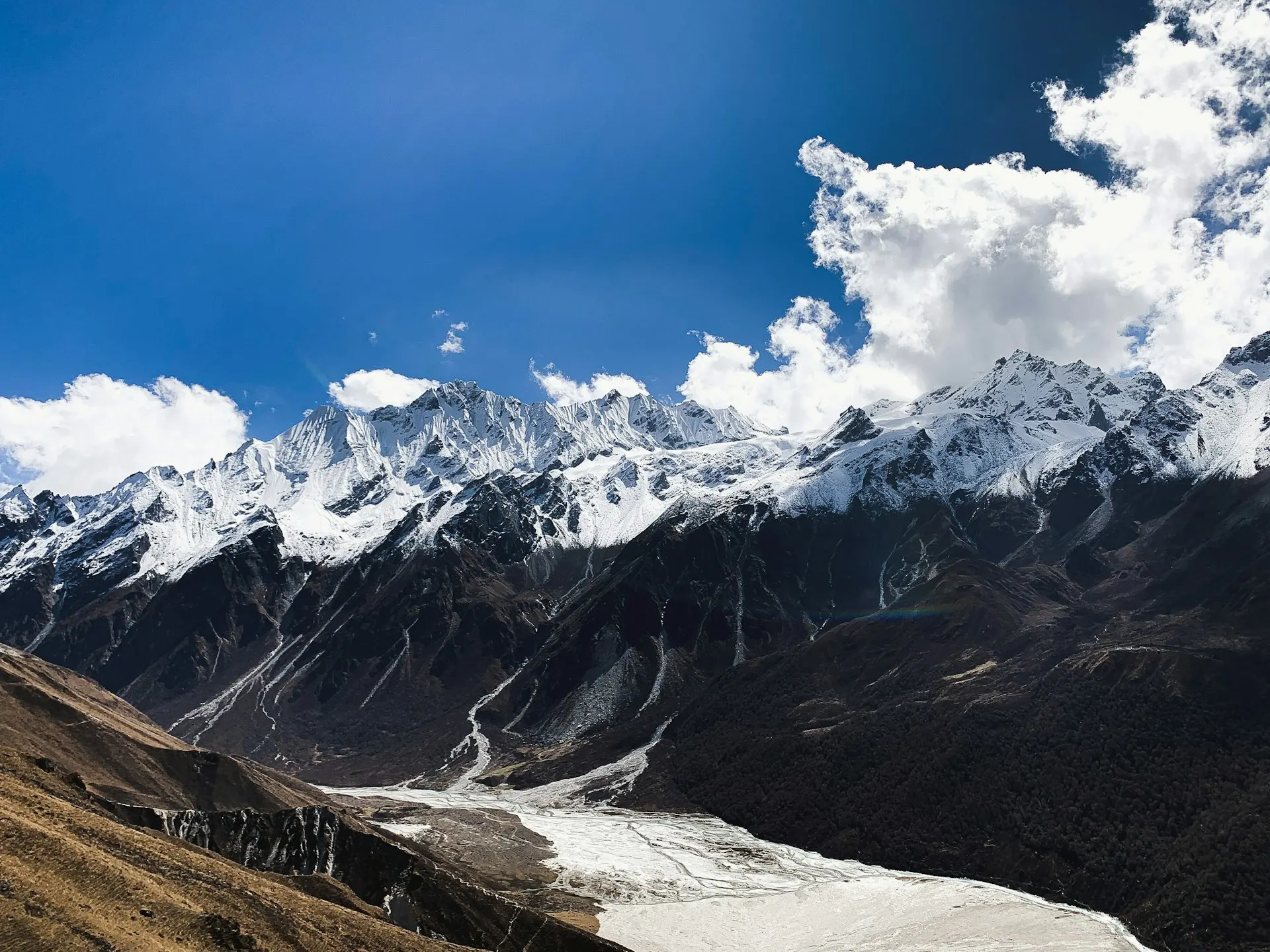
Altitude is the most significant factor in Langtang Trek difficulty that you cannot fully control through training. The standard route reaches 3,870 meters at Kyanjin Gompa, and optional climbs go higher.
How Altitude Affects Trekking Difficulty
At sea level, oxygen saturation in your blood is typically 95–100%. At 3,870 meters, even a well-acclimatized trekker may have oxygen saturation in the 85–92% range. This reduction means:
-
Your heart rate increases for the same effort
-
Your breathing becomes heavier
-
Your muscles fatigue faster
-
Your recovery slows
-
Your sleep may be interrupted
-
You may experience headaches or mild nausea
These effects are normal and expected. They mean your body is working harder than it would at lower elevations. Langtang Trek difficulty increases with altitude because every step requires more effort.
The Altitude Progression of Langtang
| Location | Elevation | Altitude Impact |
|---|---|---|
| Syabrubesi | 1,500m | Minimal |
| Lama Hotel | 2,410m | Slight reduction in performance |
| Langtang Village | 3,430m | Noticeable reduction in pace |
| Kyanjin Gompa | 3,870m | Significant reduction in effort tolerance |
| Kyanjin Ri | 4,773m | Major reduction, slow pace essential |
| Tserko Ri | 4,984m | Extreme reduction, very slow pace |
The Critical Warning
Langtang Trek difficulty at altitude is not solved by fitness. Being physically fit does not protect against altitude sickness. Fit trekkers can develop acute mountain sickness just as unfit trekkers can. The primary prevention is proper acclimatization—ascending slowly and allowing your body time to adjust.
Langtang’s Acclimatization Profile
Langtang’s altitude profile is moderate by Himalayan standards, but the route ascends relatively quickly. The standard itinerary reaches Kyanjin Gompa within 4–5 days from Syabrubesi. This is faster than some longer treks that spread the same elevation gain over more days.
The built-in acclimatization day at Kyanjin Gompa is essential. This day allows your body to adjust before you attempt higher climbs. Skipping this day increases altitude risk significantly.
How Difficult Is Langtang Trek?: Daily Walking Hours and Distance
Understanding Langtang Trek difficulty requires knowing what a typical day looks like. Walking hours vary by itinerary, pace, and specific route section.
Typical Daily Walking Durations
| Trek Section | Walking Hours | Difficulty Notes |
|---|---|---|
| Syabrubesi to Lama Hotel | 5–6 hours | Steep climb through forest, surprisingly demanding |
| Lama Hotel to Langtang Village | 5–6 hours | Continued climb, more open terrain |
| Langtang Village to Kyanjin Gompa | 3–4 hours | Shorter day, altitude makes effort feel harder |
| Kyanjin Gompa exploration | 3–5 hours | Optional rest or side trip |
| Return journey days | 4–7 hours | Long descents, knee strain |
Factors That Change Walking Hours
Your actual walking time depends on:
-
Itinerary design: Some itineraries compress the route into fewer days
-
Personal pace: Faster trekkers cover ground more quickly
-
Acclimatization: At higher elevations, pace naturally slows
-
Weather conditions: Rain, snow, or wind slow everyone
-
Trail conditions: Muddy or eroded sections reduce speed
-
Side trips: Kyanjin Ri or Tserko Ri add hours
A Realistic Daily Expectation
For a standard 8-day itinerary including acclimatization, expect most trekking days to involve 5 to 6 hours of actual walking. Total time from morning departure to afternoon arrival is typically 7 to 9 hours including breaks. This is the realistic picture of Langtang Trek difficulty.
If you are not accustomed to walking for 5–6 hours per day with a pack, this will feel demanding regardless of your general fitness.
Langtang Trek Difficulty: Terrain Analysis
Langtang Trek difficulty is shaped by the terrain. The trail is not technical, but it presents specific challenges that affect your body.
What the Terrain Actually Looks Like
The Langtang Valley trail follows the Langtang River upstream through a deep valley. The path is well-established and generally easy to follow. However, the terrain includes:
-
Stone steps: Much of the trail consists of irregular stone steps, which are more fatiguing than smooth paths
-
Steep sections: The trail climbs sharply between Syabrubesi and Lama Hotel
-
Uneven surfaces: Tree roots, rocks, and erosion create uneven footing
-
Downhill sections: The return journey involves significant descent
-
Narrow trail sections: Some parts have drop-offs on one side
The Hardest Terrain Sections
Experienced trekkers often identify the lower forested section from Syabrubesi to Lama Hotel as surprisingly demanding. The steep forest trail, the day’s cumulative elevation gain, and the limited visibility combine to make this section a genuine physical test.
The upper valley from Langtang Village to Kyanjin Gompa features more open terrain with gentler gradients. However, the altitude in this section means even gentle slopes require significant effort.
Why Trekking Poles Matter
Trekking poles significantly reduce Langtang Trek difficulty by:
-
Reducing strain on knees during descents
-
Providing stability on uneven terrain
-
Engaging upper body to share workload
-
Supporting balance on stone steps
-
Reducing fatigue during sustained climbs
Trekkers who use poles consistently report lower leg fatigue and faster recovery between trekking days.
Langtang Trek Difficulty: Kyanjin Ri and Tserko Ri Side Climbs
The optional high-altitude viewpoints from Kyanjin Gompa represent a significant step up in Langtang Trek difficulty. These climbs should not be confused with the standard route.
Kyanjin Ri Difficulty (4,773 meters)
Kyanjin Ri difficulty is genuinely challenging. The climb involves:
-
Elevation gain: Approximately 900 meters from Kyanjin Gompa
-
Round-trip duration: 4 to 6 hours
-
Trail character: Steep, sustained climbing with no technical sections
-
Difficulty level: Challenging but achievable for fit trekkers
What makes Kyanjin Ri difficulty significant is the combination of steep gradient, high altitude, and exposure. The climb is a legitimate high-altitude hike. At above 4,500 meters, your pace will be significantly slower than at lower elevations.
Tserko Ri Difficulty (4,984 meters)
Tserko Ri difficulty is hard by non-technical trekking standards. The climb involves:
-
Elevation gain: Approximately 1,114 meters from Kyanjin Gompa
-
Round-trip duration: 7 to 10 hours
-
Trail character: Steep, sustained, and physically demanding
-
Difficulty level: Hard
Tserko Ri difficulty is defined by altitude. At nearly 5,000 meters, even fit trekkers move slowly and breathe heavily. The air contains roughly half the oxygen available at sea level. Headaches, nausea, and fatigue are common even for well-acclimatized trekkers.
Should You Attempt These Climbs?
Neither Kyanjin Ri nor Tserko Ri is required for the Langtang Valley Trek. The decision to climb should depend on your physical condition, acclimatization, weather, and honest self-assessment. There is no shame in skipping these climbs. The valley itself is the destination.
Langtang Trek Difficulty: Seasonal Variations
Langtang Trek difficulty changes significantly with the seasons. The same route can feel very different depending on when you attempt it.
Spring (March–May)
Spring offers moderate Langtang Trek difficulty. The weather is generally stable, temperatures are moderate, and the rhododendron forests are in bloom. However, afternoon cloud build-up can reduce visibility, and crowds during peak months add logistical friction.
Summer/Monsoon (June–September)
Summer presents the highest Langtang Trek difficulty due to monsoon conditions. Heavy rain makes trails muddy and slippery. Leeches are present in forested sections. Poor visibility affects navigation. The humidity makes physical effort feel harder at lower elevations. Most trekkers avoid this season.
Autumn (October–November)
Autumn offers the most comfortable Langtang Trek difficulty profile. Clear skies provide excellent visibility. Stable weather means fewer disruptions. However, cold nights at higher elevations require proper gear, and peak-season crowds affect teahouse availability.
Winter (December–February)
Winter significantly increases Langtang Trek difficulty. Cold temperatures, snow on upper trails, shorter daylight hours, and limited teahouse services make winter the most demanding season. Winter trekking requires cold-weather gear, flexibility with plans, and tolerance for discomfort.
Langtang Trek Difficulty: How Training Reduces the Challenge
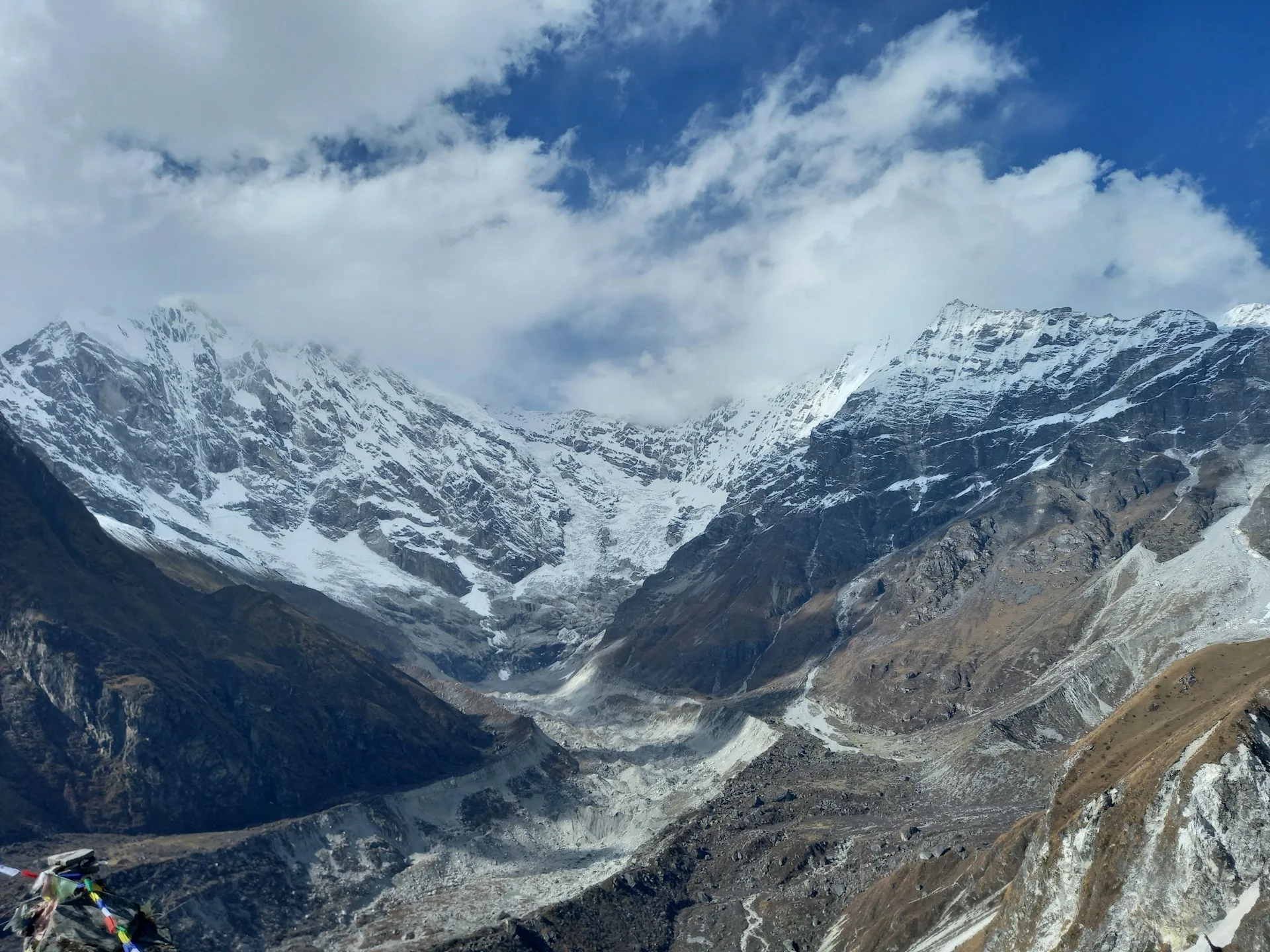
Training is the most effective way to reduce Langtang Trek difficulty. A structured approach over 8–12 weeks produces reliable results.
The Training Framework
Langtang Trek training should focus on:
Walking endurance: Build to 5–6 hours of comfortable walking with breaks.
Hills and stairs: Incorporate hills or stairs into weekly training to build uphill fitness.
Long hikes: Schedule weekly long hikes of 4–6 hours to build endurance.
Strength training: Focus on legs—squats, lunges, step-ups, calf raises.
Downhill training: Practice walking downhill to condition knees and quadriceps.
Consecutive-day training: Schedule back-to-back long walks to simulate trekking days.
Training Progression
| Training Phase | Duration | Focus |
|---|---|---|
| Foundation | Weeks 1–4 | Build walking base, 3–4 walks weekly |
| Build | Weeks 5–8 | Add hills, extend duration, weekly long hike |
| Peak | Weeks 9–12 | Consecutive long hikes, maximum hill work |
| Taper | Final week | Light walking, rest, prepare |
What Training Cannot Do
Langtang Trek training improves physical capacity but cannot eliminate all difficulty. Training cannot guarantee protection from altitude sickness, replace proper acclimatization, or eliminate all discomfort. The goal is to make the trek manageable and enjoyable, not effortless.
Langtang Trek Difficulty: Comparing With Other Nepal Treks
Langtang Trek difficulty is best understood in context. Comparing it with other popular Nepal treks helps clarify where it sits on the difficulty spectrum.
| Trek | General Difficulty | Main Challenge | Duration |
|---|---|---|---|
| Poon Hill | Easy to Moderate | Short duration, stair climbs | 4–5 days |
| Langtang Valley | Moderate | Altitude, sustained climbing, consecutive days | 7–10 days |
| Annapurna Base Camp | Moderate | Longer duration, higher altitude | 7–12 days |
| Everest Base Camp | Moderate to Hard | High altitude, longer duration | 12–16 days |
| Manaslu Circuit | Hard | High pass, remote terrain, restricted area | 14–18 days |
Langtang vs Poon Hill
Langtang Trek difficulty is significantly higher than Poon Hill. Poon Hill is shorter, reaches lower maximum elevation, and involves less cumulative elevation gain. Poon Hill is an introductory trek; Langtang is a step up.
Langtang vs Annapurna Base Camp
Langtang Trek difficulty is broadly comparable to Annapurna Base Camp. ABC reaches higher maximum elevation and involves more trekking days, but Langtang’s elevation gain is more concentrated in the first two days.
Langtang vs Everest Base Camp
Langtang Trek difficulty is lower than Everest Base Camp. EBC reaches higher altitude, involves longer duration, and includes more cumulative elevation gain. Langtang is a more accessible introduction to high-altitude trekking.
Langtang vs Manaslu Circuit
Langtang Trek difficulty is significantly lower than Manaslu. The Larkya La pass at 5,160 meters, longer duration, remote terrain, and restricted-area requirements make Manaslu a more demanding expedition.
Langtang Trek Difficulty: Making It Easier
Langtang Trek difficulty is not fixed. Several practical choices can reduce the challenge.
Train Properly
The most effective way to reduce Langtang Trek difficulty is to arrive fit. Eight to twelve weeks of structured training transforms the trek from exhausting to manageable.
Choose a Sensible Itinerary
Itinerary design matters enormously. A 10-day itinerary with short walking days and proper acclimatization is significantly easier than a 7-day itinerary that compresses the same route.
Pace Yourself
The most common mistake is walking too fast early in the day. Walk at a pace that allows conversation. Take short breaks before exhaustion, not after. Slow and steady is genuinely faster over a full trekking day.
Reduce Backpack Weight
Every kilogram adds difficulty. Pack light and consider hiring a porter or booking with an agency that includes porter support. The difference between carrying 10 kilograms and 4 kilograms is dramatic.
Use Trekking Poles
Trekking poles reduce knee strain, provide stability, and share the workload. They are particularly valuable on steep sections and long descents.
Stay Hydrated and Eat Properly
Dehydration and inadequate nutrition amplify fatigue. Drink regularly and eat enough. Your body needs significant energy for sustained trekking.
Trek with an Experienced Guide
A licensed guide who knows the route helps manage Langtang Trek difficulty effectively. Guides set appropriate paces, recognize problems early, and make practical decisions that reduce difficulty. Wonder Hikes Nepal provides experienced Langtang guides who understand the route’s specific demands.
Langtang Trek Difficulty: Who Should and Should Not Attempt It
Langtang Trek difficulty means the trek is right for some people and wrong for others. Here is a decision framework.
Langtang Is a Good Fit If:
-
You are a regular walker or hiker
-
You can comfortably walk 4–6 hours with breaks
-
You are willing to train for 8–12 weeks
-
You are comfortable with basic teahouse accommodation
-
You can tolerate cold mornings and variable weather
-
You are patient with yourself at altitude
-
You want a genuine Himalayan trekking experience
Langtang Requires More Preparation If:
-
You are currently sedentary
-
You have not hiked in recent months
-
You struggle with stairs or hills
-
You are uncomfortable carrying a daypack
-
You have never done multi-day walking
-
You expect hotel-level comfort
Langtang Requires Extra Caution If:
-
You have significant cardiovascular or respiratory conditions
-
You have previously experienced altitude sickness
-
You are attempting high optional viewpoints
-
You are trekking in winter or monsoon
-
You are trekking solo without guide support
This framework is general guidance, not medical advice. Consult a medical professional if you have specific health concerns.
How Wonder Hikes Nepal Helps You Manage Langtang Trek Difficulty
Wonder Hikes Nepal is a registered trekking agency that understands the specific demands of the Langtang Valley route. The company’s role is to help you prepare and execute the trek in a way that matches your fitness level and experience.
When you book Langtang Trek with Wonder Hikes Nepal, you receive:
-
Realistic itinerary planning: The agency designs itineraries with appropriate daily walking hours, elevation gain, and acclimatization days. Rushed itineraries increase Langtang Trek difficulty unnecessarily; sensible itineraries reduce it.
-
Licensed trekking guide: An experienced Langtang guide who sets an appropriate pace, recognizes early signs of fatigue or altitude problems, and adjusts plans when conditions change.
-
Porter support options: Reducing backpack weight dramatically reduces physical difficulty. The agency can arrange porters for your main pack.
-
Preparation guidance: The team provides practical advice on training, packing, and what to expect before you arrive in Nepal.
-
Logistics coordination: Transportation, teahouse reservations, and permit processing are handled by the agency, allowing you to focus on trekking.
-
Current trail information: The agency maintains awareness of current trail conditions, weather patterns, and any route changes that affect difficulty.
The goal is not to pretend Langtang is easy. The goal is to help you complete the trek safely and enjoyably, with a clear understanding of Langtang Trek difficulty and what is required.
Frequently Asked Questions About How difficult is Langtang Trek
1. How difficult is Langtang Trek?
Langtang Trek difficulty is moderate by Himalayan standards. The trek involves 5–7 hours of walking daily, significant elevation gain, and altitudes up to 3,870 meters. The terrain is not technical, but the sustained physical effort and altitude make it demanding without preparation.
2. Is Langtang Trek suitable for beginners?
Langtang Trek difficulty for beginners is manageable for fit beginners who train properly. It is not suitable for sedentary beginners with no hiking experience. An 8–12 week training period makes the trek achievable for first-time Himalayan trekkers.
3. Is Langtang harder than Everest Base Camp?
No, Everest Base Camp is harder. Langtang Trek difficulty is lower because EBC reaches higher altitude, involves longer duration, and includes more cumulative elevation gain.
4. How many hours do you walk each day in Langtang?
Most trekking days involve 5–6 hours of actual walking. Total time from morning departure to afternoon arrival is typically 7–9 hours including breaks.
5. What is the highest point of Langtang Trek?
The highest standard point is Kyanjin Gompa at 3,870 meters. Optional climbs go higher: Kyanjin Ri reaches 4,773 meters, and Tserko Ri reaches 4,984 meters.
6. Is Langtang Trek physically demanding?
Yes. Langtang Trek difficulty includes sustained climbing, consecutive trekking days, and altitude. Training significantly reduces the physical challenge.
7. Do I need previous trekking experience for Langtang?
No, previous trekking experience is not required. However, previous day-hiking experience is strongly recommended. Trekkers who have never walked for more than a few hours should train before attempting Langtang.
8. How fit do I need to be for Langtang Trek?
You need cardiovascular endurance, leg strength, and the ability to sustain effort across consecutive days. A moderately active person who trains for 8–12 weeks will likely be prepared.
9. Is altitude sickness common on Langtang Trek?
Mild altitude symptoms are common at higher elevations. Severe altitude sickness is rare if proper acclimatization is followed. Fitness does not protect against altitude sickness.
10. How difficult is Kyanjin Ri?
Kyanjin Ri difficulty is challenging. The climb involves approximately 900 meters of elevation gain and takes 4–6 hours round trip. It is achievable for fit trekkers but should not be treated as a casual side trip.
11. How difficult is Tserko Ri?
Tserko Ri difficulty is hard by non-technical trekking standards. The climb involves approximately 1,114 meters of elevation gain and reaches nearly 5,000 meters. It requires excellent acclimatization and strong physical condition.
12. Is Langtang Trek difficult in winter?
Yes, winter significantly increases Langtang Trek difficulty. Cold temperatures, snow on upper trails, shorter daylight hours, and limited teahouse services make winter the most demanding season.
13. How should I train for Langtang Trek?
Train for 8–12 weeks with a focus on walking endurance, hills or stairs, leg strength, long hikes, and consecutive-day training. Aim to be comfortable walking for 5–6 hours with breaks.
14. Can older people do Langtang Trek?
Yes, older trekkers in good health with appropriate fitness can complete Langtang. Age is less important than fitness, preparation, and willingness to pace appropriately. Consult a medical professional with specific health concerns.
15. How difficult is Langtang compared with Annapurna Base Camp?
Langtang Trek difficulty is broadly comparable to Annapurna Base Camp. ABC reaches higher maximum elevation and involves more trekking days, but Langtang’s elevation gain is more concentrated.