Introduction to Rainbow Valley Everest in 2026
Rainbow Valley Everest is a name that circulates widely online, but most articles about it repeat the same vague descriptions, confuse basic geography, and treat human remains as a tourist attraction. If you searched for this term, what you really want to know is: Where is it exactly? Can I see it? Does it have anything to do with the Everest Base Camp trek? This guide, written by the editorial team at Wonder Hikes Nepal, answers those questions with verifiable information and clear logic. We do not fabricate first-hand experiences, and we do not use sensational language to describe the deceased. We present facts and help you understand this area’s true place in Everest climbing history.
What Does Rainbow Valley Everest Actually Mean?
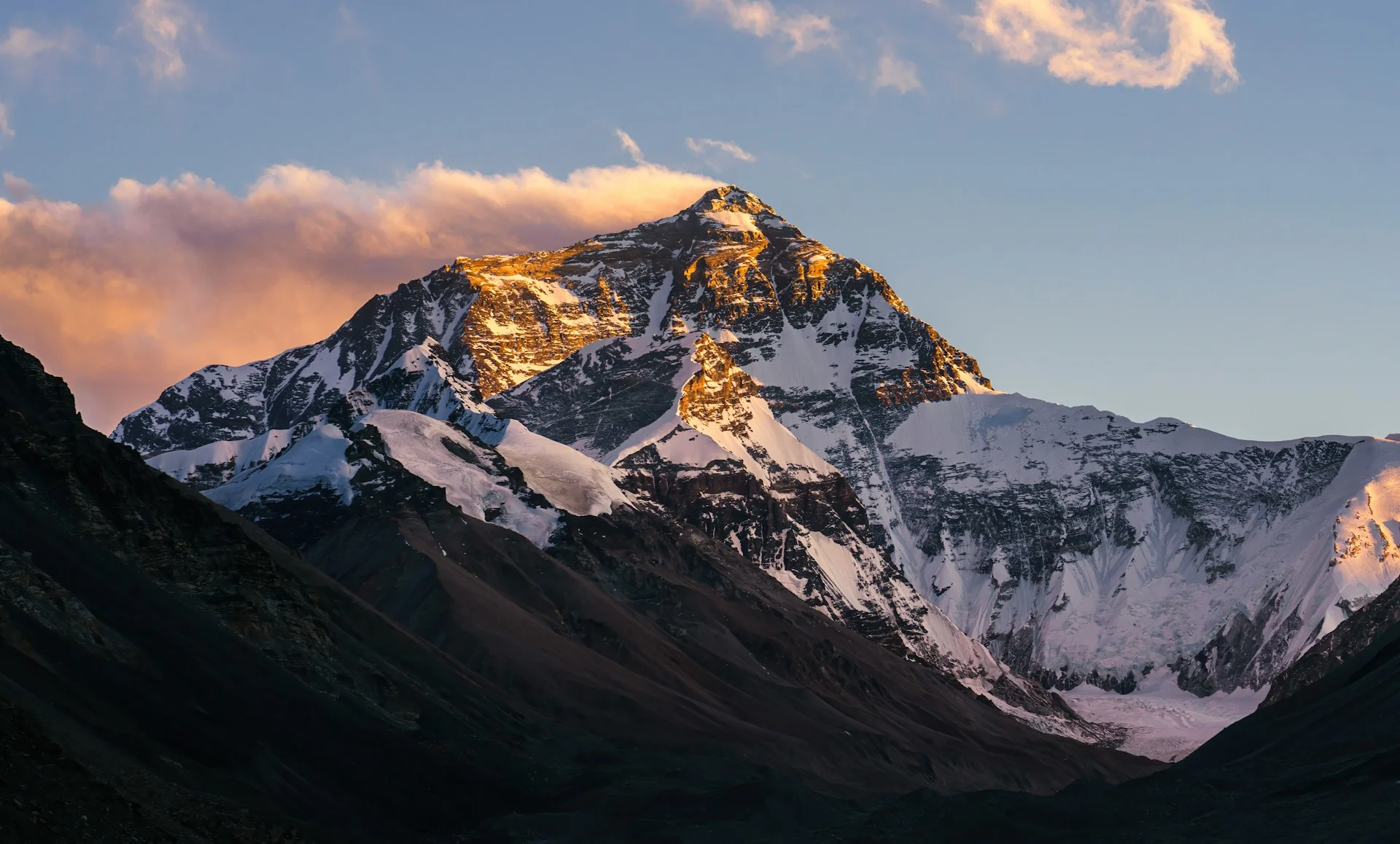
Rainbow Valley Everest is not an official geographical name. It does not appear on any official topographical map, nor is it recognized by Nepalese or Chinese Tibetan mountaineering authorities. The term is a colloquial expression that gradually emerged among climbers and Sherpa workers over decades of north-side climbing. It refers to a section of Everest’s northern side, along the Northeast Ridge route, at an elevation of approximately 8,300 to 8,500 meters.
Rainbow Valley Everest got its name from a grim visual effect. At high altitude, climbers wear brightly colored down suits and gear—red, orange, yellow, blue—to remain visible in snow and whiteout conditions. When a climber dies in this area and the body cannot be recovered, that colorful gear remains. From a distance, these patches of color against snow and rock create a “rainbow” effect. So “Rainbow Valley” describes not a natural landscape, but the traces left by human tragedy.
Rainbow Valley Everest has no geographical overlap with Everest Base Camp. Base Camp is on the Nepalese side in the Khumbu region at 5,364 meters. Rainbow Valley is on the Tibetan side of China, nearly 3,000 meters higher. The two are separated by the entire mountain and exist at completely different stages of climbing.
The Exact Location of Rainbow Valley: Tibet, Not Nepal
Rainbow Valley Everest is located on the north side of Mount Everest, within the Tibet Autonomous Region of China, along the Northeast Ridge route. This is the most commonly misunderstood point about the topic. Many Chinese and English sources confuse Rainbow Valley with Nepal, or imply it can be seen from Everest Base Camp. Both claims are false.
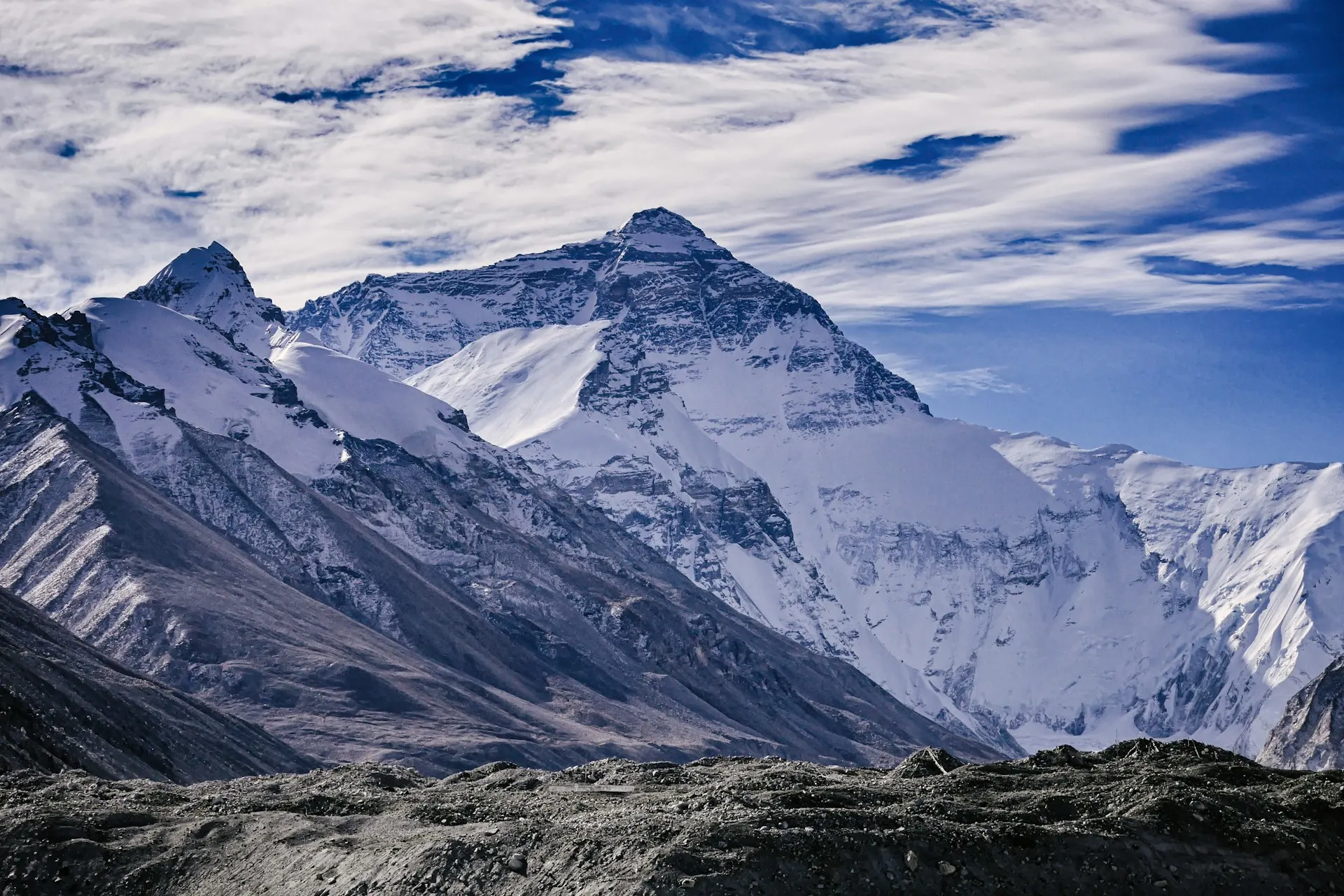
Mount Everest sits on the border between China’s Tibet Autonomous Region and Nepal. There are two main commercial climbing routes: the South Col route on the Nepalese side (from South Base Camp) and the Northeast Ridge route on the Tibetan side (from North Base Camp). Rainbow Valley Everest is associated exclusively with the north route. North Base Camp is at about 5,200 meters, accessible by vehicle from Lhasa, and the climbing period usually lasts 45 to 60 days, with multiple high-altitude camps and a final assault camp at about 8,300 meters.
Geographically, Rainbow Valley Everest lies in the upper section of the Northeast Ridge, above the technical difficulties known as the First Step, Second Step, and Third Step. It is only a few hundred vertical meters from the summit, but that distance means a life-or-death test for climbers.
Why Do People Search for “Rainbow Valley Everest Bodies”?
“Rainbow Valley Everest bodies” reflects a real but sensitive concern. Searchers want to know: Are there really bodies there? Why has no one brought them down?
The answer is: Yes, bodies of climbers do exist in the high-altitude areas of the north side. Because conditions above 8,000 meters are extremely harsh, body recovery is an extremely dangerous and costly operation. Above 8,000 meters, temperatures can drop to minus 40 degrees Celsius, and oxygen content is only one-third of sea level. A frozen body can weigh over 100 kilograms. Transporting a body on steep ice and rock terrain requires multiple experienced high-altitude workers, large amounts of oxygen and equipment, and the rescuers themselves face death.
Rainbow Valley Everest recovery costs vary widely depending on location, weather, and resource needs; some reports say they can exceed $100,000. Some climbers explicitly state before death that they wish to remain on the mountain. Families may also choose, for personal or religious reasons, to let their loved ones rest on the mountain.
This is the fundamental reason Rainbow Valley Everest exists—not as an abandoned place, but as an area humans cannot easily reach, where remains and equipment stay because of both natural and human limitations.
Green Boots: Identity Dispute and the 2026 Update
“Green Boots” is the most famous body marker on Everest’s north side, and its identity saw a major update in 2026. The name comes from the distinctive lime-green Koflach boots the deceased wore. For decades, the body lay curled in a limestone alcove at about 8,500 meters, becoming a waypoint for north-side climbers. Some climbers even rested in the same alcove.
For a long time, it was widely believed that Green Boots was Indian climber Tsewang Paljor, who died in a 1996 blizzard. However, reports from the BBC and other authoritative media in 2026 indicate that Indian authorities now believe the body is more likely Dorje Morup, another member of the same 1996 Indian expedition.
In May 1996, a six-member Indian expedition attempted Everest from the north. Three members turned back due to a blizzard, and three continued: Dorje Morup, Tsewang Smanla, and Tsewang Paljor. All three reached the summit but died during the descent. Previous assumptions held that Green Boots was Paljor, but testimony from surviving expedition members, records of the last radio contact, and analysis of personal effects and climbing gear led authorities to believe the body is actually Morup’s.
As of September 2026, the Indo-Tibetan Border Police (ITBP) is seeking a professional high-altitude recovery team to bring the body down for DNA confirmation. Morup’s wife, Konchak Yangskit, told the BBC from Ladakh: “When he comes home, I’ll ask him, ‘Where have you been all these years?'” Morup’s family hopes to hold a funeral for him in Leh.
It must be clear: As of the most recent available information, Green Boots’ identity is still subject to DNA testing, and no final conclusion has been reached. Calling the Morup identification the “current leading hypothesis” is more accurate than calling it a “confirmed fact.” Wonder Hikes Nepal always prefers cautious and transparent wording on such disputed information.
The Real Difference Between Rainbow Valley Everest and Everest Base Camp
Rainbow Valley Everest is not part of the Everest Base Camp trek and is not on the same side. This is the most important point for many searchers to understand. The table below shows the difference directly:
| Comparison | Rainbow Valley | Everest Base Camp (Nepal) |
|---|---|---|
| Location | Tibet, China, north side | Nepal, south side |
| Route | Northeast Ridge | South Col route |
| Elevation | Approx. 8,300–8,500 m | 5,364 m |
| Who can reach | High-altitude climbers with Chinese permits | Trekkers with moderate fitness |
| Oxygen required | Supplemental oxygen mandatory | Not required (but watch for altitude sickness) |
| Relation to EBC trek | Completely unrelated | It is the endpoint of the trek |
| Visible from EBC? | No | — |
The Everest Base Camp trek is a hiking route starting from Lukla, passing through Phakding, Namche Bazaar, Tengboche, Dingboche, and Lobuche, finally reaching Base Camp and Kala Patthar. A standard itinerary is about 12 to 14 days, including acclimatization days in Namche and Dingboche. Completing this trek is a real achievement, but it is worlds apart from the Death Zone where Rainbow Valley is located.
A Nepalese mountaineer, Tshiring Jangbu Sherpa, told the BBC clearly: “If something happens on the Nepalese side, you can be quickly evacuated by helicopter. But there is no such system on the Chinese side.” This explains both why the north side where Rainbow Valley lies is more challenging, and why the Everest Base Camp trek on the Nepalese side can be open to ordinary trekkers.
What You Actually Experience on the Nepal Side Everest Base Camp Trek
If your interest in Everest was sparked by searching for Rainbow Valley, the Nepal-side Everest Base Camp trek is the experience you can actually consider. This trek involves no technical climbing, no entry into the Death Zone, and no supplemental oxygen, but it is still a serious high-altitude hike.
Rainbow Valley Everest is not the goal. The standard trek begins with a flight to Lukla. Lukla Airport’s runway is only 527 meters long, slopes upward, and operates only under visual flight conditions. In peak season (March to May, September to November), flights may be diverted from Kathmandu to Manthali Airport in Ramechhap, meaning a 4- to 6-hour drive from Kathmandu is needed. After arriving in Lukla, the trek officially heads north.
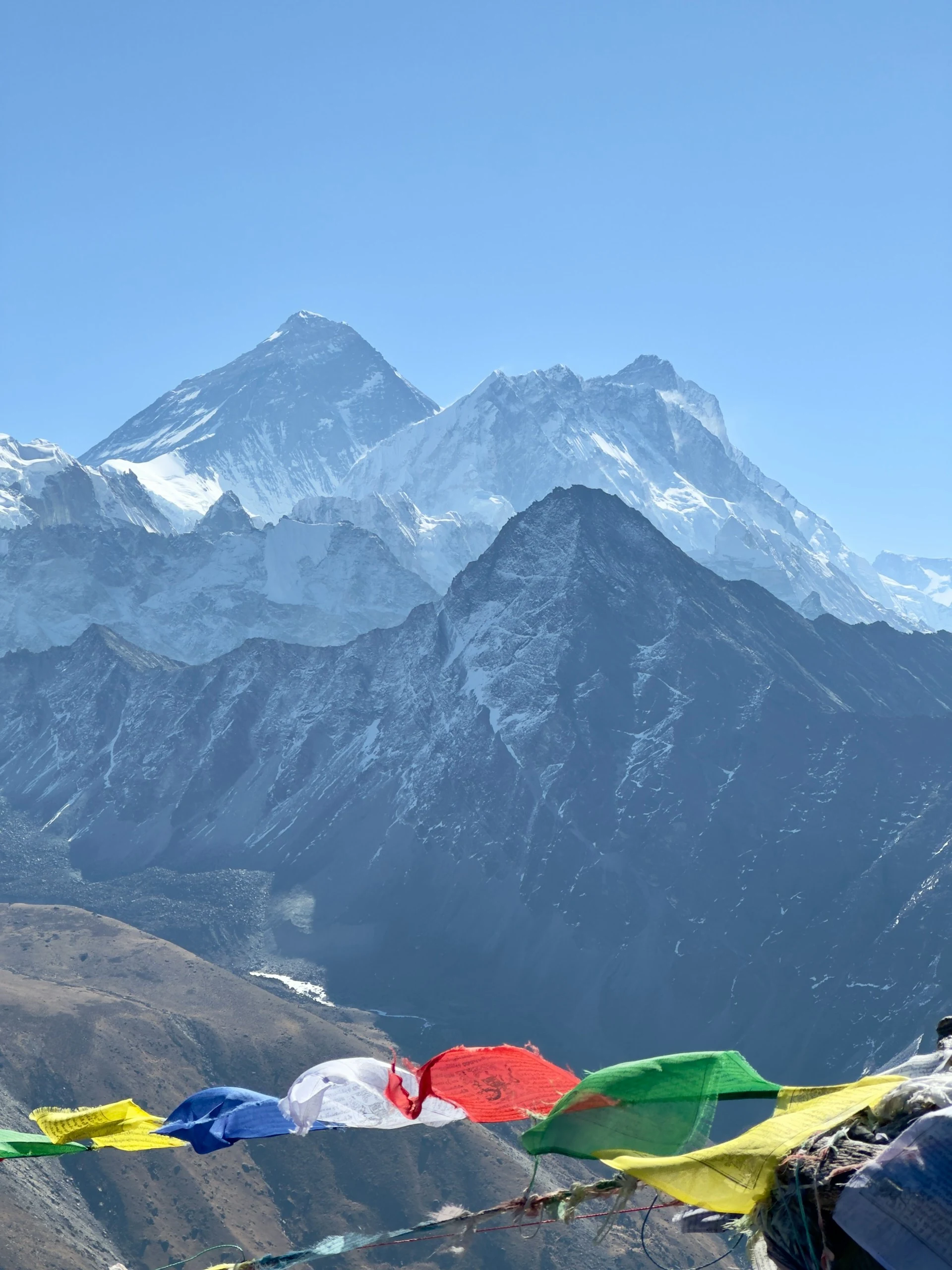
Acclimatization is the core of this trek. Most itineraries include a rest day in Namche Bazaar (3,440 m) and another in Dingboche (4,260 m). These are not optional; they are key steps to safely adapt to the low-oxygen environment. The landscape transitions from rhododendron forests to high-altitude desert, eventually reaching the Khumbu Glacier area where Base Camp is located. Kala Patthar (5,545 m) is the highest point most trekkers reach, offering panoramic views of Everest, Nuptse, and the Khumbu Glacier.
An honest reminder: The difficulty of the Base Camp trek comes mainly from altitude, not terrain. Above 5,000 meters, even slow walking feels strenuous. Headaches, loss of appetite, and poor sleep are common. If severe altitude sickness symptoms appear during the trek, the only safe choice is to descend. An experienced guide will not ignore these signals because of your “summit dream.”
Wonder Hikes Nepal designs Everest Base Camp treks with acclimatization days placed appropriately and safety decisions placed above summit goals. Our guide team is familiar with recognizing and responding to high-altitude symptoms, and the itinerary pace leaves enough room for the body to adjust. If you want to see the specific itinerary, you can visit our Everest Base Camp trek page.
Frequently Asked Questions About Rainbow Valley Everest
1. What exactly is Rainbow Valley Everest?
It is a colloquial name for a high-altitude area on Everest’s north side, not an official place name, referring to the zone between roughly 8,300 and 8,500 meters where remains and brightly colored gear remain.
2. Why is Everest called “Rainbow Valley”?
Because the brightly colored down suits and gear of deceased climbers create a visual contrast of colors against the snow, leading climbers to describe the area as a “rainbow.”
3. Is Rainbow Valley in Nepal or Tibet?
It is on the Tibet Autonomous Region of China side, along the Northeast Ridge route, not in Nepal.
4. What is the elevation of Rainbow Valley?
Approximately 8,300 to 8,500 meters, but the boundaries are not formally defined and are sometimes described more broadly.
5. Can you see Rainbow Valley from Everest Base Camp?
No. Base Camp is on the south side in Nepal at 5,364 meters, while Rainbow Valley is on the north side in Tibet above 8,000 meters. The mountain itself blocks the view.
6. Is Rainbow Valley part of the Everest Base Camp trek?
Not at all. The Base Camp trek is on the south side in Nepal. Rainbow Valley is on the north side in Tibet on the climbing route. There is no overlap.
7. Can ordinary trekkers reach Rainbow Valley?
No. Reaching that area requires a Chinese climbing permit, full high-altitude climbing gear, supplemental oxygen, and extensive climbing experience.
8. What is the “Death Zone” on Everest?
It generally refers to the area above 8,000 meters. Here, the human body cannot acclimatize, oxygen content is about one-third of sea level, and body functions continuously deteriorate.
9. Why haven’t bodies on Everest been brought down?
Because moving a body above 8,000 meters is extremely risky, can endanger rescuers’ lives, and is extremely costly, sometimes exceeding $100,000.
10. Who is Green Boots?
Green Boots is the nickname for a body on Everest’s north side, named for the lime-green boots the climber wore. Historically believed to be Tsewang Paljor, but 2026 reports indicate authorities now believe it is more likely Dorje Morup.
11. Is Green Boots still on Everest?
As of 2026 reports, the body remains on the mountain, and Indian authorities are planning a recovery mission for DNA confirmation.
12. Is there a female climber known as “Sleeping Beauty”?
Yes. Francys Arsentiev became the first American woman to summit Everest without supplemental oxygen in 1998, but died during the descent. Her body was later wrapped in an American flag by climber Ian Woodall and moved out of sight.
13. Is Rainbow Valley dangerous?
Yes, extremely dangerous. It is in the Death Zone, where temperatures can drop to -40°C, oxygen is thin, weather changes rapidly, and rescue is nearly impossible.
14. What is the main difference between Everest’s north and south sides?
The north side (Tibet) is technically more difficult, has less rescue infrastructure, and is usually more expensive (2025 quotes around 488,000 RMB). The south side (Nepal) has better access, helicopter rescue is possible at lower elevations, and it is where the Base Camp trek is located.
15. What is the safest way to experience Everest?
For most people, the Nepal-side Everest Base Camp trek is the safest and most feasible way to connect with Everest. It requires good fitness and patience with altitude, but does not require entering the Death Zone.
Quick Facts About Rainbow Valley
| Item | Fact |
|---|---|
| Official name | None; purely colloquial |
| Location | Tibet, China, Northeast Ridge |
| Elevation range | Approx. 8,300–8,500 m |
| In Nepal? | No |
| Visible from EBC? | No |
| Part of EBC trek? | No |
| Name origin | Brightly colored climbing gear of the deceased |
| Associated marker | Green Boots |
| Green Boots identity | Disputed; 2026 points to Dorje Morup, pending DNA |
| Can it be visited? | No, only by high-altitude climbers |
A note on sources: This article draws on reports from the BBC, News.com.au, The Irish Sun, and other media, as well as multiple trekking industry sources. Information regarding Green Boots’ identity, body counts, and recovery costs is uncertain, and we have used cautious wording such as “current leading hypothesis,” “approximately,” and “reports say.” Wonder Hikes Nepal has not fabricated any first-hand experiences, guide testimonials, or expedition details. If you find errors in this article, please let us know.