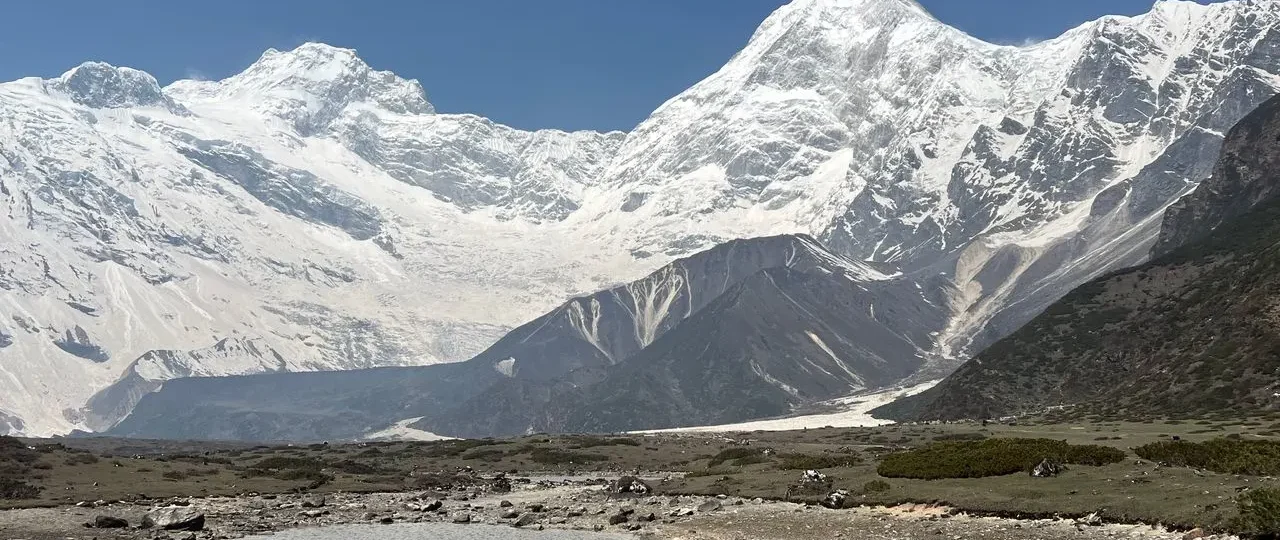
Why Manaslu is Called Killer Mountain: The Direct Answer
Why Manaslu is called Killer Mountain is a question that deserves a clear, honest answer before any deeper explanation. Manaslu Himal earned this informal nickname because of a series of catastrophic avalanches that killed multiple climbers over several decades, most notably in 1972 and 2012. These events created a fatality record that positioned Manaslu among the more dangerous eight-thousanders, even though the mountain is not technically the most difficult to climb.
Manaslu Killer Mountain reputation stems primarily from objective hazards—avalanches, serac collapses, and glacial terrain—that are difficult to predict or control. Unlike technical climbing difficulties that skilled mountaineers can manage through training and experience, Manaslu’s dangers often strike regardless of climber ability. This combination of unpredictable natural hazards and historical tragedy explains why the nickname emerged and persists.
Why is Manaslu called Killer Mountain is not because it holds the highest death toll among Himalayan peaks. Annapurna and Everest have both recorded more fatalities in absolute terms, and Annapurna maintains a higher fatality ratio. Manaslu’s reputation comes from the dramatic nature of its disasters—multiple deaths occurring in single avalanche events that captured international attention and created lasting impressions of the mountain’s danger.
Manaslu Killer Mountain is an informal label, not an official designation. No government body or geographic authority recognizes this nickname. It emerged organically through mountaineering culture, media coverage, and trekking agency content, gradually becoming attached to Manaslu through repetition rather than formal naming.
The direct answer to why Manaslu is called Killer Mountain is: because avalanches and serac falls have repeatedly killed climbers in dramatic, unpredictable events, creating a reputation that has persisted even as safety standards have improved. The nickname reflects historical reality and geographic hazards, but it requires careful context to understand properly.
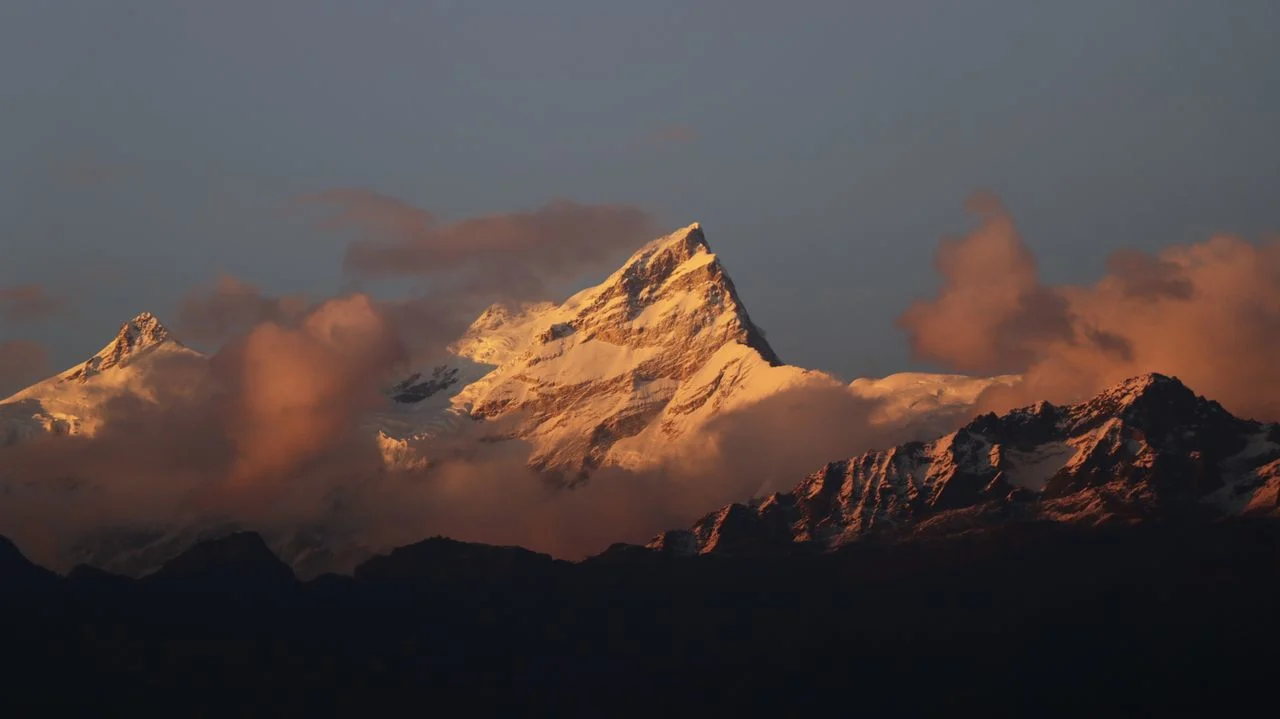
Why Manaslu is Called Killer Mountain: Is This an Official Name?
Why is Manaslu called Killer Mountain if the name is not official? This question gets to the heart of how mountain nicknames emerge and circulate in popular culture. The name “Killer Mountain” is entirely informal, created by mountaineering culture rather than any formal naming process.
Manaslu Killer Mountain official name does not exist. The mountain’s recognized name is simply Mount Manaslu, derived from the Sanskrit word “Manasa,” meaning “Mountain of the Spirit” or “Mountain of the Soul.” This official name appears in geographic databases, government records, and mountaineering documentation. The elevation of 8,163 meters and the location in Nepal’s Gandaki Province are the mountain’s official identifiers.
Why Manaslu is known as Killer Mountain despite having no official status reflects how reputations develop in mountaineering culture. Mountains earn nicknames through accumulated experience, tragedy, and storytelling. The nickname captures something real about the mountain’s character, even if it is not formally recognized.
Manaslu Killer Mountain nickname origin cannot be definitively traced to a single person, publication, or event. The term likely emerged gradually during the 1970s and 1980s as Manaslu’s fatality record became more widely known. Unlike some mountain nicknames with clear origins, “Killer Mountain” for Manaslu appears to have developed organically through repeated use.
Why is Manaslu called Killer Mountain when other mountains have similar or worse safety records? The answer involves the specific nature of Manaslu’s tragedies. The 1972 disaster killed fifteen people in a single event. The 2012 avalanche killed eleven more. These concentrated losses created memorable, media-covered tragedies that fixed the “Killer Mountain” label in public consciousness more firmly than diffuse, individual deaths on other peaks.
Why Manaslu is Called Killer Mountain: The 1972 Disaster
Why Manaslu is called Killer Mountain cannot be understood without examining the 1972 Korean expedition disaster. This event was the single most significant tragedy in establishing Manaslu’s fearsome reputation.
Manaslu 1972 disaster occurred on April 10, 1972, when an avalanche struck the Korean expedition’s camp at approximately 6,500 meters on the northeast face. The avalanche killed fifteen people, including ten Korean climbers and five Sherpa guides. At the time, this represented one of the deadliest single events in Himalayan mountaineering history.
Why Manaslu is called Killer Mountain 1972 connects directly to this tragedy. The scale of the loss—fifteen deaths in one event—shocked the international mountaineering community. The disaster demonstrated that Manaslu could kill in numbers that few other mountains had matched. The avalanche occurred in an area that appeared relatively safe, highlighting the unpredictable nature of the mountain’s hazards.
Manaslu 1972 avalanche was likely triggered by serac collapse—large ice towers breaking off from hanging glaciers and triggering snow slides. This mechanism would become a recurring pattern on Manaslu, explaining much of the mountain’s ongoing danger. The 1972 disaster revealed that Manaslu’s specific geography created avalanche risks that were difficult to predict or avoid.
Why is Manaslu called Killer Mountain from a historical perspective is directly tied to this event. The 1972 disaster became a reference point in mountaineering discussions about dangerous peaks. When climbers talked about Manaslu, they remembered the fifteen who died in a single avalanche. This collective memory shaped the mountain’s reputation for decades afterward.
Why Manaslu is Called Killer Mountain: The 2012 Avalanche
Why Manaslu is called Killer Mountain in the modern era connects strongly to the 2012 avalanche disaster. This event reinforced the mountain’s dangerous reputation forty years after the 1972 tragedy.
Manaslu 2012 disaster occurred on September 23, 2012, when an avalanche struck Camp 3 at approximately 7,000 meters. The avalanche killed eleven climbers, making it one of the deadliest days in Manaslu’s history. The victims included climbers from multiple expeditions representing several countries, adding international scope to the tragedy.
Why Manaslu is called Killer Mountain 2012 became a renewed question after this disaster. The event demonstrated that despite improvements in equipment, forecasting, and guide standards, Manaslu’s fundamental dangers remained. The avalanche struck during the autumn climbing season, typically considered more stable than spring, highlighting the unpredictable nature of the mountain’s hazards.
Manaslu 2012 avalanche deaths occurred with little warning. The avalanche swept through the Camp 3 area where climbers were preparing for summit attempts. The event reinforced the lesson that Manaslu’s objective dangers could strike regardless of climber experience or preparation. The disaster received extensive international media coverage, further cementing the “Killer Mountain” label in public consciousness.
Why is Manaslu called Killer Mountain after 2012 reflects the persistence of geographic hazards. The mountain’s seracs, hanging glaciers, and avalanche-prone slopes remained unchanged despite technological advances. The 2012 disaster demonstrated that while climbing had become safer in many ways, Manaslu’s fundamental dangers could not be eliminated.
Why Manaslu is Called Killer Mountain: Understanding the Statistics
Why Manaslu is called Killer Mountain requires understanding the fatality statistics that underpin the mountain’s reputation. However, these statistics are often presented in ways that create confusion.
Manaslu death rate figures commonly cited include various numbers that need careful interpretation. Death counts for Manaslu vary depending on the time period covered, whether the count includes only climbers or also includes support staff, and whether the count includes deaths from all causes or only climbing-related deaths.
Why is Manaslu called Killer Mountain statistics matter because they shape perception. The commonly cited figure of deaths per successful summit can be misleading. This ratio divides total deaths by successful summits, but it does not represent the actual probability of death for an individual climber.
Manaslu climbing deaths have been estimated at between 80 and 90 total deaths through recent years, but this figure changes as new data becomes available. The Himalayan Database, the most authoritative source for Himalayan mountaineering statistics, provides the most reliable figures. The important point is not the exact number but the pattern: Manaslu has experienced significant fatalities concentrated in specific disaster events.
Manaslu death rate per summit figures have historically placed the mountain among the more dangerous eight-thousanders, but not necessarily the most dangerous. Annapurna consistently shows higher fatality ratios. K2 also has a strong claim to being more dangerous than Manaslu. The “Killer Mountain” nickname reflects historical tragedies and geographic hazards rather than a uniquely deadly statistical profile.
Why Manaslu is called Killer Mountain from a statistical perspective is because of the concentration of deaths in specific events. The 1972 disaster killed fifteen people in one avalanche. The 2012 disaster killed eleven more. These concentrated losses created memorable statistics that shaped the mountain’s reputation more powerfully than diffuse, individual deaths on other peaks.
Why Manaslu is Called Killer Mountain: Avalanche and Serac Dangers
Why Manaslu is called Killer Mountain relates directly to the mountain’s avalanche and serac dangers. These objective hazards are the primary reasons for the mountain’s fearsome reputation.
Manaslu avalanche danger stems from the mountain’s steep faces and hanging glaciers. The standard climbing route passes through terrain exposed to serac fall from multiple directions. Seracs—large ice towers formed by glacial movement—can break off without warning, triggering avalanches that sweep the climbing route.
Why Manaslu is called Killer Mountain avalanche dangers explain the mountain’s unpredictable nature. Unlike some hazards that can be anticipated or avoided, Manaslu’s avalanches often strike without warning. The 1972 and 2012 disasters both involved avalanches that struck camps in areas that appeared relatively safe.
Manaslu serac danger is particularly significant. The mountain has numerous hanging glaciers that produce seracs. These ice formations are inherently unstable, and their collapse is difficult to predict with current technology. The climbing route passes beneath several serac fields, meaning climbers are exposed to this hazard for extended periods.
Manaslu Killer Mountain seracs create risks that cannot be entirely eliminated through skill or experience. Climbers can choose their timing, but they cannot choose to avoid the serac fields entirely. The geographic layout of the mountain forces climbers into terrain where serac exposure is unavoidable.
Why is Manaslu called Killer Mountain from a geographic perspective is because the mountain’s specific terrain features create objective dangers that persist regardless of climber ability. The combination of steep faces, hanging glaciers, and avalanche-prone slopes creates a hazard profile that has repeatedly proven deadly.
Why Manaslu is Called Killer Mountain: Altitude and Weather Factors
Why Manaslu is called Killer Mountain involves more than just avalanches. The mountain’s extreme altitude and unpredictable weather create additional dangers that contribute to its reputation.
Manaslu altitude dangers are significant. The summit elevation of 8,163 meters places climbers in the “death zone” where human survival is time-limited. At this altitude, oxygen levels are approximately one-third of sea level, and the body cannot fully recover. Climbers deteriorate daily, and decision-making becomes impaired.
Why Manaslu is called Killer Mountain altitude factors are similar to other eight-thousanders. The dangers of extreme altitude are not unique to Manaslu. However, altitude compounds other hazards by reducing climbers’ ability to respond to changing conditions. When avalanches occur or weather deteriorates, altitude-impaired climbers may be unable to react effectively.
Manaslu weather dangers compound altitude challenges. Himalayan weather is notoriously unpredictable, and Manaslu’s position creates specific weather patterns. The mountain experiences monsoon influence in summer, jet stream winds at high altitude, and rapid weather changes throughout the year.
Manaslu Killer Mountain weather creates situations where climbers must make critical decisions under extreme stress. Should they push for the summit despite deteriorating conditions? Should they retreat despite being close to success? These decisions become more difficult at altitude, where cognitive function is impaired.
Why is Manaslu called Killer Mountain from an environmental perspective is because altitude and weather interact with geographic hazards to create deadly combinations. A climber who is exhausted from altitude, disoriented by weather, and exposed to avalanche danger faces multiple simultaneous risks that can overwhelm even experienced mountaineers.
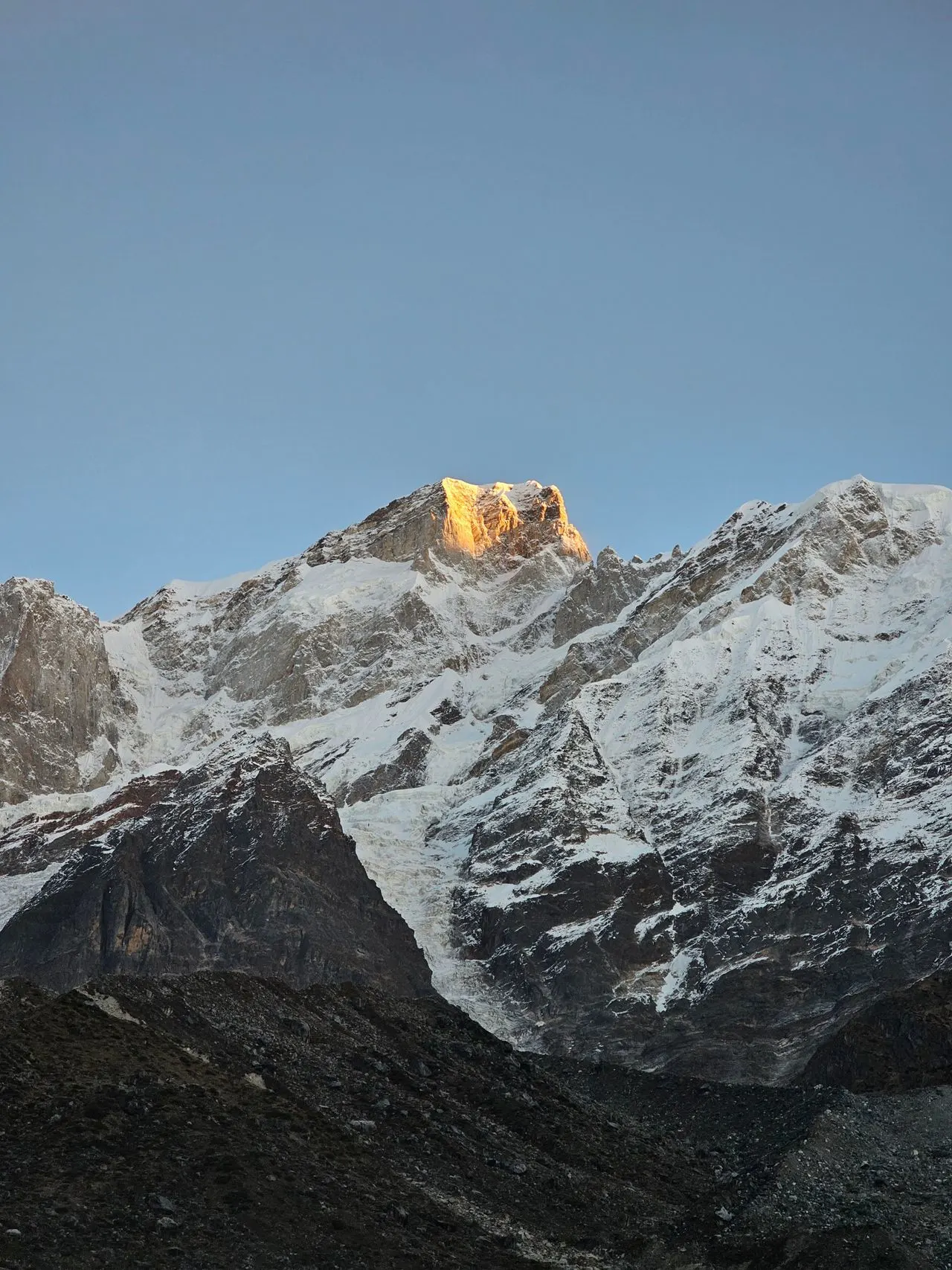
Why Manaslu is Called Killer Mountain: Comparison with Everest
Why Manaslu is called Killer Mountain while Everest has more total deaths requires understanding the differences between the two mountains’ danger profiles.
Manaslu vs Everest death rate comparison shows that Manaslu historically has a higher fatality ratio than Everest when measuring deaths per successful summit. However, Everest sees far more climbers, meaning the absolute number of deaths on Everest is higher.
Why is Manaslu called Killer Mountain vs Everest relates to the nature of the deaths. Manaslu’s deaths have often come in dramatic avalanche events that kill multiple climbers simultaneously, creating more memorable tragedies. Everest’s deaths are more often individual incidents that occur gradually due to altitude sickness or exhaustion.
Manaslu vs Everest danger comparison reveals different risk profiles:
| Factor | Manaslu | Everest |
|---|---|---|
| Technical difficulty | Moderate | Moderate |
| Avalanche danger | High | Moderate |
| Altitude danger | High | Higher |
| Crowding | Low | High |
| Commercial traffic | Moderate | High |
Why Manaslu is called Killer Mountain vs Everest is not because Manaslu is necessarily more dangerous overall. It is because Manaslu’s dangers are more concentrated in dramatic events that capture attention. The 1972 disaster killed fifteen people in one avalanche—a type of tragedy that Everest has not experienced to the same degree.
Manaslu vs Everest which is more dangerous depends on what you measure. If measuring deaths per successful summit, Manaslu appears more dangerous. If measuring total deaths, Everest has more. Each mountain has its own danger profile, and both are serious eight-thousanders.
Why Manaslu is Called Killer Mountain: Comparison with Annapurna
Why Manaslu is called Killer Mountain while Annapurna is often called the “deadliest mountain” requires understanding the statistical differences between these two peaks.
Manaslu vs Annapurna death rate shows that Annapurna has historically had a higher fatality ratio than Manaslu. Annapurna’s fatality rate has been estimated at roughly one death per three successful summits in some periods, placing it significantly higher than Manaslu’s ratio.
Why is Manaslu called Killer Mountain vs Annapurna is a question with a nuanced answer. Both mountains share similar dangers: avalanche exposure, serac fall, and objective hazards that are difficult to control. However, Annapurna has a stronger statistical claim to being the “deadliest” mountain.
Manaslu vs Annapurna danger comparison:
| Factor | Manaslu | Annapurna |
|---|---|---|
| Fatality ratio | Moderate | Very high |
| Avalanche danger | High | Very high |
| Technical difficulty | Moderate | High |
| Weather exposure | High | Extreme |
Why is Manaslu called Killer Mountain when Annapurna is statistically more dangerous? The answer may relate to the specific disasters on Manaslu—the 1972 and 2012 avalanches—which created memorable, media-covered tragedies. Annapurna’s dangers are more diffuse, spread across many smaller incidents rather than concentrated in dramatic events.
Manaslu Killer Mountain vs Annapurna Deadliest Mountain shows how nicknames emerge differently. Manaslu earned its nickname through specific tragic events. Annapurna earned its reputation through consistently high fatality rates over decades. Both nicknames reflect real dangers, but they emerged through different patterns.
Why Manaslu is Called Killer Mountain: Objective vs Human Factors
Why Manaslu is called Killer Mountain involves understanding the difference between objective dangers and human factors. This distinction is crucial for accurately assessing the mountain’s danger.
Manaslu objective dangers refer to hazards inherent in the mountain environment—avalanches, serac falls, crevasses, and weather. These dangers exist regardless of climber skill or decision-making. They are features of the mountain itself.
Manaslu human factors refer to dangers created by human choices—inexperience, commercial pressures, summit fever, and poor judgment. These dangers vary significantly between expeditions and individual climbers.
Why is Manaslu called Killer Mountain objective dangers are the primary reason for the nickname. The avalanches and serac falls that created the reputation are not things that skilled climbers can reliably avoid. They are features of the mountain that persist regardless of human preparation.
Manaslu human factor risks include:
-
Inexperience with high-altitude climbing
-
Commercial pressure to reach summits
-
Summit fever overriding prudent decisions
-
Inadequate acclimatization
-
Poor team communication
Why Manaslu is called Killer Mountain from a risk perspective is because its objective dangers are particularly severe. However, human factors also play a significant role in many incidents. The most dangerous situations often arise when objective hazards combine with human error.
Why Manaslu is Called Killer Mountain: Modern Context in 2026
Why Manaslu is called Killer Mountain in 2026 requires understanding how the mountain’s danger profile has evolved. The nickname persists, but the risk landscape has changed.
Manaslu safety 2026 has improved in several ways. Modern weather forecasting provides more accurate and timely information. Equipment is lighter, warmer, and more reliable. Communication technology allows climbers to stay connected with base camps and emergency services. Guide standards have improved significantly.
Why is Manaslu still called Killer Mountain 2026 despite these improvements? The answer is that the mountain’s fundamental geographic hazards remain unchanged. Avalanches, serac falls, and extreme altitude are features of the mountain itself. No technology can eliminate these dangers.
Manaslu current danger profile in 2026 includes persistent avalanche risk, unpredictable serac collapse, extreme altitude effects, and rapid weather changes. These dangers are mitigated but not eliminated by modern safety practices.
Manaslu 2026 climbing is safer than previous decades, but still carries serious risks. The mountain’s objective hazards cannot be entirely controlled. Climbers must accept that some dangers are inherent to the mountain itself.
Why Manaslu is called Killer Mountain today reflects the persistence of these objective dangers rather than unchanged risk levels. The nickname has become part of the mountain’s identity, even as safety has improved.
Why Manaslu is Called Killer Mountain: Does This Apply to the Trek?
Why Manaslu is called Killer Mountain raises an important question for trekkers: does this nickname apply to the Manaslu Circuit Trek? The answer is clearly no.
Manaslu Circuit Trek danger is significantly lower than climbing danger. The trek reaches a maximum elevation of 5,160 meters at Larkya La Pass, well below the “death zone” where mountaineering dangers become acute. Trekkers do not encounter seracs, crevasses, or avalanche terrain on the standard route.
Manaslu trekking vs climbing danger reveals fundamentally different risk profiles:
| Factor | Manaslu Circuit Trek | Manaslu Climbing |
|---|---|---|
| Maximum elevation | 5,160m | 8,163m |
| Avalanche exposure | Minimal | High |
| Serac danger | None | High |
| Technical difficulty | None required | Moderate |
| Risk level | Low-moderate | High |
Why Manaslu is called Killer Mountain trekking is a misunderstanding of the nickname. Trekkers on the Manaslu Circuit are not climbing the mountain. They are walking around it, staying in teahouses, and following established trails. The dangers that created the nickname are not present on the trekking route.
Manaslu Killer Mountain trek should not deter trekkers. The Manaslu Circuit is challenging but safe when conducted with proper preparation and guide support. The nickname applies to the summit, not the surrounding valleys.
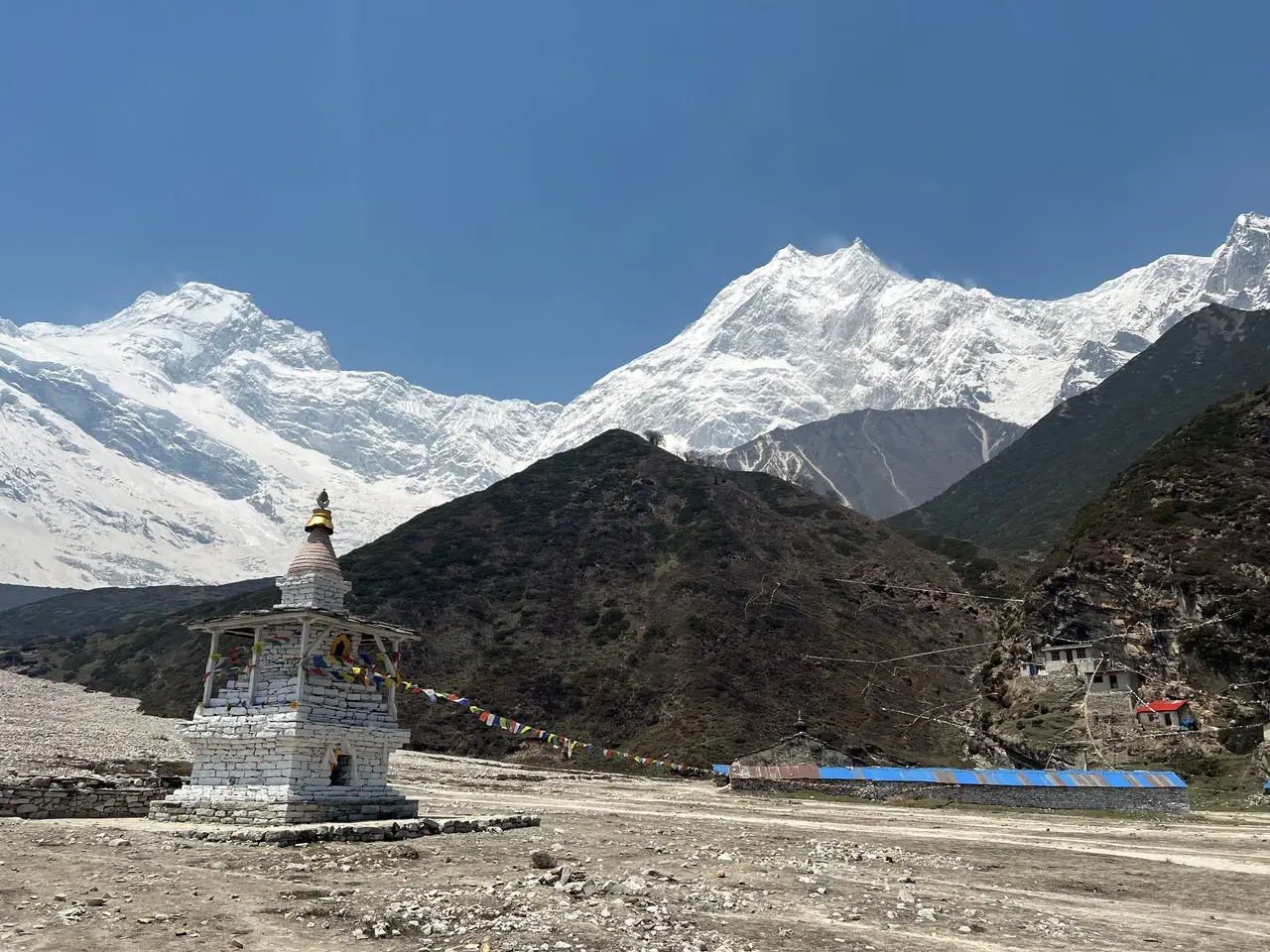
Why Manaslu is Called Killer Mountain: What Trekkers Should Know
Why Manaslu is called Killer Mountain is important context for trekkers planning the Manaslu Circuit. Understanding the nickname’s meaning helps trekkers appreciate the mountain without unnecessary fear.
Manaslu Killer Mountain trekking context is essential for managing expectations. Trekkers are visiting a region dominated by a serious mountain, but they are not attempting to climb it. The trek provides mountain views and cultural experiences without the mountaineering dangers.
Why is Manaslu called Killer Mountain for trekkers is a question about perspective. The nickname belongs to the summit, not the surrounding trails. Trekkers can respect the mountain’s power while enjoying the trekking experience safely.
Manaslu Circuit safety is well-established. Thousands of trekkers complete the circuit annually without incident. The route follows established trails through villages and valleys, staying far below the dangerous climbing routes. The main challenges are altitude, weather, and physical endurance—not avalanches or seracs.
Why Manaslu is called Killer Mountain should be understood as part of the mountain’s character—a reminder of its seriousness and the respect it commands. For trekkers, this understanding adds depth to the experience without creating fear.
The Manaslu Circuit Trek offers one of Nepal’s great trekking experiences: remote valleys, Tibetan Buddhist culture, high mountain passes, and spectacular views of Mount Manaslu. The “Killer Mountain” nickname belongs to the summit, not the surrounding trails.
Wonder Hikes Nepal: Understanding Manaslu Before You Trek
Wonder Hikes Nepal helps trekkers understand the Manaslu region before they begin their journey. Our guides provide context about the mountain’s history, geography, and cultural significance, so trekkers can appreciate the experience fully.
Why Manaslu is called Killer Mountain is one of many questions we address during trek preparation. Understanding the mountain’s reputation helps trekkers appreciate its seriousness while recognizing that the trekking experience is fundamentally different from climbing.
Wonder Hikes Nepal Manaslu trek packages include experienced guides who know the region’s geography, culture, and practical challenges. We handle the logistics of restricted-area permits, transportation, and accommodation, so trekkers can focus on the experience.
Manaslu trek with Wonder Hikes Nepal provides transparent information about the trekking route, altitude challenges, and safety considerations. We explain the difference between trekking around Manaslu and climbing Manaslu, ensuring trekkers have accurate expectations.
Whether you are planning the full Manaslu Circuit, considering the Tsum Valley extension, or seeking information about Manaslu Base Camp, Wonder Hikes Nepal provides transparent guidance and customized planning.
Plan Your Manaslu Trek – Contact Wonder Hikes Nepal
FAQs about Why Manaslu is Called Killer Mountain
1. Why is Manaslu called Killer Mountain?
Manaslu is called Killer Mountain because of a series of catastrophic avalanches that killed multiple climbers, most notably in 1972 and 2012. The nickname reflects the mountain’s objective hazards—avalanches, serac falls, and glacial terrain—that are difficult to predict or control.
2. Is Killer Mountain Manaslu’s official name?
No, Killer Mountain is not Manaslu’s official name. The mountain’s recognized name is Mount Manaslu, derived from Sanskrit meaning “Mountain of the Spirit.” The nickname is informal, emerging organically through mountaineering culture and media coverage.
3. How many people have died climbing Manaslu?
Manaslu climbing deaths are estimated at between 80 and 90 total deaths through recent years. However, this figure changes as new data becomes available and historical records are refined. The Himalayan Database provides the most authoritative statistics.
4. Is Manaslu the deadliest mountain?
No, Manaslu is not the deadliest mountain. Annapurna has a higher fatality ratio, and K2 also has a strong claim to being more dangerous. Manaslu’s reputation comes from concentrated disasters rather than the highest statistical death rate.
5. Is Manaslu more dangerous than Everest?
Manaslu has a higher fatality ratio than Everest when measuring deaths per successful summit, but Everest has more total deaths. The two mountains have different danger profiles, with Manaslu facing greater avalanche danger and Everest facing greater crowding and altitude challenges.
6. Is Manaslu more dangerous than Annapurna?
No, Annapurna is statistically more dangerous than Manaslu. Annapurna’s fatality ratio exceeds Manaslu’s, and Annapurna is often called the “deadliest mountain.” Manaslu earned its “Killer Mountain” nickname through specific disasters rather than the highest death rate.
7. What is the biggest danger on Manaslu?
The biggest danger on Manaslu is avalanche, particularly avalanches triggered by serac collapse. The mountain’s hanging glaciers produce unstable ice towers that can break off without warning, triggering avalanches that sweep the climbing route.
8. Why are avalanches dangerous on Manaslu?
Avalanches are dangerous on Manaslu because the mountain’s steep faces and hanging glaciers create terrain where serac collapse can trigger snow slides that strike climbing camps without warning. The 1972 and 2012 disasters both involved such avalanches.
9. What happened in the 1972 Manaslu disaster?
The 1972 Manaslu disaster occurred on April 10, 1972, when an avalanche struck the Korean expedition’s camp at approximately 6,500 meters. The avalanche killed fifteen people, including ten Korean climbers and five Sherpa guides, making it one of the deadliest events in Himalayan mountaineering history.
10. What happened in the 2012 Manaslu avalanche?
The 2012 Manaslu avalanche occurred on September 23, 2012, when an avalanche struck Camp 3 at approximately 7,000 meters. The avalanche killed eleven climbers from multiple expeditions, representing one of the deadliest days in Manaslu’s history.
11. How high is Manaslu?
Mount Manaslu is 8,163 meters (26,781 feet) high, making it the eighth-highest mountain on Earth. This elevation places it among the “eight-thousanders”—the fourteen mountains worldwide that exceed 8,000 meters.
12. Is Manaslu technically difficult?
Manaslu is moderate in technical difficulty compared to other eight-thousanders. The mountain’s danger comes primarily from objective hazards—avalanches and seracs—rather than technical climbing challenges. The standard route requires mountaineering skills but is not considered among the most technically demanding.
13. Is the Manaslu Circuit Trek dangerous?
The Manaslu Circuit Trek is not dangerous in the way that climbing Manaslu is dangerous. The trek reaches 5,160 meters at Larkya La Pass, well below the “death zone.” Trekkers do not encounter avalanches, seracs, or crevasses on the standard route. The main challenges are altitude, weather, and physical endurance.
14. Can beginners climb Manaslu?
No, beginners cannot climb Manaslu. Climbing Manaslu requires significant mountaineering experience, technical skills including glacier travel and fixed rope techniques, and the ability to manage extreme altitude. This is not a beginner’s mountain.
15. Does the Killer Mountain nickname still apply?
The Killer Mountain nickname still reflects Manaslu’s objective dangers, though safety has improved with better forecasting, equipment, and guide standards. The mountain’s fundamental hazards—avalanches and seracs—remain unchanged, so the nickname retains some relevance for climbers. For trekkers, the nickname does not apply.