
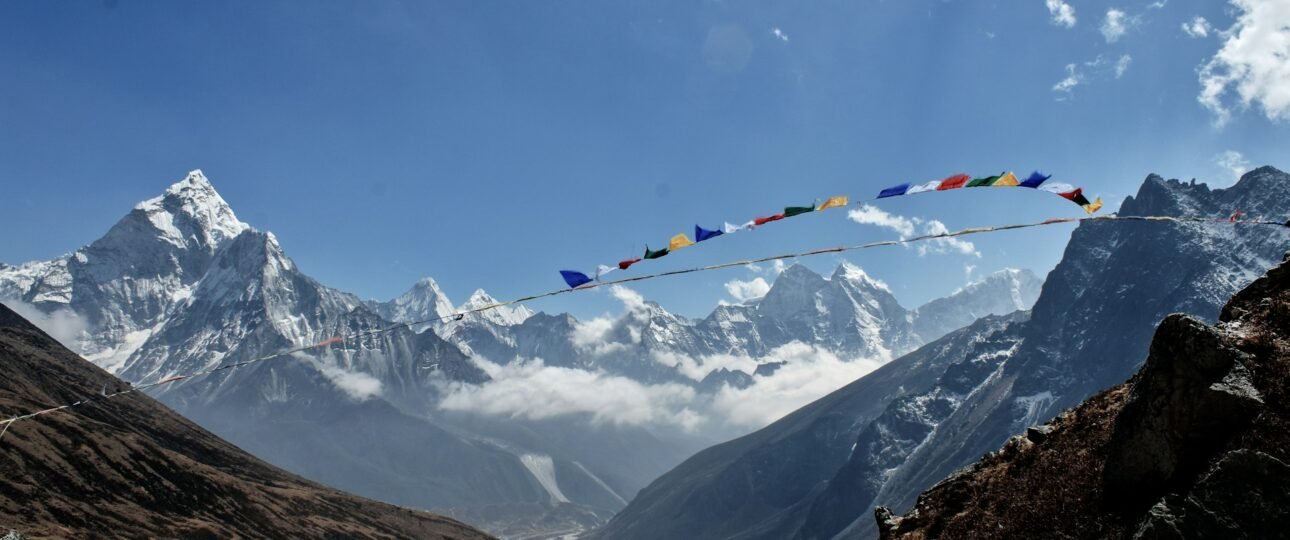
Introduction to Trekking Permits in Nepal
Trekking permits in Nepal cause more confusion than almost any other part of planning a trek. Fees are quoted in rupees and dollars, some guides still mention a card that no longer applies on certain routes, and the rules about guides changed within the last few years. This guide pulls it into one place: which permits each major trek needs, what they cost, who issues them and what has changed, with clear flags wherever published sources disagree.
The short answer: almost every trek needs at least one permit, and the classic routes (Everest, Annapurna, Langtang) typically cost somewhere around NPR 5,000 to 6,000 per person in permits. Restricted areas such as Manaslu cost far more. Since 2023, foreign trekkers on most routes also need a licensed guide arranged through a registered agency. The details below show how that plays out on each trail.
Quick Answer: Which Permits Does Your Trek Need?
| Trek | Permits usually needed | Typical total in permits |
|---|---|---|
| Everest Base Camp, Gokyo, Three Passes | Sagarmatha National Park entry plus the Khumbu Pasang Lhamu local fee | About NPR 6,000 |
| Annapurna Base Camp, Poon Hill, Mardi Himal, Annapurna Circuit | Annapurna Conservation Area permit plus TIMS where required | About NPR 5,000 |
| Langtang Valley, Gosaikunda | Langtang National Park entry plus TIMS | About NPR 5,000 |
| Manaslu Circuit | Restricted-area permit, Manaslu Conservation Area permit and often an Annapurna permit | Roughly US$130 to US$170 or more, depending on season and days |
Treat these as planning figures. Different published guides give slightly different totals, mostly because of value-added tax on some park fees, exchange rates and recent changes to TIMS. Confirm the final amount with your trekking agency before you pay.
The Four Types of Permit Explained
Nepal’s permit system has layers because different authorities manage different areas. Once you know the four layers, the rest becomes much easier to follow.
- National park or conservation area entry permit. A fee for entering a protected area, such as Sagarmatha National Park, Langtang National Park, the Annapurna Conservation Area or the Manaslu Conservation Area. For most foreign trekkers the published base fee is NPR 3,000 per area, and some sources note that a 13 percent value-added tax can push certain park fees to NPR 3,390.
- Local or municipality fee. Some rural municipalities charge their own entry fee. The best-known example is the Khumbu Pasang Lhamu Rural Municipality fee on the Everest trail.
- TIMS (Trekkers’ Information Management System) card. A registration card run by the Nepal Tourism Board. Whether you need one depends on the region, and the rules have changed, so see the dedicated section below.
- Restricted-area permit. A special permit for border regions that are open only under controlled conditions, such as Manaslu, Upper Mustang, Nar Phu and parts of Dolpo. These are issued through registered agencies and cost significantly more.
Many treks combine two or three of these. The Annapurna Circuit, for example, can involve a conservation permit and TIMS, while Manaslu combines a restricted-area permit with conservation area permits.
Permits by Region at a Glance
The table below summarises the most commonly published fees. Figures are in Nepali rupees unless stated, and they were cross-checked across several current guides. Where sources disagree, the table says so.
| Region | Park or conservation fee | Local fee | TIMS | Restricted-area permit |
|---|---|---|---|---|
| Everest (Sagarmatha NP) | NPR 3,000 | NPR 3,000 (Khumbu Pasang Lhamu) | Not used on the standard Everest route in recent guides | No |
| Annapurna (ACAP) | NPR 3,000 | None commonly listed | Commonly listed at NPR 2,000, though sources disagree on whether it is still collected | No, except Upper Mustang and Nar Phu |
| Langtang NP | NPR 3,000 | None commonly listed | NPR 2,000, checked at the Dhunche checkpoint according to some guides | No |
| Manaslu (MCAP) | NPR 3,000, plus ACAP NPR 3,000 if the route enters Annapurna | None commonly listed | Replaced by the restricted-area process | Yes: US$100 for the first week in September to November, US$75 from December to August, plus a daily fee after that |
| Tsum Valley | As Manaslu | None commonly listed | Replaced by the restricted-area process | Yes: published at US$40 for the first week in peak season, with a daily fee after that |
SAARC nationals generally pay reduced fees on the standard permits, often around half, and children may qualify for discounts. Exact rules vary, so ask your agency.
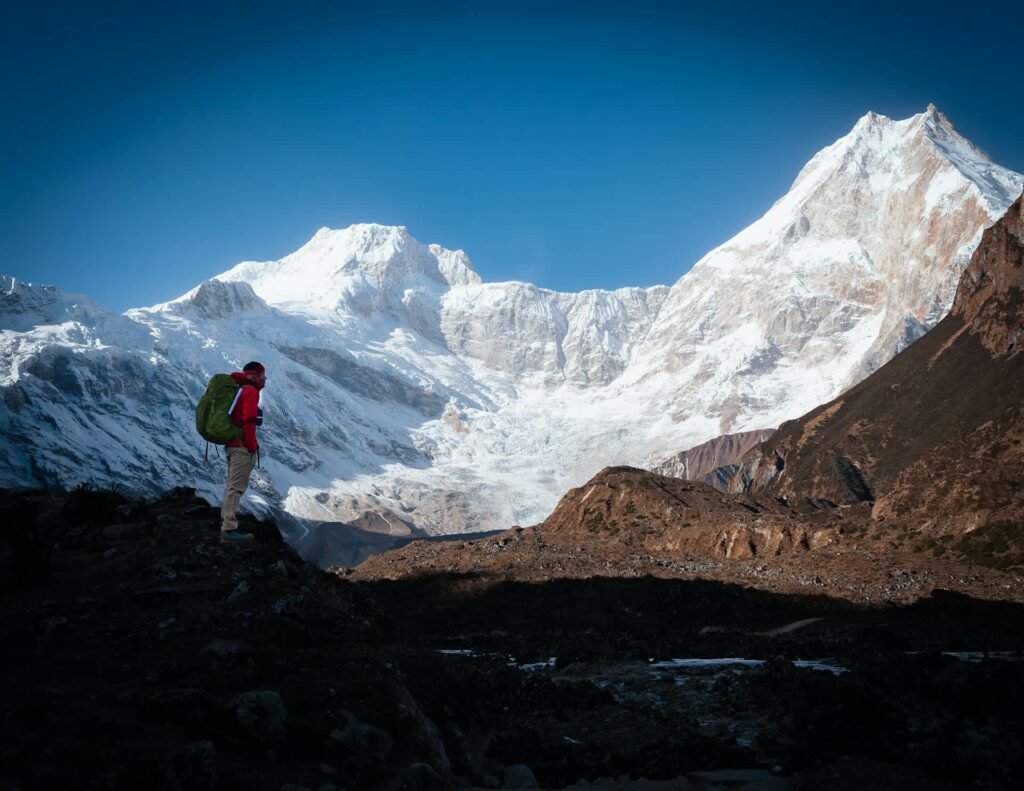
National Park and Conservation Area Permits
These are the simplest layer. You pay once for each protected area you enter, and the fee is usually collected either in Kathmandu or at the entry gate.
- Sagarmatha National Park: Covers the Everest region, including Everest Base Camp, Gokyo and the Three Passes. Published fee NPR 3,000 for most foreigners.
- Annapurna Conservation Area (ACAP): Covers Annapurna Base Camp, Poon Hill, Mardi Himal, the Annapurna Circuit and Tilicho. Published fee NPR 3,000 for most foreigners.
- Langtang National Park: Covers the Langtang Valley, Gosaikunda and the Tamang Heritage Trail. Published fee NPR 3,000.
- Manaslu Conservation Area: Covers the Manaslu Circuit and Tsum Valley. Published fee NPR 3,000.
If you combine regions, you need the permits for every area you enter. A Manaslu Circuit trek that finishes in the Annapurna region, for example, usually needs the Annapurna permit as well. Our guides to the Annapurna Base Camp trek permits and the Langtang Valley trek permits walk through each trek in more detail.
Everest Region: Two Fees, No TIMS
The Everest region works differently from the rest of the country. Recent guides describe two fees for the standard route: the Sagarmatha National Park entry fee and the local Khumbu Pasang Lhamu Rural Municipality fee. Published figures for the local fee are NPR 3,000 for most foreigners and a lower amount for SAARC nationals, paid in Lukla or Monjo, with a checkpoint at Monjo where permits are recorded.
Earlier TIMS rules treated the Everest region as an exception, and several current guides say the standard route does not use a TIMS card. But the picture has shifted several times, and some guides disagree on the details, so confirm the current arrangement with your agency when you book. Our dedicated guide to the EBC trek permit covers the Everest route in depth, including what people commonly get wrong.
Annapurna and Langtang: Conservation Fee Plus TIMS
In the Annapurna and Langtang regions, most published guides list the conservation or park fee plus a TIMS card. The most commonly published TIMS figure is NPR 2,000 for foreign trekkers. One guide lists two colours, a lower fee for groups booked through an agency and a higher one for independent applicants, while others give a single figure. Because the TIMS rules and fees have changed more than once, treat the number as indicative and ask your agency what applies on your dates.
Langtang has a specific checkpoint, Dhunche, where staff record trekkers and check permits according to several guides. Annapurna routes have checkpoints at places such as Besisahar and Birethanti. The takeaway is the same everywhere: carry your permits and show them when asked.
For the popular Annapurna-region treks, see our guide to Mardi Himal trek permits, which explains the ACAP and TIMS combination for one of the most popular shorter routes.
What Is TIMS and What Changed?
TIMS stands for Trekkers’ Information Management System. The card records your itinerary and emergency contact so that rescue teams can find you if something goes wrong. It was originally something trekkers could pick up themselves at the Nepal Tourism Board offices in Kathmandu or Pokhara.
In March 2023 the Nepal Tourism Board announced revised TIMS procedures. The main points reported by Nepali news outlets were that foreign trekkers would need a licensed trekking guide and would have to obtain TIMS through an authorised trekking agency registered with the government. The change was announced for the start of April 2023, and news reports describe it coming into effect around that time, with some outlets dating the implementation to the end of May. Several reports also noted that the TIMS fee rose from NPR 1,000 to NPR 2,000 for foreigners.
Since then, the details on the ground have not been uniform. Some guides say TIMS is checked strictly in Langtang and on restricted routes, while others note that the Everest region uses the local municipality fee instead. Because published information differs, the safest approach is to ask a registered agency for the current requirement for your route and date. News coverage of the original announcement is available from Nepal Traveller and The Himalayan Times.
Restricted-Area Permits
Restricted areas are border regions that the government keeps under tighter control. Foreign trekkers need a special permit, and the permit is issued through a registered trekking agency rather than bought directly at the trailhead. The most commonly discussed restricted areas are Manaslu and Tsum Valley, Upper Mustang, Nar Phu and parts of Dolpo.
Manaslu Circuit and Tsum Valley
Published figures for the Manaslu restricted-area permit are US$100 for the first week from September to November and US$75 for the first week from December to August, with an additional daily fee after the first week, listed in guides as about US$15 per day in peak season and about US$10 per day otherwise. These figures are on top of the Manaslu Conservation Area permit, and the Annapurna permit is also needed if the route descends into the Annapurna region. The Tsum Valley restricted-area permit is published at a lower rate, US$40 for the first week in peak season with a daily fee after that.
Together, guides estimate that the permits for the Manaslu Circuit come to roughly US$130 to US$170, depending on the season and the number of days. Our Manaslu Circuit trek permit guide explains the process step by step.
Upper Mustang, Nar Phu and Dolpo
These regions also require restricted-area permits and a licensed guide through a registered agency, and the fees are generally higher than for open regions. Because pricing and rules are specific to each area and change over time, get a written quote from your agency and check that it matches the current published schedule.
Group size
Historically, restricted-area permits were issued only to groups of at least two trekkers. Rules on minimum group size have been reported to change, so ask your agency whether any minimum applies when you apply.

The Licensed Guide Requirement
The biggest change in recent years is the guide rule. Following the Nepal Tourism Board’s 2023 decision, foreign trekkers on routes covered by the new rules must be accompanied by a licensed trekking guide arranged through a government-registered trekking agency. News reports describe this as ending fully independent trekking on those routes, and the Republica newspaper reported on the board’s decision at the time in its coverage of foreign trekkers now needing a licensed guide.
A few points are worth knowing:
- The guide must be licensed and hired through a registered agency. Simply having your own guide is not enough.
- Reports at the time described the rule as applying to routes where a TIMS card is required, covering many trekking regions, with the Everest region treated differently.
- The TIMS card is obtained through the agency, so independent applicants can no longer simply buy one on arrival for those routes.
- The rule applies to foreign nationals, not to Nepali citizens.
The practical consequence is that the agency you choose handles most of the paperwork for you, and the guide’s fee is part of your overall budget. Our guide to mountaineering in Nepal covers the separate permit system for peaks, which is distinct from trekking permits.
How to Choose a Registered Agency
Because most permits for trekking in Nepal now run through an agency, your choice of agency matters more than it used to. A few checks take ten minutes and can save real trouble.
- Ask for the registration details. A legitimate agency is registered with the government of Nepal and can show its licence. The Nepal Tourism Board’s rules refer to government-registered trekking agencies specifically.
- Ask who the guide is. The guide must be licensed. Ask for the guide’s name and licence details before you travel.
- Request an itemised quote. It should list permits, guide, porter, transport, accommodation and food separately, so you can see exactly what the permit portion is.
- Ask which fees are paid on the trail. Local fees such as the Khumbu Pasang Lhamu fee are often paid in person at Lukla or Monjo, and you should know in advance whether your package covers them.
- Ask what happens if rules change. Fees and procedures have changed several times since 2023. A good agency explains how it handles changes after you have paid a deposit.
- Ask about emergencies. A reputable agency can explain its evacuation procedure and how it works with your insurance.
Clear, specific answers are a good sign. Vague answers, pressure to pay quickly or prices far below everyone else’s are reasons to keep looking.
How the Rules Apply to Different Trekkers
The same permit system affects different travellers in different ways. Here is how it plays out for the most common situations.
Solo travellers. You can still travel on your own in the sense of not joining a group, but on routes covered by the guide rule you need a licensed guide arranged through a registered agency. Many solo trekkers book a private guide or join a small group departure to share costs.
Couples and small groups. Permits are issued per person, and the agency applies for everyone together. Make sure every name matches the passport exactly.
Families with children. Some sources report discounts for children on standard permits. Confirm age limits and amounts with your agency, and bring passport copies for every child.
Trekkers from SAARC countries. Reduced fees generally apply on the standard permits, often around half. Carry proof of nationality.
Combining regions. If you walk through more than one protected area, such as Manaslu into Annapurna, you need the permit for each. Plan this with your agency so nothing is missed.
Peak climbers. Trekking permits and climbing permits are separate systems. If you plan to climb a trekking peak or an expedition peak, read our guide to mountaineering in Nepal, because you will need climbing permits as well as the standard trekking permits for the region.
Checkpoints: What to Expect on the Trail
Most major routes have manned checkpoints at trailheads and key villages, where staff record trekkers and check permits. Published guides name Monjo on the Everest route, Besisahar and Birethanti on the Annapurna routes and Dhunche on the Langtang route. The process is usually quick, but it relies on you having the right paperwork.
- Keep your permits in an easy-to-reach pocket, not the bottom of your pack.
- Take a photo of every permit before you leave, in case a paper copy is damaged or lost.
- Expect to give your name, nationality and passport number, and sometimes your itinerary.
- Let your guide handle the conversation where possible. Guides know the staff and the procedures.
If you lose a permit, tell your guide or agency straight away. A photo of the original and the agency’s records can make replacement much easier, and a quick call is better than trying to continue without it.
Sample Permit Plans
These examples use the commonly published figures from the tables above. They are illustrations, not quotes, and your agency should confirm the final amounts.
Everest Base Camp trek
You would expect to pay the Sagarmatha National Park entry fee and the Khumbu Pasang Lhamu local fee, which together come to about NPR 6,000 per person according to commonly published figures. You pay the local fee on the trail, and your permits are checked at Monjo. Your agency should confirm whether TIMS is needed on your dates.
Annapurna Base Camp trek
You would expect the Annapurna Conservation Area permit and, where it is required, a TIMS card, which most current guides put at about NPR 5,000 combined. Your agency will usually arrange the TIMS and tell you whether the ACAP is issued in Kathmandu, Pokhara or at the entry gate. For route planning, our guide to the Annapurna Base Camp trek permits goes through the details.
Manaslu Circuit
You would need the restricted-area permit, the Manaslu Conservation Area permit and, if the route descends into the Annapurna region, the Annapurna permit. Published estimates for the total are roughly US$130 to US$170 or more, depending on the season and the number of days. The restricted-area permit is processed through the agency and the immigration department, so apply early and confirm the amount in writing.
Where and How to Apply
The steps for trekking permits in Nepal differ slightly by permit, but the process usually follows the same pattern.
- Choose your agency and route first. Because the agency usually applies for TIMS and restricted-area permits, you need your route and dates fixed before permits can be issued.
- Send your documents. The agency will ask for the details listed in the next section.
- The agency applies. TIMS is processed through the Nepal Tourism Board system, and restricted-area permits go through the Department of Immigration.
- Park and conservation permits are paid in person or through the agency. These are often issued in Kathmandu or Pokhara, or at the entry gate on some routes.
- Local municipality fees are paid on the trail. On the Everest route this is paid in Lukla or Monjo.
- Carry copies. Keep paper copies and photos of every permit on your phone.
Be careful about middlemen. Government notices have warned against unregistered intermediaries, and the safest route is to use a registered agency that can show its licence. If someone offers a permit that seems unusually cheap or fast, check before paying.
Documents You Will Need
Requirements vary slightly by permit and agency, but the usual list is short.
- A passport valid for the whole trip, with a copy of the photo page
- Your Nepal visa
- Passport-sized photographs
- Your itinerary, including start and end points and dates
- Emergency contact details
- Travel insurance details that cover trekking at your maximum altitude
- Your agency and guide details, which the agency provides
Keep your documents consistent. If the name on your permit differs from the name on your passport, or your dates change, tell the agency early to avoid problems at checkpoints.
What It Costs to Budget For
Permits are only a small part of your trek budget, but it is useful to see them in context. Using the commonly published figures, the permit cost per person for popular routes is roughly:
- Everest Base Camp: about NPR 6,000, from the park fee plus the local fee.
- Annapurna routes: about NPR 5,000, from the conservation fee plus TIMS where it applies.
- Langtang routes: about NPR 5,000, from the park fee plus TIMS.
- Manaslu Circuit: roughly US$130 to US$170 or more in permits alone, depending on season and the number of days.
On top of permits you will pay for a guide, accommodation, food and transport, and your agency’s quote should be itemised. To see how permits fit into the full picture for each route, read our budget guides for the Manaslu Circuit and other treks. Exchange rates move, so check conversions near your departure date.
Timing Your Permits: Season and Weather
Permits are usually valid for the dates on the permit, and some fees depend on the season, as with the Manaslu restricted-area permit, which is more expensive from September to November. Peak season brings higher demand for guides and flights, so apply early.
Winter treks follow the same permit rules as other seasons, but fewer lodges are open and weather can change plans, so build in flexibility. If you are planning a winter trip, our guide to Nepal in the winter explains what stays open and what shuts down.
Why Published Permit Fees Disagree
If you compare several guides, you will notice small differences in fees. That is not always because one is wrong. There are a few common reasons.
- Value-added tax. Some sources list park fees with the 13 percent VAT included, which turns NPR 3,000 into NPR 3,390, while others list the base fee.
- Exchange rates. Dollar equivalents shift with the rupee, so the same NPR 3,000 appears as different dollar amounts in different guides.
- Rule changes. TIMS procedures, the local Khumbu fee and restricted-area schedules have all changed in recent years, and older articles are still online.
- Different payer categories. SAARC nationals, children and agency-booked trekkers can pay different amounts for the same permit.
- Package assumptions. Some guides show permit costs per person for a particular trek and include several permits in one figure.
The lesson is to use any published figure to plan, then ask your agency for the exact amount in writing. If the agency’s number differs from what you read, ask why. There is usually a simple explanation.
Keeping Up With Rule Changes
Nepal’s trekking rules are not frozen. Since 2023 the guide requirement, TIMS procedures and some local fees have all moved, and further changes are possible. To stay current, check the date on every article you read, look for coverage from established Nepali news outlets and ask your agency what applies on your travel dates. If your trek is months away, check again a few weeks before you leave, because a change announced after you booked can still affect you.
It also helps to remember what permit fees are for. Park and conservation fees are intended to support the management of protected areas, and local fees support the communities along the trail. Paying the correct amount, through the correct channel, is part of trekking responsibly.
Common Mistakes With Nepal Trekking Permits
- Relying on an out-of-date blog. Fees and rules have changed repeatedly since 2023. Check the date on anything you read and confirm with your agency.
- Assuming TIMS applies everywhere. It does not apply the same way in every region, and the Everest route uses a different local fee.
- Forgetting a second conservation permit. Routes that cross into another protected area, like Manaslu into Annapurna, need both.
- Using an unregistered middleman. Permits issued through unregistered intermediaries can cause trouble at checkpoints.
- Paying twice. Ask your agency which fees are included in your package and which you must pay on the trail.
- Leaving restricted-area applications late. These take longer and depend on the agency and the immigration department.
- Not carrying copies. Checkpoints record every trekker, so keep your permits easy to reach.
Pre-Trek Permit Checklist
- Choose your route and dates.
- Pick a registered agency and ask to see its licence.
- Ask for an itemised list of permits, fees and what is included.
- Send your passport, photos and itinerary early.
- Confirm TIMS requirements for your specific route.
- Check restricted-area rules, including any group-size requirement.
- Buy insurance that covers your maximum altitude and helicopter evacuation.
- Carry copies of every permit on the trail.
Final Thoughts on Trekking Permits in Nepal
The permit system looks complicated, but the logic is simple once you separate the layers. Pay the park or conservation fee for every protected area you enter, add the local fee on the Everest route, find out whether TIMS applies to your trail and use a registered agency and licensed guide where the rules require them. Restricted areas add cost and paperwork, which is a good reason to start early. Above all, treat any figure you read, including the ones in this guide, as a starting point and confirm the current amount before you pay.
Frequently Asked Questions About Nepal Trek Permits
1. How many permits do I need for a trek in Nepal?
Most treks need one or two. Everest usually involves a park permit and a local fee, while Annapurna and Langtang typically involve a conservation or park permit plus TIMS. Restricted areas need an extra restricted-area permit.
2. How much do trekking permits cost?
On the classic routes, published figures put permits at roughly NPR 5,000 to 6,000 per person. Restricted areas such as Manaslu cost considerably more, roughly US$130 to US$170 or more in permits alone.
3. Do I need a guide to trek in Nepal?
On most routes, yes. Since the Nepal Tourism Board’s 2023 decision, foreign trekkers on routes covered by the rules must be accompanied by a licensed guide arranged through a registered agency. The Everest region was treated differently in early reports, so confirm the current rule for your route.
4. Is TIMS still required?
It depends on the region. Several current guides list TIMS for Annapurna and Langtang and say the Everest route uses a local municipality fee instead, but sources disagree, so confirm with your agency.
5. Can I buy permits myself?
Park and conservation permits can often be bought directly, but TIMS and restricted-area permits generally go through a registered agency. Fully independent applications are no longer possible on many routes.
6. What are the permit fees for Everest Base Camp?
Published figures are NPR 3,000 for the Sagarmatha National Park entry fee and NPR 3,000 for the Khumbu Pasang Lhamu local fee for most foreigners, roughly NPR 6,000 in total. Some sources add value-added tax to the park fee.
7. How much is the Manaslu restricted-area permit?
Published figures are US$100 for the first week from September to November and US$75 from December to August, plus a daily fee after the first week. You also need the Manaslu Conservation Area permit and often an Annapurna permit.
8. Do SAARC nationals pay less?
Generally yes, on the standard permits, often around half. Exact amounts vary by permit, so ask your agency.
9. Where are permits checked?
At checkpoints on the main routes, including Monjo for Everest, Besisahar and Birethanti for Annapurna and Dhunche for Langtang. Carry your permits and show them when asked.
10. How early should I apply?
As early as your route and dates are fixed, particularly for restricted areas and for peak season from September to November. Your agency can tell you the timeline for your trek.
Plan Your Permits and Trek With Wonder Hikes Nepal
Sorting out trekking permits in Nepal is much easier when a registered team handles the paperwork and explains what each fee covers. Tell us your route, dates and group size, and we will tell you which permits you need and help you plan the rest of the trek. The quickest way to reach us is on WhatsApp.
Chat with Wonder Hikes Nepal on WhatsApp: +977 986-0221055
Ready to plan your trek?
Tell us your dates and group size. We reply on WhatsApp within a few hours.