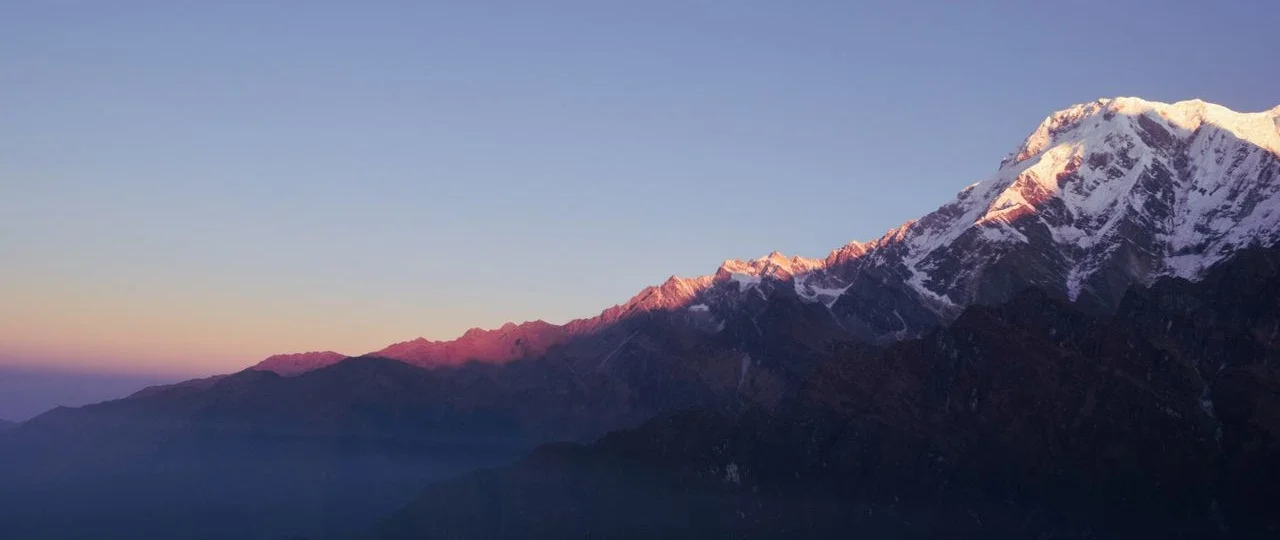
Do You Need a Permit for the Mardi Himal Trek?
Yes. Every trekker entering the Mardi Himal route requires a permit. The Mardi Himal trek lies inside the Annapurna Conservation Area, and two permits are non-negotiable: the Annapurna Conservation Area Permit (ACAP) and the TIMS Card (Trekkers’ Information Management System). As of 2026, the total permit cost for a foreign national is approximately NPR 4,000–5,000 (~$30–38 USD) . This guide covers everything you need to know about Mardi Himal Trek Permits in 2026 — fees, where to get them, required documents, and the latest regulations.
Mardi Himal Trek Permits: At a Glance
| Requirement | Cost (Foreign Nationals) | Cost (SAARC) | Notes |
|---|---|---|---|
| ACAP Permit | NPR 3,000 (~$23 USD) | NPR 1,000 | Mandatory for all trekkers entering Annapurna Conservation Area |
| TIMS Card | USD 20 (~$20 USD) individual / USD 10 (~$10 USD) agency | NPR 600 | Trekker registration; agency booking reduces cost |
| Licensed Guide | $20–$35 per day | Same | Mandatory since 2023 for conservation areas |
| Total Permits | NPR 4,000–5,000 (~$30–38 USD) | NPR 1,600 | Permits only; guide costs separate |
What is ACAP? (Annapurna Conservation Area Permit)
ACAP = Conservation Area Entry Permit.
The ACAP is issued by the National Trust for Nature Conservation (NTNC) and funds conservation work across the 7,629 km² Annapurna Conservation Area — Nepal’s largest protected area .
Why you need it: The entire Mardi Himal Trek is inside the Annapurna Conservation Area. Without an ACAP, you cannot legally step onto the trail .
Cost in 2026:
-
Foreign nationals: NPR 3,000 (~$22–23 USD)
-
SAARC nationals: NPR 1,000
-
Nepali citizens: Significantly lower rate
Important: The ACAP fee increased from NPR 2,000 to NPR 3,000 in 2025–2026, reflecting expanded conservation programming . Some older sources may still show NPR 2,000 — those are outdated.
What is TIMS? (Trekkers’ Information Management System)
TIMS = Trekker Registration and Safety Tracking.
The TIMS card logs your name, nationality, passport number, trek route, emergency contact, and insurance details. It exists to help authorities track trekkers and coordinate rescues . Think of it as your official safety record on the trail .
Cost in 2026 :
| Trekker Type | TIMS Fee |
|---|---|
| Foreign (Individual) | USD 20 (~NPR 2,700) |
| Foreign (Agency Booked) | USD 10 (~NPR 1,350) |
| SAARC (Individual) | NPR 600 |
| SAARC (Agency Booked) | NPR 300 |
What this means: If you book through a registered agency, your TIMS card costs 50% less than arranging it yourself . This is a significant factor when deciding whether to go through an agency.
Controversy Alert: Some sources claim TIMS is no longer enforced on Annapurna routes . However, reputable sources confirm TIMS is still required, though enforcement has eased. Most responsible operators continue to arrange it as a backup . For 2026, the safest approach is to obtain both ACAP and TIMS — especially since your agency will handle it anyway.
Is a Guide Mandatory for Mardi Himal in 2026?
Yes. This is the most important Mardi Himal Trek Permits rule change trekkers need to understand.
On April 1, 2023, the Government of Nepal passed a regulation requiring all foreign trekkers in national parks and conservation areas to hire a licensed guide through a registered trekking agency .
What this means for Mardi Himal:
-
Solo, unguided trekking is no longer permitted
-
You cannot simply show up with an informal guide found locally — the agency must be government-registered
-
The guide rule applies to all foreign trekkers, regardless of whether you’re traveling solo or in a group
Why Nepal introduced this rule:
-
Safety: Altitude sickness, getting lost, and accidents are more dangerous for solo trekkers
-
Economic: An estimated 40,000 Nepalis gained new employment through this regulation
-
Rescue coordination: A guide provides emergency support, monitors oxygen levels, and coordinates helicopter rescues
What happens if you trek without a guide?
-
Immediate removal from the route
-
Monetary fines
-
Potential blacklisting from future trekking permits
Guide costs: Licensed guides on the Mardi Himal route typically cost $20–$35 per day . Guides are trained to recognize early indicators of altitude sickness and initiate descent protocols before symptoms escalate .
Local Municipality Fee (Machhapuchhre Rural Municipality)
There may be an additional local fee for trekkers on the Mardi Himal route. Some sources indicate Machhapuchhre Rural Municipality charges a local tourism fee , though details vary.
Practical advice: This fee is typically collected at the trailhead or checkpoint. Some trekking packages include it; others don’t. Ask your agency whether this fee is included in your package to avoid surprises at the checkpoint.
Complete Mardi Himal Trek Permits Cost Breakdown
| Item | Foreign (Individual) | Foreign (Agency) | SAARC | Notes |
|---|---|---|---|---|
| ACAP Permit | NPR 3,000 | NPR 3,000 | NPR 1,000 | Mandatory; increased to NPR 3,000 in 2025 |
| TIMS Card | USD 20 (~NPR 2,700) | USD 10 (~NPR 1,350) | NPR 600 | Agency booking reduces cost by ~50% |
| Total Minimum | NPR 5,700 (~$43 USD) | NPR 4,350 (~$33 USD) | NPR 1,600 | Permits only |
| Plus Guide Fee | — | $20–$35/day | — | Mandatory for foreigners |
Key takeaway: The minimum permit cost for a foreign national is approximately $30–38 USD** for ACAP and TIMS combined . With guide fees, the total trek cost ranges from **$342 to $900 for a 5–7 day itinerary, depending on operator type, group size, and accommodation standard .
ACAP vs TIMS vs Local Fee: What’s the Difference?
| ACAP | TIMS | Local Fee | |
|---|---|---|---|
| What it is | Conservation area entry | Trekker registration | Municipal tourism charge |
| Issued by | NTNC | Nepal Tourism Board / TAAN | Machhapuchhre Rural Municipality |
| What it funds | Conservation work in Annapurna region | Trekker safety tracking | Local trail management |
| Where to get it | NTB offices, checkpoints | NTB offices, agencies | Trailhead/checkpoint |
| Mandatory? | Yes | Yes | Yes |
Do not confuse these. You need all three.
Where to Get Mardi Himal Trek Permits in 2026
Primary Locations
1. Kathmandu – Nepal Tourism Board Office
-
Location: Bhrikutimandap, Thamel
-
Hours: Sunday–Friday, 9:00 AM – 5:00 PM
-
Processing: 20–40 minutes (up to 90 minutes in peak season)
2. Pokhara – NTB Tourist Service Centre
-
Location: Damside, Lakeside
-
Hours: Sunday–Friday, 10:00 AM – 4:00 PM
-
Processing: 15–30 minutes
-
Why Pokhara is better: The Kande trailhead is only 7 km from Pokhara
3. Kande Trailhead Checkpoint
-
TIMS is NOT issued here (only ACAP)
-
Applying at the checkpoint adds 30–45 minutes of processing time
Through Your Trekking Agency
The easiest and most reliable option. A registered agency applies for both ACAP and TIMS on your behalf through the agency channel, processes them in 1–2 business days, and delivers the permits to you before departure .
Important: If you arrive at Kande checkpoint without permits, you can pay ACAP there — but you’ll face delays. TIMS cannot be obtained at the trailhead .
What Documents Do You Need for Mardi Himal Trek Permits?
TIMS Application
| Document | Required? | Notes |
|---|---|---|
| Valid Passport (original) | Yes | Must have 6+ months validity |
| Passport copy (bio-data page) | Yes | The office keeps this |
| Passport-size photo (35mm × 45mm) | Yes | 2 photos recommended |
| Travel insurance proof | Yes | Must cover high-altitude trekking and helicopter evacuation |
| Emergency contact details | Yes | Full name + phone number with country code |
| Agency details (if applicable) | Yes | Agency name, NTB registration number, guide license number |
ACAP Application
-
Original passport
-
Passport-size photos
-
Cash in Nepali Rupees
Pro tip: Photo printing shops near both NTB offices produce passport photos in 10 minutes for NPR 150–200 . Save time by bringing them ready.
Step-by-Step: How to Get Permits for Mardi Himal in 2026
Option A: Through Your Trekking Agency (Recommended)
-
Book your trek with a government-registered agency (like Wonder Hikes Nepal)
-
Provide your documents: Passport copy, 2 photos, insurance details
-
Agency processes permits: 1–2 business days through the agency channel
-
Receive permit confirmation before departure
-
Carry printed or digital copies during the trek
Option B: Independently (With Guide Arranged Separately)
-
Apply at least 1 day before departure — same-day is not guaranteed
-
Visit NTB office in Kathmandu or Pokhara with documents
-
Fill out application forms (ACAP and TIMS)
-
Pay fees in Nepali Rupees (cash required at most counters)
-
Receive permits and verify all details
-
Hire licensed guide through registered agency (mandatory since 2023)
Where Are Permits Checked on the Trail?
Permits are typically checked at :
-
Kande or Dhampus (trailhead entry)
-
Forest Camp or Low Camp (occasional checks)
-
High Camp (random verification)
What to expect:
-
Officials will ask for your ACAP and TIMS
-
Your guide’s license will be verified if your agency arranged it
-
If information doesn’t match your passport, you may be delayed
Important: Keep your permit handy in your daypack. Checks are quick and staff are professional .
What Happens If You Don’t Have Permits?
| Scenario | Consequence |
|---|---|
| No ACAP | Denied entry at Kande; required to return to Pokhara/Kathmandu to obtain it |
| No TIMS | Fined or forced to return to obtain it (TIMS not issued at trailhead) |
| No licensed guide | Immediate removal from route; fines; possible blacklisting |
| Passport/permit mismatch | Delayed at checkpoint; possible denial of entry |
Bottom line: Arrive with everything. Trail checkpoints are not permit-issuing offices for TIMS .
Is Mardi Himal a Restricted Area?
No. Mardi Himal is not classified as a Restricted Area.
Mardi Himal is in the Annapurna Conservation Area, which is a protected area — but not a restricted zone .
What this means:
-
No special Restricted Area Permit is required
-
You don’t need a minimum group size (though guide is still mandatory)
-
The permit process is simpler than for restricted areas
Mardi Himal Trek Permits vs Poon Hill & ABC
All three treks are in the Annapurna Conservation Area and require the same permits:
| Trek | ACAP Required? | TIMS Required? | Guide Mandatory? |
|---|---|---|---|
| Mardi Himal | Yes | Yes | Yes (2023 rule) |
| Poon Hill | Yes | Yes | Yes (2023 rule) |
| Annapurna Base Camp | Yes | Yes | Yes (2023 rule) |
The permits, costs, and application process are identical for all Annapurna region treks .
Permits in Trekking Packages: What to Ask Before Booking
Not all packages include everything. Ask your agency:
| Question | Why It Matters |
|---|---|
| Is ACAP included? | Foreign cost: NPR 3,000 |
| Is TIMS included? | Agency rate is ~50% cheaper |
| Is the local municipality fee included? | Extra if not |
| Is a licensed guide included? | Mandatory; costs $20–35/day |
| Is porter service included? | Optional but helpful |
| Are permits arranged in advance? | Saves time at trailhead |
| Will I get a copy of the permits? | You need to carry these |
Always request an itemized list of inclusions so you know exactly what’s covered.
Practical Mardi Himal Trek Permits Checklist
Before departure, ensure you have:
- Passport (6+ months validity)
- Passport copy (bio-data page)
- 2 passport-size photos (35mm × 45mm, white background)
- Travel insurance covering high-altitude trekking + helicopter evacuation
- Emergency contact details
- Printed or digital ACAP permit
- Printed or digital TIMS card
- Confirmation of licensed guide and agency
- Cash in NPR for any on-trail fees
- Agency contact details (if booking through agency)
Frequently Asked Questions about Mardi Himal Trek Permits
1. Do I need a permit for Mardi Himal Trek?
Yes. You need both ACAP (NPR 3,000) and TIMS (USD 20 for foreign nationals) .
2. What permits are required for Mardi Himal Trek?
ACAP (Annapurna Conservation Area Permit) and TIMS (Trekkers’ Information Management System) .
3. How much does an ACAP permit cost in 2026?
NPR 3,000 for foreign nationals, NPR 1,000 for SAARC nationals .
4. Is TIMS still required in 2026?
Yes, TIMS is still required. The fee is USD 20 for individual foreign trekkers and USD 10 through a registered agency .
5. Is a guide mandatory for Mardi Himal Trek?
Yes. Since April 2023, foreign trekkers in conservation areas must trek with a licensed guide through a registered agency .
6. Can I get Mardi Himal permits online?
The system remains largely offline. Some agencies can begin paperwork remotely, but you (or your guide) must appear in person to finalize permits .
7. Where can I get Mardi Himal Trek permits?
NTB Office in Kathmandu (Bhrikutimandap) or Pokhara (Tourist Service Centre, Damside). Trekking agencies can also arrange them .
8. Can I get a permit at Kande trailhead?
ACAP can be obtained at Kande with a 30–45 minute delay. TIMS is NOT available at the trailhead .
9. What documents are required for permits?
Passport, passport copy, passport-size photos, travel insurance proof, emergency contact details, and completed application forms .
10. Do Nepali citizens need permits for Mardi Himal?
Yes. ACAP is required for all trekkers regardless of nationality, but fees are lower .
11. Do Indian/SAARC travelers pay different fees?
Yes. SAARC nationals pay NPR 1,000 for ACAP and NPR 600 for TIMS .
12. Where are permits checked on the trail?
Kande/Dhampus (trailhead entry), Forest Camp/Low Camp (occasional checks), and High Camp (random verification) .
13. Is there a local municipality fee?
Some sources indicate Machhapuchhre Rural Municipality charges a local tourist fee . Verify with your agency before departure.
14. Is Mardi Himal a restricted area?
No. Mardi Himal is not classified as a restricted area, so no Restricted Area Permit is required .
15. Can permit fees change in 2026?
Yes. Fees are set by the government and can change. The ACAP fee increased from NPR 2,000 to NPR 3,000 in 2025–2026 .
Ready to Trek Mardi Himal? Wonder Hikes Nepal Can Help
Wonder Hikes Nepal arranges all Mardi Himal Trek Permits as part of your trekking package. We handle:
-
All necessary permits (ACAP + TIMS)
-
Licensed, government-registered guides
-
Local municipality fees (where applicable)
-
Transport to trailhead and return
-
Teahouse accommodation and meals
-
Emergency support and safety protocols
Our itineraries are designed with realistic walking times, proper acclimatization, and flexibility for weather changes. We verify current regulations before each departure so you don’t need to worry about rule changes or outdated information.
Book your 2026 Mardi Himal Trek with Wonder Hikes Nepal and focus on the mountains — we’ll handle the paperwork.