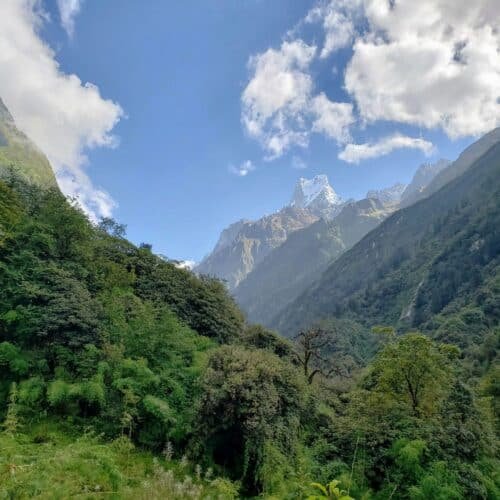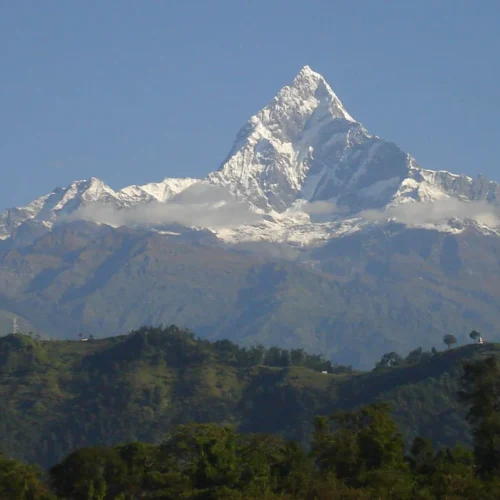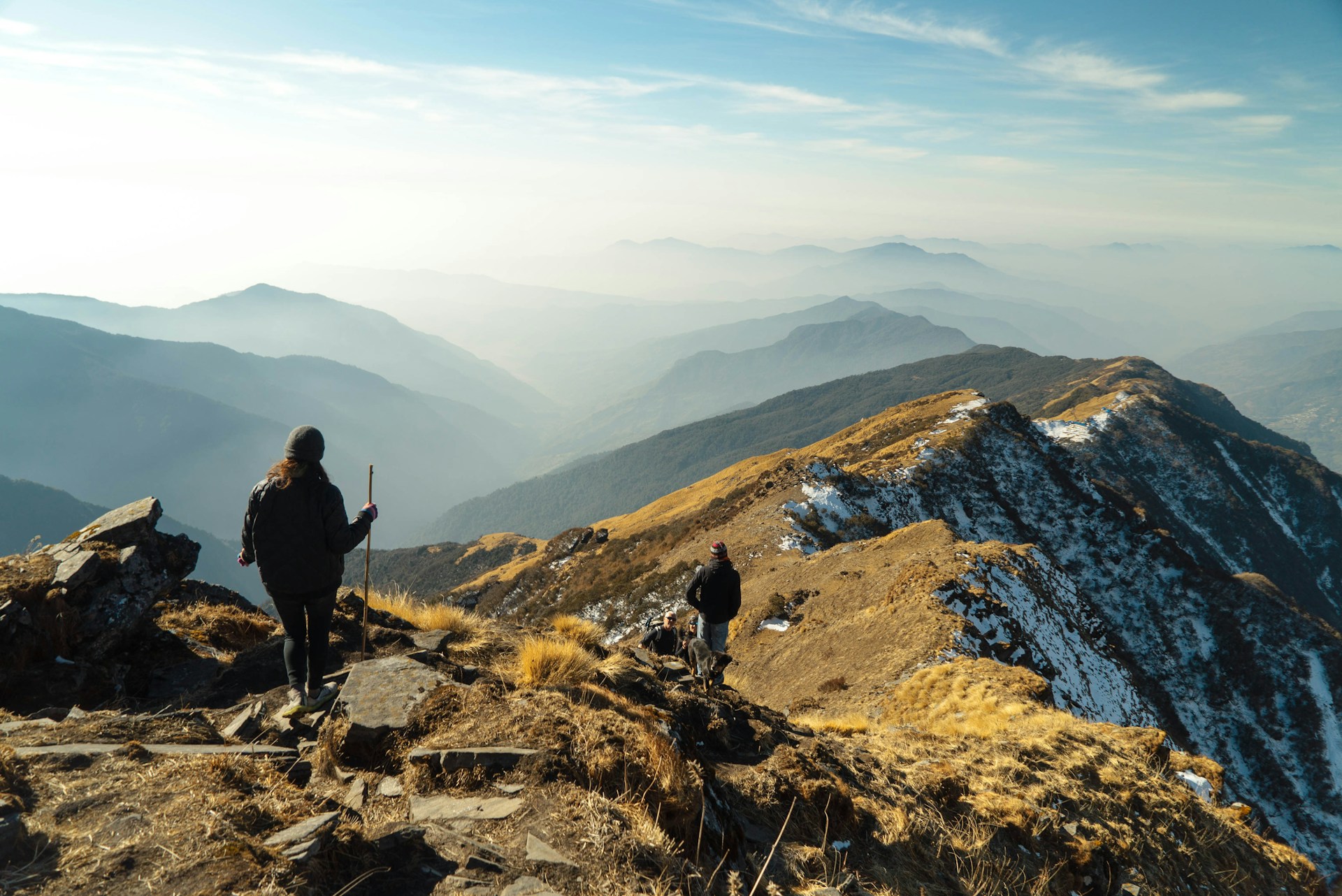
The Pikey Peak Trek is one of Nepal’s most rewarding yet surprisingly underrated trekking experiences — a seven-day journey through the pristine lower Solu Khumbu region that delivers some of the finest panoramic views of the Everest range available anywhere in Nepal, all without the altitude extremes, permit complexity, and crowded trails of the classic Everest Base Camp route. Pikey Peak, standing at 4,065 meters, was famously described by Sir Edmund Hillary as offering one of the best views of Mount Everest he had ever seen — high praise from the man who first stood on its summit, and a sentiment that resonates with every trekker who makes the pre-dawn climb to the peak’s viewpoint.
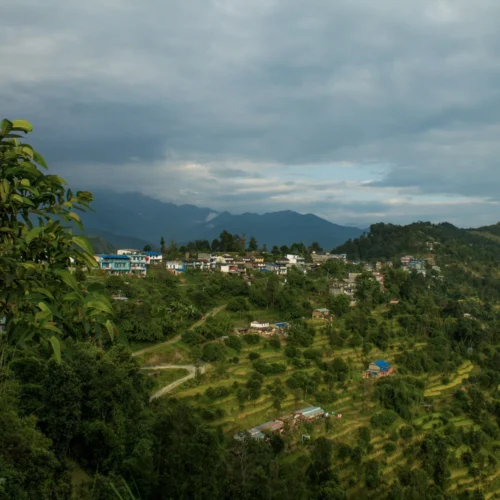
This trek takes you through a landscape that feels genuinely off the beaten path. The trails pass through traditional Sherpa, Rai, and Magar villages where daily life continues at its own quiet rhythm, largely untouched by the mass tourism that has transformed the higher Khumbu valleys. Rhododendron and oak forests draped in moss and lichen line the trails, yak pastures stretch across open hillsides, ancient Buddhist monasteries and chortens mark the ridgelines, and the air carries the clean, cool quality that only the high hills of the Himalayan foothills can provide.
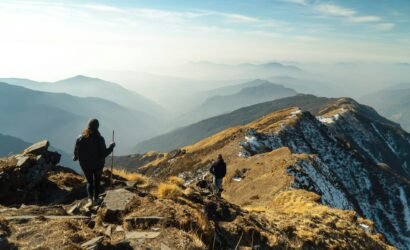
The route begins with a scenic drive or flight to Phaplu or Salleri in the Solu Khumbu district, from where the trail climbs steadily through forested ridges and traditional villages before reaching the high camp below Pikey Peak. The summit climb is made in the early hours of the morning to catch the sunrise — a moment that consistently ranks among the most breathtaking experiences that trekkers describe from their time in Nepal. From the summit, a 360-degree panorama unfolds that includes Everest, Lhotse, Makalu, Cho Oyu, Kanchenjunga, the Annapurna range, Dhaulagiri, and Numbur, spanning an extraordinary arc of the world’s highest mountains.
The Pikey Peak Trek is also deeply compelling because it offers this level of visual and cultural richness at a more moderate altitude than the high Khumbu routes, making it accessible to a broader range of trekkers while still delivering a genuinely high-quality Himalayan experience. For those who want to see the Everest range in all its glory without spending weeks at extreme altitude, this trek is one of the finest options Nepal has to offer.
Pikey Peak Trek at a Glance
- Trek Duration: 7 Days
- Trek Grade: Moderate
- Maximum Altitude: 4,065 m (Pikey Peak Summit)
- Starting Point: Phaplu / Salleri, Solu Khumbu
- Ending Point: Phaplu / Salleri or Junbesi
- Total Walking Distance: Approximately 60–75 km
- Daily Walking Hours: 5–7 hours
- Accommodation: Teahouse / Lodge
- Meals: Breakfast, Lunch, and Dinner (included)
- Best Season: October–November and March–May
- Permits Required: Gaurishankar Conservation Area Permit, TIMS Card
- Trek Start/End: Kathmandu (via drive or flight to Phaplu)
Best Season for Pikey Peak Trek
The Pikey Peak Trek can be enjoyed across most of the year, but the season you choose will significantly shape your experience, particularly at the summit where weather conditions are critical for the sunrise views.
- Autumn (Oct–Nov): The best overall season. Post-monsoon skies are spectacularly clear, the air is washed clean of dust and haze, and mountain visibility from Pikey Peak is at its most extraordinary. Temperatures are cool and pleasant for walking, trails are dry and firm, and the forests are still lush from the monsoon rains. October is the single finest month for summit views.
- Spring (Mar–May): Equally popular and beautiful. The rhododendron forests — which are extensive and magnificent along this route — are in full bloom from late March through April, turning the hillsides into vivid displays of red, pink, and white. Morning mountain views are generally clear before afternoon clouds develop. April is the peak spring month for this trek.
- Winter (Dec–Feb): Fully feasible for fit and well-equipped trekkers. The summit and high camp can experience significant cold and occasional snowfall in December and January, but the mountain views on clear days are among the sharpest of the entire year. Trails are quiet, teahouses are uncrowded, and there is a wonderful stillness to the landscape in winter. Proper cold-weather gear is essential.
- Monsoon (Jun–Sep): Generally not recommended due to persistent cloud cover that obscures the mountain views — the primary reason for undertaking this trek. The forests are extraordinarily lush and green, and leeches are present on the lower trails. The Solu Khumbu region receives less monsoon precipitation than some other areas of Nepal, but visibility to the peaks remains poor through most of this period.
What Makes Pikey Peak Trek Special?
The Pikey Peak Trek occupies a unique and increasingly appreciated position in Nepal’s trekking landscape — it delivers a world-class mountain experience through a landscape that still feels genuinely undiscovered.
Here is what sets it apart:
- Sir Edmund Hillary’s favorite viewpoint — the endorsement speaks for itself. The 360-degree panorama from Pikey Peak includes Everest, Lhotse, Makalu, Cho Oyu, Kanchenjunga, Dhaulagiri, Annapurna, and Numbur in a single, sweeping view that is rarely matched anywhere in Nepal at this altitude
- Authentic Sherpa culture deep in the Solu region, where villages, monasteries, and daily life carry genuine cultural weight without the commercialization that higher-traffic Khumbu trails have experienced
- Spectacular rhododendron forests — the trail passes through some of the finest and most extensive rhododendron and oak forests in Nepal’s hill region, particularly beautiful in spring bloom
- Moderate altitude with high-altitude rewards — reaching 4,065 meters at the summit while spending most of the trek at more comfortable elevations, this route offers exceptional mountain views without the demands of extreme altitude
- Sunrise from Pikey Peak — the pre-dawn summit climb and the moment the sun first touches the Himalayan giants is one of the most emotionally powerful experiences available on any trek in Nepal
- Off the beaten path — the relative absence of trekking crowds means you experience the trail, the villages, and the landscape with a sense of discovery and quiet that is increasingly hard to find on Nepal’s more famous routes
- Rich Buddhist heritage — ancient monasteries, mani walls, prayer flags, and chortens are found throughout the route, particularly around the Junbesi valley, which is home to the famous Thubten Choling Monastery
- Accessible starting point — the availability of both road and flight access to Phaplu makes this trek logistically convenient to begin from Kathmandu without a long approach march
How Difficult is Pikey Peak Trek?
The Pikey Peak Trek is graded moderate, placing it in a category that is more demanding than beginner short treks like Dhampus or Ghandruk but significantly less extreme than high-altitude routes like the Everest Base Camp or Nar Phu Trek. The maximum altitude of 4,065 meters at the summit is high enough to require some degree of altitude awareness, but the itinerary is designed to allow adequate acclimatization through gradual daily ascent.
Daily walking hours range from five to seven hours, with terrain that includes long forested ridge climbs, rolling village trails, and the steep final summit ascent to Pikey Peak which is typically undertaken in darkness in the early hours of the morning. This pre-dawn summit climb requires determination and reasonable fitness — it is steep, cold, and dark — but the reward of watching the Himalayan sunrise from the top is universally described as worth every step.
Prior trekking experience is not strictly required, but a solid foundation of fitness and some experience walking in hilly terrain for multiple consecutive days will greatly enhance the experience. Regular hikers, active travelers, and those who exercise consistently will find this trek very achievable. Trekking poles are recommended for both the ascent and descent sections.
Permits Required for Pikey Peak Trek
The Pikey Peak Trek passes through the Gaurishankar Conservation Area and requires the following permits:
- Gaurishankar Conservation Area Permit: Required for all trekkers entering the conservation area through which the Pikey Peak route passes. This permit contributes to conservation management and community development in the region.
- TIMS Card (Trekkers’ Information Management System): The standard trekker registration document required for all trekking routes in Nepal, supporting trekker safety and emergency response systems.
Both permits are arranged in Kathmandu before the trek. Travel Wonder Hikes Nepal handles all permit processing as part of the package — you do not need to organize anything independently.
Safety, Training & Preparation
The Pikey Peak Trek is a moderate, multi-day high-altitude trek that benefits significantly from proper physical preparation. A few weeks of consistent training before departure will make the daily walks more enjoyable and the summit climb considerably more comfortable:
- Build endurance through regular hiking, running, or brisk walking — aim for at least four to five sessions per week in the weeks leading up to the trek
- Include uphill walking and stair climbing in your training to prepare specifically for the steep sections and the summit ascent
- Strengthen your legs and core through squats, lunges, and step exercises, which are particularly beneficial for the long descents
- Wear your trekking boots on multiple walks before departure to break them in thoroughly
- Stay well-hydrated and avoid alcohol the evening before the trek begins and on the high-altitude summit night
- Pack and carry your daypack on training walks to get your body used to the weight
All Travel Wonder Hikes groups are accompanied by licensed, experienced guides trained in wilderness first aid, with thorough knowledge of the Pikey Peak route and high-altitude safety protocols.
Mountain Views
The mountain panorama from Pikey Peak summit is one of the most extraordinary in all of Nepal and the primary reason this trek has earned its growing reputation among experienced Himalayan trekkers.
From the 4,065-meter summit, the views span an almost impossibly wide arc of the world’s highest mountains:
- Mount Everest — 8,849 m — the world’s highest peak, visible in remarkable clarity from the summit
- Lhotse — 8,516 m — the fourth highest mountain in the world
- Makalu — 8,485 m — the fifth highest mountain in the world
- Cho Oyu — 8,188 m — the sixth highest mountain in the world
- Kanchenjunga — 8,586 m — the third highest mountain on earth, visible on the far eastern horizon
- Numbur — 6,958 m — the sacred peak of the Solu Khumbu region, dominating the local skyline
- Dhaulagiri — 8,167 m — visible on the far western horizon
- Annapurna range — 8,091 m — completing the western panorama on exceptionally clear days
- Thamserku, Kangtega, Kusum Kanguru — stunning mid-range peaks that frame the Khumbu skyline
The sunrise from Pikey Peak, when the first golden light slowly illuminates each of these peaks in sequence from east to west, is a spectacle that trekkers return home and struggle to adequately describe.
Altitude Sickness and Prevention
With a summit altitude of 4,065 meters, altitude sickness is a genuine consideration on the Pikey Peak Trek, though the well-designed itinerary builds in a gradual ascent profile that significantly reduces the risk for most trekkers. The body has adequate time to adjust across the seven days, and most trekkers complete the route without significant altitude-related issues.
That said, responsible altitude management is always important:
- Drink a minimum of 4 liters of water per day throughout the trek, increasing to 4–5 liters on the days approaching and including the summit climb
- Avoid alcohol at altitude, particularly in the days leading up to the summit
- Walk at a steady, comfortable pace — pushing too hard, too fast is the most common cause of altitude-related problems
- Eat regular, nutritious meals even if your appetite decreases at altitude — this is normal but maintaining caloric intake is important
- Monitor yourself and your group for early symptoms: persistent headache, nausea, dizziness, loss of appetite, or disturbed sleep
- Inform your guide immediately at the first sign of any concerning symptoms — early intervention is always the right decision
- Carrying Diamox (after medical consultation) is a sensible precaution for trekkers who have experienced altitude sickness previously
Your guide carries a pulse oximeter throughout the trek to monitor blood oxygen saturation levels at higher altitudes.
Internet Access and Mobile Network
Mobile network coverage on the Pikey Peak Trek is moderate and somewhat variable depending on location. In the main villages of Phaplu, Salleri, and Junbesi, both Ncell and Nepal Telecom offer reasonable signal strength. In more remote sections of the trail between villages and at higher elevations including the high camp and Pikey Peak summit, connectivity can be limited or absent.
Some teahouses along the route offer Wi-Fi access, though speeds are typically slow and connections are unreliable. It is advisable to treat connectivity as an occasional bonus rather than something to depend on. Download offline maps, communicate important information to family and colleagues, and back up any essential data before leaving Kathmandu. A local Ncell SIM card purchased in Kathmandu is the most practical solution for maintaining intermittent contact throughout the trek.
7 Days Pikey Peak Trek Itinerary
- Day 1: Drive Kathmandu to Phaplu / Salleri (2,413 m)
- Day 2: Phaplu to Jhapre (2,780 m), 5–6 hours
- Day 3: Jhapre to Pikey Peak High Camp (3,640 m), 5–6 hours
- Day 4: Pikey Peak Summit (4,065 m) Sunrise, Descend to Junbesi (2,675 m), 6–7 hours
- Day 5: Junbesi Village and Thubten Choling Monastery Exploration
- Day 6: Junbesi to Phaplu (2,413 m), 4–5 hours
- Day 7: Drive Phaplu to Kathmandu
Why Choose Travel Wonder Hikes for Your Pikey Peak Trek?
Travel Wonder Hikes brings genuine local knowledge, professional standards, and a deep passion for responsible trekking to every expedition we operate. Here is why trekkers choose us for the Pikey Peak Trek:
- Experienced Solu Khumbu specialists — our guides have walked the Pikey Peak route extensively across all seasons and know the trail, communities, and conditions intimately
- Small group sizes for a more personalized, flexible, and authentic trekking experience
- Licensed and certified guides — all hold official Nepal Government trekking licenses and wilderness first aid certification
- Transparent, all-inclusive pricing with no hidden costs or last-minute surprises
- Responsible tourism commitment — we support local teahouses, hire local guides and porters, and operate with minimal environmental impact
- Complete logistical support — from airport pickup to the final drive back to Kathmandu, our team manages every detail so you can focus entirely on the experience
Cost of 7 Days Pikey Peak Trek
The full package cost for the 7 Days Pikey Peak Trek is USD 550 per person — you can also contact us for group rates and customization options, we make sure to provide you with best customized service.
Things You Should Know
A few practical points worth noting before you set off on the Pikey Peak Trek:
- The drive from Kathmandu to Phaplu takes approximately eight to ten hours on a scenic but sometimes rough mountain road — an early start is recommended; alternatively, a domestic flight to Phaplu is available and significantly reduces travel time
- The summit climb to Pikey Peak begins at approximately 2–3 AM to reach the top for sunrise — prepare mentally and physically for this early start and ensure you have warm layers ready the night before
- Carry sufficient Nepali Rupees from Kathmandu — there are no ATMs along the trekking route
- The high camp and summit area can be very cold at night and in the early morning hours, even in the warmer months — a good sleeping bag and warm layers are essential
- Thubten Choling Monastery near Junbesi is one of the largest and most important Nyingma Buddhist monasteries in Nepal — visiting with respectful curiosity and appropriate dress is strongly encouraged
- Mornings offer the clearest mountain views; the summit climb is timed specifically to catch the sunrise before clouds develop, so punctuality on summit morning is important
- The rhododendron forests are at their most spectacular in late March and April — if spring trekking is your plan, this is a particularly rewarding time to be on this trail
Is Pikey Peak Trek for You?
This trek is an excellent match if you:
- Want to see Mount Everest and the entire Khumbu Himalayan panorama without committing to the longer, more expensive, and more demanding Everest Base Camp Trek.
- Are a moderately fit trekker with some hill walking experience and a desire for a genuine, rewarding multi-day mountain adventure
- Are passionate about Sherpa and Buddhist culture and want to experience it in a less commercialized, more authentic setting than the busy Namche Bazaar corridor
- Love forests, birdsong, and natural landscapes and want a trek that passes through some of Nepal’s finest rhododendron and oak woodland
- Are looking for a seven-day trek that delivers remarkable value — world-class views, rich culture, and proper physical challenge — in an accessible and well-structured format
- Want to follow in the footsteps of Sir Edmund Hillary’s preferred viewpoint and understand firsthand why he rated it so highly
It may not be the ideal choice if you are seeking very high altitude above 4,500 meters, a very remote wilderness experience with camping, or the iconic teahouse trail culture of the busy Everest Base Camp route specifically.
Meals & Accommodation
All accommodation on the Pikey Peak Trek is in locally owned teahouses along the route. Rooms are clean and simply furnished with twin or double beds and blankets. Bathroom facilities are available at all teahouses, and hot showers are offered at most stops for a small additional charge paid locally. The high camp below Pikey Peak offers simpler accommodation than the lower village teahouses, but is perfectly comfortable for the one night spent there.
Meals are freshly prepared, nutritious, and satisfying throughout the trek. Teahouse menus across the Solu region offer a good range of options:
- Dal Bhat — the Nepali staple, always available and always the best choice for sustained trekking energy, served with unlimited refills
- Sherpa stew — a hearty, warming dish of potatoes, vegetables, and noodles particularly popular in this region
- Breakfast options — eggs, Tibetan bread, porridge, pancakes, and toast
- Lunch and dinner — noodle soups, fried rice, pasta, vegetable curries, and momos
- Hot drinks — butter tea (a local Sherpa specialty), ginger lemon honey, masala chai, coffee, and hot chocolate
Vegetarian options are widely available throughout the route. Trekkers with specific dietary requirements should inform us at the time of booking.
Highlights of 7 Days Pikey Peak Trek
- Pikey Peak sunrise panorama — Sir Edmund Hillary’s favorite Everest viewpoint, offering a 360-degree arc of the world’s highest mountains including Everest, Lhotse, Makalu, Cho Oyu, Kanchenjunga, and more from a single stunning vantage point at 4,065 meters
- Pristine rhododendron and oak forests covering much of the trail — among the finest and most extensive forest landscapes on any trekking route in the Solu Khumbu region, absolutely spectacular in spring bloom
- Authentic Sherpa village culture in the Solu hills, where communities like Junbesi maintain their traditional way of life with warmth and genuineness that has been diluted on the more commercial Khumbu trails above Lukla
- Thubten Choling Monastery near Junbesi — one of the largest and most significant Nyingma Buddhist monasteries in Nepal, home to hundreds of monks and nuns and a deeply atmospheric place to spend time
- The pre-dawn summit climb — ascending Pikey Peak in the early hours of the morning under a sky full of stars before the sunrise breaks over the Himalayan giants is an experience of pure, exhilarating adventure
- Numbur Himal close-up — the sacred mountain of the Solu Khumbu, towering above the trail in dramatic proximity throughout much of the route
- True off-the-beaten-path experience — the Pikey Peak Trail sees a fraction of the traffic of the Everest Base Camp route, preserving a sense of genuine discovery and quiet that is increasingly rare in Nepal’s most popular trekking regions
- Diverse cultural encounters with Sherpa, Rai, and Magar communities along the route, each with their own distinct traditions, architecture, and relationship to the mountain landscape
- Accessible mountain experience — world-class Himalayan views, rich cultural immersion, and genuine physical achievement, all within a seven-day format that works beautifully as a standalone adventure or as a warm-up for longer expeditions
- Extraordinary value — for the quality and breadth of experience it delivers, the Pikey Peak Trek is among the best-value trekking options in Nepal for those seeking Everest range views
Travel Insurance
Comprehensive travel insurance is a mandatory requirement for all trekkers booking with Travel Wonder Hikes. The Pikey Peak Trek reaches 4,065 meters at the summit, and while altitude sickness risk is moderate and managed carefully through the itinerary, the remote nature of the Solu Khumbu hills means that emergency response depends heavily on helicopter evacuation. Your policy must cover:
- Emergency medical treatment and hospitalization
- Helicopter evacuation to a minimum altitude of 4,500 meters — confirm this explicitly with your insurer
- Trip cancellation or interruption
- Loss or theft of baggage and personal belongings
- Personal liability
Many standard travel insurance policies do not cover trekking above 4,000 meters — confirm your coverage specifically for this altitude range before departure. Carry both printed and digital copies of your policy and share your insurance details with the Travel Wonder Hikes team before the trek begins.
Booking Process
Booking your Pikey Peak Trek with Travel Wonder Hikes Nepal is straightforward and fully supported:
- Contact us via our website, email, or WhatsApp with your preferred dates, group size, and any specific requirements
- Receive your confirmation along with a detailed pre-trek information pack covering the itinerary, gear list, fitness recommendations, and logistics
- Pay a deposit to secure your booking (full payment terms provided at confirmation)
- Meet your guide in Kathmandu on the evening before departure for a pre-trek briefing covering the route, safety protocols, summit night preparation, and any final questions
- Begin your trek — from that point, all logistics, permits, transportation, and accommodation are fully managed by our team
We recommend booking at least two to three weeks in advance, and four to six weeks ahead during peak season (October–November and March–May) to secure your preferred dates and guide availability.
Packing List, Gear & Equipment
The Pikey Peak Trek requires solid trekking gear suited to moderate altitude and variable mountain weather. Here is a comprehensive packing list:
Clothing:
- Moisture-wicking thermal base layers (top and bottom)
- Fleece or mid-layer jacket
- Insulated down or synthetic jacket — essential for the summit morning and high camp nights
- Waterproof and windproof hardshell jacket and trousers
- Comfortable trekking trousers (2 pairs)
- Warm hat, sun hat, and lightweight gloves — plus warmer gloves or mittens for the summit climb
- Neck gaiter or buff
- Four to five pairs of quality trekking socks
Footwear:
- Well-broken-in trekking boots with good ankle support
- Lightweight camp sandals or flip-flops for teahouse evenings
- Gaiters (useful for the summit approach if snow is present)
Gear & Essentials:
- Daypack (25–35 liters)
- Sleeping bag rated to at least -10°C — essential for the high camp night
- Sleeping bag liner for additional warmth
- Trekking poles (strongly recommended)
- Headlamp with fresh batteries — essential for the pre-dawn summit climb
- Sunglasses with UV protection (category 3 or 4)
- Sunscreen (SPF 50+) and lip balm with SPF
- Reusable water bottle and hydration bladder
- Water purification tablets or compact filter
- Personal first aid kit including blister treatment, pain relief, and any prescription medications
- Diamox (after medical consultation) as a precautionary measure
- Camera or smartphone with spare batteries or a power bank
- Cash in Nepali Rupees for personal expenses throughout the 7 days
Cancellation & Refund Policy
- 30+ days before departure: Full refund, minus any non-recoverable permit or administrative fees
- 15–29 days before departure: 50% refund of the total trek cost
- 7–14 days before departure: 25% refund of the total trek cost
- Less than 7 days before departure: No refund; rescheduling to a future date may be possible subject to availability
- No-shows: No refund
Cancellations arising from natural disasters, government travel advisories, or other force majeure circumstances will be handled individually and with full transparency and fairness. We strongly encourage all trekkers to hold comprehensive travel insurance that includes trip cancellation coverage.
The journey begins with an early morning drive from Kathmandu, following the Araniko Highway before turning onto the Lamosangu-Jiri road and continuing toward the Solukhumbu district. The route winds through the scenic mid-hills of eastern Nepal, passing terraced fields, forested ridges, and small roadside villages, with views gradually shifting from the lower Kathmandu valley to increasingly mountainous terrain as the road climbs higher. The drive, while long, offers an interesting glimpse into rural Nepali life and a gradual transition into the foothills of the Everest region.
After roughly 8 to 9 hours on the road, you'll arrive in Phaplu or nearby Salleri at around 2,413 meters, twin towns that serve as an important administrative and trading hub for the Solukhumbu district. These settlements offer a range of accommodation options, from basic lodges to more comfortable guesthouses, along with shops, a hospital, and even a small airstrip, making them a practical and comfortable starting point for the Pikey Peak trek. An overnight stay here allows you to rest after the long drive and prepare for the trekking days ahead, with your first taste of mountain views often visible on clear evenings.
Leaving Phaplu, the trail begins with a gentle climb through forests of pine and rhododendron, passing through small Sherpa and Rai villages where life continues at a relaxed, traditional pace. The path winds through terraced farmland and patches of forest, offering glimpses of the surrounding hills and occasional views toward distant peaks on clear days, while prayer flags and small chortens along the way signal your entry deeper into Sherpa cultural territory. The trail undulates gently rather than climbing steeply, making for a pleasant introduction to the trekking days ahead.
After 5 to 6 hours of walking, including stops for tea and lunch in one of the trailside villages, you'll arrive in Jhapre at 2,780 meters, a small settlement set amid forested hillsides that serves as a peaceful overnight stop. The village offers basic teahouse accommodation, and the cool mountain air combined with the surrounding rhododendron forest creates a tranquil atmosphere, especially beautiful when the rhododendrons are in bloom during spring. This first full trekking day provides a gentle introduction to the trail and gradual acclimatization as you continue gaining elevation toward Pikey Peak in the coming days.
From Jhapre, the trail continues climbing through increasingly dense rhododendron and pine forest, with the path becoming steeper as it winds up through the hillside toward higher elevations. Along the way, you'll pass through quiet forested sections where the trail occasionally opens to reveal sweeping views of the surrounding ridges and valleys, with the air growing noticeably cooler and crisper as you ascend. Small herding shelters and the occasional teahouse offer spots to rest and take in the changing scenery as the forest gradually thins toward the higher reaches of the trail.
After 5 to 6 hours of steady climbing, you'll reach Pikey Peak High Camp at 3,640 meters, a basic but strategically located settlement just below the summit of Pikey Peak itself. The high camp offers simple teahouse accommodation, and on clear evenings, the surrounding ridgelines and distant snow-capped peaks come into view, building anticipation for the early morning summit hike to follow.
Given the altitude gain, this is also an important point for monitoring acclimatization, and the relatively short distance to the summit the next morning makes it a well-positioned base for catching the renowned sunrise views from Pikey Peak.
The day begins well before dawn with a short but steep climb from High Camp to the summit of Pikey Peak at 4,065 meters, timed to arrive in time for sunrise. The effort is well rewarded, as Pikey Peak is famous for offering one of the most expansive Himalayan panoramas in the region, with clear-morning views stretching across Everest, Lhotse, Makalu, Numbur, and a long chain of other peaks along the eastern Himalaya, often described as one of the finest viewpoints in Nepal. After taking in the sunrise and panoramic scenery, you'll return briefly to High Camp for breakfast before continuing the day's trek.
From High Camp, the trail descends through forests of rhododendron, fir, and pine, with the terrain becoming progressively greener and the path winding through small villages and farmland as you lose altitude. The descent passes through Sherpa settlements with traditional houses, mani walls, and chortens, reflecting the strong Buddhist heritage of the region.
After 6 to 7 hours of trekking in total, including the summit hike, you'll arrive in Junbesi at 2,675 meters, a beautiful and historically significant Sherpa village known for its monastery, apple orchards, and as an important stop on the traditional route to Everest, where comfortable teahouse accommodation provides a welcome rest after a long and rewarding day.
This day is dedicated to exploring Junbesi village and its surroundings at a relaxed pace, offering a welcome change of rhythm after the demanding summit day before. Junbesi itself is one of the most picturesque Sherpa villages in the region, with traditional stone and wood houses, terraced fields, apple orchards, and a backdrop of forested hills and distant peaks, including views toward Numbur on clear days. A short walk through the village reveals its central monastery, prayer wheels, and chortens, all reflecting the deep Buddhist traditions that have shaped community life here for generations.
A highlight of the day is a visit to Thubten Choling Monastery, located on a hillside a short hike above Junbesi, one of the largest and most important Tibetan Buddhist monasteries in the Solu region, home to a sizeable community of monks and nuns. Founded by refugees from Tibet, the monastery offers a fascinating glimpse into monastic life, with its prayer halls, chanting sessions, and peaceful courtyards set against a backdrop of forested hillsides. The walk to and from the monastery, combined with time spent exploring Junbesi's lanes and orchards, makes for a culturally rich and restful day, allowing trekkers to recharge before continuing the journey back toward Kathmandu.
Leaving Junbesi, the trail retraces part of the route from earlier in the trek, descending gently through forests and farmland while offering final glimpses of the surrounding hills and villages that have characterized the journey so far. The path passes through small Sherpa and Rai settlements, terraced fields, and patches of pine and rhododendron forest, with the terrain becoming gradually gentler as you approach the lower valley. Along the way, there's time to reflect on the trek's highlights, from the panoramic sunrise at Pikey Peak to the cultural richness of Junbesi and Thubten Choling Monastery.
After 4 to 5 hours of relatively easy walking, you'll arrive back in Phaplu at 2,413 meters, the same administrative hub where the trek began. With its range of guesthouses, shops, and amenities, Phaplu offers a comfortable place to relax and unwind on this second-to-last day, perhaps with a chance to explore the town a little more thoroughly than during the initial overnight stop. An overnight stay here sets up the final day's drive back to Kathmandu, bringing this scenic and culturally immersive trek to a close.
The final day involves the long return drive from Phaplu back to Kathmandu, retracing the route along the Solukhumbu road before joining the Lamosangu-Jiri road and then the Araniko Highway toward the capital. The journey, taking roughly 8 to 9 hours depending on road conditions, passes once more through the scenic mid-hills of eastern Nepal, with terraced farmland, forested ridges, and small villages offering a final look at the rural landscapes traveled through at the start of the trip. Stops along the way for tea or lunch provide a chance to rest and reflect on the diverse experiences of the past week.
Upon arrival back in Kathmandu, you'll be transferred to your hotel, with the remainder of the day free to relax, explore the city, or do some last-minute shopping in areas like Thamel. This marks the end of a memorable 7-day journey through the Pikey Peak region, combining one of Nepal's best Himalayan panoramas with a deep immersion into Sherpa culture and monastic life, away from the more crowded trails of the main Everest region.