Introduction to Island Peak
Island Peak — officially known as Imja Tse — is the most climbed trekking peak in Nepal, and in 2026 it remains the standard first step into Himalayan mountaineering for thousands of trekkers. It sits at 6,189 meters in the heart of the Khumbu region, directly above the Everest Base Camp trekking route, and offers a genuine mountaineering experience without requiring years of technical training. But the phrase “beginner peak” gets thrown around far too casually. Island Peak is not a walk-up. It is a serious high-altitude objective with a 45–55 degree ice headwall, crevasse crossings, and a summit day that demands 10 to 14 hours of sustained effort.
This guide, prepared by the editorial team at Wonder Hikes Nepal, explains what Island Peak actually involves, who it suits, what it costs in 2026, and how it compares to alternatives like Mera Peak and Everest Base Camp. We do not fabricate first-hand experiences, and we do not pretend this is easy. It is achievable — with the right preparation.
What Is Island Peak and Why Is It Called That?
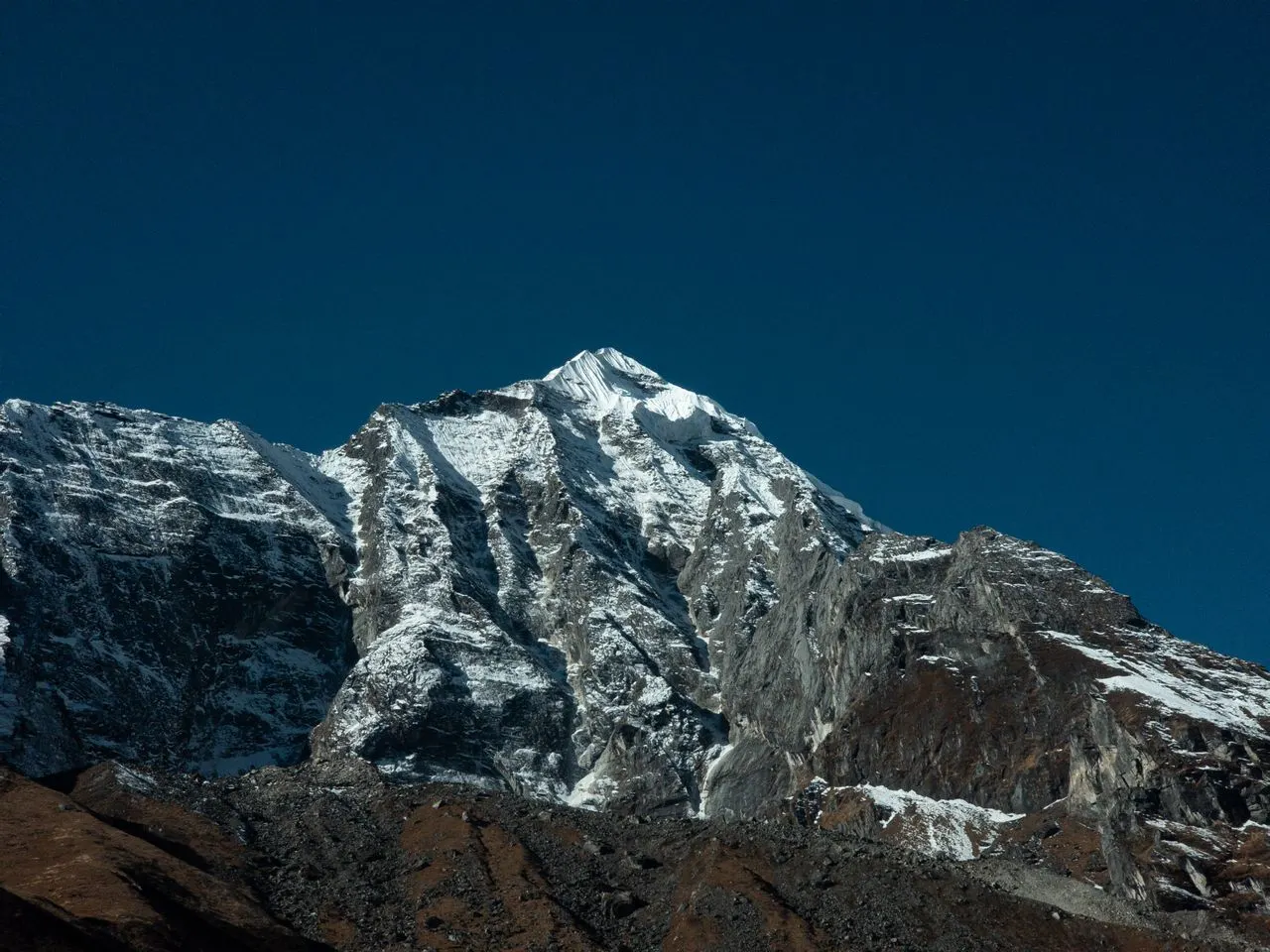
Island Peak is a mountain in Sagarmatha National Park in the Khumbu region of eastern Nepal. Its official Nepali name is Imja Tse, and it stands at 6,189 meters (20,305 feet) according to the Nepal Mountaineering Association, though some sources list 6,165 meters and the official summit certificate issued by Nepal lists 6,160 meters. The peak is actually an extension of the ridge coming down off the south end of Lhotse Shar.
The name “Island Peak” was given by members of the 1953 British Everest Expedition led by Eric Shipton. When viewed from Dingboche, the peak appears to float like an island above a sea of glacial ice — the Imja and Lhotse glaciers that surround its base. The name stuck, and while Imja Tse is the official designation, Island Peak remains the popular choice.
Where Is Island Peak Located?
Island Peak is located in the Khumbu region of northeastern Nepal, within Sagarmatha National Park. It sits at the head of the Imja Valley, near the village of Chhukung, at coordinates approximately 27°55′N 86°56′E.
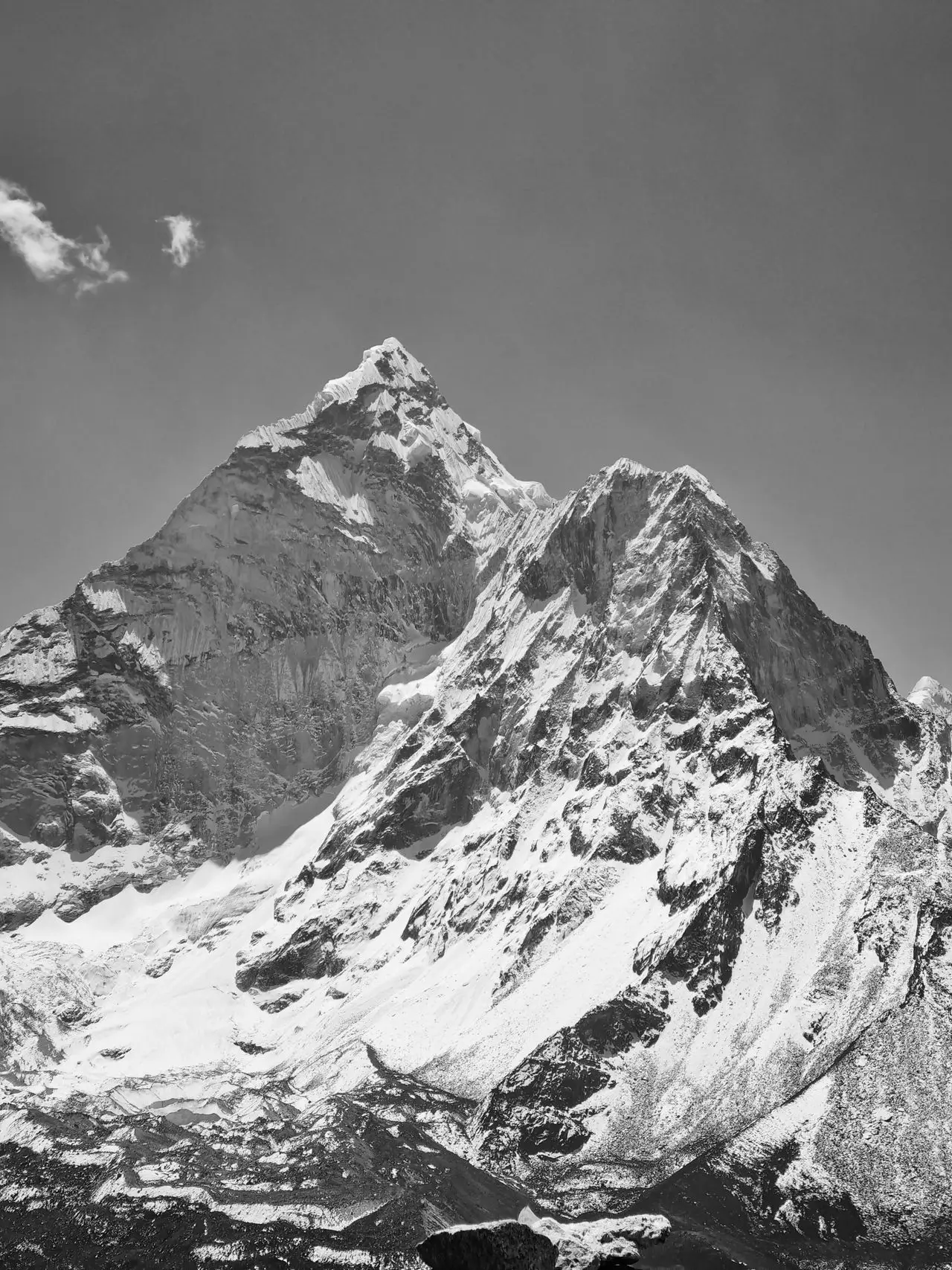
The standard approach follows the Everest Base Camp trekking route from Lukla through Namche Bazaar, Tengboche, and Dingboche, before branching east to Chhukung and Island Peak Base Camp at approximately 5,087 meters. The peak is surrounded by some of the most iconic mountains in the world: Lhotse (8,516m) to the north, Makalu (8,463m) to the east, Ama Dablam (6,812m) to the south, and Everest itself visible in the distance.
How Difficult Is Island Peak Really?
Island Peak is graded PD+ (Peu Difficile Plus) on the French Alpine grading system, which translates to “fairly difficult” — some operators round it up to Alpine Grade 2B. This is not a hiking peak. It is a mountaineering objective with specific technical demands. One operator even grades the southeast ridge route as AD (Assez Difficile), noting it involves genuine glacier travel, fixed rope ascent on a 40 to 50-degree headwall, and an exposed summit ridge at altitude.
The summit route involves:
-
Glacier travel across the Imja Glacier with crevasses requiring ladder crossings
-
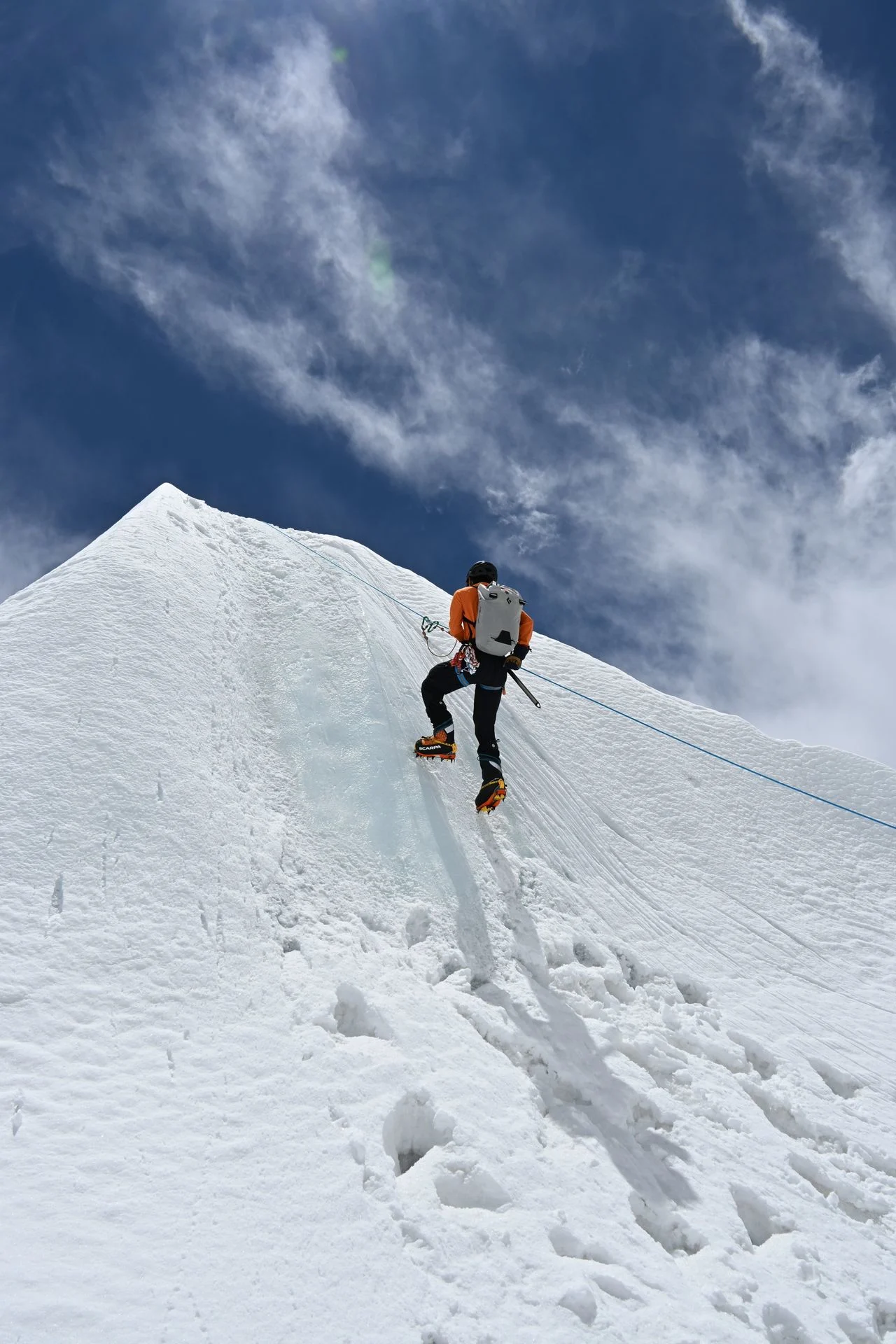
Fixed-rope ascent using a jumar (mechanical ascender) on a 45–55 degree headwall
-
Crampon and ice axe technique on steep snow and ice
-
A summit day of 10 to 14 hours round trip from High Camp at approximately 5,600 meters
Island Peak is not suitable for complete beginners with no prior high-altitude trekking experience. The ideal candidate has completed at least one trek above 4,500 meters — typically Everest Base Camp or a similar route — and is comfortable with basic crampon and fixed-rope techniques. A training day is provided at Base Camp before the climb, where guides teach crampon use, ice axe technique, and jumar operation.
How Long Does Island Peak Take?
The standard Island Peak expedition takes 16 to 18 days from Kathmandu, with some operators offering 14-day fast itineraries and others extending to 20 days. The most common format combines the Everest Base Camp trek with Island Peak climbing, allowing climbers to acclimatize gradually while experiencing the iconic EBC route.
A typical 18-day itinerary includes:
-
2 days in Kathmandu (arrival and permit processing)
-
Flight to Lukla and trek through Phakding and Namche Bazaar
-
Acclimatization days in Namche and Dingboche
-
Trek to Everest Base Camp and Kala Patthar
-
Descent to Chhukung and Island Peak Base Camp
-
Training day at Base Camp
-
Summit attempt and return to Chhukung
-
Trek out to Lukla and fly back to Kathmandu
Summit day itself starts around midnight or 1:00 AM from High Camp, with climbers typically reaching the summit between 7:00 and 9:00 AM.
What Does Island Peak Cost in 2026?
Island Peak climbing costs in 2026 range from approximately USD 1,500 to USD 4,500 per person depending on service level, group size, and season. Budget group trips start around USD 1,500–2,200, standard packages range from USD 2,500–3,500, and luxury private expeditions can reach USD 4,000–6,500. Specific operator pricing illustrates the range: some 17-day packages are listed at USD 3,400 per person, while group rates with 2–4 climbers can drop to USD 2,250 or even USD 2,150 for groups of 5–8.
The most significant variable in permit costs is the NMA Climbing Permit, which is USD 350 per climber in spring (March–May) and USD 175 in autumn (September–November) and off-seasons. Total permit costs range from approximately USD 220 to USD 400 per person depending on season. In addition to the NMA permit, climbers need:
| Permit | Cost (Foreigners) |
|---|---|
| NMA Climbing Permit (Spring) | USD 350 |
| NMA Climbing Permit (Autumn/Off-season) | USD 175 |
| Sagarmatha National Park Entry | USD 30 (NPR 3,000) |
| Khumbu Pasang Lhamu Rural Municipality | USD 20 (NPR 2,000) |
| Garbage Deposit (refundable) | USD 500 |
Foreign climbers cannot apply for permits independently — all permits must be arranged through a licensed Nepali trekking agency.
What Permits Are Required for Island Peak in 2026?
Island Peak requires four separate permits for legal climbing in 2026:
-
NMA Climbing Permit: Issued by the Nepal Mountaineering Association, this is the actual climbing royalty. It is peak-specific and season-specific.
-
Sagarmatha National Park Permit: Covers entry to the protected area. The fee funds park management and conservation.
-
Khumbu Pasang Lhamu Rural Municipality Permit: A local permit required for the Everest region.
-
Garbage Deposit: A refundable deposit paid per expedition to encourage waste removal.
A licensed climbing guide is mandatory for all NMA trekking peaks, including Island Peak. This is a permit requirement, not just a safety recommendation. Under 2026 regulations, the government enforces a 2:1 guide-to-climber ratio on 6,000-meter peaks.
What Is the Best Time to Climb Island Peak?
The best seasons for Island Peak are spring (March–May) and autumn (September–November). These periods offer stable weather, clearer skies, and the most reliable route conditions.
Autumn (September–November): October is widely considered the single best month for Island Peak. Post-monsoon conditions bring consolidated snow on the headwall, clear visibility, and stable weather. Permit fees are lower (USD 175), and temperatures are cold but manageable.
Spring (March–May): April and May offer warmer temperatures and longer days. The route is typically in good condition, though spring can bring more variable weather and higher climber traffic. Permit fees are higher (USD 350) due to peak demand.
Winter (December–February): Not recommended for most climbers. Extreme cold, short days, and limited operator support make this a serious technical challenge. Only experienced climbers with winter mountaineering skills should consider it.
Monsoon (June–August): Not recommended. Heavy rainfall, unstable glacier conditions, and poor visibility make climbing dangerous.
Island Peak vs Mera Peak: Which Should You Climb?
Island Peak and Mera Peak are Nepal’s two most popular trekking peaks, but they offer fundamentally different experiences. Mera Peak (6,476m) is the highest trekking peak in Nepal but is technically easier — it is essentially a long glacier walk. Island Peak (6,189m) is lower but demands more technical craft, including fixed-rope ascent and ladder crossings.
| Feature | Island Peak | Mera Peak |
|---|---|---|
| Elevation | 6,189 m | 6,476 m |
| Alpine Grade | PD+ | PD |
| Technical Level | Fixed ropes, ladder crossings, 45–55° headwall | Basic glacier walk with fixed ropes near summit |
| Summit Views | Lhotse, Makalu, Ama Dablam, Everest | Five 8,000m peaks including Everest |
| Duration | 16–18 days | 17–21 days |
| Best For | First technical climb, skill-building | Altitude experience, endurance test |
Mera Peak is the better first choice for climbers who prioritize altitude and views. Island Peak is the better choice for climbers who want technical preparation — its fixed-rope sections and ladder crossings teach skills that transfer directly to bigger Himalayan climbs.
Island Peak vs Everest Base Camp: What’s the Difference?
This is one of the most common points of confusion. Everest Base Camp trekking and Island Peak climbing are fundamentally different activities. EBC is a trek on established trails with teahouse accommodation throughout. Island Peak is a mountaineering objective requiring technical equipment, climbing skills, and camping above Base Camp.
| Factor | Island Peak | Everest Base Camp Trek |
|---|---|---|
| Activity | Mountaineering / peak climbing | Trekking |
| Max Altitude | 6,189 m | 5,364 m (EBC), 5,545 m (Kala Patthar) |
| Technical Skills | Required — crampons, ice axe, jumar, fixed ropes | None |
| Equipment | Mountaineering boots, harness, helmet, climbing gear | Standard trekking gear |
| Accommodation | Teahouse to Chhukung, tented camp above | Teahouse throughout |
| Duration | 16–18 days | 12–14 days |
| Difficulty | PD+ (technical) | Moderate (altitude-focused) |
Completing the Everest Base Camp trek does not automatically qualify someone for Island Peak. While EBC provides excellent acclimatization and high-altitude experience, it does not teach technical climbing skills. Climbers attempting Island Peak without prior technical experience should expect a full training day at Base Camp and should be prepared for a significantly different physical and mental challenge.
That said, combining the two is a logical progression. Many climbers complete the EBC trek first, then return for Island Peak or attempt both in a single extended itinerary. The standard Island Peak expedition already includes the EBC route as its approach, so climbers experience both the trek and the climb in one trip.
Island Peak vs Lobuche East: A Quick Comparison
For climbers considering their first technical peak, Lobuche East (6,119m) is the other main option alongside Island Peak. Most experienced guides consider Lobuche East at least as technical as Island Peak, and some rank it higher due to sustained mixed terrain and a more exposed summit ridge.
Island Peak is generally considered the more beginner-friendly option because the technical difficulties are concentrated on a single section — the headwall — rather than distributed throughout the route. Lobuche East suits climbers with some prior mountaineering experience who want steeper, more exposed climbing.
What Gear Is Required for Island Peak?
Island Peak requires technical mountaineering equipment that goes well beyond standard trekking gear. Essential items include:
-
Mountaineering boots: B2 or B3 rated, insulated for high altitude
-
Crampons: 12-point, fitted to your boots
-
Ice axe: 60–70 cm mountaineering axe
-
Climbing harness: Adjustable leg loops to fit over layers
-
Climbing helmet: Certification-rated for rock and ice fall
-
Jumar (ascender): For fixed-rope ascent
-
Belay/rappel device: Figure-8 or similar
-
Carabiners and slings: 3–4 locking carabiners, tape sling
-
High-altitude clothing: Down jacket, waterproof shell, insulated gloves
Most of this gear can be rented in Kathmandu or Chhukung if you don’t want to purchase it outright. Rental costs for the full technical kit typically range from USD 80 to 200.
How Should You Prepare for Island Peak?
Island Peak preparation starts months before departure. The two biggest factors in summit success are fitness and acclimatization. Training guides recommend beginning structured preparation at least three to six months before the expedition, with a focus on building an endurance base through weighted hiking (8–12kg packs, two to three times per week, with at least one long hike of four to six hours weekly).
Fitness preparation should focus on cardiovascular endurance and leg strength. Comfortable hiking for 6–8 hours per day is a baseline requirement. Some training plans suggest a VO2 max of 45+ ml/kg/min for optimal readiness.
Acclimatization is built into the standard itinerary. The approach through Everest Base Camp allows climbers to gradually adjust to altitude, with rest days in Namche (3,440m) and Dingboche (4,410m). The climb itself reaches Base Camp at 5,087m, and the training day at Base Camp is an important part of the acclimatization process.
Climbers should also know the symptoms of acute mountain sickness (AMS) — headache, nausea, dizziness, and shortness of breath — and be prepared to descend if symptoms worsen. Guides are trained to monitor for AMS and make conservative decisions.
Island Peak Summit Day: What to Expect
Summit day on Island Peak is the culmination of the entire expedition. Climbers typically wake around midnight, have a quick breakfast, and depart High Camp (approximately 5,600m) between 12:00 and 2:00 AM. The early start is deliberate: the snow is firmer in the pre-dawn hours, making cramponing more secure and reducing the risk of icefall.
The route from High Camp crosses the Imja Glacier and then reaches the headwall — a 45–55 degree slope of snow and ice that leads to the summit ridge. This is the technical crux of the climb. Climbers ascend using fixed ropes and jumars, with guides ensuring safety and providing instruction. The headwall section takes approximately 2–3 hours to ascend.
From the top of the headwall, a short ridge leads to the Island Peak summit at 6,189 meters. Summit time is typically between 7:00 and 9:00 AM, offering panoramic views of Lhotse, Makalu, Ama Dablam, Baruntse, and the entire Khumbu Valley. The descent follows the same route and returns to Base Camp, making the total summit day 10 to 14 hours.
What Is the Summit Success Rate for Island Peak?
Island Peak has a reported summit success rate of approximately 72 percent across all NMA permit holders from 2008 to 2025, according to one compilation of permit data. However, this figure masks significant variation. Private climbs with dedicated Sherpa support report success rates of 85 to 95 percent, while group climbs achieve 65 to 75 percent. Industry-wide success rates hover around 50 percent when all operator types and preparation levels are included, with well-run expeditions reporting significantly higher rates.
The gap between these figures is almost entirely preparation, acclimatization management, and guide quality. A climber who arrives fit, follows a conservative itinerary, and works with an experienced guide has a substantially better chance of reaching the summit than one who rushes the approach.
Cultural and Local Context: The Khumbu Beyond the Climb
Island Peak sits within the traditional homeland of the Sherpa people, whose villages dot the Khumbu Valley. For the Sherpa, Imja Tse is not merely a climbing objective — it is part of their ancestral landscape, woven into centuries of stories, traditions, and spiritual beliefs. The trek to Base Camp passes through communities like Namche Bazaar, Tengboche, and Dingboche, where Tibetan Buddhist culture is woven into daily life. Prayer flags mark bridges and passes, mani stones line the trails, and monasteries like Tengboche Gompa offer a window into the spiritual traditions that have shaped this landscape for centuries.
Sagarmatha National Park, established in 1976, was Nepal’s first national park and a UNESCO World Heritage Site. It protects a fragile alpine ecosystem and is managed with the involvement of local communities. Trekkers and climbers play a role in supporting conservation through park fees and responsible waste management practices.
Wonder Hikes Nepal works with local Sherpa guides and porters who are from the Khumbu region. Their knowledge of the mountains, weather patterns, and cultural traditions is central to safe and respectful expeditions.
How Wonder Hikes Nepal Can Help You Plan Island Peak
Wonder Hikes Nepal designs Island Peak expeditions with a focus on preparation, acclimatization, and safety. We do not promise guaranteed summits — no responsible operator can. What we offer is careful itinerary design, experienced climbing guides, and honest advice about what the climb actually demands.
Our Island Peak packages include:
-
Permits and logistics (NMA permit, Sagarmatha National Park permit, Khumbu municipality permit)
-
Kathmandu–Lukla flights and airport transfers
-
Teahouse accommodation on the trek and tented camp above Base Camp
-
Climbing gear for the technical sections (fixed ropes, anchors)
-
A training day at Base Camp covering crampon use, ice axe technique, and jumar operation
-
Experienced climbing guides registered with the NMA
If you are considering Island Peak, we can help you assess whether this climb is right for your experience level and how to prepare. We also offer the Everest Base Camp trek as a standalone experience for trekkers who want to see the Khumbu without committing to a technical climb.
Island Peak at a Glance
| Feature | Detail |
|---|---|
| Official Name | Imja Tse |
| Elevation | 6,189 m (20,305 ft) |
| Location | Khumbu region, Sagarmatha National Park, Nepal |
| Alpine Grade | PD+ |
| First Ascent | 1953 (British expedition members) |
| Base Camp | 5,087 m |
| High Camp | ~5,600 m |
| Summit Day | 10–14 hours |
| Typical Duration | 16–18 days |
| Best Seasons | October–November, April–May |
| NMA Permit | USD 350 (spring), USD 175 (autumn) |
| Guide Requirement | Mandatory licensed climbing guide |
| Success Rate | ~72% (all permit holders 2008–2025) |
| Technical Sections | Glacier travel, ladder crossings, 45–55° fixed-rope headwall |
15 Frequently Asked Questions About Island Peak
1. What is Island Peak?
Island Peak, officially Imja Tse, is a 6,189-meter trekking peak in Nepal’s Khumbu region. It is the most popular climbing peak in Nepal and a common first Himalayan mountaineering objective.
2. How high is Island Peak?
The Nepal Mountaineering Association lists it at 6,189 meters (20,305 feet). Some sources cite 6,165 meters, and the official summit certificate issued by Nepal lists 6,160 meters due to historical survey differences.
3. What is Island Peak also called?
Its official Nepali name is Imja Tse. “Island Peak” was coined by the 1953 British Everest Expedition because the peak appears to float like an island above glacial ice.
4. Where is Island Peak located?
It is in Sagarmatha National Park, Khumbu region, eastern Nepal, near the village of Chhukung.
5. Is Island Peak suitable for beginners?
It is suitable for fit trekkers with prior high-altitude experience, but it is not a beginner hike. Technical skills are taught at Base Camp, but climbers should be prepared for a genuine mountaineering challenge.
6. Does Island Peak require climbing experience?
No prior technical climbing experience is required, but you must be comfortable with fixed ropes, crampons, and ice axes. A training day is provided at Base Camp.
7. How difficult is Island Peak?
It is graded PD+ (Peu Difficile Plus) on the Alpine scale, meaning “fairly difficult.” The main challenges are the 45–55 degree headwall, crevasse crossings, and a 10–14 hour summit day.
8. Is Island Peak harder than Everest Base Camp?
Yes. EBC is a trek. Island Peak is a mountaineering objective requiring technical equipment and climbing skills. Completing EBC does not automatically qualify someone for Island Peak.
9. How long does an Island Peak expedition take?
Most expeditions take 16 to 18 days from Kathmandu, including trekking, acclimatization, training, and the summit attempt.
10. What is the best time to climb Island Peak?
Autumn (September–November) and spring (March–May). October is often considered the single best month.
11. Can Island Peak be combined with Everest Base Camp?
Yes, and it often is. The standard Island Peak route passes through the EBC trekking route, so many climbers experience both in one trip.
12. What is the difference between Island Peak and Mera Peak?
Mera Peak is higher (6,476m) but technically easier — essentially a glacier walk. Island Peak is lower but more technical, with fixed ropes and a steep headwall.
13. Why is Island Peak called Imja Tse?
Imja Tse is the official Nepali name, referring to its location above the Imja Glacier. The name “Island Peak” comes from its appearance from Dingboche.
14. How much does Island Peak cost in 2026?
Guided expeditions range from approximately USD 1,500 (budget group) to USD 4,500+ (private luxury). Permit costs alone are USD 220–400.
15. Is a guide mandatory for Island Peak?
Yes. A licensed climbing guide registered with the Nepal Mountaineering Association is mandatory for all trekking peaks in Nepal.