Most People Misunderstand What Mera Peak Actually Is
Mera Peak sits in a confusing category. It is the highest trekking peak in Nepal at 6,476m, yet it carries a non-technical grade. It attracts first-time climbers, yet fit trekkers turn around on it every season. It is marketed as beginner-friendly, yet summit day runs 8 to 12 hours in temperatures that drop below minus 20°C.The elevation figures conflict. The difficulty is described in superlatives. The permit fees are often quoted from pre-2025 sources.
This guide addresses the questions that actually determine whether this climb fits your experience and goals. Wonder Hikes Nepal organizes expeditions in the Hinku Valley and understands what the route demands at each stage. That local knowledge shapes every section below.
Why Three Different Elevations Appear Online
Elevation is one of the most inconsistently reported facts in Himalayan trekking. Search for the mountain and you will find 6,476m, 6,461m, and occasionally 6,654m cited with equal confidence.
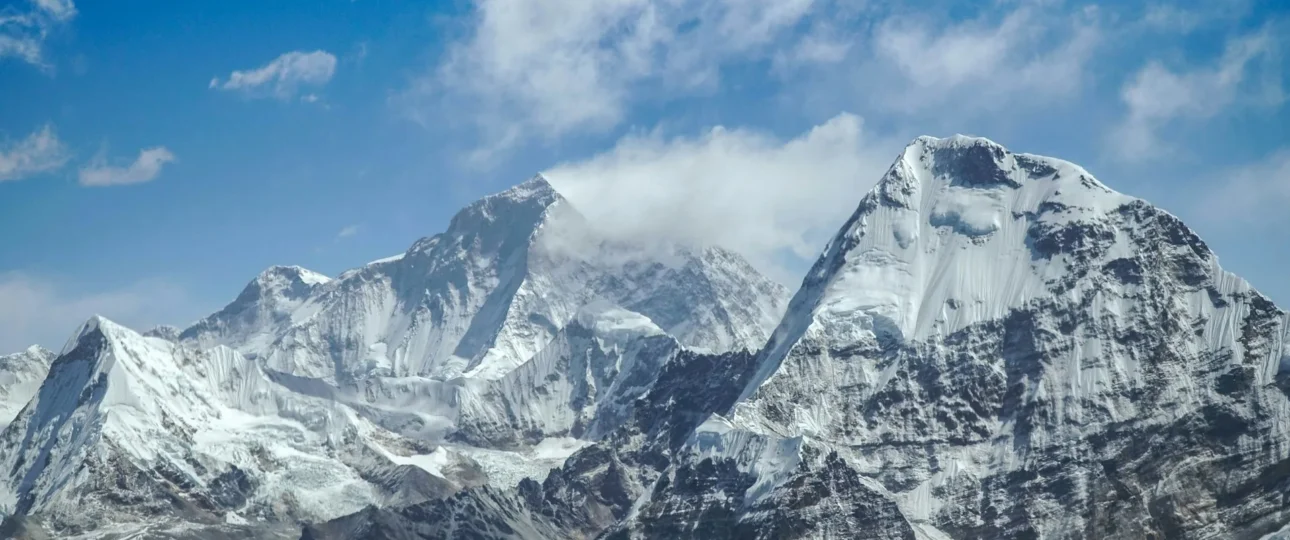
The explanation is straightforward. It has three named summits. Mera North at 6,476m is the standard commercial objective. Mera Central at 6,461m is slightly lower and is sometimes the actual summit reached depending on route conditions. Mera South at 6,065m is rarely climbed. The 6,654m figure comes from older survey data and appears on some legacy permits and documents. Modern GPS measurements place the main summit lower.
When an operator quotes 6,476m, they mean Mera North. When you see 6,461m, it is either Mera Central or a rounded figure. The distinction affects permit applications, summit certificates, and how you evaluate your own achievement. Any guide who does not know the difference is not paying attention.
One more point worth knowing: almost nobody climbs Mera North itself. The direct approach to that summit is broken and far more technical than the standard route. Mera Central is the summit nearly every trekking company actually sells, even when advertising 6,476m.
The Grade Changed Because the Mountain Changed
Difficulty starts with understanding a grade change that many older guides have not updated.
The peak used to carry an Alpine Grade of F (Facile, the easiest rating on the scale), and guidebooks repeated that for years. The mountain itself changed the conversation. The Mera Glacier has shifted over recent decades. Crevasse patterns have moved. The upper icefall is no longer a clean walk-up, and the final push to the summit has become steeper. Most operators and mountaineering bodies now grade the climb PD (Peu Difficile — “a little difficult”) instead of F.
In practical terms, PD means roped glacier travel, crampons and an ice axe as standard kit, and one short fixed-line section near the summit ascended with a jumar. There is no vertical ice climbing on the standard route. No technical rock climbing. No route-finding instinct that takes years to build. The snow and glacier slopes average 30 to 40 degrees, with one steeper section of roughly 40 to 45 degrees just below the summit ridge.
What PD does not mean is easy. The grade marks the line between “a reasonably fit person can do this with a guide” and “you need a real climbing background to come back down alive.” Mera Peak sits right on that line. It leans closer to the trekking side than most people expect, but it has crossed over enough that calling it a pure walk is no longer accurate.
What Actually Makes This Climb Hard: Altitude, Not Technique
Difficulty separates into components that deserve individual attention, because conflating them is where most preparation goes wrong.
Technical Difficulty: Modest
The climbing itself — roped glacier travel, crampon technique, ice axe use, and the fixed rope section — is genuinely learnable. Guides teach these skills during a dedicated training day at Khare before the summit push. No prior climbing experience is required.
Physical Difficulty: High
The approach trek alone is more demanding than most first-time climbers expect. You gain over 4,000m of elevation from Lukla, crossing high passes and spending multiple nights above 4,000m before reaching base camp. Summit day from High Camp involves 5 to 7 hours of climbing to the summit and several hours of descent. The round trip typically takes 8 to 12 hours.
Altitude Difficulty: The Primary Challenge
Altitude is the factor that turns back the most climbers. At 6,476m, oxygen availability sits at roughly 47 percent of what you breathe at sea level. Climbers do not use supplemental oxygen on this peak, which means your body performs the entire climb on a fraction of its normal fuel supply.
Altitude sickness, not crevasses or the fixed rope section, is the reason most unsuccessful attempts end early. Symptoms often start subtly: a mild headache, a fading appetite, unusual fatigue on a day that should not feel particularly hard. Ignored, these can progress toward more serious conditions like HAPE or HACE.
What “Non-Technical” Does Not Mean
Non-technical does not mean easy. It means the climbing does not require advanced rope work or technical ice craft. It does not mean the altitude is mild, the cold is manageable, or the endurance requirement is modest. A well-paced acclimatization schedule matters more to your summit chances than your fitness level on day one.
Who Mera Peak Actually Suits
It suits fit trekkers with no technical climbing experience who have prior high-altitude trekking experience above 4,000m. It suits people who train for four to six months and respect the acclimatization schedule. It suits climbers who understand that summit success is not guaranteed and that the guide has final authority on turnaround decisions.
It does not suit people who have never been above 4,000m. It does not suit those looking for a shortcut to a 6,000m summit without proper preparation. It does not suit climbers who will pressure a guide to push through altitude symptoms.
If you have never been above 4,000m before, this should not be your first high-altitude trek. You need to know how your body responds to altitude before committing to a 6,476m summit attempt.
The Route: Two Ways Into the Hinku Valley
Its route planning comes down to which approach you take into the Hinku Valley, and the choice affects your acclimatization and summit chances.
Zatrwa La Pass Approach
The Zatrwa La route crosses a 4,600m pass early in the trek. It is the standard approach used by most operators for 17 to 18 day itineraries. The trade-off is compressed acclimatization. You gain altitude quickly, which suits climbers with prior altitude experience but increases AMS risk for first-timers.
Paiya Route
The Paiya route enters the Hinku Valley from the south, gaining altitude more gradually through Solu villages and the Makalu Barun National Park zone. It takes longer but provides more gradual adaptation. For first-time 6,000m climbers, this is the safer choice.
Key Points on the Route
| Location | Approximate Altitude | Role |
|---|---|---|
| Lukla | 2,840m | Flight arrival |
| Chutanga | 3,050m | First camp |
| Zatrwa La | 4,600m | High pass |
| Kothe | 3,600m | Hinku Valley entry |
| Thangnak | 4,350m | Acclimatization stop |
| Khare | 5,045m | Training day, base area |
| Mera La | 5,415m | Pass toward High Camp |
| High Camp | 5,780m | Tented camp |
| Summit | 6,476m | Mera North target |
The standard expedition takes 14 to 18 days, with 18-day itineraries producing noticeably higher summit rates than compressed 15-day versions.
Summit Day: What Actually Happens
Most climbers leave High Camp around 1 or 2 in the morning, climbing in temperatures between minus 15 and minus 30 degrees Celsius, sometimes colder with wind chill.
The route crosses a crevassed glacier where your guide routes the team around snow bridges and open crevasses. Roped travel is not optional. After the glacier, the route steepens toward the final snow dome, where a fixed line assists the last section to the summit ridge. You clip a jumar to the rope and ascend.
The pace is deliberately slow. Guides set a rhythm built around short, steady steps and controlled breathing. Brief rest stops replace long breaks that let the cold settle in. Headaches and breathlessness on modest inclines are normal at this altitude. Confusion, loss of coordination, or worsening symptoms are not.
The summit decision belongs to the guide. Turnarounds happen. High winds, deep snow, whiteout conditions, or a climber showing signs of serious altitude illness can end the attempt before the summit. There is no refund for not summiting. The expedition fee covers the attempt, not the outcome.
The descent follows the same route. It is not easier — it is exhausting in a different way. Back at High Camp, you rest, then descend to Khare the following day.
Success Rates and What They Actually Mean
Success rate sits in a range most climbers find reassuring: roughly 70 to 80 percent of registered attempts reach the summit in the two primary climbing seasons. This is among the highest summit rates of any 6,000m peak in Nepal, and it reflects the non-technical nature of the standard route.
But that figure has a shadow side. It means 20 to 30 percent of attempted expeditions do not reach the summit. Inadequate acclimatization causes 35 to 40 percent of failures. Weather-related issues cause 25 to 30 percent. AMS and altitude illness cause 20 to 25 percent. Physical exhaustion causes 10 to 15 percent.
The gap between best-case and worst-case scenarios is not the mountain — it is the decisions made before and during the expedition. A well-organized October departure with a certified guide, 20-day itinerary, and no acclimatization days skipped will summit at rates approaching 85 to 90 percent. A 15-day speed itinerary in late May with a budget operator, a client who has never been above 4,000m, and an incoming weather system may summit at rates below 40 percent.
When to Climb?
Best season follows the standard Himalayan climbing calendar with two well-defined windows.
Autumn (September to November) offers the highest success rates at 75 to 85 percent, with October and November being optimal. Stable post-monsoon conditions deliver the clearest views. October is widely considered the single best month.
Spring (March to May) offers success rates of 65 to 75 percent, with April and May being the best window. Temperatures are warmer and days are longer, but afternoon clouds are more common.
Winter (December to February) brings success rates of 40 to 55 percent. Extreme cold and shorter days make it a serious undertaking.
Monsoon (June to August) brings heavy rain, avalanche risk, and persistent cloud cover. It is not recommended for a summit attempt.
Mera Peak Cost in 2026: The Real Numbers
Cost varies widely depending on operator, group size, inclusions, and how many acclimatization days are built into the itinerary. A realistic all-in total for a guided expedition lands between USD 3,200 and 3,700 for mid-range operators.
Permit Fees (2026 Rates)
| Permit | Spring (Mar–May) | Autumn (Sep–Nov) |
|---|---|---|
| NMA Climbing Permit | ~USD 350 | ~USD 175 |
| Makalu Barun NP Entry | ~USD 25 | ~USD 25 |
| Local Municipality Fee | ~USD 15–20 | ~USD 15–20 |
| Permit Total | ~USD 390–395 | ~USD 215–220 |
The NMA revised its fee structure across all 27 trekking peaks effective September 1, 2025, and these rates remain in effect through the 2026 season. Autumn and winter rates are significantly lower, but spring remains the most popular season despite higher fees.
What Drives Package Price Differences
-
Acclimatization days: More rest days increase cost but improve summit chances.
-
Guide-to-climber ratio: 1:1 or 1:2 is safer than 1:4 or higher.
-
Group size: Smaller groups cost more per person.
-
Safety equipment: Satellite communication, supplemental oxygen, and high-altitude chambers add cost.
-
Inclusions: Flights, insurance, gear rental, and tips may or may not be included.
A cheap expedition that skips acclimatization days is not a bargain. It is a higher-risk attempt with lower summit odds. Ask any operator how many nights you spend above 5,000m before the summit push. That single number tells you more about the itinerary than the price tag.
Permits: Three Separate Documents, One Process
Permit requirements differ from Everest https://wonderhikesnepal.com/trip/everest-base-camp-trek/region treks because the peak sits within the Makalu Barun Conservation Area rather than Sagarmatha National Park. Three permits are required, each issued by a different authority.
The NMA Climbing Permit authorizes the actual summit climb. It is not issued to individuals — the NMA only issues climbing permits to registered trekking agencies. A government-licensed climbing guide is mandatory, and this requirement applies regardless of your personal climbing experience. Once issued, the permit fee is not refunded whether you reach the summit or not.
The Makalu Barun National Park Entry Permit covers your trek through the conservation area. This is where diverges most clearly from Everest region treks.
The Local Area Fee is charged by the Rural Municipality your trek passes through in the Hinku Valley. It is modest but mandatory.
All three must be arranged before you begin trekking, and all three are processed through your trekking agency rather than purchased individually at a counter.
Training for Mera Peak: What Actually Works
The climb demands four to six months of structured preparation targeting the specific demands of the route.
Aerobic Endurance
The foundation is sustained cardiovascular work. Hiking six to eight hours with a 10 to 15kg pack on consecutive days is the most specific preparation you can do. Running, cycling, and stair climbing build the engine. Aim to be comfortable on your feet for eight hours without excessive fatigue.
Strength Work
Leg strength matters on the long approach and the summit push. Weighted step-ups, squats, lunges, and core work build the resilience to carry a pack uphill for days.
Altitude Preparation
You cannot train for altitude at sea level, but you can prepare. Arriving in Kathmandu two to three days early begins the adaptation process. Previous experience above 4,000m is the best predictor of how your body will respond.
Technical Skills
Crampon technique, ice axe self-arrest, and roped travel are taught at Khare. Arriving with some familiarity helps, but it is not required. What is required is the fitness to use those skills for hours at altitude.
Gear: What You Need and What You Can Rent
Equipment falls into three categories.
Personal trekking gear includes boots, trekking poles, a 50 to 65L backpack, a daypack, a sleeping bag rated to minus 20°C, a down jacket, waterproof shells, base layers, gloves, hats, sunglasses, sunscreen, and a headlamp.
Technical climbing gear includes crampons, an ice axe, a climbing harness, a helmet, locking carabiners, a jumar or ascender, and mountaineering boots. Double boots are strongly recommended for the summit push.
Most operators provide group climbing gear — ropes, snow anchors, and fixed-line equipment. Personal technical gear is often available for rental in Kathmandu or at Khare. The item most climbers struggle to rent is high-quality double boots. If you are serious about the climb, reserve them early or plan to buy.
Mera Peak vs Island Peak: Which Should You Climb First?
Mera Peak and Island Peak are Nepal’s two most climbed trekking peaks, and the comparison is genuinely useful for first-time climbers.
It is higher at 6,476m versus Island Peak’s 6,189m. It is also less technical. The route is a glacier walk with one fixed-line section. Summit day is longer but the technical demand is lower.
Island Peak is more technically demanding. The final headwall is a steep ice and snow slope climbed on fixed ropes with a jumar, followed by an exposed summit ridge. Below that, there is glacier travel with crevasse crossings.
Success rates run 70 to 80 percent. Island Peak runs 60 to 75 percent. If you want to test how your body handles extreme altitude over a long day, Mera is the better choice. If you want to develop technical climbing skills, Island Peak is the better choice. Neither is “easier” in absolute terms. They demand different things.
Safety and Risk: What You Should Know
Safety depends on preparation, acclimatization, and guide judgment. The risks are real but manageable with the right approach.
Altitude illness is the primary concern. AMS affects a significant proportion of trekkers above 4,000m. HACE and HAPE are life-threatening and require immediate descent. Following the acclimatization schedule, recognizing symptoms early, and descending when necessary are the core safeguards.
Glacier hazards on the summit route include crevasses hidden by snow bridges. Roped travel and guide expertise are the primary protections. The crevasse risk on the marked route is classified as low to moderate.
Weather and cold are constant factors. Summit mornings can be extremely cold, and frostbite is a risk if hands and feet are not properly protected. The guide may call a turnaround if conditions become dangerous.
Flight delays from Lukla are common. Build two to three buffer days into your itinerary. Helicopter evacuation from the Hinku Valley is possible but expensive. Comprehensive insurance covering high-altitude trekking and evacuation is mandatory.
Why Wonder Hikes Nepal for Your Mera Peak Expedition
Wonder Hikes Nepal organizes climbing expeditions with a focus on acclimatization, honest preparation, and responsible decision-making. We do not promise summits. We do promise to plan the expedition around safety and adaptation rather than speed.
Our team knows the Hinku Valley. We know which teahouses are reliable, which acclimatization stops matter most, and how to structure an itinerary that gives climbers the best realistic chance of reaching the summit. We also know when to turn around, and we will not compromise that judgment for a summit certificate.
If you are considering Peak for 2026, the most valuable thing we can offer is a straight conversation about your experience, your fitness, and what the climb actually demands. That conversation is free, and it will save you time, money, and risk.
Frequently Asked Questions
1.What is Mera Peak?
It is a 6,476m mountain in Nepal’s Hinku Valley, classified as a trekking peak by the NMA. It is the highest peak in Nepal open to climbers without expedition-level permits.
2.Is Mera Peak suitable for beginners?
It is suitable for fit trekkers with no technical climbing experience, provided they train properly and have prior high-altitude trekking experience. It is not suitable as a first high-altitude trek.
3.How long does climbing take?
Standard itineraries run 14 to 18 days from Kathmandu to Kathmandu, including acclimatization and travel days.
4.What is the permit fee in 2026?
The NMA climbing permit is approximately USD 350 in spring and USD 175 in autumn. Combined with park and local fees, the permit total is roughly USD 215 to 395 depending on season.
5.Do I need a guide to climb Mera Peak?
Yes. The NMA permit is issued only through registered agencies, and a government-licensed climbing guide is mandatory.
6.How hard is summit day?
Summit day runs 8 to 12 hours round trip from High Camp, starting around 1 to 2 AM. The climbing is physically demanding due to altitude and cold, not technical difficulty.
7.What is the success rate on Mera Peak?
Success rates run 70 to 80 percent in primary seasons. Autumn rates reach 75 to 85 percent; spring rates run 65 to 75 percent.
8.Can I rent technical gear in Nepal?
Yes. Crampons, ice axes, harnesses, and boots are available for rent in Kathmandu and at Khare. Reserve double boots in advance.
9.What happens if I don’t summit?
The guide may call a turnaround due to weather, altitude illness, or unsafe conditions. There is no refund for not summiting.
10.Is Mera Peak harder than Island Peak?
Mera is higher but less technical. Island Peak is lower but demands steeper ice climbing and more exposure.
11.What insurance do I need?
Comprehensive travel insurance covering high-altitude trekking, helicopter evacuation, and medical treatment above 6,000m.
12.How should I train for Mera Peak?
Four to six months of aerobic training, strength work, and practice hiking with a pack on consecutive days. Altitude experience above 4,000m is the best preparation.
13.When is the best time to climb?
Autumn (September to November) offers the highest success rates. October is the best single month. Spring (March to May) is the second-best window.
14.What is High Camp altitude on Mera Peak?
Approximately 5,780m. It is a tented camp above the Mera La.
15Do I need crampons?
Yes. Crampons are worn for the glacier crossing and the entire summit push.
Planning Your Mera Peak Climb
If you have read this far, you are serious about the climb. That is the right starting point.
The next step is a conversation. Tell us about your trekking experience, your fitness, and what you want from the expedition. We will tell you honestly whether It is the right objective for 2026, what the itinerary would look like, and what it would cost.
Contact Wonder Hikes Nepal to discuss your climbing plan.