Stuff to Do in Pokhara 2026
Pokhara has a planning problem that catches most travelers off guard. The city sits at roughly 820 meters on the shore of Phewa Lake, with the Annapurna range rising directly to the north. The attractions are spread across a valley, weather patterns determine whether mountains will be visible, and most visitors have only two or three days to experience it all.
The question isn’t “what are the things to do in Pokhara.” Every guide answers that. The real question is: which experiences justify your limited time, given your traveler profile, the season, and what the sky is doing that morning.
This guide answers that question. It’s organized around decisions, not lists.
Understanding Pokhara’s Geography Before You Plan
Pokhara’s attractions cluster into five distinct zones. Understanding these zones is the first step toward efficient planning.
Zone 1: Lakeside and Phewa Lake — The tourist hub. Boat docks, restaurants, trekking agencies, and gear shops concentrate here. The Lakeside promenade runs along the northern shore, and Tal Barahi Temple sits on an island in the lake.
Zone 2: Sarangkot Ridge — Northwest of the city, about 11 kilometers from Lakeside. The viewpoint sits at 1,592 meters and offers the most dramatic Annapurna panorama. Paragliding launches happen here.
Zone 3: Southern Cluster — Davis Falls, Gupteshwor Mahadev Cave, and the World Peace Pagoda are all south of Lakeside. The pagoda sits on Ananda Hill at 1,100 meters, overlooking the lake and valley.
Zone 4: Old Bazaar and Bindabasini Temple — The historic heart of Pokhara, north of Lakeside. Newari architecture, traditional markets, and the city’s most important Hindu temple.
Zone 5: Eastern Lakes — Begnas and Rupa Lakes sit approximately 15 kilometers east, accessible by local bus for NPR 25–50. Quieter, less developed, and genuinely rewarding for travelers with time to spare.
Lake-Based Experiences: Phewa, Tal Barahi, and the Quieter Eastern Lakes
Phewa Lake: The Essential Pokhara Experience
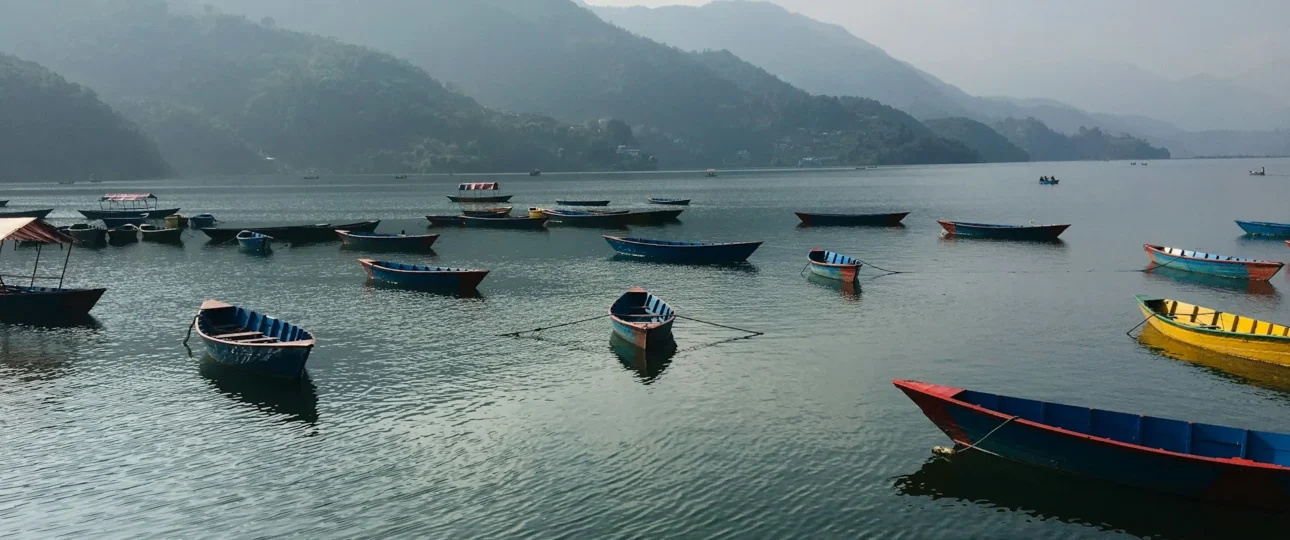
Phewa Lake is the reason Pokhara exists as a tourist destination. The lake covers about 4.43 square kilometers and sits at 742 meters, with Machhapuchhre reflecting off its surface on still mornings.
The classic experience is renting a wooden doonga (rowboat) and rowing to the island temple of Tal Barahi. You can row yourself or hire a boatman. Boats line the shoreline and rental rates should be confirmed in advance.
Timing matters enormously. The lake is best in the first hour after sunrise (roughly 6:00–9:00 AM) when the water is glassy and mountain reflections are visible. By mid-morning, clouds typically obscure the peaks. Late afternoon (4:00–6:00 PM) offers a second window, with softer light and paragliders drifting down over the water.
Why it’s worth doing: The combination of mountain reflection, island temple, and warm subtropical setting is genuinely beautiful — not hype. Tal Barahi is a Hindu shrine dedicated to Goddess Barahi. There’s a small entry fee and you’ll need to remove your shoes before entering.
Who it’s best for: Everyone. This is the one activity that works for families with young children, couples, solo travelers, and elderly visitors. Low-effort, high-reward.
Common mistake: Rushing. The lake isn’t a checkbox. Allow at least two hours. Bring water. Wear sunscreen even on cloudy days.
Kayaking and Paddleboarding: A More Active Lake Experience
For travelers who want to explore independently, kayak and stand-up paddleboard rentals are available along the Lakeside shore. Paddling gives you freedom to explore the lake’s quieter southern coves and forested shoreline — a different experience from being rowed.
Conditions are calmest in early morning. Afternoon winds pick up, making the return paddle harder. The lake is large enough that you should stay aware of your distance from shore. Kayaking works well for solo travelers and photographers who want to stop anywhere without negotiation.
Begnas Lake: Where Locals Go to Escape
About 15 kilometers east of Pokhara, Begnas Lake offers a quieter alternative to Phewa. It’s Nepal’s third-largest lake, encircled by green ridges and rice terraces, with free admission and a fraction of the tourists. Local buses cost NPR 25–50 and take about 30 minutes.
Why it’s worth doing: This is where Pokhara residents go when they want a peaceful lakeside afternoon without boat traffic and tourist crowds. Begnas has excellent Annapurna views, and the drive itself through terraced farmland is part of the experience. The area has recently emerged as a bird-watching hub, with organized nature hikes and wetland exploration.
Who it’s best for: Travelers with three or more days who want a break from Lakeside. Photographers seeking uncrowded landscapes. Families comfortable with a short bus ride.
When to skip it: If you have only one day in Pokhara, Begnas isn’t the priority. Phewa offers more facilities and easier access. Begnas rewards those with time to slow down.
Viewpoint Experiences: Sunrise, Sunset, and the Art of Timing
Sarangkot Sunrise: The Honest Assessment
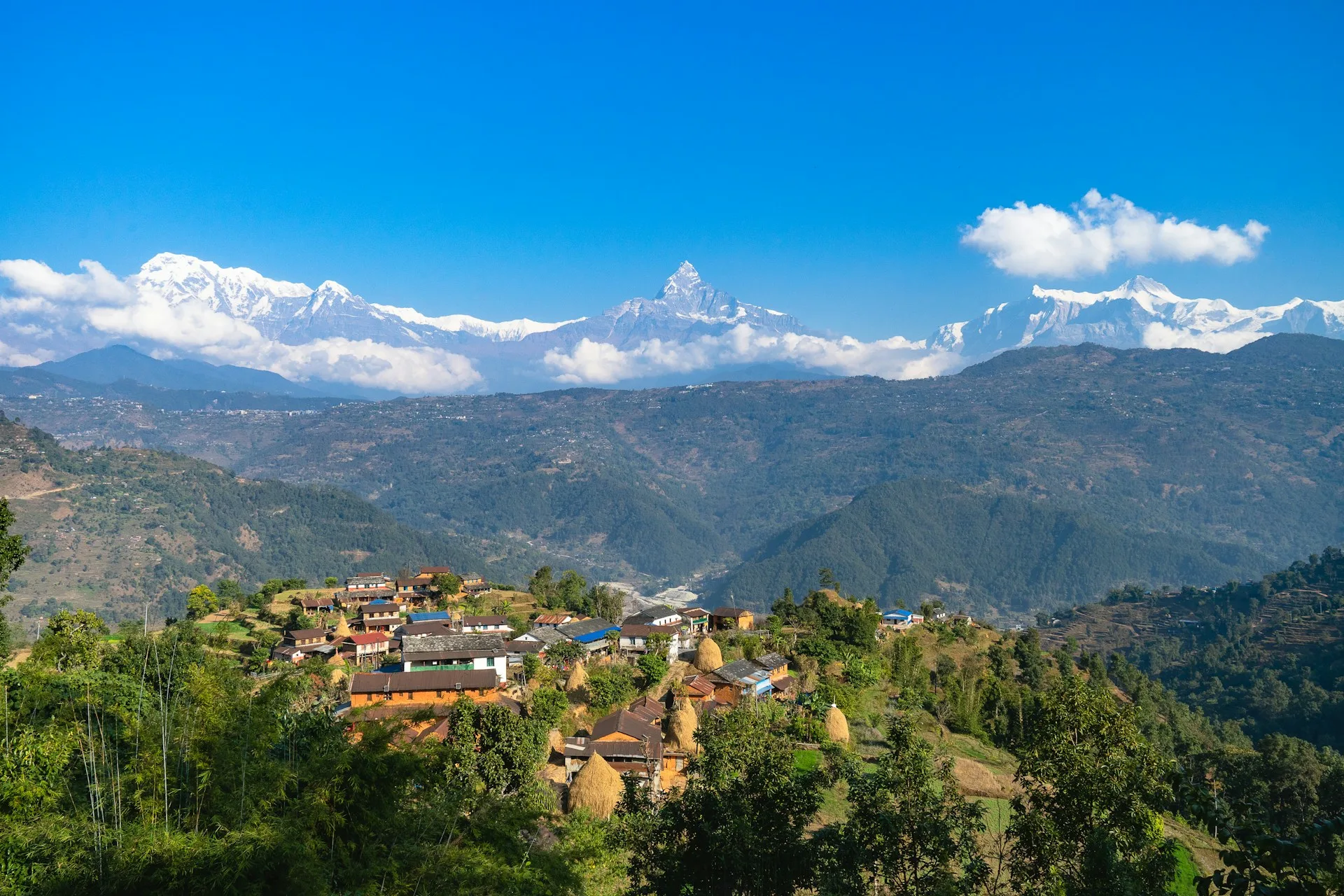
Sarangkot is a hilltop village at 1,592 meters, northwest of Pokhara. On a clear morning, you look straight along the Annapurna and Dhaulagiri ranges, with Machhapuchhre anchoring the view. This is the most photographed viewpoint in Nepal for good reason.
The reality check: Sunrise at Sarangkot requires a 4:30–5:00 AM departure from Lakeside, a 30–40 minute drive, and complete dependence on clear weather. In peak season (October–November, March–April), your chances of a clear sunrise are good. In monsoon (June–September), they’re poor. In winter, mornings are often clear but bitterly cold before dawn.
Why it’s still worth it: When it works, it’s genuinely spectacular. The first light hitting Annapurna I (8,091m), Annapurna South, and Machhapuchhre justifies the early alarm. The viewing platform is free; transport is the only cost.
Who it’s best for: Photographers, travelers who don’t mind early starts, and anyone whose trip would feel incomplete without a Himalayan sunrise. Not ideal for families with very young children.
What to know: You don’t have to climb to the very top. There are numerous cafés and restaurants along the ridge road, many with excellent viewing platforms where you can order hot tea and wait for the light. Several homestays at Sarangkot let you sleep through the alarm entirely.
The sunset alternative: Because the snow-capped mountains are located to the east of Sarangkot, sunset actually offers a more beautiful view of the peaks catching golden light. Most travelers don’t know this. If you’re not a morning person, consider Sarangkot at sunset instead.
World Peace Pagoda: The Best Perspective on Pokhara
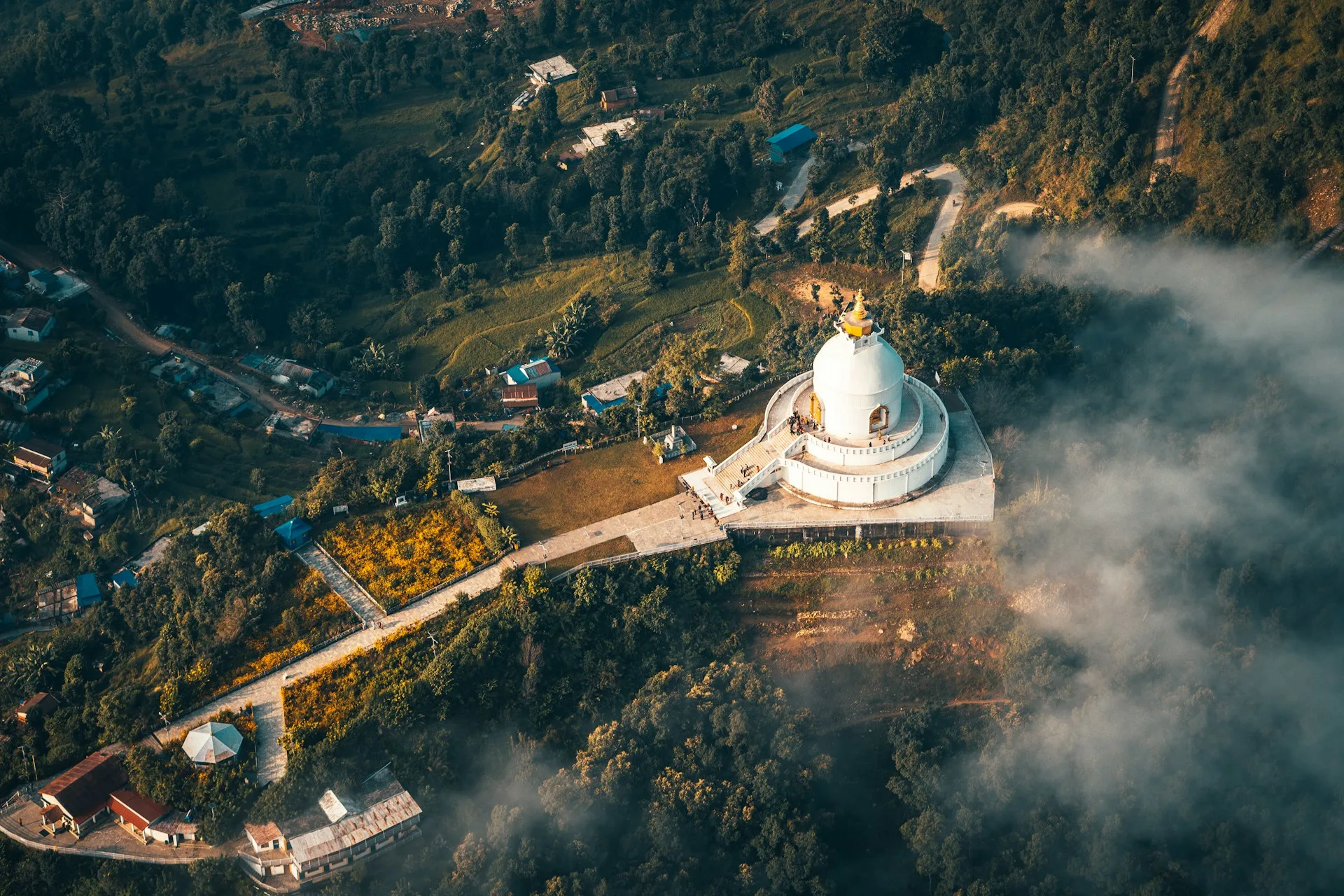
The World Peace Pagoda sits at 1,100 meters on Ananda Hill, a forested ridge south of Phewa Lake. Built by Japanese Buddhist monks as part of a worldwide series of peace monuments, it’s a white stupa with a 360-degree view of the lake, the city, and the Annapurna skyline.
Why it’s worth doing: The pagoda itself is serene and photogenic, but the real reward is the perspective. From this ridge, you see how Pokhara fits together — the lake, the city sprawl, the terraced hills, and the mountains behind it all. It’s also one of the best places to watch paragliders turning in thermals below you.
How to get there: Two main options. Hike from Lakeside (about 1–1.5 hours through sal forest), or row across the lake to the southern shore and climb the stairway from there. The hike is moderate — steady uphill but not technical.
Who it’s best for: Hikers, photographers, and travelers seeking a peaceful half-day. Families with children old enough to handle a 1-hour uphill walk. Not suitable for those with mobility limitations, as there’s no vehicle access to the pagoda itself.
What to know: Entry is free. Opening hours are 5:00 AM–5:00 PM. There are no vendors at the top, so bring water. Monkeys are present and can be aggressive if they see food — keep snacks in your bag. The site is an active Buddhist monument; dress respectfully.
Pumdikot: The Newer Viewpoint Worth Knowing About
Pumdikot is home to a 51-foot statue of Lord Shiva, standing on a pedestal for a total height of 108 feet. It’s one of the tallest Shiva statues in Nepal and sits atop a hill with panoramic views of the Annapurna range and Phewa Lake.
Why it’s worth doing: This is a newer attraction and less crowded than Sarangkot or the Peace Pagoda. The statue complex includes meditation areas and shrines, and the viewpoint is genuinely excellent.
How to get there: About 13–15 kilometers from Lakeside, reachable in 30–45 minutes by taxi or private vehicle. You can also hike from the Peace Pagoda area, combining both viewpoints in one outing.
Who it’s best for: Culture-focused travelers, photographers, and anyone who wants a viewpoint experience without the 4 AM start. Suitable for families and older travelers who can manage a short uphill walk.
What to know: There’s no entrance fee. Visit between 9 AM and 3 PM for the best light and fewer crowds. The hilltop is exposed — bring sun protection and water.
Adventure Activities: Aerial, Adrenaline, and Water-Based
Paragliding: Pokhara’s Signature Adventure
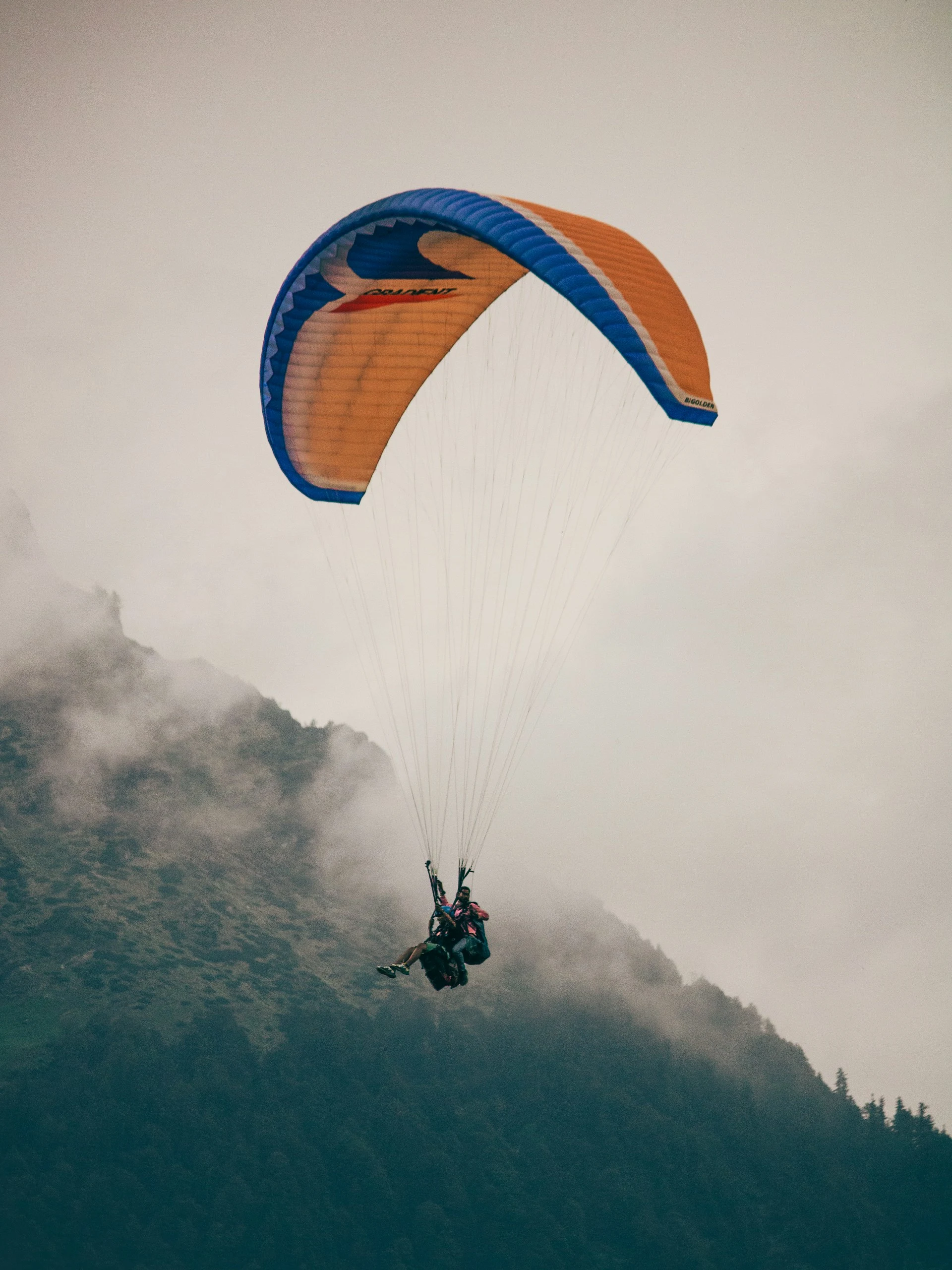
Pokhara is one of the world’s premier paragliding destinations, and tandem flights are the signature adventure activity. You launch from Sarangkot ridge, soar over Phewa Lake, and land on the lakeshore plain.
Cost: Tandem flights range from $80 to $120 USD depending on operator, flight duration, and whether photos/video are included.
Flight duration: Standard flights are 20–30 minutes. Extended flights cost more.
Who it’s best for: Almost anyone. No experience is required. Weight limits typically run to 95–100 kg (extra fees may apply above that threshold), and minimum age is usually 16+ (varies by operator).
Safety considerations: Pokhara’s paragliding industry is regulated by the Civil Aviation Authority of Nepal. Reputable operators employ certified tandem pilots and provide helmets and harnesses. A safety briefing is standard before every flight. Choose operators with strong reviews and clear certification information.
Best season: October–April offers the most reliable flying conditions. Flights are weather-dependent; if thermals are weak or winds are strong, operators will cancel.
Common mistake: Booking paragliding for your last morning in Pokhara. If weather cancels your flight, you have no buffer. Schedule it early in your trip.
Ultralight Flights: Higher, Faster, and More Comfortable
Ultralight aircraft offer a different aerial perspective — higher, faster, and longer than paragliding. These two-seater planes can reach altitudes that paragliders cannot, bringing you closer to the Annapurna summits.
Why it’s worth doing: If your goal is seeing the mountains from the air with more comfort and range than paragliding, ultralight is the better choice. Flights typically last 15 minutes to 1.5 hours and cover more terrain.
Who it’s best for: Travelers who want aerial views but prefer the stability of an aircraft over the openness of a paraglider. Photographers benefit from the longer flight time.
What to know: Ultralight flights are significantly more expensive than paragliding. They’re also more weather-sensitive. Book through established operators with clear safety records.
ZipFlyer and Whitewater Rafting: Ground-Based Adrenaline
ZipFlyer is a 1.8-kilometer zipline with a 600-meter vertical descent, reaching speeds of approximately 140 km/h. It launches from the Sarangkot hillside and descends across the valley.
Why it’s worth doing: It’s a genuine adrenaline experience with an unusual perspective on the valley. The ride lasts about 1–1.5 minutes, but the speed and height make it memorable.
Who it’s best for: Adrenaline seekers. Not recommended for those with a fear of heights, pregnant women, or people with certain medical conditions.
What to know: It’s a short experience — don’t plan your whole day around it. Combine it with Sarangkot sunrise or a Pumdikot visit since they’re in the same general area.
Seti River rafting offers Grade II to III+ rapids, suitable for beginners and intermediate rafters. Half-day trips last 3–4 hours and include hotel pickup. The Seti gorge scenery is dramatic, and the rapids are exciting without being terrifying. Water levels are highest during and after monsoon, which can make rapids more intense. Check current conditions with operators before booking.
Cultural and Historical Sites: Beyond the Views
International Mountain Museum: Essential Context for Trekkers
The International Mountain Museum (IMM) is the only mountain museum of its kind in the world, established by the Nepal Mountaineering Association. It covers all 14 eight-thousanders, climbing history, ethnic communities, geology, and the cultural significance of mountain life in Nepal.
Why it’s worth doing: If you’re trekking (or planning to), the IMM provides essential context. The exhibits on mountaineering history — particularly the stories of Sherpa climbers — add depth to the mountains you’ll see. The geology section explains how the Himalaya formed.
Who it’s best for: Trekkers (pre- or post-trek), travelers interested in mountaineering history, and anyone seeking an indoor activity on a cloudy or rainy day.
What to know: Allow 1.5–2 hours minimum. The museum is located about 3km from Lakeside. Important: The museum is being upgraded with the aim of extending tourist stays, and renovation work may be ongoing. Verify current opening status before visiting.
Davis Falls and Gupteshwor Mahadev Cave: A Geological Oddity
These two attractions are adjacent and should be visited together. Davis Falls (also called Devi’s Fall) is a waterfall that drops through a sinkhole into an underground chute. The water then flows through Gupteshwor Mahadev Cave, a natural limestone cave with a Shiva shrine inside.
Why it’s worth doing: It’s a quick, unusual stop that takes about 1–1.5 hours total. The cave is the more interesting of the two — descending into the cool, dark limestone passages with stalactites and a sacred shrine feels genuinely otherworldly.
Entry fees: Davis Falls is approximately NPR 50 for foreigners. Gupteshwor Cave is approximately NPR 100 for foreigners. Davis Falls operates 06:00–18:00.
Who it’s best for: Everyone except those with claustrophobia or mobility issues. The cave involves narrow stairs, slippery surfaces, and low ceilings. Not ideal for very young children.
What to know: Davis Falls is most impressive after monsoon when water volume is high. In dry season, it’s much smaller. The cave is cool — bring a light layer. Wear shoes with good grip.
Common mistake: Expecting a grand waterfall. Davis Falls is not Niagara. It’s a unique geological feature, not a scenic spectacle. Go for the cave experience.
Old Bazaar and Bindabasini Temple: Pokhara Before Tourism
Pokhara’s Old Bazaar (Purano Bazaar) is the historic heart of the city, a traditional marketplace with Newari architecture, craft shops, and tangka painting galleries. Bindabasini Temple sits on a small hill at the northern edge and is the largest Hindu temple in Pokhara.
Why it’s worth doing: This is where you see the Pokhara that predates tourism. The architecture is distinctly Newari, and the temple is an active place of worship, not a museum piece. Watching locals make offerings and perform puja gives a genuine cultural experience.
Who it’s best for: Cultural travelers, photographers interested in architecture and daily life, and anyone who wants to see beyond the Lakeside tourist zone.
What to know: Entry to both the bazaar and temple is free. The temple is open approximately 5:00 AM–7:00 PM. Dress respectfully (cover shoulders and knees). Allow 2–3 hours for a leisurely visit.
When It Rains: Pokhara Weather Contingencies
Pokhara’s weather is the single biggest variable in planning. Mountain views are clearest between sunrise and 9–10 AM, with clouds typically building by midday. During monsoon (June–September), clouds can sit over the valley for days.
What this means practically: Don’t plan outdoor, view-dependent activities for afternoons. Front-load your days. Sarangkot sunrise and Phewa Lake boating should happen in the morning. Afternoon is for caves, museums, the Old Bazaar, or simply relaxing at a Lakeside café.
If the mountains are invisible:
-
International Mountain Museum — The best rainy-day option. You’ll learn about the peaks even if you can’t see them.
-
Gupteshwor Cave — Underground, so weather doesn’t matter. The cave is actually more atmospheric in rain.
-
Old Bazaar and Bindabasini Temple — Partially covered, culturally rich, and the temple is active regardless of weather.
-
Cooking classes — Several Lakeside restaurants offer Nepali and Newari cooking classes.
-
Café culture — Lakeside has an excellent café scene. A rainy afternoon with a book and a lake view is not a wasted afternoon.
If you have paragliding booked and it’s cancelled: Most operators will reschedule. If your trip is ending, ask about refund policies before booking. Don’t book paragliding for your final morning.
Itineraries: 1, 2, and 3 Days in Pokhara
One Day in Pokhara
A single day is enough for a concentrated experience, but you must accept that you’re choosing highlights, not completeness.
5:00 AM — Depart for Sarangkot for sunrise (pre-arranged taxi). 6:00–7:30 AM — Sunrise viewing with tea at a ridge café. 8:00 AM — Return to Lakeside, breakfast. 9:30–11:30 AM — Phewa Lake boating to Tal Barahi Temple. 12:00 PM — Lunch at Lakeside. 1:30–3:00 PM — Davis Falls and Gupteshwor Cave. 3:30–5:00 PM — World Peace Pagoda (hike up or taxi to the base and walk up). Evening — Lakeside dinner and stroll.
What you’re skipping: Begnas Lake, Pumdikot, International Mountain Museum, Old Bazaar, any adventure activities. That’s fine. One day means accepting limits.
Two Days in Pokhara
Add a second day and the experience transforms from rushed to satisfying.
Day 1: Sarangkot sunrise → Phewa Lake boating → Lakeside lunch → Davis Falls and Gupteshwor Cave → World Peace Pagoda at sunset → Lakeside dinner.
Day 2: Paragliding in the morning (weather-dependent, book Day 1) → Lunch → International Mountain Museum (or Old Bazaar and Bindabasini Temple if museum is closed) → Begnas Lake for late afternoon/sunset → Dinner at a quieter Lakeside restaurant.
Alternative Day 2 if weather cancels paragliding: Pumdikot Shiva Statue and Peace Pagoda hike → Old Bazaar and Bindabasini Temple → Cooking class in the afternoon.
Three Days in Pokhara
Three days is the sweet spot. You can do everything in the 2-day plan plus one meaningful additional experience.
Day 3 options:
-
Australian Camp or Dhampus day hike — A 3–4 hour hike through villages and forest with mountain views. Moderate fitness required. Family-friendly.
-
Poon Hill overnight trek — If you’re fit and want a mountain sunrise without committing to a full trek, Poon Hill (3,210m) can be done as a 2-day/1-night trip from Pokhara. Requires ACAP permit and a guide.
-
Tibetan cultural tour — Half-day guided visit to Tibetan settlements and monasteries with context and food tasting.
-
Zip-lining and Pumdikot — Combine ZipFlyer with Pumdikot Shiva Statue for an adventure-plus-viewpoint day.
Pokhara as a Trekking Base
Pokhara is the gateway to the Annapurna region, and for many travelers, the city is a staging point rather than a destination. The trekking infrastructure is excellent: gear shops, permit offices, licensed guide agencies, and equipment rental are all concentrated in Lakeside.
Permits: Most Annapurna region treks require an Annapurna Conservation Area Permit (ACAP) and a TIMS card. A licensed guide is required for most routes.
Pre-trek day: Use a pre-trek day for permit paperwork, gear checks, and a short acclimatization walk. Don’t schedule paragliding the day before a trek — you don’t want a twisted ankle from a bad landing.
Post-trek day: After a multi-day trek, your body will want rest. A Phewa Lake boat ride, a Lakeside massage, and a slow dinner are the right pace.
Trek options from Pokhara:
| Trek | Duration | Max Altitude | Difficulty | Best For |
|---|---|---|---|---|
| Poon Hill | 3–4 days | 3,210m | Easy-Moderate | First-time trekkers, families |
| Mardi Himal | 4–5 days | ~4,500m | Moderate | Quiet trails, Machhapuchhre views |
| Annapurna Base Camp | 5–7 days | 4,130m | Moderate | Classic Annapurna experience |
| Annapurna Circuit | 10–14 days | 5,416m (Thorong La) | Challenging | Experienced trekkers |
For trekking arrangements — permits, licensed guides, porter services, and logistics — working with a local operator based in Pokhara simplifies the process considerably. Wonder Hikes Nepal operates from Pokhara and specializes in Annapurna region treks, including ABC, Mardi Himal, and Poon Hill routes. Their local knowledge of trail conditions, tea house availability, and seasonal timing is the kind of ground-level information that makes a trek smoother.
Budget Framework: Free, Low-Cost, and Paid
| Experience | Cost Tier | Approximate Cost (2026) |
|---|---|---|
| Sarangkot viewpoint | Free | Transport only |
| World Peace Pagoda | Free | Free (boat fare if crossing lake) |
| Pumdikot Shiva Statue | Free | No entry fee |
| Bindabasini Temple | Free | Free |
| Old Bazaar walk | Free | Free |
| Begnas/Rupa Lakes | Free | Local bus NPR 25–50 |
| Lakeside promenade | Free | Free |
| Phewa Lake boating | Low-cost | NPR 400–600/hr |
| Kayak/SUP rental | Low-cost | NPR 400–800/hr |
| Davis Falls | Low-cost | NPR 50 (foreigners) |
| Gupteshwor Cave | Low-cost | NPR 100 (foreigners) |
| International Mountain Museum | Low-cost | Small entry fee |
| Paragliding | Paid | $80–$120 |
| ZipFlyer | Paid | Check current rates |
| Ultralight flight | Paid | $150–$250 |
Budget traveler strategy: Focus on free and low-cost experiences. Sarangkot sunrise, Peace Pagoda hike, Phewa Lake boating, Old Bazaar, and Begnas Lake can fill 2–3 days at minimal cost.
Mid-range strategy: Add one adventure activity (paragliding is the best value) and one paid attraction (International Mountain Museum).
Comfort-focused strategy: Ultralight flight or private paragliding, private car for Sarangkot and Pumdikot, guided cultural tours, and a Poon Hill overnight trek.
Traveler-Specific Guidance
For couples: Pokhara is well-suited to couples. The lake at sunset, a quiet dinner at a Lakeside restaurant, and a sunrise at Sarangkot are naturally romantic. Avoid the party-hostel scene at the northern end of Lakeside if you want quiet.
For families: Phewa Lake boating, the World Peace Pagoda hike (older children), Davis Falls and the cave (if children are comfortable with dark, enclosed spaces), and the International Mountain Museum are the most family-appropriate activities. Paragliding has age restrictions. Sarangkot sunrise is doable with children old enough to handle the early start.
For solo travelers: Pokhara is safe and sociable. The Lakeside café culture makes it easy to meet other travelers. Group activities like paragliding, rafting, and day hikes are good ways to connect without forced socializing.
For budget travelers: Focus on the free and low-cost tier. Stay in Lakeside guesthouses, eat at local dhabas rather than tourist restaurants, and choose one paid adventure activity rather than trying to do everything.
For adventure travelers: Paragliding, ultralight, ZipFlyer, rafting, and trekking options provide plenty of adrenaline. Choose one aerial activity, one ground-adrenaline activity, and one trek. That’s a full, varied adventure portfolio.
For photographers: Sarangkot sunrise is essential. Phewa Lake at dawn (before 7 AM) offers the best reflections. The World Peace Pagoda provides panoramic perspectives. Old Bazaar offers street photography and architecture. Begnas Lake offers quieter landscapes.
For non-trekkers: Pokhara is not a consolation prize for people who don’t trek. The lake, the viewpoints, the caves, the museums, and the adventure activities can fill a week without a single day on a trail.
Safety and Trust Considerations
Adventure activity safety: Choose operators with clear certification, modern equipment, and strong reviews. For paragliding, ask about pilot certification and flight insurance. For rafting, confirm that guides are trained in swift-water rescue. Don’t book the cheapest option — pay for safety.
Weather dependency: Aerial activities are weather-dependent. If operators cancel, it’s for safety, not inconvenience. Don’t pressure them.
Trekking preparation: The Annapurna region is high-altitude terrain. Acclimatization matters. Don’t rush ascent. Carry sufficient water, use sun protection, and listen to your guide. Travel insurance that covers high-altitude trekking and helicopter evacuation is essential.
Cultural respect: Remove shoes before entering temples and monasteries. Don’t touch statues or religious objects without permission. Ask before photographing people. Dress modestly at religious sites.
FAQ:
1.What is Pokhara famous for?
Pokhara is famous for Phewa Lake, the Annapurna mountain panorama (particularly Machhapuchhre/Fishtail), paragliding, and as the gateway to Annapurna region trekking. It’s Nepal’s second most-visited city and the country’s adventure capital.
2.How many days are enough for Pokhara?
Two to three days is enough for the main attractions. One day covers the highlights (Sarangkot, Phewa Lake, Peace Pagoda, Davis Falls). Three days allows for paragliding, Begnas Lake, and a slower pace.
3.Is Pokhara worth visiting without trekking?
Absolutely. The lake, viewpoints, caves, museums, adventure activities, and cultural sites can fill a week without trekking.
4.What can I do in Pokhara in one day?
Sarangkot sunrise, Phewa Lake boating to Tal Barahi Temple, Davis Falls and Gupteshwor Cave, and World Peace Pagoda. Start early (5 AM) and keep the pace moving.
5.Is Sarangkot worth visiting?
Yes, if you catch it on a clear morning. The sunrise views are genuinely spectacular. But it requires a 4:30–5:00 AM departure and complete weather dependence. Sunset is a lesser-known but excellent alternative.
6.Is paragliding in Pokhara safe?
Pokhara has a well-regulated paragliding industry with certified pilots and modern equipment. Choose reputable operators with strong safety records, follow pilot instructions, and don’t fly if weather conditions are marginal.
7.What can I do in Pokhara when it rains?
International Mountain Museum (verify renovation status), Gupteshwor Cave, Old Bazaar and Bindabasini Temple, cooking classes, café time, and the Province Museum.
8.What are the best places near Phewa Lake?
Tal Barahi Temple (on the island), Lakeside promenade (restaurants, shops), the boat docks, and the southern shore (access point for World Peace Pagoda hike).
9.Is Pokhara good for families?
Yes. Phewa Lake boating, the Peace Pagoda hike (older kids), Davis Falls, the International Mountain Museum, and easy day hikes like Australian Camp are family-friendly.
10.Can I visit Pokhara without trekking?
Yes. Pokhara is a full destination independent of trekking.
11.Can I combine Pokhara with an Annapurna trek?
Yes, and most travelers do. Pokhara is the primary access point for Annapurna region treks.
12.What is the best time of day for mountain views?
Sunrise to 9–10 AM. Clouds build by midday, especially outside peak season.
13.How do I get around Pokhara?
Taxis are available but negotiate fares in advance. Pathao (ride-hailing app) operates in Pokhara. Scooter rental works for confident riders. The Lakeside area is walkable.
14.What should I pack for Pokhara?
Layers (mornings are cold, afternoons are warm), comfortable walking shoes, sun protection, rain jacket, water bottle, and a modest outfit for temple visits.
15.Is Pokhara expensive?
Pokhara is affordable by international standards. Accommodation ranges from budget guesthouses to luxury resorts. Food is inexpensive. The main costs are adventure activities and trekking.
Ready to plan your trek?
Tell us your dates and group size. We reply on WhatsApp within a few hours.