Everest Base Camp Packing List
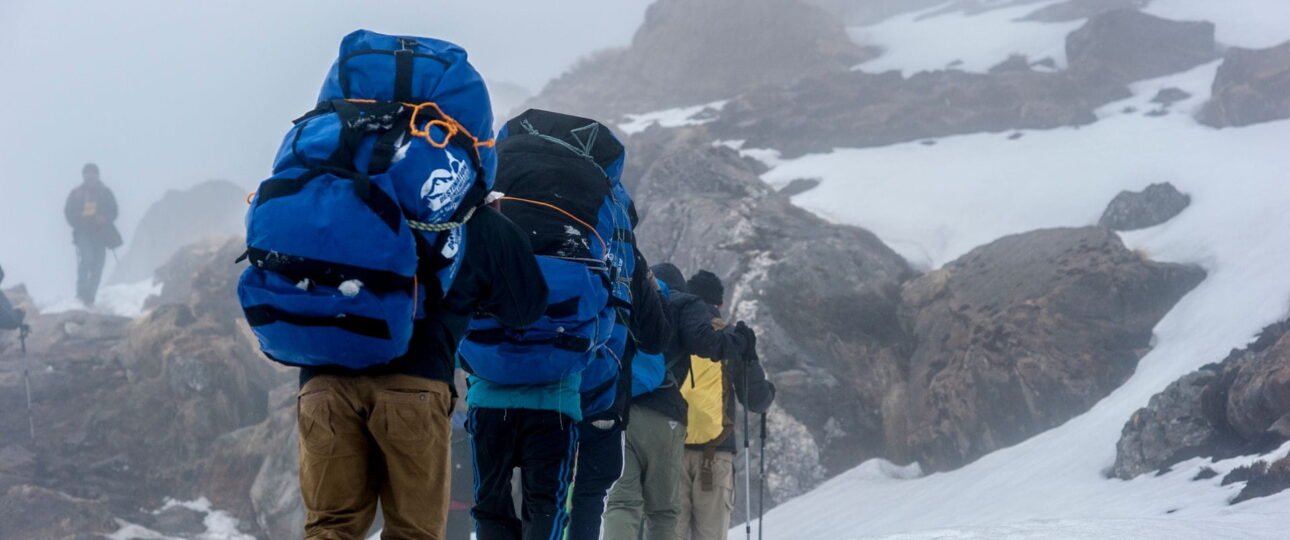
The single most useful framing for packing for Everest Base camp trek is this: you are not carrying everything you bring. Your porter will carry a duffel bag up to 10 kg, and you’ll carry a daypack with the items you’ll need during the day, ideally no more than 5-7 kg when full. Everything on the trail divides into one of three categories — what goes in your daypack and stays with you every walking hour, what goes in the porter duffel and arrives at each teahouse, and what stays in storage at your Kathmandu hotel for the duration of the trek.
Getting that division right is more important than any individual item on the list. You will walk each day with a small daypack carrying essentials such as water, snacks, layers, and valuables. Your main clothing, sleeping gear, and spare items go into a duffel bag that a porter carries during the trek.
This guide is organized around that two-bag structure rather than a flat alphabetical or category list, because that’s how the gear actually functions on the trail.
Before the List
The Everest Base Camp Trek reaches an altitude of 5,364 metres, where temperatures can drop well below freezing, weather conditions change rapidly, and oxygen levels are significantly lower than at sea level. The gear must handle that reality. It must also fit within the weight constraints that govern this specific trek.
Keep total weight under 18 kg combined — 10 kg in the porter duffel, 5-7 kg in your daypack, and anything beyond that is something you’re carrying yourself unnecessarily. Most first-time EBC trekkers overpack. The temptation is to prepare for every scenario; the reality is that teahouses exist every few hours, Kathmandu and even Namche Bazaar have gear shops, and many items are available to rent rather than buy.
High-quality jackets, sleeping bags, and poles are easily available for rent from reputable shops in Thamel, Kathmandu, which helps reduce your baggage weight. The rent-vs-buy question gets its own section at the end of this guide.
Clothing: The Layering System That Actually Works
The EBC trail spans roughly 2,800 m at Lukla to 5,364 m at Base Camp, and the temperature range across those elevations — and across a single day at any elevation — is dramatic. One minute it will be sunny, and the next you may get dumped on with snow. Your clothing system must change as you gain elevation. When you arrive in Gorak Shep, what felt like warm clothing in Namche Bazaar will seem cold.
The solution is a three-layer system. Nothing on this list is a brand recommendation — it is a functional description of what each layer must do.
Base Layer (next to skin)
Function: moisture management — moving sweat away from skin to keep you dry and regulate temperature.
Material: merino wool or synthetic moisture-wicking fabric. Cotton is specifically wrong — it holds moisture against skin and accelerates heat loss when wet.
What to bring:
- 2 long-sleeved moisture-wicking tops
- 1 short-sleeved moisture-wicking top
- 2 thermal base layer sets (top and bottom) for cold days and sleeping
Mid Layer (insulation)
Function: trapping warm air close to the body.
What to bring:
- 1 warm fleece jacket
- 1 lightweight down or synthetic insulated jacket for layering under the outer shell at altitude
Outer Layer (shell)
Function: wind and waterproof protection over everything underneath.
What to bring:
- 1 waterproof, windproof hardshell jacket — Gore-Tex or equivalent. Non-negotiable. Keep this in your daypack every day, not in the porter duffel.
- 1 waterproof hardshell trouser/pant
Down Jacket (the warmest layer)
- 1 heavy down or high-loft synthetic parka for evenings at teahouses, higher altitude sections above Dingboche, and any cold weather. Mornings and nights remain cold, especially above Dingboche. A warm down jacket, thermal layers, and a good sleeping bag are still essential. This goes in the porter duffel — too bulky for the daypack.
Trekking Trousers and Shorts
- 2 pairs of trekking trousers (convertible zip-off style covers both in a single item)
- 1 pair of lightweight shorts for warmer lower-altitude sections
Underwear
- 3-4 pairs of moisture-wicking underwear
- 1-2 sports bras (if applicable)
Socks
- 4-5 pairs of wool trekking socks (merino wool regulates temperature and resists odor better than synthetic across multi-day use)
- 1-2 pairs of liner socks to reduce blister risk
Head, Hands, and Neck
- 1 warm knit hat covering ears — essential above 4,000 m
- 1 sun hat or baseball cap for lower, sunny sections
- 1 balaclava for wind protection at Gorak Shep and above
- 1-2 pairs of lightweight liner gloves
- 1 pair of warm insulated gloves or mittens (the liner-plus-outer combination covers both warm and cold days efficiently)
- 1 buff/neck gaiter
Camp Shoes
- 1 pair of lightweight sandals, flip-flops, or camp shoes. After 6-8 hours in trekking boots, these matter more than most packing lists acknowledge.
Footwear: The Item to Get Right Before You Leave Home
Breaking in boots well before the trek is crucial to prevent blisters and ensure long-lasting comfort. This is the single most repeated practical advice across every source, and it is the most often ignored.
- Trekking boots: Waterproof, ankle-supporting, broken in. Not new. Not trail runners unless you have extensive high-mileage experience in them on similar terrain. The trail above Namche involves rocky paths, river crossings on suspension bridges, and extended descents that demand ankle support. Buy or rent these, wear them for at least 4-6 weeks of regular walking before the trek.
- Gaiters: Low gaiters keep trail debris and light snow out of boots on the upper sections. Available to rent in Kathmandu. Not essential for lower sections; genuinely useful above 4,500 m.
Sleeping Gear
Sleeping bag: Rated to at least -10°C (14°F). Most teahouses provide blankets, but sleeping bag use is standard practice — blanket quality varies and at Gorak Shep temperatures can drop well below freezing overnight. You should have a -10°C sleeping bag. Available to rent in Kathmandu for significantly less than purchase price if you don’t own one.
Sleeping bag liner: A silk or fleece liner adds approximately 5-8°C of warmth, is lightweight, and adds a hygiene layer between you and teahouse bedding. Worth bringing regardless of your sleeping bag rating.
Sleeping pad: Not needed — teahouses provide mattresses throughout the EBC route.
Bags: The Two-Bag System in Practice
Porter duffel bag: 60-80 litres, durable, with a lockable zip. This carries your main clothing, down jacket, sleeping bag, and non-daily essentials. Weight limit: 10 kg. Many agencies provide the duffel — confirm with your operator before purchasing one.
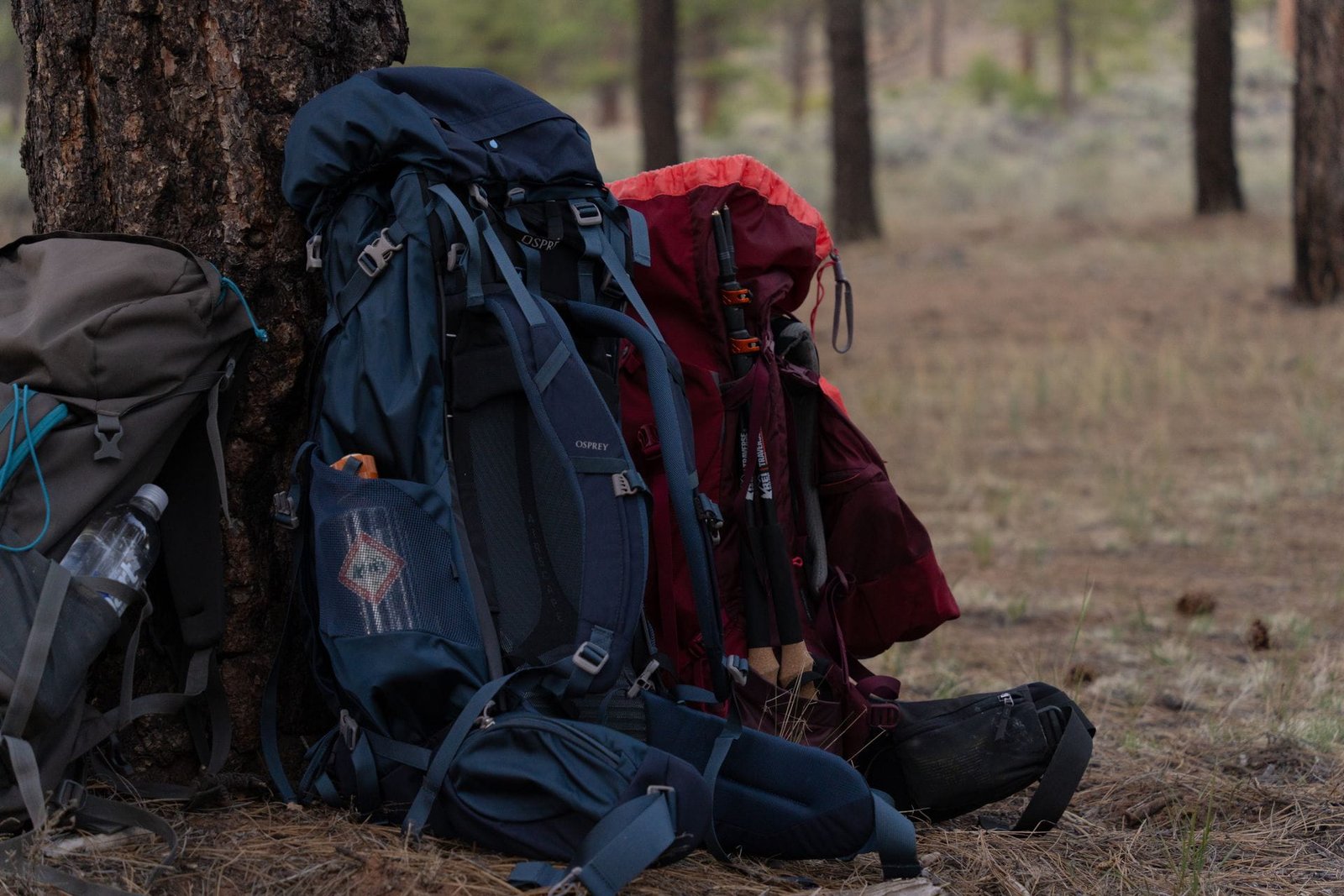
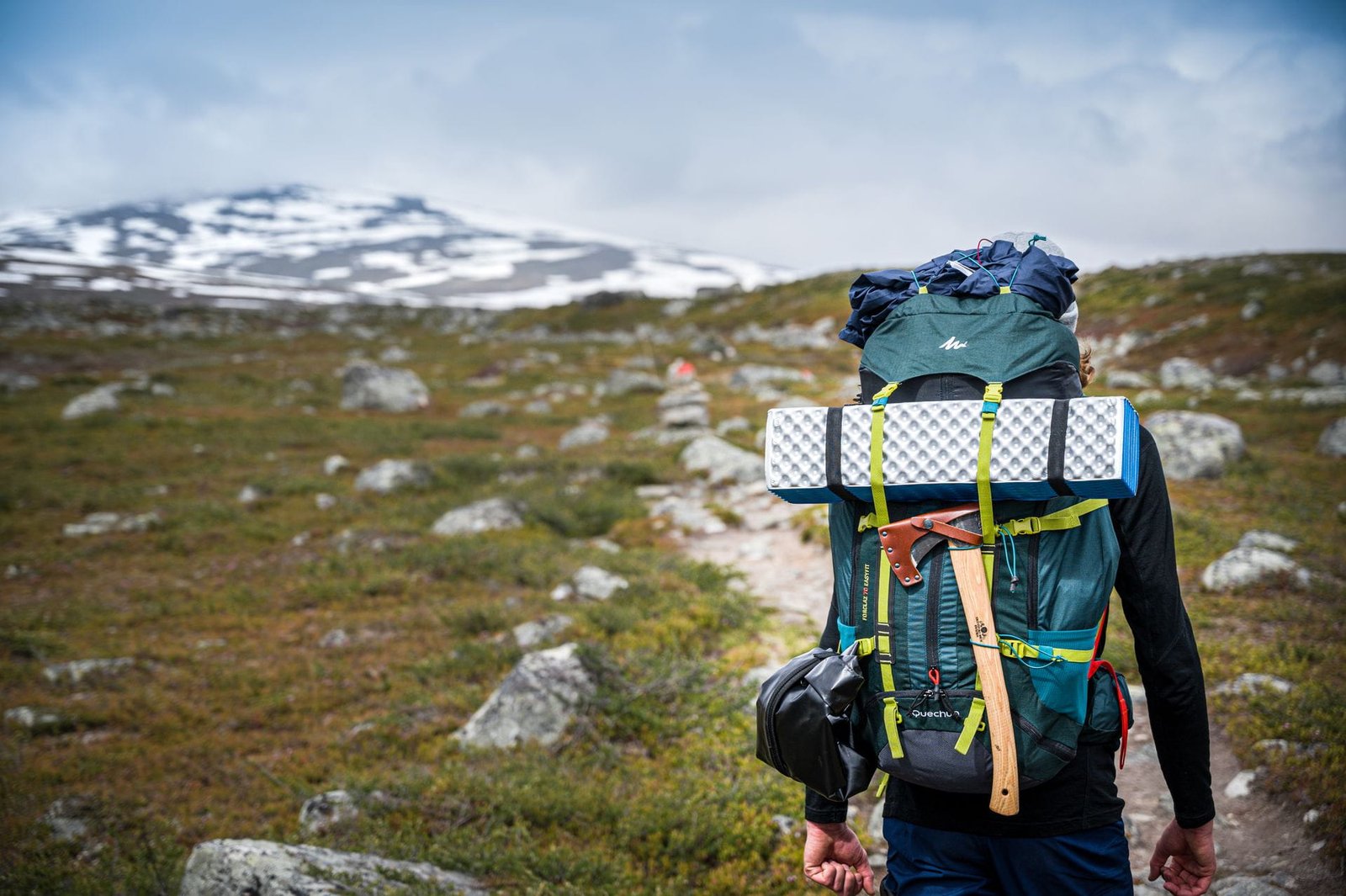
Daypack: A 35-45 litre backpack is ideal for most trekkers. It provides enough space for the items you’ll need during the day while remaining comfortable to carry. A properly fitted backpack should rest mainly on your hips rather than your shoulders, reducing fatigue during long climbs. This carries your water, layers, camera, snacks, valuables, and waterproof jacket — everything you need access to during the walking day without opening the duffel.
Packing organization: Use packing cubes or dry bags to separate your clothes, toiletries, electronics, and first-aid supplies. Keep frequently used items like your water bottle, rain jacket, sunscreen, and camera easily accessible in your daypack. Dry bags (or waterproof stuff sacks) specifically protect electronics, documents, and down items from trail moisture and rain.
Trekking Gear and Equipment
| Item | Notes |
|---|---|
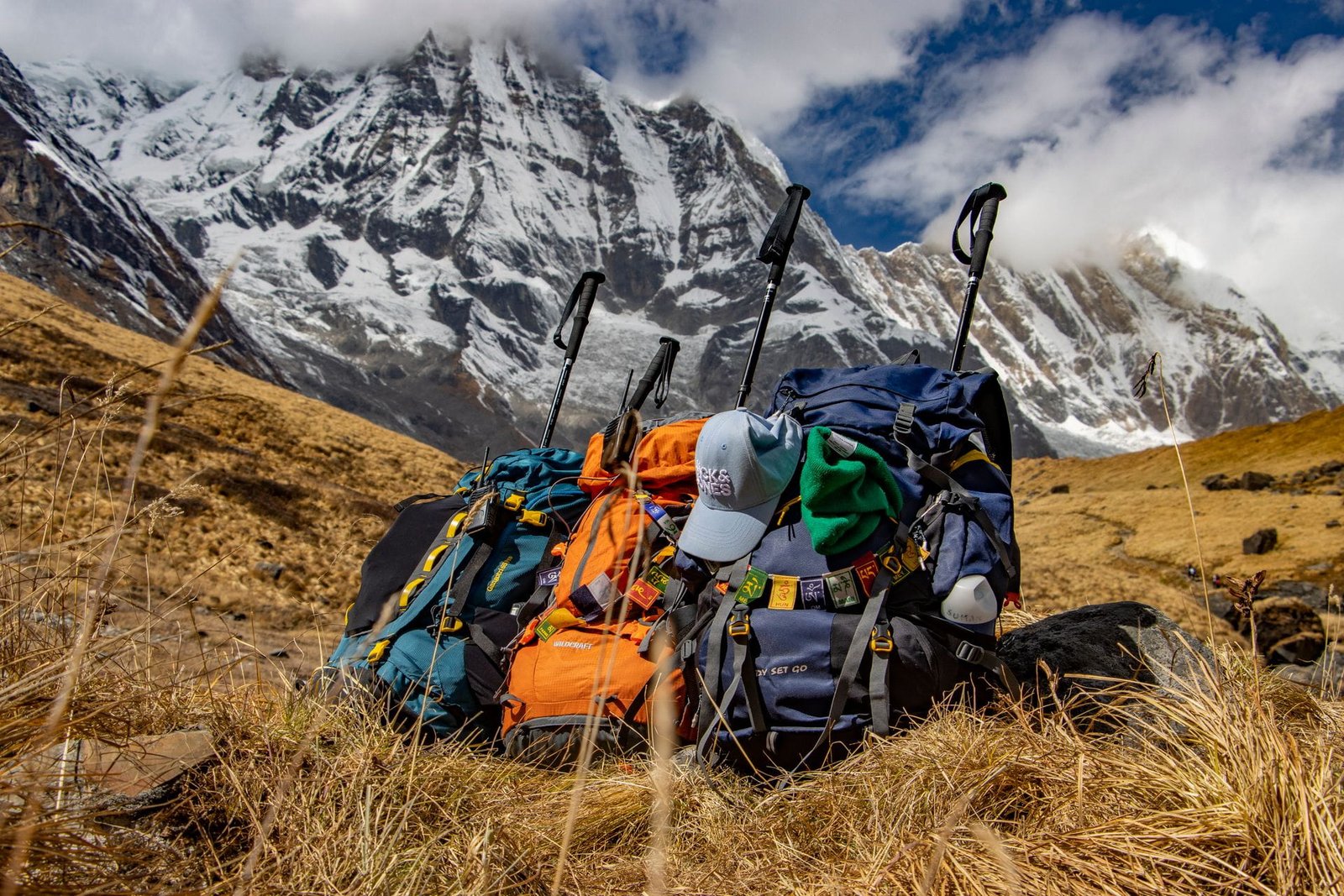
| Trekking poles | Two poles strongly recommended. Reduce knee strain on descents — the most common EBC injury complaint. Rent in Kathmandu if you don’t own. |
| Headlamp | With spare batteries. Essential for pre-dawn acclimatization walks, teahouse interiors, and toilet trips at night. |
| Water bottles | Two 1-litre bottles, or one 1-litre bottle plus a hydration bladder. Minimum 2 litres capacity total. |
| Water purification | Purification tablets (iodine or chlorine dioxide) or a SteriPen UV purifier. Significantly cheaper than buying bottled water at altitude and produces zero plastic waste. |
| Sunglasses | UV400 or CE Category 3-4 protection. UV exposure above 4,000 m is significantly higher than at sea level. Glacier glare on clear days can cause snow blindness without adequate protection. |
| Sun hat | For lower sections below Namche. |
| Trekking poles straps | Already on poles — but check grip and strap quality before departure if renting. |
| Dry bags | Small waterproof bags for electronics, passport, and down items. |
| Buff / neck gaiter | Already listed in clothing — also functions as dust protection on dry trail sections. |
First Aid and Health
It’s advisable to consult with a doctor before taking altitude medicine like Diamox. This is specific, important advice — Diamox (acetazolamide) is commonly used to mitigate AMS symptoms and is available in Nepal, but it has side effects and is not appropriate for everyone.
| Item | Notes |
|---|---|
| Diamox (acetazolamide) | Consult your physician before travel. Typically 125-250 mg twice daily starting day before ascent. Increases urination — plan hydration accordingly. |
| Ibuprofen | For headache and minor pain. Standard trekking kit staple. |
| Paracetamol / acetaminophen | Alternative pain and fever management. |
| Oral rehydration salts | Essential at altitude where dehydration is both common and serious. |
| Blister kit | Moleskin, medical tape, needle for draining — the single most-used first-aid item on EBC for most trekkers. |
| Antihistamine | For dust, mild reactions. |
| Antidiarrheal medication | Trail stomach issues are not unusual. |
| Antiseptic wipes and small wound kit | Plasters, antiseptic cream, gauze. |
| Altitude sickness reference card | AMS, HACE, HAPE symptom checklist for yourself and your guide. |
| Personal prescription medications | Bring more than needed — resupply on the trail is not possible for prescription items. |
Toiletries and Personal Care
Keep this category as light as possible — a common source of unnecessary weight.
- Sunscreen: SPF 50 minimum. Apply to face, neck, and hands every morning. Reapply after lunch. UV intensity at altitude makes inadequate sun protection a genuine burn risk.
- Lip balm with SPF: chapping above 4,000 m is rapid.
- Wet wipes / biodegradable baby wipes: for daily cleaning when showers aren’t available (above Namche, hot showers become sporadic and expensive).
- Dry shampoo (optional): useful for a 12-14 day trek without reliable washing facilities.
- Toilet paper: bring your own — teahouse supply is inconsistent. Carry a small roll in your daypack.
- Hand sanitizer: essential before and after eating and after all toilet use.
- Small quick-dry towel: teahouses rarely provide towels.
- Toothbrush, toothpaste, floss.
- Moisturizer: cold, dry air at altitude dries skin quickly.
- Biodegradable soap: for body washing and laundry when water is available.
Electronics and Power
| Item | Notes |
|---|---|
| Power bank (large capacity) | Charging at teahouses costs USD 1-3 per device and is solar-dependent above Namche — reliability drops the higher you go. A 20,000 mAh power bank charges most phones 5-6 times. |
| Universal adapter | Nepal uses Type C, D, and M sockets — bring a universal. |
| Camera | Whatever you normally use. Extra memory cards. |
| Headphone / earphones | Long rest days at base camp and teahouses benefit from music. |
| E-reader or book | Weather delays, rest days, and acclimatization days mean extended downtime. |
| Spare phone charging cable | Cables break in cold. Carry a backup. |
| Satellite communicator (optional) | For independent trekkers without agency support who want emergency communication above mobile coverage. |
Phone signal: NTC (Nepal Telecom) has signal in most major settlements up to and including Gorak Shep. Signal drops out on sections between villages. Do not rely on phone signal in emergencies above Namche.
Documents, Money, and Miscellaneous
- Passport: original required at all permit checkpoints.
- Permits: carry physical copies of your Sagarmatha National Park Entry Permit and Khumbu Pasang Lhamu permit — checkpoints do not accept digital copies.
- Travel insurance documents: physical copy and photo on phone. Insurance must specifically cover high-altitude trekking and emergency helicopter evacuation.
- Cash in Nepali rupees: no ATMs above Namche Bazaar. Bring enough for the entire trek including tips, wifi, charging, hot showers, and snacks. USD 300-500 is a reasonable estimate depending on itinerary length and spending habits.
- Small lock for duffel bag.
- Photocopy of passport and visa (keep separate from originals).
Rent vs. Buy in Kathmandu: A Practical Guide
High-quality jackets, sleeping bags, and poles are easily available for rent from reputable shops in Thamel. For first-time Nepal trekkers who don’t own Himalayan gear and may never use it again, renting makes financial and logistical sense for several specific items.
| Item | Rent | Buy |
|---|---|---|
| Down jacket | Good rental option — quality is adequate from reputable Thamel shops | Buy if planning multiple Himalayan treks |
| Sleeping bag (-10°C) | Good rental option — saves significant luggage space flying to Nepal | Buy if you trek regularly in cold conditions |
| Trekking poles | Excellent rental option — no need to transport in checked luggage | Buy if you already own or trek frequently |
| Gaiters | Good rental option — used only on the upper sections | Buy only if you also need for other winter use |
| Trekking boots | Do NOT rent | Buy and break in at home — boot fit is too individual and blister prevention too important to leave to a rental |
| Base layers | Do NOT rent | Personal hygiene item — buy or bring from home |
| Waterproof jacket | Preferably buy or bring from home | Quality control on rental shells is less reliable |
Reputable rental shops in Kathmandu’s Thamel district are numerous; your agency can recommend established operators. Inspect rental gear carefully before accepting — check zips, seams, and insulation integrity.
The Kathmandu Hotel Storage List
These items travel with you to Nepal but should not go on the trek:
- City clothes and shoes
- Formal or semi-formal clothing
- Laptop (leave at hotel)
- Large suitcase (transfer trek essentials to duffel and daypack; store suitcase)
- Extra books, charging cables, or electronics beyond what the trail needs
- Jewelry or valuables beyond what you’ll carry daily
Most Kathmandu hotels and guesthouses near Thamel offer secure luggage storage at no or minimal charge. Confirm with your hotel before departure.
Seasonal Packing Adjustments
- Autumn (September-November): The standard list above is calibrated for autumn. October is the coldest and most view-reliable month — pack for cold nights from the first day, not just above Dingboche.
- Spring (March-May): Temperatures are slightly warmer than autumn at equivalent altitudes. You can replace the heavy down parka with a lighter down jacket in April, but keep full waterproof shell — spring carries more precipitation risk at lower altitudes.
- Winter (December-February): The standard list is insufficient. Add a heavier sleeping bag (rated to -20°C), a warmer balaclava, hand warmers, and more aggressive insulation for evenings. Most teahouses above Dingboche close in deep winter.
Frequently Asked Questions about Everest Base Camp Packing List
- What is the most important item to pack for EBC?
Waterproof trekking boots, broken in before departure. No single item affects the EBC experience more than footwear — comfortable, waterproof, ankle-supporting boots that fit properly are the difference between an enjoyable trek and a painful one. - How heavy should my pack be for EBC?
Your daypack should be 5-7 kg when full. Your porter duffel should not exceed 10 kg. Combined total of 15-17 kg covers most trekkers comfortably within these limits. - What sleeping bag rating do I need for EBC?
Minimum -10°C (14°F) comfort rating. At Gorak Shep (5,164 m), overnight temperatures can drop below -15°C in October and November. A liner adds warmth and hygiene margin. - Should I buy or rent gear in Kathmandu?
Rent: down jacket, sleeping bag, trekking poles, gaiters. Buy or bring from home: trekking boots (fit is too individual to rent), base layers (hygiene), and waterproof shell (quality control is more reliable in your own gear). - Is there anywhere to buy forgotten items on the trail?
Namche Bazaar has well-stocked gear shops where most essentials are available, including socks, gloves, sunscreen, and medications. Above Namche, options narrow significantly. Gorak Shep has very limited supplies at high prices. - Do I need a sleeping bag if teahouses provide blankets?
Yes. Teahouse blankets exist and are provided, but their warmth varies significantly and sleeping bag use is standard practice among experienced EBC trekkers. The sleeping bag also gives you a hygiene layer independent of blanket cleanliness. - How many changes of clothes should I pack for a two-week trek?
Far fewer than you’d think — most trekkers pack 3-4 sets of base layers and rotate them, since laundry facilities and drying conditions are limited above Namche and washing dries slowly in cold, damp air. Quick-dry synthetic or merino fabrics matter more than quantity, since you’ll be wearing the same trekking outfit for consecutive days and layering up rather than swapping full outfits daily. - What medications should I bring for EBC?
Diamox (acetazolamide) for altitude sickness prevention is the most commonly carried prescription, alongside basic painkillers, anti-diarrheal medication, and any personal prescriptions in sufficient supply for the full trip plus buffer days. A basic first-aid kit with blister treatment, altitude sickness awareness materials, and any personal allergy medications rounds out the essentials, and it’s worth discussing Diamox specifically with a doctor before departure given its side effects. - What footwear should I pack besides trekking boots?
Lightweight camp shoes or sandals for evenings at teahouses give your feet a genuine break after a full day in boots, and are worth the small extra weight for comfort alone. Some trekkers also pack an extra pair of thick wool socks specifically for sleeping, since cold feet are a common complaint at higher-altitude lodges even inside a warm sleeping bag. - Do I need trekking poles for EBC?
Strongly recommended rather than strictly mandatory — poles reduce strain on knees significantly during long descent days, and many trekkers find them equally useful for balance on uneven or icy sections higher up the trail. They’re inexpensive to rent in Kathmandu, so there’s little reason to skip them even for trekkers who don’t typically use poles at lower altitudes. - What electronics and power accessories should I bring?
A power bank (10,000-20,000 mAh) is essential given inconsistent teahouse charging access and per-device charging fees higher up the valley, along with a universal adapter and enough camera or phone battery capacity for cold-weather battery drain, which is more significant at altitude than most trekkers expect. A headlamp with spare batteries is non-negotiable for early starts and teahouse rooms with limited or no electricity after certain hours. - What toiletries should I pack, and are there any restrictions?
Biodegradable soap and toothpaste are the environmentally responsible choice given limited waste infrastructure on the trail, alongside hand sanitizer, wet wipes for days without shower access, and sunscreen with a high SPF given intensified UV exposure at altitude. Toilet paper is worth carrying yourself, since teahouses don’t always supply it and trailside facilities rarely do. - How should I pack for extreme temperature swings between day and night?
Layering is the core strategy — a moisture-wicking base layer, an insulating mid layer like fleece or light down, and a waterproof/windproof outer shell lets you adjust quickly as temperatures swing from comfortable daytime hiking to well below freezing at night. Packing layers you can add or remove throughout a single day matters more than owning one very warm single garment, since temperature and exertion levels change constantly during the trek. - Is a water purification method necessary, or can I just buy bottled water?
A purification method — tablets, a filter, or a UV sterilizer pen — is strongly preferable to bottled water, both for cost savings over two weeks and for reducing plastic waste on a trail that already struggles with disposal infrastructure at altitude. Boiled water is also available at teahouses for a fee, but bringing your own purification method gives more flexibility and adds up to meaningful savings across a multi-day trek.
Final word on Everest Base Camp Packing List
Packing for Everest Base Camp is genuinely simpler than it looks when you first confront a list this long. Strip it back to its core logic and it becomes manageable: you need a three-layer clothing system that handles a wide temperature range, boots that fit and have been broken in, a sleeping bag that keeps you warm at -10°C, and a daypack light enough to carry comfortably for eight hours. Everything else on this list supports those four foundations.
The other thing worth remembering before you finalize your gear: Kathmandu’s Thamel district exists specifically to equip trekkers, and it does so at prices well below what you’d pay at home. Arriving in Nepal without a sleeping bag or trekking poles is not a crisis — it is an opportunity to rent quality gear without carrying it through international airports. What cannot be improvised in Kathmandu is broken-in boots. Start there, get those right at home months before you leave, and the rest of the packing falls into place.
The trail itself will demand enough of your attention — the altitude, the acclimatization schedule, the views that appear around corners without warning. Gear sorted and bags packed well, you can give all of that the attention it deserves.