Everest Base Camp Elevation
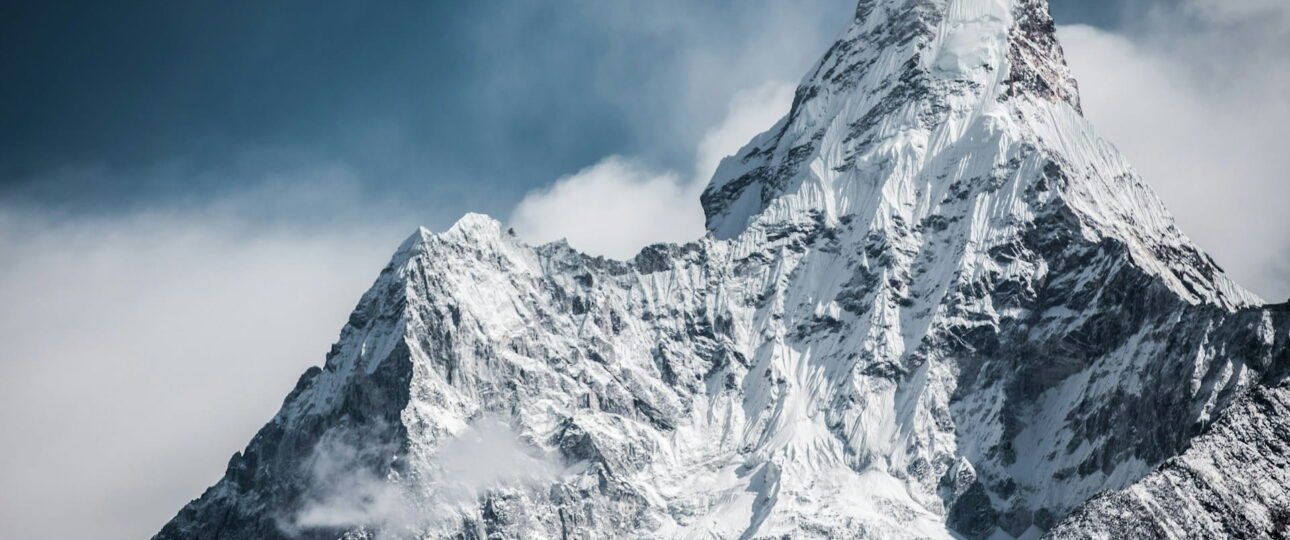
Everest Base Camp sits at 5,364 metres (17,598 feet) above sea level. That number is confirmed, stable, and consistent across every reliable source for 2026 — there has been no official revision to the elevation figure in recent years, and none is expected.
What that number means in practice is less obvious than it appears. This makes EBC one of the highest trekking destinations in the world that can be reached without technical climbing skills. Standing at 5,364 m, you are higher than Mont Blanc (4,808 m), higher than Kilimanjaro’s summit (5,895 m is the peak, but most EBC trekkers have no reference point for African mountains), and higher than any peak in the contiguous United States — the 5,364 metres to feet conversion equals 17,598 feet, significantly higher than any peak in the contiguous United States, where Mount Whitney tops at 14,505 feet.
You are also, at 5,364 m, standing at roughly 60 percent of Everest’s total elevation. The remaining 40 percent — from base camp to summit — is the domain of mountaineers with full expedition infrastructure, supplemental oxygen, and multiple weeks of additional acclimatization. The base camp itself is the ceiling of non-technical Himalayan trekking.
Understanding what that altitude does to your body, and how the trail to base camp is structured to manage that physiological reality, is the most useful thing this guide can provide.
South Base Camp vs. North Base Camp: Which One Is “Everest Base Camp”?
There are two Everest Base Camps, accessed from two different sides of the mountain, and the distinction matters for anyone researching elevation figures — because they are at different altitudes.
When trekkers discuss Everest Base Camp, they are typically referring to the South Base Camp in Nepal, located at 5,364 m (17,598 ft). This is the base camp reached by the standard EBC trek via Lukla, Namche Bazaar, and Gorak Shep. It sits in the Khumbu valley on the Nepal side of the mountain and is the one described in virtually every trekking guide, including this one.
The Everest North Base Camp in Tibet reaches approximately 5,150 metres (16,900 feet) above sea level — 214 metres lower than the Nepal side base camp, though still representing an extreme high-altitude environment. The North Base Camp is accessed from the Tibetan plateau via Shigatse and Tingri, and has been effectively closed to international expeditions since 2020 due to Chinese-Tibetan access restrictions.
For all practical planning purposes in 2026, “Everest Base Camp” means the South Base Camp at 5,364 m, Nepal side.
The Altitude Numbers Along the Full EBC Route
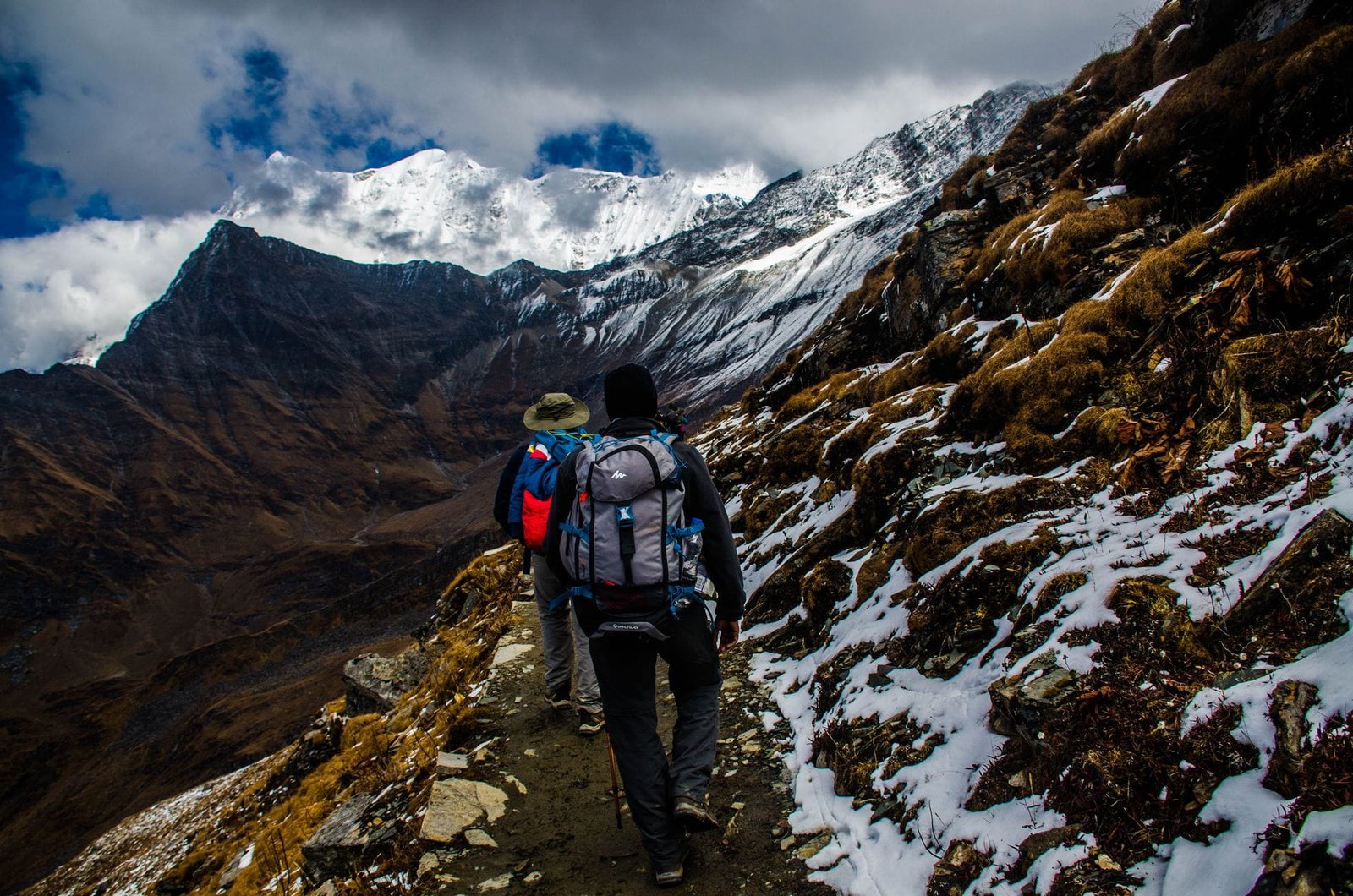
The trek to EBC is a gradual elevation gain across 12-14 days, and understanding the altitude at each key stop helps calibrate the acclimatization schedule.
| Checkpoint | Altitude (metres) | Altitude (feet) |
|---|---|---|
| Kathmandu | 1,400 m | 4,593 ft |
| Lukla (start of trek) | 2,860 m | 9,383 ft |
| Namche Bazaar | 3,440 m | 11,286 ft |
| Hotel Everest View (acclimatization hike) | 3,880 m | 12,730 ft |
| Tengboche | 3,860 m | 12,664 ft |
| Dingboche | 4,410 m | 14,468 ft |
| Nagarjuna Hill (acclimatization hike) | 5,100 m | 16,732 ft |
| Lobuche | 4,910 m | 16,109 ft |
| Gorak Shep | 5,140 m | 16,863 ft |
| Everest Base Camp | 5,364 m | 17,598 ft |
| Kala Patthar | 5,545 m | 18,192 ft |
The Everest Base Camp trek starts from Lukla at 2,860 m and reaches the maximum trekking elevation at Kala Patthar at 5,545 m — a total elevation gain of approximately 2,685 metres (8,810 feet) across the full route.
Note that Kala Patthar, not Everest Base Camp, is the highest point most trekkers reach. Trekkers often hike to Kala Patthar (5,545 metres / 18,192 feet) for a better panoramic view of Mount Everest, as the base camp itself does not offer a full view of the summit. Base camp sits in the valley floor and is surrounded by the Khumbu Icefall above and the moraine below — the mountain views from EBC itself are partially obstructed. Kala Patthar is the open, elevated vantage point where most EBC trekking photographs showing the full Everest profile are actually taken.
What 5,364 Metres Does to Your Body
At 5,364 metres altitude, atmospheric pressure falls to approximately 540 millibars compared to 1,013 millibars at sea level. This reduced pressure means each breath delivers significantly less oxygen to your lungs and bloodstream.
At this altitude, the air contains approximately 50% less oxygen than at sea level. This is the single most important physiological fact about EBC elevation. The oxygen percentage in the air is actually unchanged — it remains approximately 21% of the air at any altitude. What drops is the partial pressure of that oxygen — meaning the force with which oxygen molecules enter the lungs and cross into the bloodstream. At 5,364 m, each breath delivers roughly half the oxygen it would at sea level, regardless of how deeply or rapidly you breathe.
The body’s response to this oxygen reduction is both immediate and longer-term:
- Immediate responses (within hours of arriving at altitude):
Breathing rate increases as the body tries to compensate for reduced oxygen per breath. Heart rate rises. Mild headache is common and expected. Sleep quality decreases significantly — the respiratory changes that manage daytime altitude can produce periodic waking through the night (Cheyne-Stokes breathing), a pattern where breathing briefly stops, prompting the body to wake. - Acclimatization responses (over days and weeks):
The body begins producing additional red blood cells to carry more oxygen per unit of blood. Breathing patterns gradually adjust. Physical performance, while never returning to sea-level baseline at this altitude, improves meaningfully over the first week at a given elevation. - What you feel at EBC specifically:
At this height, even simple actions might feel difficult. Walking, eating, or lacing your boots may make you short of breath. Movements slow down naturally, and rest becomes essential. This is not weakness or inadequate fitness — it is a universal physiological response to 50% oxygen availability that affects every person regardless of athletic background. The trekkers who summit EBC most comfortably are those who respected the acclimatization schedule, not necessarily those who were fittest at sea level.
Altitude Sickness: What It Is, What to Watch For, and When to Descend
Altitude sickness — medically termed Acute Mountain Sickness (AMS) — is the collective term for the symptoms the body produces when ascending faster than it can acclimatize. It is not a sign of weakness, poor fitness, or inadequate preparation. It is a physiological response that can affect any trekker at any fitness level, including those who have been to altitude before.
- AMS symptoms:
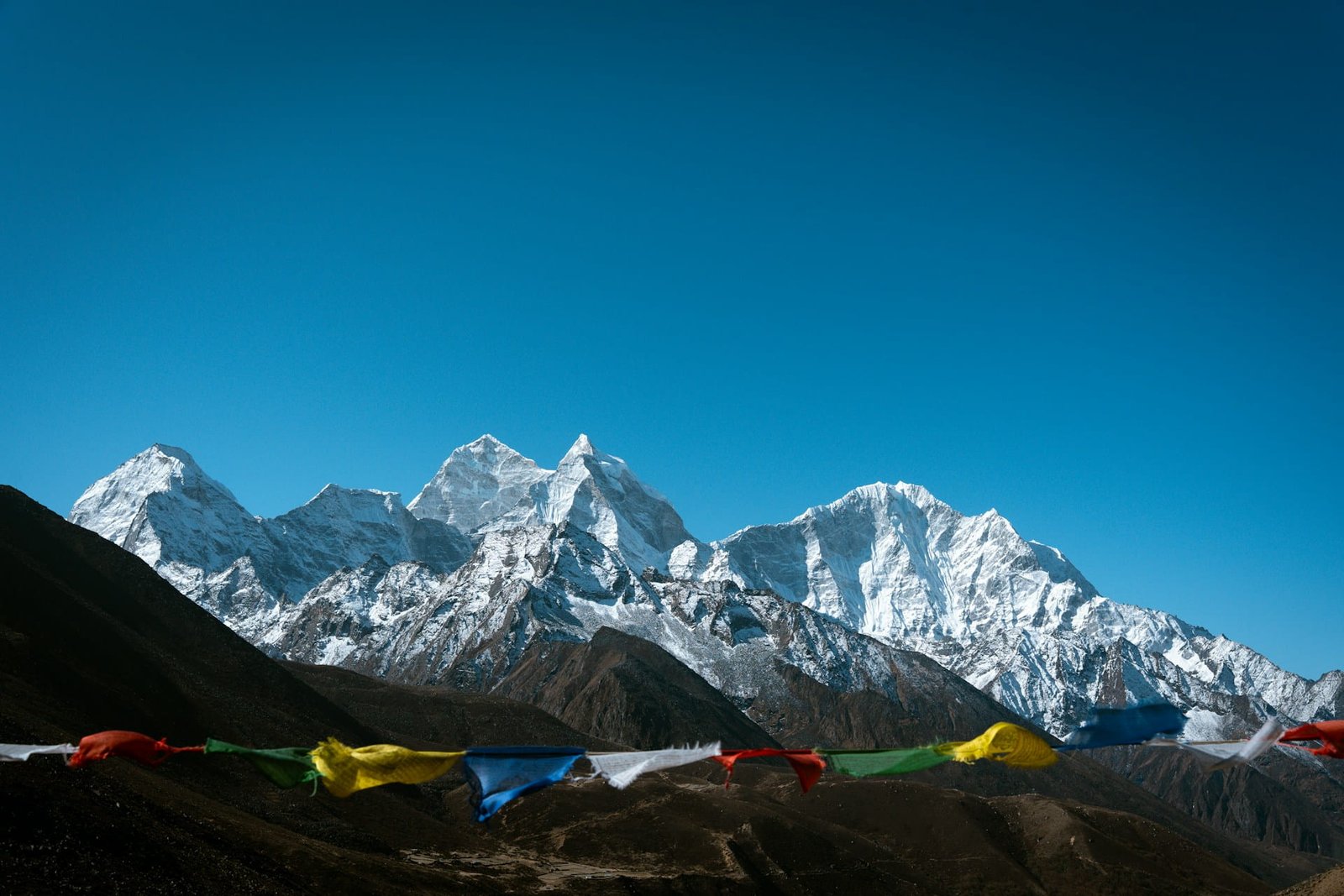
Headache is the primary symptom. It is typically accompanied by one or more of: nausea, fatigue, dizziness, loss of appetite, and difficulty sleeping. Mild AMS is extremely common on the EBC route — most trekkers experience some degree of headache, particularly in the first 24 hours after arriving at Namche Bazaar and again after arriving at Dingboche. - The key diagnostic question: Are your symptoms improving with rest and hydration, or worsening? Mild symptoms that stabilize and improve over 24 hours are typical acclimatization responses. Symptoms that worsen despite rest are AMS that requires action — either pausing ascent at the current altitude until symptoms resolve, or descending.
- High Altitude Cerebral Edema (HACE): The serious form of AMS, involving swelling of the brain. Symptoms: severe and worsening headache unresponsive to ibuprofen, loss of coordination (inability to walk a straight line), confusion, and altered mental state. HACE is a medical emergency. Descend immediately — even 500 m of descent can produce significant improvement. Do not wait for a helicopter if descent is possible.
- High Altitude Pulmonary Edema (HAPE): Fluid in the lungs at altitude, which can be rapidly fatal. Symptoms: breathlessness at rest (not just on exertion), dry cough that progresses to a cough producing pink or frothy sputum, extreme fatigue, blue tinge to lips or fingernails. HAPE is the most common cause of altitude-related death. Descend immediately and activate emergency helicopter evacuation.
- The cardinal rule: never ascend with symptoms of AMS. The golden rule of Himalayan trekking — “climb high, sleep low” — directly reflects this: daytime acclimatization hikes to higher elevations, followed by sleep at a lower altitude, are safer than simply ascending and sleeping higher each day.
The Acclimatization Schedule: How the Standard Route Manages the Altitude
Trekkers generally gain 300-500 metres in sleeping elevation per day once above 3,000 metres. The standard EBC itinerary is structured specifically around this constraint — built-in acclimatization days at Namche Bazaar and Dingboche exist precisely because these are the two points where the rate of altitude gain would otherwise exceed the body’s adaptive capacity.
- Namche Bazaar acclimatization (3,440 m): Most 12-14 day EBC itineraries include two nights in Namche. The acclimatization day involves a hike to a higher elevation — typically to the Hotel Everest View at approximately 3,880 m, gaining 440 m from Namche — before returning to sleep at 3,440 m. This “climb high, sleep low” day produces measurable physiological acclimatization at a cost of a few hours of walking.
- Dingboche acclimatization (4,410 m): A second dedicated acclimatization day, with a hike to the Nagarjuna Hill viewpoint at approximately 5,100 m — nearly the altitude of EBC itself — before returning to sleep at Dingboche. This day is the most important acclimatization investment on the entire trek and is the point at which bodies that have been struggling at altitude reveal themselves most clearly.
The logic of both days is the same: stress the body with higher altitude during the day, when the consequences of that stress are manageable and supervised, then return to the lower sleeping altitude for recovery. The body adapts faster under this pattern than under simple linear ascent.
Everest Base Camp Elevation in Context: How It Compares
One of the most useful ways to internalize what 5,364 m means is to compare it against reference points most people already have.
| Reference Point | Elevation |
|---|---|
| Sea level | 0 m |
| Denver, Colorado (“Mile High City”) | 1,609 m |
| Mont Blanc (highest peak in Alps) | 4,808 m |
| Mount Whitney (highest in contiguous USA) | 4,418 m |
| Everest Base Camp (South, Nepal) | 5,364 m |
| Kala Patthar (highest standard trekking point) | 5,545 m |
| Death Zone threshold | 8,000 m |
| Mount Everest summit | 8,849 m |
EBC sits above every peak in the European Alps, above every peak in the continental United States, and comfortably above the cruising altitude of many small aircraft. It sits 3,485 m below the Everest summit — a vertical distance that requires a full expedition’s worth of additional preparation, acclimatization, and technical climbing ability.
Base camp is genuinely high. It is also genuinely far below the actual summit — a relationship that the numbers make clear but that the experience of standing at base camp makes viscerally real.
Gorak Shep and Kala Patthar: The Elevations Most Trekkers Actually Reach
Gorak Shep at 5,140 m / 16,863 ft is the penultimate village before Base Camp and the overnight stop from which most trekkers make both the EBC walk and the Kala Patthar climb. Understanding Gorak Shep’s role helps clarify the final section of the trek:
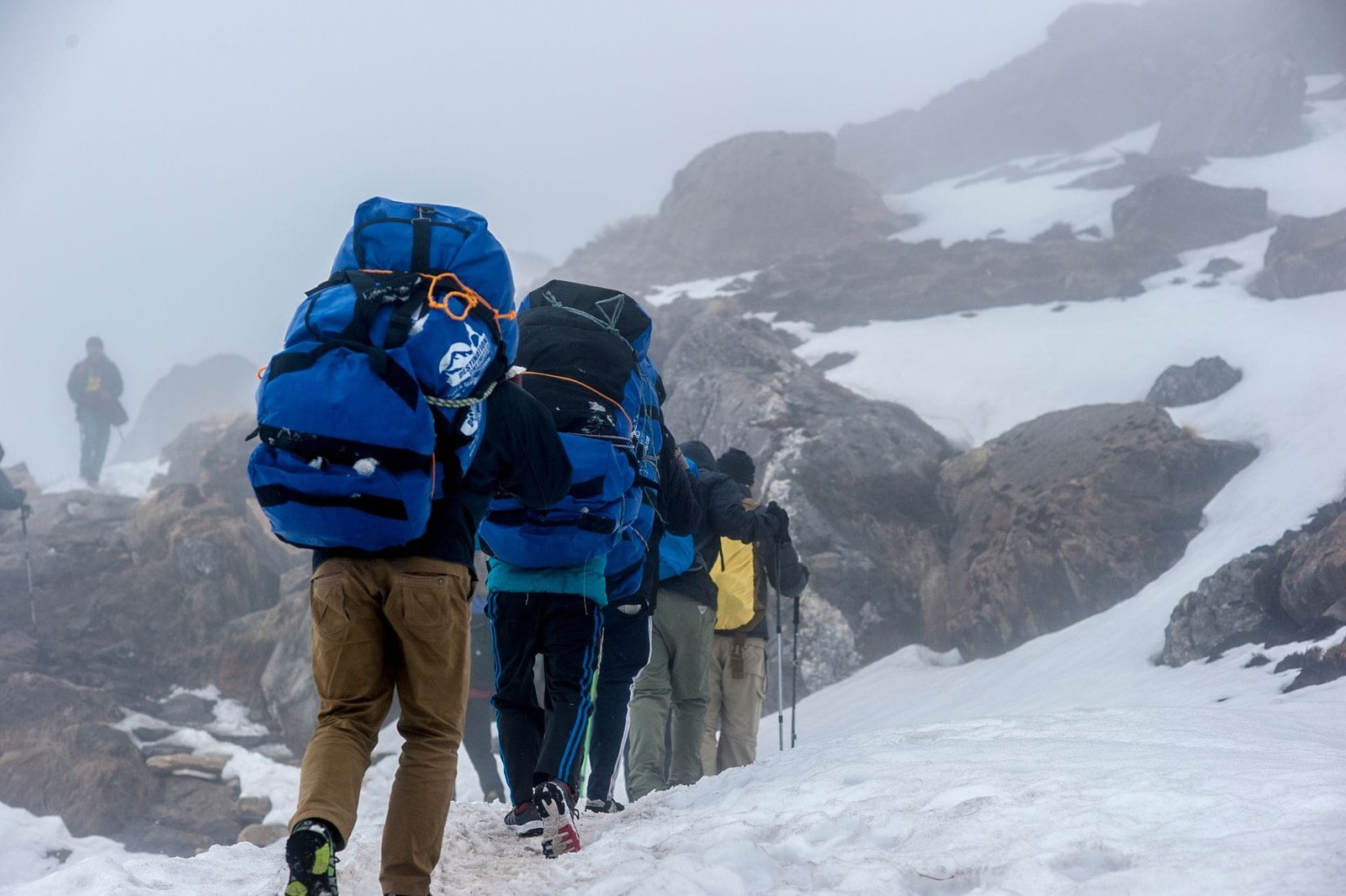
- Most standard itineraries reach Gorak Shep from Lobuche, then walk to Everest Base Camp the same afternoon (a roughly 3-4 hour return walk from Gorak Shep), sleep at Gorak Shep, and climb Kala Patthar early the following morning for sunrise before descending.
- Kala Patthar at 5,545 metres (18,192 feet) offers a better panoramic view of Mount Everest than base camp itself, as the base camp does not offer a full view of the summit. The name means “black rock” in Nepali, referring to the dark rocky summit above the snow line. Most EBC trekkers consider Kala Patthar the visual peak of the experience — the point from which Everest, Lhotse, Nuptse, and the Khumbu icefall are all visible simultaneously in a single panorama.
- The elevation difference between Gorak Shep and Kala Patthar is approximately 405 m. This is not a technical climb but it is a genuine high-altitude effort — gained in roughly 2-3 hours from Gorak Shep at pre-dawn temperatures, at an elevation where even the basic act of climbing produces significant breathlessness.
Helicopter Access to EBC: A Different Altitude Experience
For those who cannot or choose not to trek, helicopter tours offer direct access to the EBC area and to Kala Patthar. A helicopter tour will fly you to Kala Patthar at 5,545 m (18,192 ft) for a breathtaking experience.
The important physiological note about helicopter access: flying directly to 5,000+ m with no prior acclimatization carries real altitude sickness risk. The body that stepped off a flight in Kathmandu that morning and arrives at Kala Patthar within a few hours has had no time to begin the acclimatization process. Helicopter tours to EBC and Kala Patthar typically spend only 30-60 minutes at altitude before returning to lower elevation — most people tolerate this duration without serious AMS, particularly if they don’t exert themselves. Longer stays without prior acclimatization would carry higher risk.
Helicopter EBC tours are available from Kathmandu and Pokhara through multiple operators, typically including a landing at Syangboche or the EBC area with time for photography before returning. They are a genuine option for travelers with limited mobility, severe time constraints, or those who want a view of the base camp environment without the 12-14 day commitment.
Frequently Asked Questions about Everest Base Camp Elevation
- How high is Everest Base Camp?
Everest Base Camp (South, Nepal side) sits at exactly 5,364 metres (17,598 feet) above sea level. This figure is confirmed and stable for 2026. - Is there a North Base Camp? How high is it?
Yes. The Everest North Base Camp in Tibet sits at approximately 5,150 metres (16,900 feet) — 214 metres lower than the South Base Camp. It has been closed to international expeditions since 2020. - How much oxygen is available at EBC?
The oxygen level at Everest Base Camp drops to approximately 50% of sea level concentration, with atmospheric pressure at about 540 millibars compared to 1,013 millibars at sea level. - Is Kala Patthar higher than Everest Base Camp?
Yes. Kala Patthar sits at 5,545 metres (18,192 feet) — 181 metres higher than EBC. Most trekkers visit both on the same day or consecutive days from Gorak Shep. - What percentage of Everest’s elevation is base camp?
Base camp represents approximately 60% of Everest’s total elevation of 8,849 metres. The remaining 3,485 m from base camp to summit is the mountaineering zone requiring full expedition infrastructure and supplemental oxygen. - How high is the death zone?
The death zone begins at 8,000 m — the altitude above which the human body cannot acclimatize and can only deteriorate. EBC at 5,364 m is 2,636 m below the death zone threshold. - How long does it take to acclimatize to EBC altitude?
The standard 12-14 day trekking itinerary is structured to provide adequate acclimatization through two dedicated rest-and-hike days at Namche Bazaar (3,440 m) and Dingboche (4,410 m). Individual responses vary — some trekkers acclimatize faster, others need additional rest days. The consistent guidance across all sources: trekkers generally gain 300-500 metres in sleeping elevation per day once above 3,000 metres. - Can fit people skip acclimatization days?
No. Fitness does not reduce altitude sickness risk. These shifts affect all trekkers, no matter their experience or fitness level. Cardiovascular fitness helps you manage the physical effort of trekking, but it does not accelerate the body’s production of additional red blood cells or speed up the physiological adaptation to reduced oxygen partial pressure. - What’s the difference in effort between walking at EBC’s elevation versus a lower Himalayan viewpoint?
At 5,364 m, each breath delivers roughly half the oxygen it would at sea level, making even slow, flat walking noticeably more effortful than the same distance at lower-altitude viewpoints like Nagarkot (2,175 m) or Poon Hill (3,210 m). This is why EBC daily itineraries budget significantly more time per kilometer than lower-altitude treks, even though the trail gradient itself isn’t always steeper. - Does elevation at EBC vary by season or measurement method?
No — 5,364 m is a fixed geographic elevation and doesn’t fluctuate with season, unlike some glacier or snow-surface measurements elsewhere that can shift with accumulation or melt. Minor figure variations across older sources (5,300-5,380 m) generally reflect different historical survey methods rather than any actual change in the site’s elevation. - How does EBC’s elevation compare to famous non-Himalayan peaks?
At 5,364 m, EBC sits higher than the summit of Mont Blanc (4,809 m) and Kilimanjaro’s Uhuru Peak is close but still lower at 5,895 m being higher — so EBC is comparable to, and just below, Africa’s highest point despite technically being a base camp rather than any mountain’s summit. This comparison is often used to give trekkers without Himalayan experience a tangible reference for how serious the altitude actually is. - What symptoms should trekkers watch for as they approach EBC’s elevation?
Headache, fatigue, reduced appetite, and mild nausea are common and expected even in well-acclimatized trekkers at this altitude, while worsening headache unrelieved by rest, loss of coordination, confusion, or breathlessness at rest are warning signs requiring immediate descent. The distinction between “expected discomfort” and “dangerous symptom” is one of the most important things a guide monitors daily on the approach to Base Camp. - Why do some itineraries include an extra night at Dingboche or Lobuche before continuing to Gorak Shep?
An additional night at these way-points gives the body more time to adjust before the final push to Base Camp and Kala Patthar, both of which sit close to or above 5,400 m, especially for trekkers showing mild symptoms during the standard rest days. It’s a flexible buffer many agencies build in specifically to reduce risk on the highest, most demanding two days of the trek. - Does sleeping at Gorak Shep count as sleeping higher than Base Camp itself?
No — Gorak Shep (5,140-5,185 m) is actually slightly lower than Base Camp (5,364 m), which is part of why itineraries have trekkers sleep at Gorak Shep and visit Base Camp as a day trip rather than sleeping there. This keeps the sleeping elevation lower on the highest days, consistent with the “climb high, sleep low” principle even during the final push. - Is there a way to simulate EBC’s altitude and oxygen levels before the trek?
Some trekkers use altitude tents or hypoxic training masks to pre-acclimatize before departure, though the evidence for how effectively these fully replicate real high-altitude adaptation is mixed, and they’re considered a supplementary tool rather than a substitute for the trek’s built-in acclimatization schedule. Spending time at any genuine high-altitude location beforehand, even a lower one, offers more reliable acclimatization benefit than artificial simulation methods.
Conclusion on Everest Base Camp Elevation
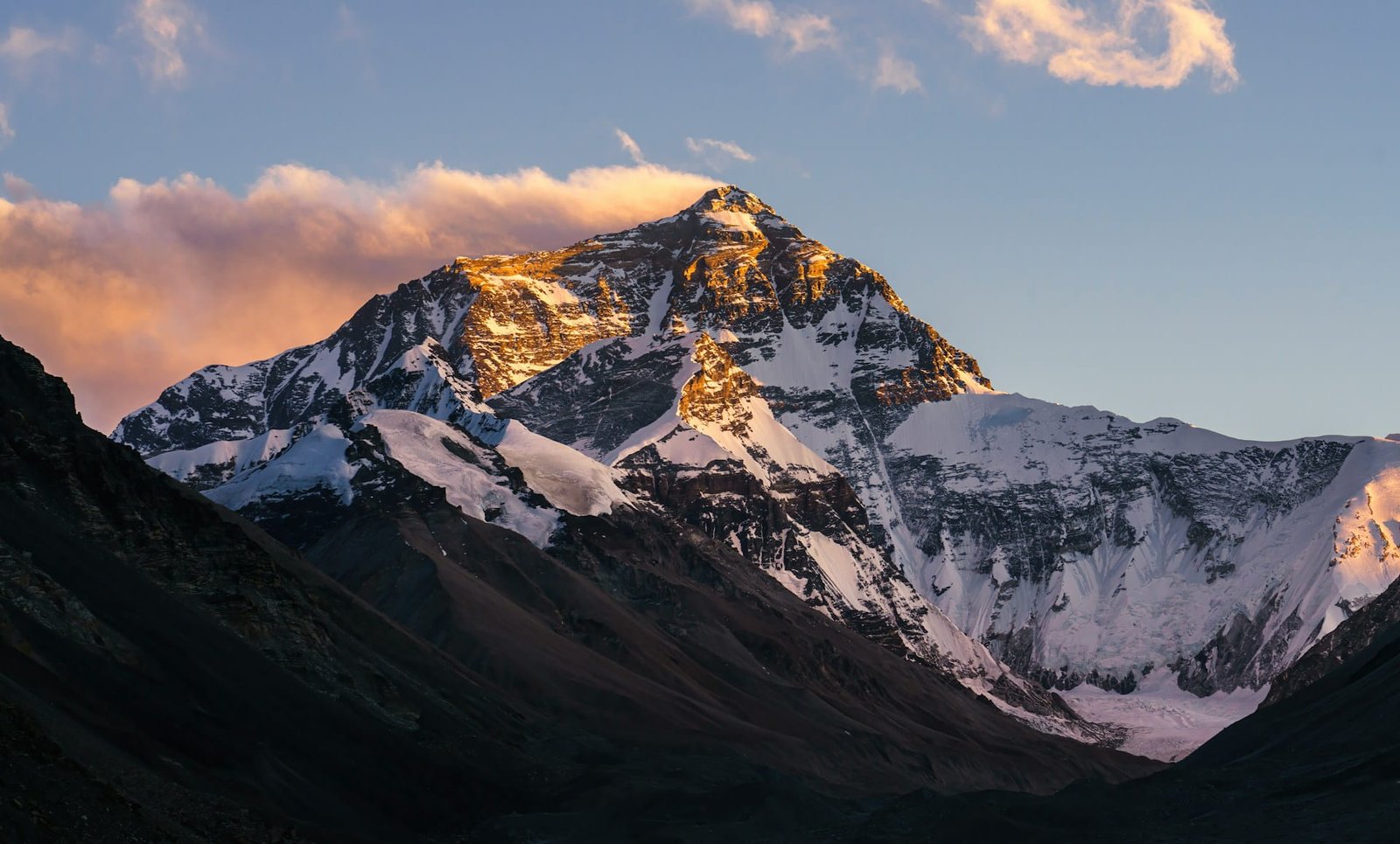
The elevation figure — 5,364 metres, 17,598 feet — is the fact most people search for and the easiest part of understanding Everest Base Camp’s altitude. The harder and more useful understanding is what that number does physiologically: it halves the effective oxygen available per breath, forces the body into a weeks-long adaptation process, and turns simple actions like tying a bootlace into a briefly breathless effort.
The standard 12-14 day Everest Base Camp trek is structured precisely around managing that adaptation at a pace the body can handle — the acclimatization days at Namche and Dingboche are not tourist padding, they are physiological investments that determine whether you reach base camp or turn back short of it.
At 5,364 m, you are standing at the highest point accessible without technical mountaineering equipment on the world’s tallest mountain. The 3,485 m between base camp and the summit remains one of the most demanding vertical stretches on earth, accomplished only by fully equipped expedition teams. That context — knowing exactly where base camp sits in the full vertical story of Everest — makes arriving there feel like what it is: a genuine, earned achievement at the edge of what normal trekking can reach.