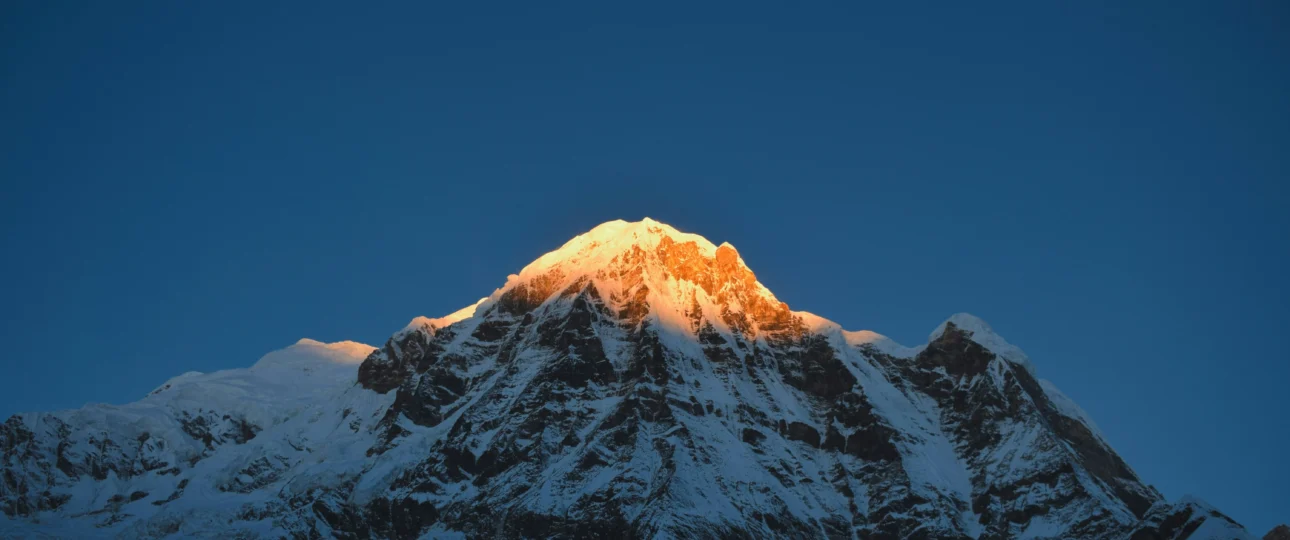
Planning an Annapurna Base Camp trek and wondering how much you actually need to spend?
For most international trekkers, a realistic Annapurna Base Camp trek cost in 2026 is around USD 700–1,500 per person for the Nepal trekking portion, depending on group size, trek duration, transportation, guide and porter arrangements, accommodation, food, season, and the level of comfort you choose.
A carefully planned budget trek can cost less, while a private, more comfortable or customized experience can exceed USD 1,500.
The important part is that the advertised package price is not necessarily your final trip cost.
Some packages include permits, meals, accommodation, transportation, guide and porter services. Others advertise a low starting price but leave out several expenses that you will eventually have to pay yourself.
This guide explains where your money actually goes, what you should budget for, which expenses are commonly overlooked, and how to compare Annapurna Base Camp trekking packages without choosing the cheapest offer blindly.
Quick answer: For a comfortable, well-organized ABC trek, a practical planning budget is approximately USD 900–1,300 per person, excluding international flights and personal shopping. Budget-conscious trekkers may spend less, while private or premium trips can cost considerably more.
Annapurna Base Camp Trek Cost at a Glance
Your total cost depends heavily on how you travel.
| Trekking style | Realistic 2026 budget per person | Best for |
|---|---|---|
| Budget / basic guided trek | USD 700–900 | Backpackers and cost-conscious trekkers |
| Standard guided trek | USD 900–1,300 | Most first-time ABC trekkers |
| Private / comfort trek | USD 1,300–1,800+ | Couples, families and travelers wanting flexibility |
| Premium customized trek | USD 1,800+ | Private transport, upgraded services and customized itineraries |
These are planning ranges rather than fixed government prices. The final quotation changes according to itinerary, group size, inclusions, season and service level.
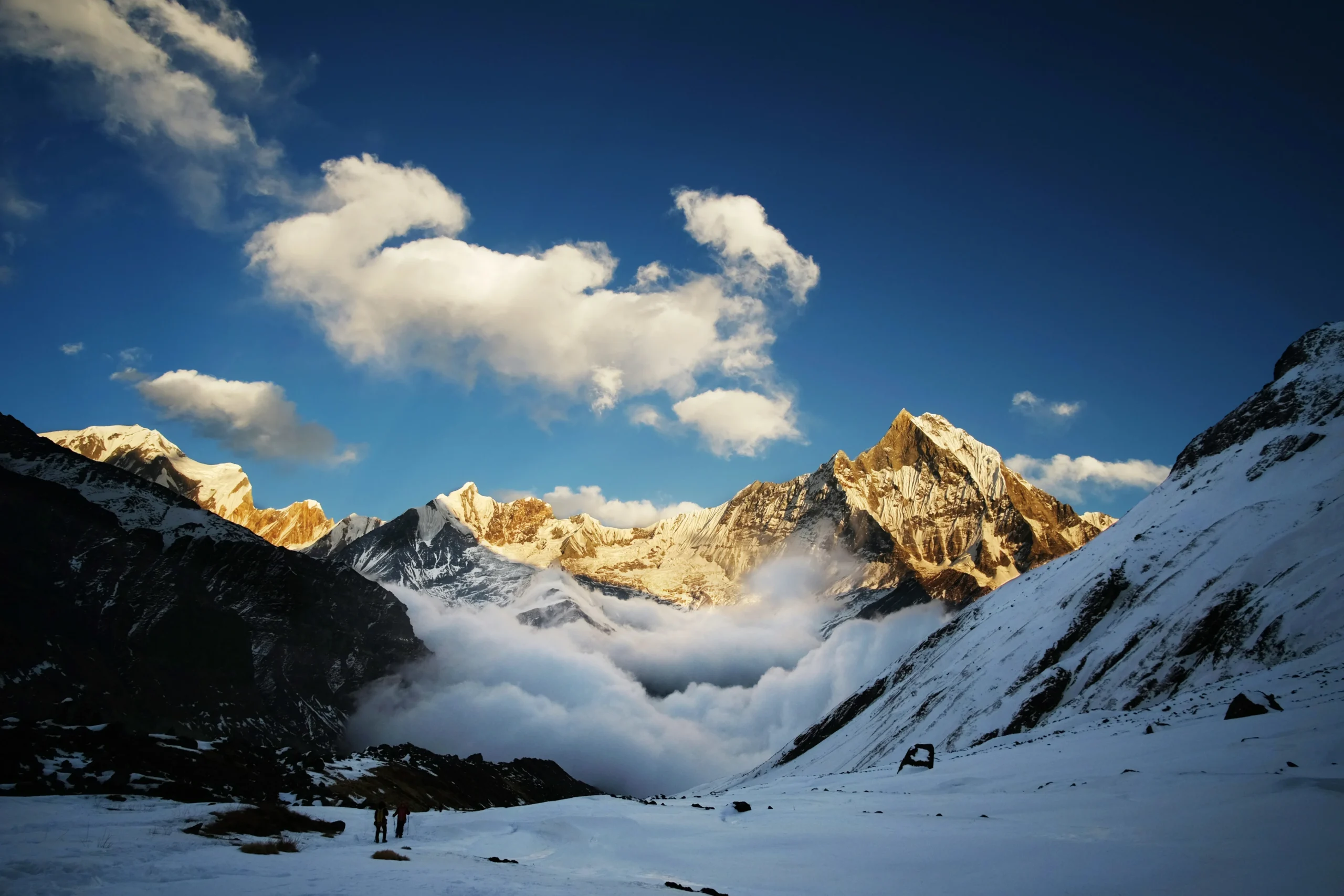
The Annapurna Base Camp route reaches 4,130 meters (13,550 feet) and normally involves several days of walking through the Annapurna Conservation Area. That means your budget needs to account for more than just the trekking package itself.
What Is Included in the Annapurna Base Camp Trek Cost?
Before comparing prices from trekking companies, check exactly what the quotation covers.
A standard organized ABC trekking package may include:
- Airport or hotel transfers, depending on the package
- Transportation between Kathmandu and Pokhara, if applicable
- Transportation between Pokhara and the trailhead
- Annapurna Conservation Area entry permit
- TIMS arrangements where applicable
- Licensed trekking guide
- Porter service, if included
- Teahouse accommodation during the trek
- Breakfast, lunch and dinner during trekking days
- Guide and porter accommodation and meals
- Government taxes
- Company service charges
- Basic trekking logistics
- Trekking route coordination
However, not every company includes all of these items.
That is why two packages priced at USD 800 and USD 1,100 may not actually be comparable.
One may include a private vehicle, porter, meals and permits. The other may include only accommodation, guide and basic transport.
What is commonly excluded?
You may need to pay separately for:
- International airfare
- Nepal tourist visa
- Travel insurance
- Helicopter evacuation
- Personal trekking equipment
- Personal snacks and drinks
- Hot showers
- Wi-Fi
- Device charging
- Laundry
- Extra accommodation in Kathmandu or Pokhara
- Tips for guides and porters
- Personal expenses
- Unscheduled transportation
- Extra nights caused by itinerary changes
- Optional helicopter flights
The safest approach is to ask for an itemized inclusion and exclusion list before booking.
Annapurna Base Camp Trek Cost Breakdown
The easiest way to understand your budget is to divide it into individual expenses.
1. Annapurna Conservation Area Permit
The Annapurna Base Camp route lies within the Annapurna Conservation Area.
The Nepal Tourism Board currently lists the entrance fee for foreign visitors to the Annapurna Conservation Area at NPR 2,000 per person per entry. SAARC nationals have a different fee structure.
Your trekking company will normally arrange this as part of an organized trek.
If you are comparing packages, check whether the ACAP fee is already included rather than assuming it is.
2. TIMS Card: Check the Current Rule Before You Pay
TIMS is one of the most confusing parts of current Annapurna trekking information because requirements have changed and different websites continue to publish conflicting information.
The Nepal Tourism Board’s current TIMS guidance states that a trekking guide and agency-issued TIMS card are mandatory on specific listed routes. The current list includes Poon Hill–ABC Trek, while the page does not list every version of a standalone ABC itinerary in the same way. The published TIMS charge for non-SAARC applicants is NPR 2,000, while SAARC applicants pay NPR 1,000.
This matters because many older articles still claim that TIMS is universally required for every Annapurna Base Camp itinerary, while others claim it is no longer required at all.
Do not build your 2026 budget around an old blog post. Confirm the requirement for your exact itinerary with your registered trekking agency before departure.
This is also one reason a professional trekking company can make the planning process easier: the operator handles current permit requirements rather than asking travelers to interpret conflicting online information.
3. Guide Cost
A guide is one of the most important parts of an ABC trek—not simply another line on the invoice.
A professional guide handles much more than navigation.
A good guide can help with:
- Route decisions
- Weather changes
- Lodge arrangements
- Pace management
- Altitude awareness
- Communication with local lodge owners
- Trail logistics
- Emergency coordination
- Cultural interpretation
- Transportation changes
- Day-to-day itinerary adjustments
Guide costs vary according to experience, duration, group size, language skills and whether the guide is employed directly by the trekking company.
When comparing prices, ask:
Is the guide’s salary, food, accommodation, insurance and transportation included?
A cheap headline price can become less attractive when these items are added later.
4. Porter Cost
A porter can make a major difference to your trekking experience.
Instead of carrying a large backpack for several hours every day, you can carry only your daypack with water, clothing, camera equipment and essential personal items.
Porter arrangements differ between operators. Many trekking companies use a shared porter system, with one porter carrying the luggage of two trekkers.
When booking, ask exactly:
- How many trekkers share one porter?
- What luggage weight is allowed?
- Does the porter have insurance?
- Are meals and accommodation included?
- What happens if the porter becomes unavailable?
- Does the company follow responsible porter welfare practices?
Do not evaluate a porter solely by the lowest daily wage quoted.
The quality of employment conditions is part of responsible trekking.
5. Teahouse Accommodation
Accommodation on the Annapurna Base Camp trail is generally based around locally operated teahouses and mountain lodges.
You should expect a much simpler experience than a city hotel.
Typical accommodation includes:
- Twin-sharing rooms
- Beds and basic bedding
- Shared bathrooms in many locations
- Dining rooms
- Hot meals
- Charging facilities at additional cost in some lodges
- Hot showers at additional cost
- Wi-Fi at some lodges
Prices tend to increase as you travel higher because transporting food, fuel and supplies into remote mountain settlements becomes more difficult.
The room itself is therefore not necessarily the biggest expense.
Food, drinks, hot showers, charging and connectivity can add significantly to your daily spending.
6. Food Cost on the ABC Trek
Food is another category where travelers frequently underestimate their spending.
A typical trekking day includes:
- Breakfast
- Lunch
- Dinner
- Tea or coffee
- Drinking water
- Occasional snacks
Dal bhat is one of the most practical meals on the trail because it provides carbohydrates, lentils and vegetables and is widely available.
Other common choices include:
- Tibetan bread
- Eggs
- Pancakes
- Porridge
- Noodles
- Pasta
- Fried rice
- Momos
- Soups
- Potatoes
- Sandwiches
Food becomes progressively more expensive at higher elevations.
The reason is straightforward: supplies have to reach mountain settlements through difficult terrain and transportation networks.
A useful budgeting rule
If meals are not included in your package, maintain a daily food-and-drink allowance rather than calculating only the cost of three meals.
Your actual spending can increase through:
- Tea
- Coffee
- Hot chocolate
- Snacks
- Soft drinks
- Energy drinks
- Extra portions
- Bottled water
- Boiled water
- Desserts
This is particularly important on longer itineraries.
7. Drinking Water
Water is an easy expense to underestimate.
Buying bottled water every day can become expensive and creates unnecessary plastic waste.
A more practical approach is to carry reusable bottles and use a suitable purification method.
Depending on the lodge and location, you may encounter:
- Filtered water
- Boiled water
- Refill stations
- Lodge tap water requiring purification
- Bottled water
Always confirm the source and treatment method before drinking untreated water.
For budget planning, remember that higher-altitude water costs can be noticeably greater than water purchased in Pokhara or Kathmandu.
8. Transportation Costs
Transportation can make a significant difference to the final Annapurna Base Camp trek price.
Most trekkers first reach Pokhara, the main gateway to the Annapurna region. The Nepal Tourism Board identifies Pokhara as the principal access point for Annapurna trekking.
From Pokhara, the trek requires road transportation to the selected trailhead.
Depending on your itinerary, you may use:
- Public/local bus
- Shared jeep
- Private jeep
- Tourist bus
- Domestic flight between Kathmandu and Pokhara
- Private vehicle between Kathmandu and Pokhara
Which option saves the most money?
Local transportation is generally the cheapest.
A private vehicle costs more but can provide:
- Flexible departure time
- Faster transfers
- Less waiting
- Greater comfort
- Direct access to the selected trailhead
If you are traveling as a group, splitting a private jeep can sometimes make the difference smaller on a per-person basis.
9. Kathmandu and Pokhara Accommodation
Your trekking package may begin in Kathmandu, Pokhara or directly at the trailhead.
Do not assume that pre- and post-trek accommodation is included.
You may need to budget separately for:
- Kathmandu hotel
- Pokhara hotel
- Airport transfers
- Meals before and after the trek
- Additional nights caused by travel changes
If your international flight schedule is tight, leaving no buffer day can create unnecessary stress.
A practical itinerary should allow some flexibility around the trek.
10. Travel Insurance
Travel insurance should not be treated as an optional luxury for a high-altitude trekking trip.
Choose a policy that explicitly covers trekking at the maximum elevation of your itinerary and provides appropriate emergency and evacuation coverage.
Do not assume that a normal travel insurance policy automatically covers high-altitude trekking.
Before purchasing, check:
- Maximum covered trekking altitude
- Emergency medical expenses
- Helicopter evacuation
- Hospital treatment
- Trip cancellation
- Trip interruption
- Search and rescue provisions
- Relevant activity exclusions
The cheapest insurance policy is not necessarily the best-value policy.
11. Trekking Gear
If you already own suitable trekking equipment, your additional cost may be relatively small.
If you are starting from zero, however, gear can become one of the largest hidden expenses.
Common equipment includes:
- Hiking boots
- Trekking socks
- Base layers
- Fleece
- Insulated jacket
- Waterproof jacket
- Trekking trousers
- Gloves
- Warm hat
- Sun hat
- Sunglasses
- Backpack
- Sleeping bag
- Headlamp
- Water bottles
- Trekking poles
- Sunscreen
- Personal medication
- First-aid essentials
You do not necessarily need to purchase every item.
Many trekkers rent or borrow certain equipment, particularly sleeping bags, down jackets and trekking poles.
12. Tips for Guides and Porters
Tipping is not normally the same thing as a compulsory service fee, but it is an important part of trekking culture.
Your guide and porter may be working long days in difficult conditions, and good service is commonly recognized with a tip at the end of the trek.
The amount should reflect:
- Service quality
- Trek duration
- Group size
- Your satisfaction
- The number of staff involved
Ask your trekking company for current tipping guidance before the trip rather than relying on an old percentage copied from another website.
The Real Cost of a 10–12 Day Annapurna Base Camp Trek
Consider a traveler choosing a standard guided experience.
A practical budget might look like this:
| Expense | Typical planning category |
|---|---|
| ACAP / required permits | Fixed or near-fixed government fees |
| Guide | Depends on duration and service |
| Porter | Depends on arrangement |
| Teahouse accommodation | Depends on nights and room standard |
| Food | Depends on whether full board is included |
| Ground transportation | Depends on public/shared/private transport |
| Kathmandu/Pokhara hotels | Personal choice |
| Insurance | Policy dependent |
| Gear | Existing gear vs. rental/purchase |
| Personal spending | Individual |
| Tips | Individual |
| Emergency reserve | Strongly recommended |
The key lesson is simple:
Do not ask only, “How much is the Annapurna Base Camp trek?”
Ask:
“How much will I spend from the day I leave my hotel in Nepal until I return—and what exactly is included in the quoted price?”
That question gives you a much more useful answer.
Why Annapurna Base Camp Trek Prices Vary So Much
If you compare five trekking companies, you may find prices that differ by hundreds of dollars.
That does not automatically mean the expensive company is overcharging or the cheap company is a bargain.
The difference may come from:
Group size
A private trek for one person costs considerably more per person than a group departure because guide, vehicle and operational costs are shared differently.
Duration
Every additional trekking day can increase:
- Guide cost
- Porter cost
- Food
- Accommodation
- Transportation
- Personal expenses
Transportation
A local bus and private 4WD are not equivalent services.
Accommodation
Basic teahouse accommodation and upgraded accommodation have different costs.
Service level
A package with dedicated support, experienced guides, better logistics and private transportation naturally costs more.
Season
Peak trekking seasons can increase demand for transport and accommodation.
The Nepal Tourism Board identifies March–May and September–November as key trekking seasons for the Annapurna region.
Group composition
A couple, solo traveler and group of ten may receive very different per-person pricing.
Budget Trek vs Standard Trek vs Private Trek
| Feature | Budget | Standard | Private / Comfort |
|---|---|---|---|
| Guide | Usually included | Included | Dedicated |
| Porter | May be shared | Commonly included | Flexible |
| Transport | Local/shared | Shared or comfortable | Private possible |
| Accommodation | Basic | Standard teahouses | Better available options |
| Meals | Basic/full board depending package | Usually included | Flexible |
| Flexibility | Limited | Moderate | High |
| Best for | Lowest cost | Most trekkers | Comfort & privacy |
| Approx. budget | $700–900 | $900–1,300 | $1,300–1,800+ |
These are planning categories, not fixed market tariffs.
How to Compare Annapurna Base Camp Trek Packages Properly
Never compare companies based only on the number at the top of the webpage.
Instead, put the quotations side by side.
Check these 15 items:
| Question | Why it matters |
|---|---|
| Is the guide included? | Prevents unexpected daily charges |
| Is the porter included? | Porter costs can materially change the total |
| How many trekkers share one porter? | Determines luggage support |
| Are permits included? | Avoids duplicate charges |
| Are meals included? | Can change your daily budget significantly |
| Is accommodation included? | Confirm number of nights |
| What transport is included? | Bus and private jeep are very different |
| Are Kathmandu hotels included? | Often excluded |
| Are Pokhara hotels included? | Often excluded |
| Is insurance included? | Usually not |
| Are guide/porter expenses covered? | Check meals, lodging and transport |
| Are government taxes included? | Avoid surprise charges |
| What is excluded? | Essential for real comparison |
| Is there an emergency plan? | Important in the mountains |
| Is the company legally registered? | Important trust signal |
A transparent quotation should make these details easy to understand.
How to Save Money Without Ruining the Trek
Saving money does not mean choosing the cheapest possible package.
The best savings usually come from eliminating unnecessary costs.
1. Travel with a small group
Sharing guide, transportation and operational costs can reduce the per-person price.
2. Use shared transportation
If comfort is not your priority, local or shared transportation can significantly reduce costs.
3. Rent expensive gear
You may not need to purchase equipment that you will rarely use again.
4. Carry reusable water bottles
This can reduce both water expenses and plastic waste.
5. Avoid unnecessary luxury upgrades
A comfortable teahouse is often enough. You do not need premium accommodation for the entire journey.
6. Choose the right itinerary length
A shorter route can reduce accommodation, food, guide and transportation expenses—but do not shorten the trek at the expense of a sensible walking schedule.
7. Compare inclusions, not prices
A USD 750 package with many exclusions may ultimately cost more than a USD 950 package with comprehensive inclusions.
Where You Should NOT Try to Save Money
There are some expenses where aggressive cost-cutting can be a false economy.
Do not compromise on travel insurance.
Do not choose an inexperienced guide simply because the price is lower.
Do not ignore altitude, weather or emergency planning.
Do not overload porters to reduce staffing costs.
Do not buy suspiciously cheap equipment that can fail in cold or wet conditions.
Do not select a trekking operator solely because its website has the lowest advertised price.
The goal should be good value, not the lowest invoice.
Is the Annapurna Base Camp Trek Worth the Cost?
For many trekkers, yes.
The value of ABC comes from the amount of Himalayan scenery and cultural variety experienced within a relatively manageable trekking journey.
The route moves through changing landscapes, including agricultural villages, forests, rhododendron areas and high alpine terrain before reaching the Annapurna Sanctuary.
The Annapurna Conservation Area itself covers a vast region across central Nepal and includes diverse ecosystems and communities.
At the destination, Annapurna Base Camp sits at 4,130 meters, surrounded by major Himalayan peaks including Annapurna I and Machhapuchhre.
The experience is not simply about reaching a number on an elevation sign.
It is the combination of:
- Mountain scenery
- Gurung and other local cultures
- Forests
- Villages
- Terraced landscapes
- Suspension bridges
- Rivers and waterfalls
- Alpine terrain
- Sunrise and sunset views
- Hot springs around Jhinu Danda
- The dramatic Annapurna Sanctuary
That combination is what makes the trek valuable.
What Makes a Good Annapurna Base Camp Trek Company?
Price is only one part of the decision.
When choosing an operator such as Wonder Hikes Nepal, look beyond the advertised package price.
A trustworthy trekking company should be able to explain:
- Exactly what your package includes
- Exactly what it excludes
- Who your guide will be
- How the guide is selected
- How porter welfare is handled
- What happens during bad weather
- How itinerary changes are managed
- What emergency support is available
- Which permits are required for your exact route
- What happens if you need to stop the trek early
- How transportation is organized
- Whether the itinerary can be customized
The strongest trekking operators do not need to hide behind an artificially low headline price.
Transparency is itself a quality signal.
Why the Cheapest Annapurna Base Camp Package May Not Be the Cheapest Trip
Imagine three packages:
Company A: USD 700
Company B: USD 950
Company C: USD 1,200
At first glance, Company A appears to be the obvious choice.
But then you discover:
- Meals are excluded.
- Porter service is extra.
- Some transportation is excluded.
- Extra hotel nights are not included.
- Permits are additional.
- The advertised price applies only to a large group.
- Private transportation costs extra.
Suddenly the USD 700 package may be much closer to—or even more expensive than—the USD 950 package.
This is why experienced trekkers compare total trip value, not promotional prices.
The Best Budget for First-Time ABC Trekkers
If this is your first Himalayan trek, a sensible target is not the absolute minimum.
For most travelers, a USD 900–1,300 trekking budget gives enough room for a properly organized standard experience without automatically moving into luxury pricing.
You should also keep a separate emergency and personal-expense reserve.
That reserve can cover:
- Extra meals
- Drinks
- Additional accommodation
- Transportation changes
- Gear rental
- Weather-related delays
- Medical expenses not covered by insurance
- Communication costs
- Tips
Having money left at the end of the trek is better than discovering halfway through the mountains that your budget was too tight.
What Is the Cheapest Way to Do Annapurna Base Camp?
The cheapest practical approach is usually to:
- Travel during a less busy period when appropriate for your risk tolerance and conditions.
- Join a group rather than trekking privately.
- Use shared/local transportation.
- Stay in standard teahouses.
- Carry reusable bottles and purification equipment.
- Rent rather than purchase occasional-use equipment.
- Avoid unnecessary premium services.
- Compare all-inclusive prices carefully.
- Carry a realistic personal spending reserve.
- Use a reputable registered trekking operator.
But remember:
Cheap should mean efficient—not unsafe.
What Is the Average Daily Cost on the ABC Trek?
There is no single universal daily figure because many organized packages include food, accommodation, guide and transportation.
For independent or partially independent budgeting, your daily spending may include:
- Accommodation
- Three meals
- Drinks
- Water
- Charging
- Wi-Fi
- Showers
- Snacks
Costs generally rise as you climb higher.
Therefore, using one flat daily rate for every village is less accurate than dividing the trek into lower-, middle- and high-altitude sections.
If your package is full board, however, your personal daily spending can be much lower because the largest recurring expenses are already covered.
How Much Cash Should You Carry for ABC?
Do not rely exclusively on cards or mobile payment systems in remote mountain villages.
Carry enough Nepalese rupees for personal expenses and a reasonable emergency reserve.
You may need cash for:
- Drinks
- Snacks
- Hot showers
- Charging
- Wi-Fi
- Additional meals
- Tips
- Small purchases
- Unexpected transport
The exact amount depends on what your trekking package includes.
A good strategy is to calculate your expected daily personal spending and then add a buffer rather than carrying only the exact amount.
Is Annapurna Base Camp More Affordable Than Everest Base Camp?
Generally, ABC can be more budget-friendly because the route is shorter and its logistics are less dependent on expensive high-altitude air access.
The Annapurna region is also readily accessed from Pokhara, whereas Everest Base Camp itineraries commonly involve additional flight logistics and longer trekking durations.
However, comparing only the advertised package price can be misleading.
Compare:
- Duration
- Transportation
- Permits
- Guide
- Porter
- Food
- Accommodation
- Insurance
- Personal spending
Then compare the total.
Frequently Asked Questions About Annapurna Base Camp Trek Cost
1. How much does the Annapurna Base Camp trek cost in 2026?
A realistic trekking budget for international travelers is approximately USD 700–1,500 per person, depending on group size, itinerary, transportation and service level. A standard guided trek commonly falls around USD 900–1,300.
2. What is the cheapest Annapurna Base Camp trek cost?
A basic organized trek can sometimes be found below USD 700, particularly for group departures or shorter itineraries. However, always check inclusions before assuming the advertised price is your final cost.
3. Is the Annapurna Base Camp trek expensive?
Compared with many international high-altitude trekking destinations, ABC can be relatively affordable. The cost becomes significantly higher when you choose private transportation, private guiding, premium accommodation or additional services.
4. Does the ABC trek price include food?
Many full-board trekking packages include breakfast, lunch and dinner during trekking days. Budget or accommodation-only packages may not. Always confirm this in writing.
5. Is a guide required for Annapurna Base Camp?
The current Nepal Tourism Board guidance specifies mandatory guide and agency-issued TIMS requirements for certain Annapurna routes, including the Poon Hill–ABC route. Requirements can differ according to the exact itinerary, so confirm the current rule for your route before departure.
6. Do I need a TIMS card for Annapurna Base Camp?
Do not rely on older articles for this answer. Current official guidance specifies TIMS requirements by route, and the listed Annapurna routes include Poon Hill–ABC. Confirm the requirement for your exact ABC itinerary with your registered trekking company before travel.
7. How much is the Annapurna Conservation Area permit?
The Nepal Tourism Board currently lists NPR 2,000 for foreign visitors entering the Annapurna Conservation Area, with different rates for Nepali and SAARC nationals.
8. Can I trek to Annapurna Base Camp without a trekking company?
The practical answer depends on the exact route and current regulations. Because guide and TIMS requirements apply to specific routes, travelers should verify the current rules rather than relying on older “independent ABC trek” articles.
9. How much money should I carry on the ABC trek?
Carry enough Nepalese rupees for personal expenses, tips and unexpected costs. The amount depends heavily on whether your package already covers meals, accommodation and transportation.
10. Are hotels in Kathmandu included in the ABC trek price?
Not necessarily. Some packages include Kathmandu accommodation while others begin from Pokhara or exclude pre- and post-trek hotels. Check the itinerary carefully.
11. Is a porter included in the Annapurna Base Camp package?
It depends on the company and package. Some packages include one porter shared between two trekkers; others charge separately.
12. How much does food cost on the Annapurna Base Camp trek?
Food prices vary by location and altitude. Meals generally become more expensive higher on the trail because supplies are more difficult to transport. Your total food expense will also depend on whether your trekking package includes full-board meals.
13. Can I reduce my Annapurna Base Camp trek cost?
Yes. Group travel, shared transportation, standard teahouses, renting equipment and avoiding unnecessary upgrades can reduce costs substantially.
14. Is Annapurna Base Camp worth paying more for a private trek?
For travelers who value flexible departure dates, personalized walking pace, private transportation and closer guide attention, a private trek can be worth the additional cost. For budget travelers, a reputable group trek can provide much better value.
15. What should I look for when comparing ABC trek prices?
Look beyond the headline price. Compare permits, guide, porter, meals, accommodation, transportation, taxes, insurance exclusions, hotel nights and emergency arrangements. The cheapest advertised package is not necessarily the cheapest overall trip.
Final Verdict: How Much Should You Budget for Annapurna Base Camp?
For 2026, a sensible planning figure for the Annapurna Base Camp trek is around USD 900–1,300 per person for a standard, well-organized trekking experience, excluding international airfare and depending on what your package includes.
A budget-focused traveler may be able to reduce that figure, while private, customized and premium experiences can easily move beyond USD 1,500.
The most important thing is not finding the lowest number.
It is finding the price that gives you the right combination of safety, experienced local support, transparent inclusions, responsible porter practices, sensible logistics and a comfortable trekking experience.
Before booking, ask for a complete breakdown rather than simply asking, “How much is ABC trek?”
And if you are planning your trek with Wonder Hikes Nepal, ask for a customized quotation based on your group size, preferred itinerary, transportation choice and service level. That gives you a much more meaningful price than a generic “starting from” figure.
The best Annapurna Base Camp budget is not the one that costs the least. It is the one that leaves no unpleasant surprises when you are already on the trail.