Mardi Himal Trek Cost 2026 ranges from approximately $300 to $650 per person for a standard 5-day package, depending on group size, itinerary, and service inclusions. This comprehensive guide breaks down every expense you’ll encounter—from permits and guide fees to teahouse extras and hidden costs—so you can plan a realistic 2026 budget for your Mardi Himal Base Camp adventure.
The Mardi Himal trek cost varies significantly because there is no single “fixed price.” Your actual expenditure depends on whether you book through an agency or organise independently, your group size, the itinerary length (4 to 7 days), the season you travel, and the level of service you choose. Understanding what drives these price differences is essential to avoid surprises and ensure you’re comparing like-for-like when evaluating trekking packages.
Quick Answer: What Does the Mardi Himal Trek Cost in 2026?
The Mardi Himal trek cost in 2026 can be summarised as follows:
| Cost Category | Estimated 2026 Cost (USD) | Notes |
|---|---|---|
| 5-Day Agency Package | $300 – $650 per person | Group size is the biggest factor |
| Permits (ACAP + TIMS) | $40 – $50 per person | Mandatory for all trekkers |
| Guide (per day) | $25 – $35 | Optional but recommended |
| Porter (per day) | $20 – $25 | One porter per two trekkers typically |
| Teahouse Extras | $5 – $15 per day | Hot showers, charging, WiFi |
| Meals (independent) | $20 – $30 per day | Dal Bhat, noodles, breakfast |
| Transport (Pokhara–trailhead) | $40 – $80 round trip | Shared jeep or private vehicle |
| Kathmandu–Pokhara Transport | $25 – $40 | Tourist bus; flights cost more |
Bottom line: A solo trekker can expect to pay around $550–$650 for a standard guided 5-day package. For a group of 4–6 people, the per-person Mardi Himal trek cost drops to $350–$410 . If you’re on a tighter budget, independent trekking (without an agency) is possible, but you’ll still need to pay permits, guide fees (if required), and daily teahouse expenses.
Why Does the Mardi Himal Trek Cost Vary So Much?
The Mardi Himal trek cost isn’t a single number because it’s shaped by multiple variables. A $400 package and a $700 package may both be entirely reasonable—the difference lies in what’s included, not necessarily in one being a “better deal.”
Key factors that influence price:
-
Group size: The single largest factor. When you trek with others, guide, porter, and transport costs are shared, significantly lowering the per-person price .
-
Itinerary length: A 4-day trek costs less than a 7-day trek because you’re paying for fewer nights of accommodation, meals, and guide/porter services . However, shorter isn’t always better—a faster itinerary increases altitude sickness risk.
-
Package inclusions: Some packages include all meals, permits, and transport; others are more bare-bones. Always check what’s included before comparing headline prices .
-
Season: While agency package rates often stay the same year-round, peak seasons (October–November and March–April) see higher demand for international flights, hotels in Kathmandu and Pokhara, and last-minute bookings .
-
Service level: Budget packages use standard teahouses and group guides; premium options may offer private guides, better accommodation, and more flexibility.
-
Starting point: Packages that begin in Kathmandu include additional transport and possibly accommodation, while Pokhara-based packages are cheaper but require you to arrange your own travel to Pokhara .
Mardi Himal Trek Cost Breakdown: Every Expense Explained
1. Permits (ACAP + TIMS)
Permits are non-negotiable for the Mardi Himal trek cost. The route lies within the Annapurna Conservation Area, and you’ll need both the ACAP permit and a TIMS card.
| Permit | Cost (Foreign Nationals) | Issued By |
|---|---|---|
| ACAP Permit | NPR 3,000 (~$22–$23 USD) | NTNC / DNPWC |
| TIMS Card (agency rate) | USD 10 | NTB / TAAN |
| TIMS Card (solo/individual) | USD 20 | NTB / TAAN |
| Total (agency-organised) | ~$32–$33 USD | |
| Total (solo/independent) | ~$42–$43 USD |
Important 2026 permit notes:
-
The ACAP fee was increased from NPR 2,000 to NPR 3,000 in 2025–2026, reflecting expanded conservation programming .
-
TIMS cards are non-refundable and non-transferable once issued. If your trek is cancelled, you lose the fee .
-
Permits are collected in person at NTB offices in Kathmandu or Pokhara. There is no full online portal as of 2026 .
-
Checkpoint enforcement: Three checkpoints on the Mardi Himal route verify permits. Trekkers caught without valid permits face fines of NPR 2,000–5,000 ($15–$37) plus the standard permit fee .
-
If booking through a trekking agency, they handle permits, saving you the solo TIMS fee ($10 vs $20) and the queue .
2. Guide Costs
While a guide is not legally required for the Mardi Himal trek (it’s not a restricted area), there are strong practical reasons to hire one—and a Mardi Himal guide cost typically ranges from $25–$35 per day.
| Guide Type | Approximate Daily Cost (USD) |
|---|---|
| English-speaking licensed guide | $25–$35 |
| Guide included in package | Varies (built into total) |
Licensed guides in the region average over 15 years of trekking experience. They handle permits, book teahouses, monitor your health with oximeters, carry emergency first aid kits, and provide cultural context . The 2023 regulation requiring guides in conservation areas is generally interpreted as applying to this route . For the Mardi Himal trek cost, a guide is a significant but worthwhile investment in safety and peace of mind.
3. Porter Costs
Porter costs are another component of the Mardi Himal trek cost. A porter typically carries 15–20kg of luggage and costs $20–$25 per day .
| Service | Approximate Daily Cost (USD) |
|---|---|
| Porter | $20–$25 |
| Porter (one per two trekkers) | Included in many packages |
Most agencies provide one porter for every two trekkers, which helps reduce the per-person cost . If you’re comfortable carrying your own gear (10–12kg maximum recommended at altitude), you can save this expense.
4. Teahouse Accommodation and Meals
If you’re not booking a full package, teahouse costs are an important part of the Mardi Himal trek cost. Prices increase with altitude as supplies become harder to transport.
| Item | Cost at Lower Elevations | Cost at High Camp |
|---|---|---|
| Teahouse room | $6–$10 per night | $10–$15 per night |
| Dal Bhat (meal) | $4–$6 | $6–$8 |
| Hot shower | $2–$4 | $3–$5 |
| WiFi | $2–$4 | Limited/$3–$5 |
| Device charging | $2–$4 | $3–$5 |
| Bottled water | $1–$2 | $2–$3 |
A typical independent trekker can expect to spend $20–$30 per day on meals alone . Over a 5-day trek, that’s $100–$150 before accommodation and extras.
5. Transportation Costs
The Mardi Himal trek cost includes getting to the trailhead and back. Most trekkers start from Pokhara.
| Transport Route | Approximate Cost (USD) | Notes |
|---|---|---|
| Kathmandu → Pokhara (tourist bus) | $25–$40 | One-way; flights cost more |
| Kathmandu → Pokhara (flight) | $100–$180 | One-way, varies by season |
| Pokhara → Kande (trailhead) | $20–$40 | Shared jeep or private vehicle |
| Siding/Lumre → Pokhara | $20–$40 | Return transfer |
Many packages include Pokhara–Kande–Pokhara transfers . If you’re booking independently, factor this into your Mardi Himal trek cost.
6. Equipment Rental
You can rent trekking gear in Kathmandu or Pokhara, saving you from buying expensive equipment for a single trek. Typical rental costs are $1–$3 per item per day .
| Equipment | Rental Cost (per day) |
|---|---|
| Sleeping bag | $1–$3 |
| Down jacket | $1–$3 |
| Trekking poles | $1–$2 |
| Duffel bag | $1–$2 |
If you’re renting a sleeping bag for a 5-day trek, that’s around $5–$15 in total. Some agencies include equipment rental in their package.
7. Hidden and Optional Costs
Every Mardi Himal trek cost estimate should include a buffer for hidden and optional expenses. These add up quickly, especially if you’re not careful.
| Expense | Approximate Cost (USD) | Notes |
|---|---|---|
| Hot shower | $2–$5 per day | Not included in most teahouse room rates |
| Device charging | $2–$5 per full charge | Solar-powered at higher altitudes |
| WiFi | $2–$5 per hour | Limited availability above Low Camp |
| Bottled water | $1–$3 per litre | Boiled water is cheaper ($0.50–$1) |
| Soft drinks / beer | $2–$5 | Gets more expensive at altitude |
| Snacks (chocolate, biscuits) | $1–$3 | Limited selection |
| Tips (guide and porter) | $10–$15 per day per group | Expected; split among crew |
| Travel insurance | $50–$150 | Must cover 4,500m+ |
| Extra hotel nights (Pokhara) | $15–$40 per night | For pre- and post-trek |
Cash requirement: Bring enough Nepalese rupees in cash. There are no ATMs on the trail, and teahouses only accept cash (NPR or occasionally USD).
Mardi Himal Trek Cost by Group Size
Group size is the single most important factor in the Mardi Himal trek cost. The table below shows estimated 2026 package costs for a standard 5-day teahouse trek, including permits, guide, and ground transport .
| Group Size | Estimated Cost Per Person (USD) |
|---|---|
| 1 person | $550 – $650 |
| 2 people | $450 – $490 |
| 3 people | $400 – $450 |
| 4 people | $380 – $410 |
| 5 people | $360 – $390 |
| 6 people | $350 – $380 |
| 7 people | $330 – $360 |
| 8 people | $315 – $330 |
| 10 people | $295 – $310 |
| 12–14 people | $275 – $285 |
The per-person Mardi Himal trek cost drops as the group grows because guide and porter expenses are shared, and group discounts apply to transport and some teahouse bookings.
Mardi Himal Trek Cost: Itinerary Length Impact
Longer itineraries cost more but provide better acclimatisation and a more relaxed experience. The additional cost comes from extra guide days, porter days, meals, and accommodation.
| Itinerary | Typical Walking Days | Estimated Package Cost (Group of 4) |
|---|---|---|
| 4 days | 4 | $320 – $360 |
| 5 days | 5 | $380 – $410 |
| 6–7 days | 6–7 | $420 – $480 |
Longer packages that combine Mardi Himal with Ghorepani Poon Hill add roughly $200 per person for 2 extra trekking days .
Mardi Himal vs Annapurna Base Camp: Cost Comparison
A common comparison affecting the Mardi Himal trek cost decision is how it stacks up against Annapurna Base Camp.
| Factor | Mardi Himal (MBC) | Annapurna Base Camp (ABC) |
|---|---|---|
| Trek Duration | 4–7 days | 7–12 days |
| Package Cost (Group of 4) | ~$380–$410 | ~$650–$850 |
| Highest Point | 4,500m | 4,130m |
| Difficulty | Moderate; steeper ascent | Moderate; gentler acclimatisation |
| Crowds | Quieter, less commercial | Busier, more established |
| Teahouse Extras | Similar costs | Similar costs |
Mardi Himal is notably cheaper because it’s shorter. If you have limited time or a tighter budget, Mardi Himal offers excellent value for a Himalayan trekking experience.
How to Save Money on the Mardi Himal Trek
The Mardi Himal trek cost can be reduced without sacrificing safety or enjoyment. Here are practical ways to save.
1. Trek in a group: The biggest cost-saving measure. Even 2–4 people can significantly reduce the per-person Mardi Himal trek cost .
2. Travel in the shoulder season: March and November offer good weather with lower demand for flights and hotels than October and April .
3. Book locally in Pokhara: Pokhara-based agencies often offer lower rates than Kathmandu-based companies, as they have lower overheads.
4. Share a porter: One porter can carry gear for two trekkers, splitting the cost.
5. Choose a shorter itinerary: A 4-day trek costs less than a 5 or 6-day option, though this affects acclimatisation.
6. Avoid teahouse extras: Limit hot showers, device charging, WiFi, and drinks to save $10–$20 per day.
7. Bring a power bank and water purification: Avoid paying for charging and bottled water .
8. Skip equipment rental if possible: Bring your own sleeping bag, jacket, and trekking poles if you have them.
Costs You Should NOT Cut
Some cost-cutting measures are false economies. When planning your Mardi Himal trek cost, don’t skimp on the following.
1. Travel insurance: This is not optional. Your policy must cover helicopter evacuation above 4,000m. Medical facilities on the trail are limited; in case of severe illness or injury, evacuation may be necessary . TIMS applications also require proof of insurance.
2. A licensed guide: While not legally required for Mardi Himal, a guide provides safety, cultural context, and logistical support. The 2023 regulation requiring guides in conservation areas is generally interpreted as applying to this route .
3. Permits: Don’t risk fines at checkpoints. Permits are checked at 3 locations on the trail. Missing permits result in fines of NPR 2,000–5,000 plus the standard fee .
4. Quality footwear: Good, broken-in waterproof boots are essential for the steep sections and ridge walking. Poor footwear leads to blisters and safety risks.
5. Warm layers: Temperatures at High Camp can drop below -10°C in autumn. A quality sleeping bag and down jacket are essential—not optional.
Questions to Ask Before Booking a Mardi Himal Trek Package
When comparing prices for the Mardi Himal trek cost, ask these questions to understand what you’re actually paying for.
-
What permits are included? ACAP and TIMS (confirm whether TIMS is agency or individual rate).
-
What is the guide-to-trekker ratio? Private guide vs group guide? Guide qualifications?
-
Is a porter included? How many trekkers per porter? What is the baggage weight limit?
-
What meals are included? All meals or just breakfast? What about tea and coffee?
-
What teahouse accommodations are included? Twin-sharing? Single supplement? Are rooms at High Camp guaranteed?
-
What transport is included? Pokhara–trailhead–Pokhara? Kathmandu–Pokhara? Both?
-
What is not included? Check exclusions carefully—tips, personal expenses, equipment, insurance.
-
What is the cancellation policy? Permits are non-refundable—does the agency offer any protection?
-
What emergency equipment is carried? Oximeter, first aid kit, satellite communication?
-
Does the package adjust for season or group size? Or is the headline price fixed?
2026 Mardi Himal Trek Budget Calculator
Use this checklist to build your own realistic Mardi Himal trek cost budget:
| Expense Category | Estimated Cost (USD) | Your Budget |
|---|---|---|
| Agency package (5 days, group of 4) | $380–$410 | _____ |
| OR independent guide fee (5 days) | $125–$175 | _____ |
| OR independent porter fee (5 days) | $100–$125 | _____ |
| Independent teahouse/meals (5 days) | $150–$200 | _____ |
| Transport (Pokhara–trailhead–Pokhara) | $40–$80 | _____ |
| Kathmandu–Pokhara transport | $50–$80 (return) | _____ |
| Equipment rental | $10–$30 | _____ |
| Teahouse extras (showers, charging, WiFi) | $25–$50 | _____ |
| Tips (guide and porter) | $30–$50 | _____ |
| Travel insurance | $50–$150 | _____ |
| Estimated Total | $300–$650 | _____ |
Mardi Himal Trek Cost: Wonder Hikes Nepal
When you’re ready to book the Mardi Himal Base Camp trek, Wonder Hikes Nepal offers transparent, traveller-focused trekking packages built around clarity, safety, and responsible planning. The Mardi Himal trek cost with Wonder Hikes Nepal is clearly broken down so you know exactly what you’re paying for and what’s not included—no hidden fees or surprises.
What Wonder Hikes Nepal provides in its package:
-
Licensed, experienced English-speaking guides with extensive knowledge of the Mardi Himal route
-
Complete permit handling (ACAP and TIMS) through the agency channel, saving you the solo TIMS fee
-
Quality teahouse bookings ensuring comfortable accommodation throughout the trek
-
Customizable itineraries from 4 to 7 days, matched to your fitness and experience level
-
Transparent pricing with clear inclusions and no hidden costs
-
Safety-first approach with oximeters, emergency first aid kits, and satellite communication
-
Pokhara-to-trailhead transfers included (with return from Siding)
-
Porter service to reduce your physical burden (one porter per two trekkers, 15kg limit)
How Wonder Hikes Nepal helps you manage your Mardi Himal trek cost:
-
Group discounts reduce the per-person price significantly—bring friends or join a group
-
All meals are included in package pricing, avoiding surprise food costs at teahouses
-
Permits are handled in advance, saving you queue time and the solo TIMS fee
-
Transparent exclusions mean you know what you’ll pay extra for before you depart
Contact Wonder Hikes Nepal for a Mardi Himal trek cost quote matched to your group size, preferred itinerary length, and travel dates. Whether you’re a solo trekker, a couple, or part of a larger group, Wonder Hikes Nepal can tailor a package that fits your needs and budget.
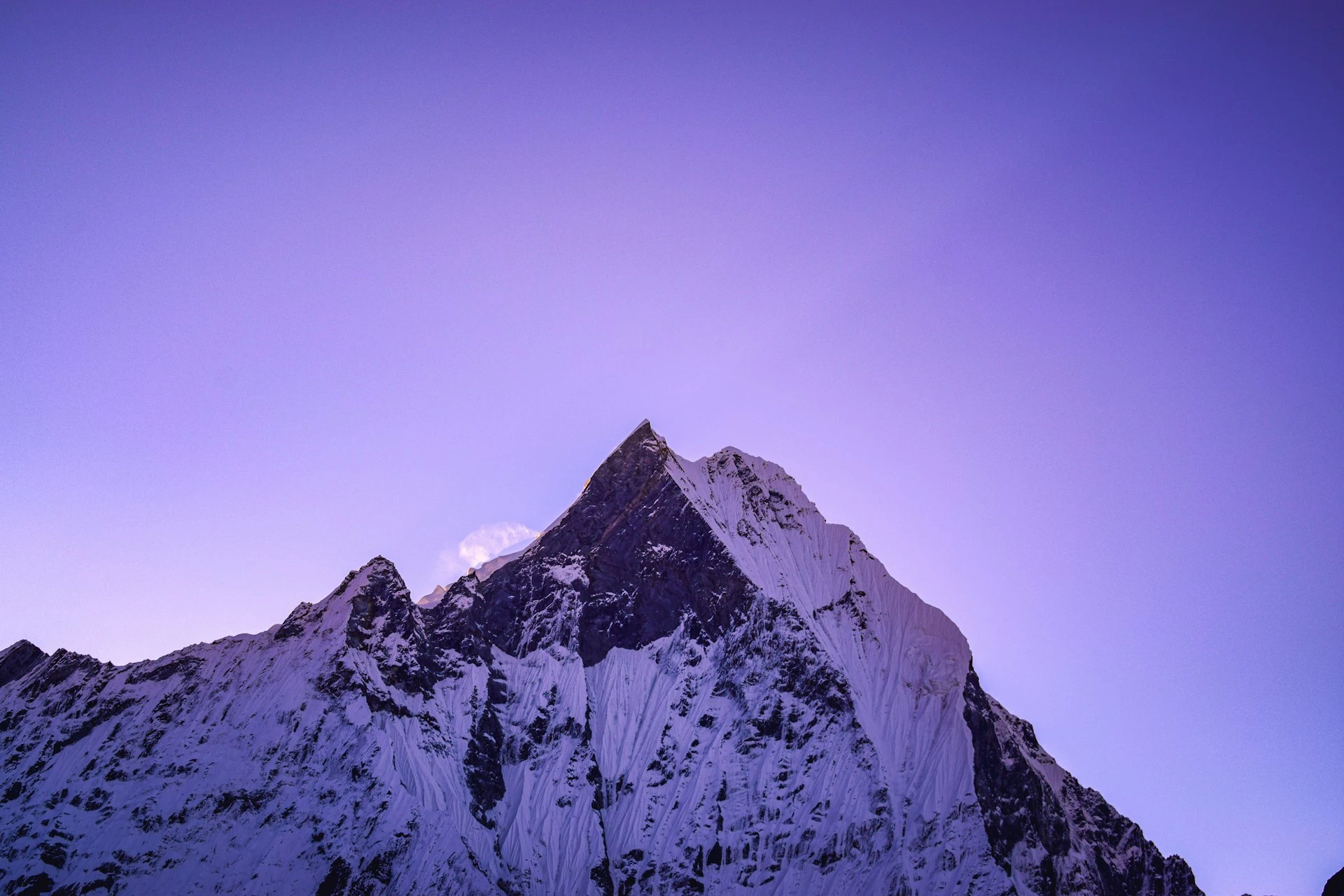
Ready to plan your Mardi Himal Base Camp trek with confidence? Wonder Hikes Nepal helps you experience the intimate beauty of Machhapuchhre and the Annapurna range with a clearly priced, safe, and rewarding Himalayan adventure. Contact them today for a transparent 2026 Mardi Himal trek cost quote.
Frequently Asked Questions about Mardi Himal Trek Cost
1. How much does the Mardi Himal Trek cost in 2026?
The Mardi Himal trek cost ranges from approximately $300 to $650 per person for a standard 5-day guided package, depending on group size. Solo trekkers pay $550–$650, while groups of 8+ pay $300–$330 per person . Independent trekking reduces the base cost but adds logistics complexity.
2. What permits are needed, and how much do they cost?
You need two permits: ACAP (NPR 3,000 / ~$22–$23) and TIMS (USD 10 via agency or USD 20 solo). Total permit Mardi Himal trek cost is $40–$50 per person . Permits are non-refundable and checked at 3 trail checkpoints .
3. Do I need a guide for the Mardi Himal Trek?
A guide is not legally required for Mardi Himal as it’s not a restricted area. However, the 2023 regulation requiring guides in conservation areas is generally interpreted as applying here . Guides cost $25–$35 per day and provide safety, cultural context, and logistics.
4. How much does a porter cost on the Mardi Himal Trek?
A porter costs $20–$25 per day. Most agencies provide one porter for every two trekkers, splitting the cost . Porters carry up to 15–20kg of luggage.
5. How much are teahouse meals and accommodation?
Teahouse rooms cost $6–$15 per night depending on altitude. Meals range from $4–$8 for dal bhat or noodles. Hot showers, WiFi, and charging add $2–$5 per service . Independent trekkers typically spend $20–$30 per day on meals.
6. What is included in a typical 5-day Mardi Himal Trek package?
A standard package usually includes: ACAP and TIMS permits, Pokhara–trailhead–Pokhara transfers, licensed guide, porter, teahouse accommodation (twin-sharing), and all meals during the trek . Exclusions often include tips, personal expenses, travel insurance, and Kathmandu–Pokhara transport.
7. Is Mardi Himal cheaper than Annapurna Base Camp?
Yes. Mardi Himal is shorter (4–7 days vs 7–12 days) and less expensive, with packages costing $300–$650 compared to $650–$1,100 for ABC (for a group of 4).
8. How much does Kathmandu–Pokhara transport add to the cost?
A tourist bus costs $25–$40 one-way; flights cost $100–$180 one-way. Return trips add accordingly. Some packages from Kathmandu include this, but Pokhara-based packages do not .
9. How much cash should I carry on the Mardi Himal Trek?
Carry at least NPR 10,000–15,000 ($75–$115) for teahouse extras, snacks, drinks, hot showers, charging, WiFi, and tips. There are no ATMs on the trail, and teahouses only accept cash .
10. Does the season affect the Mardi Himal trek cost?
Agency package rates stay roughly the same year-round, but peak season (October–November, March–April) increases international flights, city hotels, and last-minute bookings . Shoulder seasons like November and March offer better value.
11. Are hidden costs common on the Mardi Himal Trek?
Yes, teahouse extras add up: hot showers ($2–$5), charging ($2–$5), WiFi ($2–$5), bottled water ($1–$3), snacks ($1–$3), and tips ($10–$15 per day per group). Factor an extra $50–$100 into your Mardi Himal trek cost budget.
12. Can I do the Mardi Himal Trek independently to save money?
Independent trekking is possible, but you must arrange permits, guide, porter, accommodation, meals, and transport separately. You’ll pay the solo TIMS fee ($20 vs $10 via agency) and handle all logistics. It may be cheaper but requires more planning.
13. How much does equipment rental cost on the Mardi Himal Trek?
Equipment rental in Kathmandu or Pokhara costs $1–$3 per item per day . Sleeping bags, down jackets, trekking poles, and duffel bags are available. For a 5-day trek, budget $10–$30.
14. Is travel insurance mandatory for the Mardi Himal Trek?
Travel insurance is strongly recommended and required for TIMS applications. It must cover high-altitude trekking and helicopter evacuation up to 5,000m+ . Cost is typically $50–$150 depending on provider.
15. What is the total budget for the Mardi Himal Trek in 2026?
A realistic Mardi Himal trek cost budget is $400–$700 per person for a guided 5-day trek (including permits, guide, porter, meals, accommodation, transport, insurance, tips, and extras). Independent trekking may be $100–$200 cheaper but with more logistics.