Mardi Himal Weather
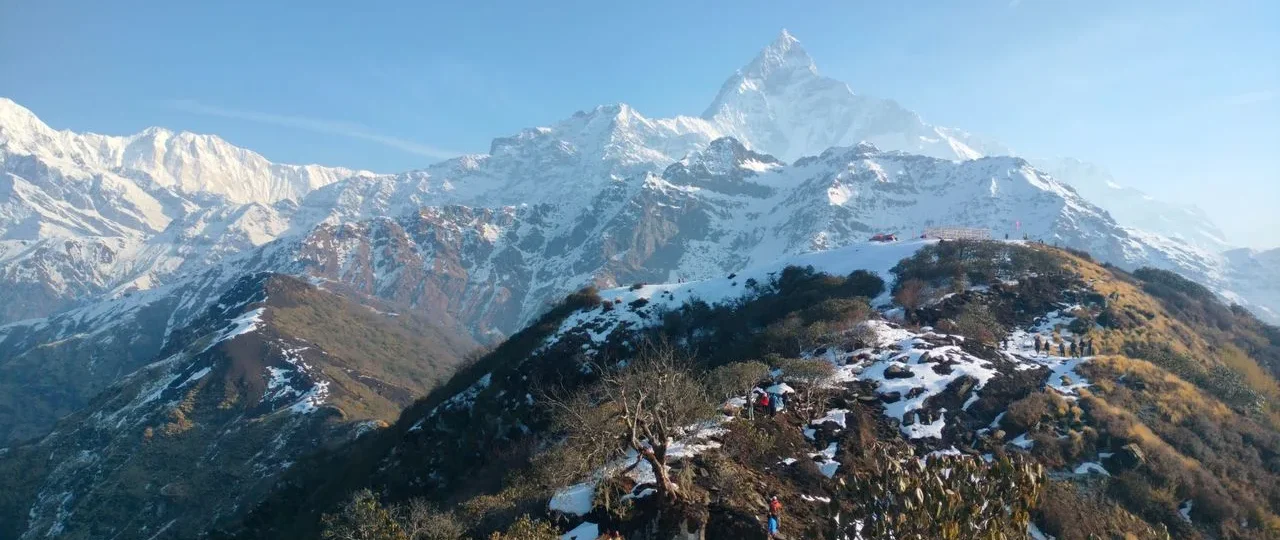
If you’re searching for Mardi Himal weather, you want one clear answer: October and November offer the clearest skies and most reliable conditions, followed closely by March and April for comfortable daytime temperatures and rhododendron blooms. But that’s not the full picture—what makes Mardi Himal weather distinctive is the dramatic elevation difference. The trek climbs from 1,770m at Kande to 4,500m at the Upper Viewpoint, and conditions change completely between these points. This guide breaks down Mardi Himal weather by month, by elevation, and most importantly, what it actually means for your trek.
Understanding Mardi Himal Weather: The Elevation Factor
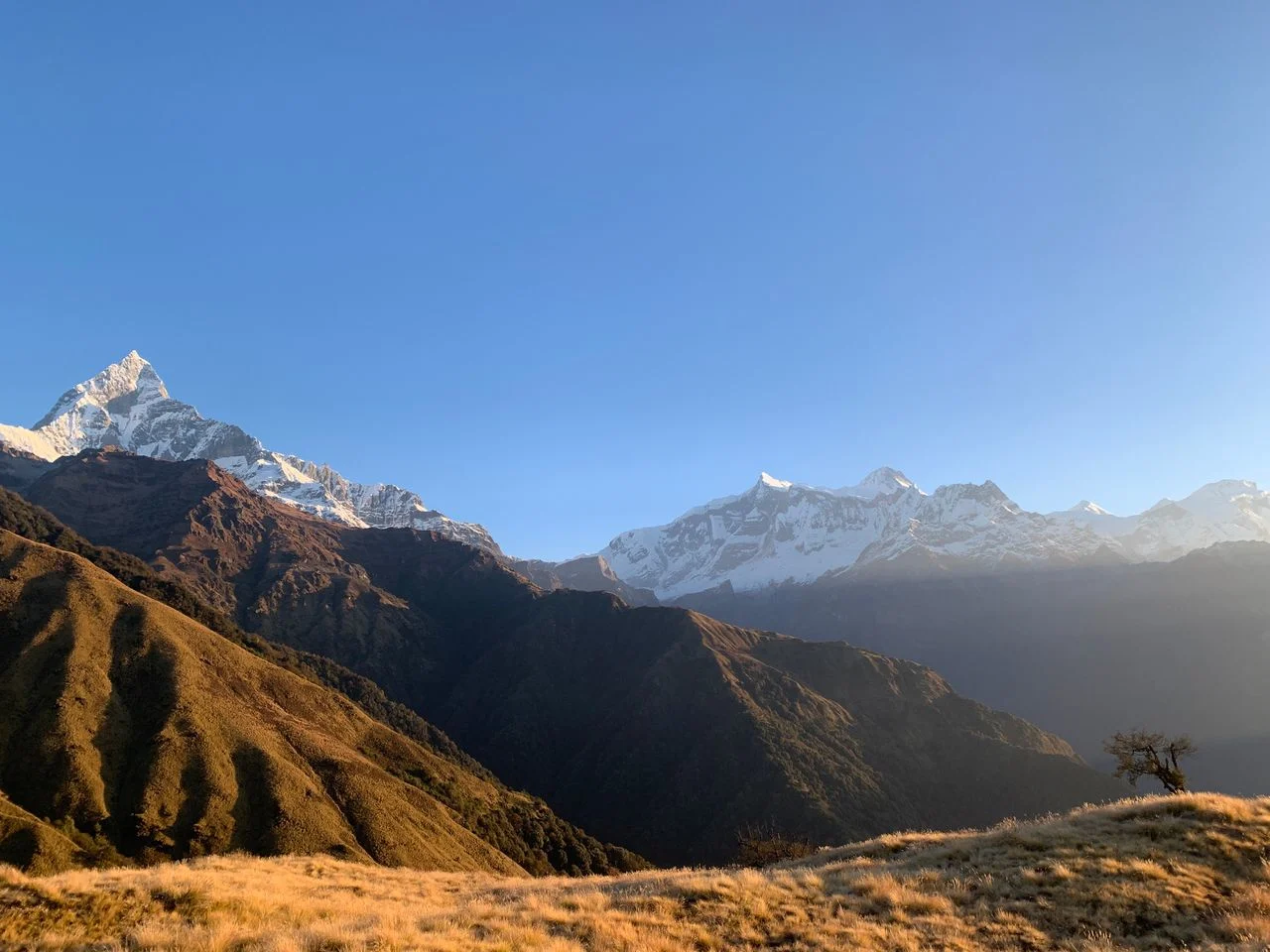
The single most important thing to understand about Mardi Himal weather is that elevation changes everything.
The standard route starts at Kande (1,770m) near Pokhara and ascends through forest, above the tree line, and onto an exposed ridge culminating at the Upper Viewpoint (approximately 4,500m). As a general rule, temperature drops by about 6–7°C for every 1,000m of elevation gain. This means the ridge above High Camp can be 15–20°C colder than the Pokhara valley floor on the same day.
| Elevation Point | Approx. Elevation | Weather Character |
|---|---|---|
| Kande (Start) | 1,770m | Pokhara valley climate; warm days, mild nights |
| Forest Camp | 2,550m | Sheltered forest; protected from wind, moderate temperatures |
| Low Camp | 2,990m | Transition zone; cooler, approaching tree line |
| Badal Danda | 3,300m | Above tree line; wind exposure begins |
| High Camp | 3,580m | The main overnight stop; cold nights, frosty mornings |
| Upper Viewpoint | 4,500m | Freezing conditions; wind chill is a serious factor |
Approximate elevations based on standard Mardi Himal Trek route data
Below 3,000m, you’re sheltered by the rhododendron and oak forest. At and above 3,300m, the trail becomes exposed to wind from the Annapurna massif, and the real-feel temperature can be 5–10°C colder than the thermometer reading .
Mardi Himal Weather by Month
Here’s the month-by-month breakdown for 2026 based on historical climate patterns. These are averages, not guarantees—actual weather varies year to year.
| Month | Daytime High Camp | Night-time High Camp | Visibility | Teahouse Availability | Overall Recommendation |
|---|---|---|---|---|---|
| January | 2–6°C | -8 to -2°C | Crystal clear | 1–2 open | Experienced trekkers only |
| February | 4–8°C | -5 to 2°C | Clear | 1–2 open, more late Feb | Better winter choice |
| March | 4–8°C | -5 to 2°C | Good, warming | 2–3 open | Good alternative to April |
| April | 10–15°C | -2 to 3°C | Excellent | Full service | One of the best months |
| May | 12–15°C | 2–6°C | Good mornings, cloudy afternoons | Full service | Warm but haze builds |
| June | 12–16°C | 5–10°C | Poor—clouds hide peaks | 1 open minimal | Only for the determined |
| July | 14–16°C | 6–12°C | Very poor—constant cloud | 1 open minimal | Not recommended |
| August | 14–16°C | 6–12°C | Poor, improving late | 1 open minimal | Late August best if going |
| September | 10–14°C | 4–8°C | Good, improving | 2–3 open | Underrated; nearly as good as October by late month |
| October | 8–12°C | 0–5°C | Best of year | Full service—busy | The best month overall |
| November | 5–10°C | -5 to 2°C | Excellent | Full service | October’s quieter sibling |
| December | 2–6°C | -8 to -2°C | Crystal clear | 1–2 open | Prepared trekkers only |
Temperature and visibility data compiled from historical climate reports . Teahouse availability based on operator data .
Spring (March, April, May)
March is a transition month. Daytime temperatures at High Camp range from approximately 4°C to 8°C, with nights dropping to -5°C to 2°C . Morning views are sharp, but afternoons bring increasing wind. The trail may still have melting snow on upper sections.
April is the prime spring month. Daytime temperatures climb to 10–15°C at High Camp, and nights remain manageable around -2°C to 3°C . The rhododendron forests below the tree line reach peak bloom, creating spectacular color contrast against the white peaks. Morning skies are consistently clear; afternoon cloud builds after 11:00 AM. This makes early morning the critical photography window .
May warms further, with daytime temperatures at High Camp reaching 12–15°C. Humidity rises, and afternoon cloud cover becomes more extensive. By mid-May, pre-monsoon haze begins to build, and the risk of afternoon thunderstorms increases . If May is your only option, aim for the first two weeks.
Spring in practice: The forest sections are beautiful and comfortable. But above 3,300m, wind is a real factor. A morning that starts clear will often cloud over by lunchtime. Start summit day early—by 4:00 AM from High Camp—to catch sunrise and clear views before clouds roll in.
Monsoon / Summer (June, July, August)
The monsoon transforms the Mardi Himal Trek from a rewarding mountain experience into a wet, leech-infested, viewless challenge.
June sees the monsoon begin in earnest. While daytime temperatures remain relatively warm (12–16°C at High Camp), cloud cover is almost constant. Mountain views are obscured for days at a time . Below 3,000m, the trail becomes slippery mud; leeches are widespread in the forest sections.
July is the peak monsoon. Rainfall is heaviest; the risk of landslides on the trail increases . One experienced trekker account describes the reality: “The rain had made the mud and stone path slippery, and there were leeches everywhere. Some even fell from the tree branches” . Even if you push through, the odds of seeing Mardi Himal or Annapurna South are very low.
August is similar, though the rain eases slightly by the last week. The forest is extraordinarily green—”impossibly green,” as one guide describes it —and the waterfalls are thundering. But views remain limited.
Monsoon in practice: If you’re only able to travel in July or August, consider a rain-shadow trek like Upper Mustang instead . Mardi Himal in monsoon is a test of endurance, not a sightseeing trek.
Autumn (September, October, November)
Autumn is the peak season for Mardi Himal for one simple reason: the monsoon has washed the dust and haze from the atmosphere, leaving crystal-clear air and stable conditions.
September is a transition, and it’s highly underrated. Early September is still rainy, but by mid-month conditions improve rapidly. By late September, the skies are nearly as clear as October, and the trails are significantly quieter . The forest is lush and green from the rains, and fresh snow dusts the upper ridges. If you want autumn conditions without October crowds, aim for the last 10 days of September.
October is the best month overall. Daytime temperatures at High Camp range from 8°C to 12°C, nights from 0°C to 5°C . The skies are razor-sharp clear. Machhapuchhre, Annapurna South, and Mardi Himal itself are visible in stunning detail. The teahouses are fully staffed. The trail is busy but never overwhelmed—typical daily trekkers number 50–100, compared to 1,000+ on the Annapurna Base Camp Trek .
November offers the same clarity with fewer people. By November, the October crowds have cleared. The skies remain brilliantly clear—arguably sharper as the air gets drier through the month. The trade-off is cold. Nighttime temperatures at High Camp drop to -5°C to -15°C by mid-November, and days only reach 0–5°C . This requires proper winter gear.
Autumn in practice: For most first-time trekkers, October is the safe, sensible choice. For experienced trekkers who prefer a quieter trail and don’t mind the cold, November is excellent.
Winter (December, January, February)
Winter offers a completely different Mardi Himal experience: breathtakingly clear skies in exchange for bitter cold.
December starts the winter season. Daytime temperatures at High Camp hover around 2–6°C, while nights can plunge to -8°C to -2°C . The trails above High Camp may have frozen sections; ice is possible on exposed areas. Only 1–2 teahouses remain open .
January is the coldest month. Night temperatures at High Camp can drop to -15°C or lower . Snow is likely above High Camp. The sun rises late and sets early—only about 10.5 hours of daylight . This is the month for experienced winter trekkers with serious gear.
February sees slightly warmer days and longer daylight. Conditions are still very cold, but the clear skies and solitude make it rewarding for prepared trekkers.
Winter in practice: The cold is genuinely challenging. If you go in winter, you need a 4-season sleeping bag rated to -15°C or lower, down jacket, warm gloves, and waterproof boots . The trade-off for the cold is near-complete solitude and views so sharp they feel unreal.
Morning vs Afternoon: Why It Matters
This is one of the most under-discussed aspects of Mardi Himal weather.
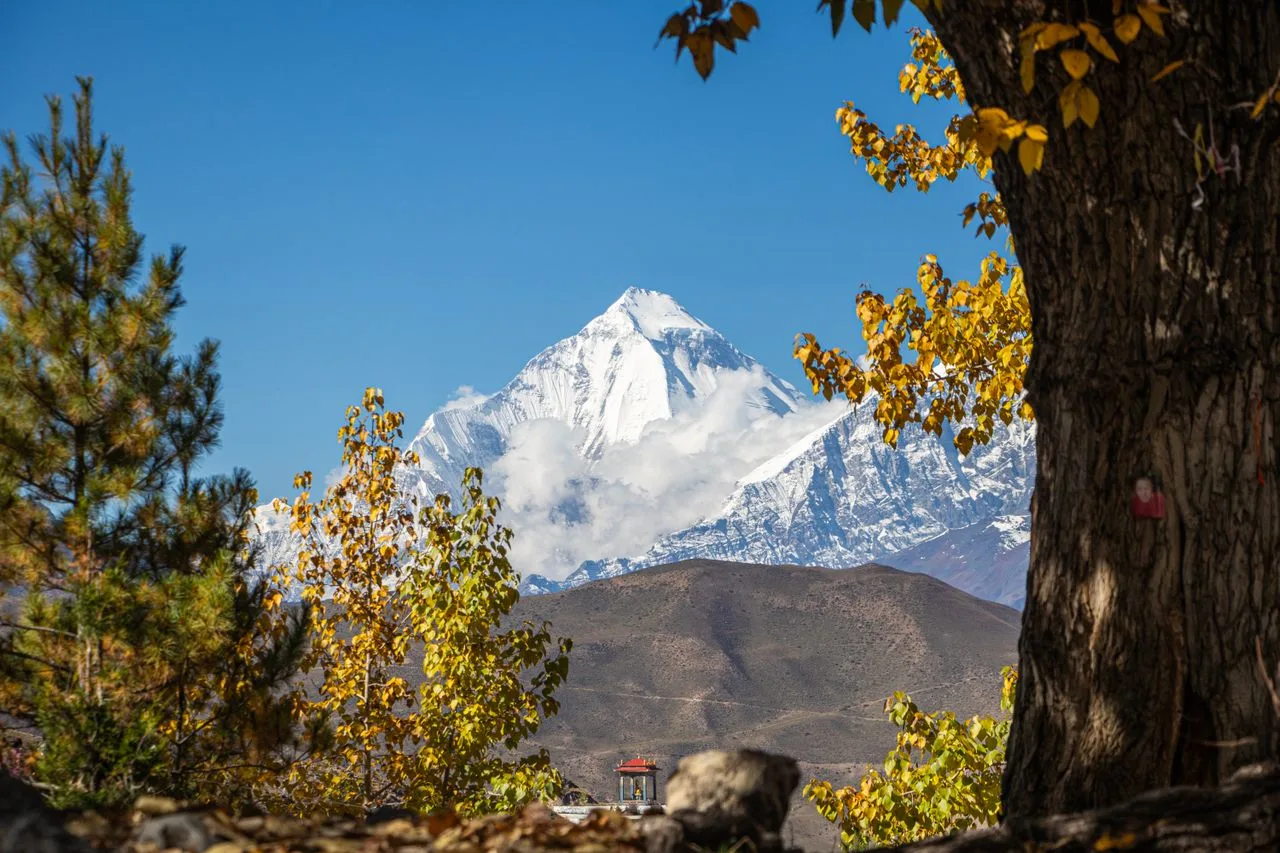
Mornings are clear. Afternoons cloud over.
This is true in most seasons. The cloud builds from the Pokhara valley as the day warms, and by mid-afternoon, the upper ridge is often obscured.
Practical implications:
-
Start summit day early—4:00 AM from High Camp is standard . You want to be at the Viewpoint for sunrise (around 6:00–6:30 AM) before clouds move in.
-
Photography window is tight—the best light is 30–45 minutes before and after sunrise .
-
Plan daily treks to finish by early afternoon—you’ll have clearer views during the morning portion of your trek.
Mardi Himal Weather at Key Elevations
High Camp (3,580m): The main overnight stop. Nights are cold year-round; frost is common. In spring and autumn, daytime temperatures are manageable if you keep moving; standing still in the wind makes them unpleasant. Teahouse rooms are unheated, with only thin foam mattresses—a good sleeping bag is essential .
Upper Viewpoint (4,500m): Fully exposed to wind and cold. Wind speeds of 40–60 km/h are not unusual during unsettled weather . Even moderate wind at this altitude makes the experience genuinely uncomfortable without windproof layers. Snow can persist here well into spring.
Below 3,000m (Forest sections): The forest provides shelter from wind and shade from direct sun. Temperatures are noticeably warmer—often 10–15°C higher than at High Camp. This is the section where spring rhododendron blooms are at their peak .
The Decision Framework: When Should You Go?
Use this to decide based on your priorities:
| Your Priority | Best Choice | Alternative |
|---|---|---|
| Clearest mountain views | October | November, late September |
| Warmest trekking | April, May | September, October |
| Avoiding crowds | December, February, late September | May |
| Rhododendron blooms | April | March |
| Snow experience | January, February | December |
| Only available in summer (June–August) | August (late), consider Upper Mustang instead | September |
| First-time trekker | October | April |
What to Pack for Mardi Himal Weather
Your packing should reflect the month and elevation you’ll face.
| Weather Condition | Recommended Gear | Why |
|---|---|---|
| Daytime hiking, any season | Moisture-wicking base layer, trekking trousers | You’ll generate body heat while walking |
| Evenings and mornings at High Camp | Down jacket, fleece mid-layer, warm hat, gloves | Temperatures drop immediately when you stop moving |
| Wind exposure (above 3,300m) | Windproof outer layer | The ridge is exposed; real-feel temperature is 5–10°C colder with wind |
| Cold nights (October–May) | 4-season sleeping bag rated to -10°C to -15°C | Teahouse rooms are unheated with thin mattresses |
| Winter treks (Dec–Feb) | 4-season sleeping bag rated to -15°C or lower, microspikes for ice | Night temperatures at High Camp drop to -15°C or below |
| Monsoon treks (Jun–Aug) | Waterproof jacket and trousers, leech socks | The lower trail becomes muddy and leech-infested |
Weather Safety on the Mardi Himal Trek
Wind chill is the hidden danger. The upper ridge between Low Camp and High Camp is exposed to westerly winds. Even if the thermometer says 5°C, wind can make it feel like -5°C. Always carry a windproof layer .
Ice and snow: From December to March, ice and snow are possible on the trail above High Camp. If the trail is icy, do not push on without proper traction devices. Falls on icy terrain at altitude are dangerous.
Frostbite risk: At night in winter, frostbite is a real risk to exposed fingers and ears. Wear warm gloves and a hat. If you feel numbness, go inside and warm up.
Monsoon landslides: In July and August, heavy rain increases landslide risk on the trail. Local teahouse operators will warn you if conditions become unsafe; listen to them.
Frequently Asked Questions About Mardi Himal Weather
1. What is the best month for Mardi Himal weather?
October offers the best combination of clear skies, stable conditions, and manageable temperatures. November is equally clear but colder .
2. How cold does Mardi Himal get?
At High Camp (3,580m), nights can drop to -15°C in January and December. Daytime temperatures in winter range from 2–6°C. April and October nights are around 0–5°C .
3. Does it snow on the Mardi Himal Trek?
Yes. Snow is common above 3,500m from December through March. It can also fall at High Camp in November and April, though typically lighter .
4. Is Mardi Himal rainy in July?
Yes—July is peak monsoon. Expect heavy rain, leeches on the trail, and very limited mountain views .
5. What is the weather like at Mardi Himal High Camp?
High Camp (3,580m) is cold and exposed. Nights are freezing in all seasons except the monsoon. Daytime temperatures in peak season (October) are 8–12°C .
6. Is Mardi Himal Trekking possible in monsoon?
Yes, but it’s not recommended. The trail is muddy, leeches are present, and the mountains are often hidden behind clouds for days .
7. What is the weather like in October on Mardi Himal?
Excellent. Clear skies, daytime temperatures 8–12°C at High Camp, nights 0–5°C. Virtually no rain .
8. What is the weather like in November on Mardi Himal?
Similar clarity to October but colder. Nights can drop to -5°C to -15°C at High Camp .
9. What is the weather like in March on Mardi Himal?
Transition month. Daytime 4–8°C at High Camp, nights -5°C to 2°C. Good views, with some snow melting on upper trails .
10. What is the weather like in April on Mardi Himal?
One of the best months. Daytime 10–15°C at High Camp, nights -2°C to 3°C. Rhododendrons in bloom, clear mornings .
11. What is the weather like in winter on Mardi Himal?
Very cold. Nights at High Camp can drop to -15°C. Clear skies but potential for ice and snow. Only for prepared trekkers .
12. What is the temperature difference between Pokhara and High Camp?
High Camp is typically 15–20°C colder than Pokhara on the same day due to the elevation gain of nearly 1,800m.
13. What should I pack for cold weather on Mardi Himal?
A 4-season sleeping bag rated to -15°C, down jacket, warm gloves, hat, windproof outer layer, and waterproof boots. Temperatures drop sharply after sunset .
14. Can beginners trek Mardi Himal in bad weather?
Beginners should aim for October or April. Monsoon and winter treks are significantly more challenging and not recommended for first-time trekkers .
15. How accurate are Mardi Himal weather forecasts?
Forecasts beyond 2–3 days are unreliable. In the mountains, conditions change rapidly. Use forecasts as guidance, not certainty .
Plan Your Mardi Himal Trek with Wonder Hikes Nepal
Mardi Himal weather is complex, but the right preparation makes all the difference. At Wonder Hikes Nepal, we help trekkers choose the best trekking window for their personal priorities—not just a generic “best season” recommendation. Our local guides understand the microclimate of the Mardi Himal ridge intimately, from the wind exposure at Badal Danda to the best times for sunrise alpenglow photography.
If you’re unsure which month fits your priorities—whether you want clear mountain views, rhododendron blooms, or solitude—Wonder Hikes Nepal can help you design an itinerary that matches your experience level and expectations.
Contact Wonder Hikes Nepal to plan your 2026 Mardi Himal Trek.