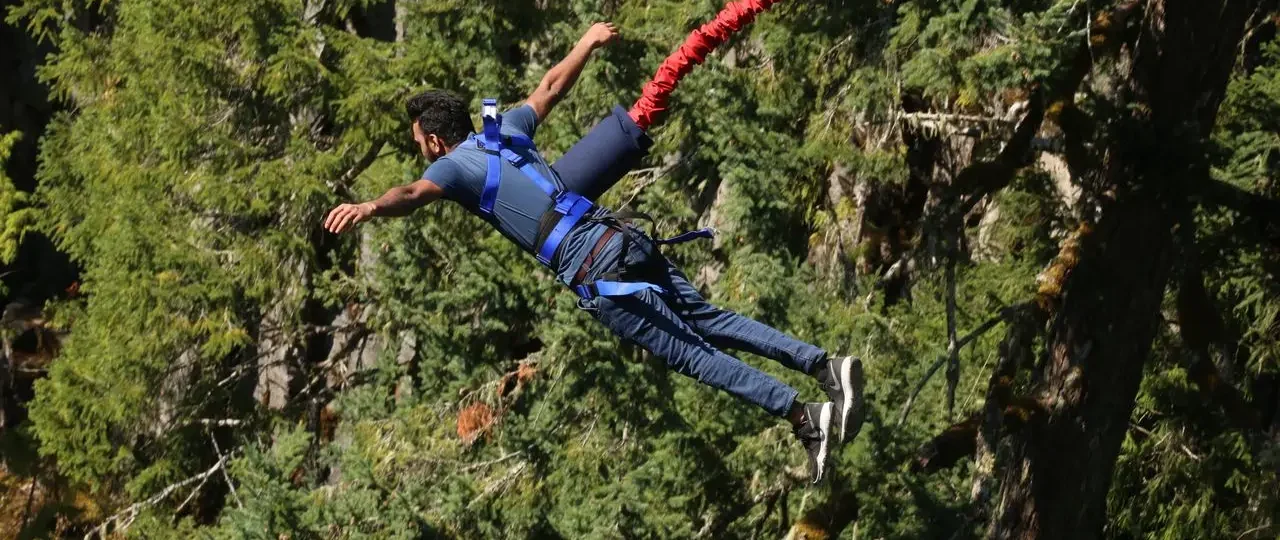
Why Bungy in Nepal Is Not One Single Choice
Bungy in Nepal is a search that leads to three different answers. Unlike countries where a single bungee operator dominates the market, Nepal has developed three distinct jump experiences in three distinct parts of the country. Each serves a different type of traveler, sits at a different height, costs a different amount, and requires a different level of commitment.
The original site—The Last Resort on the Bhote Koshi River—opened in 1998 and remains the most accessible option from Kathmandu. The Cliff at Kushma, which opened in 2020, brought the world’s second-highest commercial bungee jump to western Nepal. And Pokhara’s Hemja tower offers Nepal’s only tower-based jump, designed for travelers who want the thrill without a full day of driving.
Understanding which jump fits your itinerary is more useful than simply knowing the highest number. This guide explains the differences clearly, with current 2026 pricing, the latest regulatory changes, and practical advice for first-time jumpers.
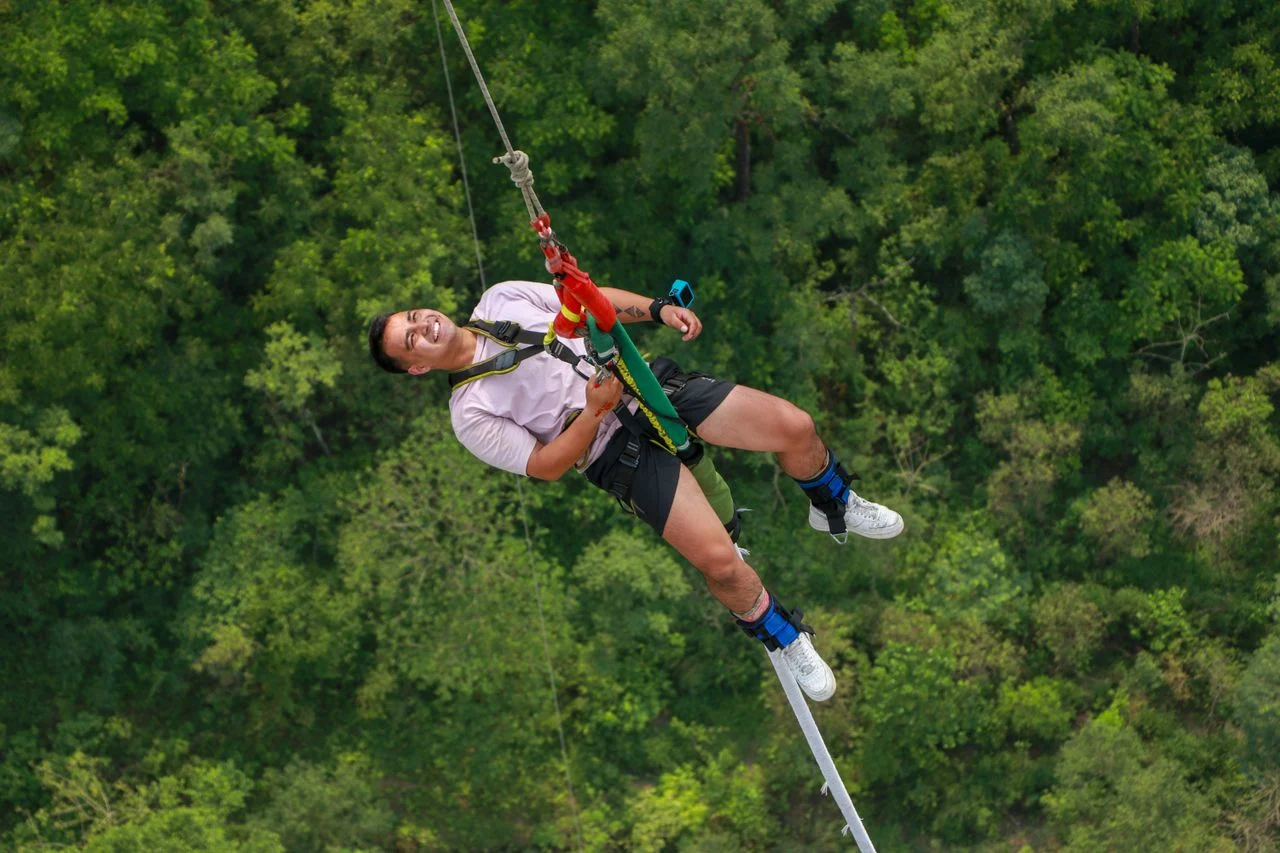
The Three Main Bungee Jumping Locations in Nepal
Bungee jumping Nepal is concentrated in three regions. The table below summarises the key differences.
| Feature | The Last Resort | The Cliff, Kushma | Pokhara (Hemja) |
|---|---|---|---|
| Location | Sindhupalchok, near Tibet border | Parbat district, western Nepal | Hemja, 20 min from Lakeside |
| Jump height | 160 m | 228 m | 70–80 m |
| Structure | Suspension bridge | Suspension bridge | Cantilever tower |
| Nearest base | Kathmandu | Pokhara | Pokhara |
| Drive from base | 3–3.5 hours | 2–3 hours from Pokhara | 15–20 minutes |
| Best for | Kathmandu-based travelers | Height seekers in Pokhara | Quick, accessible jump |
The heights listed above are current operator figures. The Last Resort’s bridge is 166 metres wide and was built specifically for bungee operations, with a 4x safety factor and a loading capacity of 41,500 kg. Kushma’s bridge spans 520–567 metres across the Kali Gandaki Gorge, making it one of the highest suspension bridges in the world. Pokhara’s tower is Nepal’s first and only cantilever tower bungee, positioned over the Yamdi River.
The Last Resort: Nepal’s Original Bhote Koshi Jump
Bungee jumping in Nepal began at The Last Resort, and it remains the most established operation. The site sits about 100 kilometres northeast of Kathmandu on the Araniko Highway, in Sindhupalchok district near the Tibet border. The jump takes place from a steel suspension bridge above the Bhote Koshi River gorge—a narrow, forested canyon that makes the fall feel more enclosed than an open-platform jump.
Height: 160 metres. The freefall lasts about 4–5 seconds.
Price (2026): The operator currently lists a bungy-only package at US$108 for foreigners, which includes return transport from Kathmandu and lunch. Nepali citizens pay approximately NPR 7,500. SAARC and Chinese nationals pay around NPR 9,900. The video package is priced separately.
Weight limit: The Last Resort currently lists 40–98 kg for bungee and up to 120 kg for the canyon swing. Some booking platforms show wider ranges, so confirm directly.
Age: No fixed age limit, but participants under 18 need parental consent and a signed liability form.
Transport: The drive from Kathmandu takes 3–3.5 hours depending on road conditions. The operator runs scheduled day trips on certain days of the week. On non-scheduled days, private transport costs approximately US$120 extra.
What makes it different: This is the only bungee jump in Nepal that can realistically be done as a day trip from Kathmandu. For travelers based in the capital with limited time, it is the practical choice.
Kushma Bungee Jump: The 228-Metre Gorge Experience
Kushma bungee jump is the height play in Nepal. The Cliff at Kushma, in Parbat district, offers a 228-metre jump over the Kali Gandaki Gorge—one of the deepest gorges on Earth. The bridge itself spans between 520 and 567 metres, connecting Parbat and Baglung districts. The freefall lasts about 4.5 seconds, and the canyon swing at the same site extends the sensation to 7–8.5 seconds.
Kushma bungee price (2026): The operator currently lists NPR 8,000 for bungee or swing, NPR 11,500 for both. A second jump costs NPR 4,000, a third NPR 3,000, and a fourth jump is free. The video package—including video, photos, and a T-shirt—costs NPR 1,500 extra. Round-trip transport from Pokhara to Kushma costs NPR 1,200.
Weight limit: The Cliff currently lists 45–100 kg. Participants must fit the harness. Some sources cite 40–120 kg, so verify before booking.
Age: Under 18 requires written permission from parents or guardians. Maximum age depends on medical conditions.
Transport: Kushma is approximately 60–65 kilometres from Pokhara, reachable in 2–3 hours by road. From Kathmandu, the journey is much longer—roughly 262 kilometres—making it impractical as a day trip from the capital. The facility is open year-round, with buses leaving daily.
What makes it different: Kushma offers the highest jump in Nepal and the most dramatic natural setting. The Kali Gandaki Gorge is deeper than most canyons in the world, and the bridge position puts you directly over the river. For travelers already planning to visit Pokhara, this is the logical choice.
Pokhara Bungee Jump: The Tower at Hemja
Pokhara bungee jump offers the most accessible option for travelers already in Nepal’s lake city. The site is at Hemja, about 20 minutes from Lakeside, and features Nepal’s first and only tower bungee. The cantilever platform extends over the Yamdi River and a 50-metre cliff, with panoramic views of the Annapurna range on clear days.
Height: The standard jump is 70–80 metres, depending on the operator and structure. Nepal Tourism Board describes it as approximately 70 metres. Current operators advertise 80 metres for the HighGround tower. This is the figure that confuses travelers most—older articles say 70 metres, newer ones say 80 metres, and both can be accurate depending on which product you book.
Pokhara bungee price (2026): From approximately NPR 4,500–8,000 depending on operator and inclusions. Some packages include photos, video, and a T-shirt; others do not. The HighGround operator currently includes all taxes, fees, lakeside pickup, a briefing, one jump, and a T-shirt in its standard package.
Weight limit: Generally 40–100 kg, though operator-specific. Some sources list 35–125 kg for Pokhara.
Age: Minimum age is typically 13 years with parental consent.
Transport: Hotel pickup from Lakeside is often included. The drive is short—10–20 minutes.
What makes it different: The tower structure creates a different sensation from a bridge jump. The cantilever design means you are jumping out over the valley rather than down into a gorge. For first-time jumpers or travelers on tight schedules, Hemja is the most approachable option.
Which Bungee Jump Fits Your Nepal Itinerary?
Choosing the right bungee jumping Nepal experience depends on where you are and how much time you have. Here is a practical framework.
If you are based in Kathmandu with one free day: The Last Resort is your only realistic option. It is the only jump that can be done as a day trip from the capital.
If you are already in Pokhara: You have two choices. Pokhara’s Hemja tower is 20 minutes away and requires only a few hours. Kushma is a full-day trip but offers the higher jump and the more dramatic gorge.
If you are traveling through western Nepal: Kushma fits naturally into your route. It sits on the Pokhara–Baglung corridor and is easily accessible from either direction.
If maximum height is your priority: Kushma’s 228 metres is the highest in Nepal. The Last Resort’s 160 metres is the second-highest bridge jump. Pokhara’s tower is the lowest but the most accessible.
If you are nervous about the jump: Pokhara’s tower is the shortest and the most controlled environment. The transfer is short, and you can walk away more easily if you change your mind.
A 228-metre jump sounds more impressive on paper. But if your itinerary is centered on Kathmandu and you have only one free day, the logistics of reaching Kushma may matter more than the extra height.
How Much Does Bungee Jumping Cost in Nepal?
There is no single bungee jumping cost in Nepal. Prices vary by location, operator, nationality, transport, inclusions, and whether you combine the jump with a swing or overnight stay. The table below summarises current 2026 rates.
| Location | Bungee-only price | What’s included | Notes |
|---|---|---|---|
| The Last Resort (Bhote Koshi) | US$108 / NPR ~12,000 | Transport from Kathmandu, lunch | Video package extra |
| Kushma (The Cliff) | NPR 8,000 (~US$60) | Jump only | Video NPR 1,500; transport from Pokhara NPR 1,200 |
| Pokhara (Hemja/HighGround) | NPR 4,500–8,000 | Varies; some include photos, video, T-shirt | Pickup from Lakeside often included |
What to ask before paying:
-
Is transport included, and from where?
-
Is lunch included?
-
Are photos and video included, or extra?
-
Is the price different for foreign nationals?
-
What is the current weight limit for this specific jump?
-
What happens if weather cancels the jump?
-
Is the operator currently licensed with the Department of Tourism?
The Last Resort specifically states that its video package is separate from the bungee package. Kushma’s video package includes video, photos, and a T-shirt. Pokhara operators vary. Ask before you book.
Is Bungee Jumping in Nepal Safe? The 2026 Regulatory Picture
Bungee jumping in Nepal operates under a safety framework that was significantly strengthened in 2025 and 2026. Understanding these regulations helps you choose a legitimate operator.
In July 2025, Nepal’s Ministry of Culture, Tourism and Civil Aviation officially enforced the Adventure Sport Bungee Operation Standards, 2078. The standards require operators to employ licensed jump masters with five years of experience, provide standard safety equipment including harnesses, helmets, and cords, replace cords after 500–700 jumps or within six months, restrict participation to individuals aged 16–70 weighing 40–130 kg, prohibit jumping during poor weather or under intoxication, and offer insurance coverage for employees and participants. Operators must also maintain a minimum 20 km distance between sites, use internationally certified equipment, and renew a five-year licence with an Rs 10 lakh bank guarantee.
The standards also cap the price at Rs 6,000 per jump with discounted rates for multiple jumps on the same day—a detail worth knowing if you are quoted a higher rate for a second jump.
In May 2026, the Department of Tourism issued a formal notice warning operators running adventure activities without proper authorisation to cease operations and obtain mandatory permits within 30 days or face legal action. The notice specifically covered bungee jumping, swing, canyoning, sky diving, zip-line, and similar activities. The department cited “serious complaints about unlicensed adventure sports operations at various locations.”
What this means for travelers: Before booking, ask your operator for their current Department of Tourism licence number. A legitimate operator will have it. If they cannot provide it, look elsewhere.
Medical Conditions and Eligibility
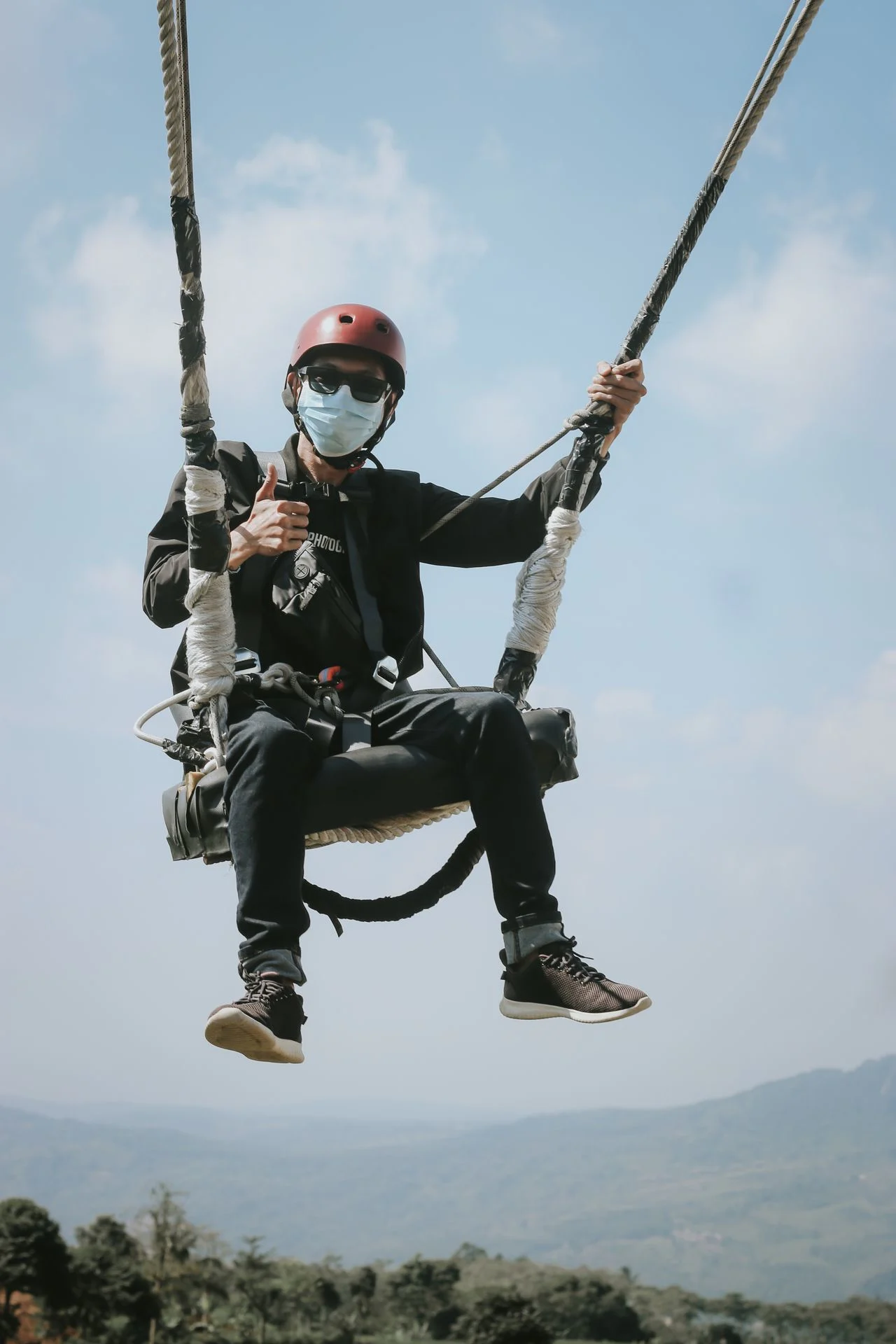
Bungee jumping is an adventure activity with inherent physical demands. Operators in Nepal ask participants to disclose medical conditions before jumping. The national standards specifically prohibit participation for individuals with heart disease, epilepsy, asthma, high blood pressure, recent surgery, pregnancy, or artificial limbs.
The Last Resort and The Cliff both require health declarations. The Cliff’s medical guidance lists high/low blood pressure, heart conditions, pregnancy, neurological disorders, epilepsy, asthma, dislocations, back problems, recent strain, surgery, ligament injuries, ankle problems, and panic/anxiety attacks as conditions requiring medical consultation.
Do not hide a medical condition to avoid being refused. The risk is not worth it. If you have a condition that could affect your eligibility, speak with a qualified medical professional and the operator before booking.
What the Jump Actually Feels Like
Bungee jumping in Nepal is difficult to describe because the experience is more psychological than physical. Before the jump, everything slows down. You have already agreed. You have signed the paperwork. You have been weighed. The equipment is on.
Then you reach the edge.
This is where many people discover that knowing you are safe and feeling safe are two different things. The final step is entirely mental. Some people jump immediately. Others hesitate for minutes. Both reactions are normal.
The freefall at The Last Resort lasts 4–5 seconds. At Kushma, about 4.5 seconds. At Pokhara, about 3–5 seconds. Then the rebound, and the slow retrieval back to the platform. The whole thing is over faster than you expect. The memory lasts much longer.
A professional operator gives clear instructions rather than pressure. You should never feel embarrassed about being nervous. The person beside you may jump instantly. You may need more time. That does not make the experience less meaningful.
What to Wear and What to Bring
You do not need special equipment. The operator provides the harness, cords, and safety gear. What you need is secure clothing and proper footwear.
Wear: Sports shoes or hiking shoes (required by The Last Resort and The Cliff), comfortable trousers, a comfortable shirt, and a weather-appropriate outer layer.
Avoid: Sandals, flip-flops, loose jewelry, dangling accessories, and anything that could interfere with the harness. The Cliff specifically prohibits these during its activities.
Bring: Minimal personal items. Secure your phone and wallet with the operator or leave them at your accommodation. If you want photos, check whether the operator provides them or whether you need someone to photograph from the platform.
Weather, Cancellations, and Planning Around Them
Bungee jumping in Nepal is weather-dependent. Operators suspend activity when conditions make jumping unsafe—heavy rain, high wind, or poor visibility. The national standards explicitly prohibit jumping during poor weather.
Do not assume a weather cancellation means an automatic cash refund. Cancellation, rescheduling, and refund policies vary by operator. Check before paying.
Smart planning: If bungee jumping is important to your Nepal trip, do not schedule it immediately before a flight or another non-refundable activity. A little flexibility can save a lot of stress. Road conditions in Nepal can change quickly, especially during monsoon.
Best Time for Bungee Jumping in Nepal
Bungee jumping operates year-round at most sites, but weather and road conditions matter more than the trekking season calendar.
Spring (March–May) and autumn (September–November) offer generally favorable weather and clear views. These are the most popular periods.
Monsoon (June–August) brings heavy rain, difficult road conditions, and a higher chance of weather cancellations.
Winter (December–February) can be cold, especially at The Last Resort, which sits at a higher elevation near the Tibet border. Kushma and Pokhara are generally milder.
The correct question is not “What is Nepal’s best trekking season?” It is “Will the jump site and road conditions be suitable on my chosen date?” Check the operator’s current schedule and weather policy.
Common Mistakes Travelers Make
Booking based on an old price. Adventure prices change. Verify the operator’s current rate before paying. The national standards cap prices at Rs 6,000 per jump, but many operators charge more for packages that include transport, meals, or video.
Assuming all operators have the same weight limit. They do not. The Last Resort lists 40–98 kg. The Cliff lists 45–100 kg. Pokhara operators list 40–100 kg. Confirm your specific jump.
Confusing bungee with canyon swing. They are different activities with different sensations, weight limits, and prices.
Choosing based only on height. A 228-metre jump from Kushma requires a day trip from Pokhara or a long journey from Kathmandu. The Last Resort’s 160-metre jump is a practical day trip from the capital. Logistics matter.
Hiding a medical condition. Never do this. Operators ask about heart conditions, epilepsy, high blood pressure, and other conditions for a reason.
Planning a flight immediately afterward. Road delays and weather can affect your schedule. Build in buffer time.
Trusting “world’s highest” claims without checking. Rankings change, and different sources measure jumps differently. Kushma is currently described as the world’s second-highest commercial bungee jump, but this can change.
Is Bungy in Nepal Worth It?
For travelers who want a high-adrenaline experience in a dramatic natural setting, bungee jumping Nepal fits naturally into a wider itinerary. The combination of river gorges, suspension bridges, and Himalayan landscapes makes Nepal’s jumps distinctive—most bungee destinations worldwide use cranes or towers, not natural canyons.
For travelers based in Kathmandu, The Last Resort offers the most practical day trip. For those already in Pokhara, Hemja is 20 minutes away and Kushma is a manageable day trip. The highest jump is not automatically the right jump for every traveler. The right choice is the one that fits your route, your time, and your comfort level.
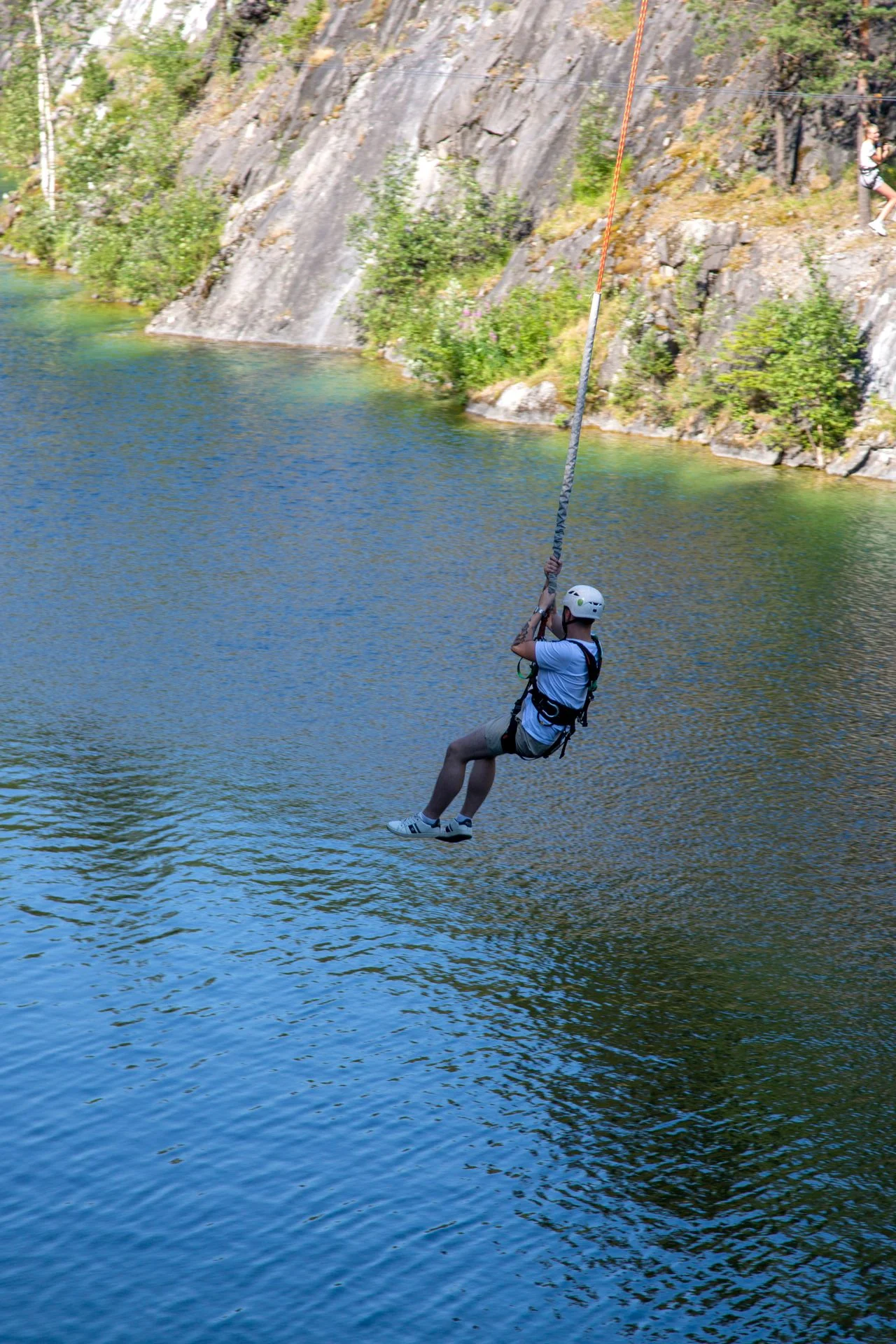
Planning Your Jump with Wonder Hikes Nepal
Wonder Hikes Nepal can incorporate bungee jumping into a wider Nepal itinerary rather than treating it as an isolated activity. The practical approach is to establish where you will be staying, how many days you have, whether you are traveling from Kathmandu or Pokhara, and whether you want a day trip or overnight experience.
Because operator schedules, prices, weight limits, and licensing status can change, these details should be confirmed before final booking. The Department of Tourism’s 2026 licensing enforcement means it is more important than ever to verify that your operator holds current permits.
Contact Wonder Hikes Nepal for current information on which jumps are operating, what they cost, and how they fit your travel route.
FAQ
1.Which bungee jump in Nepal is the highest?
Kushma’s The Cliff currently offers a 228-metre jump over the Kali Gandaki Gorge, making it the highest in Nepal and among the highest commercial bungee jumps in the world.
2.How high is the Bhote Koshi bungee?
The Last Resort’s jump is 160 metres from a suspension bridge above the Bhote Koshi River gorge.
3.How much does bungee jumping cost in Nepal?
Prices vary by location. The Last Resort lists US$108 for a day trip including transport and lunch. Kushma lists NPR 8,000 for a jump. Pokhara’s Hemja jump ranges from NPR 4,500–8,000.
4.Is bungee jumping in Nepal safe?
Nepal introduced national bungee standards in 2025 and issued a licensing ultimatum to operators in May 2026. Safety depends on the operator’s equipment, staff, procedures, and your compliance. Verify your operator’s current licence before booking.
5.Can beginners do bungee jumping in Nepal?
Yes. Previous experience is not required. The operator provides equipment, briefing, and guidance. The psychological challenge is usually greater than the technical one.
6.What is the weight limit for bungee jumping in Nepal?
There is no single national limit. The Last Resort lists 40–98 kg. The Cliff lists 45–100 kg. Pokhara operators generally list 40–100 kg. Confirm with your specific operator.
7.Is there an age limit for bungee jumping in Nepal?
National standards restrict participation to ages 16–70. Participants under 18 typically require parental consent.
8.Is bungee jumping available in Kathmandu?
There is no bungee jump inside Kathmandu. The Last Resort is the closest option, about 3–3.5 hours from the city.
9.How far is The Last Resort from Kathmandu?
Approximately 100 kilometres, taking 3 to 3.5 hours by road depending on traffic and conditions.
10.Is bungee jumping available in Pokhara?
Yes. The Hemja tower jump is about 20 minutes from Lakeside. Kushma is a day trip from Pokhara, about 2–3 hours by road.
11.What should I wear for bungee jumping?
Wear secure sports or hiking shoes and comfortable clothing. Avoid sandals, loose jewelry, and dangling accessories.
12.Can I do bungee jumping if I have a medical condition?
You should disclose any medical condition to the operator before booking. Heart disease, high blood pressure, epilepsy, recent surgery, pregnancy, and neurological conditions are among the conditions that may disqualify you.
13.What happens if my jump is cancelled because of weather?
Operators may suspend activity when conditions are unsafe. Rescheduling and refund policies vary. Check before paying.
14.Should I choose Kushma or Bhote Koshi?
Choose based on your itinerary. Bhote Koshi is practical from Kathmandu. Kushma is convenient from Pokhara and offers the higher jump. If height is your priority, Kushma wins. If convenience from Kathmandu matters more, The Last Resort wins.
15.Is there a canyon swing option?
Yes. The Last Resort offers both bungee and canyon swing, with separate weight limits. Kushma’s The Cliff also offers a swing. The swing produces a pendulum-like arc rather than a vertical freefall.
Final Takeaway
Bungy in Nepal is not one experience. It is three, in three different parts of the country, serving three different types of traveler.
The Last Resort gives you the classic Bhote Koshi gorge jump and the easiest access from Kathmandu. Kushma gives you the highest jump in Nepal and a dramatic Kali Gandaki setting, best combined with a Pokhara itinerary. Pokhara‘s Hemja tower gives you a shorter, more accessible jump without a full-day commitment.
The regulatory environment tightened significantly in 2025 and 2026. National standards now govern jump master qualifications, equipment replacement schedules, weight and age limits, and pricing caps. The Department of Tourism has actively enforced licensing requirements. Before booking, verify the operator’s current licence, price, weight limit, and weather policy. The highest jump is not automatically the right one. The right one is the one that fits your route.