
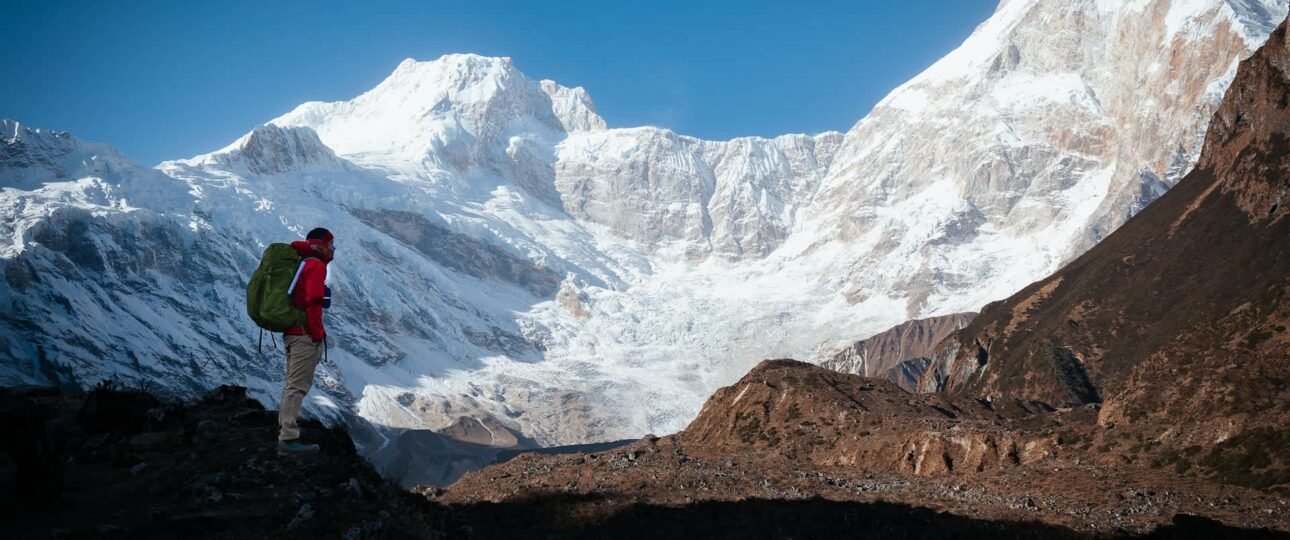
Introduction to Best Treks in Nepal
The best treks in Nepal depend on you more than on any ranking. A first-timer with five days, a strong walker with three weeks and a photographer chasing quiet ridgelines all need different answers, and the most famous route is not always the right one. As a quick guide: Poon Hill or Mardi Himal suit a short first trek; Annapurna Base Camp and Langtang Valley are the classic week; Everest Base Camp, Gokyo and the Annapurna Circuit are major high-altitude commitments; and Manaslu and Upper Mustang are for remote country and extra paperwork.
This guide compares them by days, altitude, difficulty, season, cost and rules, then walks through each route so you can choose before you book.
The Best Treks in Nepal at a Glance
Start with your time and experience. This table gives a first match, and the sections below explain each route in detail.
| If you are… | Consider |
|---|---|
| A first-time trekker with 4 to 6 days | Poon Hill or Mardi Himal |
| Looking for a classic week in the mountains | Annapurna Base Camp or Langtang Valley |
| Wanting Everest views without extreme altitude | A shorter Everest View route around Namche and Tengboche |
| Ready for a major high-altitude trek | Everest Base Camp or Gokyo Lakes |
| Wanting variety and a long journey | Annapurna Circuit |
| Seeking remote trails and culture | Manaslu Circuit or Upper Mustang |
| Wanting a quieter trail close to Kathmandu | Pikey Peak or the Tamang Heritage Trail |
Nepal’s Best Treks Compared
Durations and altitudes change with your itinerary, so treat these as typical ranges, not fixed numbers. Difficulty is relative and depends on altitude, daily walking hours and terrain.
| Trek | Typical days | High point | Difficulty |
|---|---|---|---|
| Poon Hill | 4–5 | About 3,210 m | Easy to moderate |
| Mardi Himal | 5–6 | About 4,500 m | Moderate |
| Pikey Peak | 5–7 | About 4,065 m | Easy to moderate |
| Annapurna Base Camp | 7–10 | About 4,130 m | Moderate |
| Langtang Valley | 7–10 | Tserko Ri, about 4,984 m | Moderate |
| Gokyo Lakes | 10–12 | Gokyo Ri, about 5,357 m | Moderate to challenging |
| Everest Base Camp | 12–14 | Base Camp 5,364 m; Kala Patthar 5,545 m | Challenging |
| Annapurna Circuit | 12–18 | Thorong La, 5,416 m | Challenging |
| Manaslu Circuit | 14–17 | Larkya La, about 5,100 m | Challenging |
| Upper Mustang | 10 or more | Lo Manthang, about 3,800 m | Moderate, but remote |
Spring (March to May) and autumn (September to November) are the main trekking seasons for almost every route on this list. Exceptions and winter options are covered further down.
How This Guide Ranks the Treks
A trek can be famous and still be wrong for you. These are the questions that matter more than the name on the brochure:
- Scenery per day of effort. Some routes give you big views within a few days, while others save them for the last two.
- Altitude risk. The higher you sleep and the faster you climb, the more likely altitude illness becomes.
- Access. Flights and long drives add cost and the chance of delays.
- Crowds. Popular trails are busier in spring and autumn, and quieter routes trade crowds for fewer lodges.
- Permits and rules. Restricted areas add cost, planning and a mandatory guide.
- Cost for what you get. Short treks are the cheapest, while Everest costs more because of the flight.
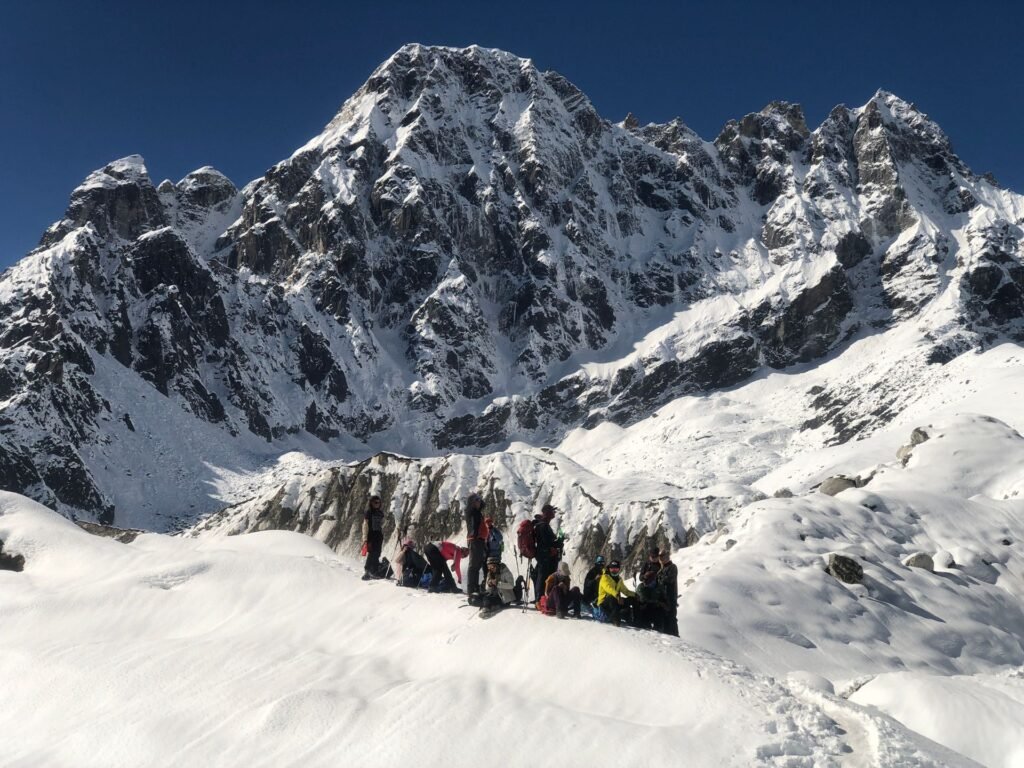
Best Treks in the Everest Region
Everest Base Camp
Everest Base Camp is the trek most people picture first. Most itineraries take 12 to 14 days from Kathmandu and back. You fly to Lukla (about 2,840 m), follow the Dudh Kosi valley up to Namche Bazaar, then climb through Tengboche and Dingboche to Lobuche and Gorak Shep. Base Camp itself is at 5,364 metres, and most trekkers also climb Kala Patthar (5,545 m), where the view of Everest’s summit is better.
Altitude, not technical terrain, is what makes it challenging. A typical schedule looks like this:
| Day | Plan | Approx. altitude |
|---|---|---|
| 1 | Fly to Lukla, walk to Phakding | 2,610 m |
| 2 | Phakding to Namche Bazaar | 3,440 m |
| 3 | Rest and acclimatise in Namche | 3,440 m |
| 4 | Namche to Tengboche | 3,860 m |
| 5 | Tengboche to Dingboche | 4,410 m |
| 6 | Rest and acclimatise in Dingboche | 4,410 m |
| 7 | Dingboche to Lobuche | 4,930 m |
| 8 | Lobuche to Gorak Shep, then Base Camp and back | About 5,170 m; Base Camp 5,364 m |
| 9 | Kala Patthar at sunrise, then down to Pheriche | 5,545 m, then about 4,300 m |
| 10–12 | Walk down to Namche and Lukla, fly to Kathmandu | 3,440 m, then 2,840 m |
The trail rewards patience. The first days follow the Dudh Kosi river over suspension bridges and through pine forest to Namche Bazaar, a bustling Sherpa town. Beyond Tengboche, with its monastery, the valley opens up and Ama Dablam dominates the view from Dingboche. Above Dingboche the route follows the moraine of the Khumbu Glacier to Lobuche, where memorials to mountaineers line the trail, before the final push to Gorak Shep.
Two acclimatisation days are standard, and the CDC notes that Everest itineraries push the limits of what many people can acclimatise to. Prevalence of altitude illness can approach 30 percent at the higher elevations, even on standard schedules. If your time allows, add a spare day. Lukla flights depend on weather, so also keep a buffer day before your international flight home.
Cost and permits. Operator pages in 2026 put a guided package at roughly US$1,400 to US$2,000, with the round-trip Lukla flight alone around US$360 to US$480. Most foreign trekkers pay two local fees: the Sagarmatha National Park permit and the Khumbu Pasang Lhamu municipality permit, each reported at NPR 3,000 for 2026. Our guide to the cost of trekking to Everest Base Camp breaks down what to budget.
Best for: fit, patient walkers who want the classic goal and can give it two weeks. Watch out for: rushing the ascent and treating the flight as certain.
Everest View trek
If you want to see Everest without committing to two weeks or extreme altitude, a shorter Khumbu itinerary around Namche Bazaar and Tengboche is a sensible option. Many versions include a day hike to the Everest View Hotel area at about 3,880 metres, which also helps acclimatisation. You still fly to Lukla, so the same weather risk applies. It suits travellers with limited time, families and anyone unsure how they will handle altitude. The compromise is that you do not reach Base Camp.
Gokyo Lakes
Gokyo is a strong alternative to the Base Camp route if you want a high-altitude trek with a different feel. It typically takes 10 to 12 days, and Gokyo Ri, at about 5,357 metres, is the main viewpoint. It also lies in the Everest region, so permit requirements are similar to those for Base Camp, though you should confirm details with your agency. It is moderate to challenging and works best for people who already have a multi-day trek behind them.
Choose Gokyo over Base Camp if you would rather finish at a lake and a viewpoint than at a rocky glacier camp. Choose Base Camp if reaching the famous goal itself matters to you. Watch out for: the same altitude and flight risks as the Base Camp route.
Best Treks in the Annapurna Region
Annapurna Base Camp
Annapurna Base Camp is one of the best choices for trekkers with a week to ten days. The high point, about 4,130 metres, is far lower than Everest Base Camp, yet you finish inside a ring of peaks. Many people combine it with Poon Hill, which gives a gradual start. Trailheads such as Nayapul are roughly an hour’s drive from Pokhara, so you avoid a flight. A common route runs through these stops:
- Nayapul to Tikhedhunga, then Ghorepani (about 2,800 m)
- Poon Hill at sunrise (3,210 m), then Tadapani (about 2,610 m)
- Chhomrong (about 2,170 m), then on through Bamboo (about 2,310 m) and Dovan
- Deurali (about 3,230 m), then Machapuchare Base Camp (about 3,700 m)
- Annapurna Base Camp (about 4,130 m), then back down the same valley
The steady staircase sections are what tire people, not the altitude. Guided packages in 2026 commonly run about US$700 to US$1,100. For route and planning details, see our Annapurna Base Camp trek guide.
Best for: first-time Himalayan trekkers with moderate fitness. Watch out for: snow on the upper sections in winter and early spring, so check conditions with your agency before you commit.
Poon Hill
Poon Hill is the easiest of the classics, with a high point of about 3,210 metres and a typical length of four to five days. The payoff is sunrise over the Annapurna, Dhaulagiri and Machapuchare ranges after a short pre-dawn climb from Ghorepani. It suits first-timers, families and travellers who want a mountain fix before other plans in Nepal. Operator prices for a simple guided trip are often around US$350 to US$500.
A typical outline starts with a drive from Pokhara to Nayapul and a walk to the Tikhedhunga area. The next day you climb to Ghorepani, then go up Poon Hill before dawn and continue to Tadapani. The final day descends through Gurung villages such as Ghandruk before the drive back to Pokhara. Best for: a first trek on a short schedule. Watch out for: crowds at the viewpoint in peak months and cold mornings at sunrise.
Mardi Himal
Mardi Himal reaches about 4,500 metres at its base camp and is usually done in five to six days. It is moderate, with close views of Machapuchare, and it suits people who want a quieter ridge walk without a long itinerary. Guided packages are often quoted around US$350 to US$600 from Pokhara. It makes a good step up from Poon Hill when you want more altitude and more solitude, while still staying within a week. Watch out for: conditions at the upper camps, which sit near 4,500 metres.
Annapurna Circuit
The Annapurna Circuit is the long-distance classic. It generally takes 12 to 18 days and crosses Thorong La, the highest point on the Annapurna Circuit, at 5,416 metres. Its appeal is variety: you move from lower green valleys into high, dry landscapes. It is challenging, and the pass can be blocked by snow, so season and a flexible schedule matter.
The route is normally walked counter-clockwise, which lets you gain altitude gradually before the pass. A typical sequence is:
- Drive from Kathmandu to Besisahar (about 760 m), a trip of roughly six to seven hours
- Walk up the Marsyangdi valley through Chame (about 2,700 m) and Pisang (about 3,300 m)
- Manang (about 3,500 m), with a rest day for acclimatisation
- Yak Kharka (about 4,000 to 4,100 m), then Thorong Phedi or High Camp (about 4,450 to 4,850 m)
- A very early start to cross Thorong La (5,416 m) and descend to Muktinath (about 3,800 m)
- Onward via Jomsom to Pokhara
The crossing day is long and starts before dawn to avoid strong winds on the pass. The Circuit suits trekkers with time, some previous experience and a taste for changing scenery. It is a poor fit if you have only a week. Watch out for: skipping the Manang rest day and crossing in poor weather or snow.
Best Treks Near Kathmandu: Langtang and Beyond
Langtang Valley
Langtang is among the closest major trekking regions to Kathmandu and is usually walked in seven to ten days. The road trip to the start at Syabrubesi (about 1,550 m) takes roughly seven to eight hours, and the route follows a river valley into high meadows. A standard itinerary runs:
- Syabrubesi to Lama Hotel (about 2,400 m)
- Lama Hotel to Langtang village (about 3,430 m)
- Langtang village to Kyanjin Gompa (about 3,870 m)
- A rest day at Kyanjin, with a climb to Tserko Ri (about 4,984 m) or the lower Kyanjin Ri (about 4,773 m)
- Back down the valley to Syabrubesi
The trek is rated moderate, and guided packages are often quoted around US$500 to US$1,100. Best for: a moderate challenge without a flight. Watch out for: the long road journey, and conditions and access that can change, so check the latest trail situation before you book. Distance, elevation and planning details are in our Langtang route guide.
Pikey Peak and the Tamang Heritage Trail
Pikey Peak is a quieter option of about five to seven days, reaching roughly 4,065 metres, and it is easy to moderate. The Tamang Heritage Trail is a culture-focused walk of about five to seven days that stays near 3,165 metres, which makes it a gentle option for families and for anyone who wants village life more than high passes. Both give a break from the busiest routes.

Best Remote Treks: Manaslu and Upper Mustang
Manaslu Circuit
Manaslu is for experienced trekkers who want solitude. It usually takes 14 to 17 days and crosses Larkya La at about 5,100 metres. Facilities are simpler than on the Everest and Annapurna routes, so expect fewer comforts and a lot of dal bhat. It is a restricted area: the route needs a restricted-area permit, the Manaslu Conservation Area permit and the Annapurna Conservation Area permit, and you must travel with a licensed guide through a registered agency. Our Manaslu Circuit permit guide covers the paperwork. Best for: experienced trekkers with three weeks. Watch out for: permit logistics and the pass crossing.
Upper Mustang
Upper Mustang is also a restricted area. Its high point is Lo Manthang at about 3,800 metres, so altitude is less intense than on Everest or Manaslu, but the landscape is dry and remote and the days can be long. Because it sits in a rain shadow, it is often described as one of the few areas that can work during the monsoon, and several guides list March to November as the window. It suits travellers interested in Tibetan-influenced culture and desert-like scenery. Watch out for: the permit cost, which is US$500 for the first 10 days.
Everest, Annapurna or Langtang: Which Region Suits You?
Picking a region first can narrow the choice faster than comparing individual treks.
| Region | Getting there | Feel |
|---|---|---|
| Everest (Khumbu) | Short flight from Kathmandu to Lukla, which can be delayed by weather | The most developed teahouse network, Sherpa villages and the biggest names. Higher costs. |
| Annapurna | Drive from Pokhara to trailheads such as Nayapul, or from Kathmandu to Besisahar for the Circuit | The widest choice, from four-day walks to three-week circuits, with village-to-village trails. |
| Langtang | Long road trip from Kathmandu to Syabrubesi | A single valley with Tamang villages, high meadows and a clear turnaround point at Kyanjin. |
| Manaslu and Upper Mustang | Longer road journeys and permits through an agency | Remote, simpler lodges and the feeling of leaving the busy trails behind. |
How Hard Is a Typical Trekking Day?
Difficulty ratings mostly reflect three things: the highest altitude, the hours you walk each day and the terrain. Most days on the popular routes run about five to seven hours of walking. On the Everest Base Camp trek, stages such as Namche to Tengboche and Dingboche to Lobuche are commonly listed at five to six hours, while the day to Gorak Shep and Base Camp can stretch to seven hours or more because of the altitude.
On the Annapurna Base Camp route, the climbs from Tikhedhunga to Ghorepani and from Deurali up to the sanctuary are often listed at five to seven hours. Langtang’s main valley days are typically five to seven hours. The Thorong La crossing is one of the longest days on any popular trek, usually seven to eight hours and sometimes more. Expect early starts and arrival at the next lodge in the afternoon.
How to Choose: Fitness, Altitude, Time, Cost and Season
Match the trek to your fitness
You do not need to be an athlete for a moderate trek, but you must be comfortable walking for several hours a day on consecutive days, often on steps and uneven ground. If you have not done a multi-day hike before, start with Poon Hill or a short Annapurna trek rather than a three-week route. Good fitness helps you enjoy the walking, but it does not protect you from altitude illness.
Respect altitude
Altitude is the main safety issue on Nepal’s high routes. The CDC’s guidance on high-altitude travel says that training and fitness do not affect risk. It recommends that, once you are above 3,000 metres, your sleeping altitude rises by no more than about 500 metres a day, with an extra acclimatisation day for every additional 1,000 metres gained. Choose itineraries with rest days built in, and descend if symptoms worsen.
Read an itinerary by where you sleep, not by the highest point you reach in the day. The CDC notes that day trips to a high point with a return to a lower altitude to sleep are much less stressful than sleeping high. That is why climbing Tserko Ri or Poon Hill and sleeping lower works well, and why a jump of 700 or 800 metres between two nights deserves a second look.
The CDC’s checklist adds a few simple habits: avoid alcohol for the first 48 hours at altitude, keep exercise mild for the first 48 hours, and if you drink coffee regularly, keep going so a caffeine-withdrawal headache is not mistaken for an altitude headache.
Choose by days available
| Days you can spend on the trail | Good options |
|---|---|
| 4–6 | Poon Hill, Mardi Himal, Pikey Peak |
| 7–10 | Annapurna Base Camp, Langtang Valley, Tamang Heritage Trail |
| 10–14 | Everest Base Camp, Gokyo Lakes, Upper Mustang |
| 12–18 or more | Annapurna Circuit, Manaslu Circuit |
Know what it costs
Prices vary by agency, season, group size and what is included, and published figures differ. Use these as indicative guided-package ranges from 2026 operator guides, not quotes:
| Trek | Indicative guided package (US$) |
|---|---|
| Poon Hill | 350–500 |
| Mardi Himal | 350–600 |
| Langtang Valley | 500–1,100 |
| Annapurna Base Camp | 700–1,100 |
| Everest Base Camp | 1,400–2,000 |
On the trail itself, a basic teahouse day typically costs about US$25 to US$55 per person for food, lodging and extras, rising with altitude. Longer and restricted-area treks cost more because of duration, permits and logistics.
Carry enough Nepali rupees in cash for personal spending on the trail, because cards and cash machines are often not available once you leave the main towns. Tipping your guide and porter is customary and is usually not included in package prices.
Pick the right season
Spring brings rhododendron forests into bloom on the lower trails, and autumn is the other main window for stable weather and clear views. Winter is possible on lower routes, but high passes can close. Monsoon trekking works best in rain-shadow areas such as Upper Mustang. For a month-by-month view, see our Nepal best time to visit guide.
| Trek | What to know about timing |
|---|---|
| Poon Hill | Works in spring and autumn, and is often quiet in winter, though nights are cold. |
| Everest Base Camp | Spring and autumn are the main windows. January is the coldest period, with nights at Lobuche and Gorak Shep reported at -20°C or lower. |
| Annapurna Circuit | Thorong La can be blocked by snow in winter and closed for days. |
| Manaslu | Guides list March to May and September to November. |
| Upper Mustang | Often listed from March to November because of its rain-shadow location. |
Permits, Guides and Rules
Rules for foreign trekkers have changed in recent years, and sources disagree on some details, so treat this section as a starting point and confirm with a registered agency before you pay for anything. Since April 2023, a licensed guide arranged through a registered agency has been required on many national park and conservation-area routes. Restricted areas such as Manaslu and Upper Mustang need special permits. Reports say that from 22 March 2026 solo travellers can apply for restricted-area permits individually, but a licensed guide is still required.
| Region | Permits reported for 2026 |
|---|---|
| Everest (Khumbu) | Sagarmatha National Park permit and Khumbu Pasang Lhamu municipality permit, each reported at about NPR 3,000 for most foreigners. Several guides say TIMS is no longer used here. |
| Annapurna (Poon Hill, ABC, Mardi, Circuit) | Annapurna Conservation Area permit, about NPR 3,000. TIMS requirements are described differently by different sources. |
| Langtang | Langtang National Park permit, about NPR 3,000. Some guides also list TIMS. |
| Manaslu | Manaslu Conservation Area permit and Annapurna Conservation Area permit (about NPR 3,000 each), plus a restricted-area permit of US$100 per week from September to November or US$75 per week from December to August, with extra days charged daily. |
| Upper Mustang | Annapurna Conservation Area permit plus a restricted-area permit of US$500 for the first 10 days and US$50 per day after. |
Some counters add VAT, and fees can change from one season to the next.
What a guide changes
A good guide handles permits, reads weather and altitude symptoms, and knows which lodges are open. On remote or high routes that matters more than saving a few dollars.
Questions to ask before you book
- Which permits, flights, guide, porter and meals are included, and what costs extra?
- How many acclimatisation days does the itinerary include, and where?
- What happens if a Lukla flight, a pass or a road is closed by weather?
- How does the guide handle altitude symptoms, and what is the evacuation plan?
- Is the agency registered, and will the guide hold a valid licence?

What Teahouse Trekking Is Really Like
Most of these treks use teahouses, which are simple family-run lodges with a bed and a shared dining room. Expect the following:
- Rooms. Basic twin rooms with thin walls. They are not heated in the mountains, and rooms are often cheap if you eat at the lodge.
- Food. Dal bhat (rice, lentil soup and vegetables) is the staple and usually comes with refills. Menus also include noodles, momos, eggs and pancakes. Prices rise with altitude because supplies are carried in.
- Showers and charging. Hot showers and device charging are usually extra, and both get scarcer and costlier higher up. A power bank is worth carrying.
- Water. Boiled water is usually cheaper than bottled water, and a filter or purification tablets cut plastic waste.
- Internet. Wi-Fi and phone signal are patchy and often disappear above 4,000 metres.
Altitude Illness: Symptoms and Rules to Follow
Acute mountain sickness feels like a hangover. Headache is the main symptom, usually with at least one of loss of appetite, dizziness, fatigue, nausea or vomiting. It typically starts a few hours after ascending, often during or after the first night, and usually settles within a day or two if you do not climb higher.
The dangerous forms are rarer but need quick action. Confusion, loss of balance and unusual drowsiness can signal swelling of the brain. Chest congestion, a cough and breathlessness that is worse than it should be can signal fluid in the lungs. For both, descent is urgent.
The CDC gives three rules that prevent most serious outcomes:
- Know the early symptoms and be honest when you have them.
- Never go up to sleep at a higher altitude while you have symptoms, however mild.
- Descend if symptoms get worse despite rest.
Talk to a doctor who knows high-altitude medicine before you travel, especially if you have heart or lung conditions or have had altitude illness before. They can advise on whether preventive medication makes sense for you.
How to Prepare for a Trek in Nepal
Training
Train for walking, not just gym fitness. Several weeks of long hikes with a small pack, plus stair climbing, build the leg endurance you need for consecutive days of ascent and descent. A sensible pattern is to build up to back-to-back long walking days in the weeks before departure, using the boots and pack you will carry in Nepal. For a major trek such as Everest Base Camp or the Annapurna Circuit, start earlier and train longer than you would for Poon Hill.
Packing
- Footwear. Broken-in boots and spare socks. Blisters can end a trek earlier than altitude does.
- Layers. Base layers, a warm mid-layer, a down jacket and a waterproof shell, because temperatures change fast with altitude.
- Sleeping bag. A warm, properly rated bag for high routes, since rooms are unheated.
- Sun and head protection. Sunglasses, a hat and sunscreen, because UV is strong at altitude.
- Small essentials. Headlamp, power bank, water filter or tablets, basic first-aid kit and trekking poles if your knees need them.
Insurance
Check the maximum altitude your policy covers and whether it includes helicopter evacuation, because many standard travel policies stop below the heights these treks reach.
Booking and buffer days
Spring and autumn slots fill first, especially for Everest region treks. Book early and plan spare days, because weather and flight delays are normal rather than exceptional. Leave a day or two in Pokhara or Kathmandu after the trek before any international flight, since flights and road trips do not always run to schedule.
Which Trek Fits Which Traveller
These examples show how the factors above combine. They are scenarios, not case studies.
- Five days, never trekked before. Poon Hill is the safest first choice, and Mardi Himal is the step up if you want fewer people.
- Ten days, moderate fitness, wants a big payoff. Annapurna Base Camp, ideally via Poon Hill for a gradual start.
- Two weeks, fit, wants the famous goal. Everest Base Camp with both acclimatisation days and a spare day for the flight.
- Limited time and nervous about altitude. The Everest View route, or Langtang as far as Kyanjin Gompa without the Tserko Ri climb.
- Three weeks and previous high-altitude experience. Manaslu or Upper Mustang, depending on whether you prefer high passes or desert landscapes.
- Interested in culture more than summits. The Tamang Heritage Trail or Upper Mustang.
So, Which Is the Single Best Trek in Nepal?
There is no single winner, because the best trek is the one that matches your days, your fitness and your tolerance for altitude. If you want one default for a first Himalayan trip with about ten days, Annapurna Base Camp via Poon Hill balances scenery, altitude and access better than most. If the iconic goal matters most and you can give it two weeks with rest days, choose Everest Base Camp. If you have five days, start with Poon Hill. And if you want solitude and have the experience, Manaslu and Upper Mustang repay the extra planning.
Common Mistakes When Choosing a Trek
- Choosing by photos alone. A viewpoint at 5,500 metres feels very different from one at 3,000 metres.
- Rushing acclimatisation. Short itineraries to high points raise the risk of altitude illness.
- Ignoring the season. A pass that is easy in October can be blocked by snow in winter.
- Underestimating remote routes. Manaslu and Upper Mustang involve more logistics, permits and long days than they appear to on a map.
- Booking without checking current rules. Permit and guide requirements have changed, so confirm them with a registered agency.
- Comparing prices without comparing inclusions. Check whether permits, flights, guide, porter and meals are in the package.
Frequently Asked Questions About the Best Treks in Nepal
What is the best trek in Nepal for beginners?
Poon Hill is the most beginner-friendly classic, with a high point of about 3,210 metres and a typical length of four to five days. Mardi Himal and Annapurna Base Camp are good next steps once you have some multi-day experience.
Which is better, Everest Base Camp or Annapurna Base Camp?
It depends on time and altitude tolerance. Annapurna Base Camp reaches about 4,130 metres in roughly a week to ten days, while Everest Base Camp reaches 5,364 metres and takes 12 to 14 days. Everest has the famous name, and Annapurna is shorter and lower.
How difficult is the Annapurna Circuit?
It is challenging because it takes 12 to 18 days and crosses Thorong La at 5,416 metres. The pass can be blocked by snow, so choose your season carefully and allow spare days.
What is the best time of year to trek in Nepal?
Spring (March to May) and autumn (September to November) are the most popular seasons because weather is generally stable and views are clear. Some routes can be done in winter, and rain-shadow areas such as Upper Mustang can work in the monsoon.
Do I need a guide to trek in Nepal?
Since April 2023, a licensed guide arranged through a registered agency has been required on many major routes, and restricted areas always need a guide and special permits. Rules differ by region and change, so confirm with a registered agency before you book.
How many days do I need for a trek in Nepal?
You can do a short trek such as Poon Hill in four to five days. A classic trek like Annapurna Base Camp or Langtang takes about a week to ten days, and the major high-altitude routes take two weeks or more.
Can I trek in Nepal if I am not very fit?
Yes, on easier routes. Choose a lower, shorter trek, train with regular long walks, and pick an itinerary with rest days. Steady pacing matters more than speed, though fitness does not remove the risk of altitude illness.
How much does a trek in Nepal cost?
Operator guides in 2026 put short guided treks such as Poon Hill at roughly US$350 to US$500 and Annapurna Base Camp at roughly US$700 to US$1,100. Everest Base Camp is typically US$1,400 to US$2,000 because of the Lukla flight. On the trail, a basic teahouse day usually costs about US$25 to US$55 per person.
Which Nepal treks are remote and less crowded?
Manaslu Circuit and Upper Mustang are the best-known remote options, and both are restricted areas that require special permits and a guide. Pikey Peak and the Tamang Heritage Trail are quieter, easier alternatives.
How do I avoid altitude sickness on a Nepal trek?
Ascend gradually. Above 3,000 metres, keep sleeping altitude gains to about 500 metres a day and add a rest day for every additional 1,000 metres gained. Never go higher while you have symptoms, and descend if they get worse.
Plan Your Trek With Wonder Hikes Nepal
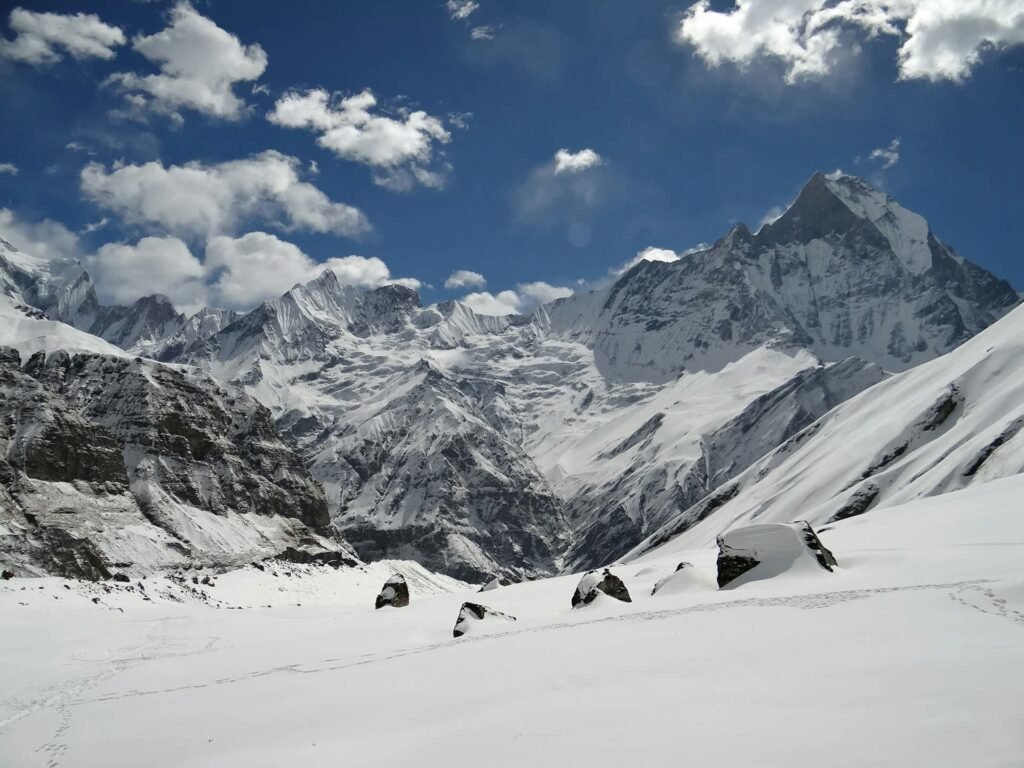
Reading about treks only gets you so far. The right route comes down to your dates, your fitness, your altitude tolerance and your budget, and those are easier to settle in a conversation than in a table.
To get a plan that fits, contact Wonder Hikes Nepal and share:
- The dates you are considering and how many days you can spend on the trail.
- Your trekking experience and any altitude history.
- Whether you prefer a famous route or a quieter one.
- Your rough budget and group size.
Send us those details, and we will help you choose a route and itinerary that suits you, so you can book with confidence and spend your energy on the trail.
Ready to plan your trek?
Tell us your dates and group size. We reply on WhatsApp within a few hours.