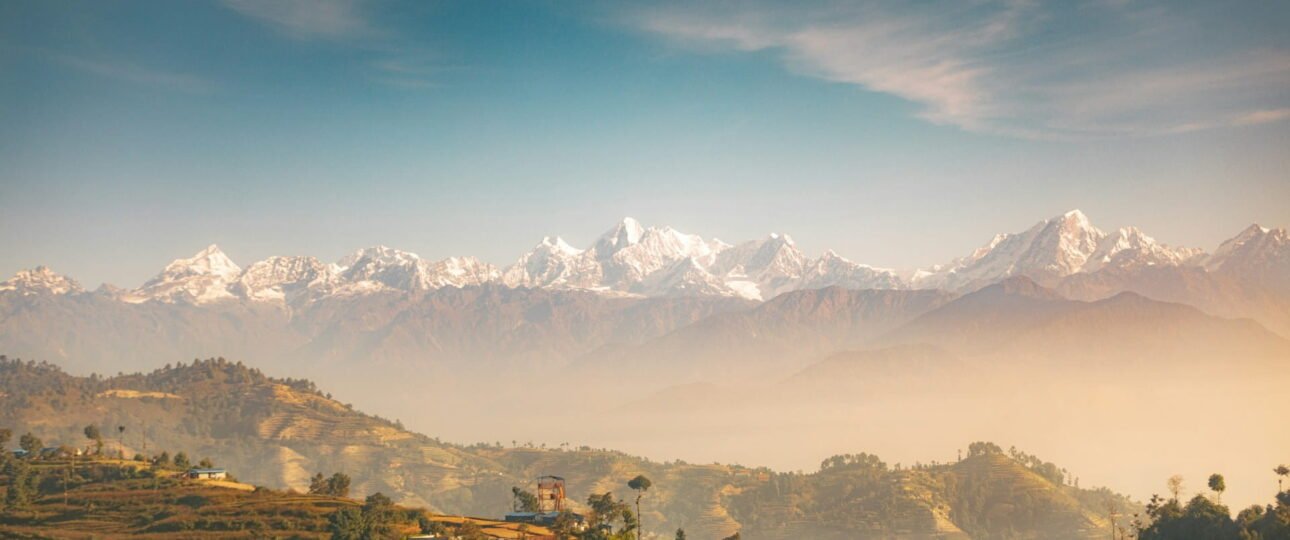
Nepal Best Time to Visit for 2026
Nepal’s travel calendar gets flattened into two answers constantly: spring and autumn. Both are correct. Both are also too broad to be genuinely useful for planning a specific trip, because the right month for a high-altitude trek, a Chitwan wildlife safari, a cultural festival experience in Kathmandu, and a budget-conscious winter trip are all different — and within the popular “best” seasons themselves, October and April are meaningfully different months even though they both technically qualify as peak season.
This guide goes month by month through the entire year, with honest, specific guidance on what each month actually delivers — mountain views, trail conditions, crowds, festival windows, wildlife, and budget — so you can place your own trip in the right slot rather than picking from a two-option menu.
One important framing note before the months: Nepal’s seasonal boundaries are shifting. Traditionally September is known as being a peak trekking month, however in recent years the monsoon rains have hung on until mid-September. Likewise December was traditionally known as a winter month but the first half of December in recent years has been good for trekking while the latter half is very much a winter month.
Keep this in mind as you read — the calendar boundaries below reflect current observed patterns rather than the traditional textbook dates, which are now often a week or two out of step with actual on-the-ground conditions.
January — Cold, Quiet, and Underrated
January is Nepal’s deepest winter month and carries the year’s lowest visitor numbers, which makes it simultaneously the most challenging and the most rewarding month for a specific type of traveler.
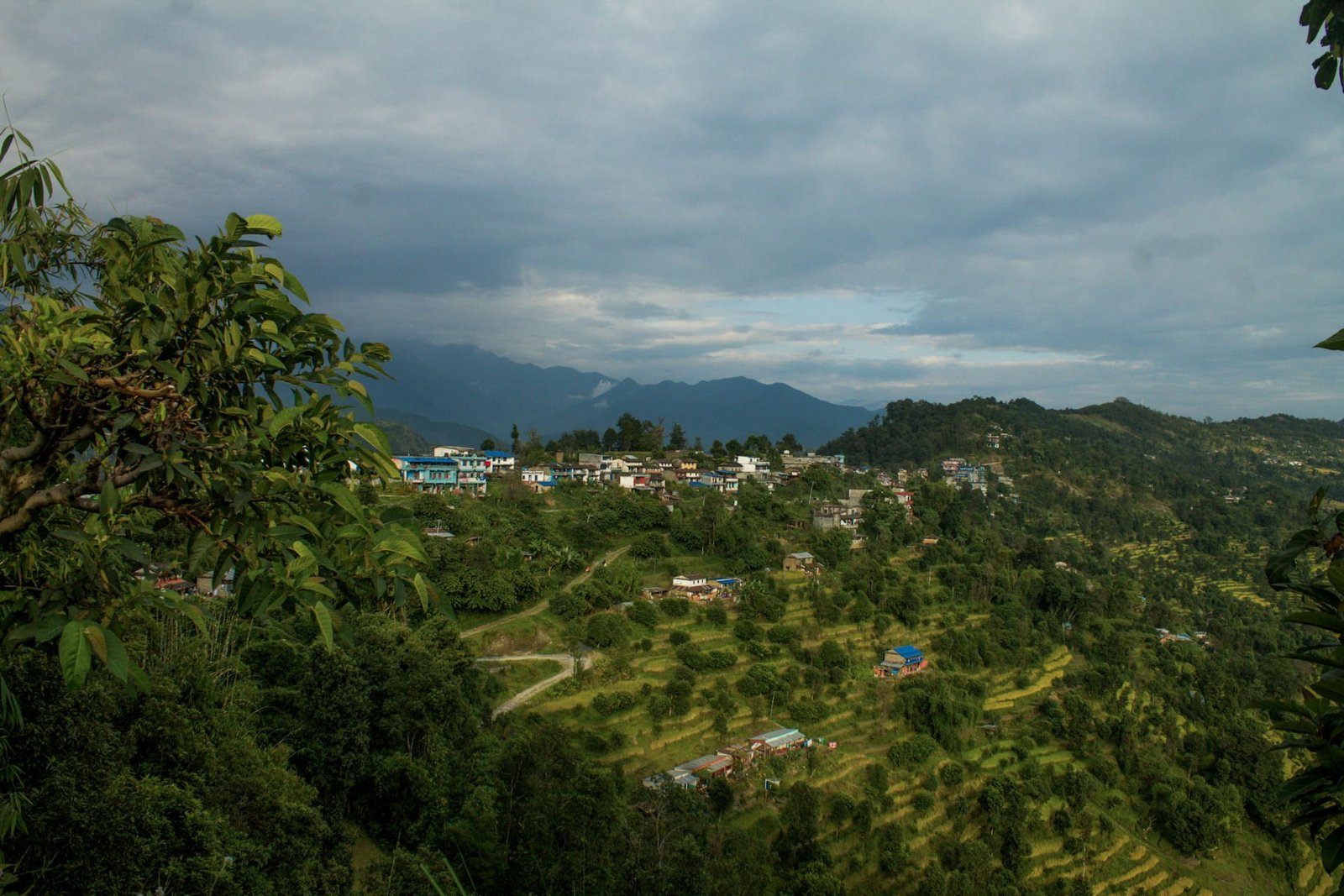
At higher altitudes — anywhere above roughly 3,500 m — January means serious cold, potential trail closures, and heavy snow on high passes. High passes (e.g., Thorong La) often close in January due to heavy snow; crampons and -20°C gear are mandatory. The Annapurna Circuit’s high route, EBC’s upper sections, and most passes above 4,000 m are genuinely risky without cold-weather mountaineering experience.
At lower altitudes — Kathmandu, Pokhara, Chitwan, and shorter low-altitude treks like Ghorepani-Poon Hill — January is excellent. Winter trekking in December, January, and February allows you beautiful views of snow-covered peaks glistening under the bright winter sun, creating a magical atmosphere that few get to witness. The air is crystalline in a way it isn’t even in October, and mountain views from lower vantage points can be extraordinary. Domestic flights, teahouse rates, and Restricted Area Permit fees are lower than in October peak — making January Nepal’s most budget-friendly trekking month.
Chitwan and Bardiya national parks are excellent in January for wildlife: dry season visibility through sparse vegetation makes rhino, elephant, and tiger spotting more reliable than the lush monsoon months.
Best for: Budget travelers, Kathmandu cultural visits, Chitwan wildlife safaris, low-altitude treks with a cold-weather setup, photographers who want snow-dusted landscapes and clear air.
Avoid if: You want high-altitude trekking above 3,500 m without serious cold-weather preparation.
February — Winter’s Best Month for Trekking
February is the winter month that most convincingly argues against the conventional “avoid winter” advice. Temperatures are cold but beginning to moderate, the trail clarity that January delivers continues in full force, and the first rhododendron species begin blooming at lower altitudes in the second half of the month — particularly on south-facing slopes in the Annapurna foothills.
High passes remain risky or closed in most regions, but more trails open up as February progresses than in January. The Ghorepani-Poon Hill circuit, Australian Camp, lower Langtang, and similar below-3,500 m routes are all viable and genuinely beautiful in February’s clear, cold air.
Kathmandu celebrates Losar — the Tibetan and Sherpa New Year — typically in February, which brings significant cultural activity in the Boudhanath area and among Tibetan Buddhist communities. This isn’t a widely-toured festival but is a genuine and moving celebration for those who encounter it.
Crowd levels on all trails are at their annual low — which appeals directly to the traveler who finds October’s trails too busy for the kind of experience they’re looking for.
Best for: Budget trekking, low-altitude winter routes, photography, Kathmandu cultural visits, early rhododendron bloom on south-facing slopes, Losar festival at Boudhanath.
Avoid if: You need to cross high passes or trek above 4,000 m without winter mountaineering gear.
March — The Season Turning
March is a month of genuine transition, and it’s worth understanding that transition in detail rather than simply filing it under “spring.”
Early March often still carries winter’s character in the high mountains — pass crossings can be icy and morning temperatures at altitude are genuinely cold. But the valley-level and mid-altitude trekking experience warms and brightens fast through the month. March temperatures begin warming gradually, with Kathmandu ranging from 15°C to 30°C during spring months.
The rhododendron bloom begins in earnest at lower to mid-altitudes during March. In spring, various rhododendron species populate Nepal’s hills and slopes, transforming the country’s scenery from reds to pinks and whites based on altitude. The lower-altitude species bloom first, with the peak moving up the elevation gradient through April.
Ghorepani-Poon Hill in late March is one of the most visually spectacular trail experiences in Nepal.
Holi — the festival of colors — falls in March or early April depending on the lunar calendar. Holi, the festival of colors, is gaining popularity worldwide and is celebrated on the full-moon day of March or April across Nepal. In Kathmandu and Pokhara, this is a genuine street festival and a memorable cultural encounter if you time your visit to coincide.
Best for: Rhododendron trekking, Holi festival, mid-altitude routes, the start of the spring trekking season with fewer crowds than April.
Avoid if: You need to cross major high passes in early March without winter preparation — passes typically become reliable from mid-to-late March onward depending on snowpack.
April — The Peak Spring Month
April is widely considered the single best month for spring trekking in Nepal. The rhododendron bloom is at full force across mid-altitude zones, skies are clear most mornings, temperatures are comfortable on the trail, and the spring Everest and major peak climbing expeditions are in full swing.
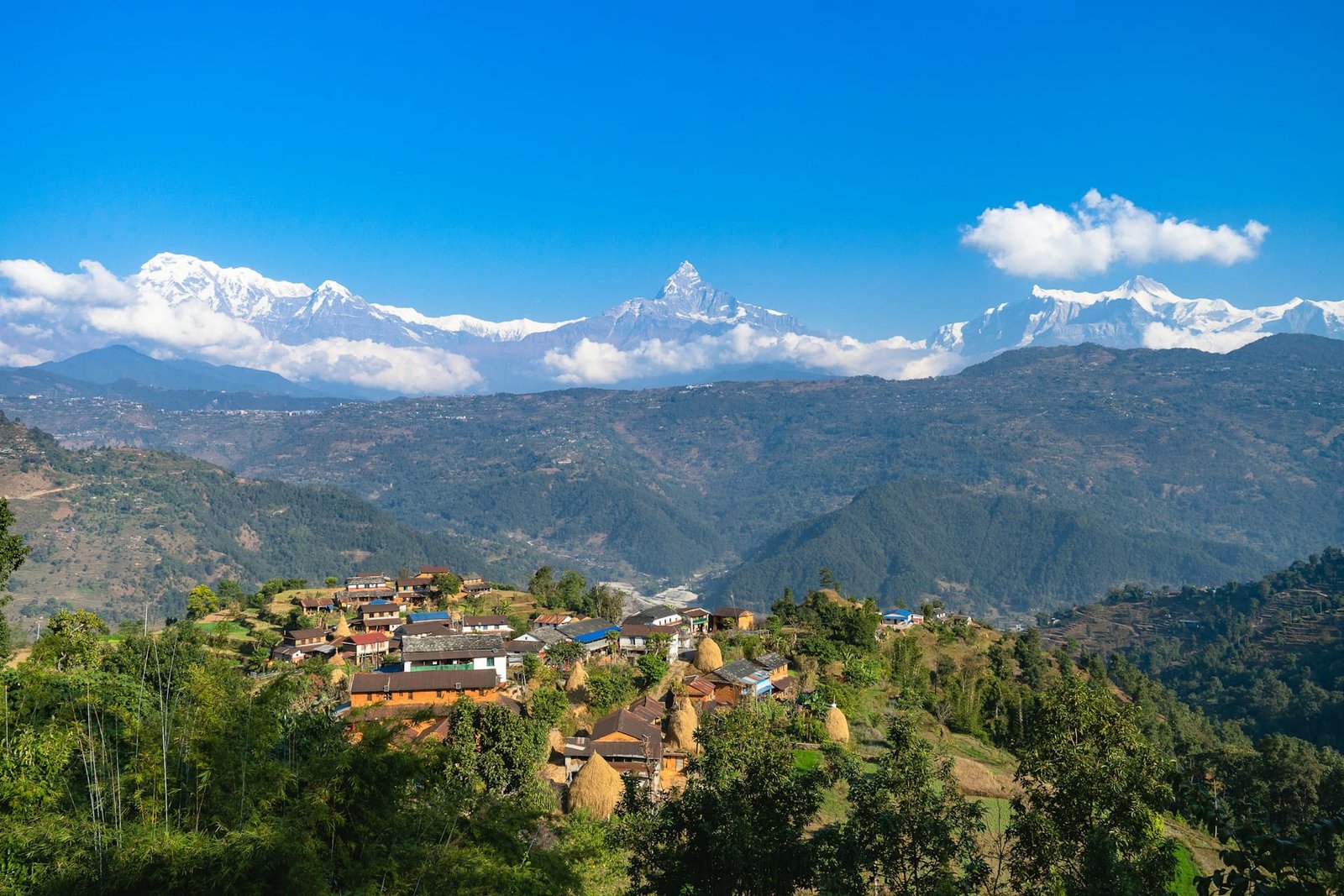
The spring climbing season peaks in April and May. Spring (March-May) adds blooming rhododendrons and fewer crowds relative to autumn on popular trails, though April itself is busy by any reasonable standard. The Annapurna Circuit, EBC trail, and most major Himalayan routes are accessible, acclimatization profiles are manageable, and the morning clarity before afternoon cloud builds is consistent.
One honest note about April that most pages skip: afternoon cloud is a real phenomenon in spring, more so than in autumn. The clear morning window — the period before thermals push cloud up the ridge lines — is typically reliable from dawn to 10-11 a.m., then narrows. Planning key viewpoint experiences for early mornings matters more in spring than in October, when afternoons stay clearer longer.
Temperatures in Kathmandu and Pokhara are warm and pleasant — genuinely summer-like in the valleys — which is perfect for combining city exploration with trekking.
Best for: Rhododendron trekking at its absolute peak, spring mountaineering expeditions, the Annapurna and Everest circuits, cultural travel combined with trekking.
Avoid if: You want the clearest afternoon mountain views — plan morning-timed viewpoint visits.
May — Late Spring’s Window
May is spring’s final act and a month of genuine duality. Late May is the last window of spring trekking before the monsoon arrives in June. Rhododendrons have peaked, but mountain views are still excellent.
The higher-altitude rhododendron species — those above 3,500 m — bloom in May while lower forests are already past peak. For trekkers specifically targeting high-altitude blooms, early May is the window. For most other spring trekking, May represents a tapering of the season rather than the height of it.
May also carries the Everest spring summit push — the month when most successful Everest ascents happen, in the narrow weather windows between the monsoon’s approach and the stable pre-monsoon periods. Base Camp in May is as busy as it gets, which matters for anyone combining EBC trekking with the chance to observe expeditions.
The heat in Nepal’s lowlands increases significantly in May — Chitwan and Terai in May are genuinely hot and not the most pleasant for safari.
Best for: High-altitude rhododendron bloom, Everest expedition season observation, completing spring trekking routes before monsoon arrives.
Avoid if: You want comfort in lowland Nepal — the Terai heat in May can exceed 40°C.
June — Monsoon Arrives, But Not Everywhere
June marks the arrival of the southwest monsoon, typically making landfall in Nepal between early and mid-June. For most major trekking routes, this is the beginning of the genuinely difficult season — leeches below 2,500 m, slippery trails, regular afternoon and overnight rain, landslide risk on road approaches, and cloud cover that obscures mountain views for days or weeks at a time.
The important exception — and one that significantly opens up June for the right traveler — is the Upper Mustang and Upper Dolpo regions, which sit in the rain shadow of the Annapurna and Dhaulagiri ranges and receive dramatically less monsoon precipitation than the rest of Nepal. Upper Mustang lies in a dry rain shadow and offers perfect trekking weather in June to August. It is also the only time you can witness the Tiji Festival if it falls in your travel window.
The Tiji Festival — a three-day Tibetan Buddhist ceremony in Lo Manthang that re-enacts the legend of a deity defeating a demon — is one of Nepal’s most visually extraordinary cultural events, held in May or June depending on the Tibetan lunar calendar. For cultural travelers specifically interested in Tibetan Buddhist heritage, timing a visit to coincide with Tiji is worth planning an entire Nepal trip around.
Best for: Upper Mustang and Dolpo trekking (rain shadow regions), Tiji Festival, Kathmandu cultural visits with lower tourist crowds.
Avoid if: You want major Himalayan trekking routes, Chitwan wildlife, or mountain views.
July and August — Deep Monsoon, Rain Shadow Opportunities
July and August represent the peak of the monsoon — consistent, heavy rain in most of Nepal, high landslide risk on mountain roads, trail conditions that range from difficult to genuinely dangerous, and near-constant cloud cover above 3,000 m.
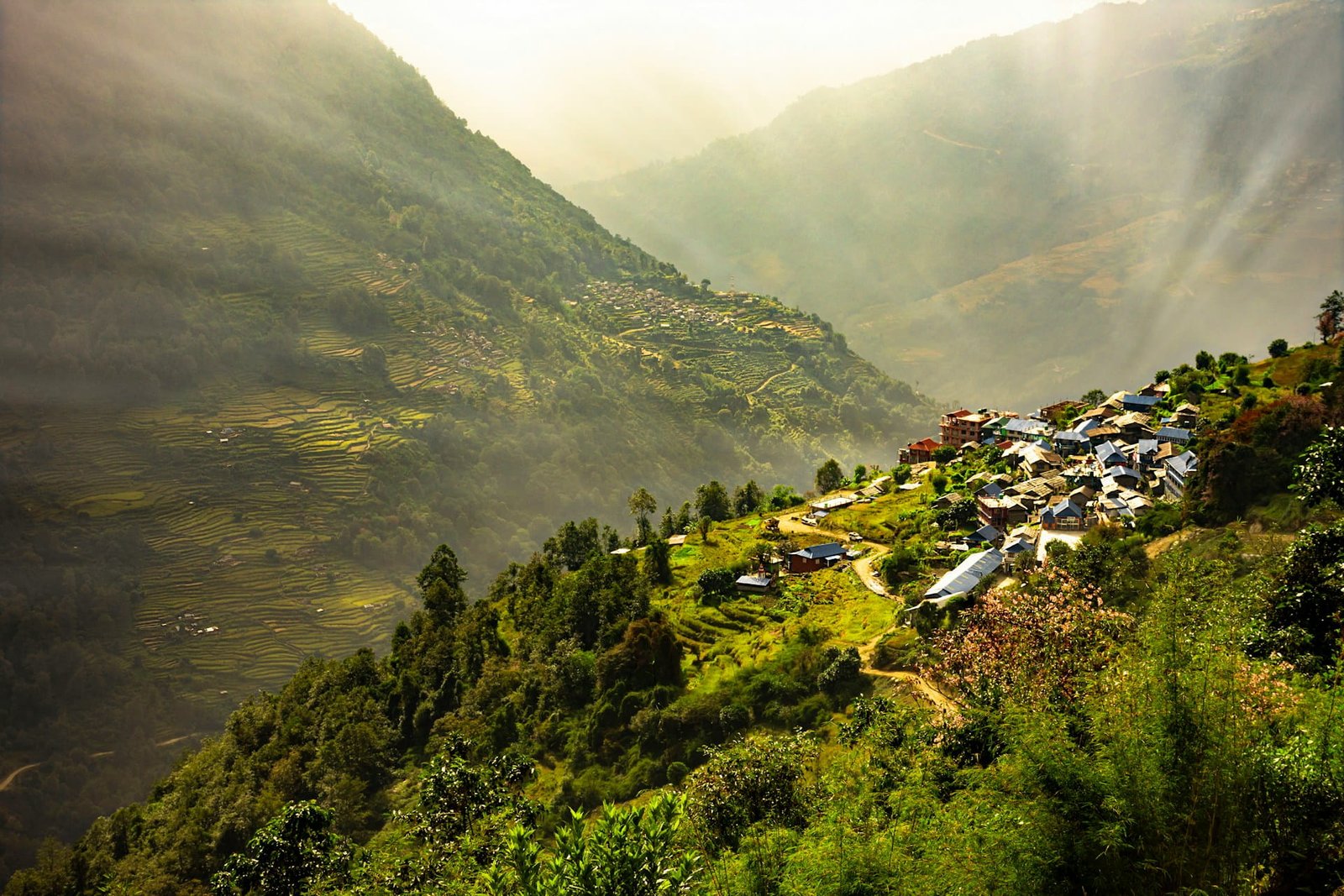
The rain shadow exceptions from June continue: Upper Mustang, Upper Dolpo, and Nar-Phu Valley all remain excellent trekking territory through the monsoon months. These regions’ distinctive Tibetan-influenced landscape — dramatic cliff faces, ancient monasteries, flat-roofed mud-brick villages, and an almost lunar quality to the landscape when the sun shines — is at its most photogenic with dramatic monsoon clouds building to the south while the north remains clear.
For travelers not interested in remote rain-shadow trekking, monsoon Nepal is best spent in Kathmandu — exploring Patan, Bhaktapur, and the Kathmandu valley’s UNESCO heritage sites at a pace that suits lower tourist volumes and genuinely lower prices.
You will find the humidity rising and the temperatures gradually cooling. Rainfall is more prominent during nighttime. As a result, you can witness stunning morning vistas. This is true — monsoon mornings in Kathmandu and Pokhara, before afternoon rain builds, often reveal the mountains sharply and unexpectedly in a way that surprises visitors who’ve written off monsoon entirely.
Best for: Upper Mustang and rain-shadow trekking, Kathmandu and heritage city exploration, budget travel, Teej festival (Hindu women’s festival, typically August-September).
Avoid if: You want mountain views, standard trekking routes, or wildlife safaris.
September — The Transition Month That Needs Careful Reading
September is where the traditional advice (“autumn season starts in September“) and actual current on-the-ground conditions diverge most significantly. In recent years the monsoon rains have hung on until mid-September, meaning that “September” as a travel month is really two different experiences: pre-monsoon-clearance early September, which can still carry genuine trail risk and poor visibility, and post-clearance late September, which begins delivering the clarity that makes autumn Nepal’s headline season.
For planning purposes, building flexibility around mid-September — or aiming for a late September arrival if you’re specifically targeting mountain views — is more reliable than assuming September as a whole delivers autumn’s best conditions.
The exception worth knowing: Chitwan and Bardiya national parks begin to dry out from the monsoon in September, and wildlife viewing improves significantly through the month as vegetation starts to thin and animals return to predictable water sources.
September through October is Nepal’s biggest festival season, with Dashain beginning in this window — though Dashain typically falls in October, the festival preparations begin in September.
Best for: Late September trekking (from roughly September 20 onward), wildlife in Chitwan and Bardiya, festival season preparation.
Approach with flexibility: Early September can still carry monsoon conditions — don’t commit to high-altitude trekking in the first two weeks without contingency planning.
October — Nepal Best Time to Visit
October is the Nepal best time to visit, with festivals like Dashain and Tihar adding cultural richness. This is the month that the rest of the year’s analysis points toward — and it deserves more than a single superlative sentence.
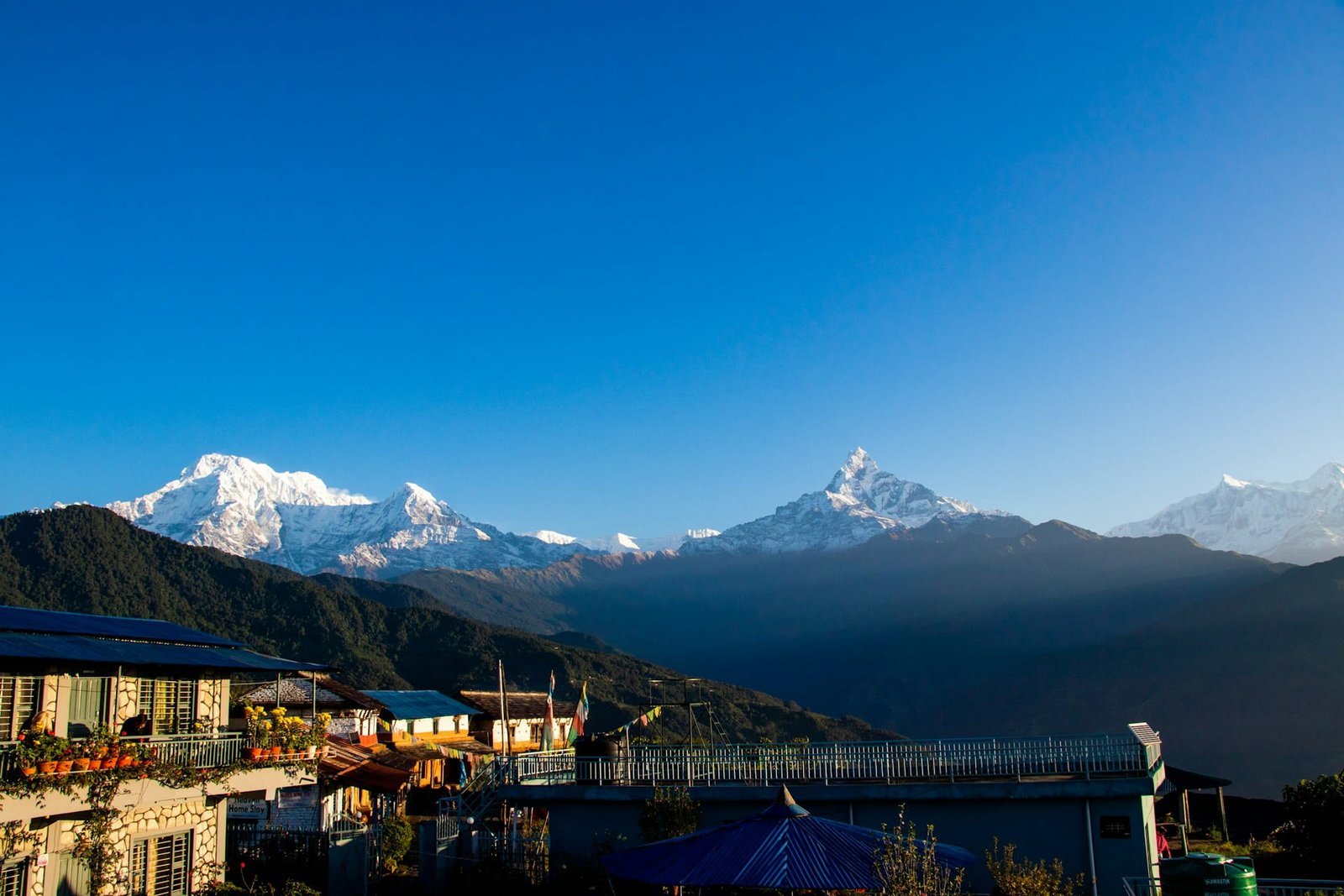
Clear skies, drier roads, breathtaking views, and comfortable temperatures that are neither too hot nor too cold make October the best time for trekking. Post-monsoon air has been scrubbed of dust and haze. The mountain views from every major route — EBC, Annapurna Circuit, Langtang, Manaslu, Mardi Himal, Ruby Valley — are at their sharpest. Temperatures at lower altitudes are warm and pleasant; at altitude, days are comfortable and nights are cold but manageable with standard trekking gear.
Dashain — Nepal’s biggest festival, a 15-day Hindu celebration of the triumph of good over evil — typically falls in October. These celebrations offer authentic cultural experiences for visitors, with family get-togethers, feasts, and cultural events. The practical trekking note: during Dashain’s peak days, teahouse staff may be reduced as workers return home to their families, and some popular trails can see increased Nepali domestic trekkers during the festival. This is a cultural enrichment, not a problem — but worth knowing.
The honest caveat about October: it is expensive and crowded by Nepal’s standards. Popular trail sections — the EBC route near Namche, the Annapurna Circuit approach — have visible trekker density in peak October. Teahouse bookings fill quickly. Domestic flights book out weeks ahead.
Best for: Everything. Mountain views, trekking, cultural festivals, wildlife, Kathmandu exploration. October is simply Nepal’s most complete month.
Book early: Accommodation, flights, and guides for October fill several months in advance during a normal year.
November — Quieter Autumn, Still Excellent
November delivers everything October does for mountain views and trail conditions, with one meaningful advantage: the crowds thin noticeably as the month progresses, particularly in the second half. Tihar festival (the festival of lights) follows in November, adding a second major cultural event — Tihar celebrates Lakshmi (goddess of wealth), dogs, cows, and siblings across five days, and its evening light displays in Kathmandu are genuinely beautiful.
The temperature trade-off becomes more significant as November progresses — nights at altitude drop noticeably, and by late November the high passes (Thorong La, Larkya La, Pangsang La) are approaching closure risk after any significant snowfall. The first half of November is fully equivalent to October for most routes; the second half tilts slightly toward winter preparation.
November is an excellent month for travelers who found October’s prices or crowd levels off-putting but want the same quality of mountain visibility. The views are, on average, as clear as October’s. The trails are noticeably quieter. The cost is marginally lower.
Best for: Mountain views equivalent to October with lower crowds, Tihar festival, high-altitude trekking in the first half of the month.
Watch: High pass routes become more weather-dependent in late November — check current conditions before committing to a crossing.
December — The Underestimated Month
The first half of December has been good for trekking in recent years while the latter half is very much a winter month. This split character makes December more interesting than its “winter” classification suggests.
Early December catches the tail of autumn’s favorable conditions — clear air, lower trail traffic than November, and genuine mountain views at most altitudes. Teahouse prices drop from their October peaks. The trails feel quiet in a way that appeals to a specific kind of traveler. Wildlife in Chitwan is excellent as vegetation continues to thin.
Late December transitions fully into winter — cold nights at altitude, snow risk on high passes, and the beginning of the January conditions described at the top of this guide. Christmas and New Year see a small bump in international visitor numbers, particularly in Kathmandu and Pokhara.
For budget-conscious travelers with flexibility, early December is a genuine sweet spot: autumn-quality views at winter prices, with notably lower crowd density than October and November.
Best for: Budget trekking, early December mountain views, Chitwan wildlife, Kathmandu cultural visits, a quieter experience on trails that were busy in October.
Watch: High passes close progressively through December — check current conditions for any route above 4,000 m.
The Honest Summary: Which Month for Which Purpose
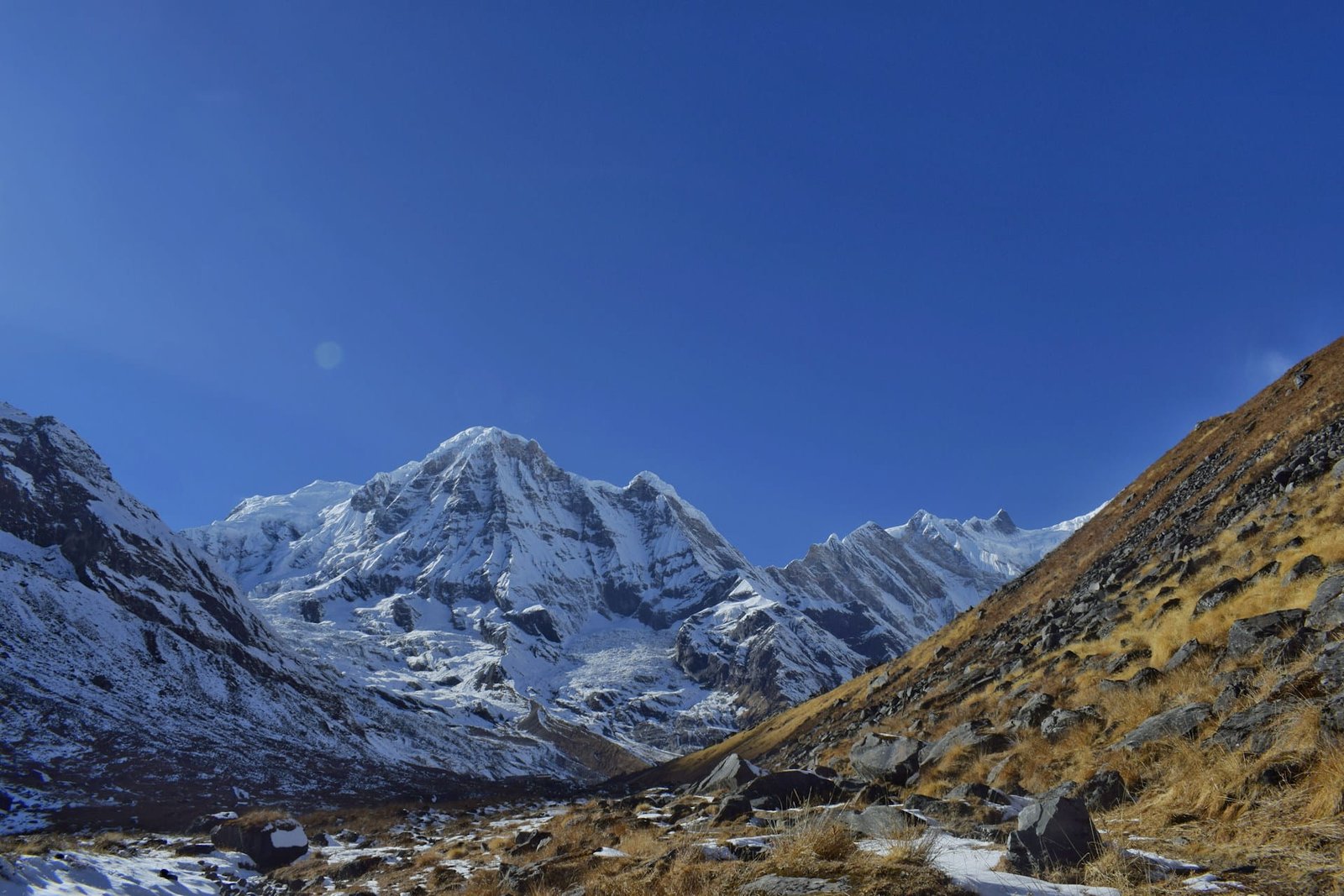
- Best for high-altitude trekking views: October and early November (autumn); April (spring)
- Best for rhododendron bloom: Late March through April at mid-altitude; early May at high altitude
- Best for festivals: October (Dashain), November (Tihar), February-March (Losar, Holi), May-June (Tiji in Upper Mustang)
- Best for wildlife (Chitwan and Bardiya): October through April — dry season visibility; January-February particularly good
- Best for Upper Mustang and rain-shadow regions: June through August — the counterintuitive monsoon option
- Best for budget travel: January and February (lowest prices, low crowds, winter clarity)
- Best for avoiding crowds: January-February (winter), June-August (monsoon, outside rain shadow regions), early December
- Best overall single month: October — the convergence of clear views, comfortable temperatures, and festival season creates the most complete Nepal experience any month offers
Frequently Asked Questions about Nepal Best Time to Visit
- What is the absolute Nepal Best Time to Visit?
In October, which has Post-monsoon clarity, comfortable trekking temperatures, the Dashain festival, and full access to all major routes make it Nepal’s most complete travel month. Book flights, guides, and accommodation well in advance. - Is spring or autumn better for trekking?
Both are genuine peak seasons. Autumn (October-November) delivers the clearest long-distance mountain views. Spring (March-May) adds rhododendron bloom and slightly lower crowds on popular routes. If you can only choose one month from each: October beats April on average for mountain view clarity; April beats October for visual diversity (bloom plus mountains). - Can you visit Nepal in the monsoon?
Yes, but with a specific purpose. Standard trekking routes are difficult. Upper Mustang, Upper Dolpo, and Nar-Phu are excellent — they sit in rain shadows that the southwest monsoon doesn’t reach. Kathmandu cultural exploration works well in monsoon with lower prices and fewer tourists. - Is Nepal worth visiting in winter?
Genuinely yes, for the right traveler. January and February are Nepal’s cheapest months, trail crowds are minimal, air clarity is excellent, and lower-altitude routes like Poon Hill and Ghorepani are accessible and beautiful. High passes above 4,000 m are the main constraint. - When should I book for October trekking?
At least three to four months in advance for guide and porter arrangements, and earlier for popular teahouses on the EBC and Annapurna routes. Kathmandu hotels and domestic flights to Lukla fill quickly once October bookings open. - What is Nepal’s cheapest month to visit?
January carries the year’s lowest domestic flight prices, teahouse rates, and permit costs. Combined with the underrated visual quality of Nepal’s winter on lower trails, it’s the strongest value month for budget-conscious travelers. - What’s the weather like in Kathmandu across the year?
Kathmandu Valley stays mild year-round, rarely dropping below freezing even in winter nights and rarely exceeding the low 30s°C in pre-monsoon summer. The real seasonal shift is rainfall, not temperature — June through September brings frequent afternoon downpours, while October through May stays largely dry with clear valley air outside of a few smoggy pre-monsoon weeks in April. - Is April a good month for Everest Base Camp specifically?
Yes, April is one of the two strongest EBC months alongside October and early November. Daytime trekking temperatures are comfortable, the rhododendron forests lower on the route are in bloom, and the route sees the year’s highest concentration of expedition traffic heading to Everest Base Camp itself, which adds atmosphere for some trekkers and crowding for others. - When is the best time to avoid crowds on popular routes?
Late November through early December and again in early March hit a sweet spot — stable weather carried over from peak season without the October or April crowd density. Winter (January-February) offers the lowest crowds of all on lower-altitude routes, at the cost of closed high passes and colder nights. - What is the best time to visit for wildlife safaris in Chitwan or Bardia?
Late winter through early spring, roughly February to April, is strongest for wildlife viewing on National parks. Vegetation is thinner and animals congregate more visibly around remaining water sources, in contrast to monsoon and early autumn when tall grass and dense foliage make sightings harder. - Does the time of year affect flight reliability to Lukla?
Significantly. Autumn and spring mornings are generally the most reliable for Lukla flights, though afternoon winds still cause frequent delays regardless of season. Monsoon months see the highest cancellation and diversion rates due to cloud cover, and winter can bring occasional weather-related disruptions from cold fronts, though less frequently than monsoon. - Is there a best time to visit Nepal for photography?
Late October into November offers the clearest combined package — post-monsoon dust settling, minimal haze, and strong mountain visibility for landscape work. Spring’s rhododendron bloom (March-April) is the better choice for photographers prioritizing color and foreground interest over distant peak clarity. - How does Dashain and Tihar affect travel plans in Nepal?
These festivals (typically falling in September-October and October-November respectively) bring genuine cultural richness but also mean many local businesses close and domestic transport gets heavily booked as Nepalis travel home. Trekking routes stay operational, but travelers relying on public buses or last-minute internal flights should build in buffer time during these weeks