
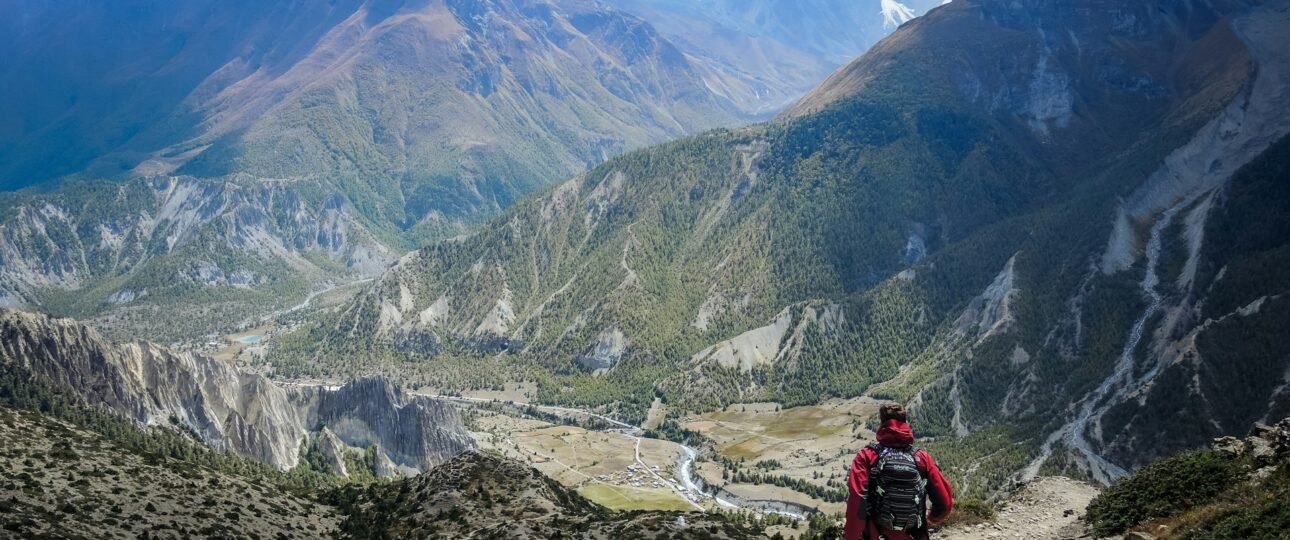
Introduction to Manang Trip
A Manang trip is one of the few journeys in Nepal where you can go from green river valley to dry, high-altitude desert in a few days, sleep in a village with Tibetan prayer wheels and stone houses, and still have a bakery within walking distance. It is also a trip where the details matter. The village sits at roughly 3,500 metres, the road up the valley is rough, and the choices you make about how to get there and how long to stay decide whether you enjoy it or spend two days nursing a headache.
This guide is written for people who are planning a visit to Manang and want straight answers: where it is, how to reach it, how many days to allow, what to do once you are there, which side trips are worth adding and how to stay well at altitude. Where published sources disagree, I say so instead of quietly choosing one number.
Manang at a Glance
| Question | Short answer |
|---|---|
| Where is Manang? | Manang District, Gandaki Province, on the Annapurna Circuit, inside the Annapurna Conservation Area |
| How high is it? | Roughly 3,500 m. Published figures run from about 3,519 m to 3,550 m depending on the source |
| How do you get there? | By jeep along the Marsyangdi valley, by trekking from the lower valley, or a mix of both |
| How long should you stay? | At least two nights, so you can take one acclimatisation day |
| Best seasons | Spring (March to May) and autumn (September to November) |
| Best known for | Acclimatisation hikes, Gangapurna Lake, Tibetan Buddhist culture, bakeries and the gateway to Tilicho Lake and Thorong La |
Altitude figures for Manang differ because operators, maps and GPS devices disagree. This article uses “roughly 3,500 metres” and flags any figure that varies.
What and Where Is Manang?
Manang is a high Himalayan village on the northern side of the Annapurna range, in the Manang district of Gandaki Province. It sits in a dry valley that is partly sheltered from the monsoon by the mountains themselves, a rain-shadow effect that makes the landscape look very different from the green hills further south.
On the classic Annapurna Circuit, the route usually runs from Besisahar through Chame and Pisang to Manang, then on to Yak Kharka, Thorong Phedi and over Thorong La at 5,416 metres. Manang is the great pause on that route. Almost everyone stops here, and most itineraries include a full rest day.
The village is surrounded by big mountains, including Annapurna II, Annapurna III, Gangapurna and Tilicho Peak. The culture is strongly Tibetan Buddhist, so the walk through the village passes prayer wheels, mani walls, chortens and flat-roofed stone houses. The Kathmandu Post’s feature on Manang’s mountains, alpenglow and festivals captures the atmosphere well and notes that one visit is rarely enough.
Why Visit Manang at All?
There are four honest reasons, and it helps to know which one is yours.
- The landscape change. Few places in Nepal show such a dramatic shift in a short distance, from forest and waterfalls in the lower Marsyangdi valley to bare, high, windswept slopes around Manang.
- The culture. The Tibetan Buddhist character of the village and the surrounding area is visible everywhere, from the monasteries to the carved stones.
- The acclimatisation stop. If you are crossing Thorong La or heading to Tilicho Lake, Manang is where your body gets time to adjust.
- The comfort at altitude. Manang has lodges, cafes and bakeries that make a rest day pleasant. Nepal Traveller’s piece on exploring Manang describes the village as a high-altitude destination shaped by isolation and resilience, which is a fair summary.
It may not be for you if you hate cold nights, dislike rough road journeys or want a purely flat, easy holiday. The altitude is real, and the trip rewards people who accept that.
How to Reach Manang: Jeep, Trek or Both
There are three practical ways to get to Manang, and each suits a different traveller. The road along the Marsyangdi valley has changed the classic circuit, and vehicles now run on much of the lower and middle sections.
By jeep
Operators and guides describe the road journey from Besisahar to Manang as achievable in a single long day when road and weather conditions allow. It is a mountain road, not a highway: expect rough, narrow sections, dust in dry weather and the risk of mud and landslides in the monsoon. Journey times vary widely with road conditions, so treat any quoted time as approximate and leave slack in your schedule.
The jeep option suits travellers with limited time who mainly want the high part of the trip: Manang, the acclimatisation hikes and maybe Tilicho Lake. The trade-off is altitude. Gaining height quickly by vehicle leaves your body less time to adapt, so a jeep trip needs extra caution and a proper rest day on arrival.
By trekking
The traditional approach is to walk up from the lower valley, passing through places such as Bhulbhule, Jagat, Dharapani, Chame and Pisang. This gives your body days to adapt, and you see the landscape change step by step. It is the better way to experience the Annapurna Circuit as a journey, and it is the safer option for altitude. If you are weighing it up, our guide to the Annapurna Circuit trek map shows the route, elevation and stages.
By a mix of both
Many trekkers use a hybrid approach: drive to a village partway up the valley, such as Chame, and walk from there. This saves the least interesting road-adjacent sections while keeping the gradual gain on the most scenic ones. The exact stages depend on road conditions and your itinerary, so ask your operator which sections are currently drivable.
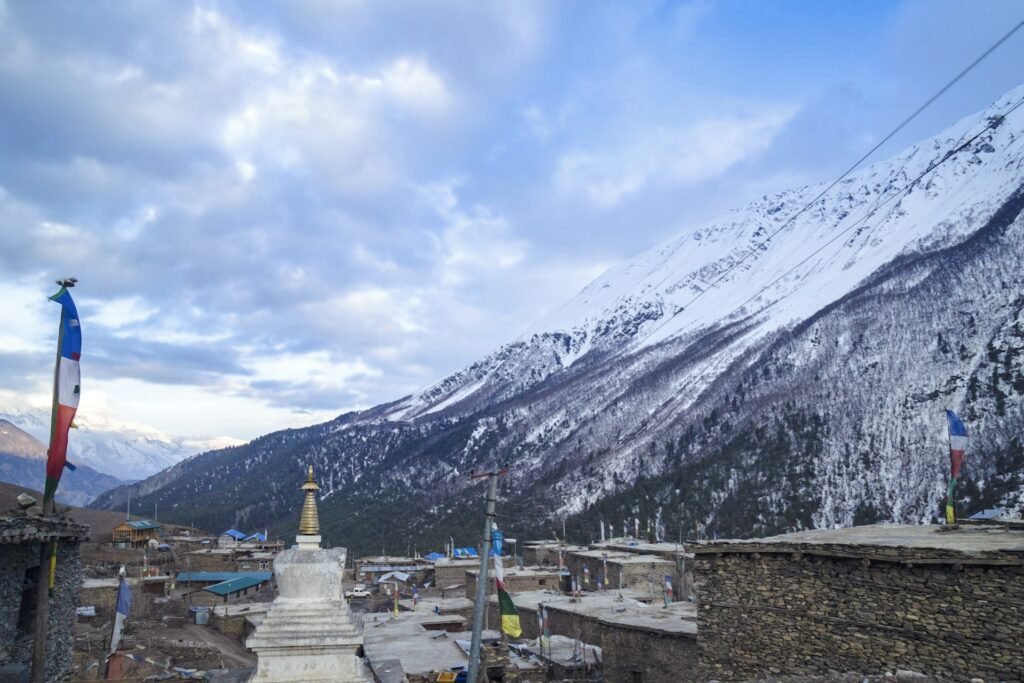
Pisang to Manang: two trail options
Between Pisang and Manang, trekkers can choose between the lower route and the higher route via Ngawal, which has views but involves an extra climb. The higher route is useful for acclimatisation if your schedule allows it. Ask your guide which is best on the day, as conditions and group fitness matter.
If you are curious how far the whole route actually is, our guide to how many miles the Annapurna Circuit is explains why the answer varies with the road.
How Many Days Does a Manang Trip Need?
There is no single answer, but a few principles help you decide.
- At least two nights in Manang. Most guides recommend a full rest day so you can hike high and sleep at the same height.
- Add days for the approach. If you walk, count several days from the lower valley to Manang. If you drive, count a long travel day and keep the next day gentle.
- Add days for side trips. Tilicho Lake needs additional days beyond a simple Manang stay, and Ice Lake is a long day hike.
- Add a buffer. Roads, weather and altitude can all change your plans.
For context, operators sell Manang-focused packages of very different lengths. One jeep-and-trek Tilicho Lake tour from Kathmandu runs for 10 days with a maximum altitude of 4,919 metres. Standard Annapurna Circuit itineraries run longer, and shorter versions of around six days exist for travellers with limited time. The short versions leave very little room for acclimatisation, so read the daily plan carefully and ask where the rest day falls.
Three realistic shapes for a Manang visit
The short jeep trip. Drive up the valley, spend two or three nights in Manang with an acclimatisation hike and return by road. Good for people who want the scenery and culture without a long trek, provided they allow time to adjust and accept rough roads.
The Manang and Tilicho trip. Spend a night or two in Manang to acclimatise, walk to Tilicho Lake with a night or two on the way, then return and continue or head back. This is the most rewarding option for people who want a lake at nearly 4,900 metres.
The full circuit. Walk the whole Annapurna Circuit, with Manang as the middle rest stop before Thorong La. This is the classic trek and the best way to gain height gradually.
If you are comparing costs between these shapes, our guide to the Annapurna Circuit trek cost breaks down what to budget for.
Things to Do in Manang
Manang is worth exploring rather than treating as an overnight stop. Here is what most visitors do, with the hikes covered in more detail in the next section.
- Walk through Manang village. The stone houses, prayer wheels and mani walls make a good slow afternoon. The village also has teahouses and small shops, and the cultural museum is a short visit.
- Visit Braga. The old monastery in nearby Braga is one of the best-known cultural stops on the way to or from Manang.
- Go to Gangapurna Lake. The glacial lake lies across the river from the village and is one of the easiest acclimatisation walks.
- Climb to a viewpoint. Several ridge viewpoints look over the village and the mountain wall behind it, and one route continues above the lake to a yak shed.
- Visit Praken Gompa. A round trip of about three hours takes you up a well-marked trail to a monastery above the village.
- Go to Khangsar. This quieter, older village sits to the west and is the last settlement before the trail to Tilicho Lake.
- Eat at the bakeries. Several bakeries serve apple pie, cinnamon rolls and real coffee, which feels almost surreal at this height.
Manang has historically hosted a daily talk on altitude safety at the Himalayan Rescue Association post, and older itineraries mention an afternoon session. Programmes change, so check whether it is running when you arrive, because it is well worth attending if it is.
Acclimatisation Hikes From Manang
The golden rule of altitude is to climb high and sleep low. On your rest day you walk to a higher point and return to Manang to sleep. The options below give you a choice depending on your energy and how you feel.
| Hike | What it is | Effort |
|---|---|---|
| Gangapurna Lake | A short walk across the river to a glacial lake, with a viewpoint above it | Easy |
| Ridge viewpoint and monastery | A short climb above the village for views over Manang and the valley | Easy to moderate |
| Praken Gompa | Round trip of about three hours to a monastery above the village | Moderate |
| Khangsar day trip | A longer walk with more altitude gain, through a traditional village | Moderate |
| Ice Lake (Kicho Tal) | A cluster of glacial lakes at roughly 4,560 to 4,600 m, a 5 to 7 hour round trip gaining nearly 1,100 m | Hard |
Figures for Ice Lake differ slightly between sources, with altitudes listed from about 4,560 to 4,600 metres, and the round trip is a substantial day. It is a good choice for fit, well-acclimatised trekkers and a poor one if you are already feeling unwell.
Whichever hike you choose, leave early in the morning, carry water and warm layers, and return in time to rest in the afternoon. A rest day that turns into an exhausting climb defeats the purpose.
Tilicho Lake and Ice Lake: Worth Adding?
Tilicho Lake. At about 4,919 metres, Tilicho is one of the highest lakes in the world and the most famous side trip from Manang. The trail runs through Khangsar towards Tilicho Base Camp and then up to the lake, and it needs extra days with a night on the way. It is a strenuous addition, and it is strongly weather and season dependent, with harsher conditions and fewer lodges in winter. Do it only if you are well acclimatised, have spare days in your itinerary and are willing to turn back if conditions are poor.
Ice Lake (Kicho Tal). A much shorter option for people who do not have the days for Tilicho. It is a long, steep day hike, so treat it as an acclimatisation hike for strong walkers rather than an easy outing.
If you are unsure which suits you, ask your guide to look at how you feel after your first night in Manang. A hard hike on top of a headache is never a good idea.
Where to Eat and Sleep in Manang
Manang has a good range of trekking accommodation, from basic teahouses to more comfortable lodges. Most offer rooms with beds and blankets, a dining room, hot meals, tea and coffee, and often paid charging. Facilities become more basic beyond Manang, so enjoy the comforts while you have them.
Food is the familiar trekking menu: dal bhat, noodles, rice, pasta, soup, potatoes, eggs, Tibetan-style bread, tea and coffee. The bakeries are a highlight. They sell baked goods that are unusually good for a village at this height, and they make a rest day feel like a treat. For a deeper look at teahouse food on a major Annapurna trek, our teahouse food guide explains what to expect and how to eat well at altitude.
Rooms are usually unheated, so bring a sleeping bag or arrange for one at the lodge, and expect cold nights even in the main seasons. Carry cash, because banking facilities thin out as you go deeper into the mountains.
Best Time to Visit Manang
Autumn (September to November). Widely seen as the most reliable season, with clear skies and excellent mountain views after the monsoon. It is also the busiest.
Spring (March to May). Warmer days, blooming rhododendrons at lower elevations and generally stable conditions. Afternoon cloud becomes more common as the season advances.
Monsoon (June to August). Manang lies in the rain shadow and is drier than the southern slopes, but the road up the valley and the lower trail can be affected by mud, rockfall and landslides. Plan flexibly if you travel then.
Winter (December to February). Cold, with fewer lodges open and harsher conditions towards the high passes. Several operators describe winter in this region as suitable only for very experienced trekkers.
For a general sense of what a busy autumn month feels like at altitude, our guide to Nepal’s climate in November is useful context, although the Annapurna side is drier than the Everest side.
Altitude Safety in Manang
This is the section to read twice. At roughly 3,500 metres Manang is high enough for altitude sickness to occur, and the stages after it climb higher still, towards Yak Kharka, Thorong Phedi and the pass.
Common mild symptoms include headache, nausea, loss of appetite, dizziness and poor sleep. The serious warning signs are different: severe headache that does not respond to rest, repeated vomiting, confusion, loss of balance, breathlessness at rest or a persistent wet cough. The rule is simple and not negotiable: if symptoms are getting worse, do not climb higher, and descend if you are not improving. The Cleveland Clinic has a clear, plain-language explanation in its guide to altitude sickness, and you should speak to a travel-medicine professional before the trip, especially if you have heart or lung conditions.
- Do not rush the gain. A quick jeep ride to Manang saves time but removes the gentle build-up you get from walking.
- Take the rest day seriously. It is part of the plan, not a spare day.
- Drink regularly, and avoid alcohol and sleeping pills.
- Tell your guide the truth about headaches or nausea, early.
- Have an evacuation plan. Ask your operator how helicopter evacuation works and how it connects with your insurance.
What to Pack for Manang
The right kit depends on the season, but a few items matter on every Manang trip.
- Layers: base layer, fleece, down jacket and a windproof, waterproof shell.
- Warm hat, gloves and a buff, because mornings and evenings are cold.
- Sun protection: sunglasses, sun cream and lip balm, as UV is strong at altitude.
- Sleeping bag rated for cold nights, unless your operator supplies one.
- Broken-in boots and warm socks.
- Water bottles and purification tablets.
- Headlamp and spare batteries.
- Small cash reserve in Nepali rupees.
- Basic first-aid kit and any personal medication.
If you plan to cross Thorong La afterwards, pack for the pass as well. Our guide to Annapurna hiking by route helps you decide which trek fits your time and fitness before you commit to gear.
Culture and Etiquette in Manang
Manang is a living community, not an open-air museum. The Tibetan Buddhist traditions that shape daily life here are visible in every direction, and a few simple habits make you a better guest.
- Walk clockwise. Pass prayer wheels, mani walls and chortens with the monument on your right, as locals do.
- Ask before photographing. Request permission before taking pictures of people, monks or ceremonies, and accept a refusal gracefully.
- Dress modestly in religious places. Cover your shoulders and knees, and remove your shoes before entering a prayer hall.
- Stay quiet near monasteries. Many are active places of worship, and visitors should keep their voices low.
- Buy locally. A tea, a pastry or a night in a family-run lodge keeps money in the valley.
If you want to understand the mantra carved on the stones you will pass, our short guide to the meaning of Om Mani Padme Hum explains what the six syllables represent and why they appear on walls, flags and wheels across the Himalaya.
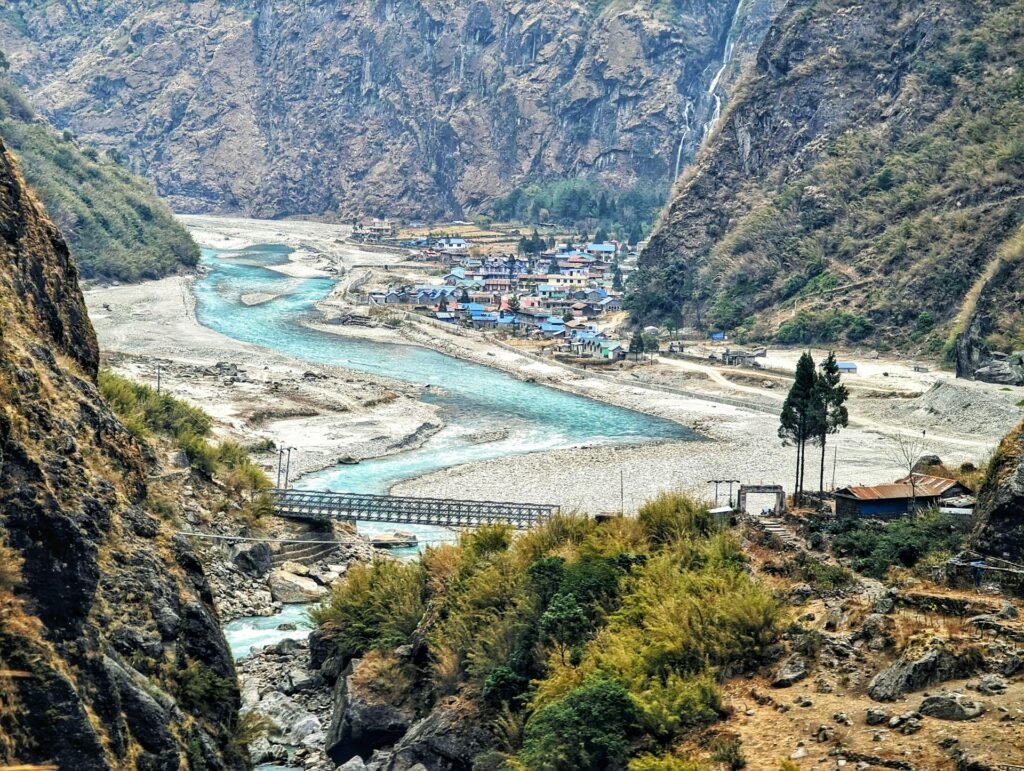
Why Manang Looks So Dry: The Rain-Shadow Effect
The scenery changes sharply as you climb the valley, and the reason is geographical. The Annapurna range blocks much of the monsoon moisture that moves north from the plains, so the southern slopes receive heavy rainfall while the northern side, where Manang sits, is much drier. That rain-shadow effect explains the sparse vegetation, the bare slopes and the high, desert-like feel of the upper valley.
It also affects your trip in practical ways. The air is dry, so you lose water faster than you think and your lips and throat dry out. Sunshine is strong and clear days are common, but wind can pick up in the afternoon. And because rain is less of a factor than in the lower valley, the main monsoon risk for a visit is the road below Manang, not the village itself.
A Realistic Rest Day in Manang, Hour by Hour
The rest day is the heart of a Manang visit, and it works best when it has a simple shape rather than a heroic one.
- Morning. Eat a proper breakfast, drink warm fluids and start your acclimatisation hike once the sun reaches the village. Choose a route that matches how you feel, whether that is the lake, a viewpoint or a longer walk.
- Midday. Return to the village for lunch and drink plenty of water. This is a good time to visit the cultural sights or the bakeries.
- Afternoon. Rest, wash clothes if conditions allow, check your gear and repack. If the wind picks up, stay inside.
- Evening. Eat early, keep drinking and go to bed warm. Light sleep is common at this height, so do not worry if you wake often.
If you feel unwell during the day, tell your guide rather than waiting. A rest day is also the best moment to decide whether to continue upward, change your plan or turn back, because decisions made rested and fed are better than those made halfway up a pass.
Money, Connectivity and Small Practicalities
A few practical points are easy to overlook before you leave Pokhara or Kathmandu. Carry enough cash in Nepali rupees for the whole trip, because banking and ATM options thin out as you go up the valley. Many lodges offer charging for a fee and some have paid internet, but signal is unreliable, so tell family when you may be out of contact. Keep a power bank, because cold drains phone batteries quickly. Download offline maps before you leave. And if you hire a guide, use their local knowledge: they can tell you which hikes are sensible on the day, which lodges are open and how the road looks that morning.
Is This Trip Right for You?
It suits you if you enjoy mountain scenery and culture, can tolerate a few cold nights and are willing to build in a proper rest day. It suits you less if you have a tight schedule that leaves no slack for road delays, if you are prone to altitude problems and cannot take extra time, or if you want hotel-level comfort throughout. If you have heart, lung or blood conditions, or you are pregnant, speak to a doctor who understands altitude before booking.
Fitness matters less than patience. Strong hikers who rush often feel worse than moderately fit people who go slowly, drink well and rest when they should. If that sounds like the pace you enjoy, Manang is a rewarding destination, and you can always start with a shorter version and add the side trips on a later visit.
Permits and Paperwork
Manang lies inside the Annapurna Conservation Area, so you need the appropriate permits, and the rules for guides and agencies introduced in 2023 affect most routes. Fees and procedures have changed several times, so confirm the current requirement with your operator before you book. Our guide to trekking permits in Nepal explains the permit types, what changed and where sources disagree.
Sample Manang Itineraries
These are illustrations, not quotes. Every operator builds its own schedule, so use them to understand the pattern.
Plan A: A short, road-based visit
Travel by road to the valley, reach Manang after a long day, spend a night, take an easy acclimatisation hike to Gangapurna Lake or a nearby viewpoint on the rest day, sleep a second night and return by road. This is the lightest option, and it works best if you are comfortable with rough roads and willing to take altitude seriously. Add a spare day if you can.
Plan B: Manang with Tilicho Lake
Reach Manang by a mix of road and walking, spend two nights to acclimatise, walk to Khangsar and onward to Tilicho Base Camp, visit the lake, then return to Manang or continue on the circuit. Allow buffer days, and keep the option to skip the lake if you are unwell or the weather is poor.
Plan C: The full Annapurna Circuit with Manang as the pause
Walk from the lower valley, spend an acclimatisation day in Manang, continue to Yak Kharka and Thorong Phedi and cross Thorong La. This is the classic trek and the best way to gain height gradually.
Common Mistakes When Visiting Manang
- Driving up too fast. A one-day jump to roughly 3,500 metres with no rest day invites trouble.
- Skipping the rest day. Manang is where your body gets its best chance to adapt.
- Over-hiking on the rest day. A moderate walk is enough. Ice Lake is a hard day, not a gentle outing.
- Trusting road times. Landslides, mud and breakdowns change schedules, so keep slack.
- Underpacking for cold. Nights are cold in every season, and rooms are not heated.
- Adding Tilicho without spare days. It needs time, acclimatisation and good weather.
- Ignoring early symptoms. A headache that worsens is a reason to rest or descend.
Pre-Departure Checklist
- Choose your shape: short road trip, Manang with Tilicho, or the full circuit.
- Confirm road conditions before you rely on a jeep.
- Book at least two nights in Manang for an acclimatisation day.
- Add buffer days for weather and roads.
- Arrange permits through a registered agency and check the current rules.
- Pack layers, sun protection and a cold-rated sleeping bag.
- Carry cash, since banking options are limited.
- Buy insurance that covers trekking to your maximum altitude and helicopter evacuation.
Final Thoughts on Visiting Manang
Manang rewards people who slow down. The scenery is big, the culture is rich and the village offers comfort that makes a high-altitude pause enjoyable. But it also rewards patience with the altitude, flexibility with the road and humility about the weather. Decide how you want to get there, give yourself at least one proper rest day, pick hikes that match how you feel and treat the numbers in this guide as a starting point. If you do, a trip to this high valley becomes one of the highlights of the Annapurna region rather than a test of endurance.
Frequently Asked Questions About Visiting Manang
1. Where is Manang?
Manang is in Manang District, Gandaki Province, in north-central Nepal. It lies on the Annapurna Circuit inside the Annapurna Conservation Area, between Pisang and Yak Kharka.
2. How high is Manang?
Roughly 3,500 metres. Published figures range from about 3,519 to 3,550 metres depending on the source.
3. Can you reach Manang by road?
Yes, jeeps run along the Marsyangdi valley from Besisahar, and operators describe the journey as achievable in a single long day when conditions allow. The road is rough and can be affected by weather, so allow flexibility.
4. Is it better to trek or take a jeep to Manang?
Trekking gives better acclimatisation and a richer experience, while a jeep saves time. Many travellers combine the two, and anyone driving should add a proper rest day on arrival.
5. How many days should I spend in Manang?
At least two nights, so that you can take a full acclimatisation day. If you plan a Tilicho Lake side trip, allow extra days beyond that.
6. What can you do in Manang?
Walk the village, visit Gangapurna Lake, hike to a viewpoint or Praken Gompa, visit Braga monastery, explore Khangsar and enjoy the bakeries. Fit trekkers can attempt Ice Lake or continue to Tilicho Lake.
7. How high is Tilicho Lake and can I visit from Manang?
Tilicho Lake is at about 4,919 metres. You can visit from Manang by walking through Khangsar, but the side trip needs extra days and good acclimatisation.
8. When is the best time to visit Manang?
Autumn (September to November) and spring (March to May) are the most reliable seasons. Winter is very cold with fewer lodges, and the monsoon can disrupt roads.
9. Is altitude sickness a risk in Manang?
Yes. At roughly 3,500 metres it can occur, especially if you ascend quickly. Take a rest day, drink regularly, tell your guide about symptoms and descend if they worsen.
10. Do I need a permit to visit Manang?
Yes. Manang is inside the Annapurna Conservation Area, so you need the appropriate permits, and rules about guides and agencies apply. Confirm current requirements with your operator.
Plan Your Visit to Manang With Wonder Hikes Nepal

Choosing between a jeep, a trek or a mix of both, and fitting in the acclimatisation days the valley demands, is easier with someone who knows the valley. Tell us your dates, group size and trekking experience, and we will help you build a Manang trek or road itinerary that suits your time and your pace. The quickest way to reach us about your Manang trip is on WhatsApp.
Chat with Wonder Hikes Nepal on WhatsApp: +977 986-0221055
Ready to plan your trek?
Tell us your dates and group size. We reply on WhatsApp within a few hours.