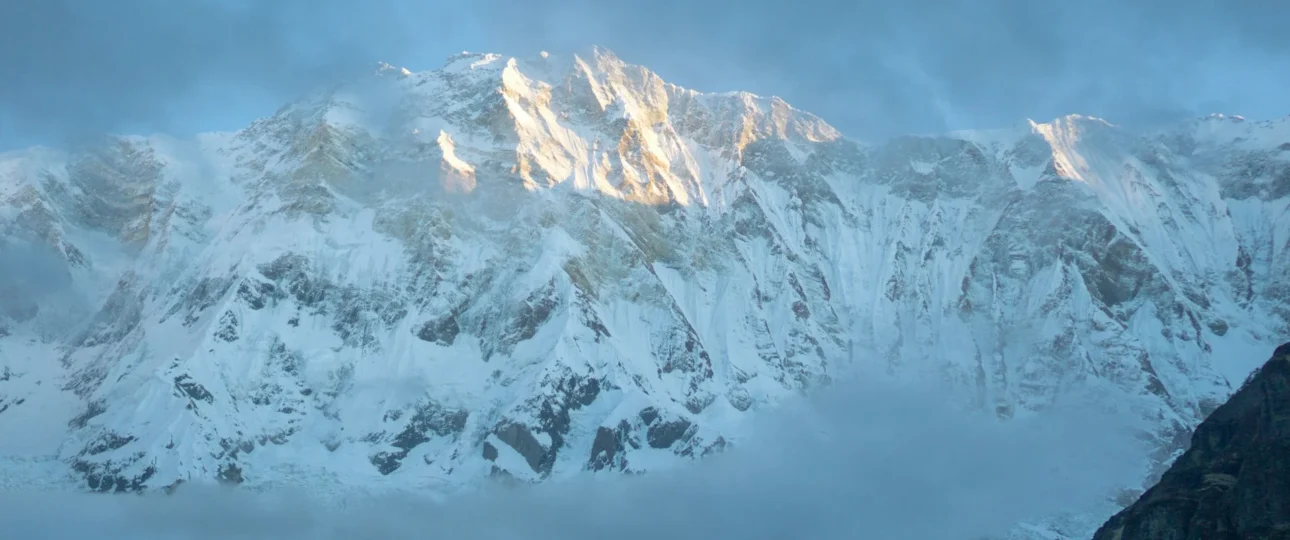
Annapurna Circuit Trek Cost 2026: Complete Budget Breakdown—this is one of the first questions every trekker asks before booking this iconic Himalayan route, and for good reason. The Annapurna Circuit Trek cost is a significant investment, and understanding exactly what you will spend is essential for proper planning. The Annapurna Circuit is a 128-mile horseshoe-shaped route encircling the mighty Annapurna Mountain Range, reaching a maximum altitude of 5,416 meters at Thorong La Pass .
It offers diverse landscapes, rich cultural experiences, and some of the world’s most spectacular mountain views. But how much does it actually cost in 2026? The honest answer is that the Annapurna Circuit Trek cost 2026 can range anywhere from $800 to over $2,000 per person, depending on how you travel it .
For most international trekkers, the total Annapurna Circuit budget falls between $600 and $1,500 per person for a well-managed experience . The variation comes from a few key factors: number of days, type of operator, accommodation standard, whether food is bundled into the package or paid separately, and how much transport you use to skip road sections . This guide from Wonder Hikes Nepal breaks down every real expense so you can budget with confidence instead of guessing.
Annapurna Circuit Trek Cost at a Glance
Before diving into the details, here is a quick overview of what you can expect to spend on the Annapurna Circuit in 2026:
| Cost Component | Approximate Cost (per person) |
|---|---|
| Budget Independent Trek | $530–$650 |
| Budget Guided Trek | $800–$1,000 |
| Mid-Range Guided Trek | $1,000–$1,500 |
| Premium/Luxury Trek | $1,800–$3,000+ |
| ACAP Permit | NPR 3,000 (~$22) |
| TIMS Card | NPR 2,000 (~$15) |
| Licensed Guide | $25–$40 per day |
| Porter | $18–$25 per day |
| Teahouse Accommodation | $3–$15 per night |
| Meals on Trail | $20–$50 per day |
| Travel Insurance | $50–$150 |
| Nepal Visa | $50 (30 days) |
What Does the Annapurna Circuit Trek Typically Cost?
For most international trekkers, the total Annapurna Circuit Trek cost falls somewhere between $600 and $1,500 per person for a well-managed experience . This Annapurna Circuit budget covers the essentials without major compromises. A standard guided Annapurna Circuit package typically costs $1,200 to $1,800 per person .
The variation comes from a few key factors:
-
Number of days—longer itineraries cost more for accommodation and food
-
Type of operator—premium operators charge more for better service
-
Accommodation standard—private rooms vs. shared dormitories
-
Food inclusion—whether meals are bundled into the package or paid separately
-
Transport choices—jeep assistance vs. full walking
-
Guide and porter—whether you hire one or trek independently
-
Side trips—Tilicho Lake and Nar Phu add significant costs
Annapurna Circuit Trek Cost Breakdown 2026
Permits: What You Need and What It Costs
Annapurna Circuit permits are a fixed cost regardless of your trekking style . In 2026, the Annapurna Circuit requires two mandatory permits:
ACAP (Annapurna Conservation Area Permit)
-
Cost: NPR 3,000 (~USD 22) for foreign nationals
-
Strictly enforced at every checkpoint on the route
-
Valid for single entry only
-
SAARC nationals pay NPR 1,000
TIMS (Trekkers’ Information Management System) Card
-
Cost: NPR 2,000 (~USD 15) for foreign nationals
-
Enforcement varies by checkpoint
-
Supports Nepal’s trekker safety tracking system
Important note for 2026: A licensed guide is mandatory on the Annapurna Circuit and is enforced at permit checkpoints. Trekkers without a guide have been turned back at entry points . Most operators include these permits in their package price .
Total permit cost: Approximately $37–38 per person .
Guide and Porter Costs
Licensed Guide: $25–$40 per day
Since April 2023, Nepal’s regulations require all foreign trekkers to use a licensed guide on standard trekking routes, including the Annapurna Circuit. The government has discussed this requirement in recent years and it is enforced at permit checkpoints .
What a guide provides:
-
Navigational expertise on the trail
-
AMS symptom recognition before symptoms become severe
-
Teahouse booking in peak season
-
Cultural and natural context
-
Emergency assistance and evacuation support
-
Communication with local teahouse owners
Porter: $18–$25 per day
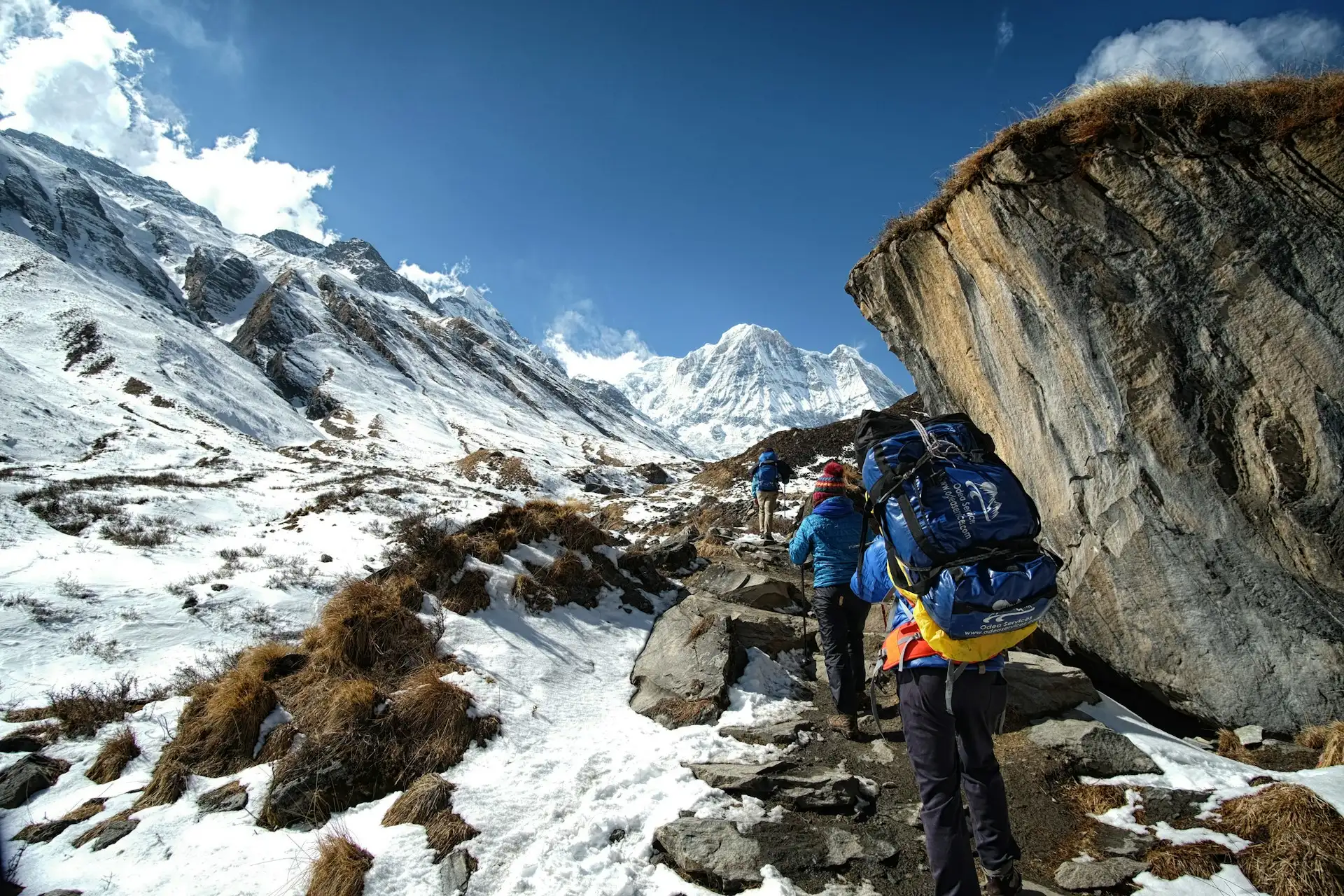
Hiring a porter not only relieves physical effort but also contributes directly to the local economy—portering is a primary source of income for many mountain families . Porters typically carry 20–25 kg of gear for two trekkers .
Should you hire a porter? If this is your first multi-day trek or you want to conserve energy for the high-altitude sections, absolutely. Carrying a pack up stone staircases for 14+ days compounds knee fatigue significantly. With a porter handling your main bag, you carry only a small daypack with water, camera, and snacks.
Teahouse Accommodation Costs
Accommodation on the Annapurna Circuit is teahouse-based . Teahouses are basic but functional—wooden rooms, thin mattresses, sleeping bags needed for warmth.
| Elevation | Shared Room (per night) | Private Room (per night) |
|---|---|---|
| Lower trail (below 2,200 m) | $3–7 | $10–15 |
| Mid-altitude (2,200–3,200 m) | $7–12 | $12–18 |
| High altitude (above 3,200 m) | $10–15 | $15–25+ |
Note: At higher elevations (Manang to Thorong La), private rooms become limited and more expensive. Some teahouses offer free accommodation in exchange for meal purchases .
Food and Meals Costs on the Trail
This is where trekkers most often get the cost estimate wrong. Food prices increase with altitude because everything above a certain point must be carried up by porter or pack animal .
| Section | Elevation | Typical Meal Cost | Daily Food Budget |
|---|---|---|---|
| Besisahar to Chame | 760m to 2,670m | $3–6 per meal | $20–25 |
| Chame to Manang | 2,670m to 3,540m | $5–8 per meal | $25–35 |
| Manang to Muktinath | 3,540m to 5,416m to 3,710m | $7–12 per meal | $35–50 |
| Muktinath to Tatopani | 3,710m to 1,190m | $5–8 per meal | $25–35 |
| Tatopani to Pokhara | 1,190m to 820m | $4–7 per meal | $20–30 |
Dal Bhat is the best value meal at every elevation. Unlimited refills are standard at most teahouses and it is the most nutritious option on trail . A typical dal bhat at Manang costs around $8–10. The same dish in Besisahar costs $4–5.
Drinks add up faster than food. Hot lemon, tea, and coffee are $1–3 at lower elevations and $2–4 above Manang . Bottled water is available but expensive—budget $2–3 per bottle above 3,000m . A reusable bottle with purification tablets or a filter saves $2–4 per day and significantly reduces plastic waste .
Transportation Costs
Kathmandu to Trailhead:
| Transport Option | Cost | Duration |
|---|---|---|
| Tourist bus | $10–15 | 7–10 hours |
| Premium bus (Greenline, Jagadamba) | $25–35 | 7–10 hours |
| Private car/jeep | $100–180 | 7–10 hours |
| Domestic flight (KTM–PKR) | $100–130 | 25 minutes |
Pokhara to Trailhead:
| Transport Option | Cost |
|---|---|
| Shared jeep/local bus | $5–15 |
| Private jeep to trailhead | $70–110 |
Return Transport:
-
Muktinath to Pokhara by bus/jeep: $15–25
-
Jomsom to Pokhara by flight: $80–120
Hidden Costs Most Trekkers Forget
These are the expenses that catch first-timers off guard and can add $100–200+ to your total if you are not prepared :
| Expense | Cost |
|---|---|
| Travel insurance | $50–150 (non-negotiable) |
| Hot showers | $2–5 per shower |
| Device charging | $2–4 per device above Manang |
| Wi-Fi | $3–5 per day where available |
| Boiled water | $3–6 per 2 liters |
| Snacks on trail | $3–8 per item |
| Tilicho Lake side trip | Adds 2–3 days + $100–150 |
| Tatopani hot springs | $2–3 |
| Muktinath Temple entrance | NPR 200 (~$1.50) |
| Poon Hill viewpoint entrance | NPR 100 (~$0.75) |
| Tips (guide) | $10–12 per day recommended |
| Tips (porter) | $8–10 per day recommended |
| Altitude medication (Diamox) | $10–30 |
| Gear rental | $30–60 for full kit |
Annapurna Circuit Trek Cost: Budget vs Standard vs Premium
Budget Trek ($800–$1,000 per person)
This covers the essentials without compromise: accommodation, meals, permits, and a licensed guide . Transport relies on buses and shared jeeps, and accommodation is comfortable teahouse-style. This is the most popular starting point for first-time trekkers who want proper support without overspending .
What you get:
-
ACAP and TIMS permits
-
Licensed guide
-
Basic teahouse accommodation
-
Meals on the trail (often not included, budget separately)
-
Bus/shared jeep transport
-
Sleeping bag and down jacket rental included by some operators
Mid-Range Guided Trek ($1,000–$1,500 per person)
This offers better accommodation options, more meal variety, and greater logistical support . This level suits trekkers who want a smoother day-to-day experience while keeping the adventure intact.
What you get:
-
All budget inclusions
-
Better teahouse accommodation with private rooms where possible
-
Meals often included (breakfast, lunch, dinner)
-
Private transport options
-
Additional porter support
-
Better guide-to-client ratio
Premium/Luxury Trek ($1,800–$3,000+ per person)
This removes most logistical friction from the experience . You can enjoy private rooms wherever available, with more porter services, domestic flights, and fully organized logistics. The physical challenge remains, but the following day-to-day itinerary feels significantly smoother .
What you get:
-
All mid-range inclusions
-
Private rooms throughout
-
Domestic flights (Pokhara to Kathmandu)
-
Private vehicle transport
-
Premium teahouse accommodation
-
Full meals with unlimited tea/coffee
-
Porter for every trekker
-
Comprehensive first aid kit with oxygen
How Trekking Season Affects Overall Expenses
The time of year you choose to trek the Annapurna Circuit has a direct impact on your overall expenses . During peak seasons, particularly spring (March to May) and autumn (September to November), the weather is stable, skies are clear, and demand is high. This can lead to slightly higher prices for accommodation and services .
In contrast, off-season periods like winter (December to February) and the monsoon (June to August) bring fewer crowds and lower costs. But they also come with additional challenges such as cold temperatures, snowfall, or heavy rain. These conditions can affect both comfort and safety, especially for less experienced trekkers .
How Much Cash Should You Carry?
One of the most common questions about Annapurna Circuit cost is how much cash to bring. There are no ATMs or credit card facilities along the trail. Everything must be paid for in Nepalese rupees (NPR) .
Recommended cash to carry: $400–600 per person .
Why you need this much:
-
Daily food and accommodation costs: $20–50 per day
-
Hidden costs: hot showers, charging, Wi-Fi, snacks
-
Emergency buffer for unforeseen circumstances
-
Tips for guide and porter (paid at the end)
Where to get cash:
-
ATMs in Kathmandu and Pokhara
-
Currency exchange offices in Kathmandu and Pokhara
-
Bring some USD, EUR, or GBP as backup
Sample Annapurna Circuit Trek Budget for 14 Days
Here is what realistic totals look like for different types of trekkers on a standard 14–16 day circuit :
| Cost Item | Budget Backpacker | Mid-Range Trekker | Guided Package |
|---|---|---|---|
| Accommodation (14 nights) | $70 | $180 | Included |
| Food (14 days) | $200 | $360 | Included |
| Transport | $50 | $80 | Included |
| Guide (14 days) | — | — | $448 |
| Porter (14 days) | — | — | $352 |
| Permits | $37 | $37 | Included |
| Insurance | $80 | $100 | $100 |
| Gear rental | $40 | $20 | — |
| Extras/hidden costs | $60 | $100 | $100 |
| Tips | $50 | $80 | $80 |
| Total | ~$587 | ~$957 | ~$1,580 |
Side Trips and Their Cost Impact
Tilicho Lake Side Trip
The Tilicho Lake detour adds approximately 2–3 days and significantly increases your total Annapurna Circuit budget.
Additional costs:
-
Extra accommodation: $20–40
-
Extra food: $40–80
-
Extra guide/porter days: $50–100
-
Additional permits: none (included in ACAP)
-
Total additional cost: $110–220+
Nar Phu Valley Side Trip
The Nar Phu Valley is a remote, restricted area that adds 5–6 days to the circuit. This is a significant commitment.
Additional costs:
-
Extra accommodation: $50–90
-
Extra food: $100–180
-
Extra guide/porter days: $120–200
-
Restricted area permit: additional fees
-
Total additional cost: $300–500+
What Wonder Hikes Nepal‘s Package Includes
Wonder Hikes Nepal offers transparent Annapurna Circuit packages designed to minimize hidden costs and surprises. Their packages typically include:
Included:
-
ACAP and TIMS permits
-
Licensed, English-speaking guide
-
Porter service (1 porter for every 2 trekkers)
-
Teahouse accommodation on the trail
-
All meals (breakfast, lunch, dinner) on the trek
-
Airport transfers in Kathmandu
-
Ground transportation as per itinerary
-
Sleeping bag and down jacket (returnable)
-
Comprehensive first aid kit with oxi-meter
-
Trekking map
-
All government taxes and VAT
Not included:
-
International airfare
-
Nepal visa fees (paid on arrival)
-
Accommodation and meals in Kathmandu and Pokhara
-
Travel insurance (mandatory)
-
Personal trekking gear
-
Bottled water, soft drinks, alcohol
-
Hot showers and device charging
-
Wi-Fi and laundry
-
Tips for guide and porter
How to Save Money on the Annapurna Circuit (Safely)
Where to Save
-
Choose a budget trekking company—many reputable operators offer affordable packages
-
Share a guide and porter—splitting costs with other trekkers reduces per-person expenses
-
Eat dal bhat—it is the cheapest and most nutritious meal on the trail with free refills
-
Use water purification tablets—saves $2–4 per day vs. bottled water
-
Rent gear in Kathmandu—much cheaper than buying expensive equipment
-
Book permits yourself—saves the agency markup
-
Use public transport—tourist buses and shared jeeps are significantly cheaper than private vehicles
-
Travel off-season—lower accommodation and service costs
Where NOT to Save
1. Travel insurance. This is non-negotiable . Helicopter evacuation from Thorong La or Manang can cost **$3,000–8,000 without coverage** . Budget $50–150 for a policy that explicitly covers high-altitude trekking and helicopter rescue.
2. A licensed guide. The government requires a licensed guide on the Annapurna Circuit, enforced at permit checkpoints . Trekkers without a guide have been turned back .
3. Proper food and hydration. At altitude, your body needs fuel. Cutting food costs at high elevations can compromise your acclimatization and safety.
4. Appropriate gear. Broken-in hiking boots, warm sleeping bag, and trekking poles are essential—not optional.
Annapurna Circuit vs Annapurna Base Camp Cost
If budget or time is a factor, it is worth comparing routes :
| Factor | Annapurna Circuit | Annapurna Base Camp |
|---|---|---|
| Duration | 12–18 days | 7–12 days |
| Max altitude | 5,416 m | 4,130 m |
| Difficulty | Challenging | Moderate |
| Cost | $800–$2,000+ | $800–$1,000 |
| Distance | ~128 miles | ~43–57 miles |
| Best for | Cultural diversity and variety | Amphitheater of peaks |
Annapurna Circuit Trek Cost: Is It Worth the Money?
Honestly? It is one of the most extraordinary values in long-distance mountain trekking anywhere on Earth . Compare it with the Everest Base Camp Trek—similar permit costs, similar daily expenses, but a more crowded trail with less cultural diversity . The Annapurna Circuit takes you from lowland rice terraces through dense rhododendron forests to high-altitude desert, crossing a 5,416m pass, passing through diverse cultural communities, and offering some of the world’s best mountain views.
The trail is well-established, teahouses are frequent, and the logistics are simple. But simple does not mean easy—and the cost reflects the challenge and remoteness of the route. For what you get, the Annapurna Circuit is exceptional value.
Annapurna Circuit Trek FAQs
1. How much does the Annapurna Circuit Trek cost in 2026?
The Annapurna Circuit Trek cost ranges from $800 to $2,000+ per person depending on your trekking style and choices .
2. How much is a guided Annapurna Circuit package?
A guided Annapurna Circuit package typically costs $1,200 to $1,800 per person .
3. Can I do the Annapurna Circuit on a budget?
Yes, a budget trek costs approximately $800–$1,000 per person . The Nepwise model offers treks under $650 with flexible food costs .
4. What permits are required for the Annapurna Circuit?
ACAP permit (NPR 3,000) and TIMS card (NPR 2,000). Total permit cost is approximately $37–38 .
5. Is a guide required for the Annapurna Circuit in 2026?
Yes, a licensed guide is mandatory and enforced at permit checkpoints .
6. How much does a guide cost?
A licensed guide costs $25–$40 per day .
7. How much does a porter cost?
A porter costs $18–$25 per day .
8. How much does food cost on the Annapurna Circuit?
Food costs range from $20–$50 per day, with prices increasing significantly above Manang .
9. How much does accommodation cost?
Teahouse accommodation costs $3–$15 per night, with higher prices at higher altitudes .
10. What hidden costs should I budget for?
Hot showers ($2–5), device charging ($2–4), Wi-Fi ($3–5), boiled water ($3–6 per 2L), tips ($10–12/day for guide), and travel insurance ($50–150) .
11. How much cash should I carry?
Bring $400–600 in Nepalese rupees (NPR) as there are no ATMs along the trail .
12. How long does the Annapurna Circuit take?
The typical duration is 12–18 days, with 14–16 days being most common for a comfortable pace .
13. Does Tilicho Lake add cost?
Yes, the Tilicho Lake side trip adds 2–3 days and approximately $100–200+ in extra costs.
14. Is the Annapurna Circuit cheaper than Everest Base Camp?
Yes, the Annapurna Circuit is generally cheaper than EBC with similar permit costs and daily expenses, but the route is more culturally diverse .
15. When is the best time to trek the Annapurna Circuit?
Autumn (September–November) and spring (March–May) are the best seasons, but peak season prices may be slightly higher .
Ready to Plan Your Annapurna Circuit Trek?
The Annapurna Circuit is one of the world’s great treks—a journey through diverse landscapes, cultures, and altitudes that few other routes can match. The cost is significant but represents exceptional value for what you receive.
When comparing Annapurna Circuit prices and packages, focus on what is included and excluded—not just the headline price. A cheaper package often means more hidden costs on the trail .
Wonder Hikes Nepal specializes in transparent, value-driven Annapurna Circuit packages. Their experienced guides, quality teahouse relationships, and clear pricing ensure you know exactly what you are paying for—with no surprises on the trail.
Contact Wonder Hikes Nepal today for a customized Annapurna Circuit itinerary and quotation based on your available days, fitness level, and preferred experience—not just a fixed package.