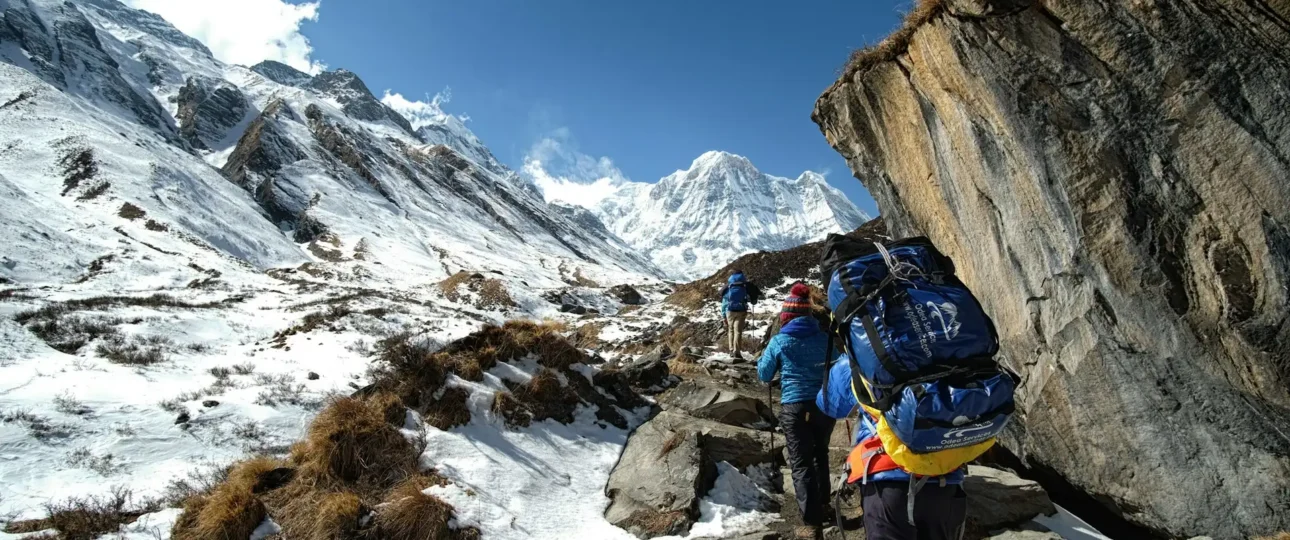
Annapurna Base Camp Itinerary
The Annapurna Base Camp itinerary you choose will determine not just how many days you spend in Nepal, but how much you enjoy the experience. The trek typically takes between 7 and 12 days, with the most recommended option being 10 days from Kathmandu to Kathmandu . But here’s what matters more than the number: your itinerary choice directly affects your acclimatization, physical comfort, and safety. A shorter itinerary pushes harder days and faster altitude gain. A longer itinerary gives you recovery time and flexibility. This guide breaks down every Annapurna Base Camp itinerary option for 2026, so you can choose the one that fits your situation.
Annapurna Base Camp Itinerary Options at a Glance
| Itinerary | Total Days | Best For | Walking Demand | Main Advantage | Main Trade-off |
|---|---|---|---|---|---|
| 7-Day | 7 days | Fit trekkers, limited time | High (6-7 hrs daily) | Quick, efficient | Faster pace, less acclimatization |
| 10-Day | 10 days | Most trekkers, first-timers | Moderate (5-6 hrs daily) | Safest, most comfortable | Requires 10+ days |
| 12-Day | 12 days | Slow pace, families | Easy (4-5 hrs daily) | Relaxed, flexible | Longer time commitment |
| ABC + Poon Hill | 11-15 days | Broader Annapurna experience | Moderate | Sunrise views | Extra days and effort |
Which Annapurna Base Camp Itinerary Is Right for You?
Choose the 7-Day ABC Itinerary If:
-
You are fit and used to long walking days
-
You have limited holiday time
-
You can handle 6-8 hours of daily walking
-
You have previous hiking experience or are confident on the trail
Trade-off: You’ll skip Poon Hill and have fewer rest stops. The pace is relentless—this is not recommended for beginners .
Choose the 10-Day ABC Itinerary If:
-
You are a first-time Nepal trekker
-
You want the safest balance of scenery, safety, and comfort
-
You can take 10-12 days total in Nepal
-
You prefer 5-6 hours of daily walking
This is the most recommended Annapurna Base Camp itinerary for international trekkers . It’s the “Goldilocks” option—not too fast, not too slow.
Choose the 12-Day ABC Itinerary If:
-
You prefer shorter walking days (4-5 hours)
-
You want more flexibility for weather or recovery
-
You are older, with a family, or less fit
-
You want a slower travel rhythm with more village experience
Choose ABC via Poon Hill If:
-
You want the famous Poon Hill sunrise over Annapurna and Dhaulagiri
-
You have 11-15 days available
-
You want more village culture and a scenic approach before joining the ABC trail
Detailed 10-Day Annapurna Base Camp Itinerary (Recommended)
This is the most common and recommended Annapurna Base Camp itinerary for 2026 . It includes arrival in Kathmandu, travel to Pokhara, and a 7-day trek with built-in acclimatization.
| Day | Route | Elevation Start | Elevation End | Walking Hours | Overnight | Key Challenge |
|---|---|---|---|---|---|---|
| Day 1 | Arrival in Kathmandu | – | 1,400m | – | Kathmandu | International arrival |
| Day 2 | Drive to Pokhara | 1,400m | 820m | 6-8 hrs | Pokhara | Long drive |
| Day 3 | Drive to Nayapul, trek to Ghandruk | 820m | 1,940m | 4-5 hrs | Ghandruk | First taste of trail |
| Day 4 | Ghandruk to Chhomrong | 1,940m | 2,170m | 5-6 hrs | Chhomrong | Steep stone stairs |
| Day 5 | Chhomrong to Sinuwa/Bamboo | 2,170m | 2,340m | 5-6 hrs | Sinuwa/Bamboo | Descent then re-climb |
| Day 6 | Bamboo to Deurali | 2,340m | 3,230m | 6-7 hrs | Deurali | 890m gain, long climb |
| Day 7 | Deurali to ABC via MBC | 3,230m | 4,130m | 5-6 hrs | ABC | Altitude effects |
| Day 8 | ABC to Bamboo/Sinuwa | 4,130m | 2,340m | 7-8 hrs | Sinuwa | Long descent, knee impact |
| Day 9 | Sinuwa to Jhinu Danda, drive to Pokhara | 2,340m | 820m | 4-5 hrs + drive | Pokhara | Hot springs |
| Day 10 | Return to Kathmandu or depart | – | 1,400m | Flexible | – | Buffer day |
What Each Day Actually Feels Like
Day 3 (Ghandruk): A gentle introduction through farmland and forest. You’ll feel good. The first night in a teahouse is a novelty. Ghandruk is the largest Gurung settlement in the Annapurna foothills .
Day 4 (Chhomrong): The stairs begin. Steep ascents through forest. Your quads will feel it. This is where unprepared trekkers first realize the trek has real challenge.
Day 5 (Sinuwa/Bamboo): The infamous Chhomrong descent to the river—steep, endless stairs—followed by an equally steep re-climb. Trekkers with knee issues notice it here.
Day 6 (Deurali): The longest sustained climb of the trek—890m elevation gain through forest and boulder fields. This is the final big push before the alpine zone.
Day 7 (ABC): Short in distance, hard in altitude. You’ll move slowly. The air is thin. Arrival is an achievement .
Day 8 (Descent): You’ll think this is the easy day. It’s not. The long descent (over 1,800m) is punishing on knees. Trekking poles are essential.
Day 9 (Jhinu Danda): The reward—natural hot springs. Soak. Recover. Celebrate .
7-Day Annapurna Base Camp Trek Itinerary
This itinerary is for fit trekkers who have limited time. It skips Poon Hill and combines multiple days into longer walks .
| Day | Route | Walking Hours | Key Consideration |
|---|---|---|---|
| Day 1 | Drive Pokhara to Nayapul, trek to Ghandruk | 4-5 hrs | Gentle introduction |
| Day 2 | Ghandruk to Chhomrong | 5-6 hrs | Steep ascent, stone stairs |
| Day 3 | Chhomrong to Deurali | 6-7 hrs | 920m gain, minimal rest |
| Day 4 | Deurali to ABC | 5-6 hrs | Altitude push |
| Day 5 | ABC to Bamboo | 7-8 hrs | Long descent |
| Day 6 | Bamboo to Jhinu Danda, drive to Pokhara | 4-5 hrs + drive | Hot springs |
| Day 7 | Return to Kathmandu or depart | – | Buffer? Minimal |
Critical Warning
The 7-day itinerary has no built-in acclimatization days and significantly increases AMS risk. This is not the recommended Annapurna Base Camp itinerary for beginners .
12-Day Annapurna Base Camp Itinerary
This itinerary offers the most relaxed pace with shorter walking days and more village immersion .
| Day | Route | Walking Hours | Highlight |
|---|---|---|---|
| Day 1-2 | Arrival in Kathmandu, drive to Pokhara | – | Rest, preparation |
| Day 3 | Drive to Nayapul, trek to Ghandruk | 4-5 hrs | Cultural introduction |
| Day 4 | Ghandruk to Chhomrong | 5-6 hrs | Village views |
| Day 5 | Chhomrong to Sinuwa | 5-6 hrs | Bamboo forest |
| Day 6 | Sinuwa to Deurali | 5-6 hrs | Alpine transition |
| Day 7 | Deurali to MBC | 3-4 hrs | Acclimatization stop |
| Day 8 | MBC to ABC | 3-4 hrs | Final push |
| Day 9 | ABC to Bamboo | 5-6 hrs | Descent |
| Day 10 | Bamboo to Jhinu Danda | 4-5 hrs | Hot springs |
| Day 11 | Drive to Pokhara | 3-4 hrs | Rest and recover |
| Day 12 | Return to Kathmandu or depart | – | Buffer |
Who Benefits from 12 Days
The slower pace helps with acclimatization, reduces daily fatigue, and provides buffer for weather or rest days. It’s particularly suitable for families, older trekkers, and anyone who prefers a relaxed travel rhythm .
ABC Trek via Poon Hill — The Sunrise Itinerary
Poon Hill (3,210m) is a famous viewpoint offering sunrise over the Annapurna and Dhaulagiri ranges. Including it adds 2-3 days to your itinerary .
What Poon Hill Adds
-
One of Nepal’s most famous sunrise views
-
More village culture through Ghorepani and Tadapani
-
Rhododendron forests at their best in spring
-
A scenic approach before joining the main ABC trail
Sample Itinerary (15 Days)
This itinerary is offered by operators like Intrepid Travel and includes the Poon Hill sunrise as a highlight :
| Day | Route | Highlight |
|---|---|---|
| Day 1-2 | Kathmandu to Pokhara | Travel |
| Day 3 | Drive to Nayapul, trek to Ulleri | First views of Annapurna South |
| Day 4 | Trek to Ghorepani | Forest walk |
| Day 5 | Sunrise at Poon Hill, trek to Tadapani | 360° mountain panorama |
| Day 6 | Tadapani to Sinuwa | Joins ABC trail |
| Day 7-9 | Standard ABC route | Sanctuary ascent |
| Day 10-11 | Descent via Bamboo | Hot springs at Jhinu Danda |
| Day 12-14 | Return to Pokhara, explore | Optional Lake Phewa cruise |
| Day 15 | Departure | – |
Should You Include Poon Hill?
-
YES if: You have the time, want the classic Poon Hill sunrise, and prefer a more scenic approach
-
NO if: You’re time-limited or want the most direct route to ABC
The Poon Hill detour is optional—not mandatory for reaching ABC .
Trekking Days vs Total Trip Days — Critical Distinction
One of the most common confusion points in Annapurna Base Camp itinerary planning is the difference between trekking days and total trip days.
| Itinerary | Total Days | Trekking Days | Walking Days | Travel/Other Days |
|---|---|---|---|---|
| 7-Day | 7 | 5 | 4-5 | 2 (arrival/departure) |
| 10-Day | 10 | 7-8 | 7-8 | 2-3 |
| 12-Day | 12 | 8-9 | 8-9 | 3 |
| 15-Day (Poon Hill) | 15 | 11-12 | 11-12 | 3 |
Example: A “10-day Annapurna Base Camp itinerary” from Kathmandu includes 2 days for arrival and travel to Pokhara, 7 days of actual trekking, and 1 final day for departure . The actual walking days are 7—not 10.
This distinction matters for:
-
Fitness expectations —you’re walking 7 days, not 10
-
Pacing —each walking day needs to be managed
-
Flexibility —total days include buffer for travel delays
Permits for Your ABC Trek
Two permits are required for the ABC trek :
| Permit | Cost (Foreigners) | Where to Get |
|---|---|---|
| ACAP (Annapurna Conservation Area Permit) | NPR 3,000 (~$23 USD) | Nepal Tourism Board Kathmandu/Pokhara |
| TIMS Card (Trekkers’ Information Management System) | NPR 2,000 (~$15 USD) | Nepal Tourism Board Kathmandu/Pokhara |
Important: These permits are non-transferable and non-refundable . Children under 10 are exempt from ACAP fees. Most trekking operators include permit costs in their package .
Best Seasons for Your Annapurna Base Camp Itinerary
| Season | Difficulty | Itinerary Flexibility | Key Consideration |
|---|---|---|---|
| Autumn (Sep-Nov) | Easiest | Most flexible | Best views, moderate temps |
| Spring (Mar-May) | Easiest | Most flexible | Rhododendrons, warmer |
| Winter (Dec-Feb) | Harder | Less flexible | Snow, ice, cold |
| Monsoon (Jun-Aug) | Hardest | Limited | Mud, leeches, landslides |
How Season Affects Itinerary
-
Autumn/Spring: You can safely follow the planned itinerary
-
Winter: You may need buffer days for snow above 3,500m
-
Monsoon: Trail conditions may cause delays or route changes
Practical Logistics
Getting to Pokhara
-
Tourist bus: 6-8 hours, most common option
-
Private transfer: 6-9 hours, more comfort and flexibility
-
Domestic flight: 25-30 minutes, saves time
Getting to the Trailhead
Most itineraries start from Nayapul or Siwai near Pokhara. The drive from Pokhara takes 1.5-2 hours .
Accommodation
-
Teahouses along the route provide basic accommodation
-
Private bathrooms available in Ghandruk, Lower Sinuwa, and Bamboo
-
Common bathrooms at higher elevations (Deurali, ABC)
-
Hot showers available for extra charge in most teahouses
Internet, Electricity & Phone Access
-
Nepal Telecom (NTC) has the best mobile coverage along the ABC trek, even at higher elevations like Sinuwa, Bamboo, Deurali, and ABC
-
Wi-Fi available along the trail for NPR 100-200 per person
-
Electricity available in teahouses—bring a power bank as charging may cost up to NPR 200 per hour in upper regions
Common Itinerary Mistakes
1. Rushing the Descent
Most trekkers plan the ascent carefully but assume descending is easy. The descent from ABC to Sinuwa is over 1,800m elevation loss—and it’s punishing on knees . Use trekking poles, take breaks, and consider splitting the descent into two days.
2. No Buffer Days
A rigid itinerary with no buffer days can mean a forced exit if weather or health issues arise. Build in at least one buffer day.
3. Underestimating the “Moderate” Label
The “moderate” label is accurate—but it’s also misleading. The stairs are relentless. The altitude is real. The cumulative fatigue is significant.
4. Packing Too Heavy
A 15kg pack feels manageable on Day 1. On Day 6, after altitude and stairs, it’s a burden . Pack light—10-12kg maximum.
FAQs about Annapurna Base Camp Itinerary
1. How many days do you need for the Annapurna Base Camp Trek?
You need 7 to 12 days for the Annapurna Base Camp Trek, depending on the itinerary. The most recommended option is 10 days, which provides a safe balance of acclimatization, comfort, and time .
2. What is the best Annapurna Base Camp itinerary for beginners?
The 10-day itinerary is best for beginners. It provides gradual altitude gain, 5-6 hours of walking per day, and time to acclimatize .
3. Can the ABC Trek be done in 7 days?
Yes, but it’s challenging. The 7-day itinerary requires 6-8 hours of walking daily with minimal acclimatization. It’s recommended only for fit trekkers who have previous hiking experience .
4. Is 10 days enough for ABC?
Yes, 10 days is sufficient and is the most recommended duration for the ABC trek. It includes 7-8 trekking days plus arrival/departure logistics .
5. Is Poon Hill included in the ABC itinerary?
Poon Hill is optional—not automatically included. If you want Poon Hill, you’ll need to add 2-3 days to your itinerary .
6. What is the highest altitude on the ABC itinerary?
The highest altitude is Annapurna Base Camp at 4,130m .
7. How many hours do you walk each day on the ABC Trek?
Daily walking hours range from 4 to 7 hours depending on the itinerary. The 10-day itinerary averages 5-6 hours; the 7-day averages 6-7 hours .
8. What is the hardest day on the ABC Trek?
Common answers are Day 4 (Ghandruk to Chhomrong) for the stone stairs, Day 6 (Bamboo to Deurali) for the 890m gain, and Day 8 (descent from ABC) for the punishing 1,800m drop .
9. What permits are needed for the ABC Trek?
You need two permits: an ACAP permit (NPR 3,000) and a TIMS card (NPR 2,000). These can be obtained in Kathmandu or Pokhara .
10. What is the best season for the ABC Trek?
Autumn (September–November) and Spring (March–May) are the best seasons. Autumn offers the clearest views; spring provides warmer temperatures and rhododendron blooms .
11. Can I do the ABC Trek without a guide?
Since April 2023, solo trekking is officially prohibited in the Annapurna Conservation Area. You must be accompanied by a licensed, registered guide.
12. How do I get to the ABC trailhead?
Most treks start from Nayapul or Siwai, about 1.5-2 hours drive from Pokhara .
13. What is the typical daily schedule on the ABC Trek?
Wake around 5:30-6:30 AM, breakfast at 6:30-7:30, walk 3-4 hours to lunch, afternoon walk 2-3 hours, arrive at lodge by 4-5 PM, dinner around 5-7 PM, sleep by 8-9 PM.
14. What amenities are available in ABC teahouses?
Basic accommodation with electricity (limited), wi-fi (small fee), and hot showers (small fee). Higher altitude teahouses have common bathrooms; lower villages often have private options .
15. What is the ABC Trek completion rate?
Approximately 90% of trekkers who start complete the Annapurna Base Camp Trek. The most common reason for not completing is stomach illness, not altitude.
Trekking With Wonder Hikes Nepal
When you’re ready to plan your Annapurna Base Camp itinerary, having an experienced, locally-rooted operator makes a tangible difference.
Wonder Hikes Nepal is a Nepal-based trekking company with deep local knowledge of the Annapurna region and a reputation for responsible, safety-conscious trekking. Their guides are government-licensed, trained in altitude sickness recognition and emergency response, and know the trail intimately—from the best pacing strategies on the Ghandruk to Chhomrong stretch to the teahouses that handle altitude symptoms best.
What sets Wonder Hikes Nepal apart is their approach to personalized itinerary planning. Rather than offering a one-size-fits-all package, they work with trekkers to build itineraries that match individual fitness levels, experience, and comfort with altitude. For beginners, they recommend longer itineraries with built-in acclimatization—because they know that a rushed itinerary is where the Annapurna Base Camp experience often becomes overwhelming.
Their guides practice the “bistari” philosophy—slowly, slowly—which is the key to managing altitude, conserving energy, and making the daily walking feel manageable rather than punishing. They also handle permits, teahouse bookings, logistics, and emergency planning, so you can focus on the trail and the experience.
Wonder Hikes Nepal provides detailed pre-departure guidance on training, gear, and fitness—helping you arrive in Nepal ready to manage the Annapurna Base Camp with confidence.
Whether you’re a first-time Himalayan trekker choosing the recommended 10-day itinerary or an experienced hiker looking for a shorter 7-day option, Wonder Hikes Nepal offers the support, local knowledge, and safety-conscious planning that turns a challenging trek into a rewarding achievement.
Final Thoughts: Which Annapurna Base Camp Itinerary Should You Choose?
| Your Situation | Recommended Itinerary |
|---|---|
| First-time Himalayan trekker, 10-12 days available | 10-Day ABC Trek |
| Fit, experienced hiker, limited time | 7-Day ABC Trek |
| Want slower pace, families, older trekkers | 12-Day ABC Trek |
| Want Poon Hill sunrise, 12-15 days available | ABC via Poon Hill |
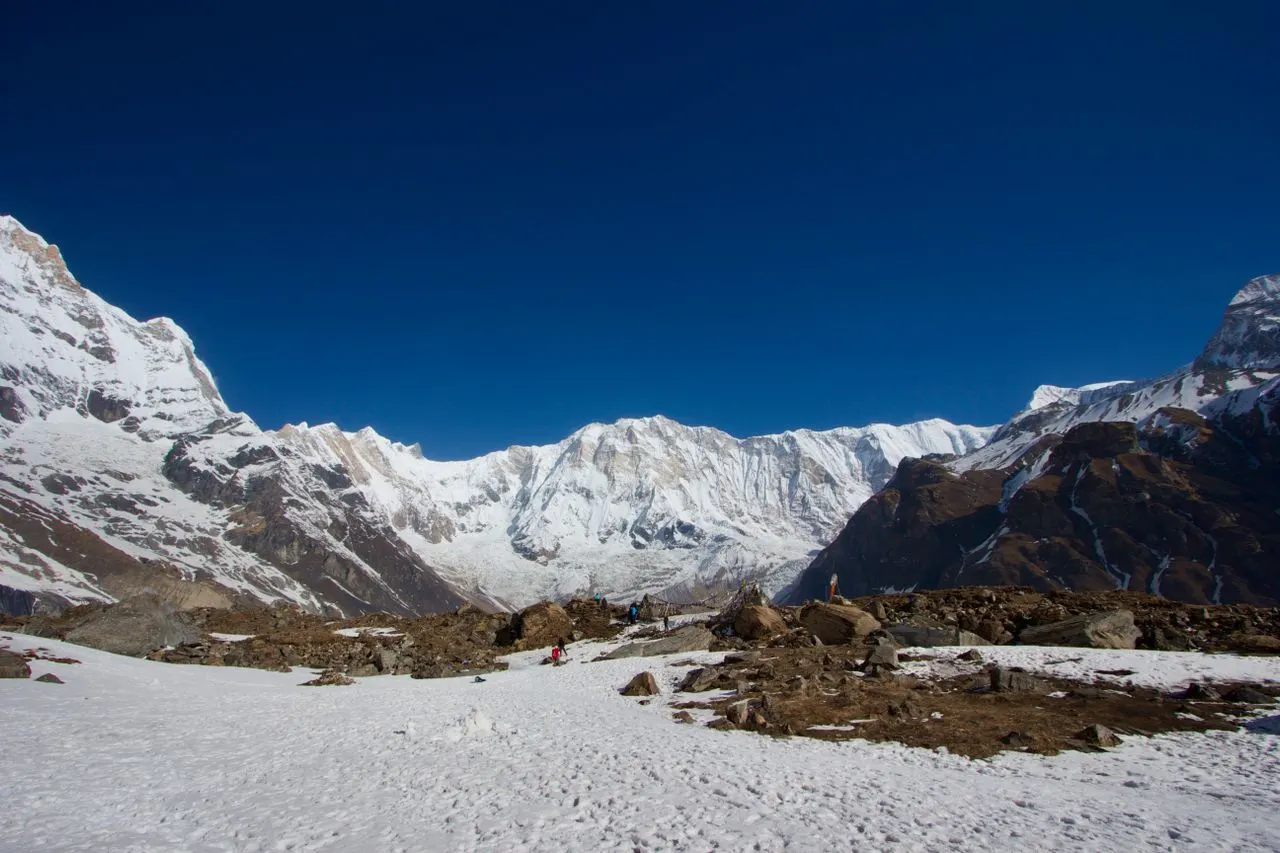
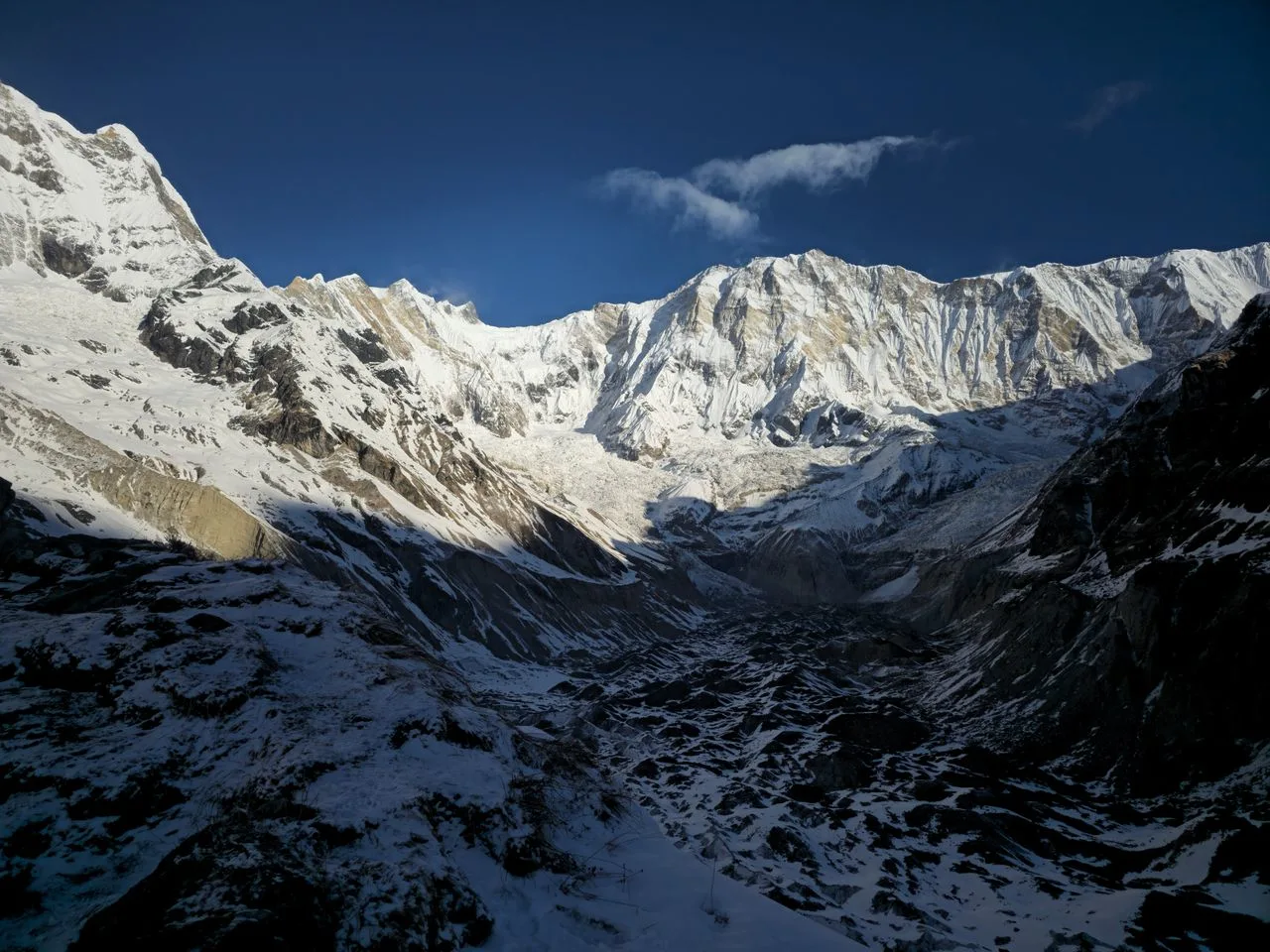
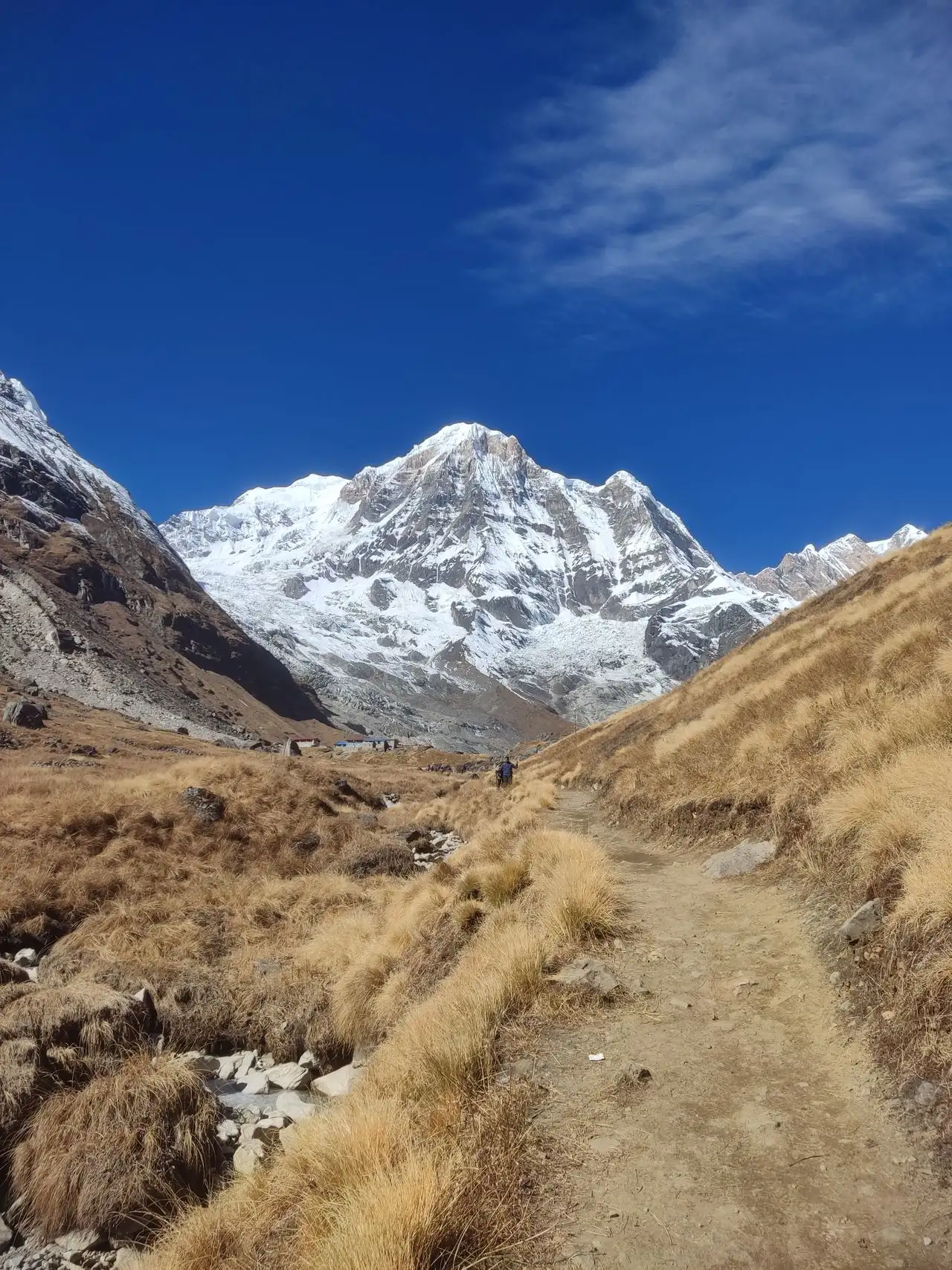
The Annapurna Base Camp is a genuine high-altitude achievement that rewards effort with one of the most dramatic mountain amphitheaters on Earth—the Annapurna Sanctuary, surrounded by Annapurna I (8,091m), Machhapuchhre, and Hiunchuli .
The trekkers who succeed are not the fittest or the fastest. They are the ones who prepared specifically, paced themselves deliberately, and chose an itinerary that matched their ability and available time. If you respect the trail and plan your Annapurna Base Camp itinerary carefully, you will succeed.