The short answer is nuanced. Everest Base Camp is not dangerous in the way climbing Mount Everest is, but it is a high-altitude trek in a remote mountain region. The risks are real, and the most serious one is altitude illness, not the trail itself. Most trekkers who follow a gradual itinerary, pay attention to symptoms, and make sensible decisions complete the trek without serious problems. Some do get sick, and a small number require evacuation. The key is understanding what can go wrong and what you can actually do about it.
This article explains the real risks, how they compare, and what a responsible trekker should know before committing to the journey.
First, a Critical Distinction: Base Camp Trekking Is Not Climbing Everest
One of the biggest misunderstandings around this question comes from confusing two very different activities.
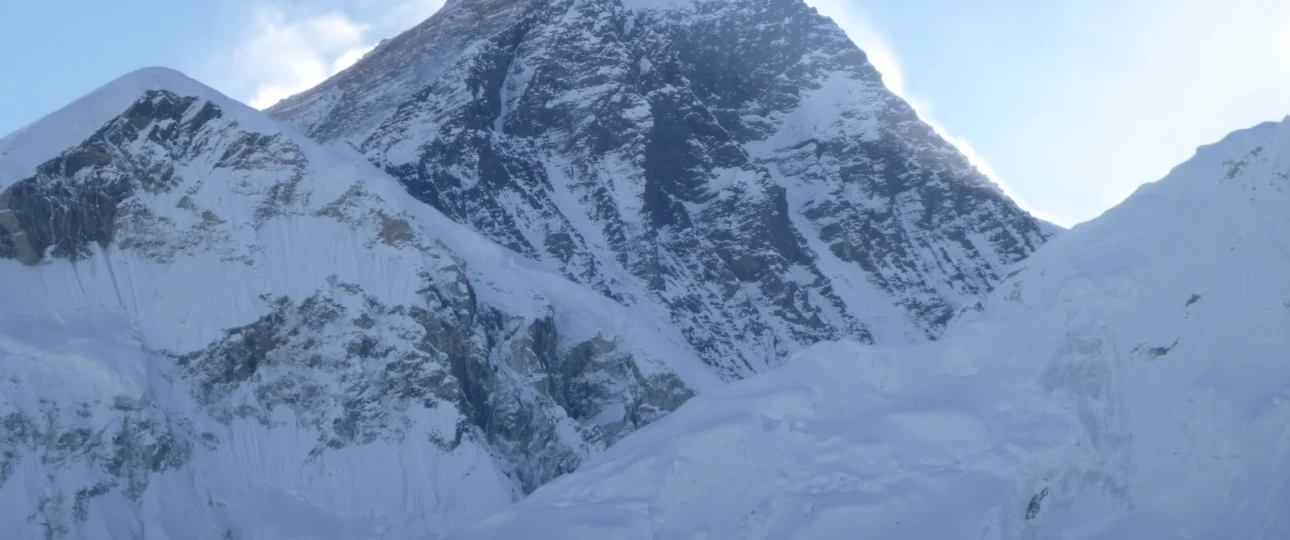
The Everest Base Camp trek is a high-altitude trekking route that reaches 5,364 meters (17,598 feet). It does not require technical climbing skills. You walk on established trails, sleep in teahouses, and return the same way or via a slightly different route. The goal is to stand at the base of the mountain, not on top of it.
Climbing Mount Everest means going to 8,849 meters (29,032 feet), using fixed ropes, ladders, supplemental oxygen, and months of expedition logistics. The risks of summit climbing—the Khumbu Icefall, the death zone, extreme altitude above 8,000 meters—are not part of a normal Everest Base Camp trek.
This distinction matters because many people read about Everest climbing accidents and assume base camp is equally dangerous. It is not. But that does not mean the trek is risk-free. It is a serious high-altitude journey that demands preparation and respect.
The Risk Hierarchy: What Actually Goes Wrong
When people ask “Is Everest Base Camp dangerous?” they often imagine dramatic mountain hazards. In reality, the risks are more ordinary—but still significant.
Here is a practical ranking of the main risks, based on how common and how serious they are for a typical trekker.
| Risk | Why It Happens | How Serious It Can Be | How to Reduce It |
|---|---|---|---|
| Altitude illness (AMS, HAPE, HACE) | Ascending too quickly, sleeping too high, ignoring symptoms | Potentially fatal if ignored or if ascent continues | Gradual itinerary, acclimatization days, immediate descent if symptoms worsen |
| Weather and cold exposure | Sudden mountain weather, inadequate clothing, exhaustion | Hypothermia, frostbite in extreme cases | Layered clothing, dry gear, flexible schedule, not pushing through bad conditions |
| Minor injuries and illness | Uneven trail, fatigue, poor hygiene, contaminated food/water | Usually manageable, but can end a trek if severe | Trekking poles, good footwear, water purification, hand hygiene, careful food choices |
| Remote location and delayed care | No road access, limited clinics, weather-dependent evacuation | Can complicate any serious medical issue | Insurance, guide support, emergency plan, not trekking alone in isolated areas |
| Lukla flight and travel logistics | High-altitude airport, rapidly changing weather | Delays and cancellations are common; accidents are rare but possible | Buffer days, patience, reputable flight operators |
| Physical exhaustion | Underestimating daily walking, overpacking, poor fitness | Increases risk of injury, illness, and poor decisions | Realistic training, light pack, appropriate pacing |
The most important point is not that the trek is full of hidden dangers. It is that the most serious risk—altitude illness—is one you can often prevent through the choices you make before and during the trek.
Altitude: The Biggest Risk on the Everest Base Camp Trek
Why Altitude Creates a Problem
As you go higher, the air pressure drops. This means every breath you take contains fewer oxygen molecules. At 5,364 meters, the oxygen available in the air is roughly half of what it is at sea level.
Your body can adapt to this reduced oxygen, but it needs time. The process is called acclimatization, and it involves changes in breathing rate, heart rate, blood chemistry, and fluid balance. If you ascend too quickly, your body does not have time to adjust, and altitude illness can develop.
Physical Fitness Does Not Make You Immune
A common misconception is that fit people do not get altitude sickness. That is not true. Altitude illness can affect anyone, regardless of fitness, age, or experience. Being fit helps you cope with the physical demands of the trek, but it does not protect you from the low-oxygen environment.
Acute Mountain Sickness (AMS)
AMS is the most common form of altitude illness. Symptoms usually begin within 6 to 24 hours after reaching a new altitude and include:
-
Headache
-
Nausea or loss of appetite
-
Fatigue
-
Dizziness
-
Difficulty sleeping
Mild AMS is not an emergency by itself, but it is a warning sign. If you have symptoms, you should stop ascending, rest, drink fluids, and monitor how you feel. Painkillers may help a headache, but they do not treat the underlying problem. If symptoms do not improve—or if they get worse—you should descend.
Severe Altitude Illness: HAPE and HACE
If AMS is ignored and you continue to ascend, it can progress to more serious conditions.
High-Altitude Pulmonary Edema (HAPE) is fluid accumulation in the lungs. Symptoms include:
-
Breathlessness at rest
-
Cough, sometimes with frothy or pink sputum
-
Chest tightness
-
Severe fatigue
High-Altitude Cerebral Edema (HACE) is fluid accumulation in the brain. Symptoms include:
-
Severe headache not relieved by medication
-
Loss of coordination or difficulty walking
-
Confusion or unusual behavior
-
Drowsiness or loss of consciousness
Both HAPE and HACE are medical emergencies. They can be fatal if not treated promptly. The most important treatment is immediate descent to a lower altitude. Oxygen and medication may help, but they do not replace descent.
What to Do If You Develop Symptoms
The rule is simple:
-
Mild symptoms: stop, rest, do not ascend further. Monitor closely.
-
No improvement or worsening: descend at least 500 to 1,000 meters (1,600 to 3,300 feet). Descend further if symptoms persist.
-
Severe symptoms or signs of HAPE/HACE: immediate descent, oxygen if available, and evacuation.
Do not wait until morning. Do not try to sleep through worsening symptoms at the same altitude. Descending is the definitive treatment.
Why a Good Itinerary Is Your Best Protection
The single most effective way to reduce altitude risk on the Everest Base Camp trek is to choose an itinerary that includes proper acclimatization.
A safe itinerary typically includes rest days at strategic elevations. For example, many trekkers spend at least two nights in Namche Bazaar (3,440 m / 11,286 ft) and another two nights in Dingboche (4,410 m / 14,468 ft). These rest days may involve short hikes to higher elevations followed by a return to a lower sleeping altitude—a practice called “climb high, sleep low.”
Rushing the trek, taking shortcuts, or choosing a compressed itinerary to save money increases your risk of altitude illness. A responsible operator will not encourage you to ascend faster than your body can adapt.
Medication and Medical Advice
Some trekkers use acetazolamide to help with acclimatization or to treat mild symptoms. This is a prescription medication with potential side effects. You should not self-prescribe it or take it based on advice from a blog. Discuss any preventive medication with a qualified travel medicine professional before your trek.
Never use sleeping pills, sedatives, or alcohol at altitude. They can depress breathing and mask the early signs of altitude illness.
Weather, Cold, and Terrain
Weather Can Change Quickly
The weather in the Khumbu region is not stable. Even during the main trekking seasons, you can experience clear mornings followed by cloudy afternoons, sudden wind, rain, or snow. In spring and autumn, conditions are generally more predictable, but storms still happen.
If you are caught in bad weather, the risks include:
-
Reduced visibility, making navigation harder
-
Cold and wet conditions, increasing the risk of hypothermia
-
Icy or slippery trail sections
-
Delays that push you into a more rushed schedule later
The best response is flexibility. Add buffer days to your itinerary, carry appropriate clothing, and listen to your guide if they recommend changing the plan.
Cold Is a Real Concern
At night and at higher elevations, temperatures can drop well below freezing. If you are wet, exhausted, or underdressed, hypothermia becomes a risk even at moderate temperatures. Frostbite is less common on the standard trekking route, but exposed skin can freeze quickly in extreme wind and cold.
Dress in layers, keep a warm hat and gloves accessible, and make sure your sleeping bag is rated for the temperatures you will encounter. Dry your clothes when possible, and avoid staying in wet clothing.
The Trail Is Not Technical, but It Is Not Easy
The Everest Base Camp trail is well-established and non-technical. You do not need climbing skills. But you will walk on stone steps, rocky paths, and uneven ground. You will cross suspension bridges. You will gain and lose elevation repeatedly.
The most common injuries are minor: twisted ankles, blisters, knee pain, and muscle strains. These are not life-threatening, but they can end a trek if they become severe. Trekking poles, broken-in footwear, and a sensible pace reduce the risk.
The Lukla Flight: Operational Challenge, Not a Reason to Panic
Many trekkers worry about the flight from Kathmandu to Lukla, where the trek begins. The airport has a short runway at high elevation and is surrounded by mountains. Weather changes quickly, and flights are often delayed or cancelled.
The operational challenge is real. But the most likely problem you will face is a delay, not an accident. Flights operate under strict visual flight rules, and pilots do not fly when conditions are unsafe. If the weather is bad, you wait—sometimes for a day or more.
This is where buffer days matter. A good itinerary includes at least one or two extra days for flight disruptions. If you book a tight schedule, a Lukla delay can force you to rush the trek, which increases your altitude risk.
The Lukla flight deserves respect, but it should not be the main reason you decide against the trek.
Medical Care and Rescue on the Trail
What Care Is Available
The Khumbu region has small health posts and clinics, but their capacity is basic. In places like Namche Bazaar and Pheriche, there are medical facilities that can assess and treat common problems. The Himalayan Rescue Association operates a seasonal aid post in Pheriche during the main trekking seasons. This is a valuable resource for trekkers with altitude symptoms, but it is not a hospital.
If you develop a serious illness or injury, you will need to descend and may require evacuation.
Helicopter Evacuation
Helicopter evacuation is possible from many points along the Everest Base Camp route, but it is not always available. Evacuation depends on:
-
Weather and visibility
-
Your location
-
Medical need and authorization
-
Insurance coverage and payment arrangements
Never assume that a helicopter will be able to reach you. Always carry insurance that covers high-altitude trekking and helicopter evacuation. Without insurance, the cost of evacuation can be enormous.
Communication
Mobile phone coverage along the trail has improved, but it is not reliable everywhere. Many teahouses have Wi-Fi, and some guides carry satellite communication devices. A reputable operator will have an emergency communication plan.
Before you start, know how to contact your guide, your insurance company, and your embassy or consulate in an emergency.
Can a Beginner Trek to Everest Base Camp?
This is one of the most common questions behind the main query. The answer is yes, many first-time high-altitude trekkers complete the Everest Base Camp trek safely. But being a beginner does not mean being unprepared.
You do not need mountaineering experience. You do need:
-
Realistic physical fitness
-
The ability to walk 5 to 7 hours a day on hilly terrain for several consecutive days
-
A willingness to be uncomfortable
-
A realistic attitude about altitude and weather
-
The maturity to turn around if your body tells you to stop
If you have never done a multi-day trek before, you may still be able to do this trek, but you should train specifically for it. If you have a medical condition, especially one affecting your heart, lungs, or circulation, talk to a doctor before booking.
Solo Travelers, Women, and Independent Trekking
Solo Trekking
Trekking alone to Everest Base Camp is possible, but it is not recommended unless you are very experienced and self-sufficient. The main risk is not violence—it is that there is no one to help you make good decisions if you get sick or injured. Altitude illness can affect your judgment, and a solo trekker who becomes confused or incapacitated is in a much more dangerous position.
Many solo trekkers choose to join a group or hire a guide. This gives you company, support, and someone who can help manage risk.
Women Trekking to Everest Base Camp
The Khumbu region is generally safe for women travelers, and many women trek independently or in groups. The practical risks are the same for everyone: altitude, weather, and fatigue. As with any travel, use common sense, choose reputable accommodation, and consider trekking with a guide or organized group if you prefer added security.
Guided vs. Independent Trekking
Nepal has at times required foreign trekkers to have a licensed guide for certain areas. Regulations can change, so check the current requirements before planning an independent trek.
Even when independent trekking is allowed, a guide or support team improves safety. A good guide can:
-
Recognise early signs of altitude illness
-
Adjust the itinerary if conditions change
-
Arrange porters and accommodation
-
Handle communication in an emergency
-
Help you make decisions when fatigue affects judgment
The extra cost is a safety investment, not just a convenience.
How to Reduce Your Risk: Practical Safety Decisions
You cannot eliminate risk entirely, but you can reduce it significantly.
1. Choose a Gradual Itinerary
The most important decision you will make is how quickly you ascend. Choose an itinerary with acclimatization days. Do not accept a compressed schedule just because it is cheaper or faster.
2. Sleep Lower Than Your Highest Point
If you walk high during the day, sleep lower that night whenever possible. This helps your body recover.
3. Hydrate Properly
Dehydration worsens altitude illness and increases fatigue. Drink enough fluids, but do not force yourself to drink excessive amounts. Clear or pale urine is a reasonable guide.
4. Eat Enough
Altitude suppresses appetite, but you need energy. Eat regular meals, even if you are not hungry. Carbohydrate-rich foods are especially useful at altitude.
5. Monitor Symptoms Daily
Pay attention to headaches, nausea, dizziness, and sleep quality. Tell your guide or trekking partner if you feel unwell. Do not hide symptoms out of pride.
6. Use a Pulse Oximeter as a Tool
A pulse oximeter measures blood oxygen saturation. It can provide useful information, but it is not a substitute for symptom monitoring. A normal reading does not mean you are immune to altitude illness, and a low reading without symptoms may not be an emergency.
7. Carry Appropriate Gear
Good footwear, layered clothing, a warm sleeping bag, and rain protection reduce the risk of cold, wet, and injury.
8. Get the Right Insurance
Make sure your policy covers trekking to at least 5,500 meters and includes helicopter evacuation. Read the policy wording. Carry a copy of your insurance details with you.
9. Build Buffer Days
Weather and flights can disrupt your schedule. Extra days reduce the pressure to rush.
10. Know When to Turn Around
Descending is not failure. It is the correct response to altitude illness, exhaustion, or unsafe conditions. The mountain will still be there another year.
When to Turn Around
Many trekkers push through discomfort because they are afraid to quit. But pushing through the wrong symptoms can be deadly.
You should stop ascending and consider descending if:
-
You have a headache that does not improve with rest and fluids
-
You feel nauseous or cannot eat
-
You are unusually tired or dizzy
-
You feel breathless at rest
-
You are unsteady on your feet
-
You feel confused or unusually anxious
If symptoms worsen, descend immediately. If you are with a guide, tell them everything you are feeling. If you are trekking with a group, do not let embarrassment prevent you from speaking up.
Turning around early is not a sign of weakness. It is a sign of good judgment.
Choosing a Responsible Trekking Company
The operator you choose has a direct impact on your safety. A good trekking company will:
-
Design itineraries with proper acclimatization
-
Provide experienced, trained guides
-
Carry basic medical supplies and communication equipment
-
Monitor clients for altitude symptoms
-
Adjust plans when weather or health requires
-
Have a clear emergency and evacuation plan
-
Be transparent about risks and limitations
When you talk to an operator, ask direct questions:
-
What is the acclimatization schedule?
-
How many guides and support staff will be on the trek?
-
What happens if someone gets altitude sickness?
-
Do you carry oxygen or medical equipment?
-
How do you handle evacuation?
-
What insurance do you require?
If an operator cannot answer these questions clearly, that is a warning sign.
Wonder Hikes Nepal plans Everest Base Camp treks with a focus on realistic pacing, proper acclimatization, and safety. If you are considering the trek, the team can walk you through their planned itinerary and explain how they manage altitude, weather, and emergency situations. As with any operator, ask direct questions and make sure you are comfortable with the answers before you book.
Practical Safety Checklist
Before you go:
-
Visit a travel medicine professional for altitude and general travel advice
-
Get high-altitude trekking insurance with helicopter evacuation
-
Train for several months, focusing on hill walking, stairs, and carrying a pack
-
Break in your trekking boots
-
Pack layered clothing, warm hat, gloves, and a good sleeping bag
-
Carry a small personal first aid kit, including blister care and any personal medication
-
Bring a water purification system
-
Learn the symptoms of AMS, HAPE, and HACE
-
Build at least two buffer days into your schedule
-
Write down emergency contacts, including your insurance assistance line
During the trek:
-
Ascend slowly and follow your planned acclimatization schedule
-
Tell your guide or trekking partner immediately if you feel unwell
-
Do not drink alcohol or take sedatives at altitude
-
Stay hydrated and eat regularly
-
Monitor weather and trail conditions
-
Adjust your pace to your own comfort, not the group
-
Be willing to rest or descend if needed
Final Word on Is Everest Base Camp Dangerous
Everest Base Camp is not a death-defying adventure, but it is also not a casual walk. It sits at an altitude where the air is thin and the body is under real stress. The trail is remote, the weather can change quickly, and help is not always close.
The good news is that most of the serious risks can be managed. Choose a sensible itinerary, prepare your body, watch for altitude symptoms, and make decisions based on safety rather than ego. If you do that, your chances of completing the trek safely are good.
The real answer to “Is Everest Base Camp dangerous?” is this: it can be, if you ignore the risks. It does not have to be, if you take them seriously.
FAQs about Is Everest Base Camp Dangerous
1. Is Everest Base Camp dangerous?
It carries real risks, especially altitude illness, but it is not as dangerous as climbing Mount Everest. With a gradual itinerary, good preparation, and sensible decision-making, most trekkers complete the trek safely.
2. What is the most dangerous part of the Everest Base Camp trek?
The most serious risk is altitude illness, not the trail. If symptoms are ignored or the trekker continues ascending, altitude illness can become life-threatening.
3. Is Everest Base Camp safe for beginners?
Yes, many first-time trekkers complete it, but beginners need to prepare physically and choose a safe itinerary. Being a beginner does not mean being unfit or uninformed.
4. How common is altitude sickness on Everest Base Camp?
Mild altitude symptoms are common. Many trekkers experience headache, nausea, or poor sleep at some point. Serious altitude illness is less common, but it can occur and must be taken seriously.
5. What are the first signs of altitude sickness?
Early symptoms include headache, nausea, fatigue, dizziness, and difficulty sleeping. These symptoms should never be ignored, especially if they worsen.
6. What is the difference between AMS, HAPE, and HACE?
AMS is acute mountain sickness, the mild form. HAPE is fluid in the lungs, and HACE is fluid in the brain. HAPE and HACE are emergencies requiring immediate descent.
7. Can you die from altitude sickness on Everest Base Camp?
Yes, severe altitude illness can be fatal if not treated. However, most trekkers who respond appropriately—stopping ascent or descending—recover quickly.
8. What should I do if I get altitude sickness?
Stop ascending, rest, hydrate, and monitor symptoms. If symptoms do not improve or worsen, descend at least 500 to 1,000 meters. For severe symptoms, descend immediately and seek medical help.
9. Is the Lukla flight dangerous?
The flight is operationally challenging due to the short runway and mountain weather, but the most common issue is delay, not accidents. Pilots do not fly in unsafe conditions.
10. Do I need a guide for Everest Base Camp?
A guide improves safety and decision-making, especially at altitude. Check current Nepal regulations, but even if not legally required, a guide is strongly recommended.
11. Is Everest Base Camp safe for solo trekkers?
Solo trekking is possible, but it increases risk because there is no one to help if you become ill or injured. Many solo trekkers join a group or hire a guide.
12. Is Everest Base Camp safe for women?
The Khumbu region is generally safe for women travelers. The practical risks are the same as for any trekker. Use common sense and consider a reputable guide or group if you prefer added support.
13. What happens if I need medical evacuation?
Helicopter evacuation may be possible, but it depends on weather, location, and insurance. You must have insurance that covers helicopter evacuation and high-altitude trekking. Evacuation is never guaranteed.
14. What insurance do I need for Everest Base Camp?
You need a policy that covers trekking to at least 5,500 meters, helicopter evacuation, medical expenses, and trip cancellation. Read the policy terms carefully before buying.
15. How can I make the Everest Base Camp trek safer?
Choose a gradual itinerary with acclimatization days, train beforehand, stay hydrated, monitor symptoms, use a guide, get proper insurance, and be willing to turn around if conditions or health require.