Fun Facts About Nepal
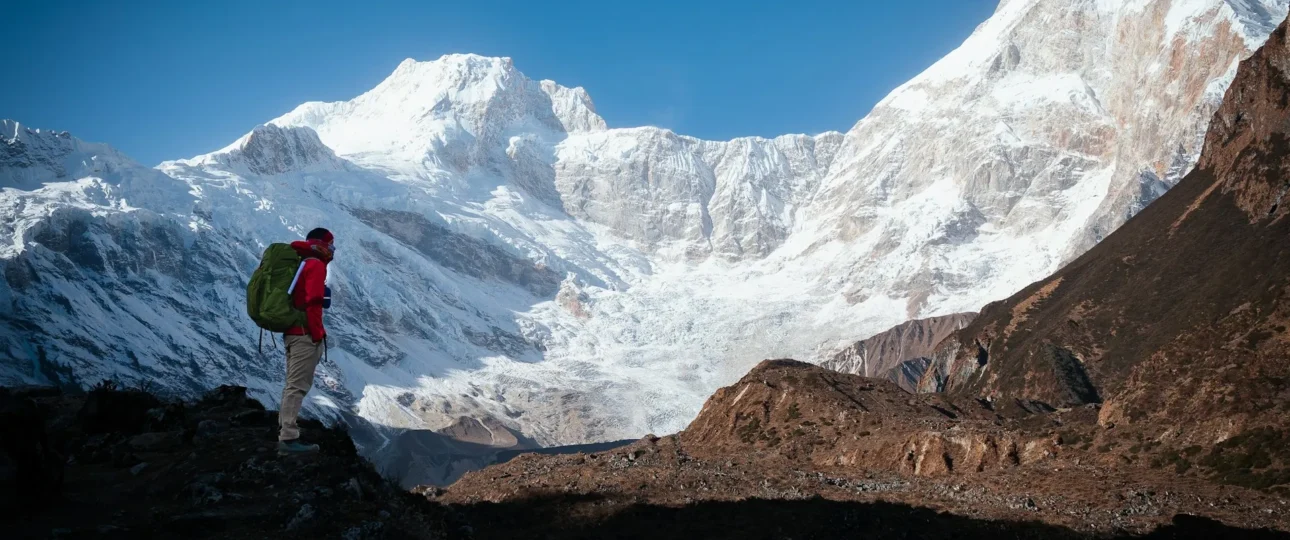
Nepal is often described as a landlocked country sandwiched between India and China, but that description ignores the most important part: it is a vertical country. While most nations stretch horizontally across maps, Nepal stretches upward. Within a span of roughly 200 kilometers, the landscape drops from the roof of the world—Mount Everest—down to humid, lowland jungles filled with elephants and tigers.
If you came here looking for a few interesting facts about Nepal, you are in the right place. But be warned: once you understand the geological violence, the cultural anomalies, and the historical independence of this small nation, you will likely find yourself planning a trip there. Here is the definitive collection of fun facts about Nepal, stripped of travel-brochure clichés and focused on the reality that makes this country genuinely fascinating.
The Quick Answer: Nepal at a Glance
To understand Nepal facts, you must first understand the scale. Here is a snapshot of the country.
| Category | Detail | Why It Matters |
|---|---|---|
| Capital | Kathmandu | The cultural and historical heart of the country. |
| Population | Approx. 30 million (2021 Census) | Incredibly diverse for its size. |
| Official Language | Nepali | Spoken as a lingua franca across 120+ ethnic groups. |
| Currency | Nepalese Rupee (NPR) | You will need cash for most local transactions. |
| Time Zone | NPT (UTC +5:45) | One of only three time zones in the world with a 45-minute offset. |
| Highest Point | Sagarmatha (Everest) – 8,848.86m | The highest point on Earth. |
| Lowest Point | Mukhiyapatti Musharniya (59m) | Located in the Terai plains near the Indian border. |
Fun Fact: The 45-minute time offset was chosen to mark the moment the sun passes over Gauri Shankar mountain, a peak considered sacred in Nepali tradition.
A Geography That Defies Logic
Most of the fun facts about Nepal stem from its geography. You cannot understand the culture, the history, or the food without first understanding the terrain.
The Most Dramatic Elevation Change on Earth
The Fact: Nepal is home to the steepest and most dramatic elevation gradient on the planet.
The Context: If you cross the southern border from India into Nepal, you are standing at roughly 60 meters above sea level in the flat, agricultural plains known as the Terai. If you then fly north for about 30 minutes, you can see Mount Everest (8,848.86 meters) out the window of the plane.
To put that in perspective: in the United States, it takes thousands of miles to go from sea level to the Rocky Mountains. In Nepal, this transition happens in the width of a single small country.
Why It Matters: This extreme compression creates incredible biodiversity. You can sweat in a jungle in the morning and be shivering in a Himalayan pine forest by the evening. For trekkers, this means you don’t need weeks to reach the high mountains; the adventure starts almost immediately after leaving Kathmandu.
The Living, Breathing Himalayas
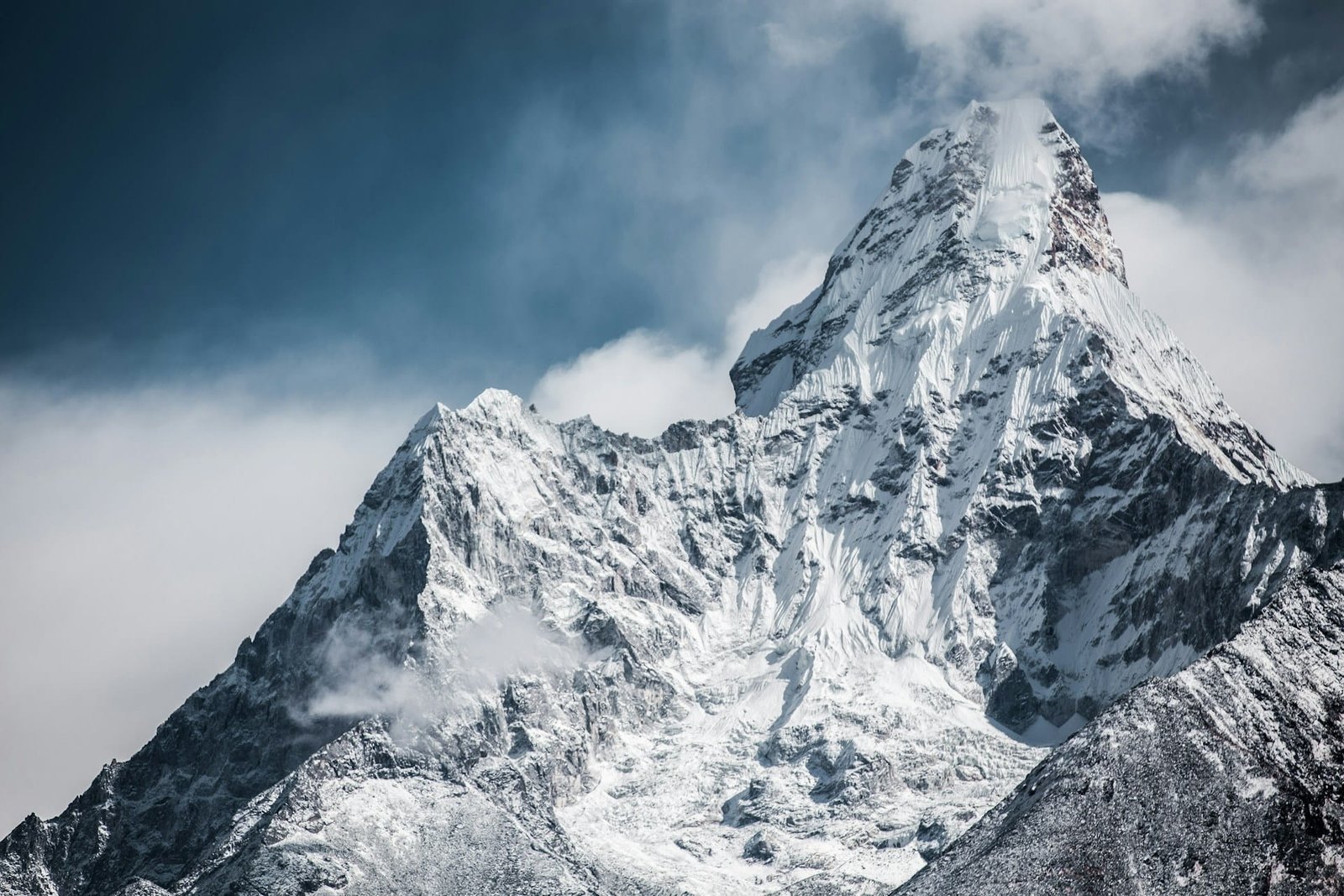
The Fact: The Himalayas are actually growing taller every year.
The Context: About 50 million years ago, the Indian tectonic plate slammed into the Eurasian plate. Because both plates are made of relatively light continental crust, neither sank fully into the mantle. Instead, they crumpled. This collision created the Tibetan Plateau and the Himalayan range. The Indian plate is still moving north at a rate of about 5 centimeters per year, pushing the mountains higher by approximately 1 centimeter annually. This also makes Nepal one of the most seismically active regions on Earth (the 2015 Gorkha earthquake being a tragic reminder of this process).
Why It Matters: This is a landscape in motion. The “hills” you see outside Kathmandu are not just static objects; they are the active crease lines of a continental collision.
The Kali Gandaki Gorge: Clarifying the “Deepest” Myth
When researching facts about Nepal’s geography, you will often see the Kali Gandaki Gorge described as “the deepest gorge in the world.” This is a common internet myth that needs qualification.
The Fact: The Kali Gandaki River flows between two massive mountains: Dhaulagiri (8,167m) and Annapurna (8,091m).
The Context: The horizontal distance between these two peaks is only about 35 kilometers. The river sits at an elevation of roughly 2,520 meters. If you calculate the vertical drop from the summit of Dhaulagiri to the riverbed, you get a difference of over 5,500 meters. This makes it the deepest gorge when measured from the mountain peaks down. However, it is not the deepest canyon in the world compared to places like the Yarlung Tsangpo Grand Canyon in Tibet, which is deeper from rim to floor.
Why It Matters: Despite the technicalities, walking along the Kali Gandaki is a profound experience. You are essentially walking through the deepest “cut” in the Earth’s crust created by tectonic forces.
Symbols and Identity: The Story of the Flag
No list of interesting facts about Nepal is complete without discussing the flag.
The World’s Only Non-Quadrilateral National Flag
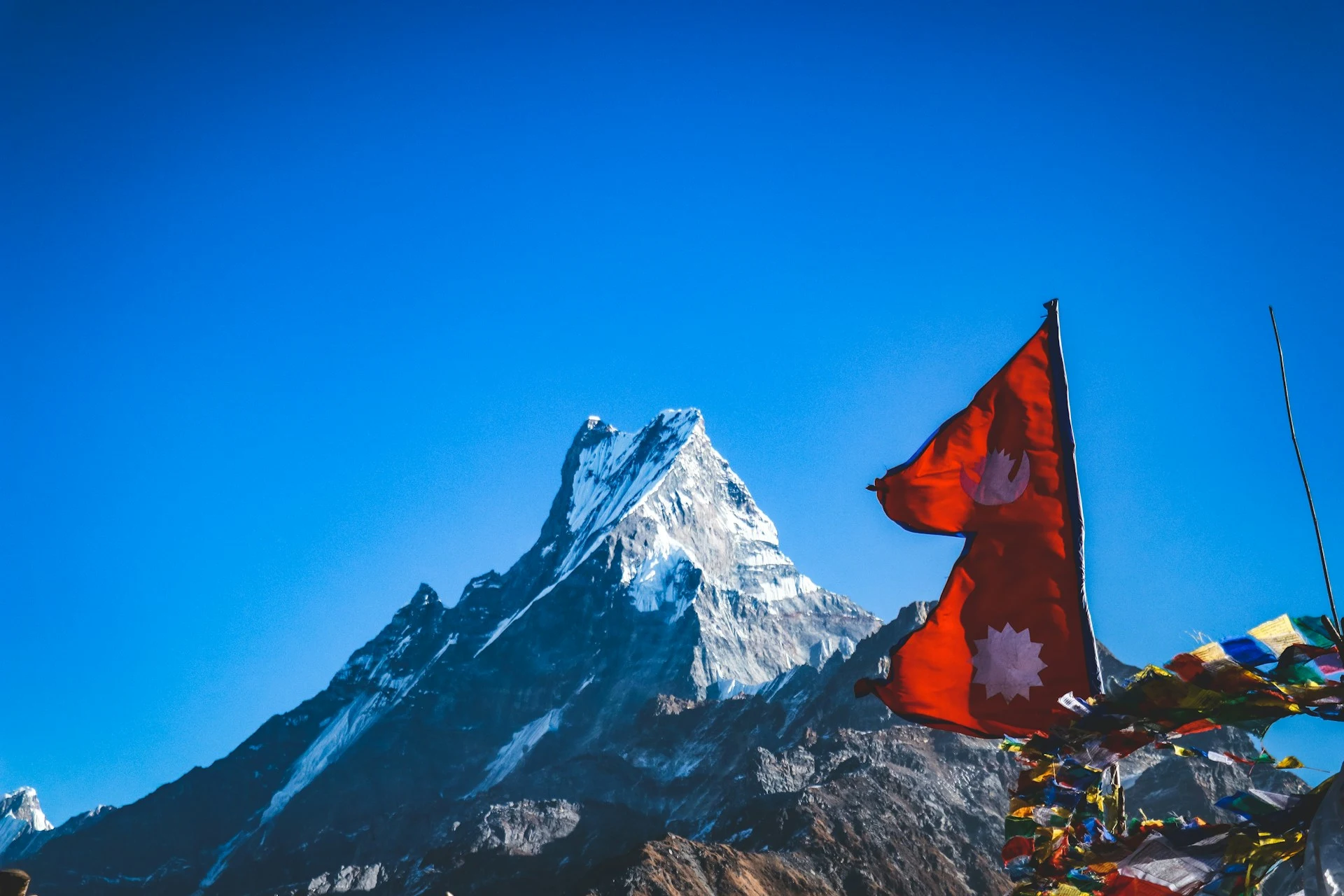
The Fact: Nepal is the only sovereign nation on Earth whose national flag is not a rectangle or square.
The Context: The flag consists of two stacked triangles (officially a “double pennon”). While many countries have flags with triangles inside them, Nepal’s actual physical shape is unique. The shape is a stylized representation of the Himalayan mountains, but it also represents the two major religions of the country: Hinduism and Buddhism.
The Meaning of the Sun and Moon
The Fact: The celestial bodies on the flag are not just decorative; they are aspirational symbols.
The Context: The white moon represents the calm, cold nature of the Himalayas, while the sun represents the heat of the Terai lowlands. Historically, the royal family hoped the nation would last as long as the sun and moon in the sky. The crimson red is the national color of Nepal (representing the rhododendron flower and bravery), and the blue border represents peace.
A History Unlike Any Other (Myth vs. Reality)
The history of Nepal is often told through legends. Here, we separate the mythology from the historical record to give you accurate Nepal facts.
The Land That Was Never Colonized
The Fact: Nepal was never formally colonized by the British Empire.
The Context: While nearly all of South Asia fell under British rule, Nepal maintained its sovereignty through a combination of fierce military resistance (the Anglo-Nepalese War of 1814-1816) and strategic diplomatic treaties. The British East India Company fought the Gurkha armies to a standstill and decided the cost of conquering the mountainous terrain was too high. As a result, Nepal was never a “subject state.” It retained its own monarchy, laws, and foreign policy.
Why It Matters: This has had a profound impact on the national psyche. There is a strong sense of pride and independence in Nepal that is distinct from other nations in the region.
The Legend of the Gurkhas and the Khukuri
The Fact: The Gurkhas are Nepali soldiers renowned for their bravery, but their reputation is deeply tied to a specific weapon: the Khukuri.
The Context: The Khukuri is a curved knife that is both a tool and a weapon. It is an extension of the Gurkha soldier. According to military tradition, a Gurkha must draw blood with the knife before sheathing it (though this is largely ceremonial today). The British Army has recruited Gurkhas since the 1800s, and they have served in every major conflict since, earning numerous Victoria Crosses for valor. The term “Gurkha” comes from the Gorkha district, where Prithvi Narayan Shah began the unification of modern Nepal in the 18th century.
The Living Goddess: Kumari of Kathmandu
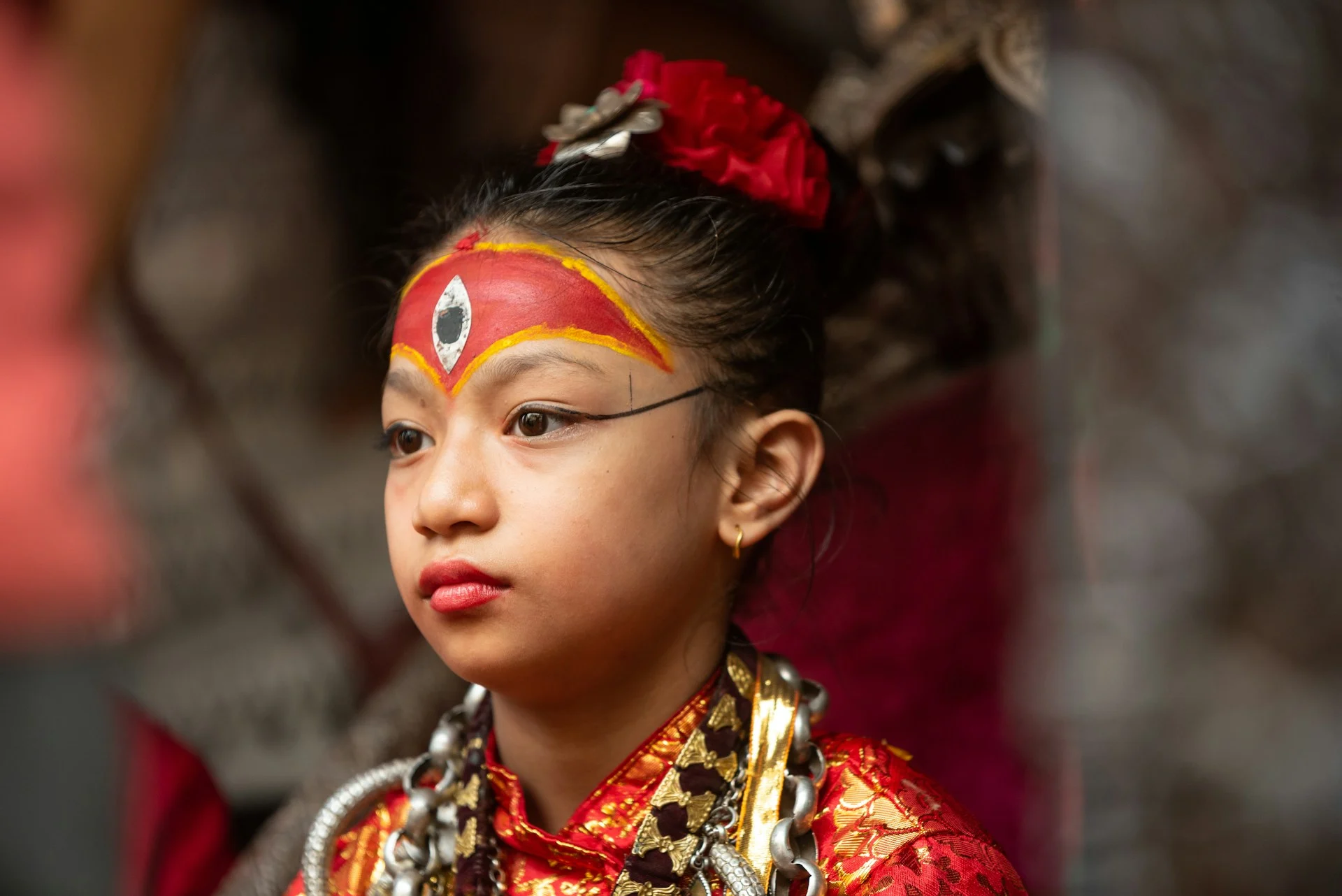
The Fact: Nepal is one of the only places on Earth where a prepubescent girl is worshipped as a living deity.
The Context: The Kumari is a young girl selected from the Newar community in Kathmandu who is believed to be the incarnation of the goddess Taleju. She must pass rigorous tests, including walking through a room filled with severed buffalo heads (to prove she is unafraid, as she is the goddess of power). Once selected, she lives in the Kumari Ghar, and her feet never touch the ground. She appears at a window during festivals. When she begins menstruating, her term ends, and a new Kumari is selected.
Why It Matters: While this practice is sometimes criticized by modern human rights advocates, it is a living, unbroken tradition that connects the modern city of Kathmandu to its medieval Malla dynasty past. Travelers can witness this tradition in Patan or Kathmandu Durbar Square.
Culture and Religion: The Fabric of Life
The Birthplace of Buddha (Lumbini)
The Fact: Siddhartha Gautama, the historical Buddha, was born in Lumbini, Nepal.
The Context: There is sometimes confusion among outsiders who associate Buddhism primarily with Tibet or India. However, archaeological evidence and historical records (including the Ashoka Pillar erected in 249 BC) identify Lumbini in the Terai region of Nepal as the birthplace. The site is now a UNESCO World Heritage Site and a major pilgrimage destination for millions of Buddhists worldwide.
Why It Matters: This fact establishes Nepal as a geographic bridge between South Asian and East Asian spiritual traditions.
Why is the Calendar Different in Nepal?
The Fact: Nepal is currently living in the future.
The Context: Nepal uses the Bikram Sambat (BS) calendar as its official calendar, which is approximately 56.7 years ahead of the Gregorian calendar. For example, the year 2026 AD corresponds to 2083 BS. The New Year is celebrated in mid-April (usually April 13th or 14th). The calendar is based on solar cycles and has more days in the month than the Gregorian standard. This is why Nepali festivals (like Tihar and Dashain) shift dates every year according to the Western calendar.
Festivals: The Country That Never Stops Celebrating
The Fact: Nepal has so many ethnic groups and religious traditions that there are more festivals than days in the year.
The Context: While this is a slight exaggeration, the sentiment is true. Dashain (the festival of victory) and Tihar (the festival of lights) are the longest and most significant Hindu festivals. However, you also have Holi (the festival of colors), Indra Jatra, Losar (Tibetan New Year), Eid, and Christmas. If you are visiting Nepal, there is a high probability a festival of some kind is happening.
Wildlife and Nature: More Than Just Snow
People often associate Nepal with snow leopards, but the country has a secret: it is a jungle paradise.
The Lowland Jungles of the Terai
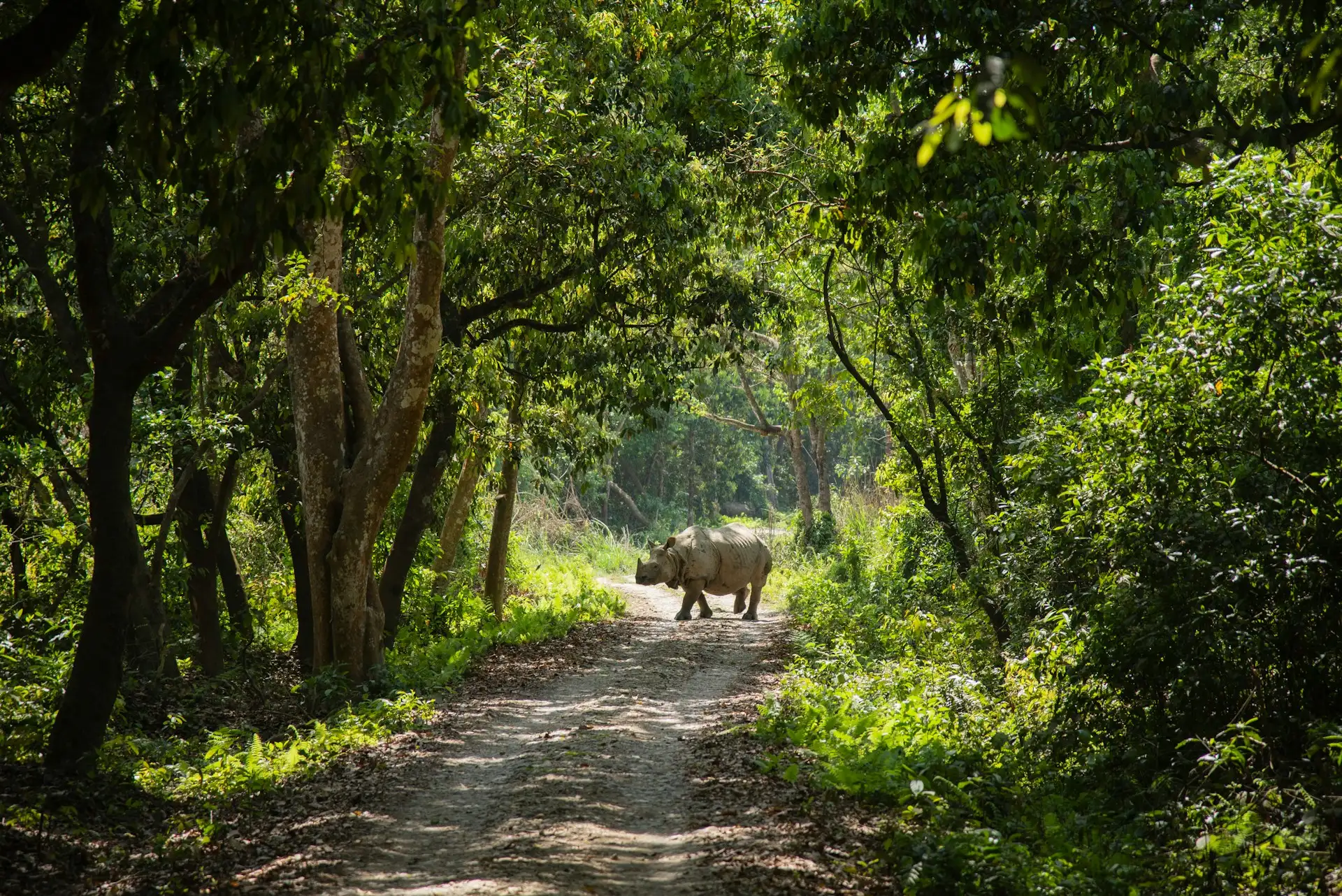
The Fact: Nepal is home to the Greater One-Horned Rhinoceros and the Bengal Tiger.
The Context: Chitwan National Park and Bardia National Park are located in the southern lowlands. Chitwan is one of the best places in Asia to see rhinos in the wild. It is a UNESCO World Heritage Site. The transition from the alpine peaks of the north to the savanna grasslands of the south is one of the most jarring biological shifts on Earth.
The Red Panda and the Danphe
The Fact: The Red Panda (Habre) is the emblem of Nepal’s conservation efforts, but it is actually the Danphe (Himalayan Monal) that is the national bird.
The Context: The Red Panda is an endangered mammal found in the temperate forests of the mid-hills. It is not closely related to the giant panda. The Danphe is a large, colorful pheasant with iridescent feathers. It looks almost like a peacock in flight. Trekkers in the Annapurna or Everest regions often spot them foraging in the snow.
The Myth of the Yeti
The Fact: The Yeti is central to Sherpa folklore, but the “scalps” and “bones” found over the years have always been identified as belonging to known animals (usually bears or goats).
The Context: The term “Yeti” comes from the Sherpa words Yeh-teh (meaning “rock bear” or “man of the rocky places”). While Western mountaineers like Sir Edmund Hillary and Tenzing Norgay investigated the legend, no scientific evidence exists for a bipedal primate in the Himalayas. However, the legend persists strongly in local culture. It is best understood as a guardian spirit of the mountains rather than a biological cryptid.
Food and Everyday Life
Dal Bhat Power
The Fact: The national meal of Nepal is Dal Bhat (lentil soup and rice), but it is eaten differently than in the West.
The Context: The phrase “Dal Bhat Power 24 Hour” is stenciled on buses and walls across the country. It is not just a meal; it is fuel. It is typically eaten twice a day, and in most local restaurants, the rice, dal, and vegetable curry are “unlimited” (refilled for free). It is the sustainable energy source that powers porters carrying 30kg loads up Everest Base Camp.
Momos: The National Obsession
The Fact: Momos (Nepali dumplings) are technically of Tibetan origin, but Nepal has adopted and perfected them as its own.
The Context: Unlike standard Chinese dumplings, Nepali momos are often filled with heavily spiced meat (buffalo, chicken, or yak) and served with a fiery tomato-based achar (chutney). You can find them steamed, fried, or in a soup (Jhol Momo). They are the ultimate trekking snack and a point of national pride.
Wonder Hikes Nepal: More Than Just Facts
Now that you know the geography, the history, and the culture, you might understand why Nepal is not just a place to read about—it is a place to experience. The transition from the humid Terai to the arid, glacial highlands is not something a listicle can fully capture.
At Wonder Hikes Nepal, we specialize in translating these facts into experiences. Whether you are interested in standing at Everest Base Camp to see Sagarmatha for yourself, or walking the rhino-filled jungles of Chitwan, the geography of Nepal demands to be felt.
If these fun facts about Nepal have sparked your curiosity, we invite you to explore our trekking routes. The mountains are growing, the culture is waiting, and the journey is unlike any other.
Frequently Asked Questions About Fun Facts about Nepal
- Is Nepal in India?
No. Nepal is a sovereign, landlocked country located between India and China (Tibet Autonomous Region). It has its own government, currency, and distinct culture. - Is Mount Everest in Nepal or China?
It is in both. The summit of Mount Everest lies on the border. The standard and most popular climbing route is from the Nepal side (Sagarmatha National Park). - Do they speak English in Nepal?
English is widely understood in major cities like Kathmandu and Pokhara and in tourist areas. However, the official language is Nepali, and there are over 120 other regional languages spoken. - Is it safe to travel to Nepal?
Generally, yes. Nepal is considered a safe country for tourists. The main risks are related to trekking altitude, road safety, and natural disasters. It is wise to book with a reputable local company. - Why is Nepal’s flag not rectangular?
The flag is a combination of two pennants representing the Himalayas. It is the only national flag in the world with a non-quadrilateral shape. The symbols represent the sun and moon. - What is the best time to visit Nepal?
The best time is typically October to November (post-monsoon) for clear mountain views and March to April (spring) for rhododendron blooms and moderate temperatures. - What is the currency of Nepal?
The Nepalese Rupee (NPR). Credit cards are accepted in upscale hotels in Kathmandu, but cash is king in the mountains and local markets. - Can you see Everest from Kathmandu?
Not usually. Kathmandu is in a valley. On extremely clear days after rain, you might see the Ganesh Himal range, but to see Everest clearly, you need to fly to Lukla or take a mountain flight. - Is Nepal a Hindu country or a Buddhist country?
Nepal was officially a Hindu kingdom until 2008. Today it is a secular state. The majority of the population practices Hinduism, followed by Buddhism. However, the two religions often intermingle in local worship practices. - Why is the Nepal time zone so weird?
Nepal Standard Time is UTC +5:45. This was chosen based on the solar time at Gauri Shankar peak, not a standard meridian. It puts Nepal 15 minutes ahead of India. - Is it true Nepal has living goddesses?
Yes. The Kumari is a young prepubescent girl worshiped as a living deity in the Kathmandu Valley. She is part of a strict Hindu/Buddhist tradition. - What is the national animal of Nepal?
The national animal is the Cow. However, the national bird is the Himalayan Monal (Danphe), and the national flower is the Rhododendron. - How many people have climbed Everest?
While records are broken yearly, over 6,000 different people have summited Everest. Hundreds of thousands trek to Everest Base Camp every year just to see it. - Is the food spicy in Nepal?
Nepali food is flavorful, but usually not as aggressively hot as Indian or Sichuan food. However, the momo chutney and pickles (achar) can be very spicy. You can always ask for “no chili.” - Do I need a visa for Nepal?
Most nationalities can obtain a visa on arrival at Kathmandu Tribhuvan International Airport. You will need passport photos and USD cash for the fee.