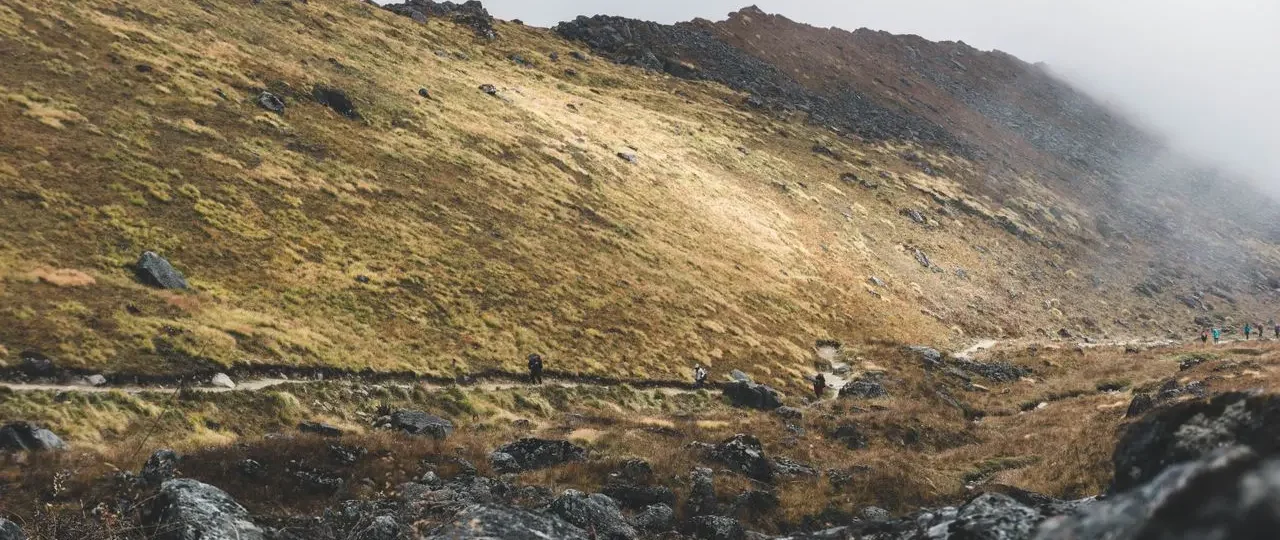
Langtang National Park sits barely 32 kilometres north of Kathmandu as the crow flies — closer to the capital than any other Himalayan protected area in Nepal. And yet, for every hundred trekkers who fly to Lukla for Everest Base Camp, only a handful choose this quieter, greener, more culturally layered alternative. That is not because Langtang is inferior. It is because most people simply do not know what is here.
This guide is for the traveller who wants the real picture: what the park actually is, what animals genuinely live here (and which ones you have almost no chance of seeing), what the trek demands, what it costs in 2026, and why the Tamang communities who call this valley home are central to understanding the place at all.
If you have been searching for a Himalayan trek that does not require a domestic flight, does not cost a small fortune, and does not put you in a queue of two hundred people at every viewpoint, this is the one. Wonder Hikes Nepal runs guided treks here precisely because it remains one of the last accessible wildernesses in Nepal where you can walk for hours without seeing another foreign group.
What Langtang National Park Actually Is (And What It Is Not)
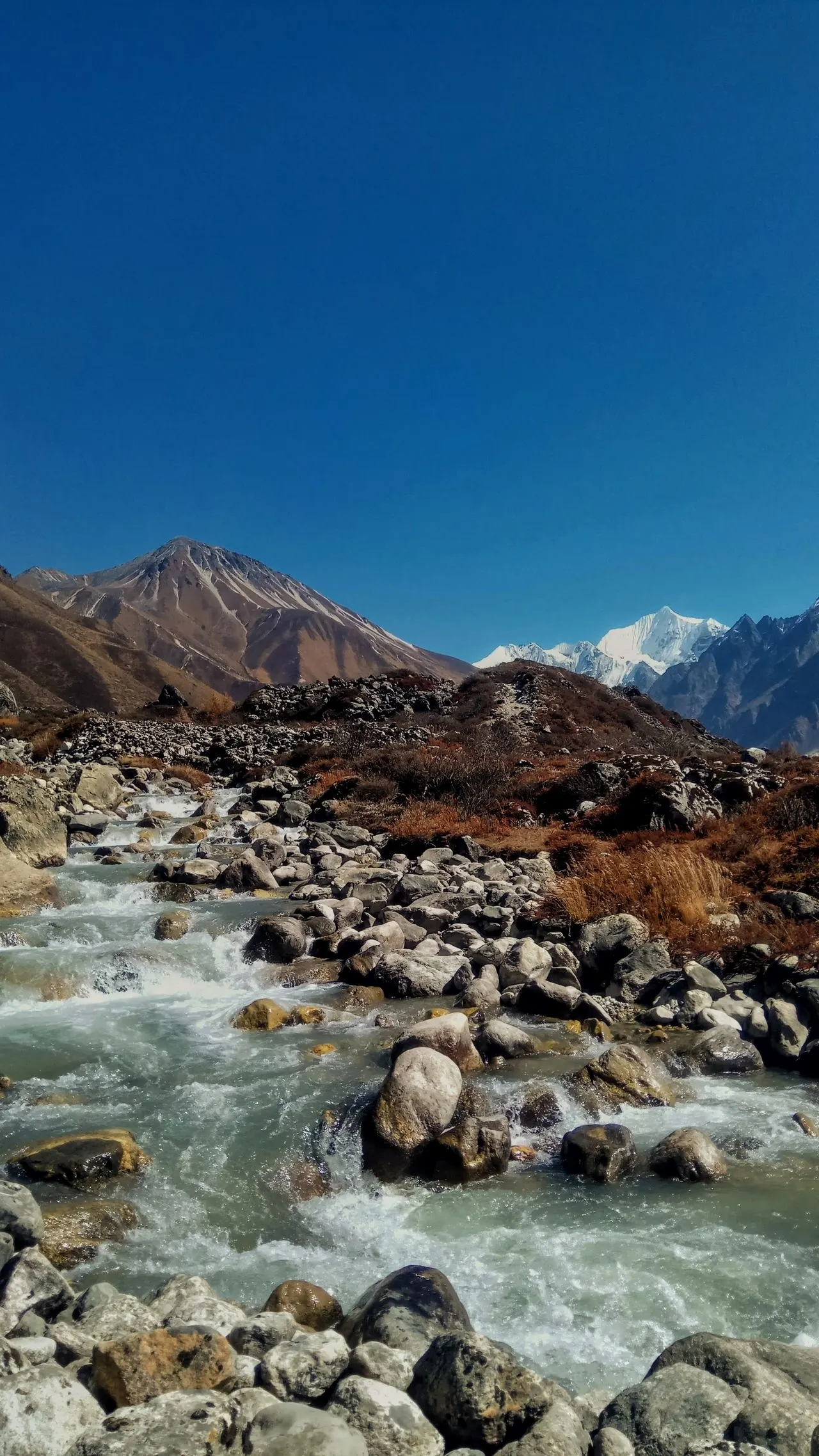
It was gazetted in 1976 as Nepal’s first Himalayan national park — the country’s fourth protected area overall. It covers 1,710 square kilometres across three districts: Rasuwa, Nuwakot, and Sindhupalchok. A further 420 square kilometres of buffer zone was added in 1998, bringing the total managed area to over 2,100 square kilometres. The park headquarters is in Dhunche, a small town at 2,030 metres that most trekkers pass through on their way to the trailhead.
The highest point inside the park is Langtang Lirung at 7,245 metres — a formidable, avalanche-prone peak that dominates the upper valley. The lowest point is around 792 metres along the Bhote Koshi river, giving the park an extraordinary vertical range of over 6,400 metres. That range is why the biodiversity here is so compressed: you can walk from subtropical forest to alpine tundra in three days.
Here is the distinction that matters for planning: It is not the same thing as the Langtang Valley Trek. The park is a protected area containing multiple valleys, sacred lakes, and mountain systems. The Langtang Valley Trek is one route through it — the most popular one — running from Syabrubesi to Kyanjin Gompa. The park also contains the Gosaikunda lake system (a Ramsar site at 4,300 metres), the Helambu region to the east, and the Tamang Heritage Trail to the west. A permit for the national park covers all of these, but the itineraries are different.
Location and Access from Kathmandu
Park is located in north-central Nepal, sharing its northern and eastern boundaries with the Qomolangma National Nature Preserve in Tibet. This makes it part of a larger transboundary Himalayan ecosystem.
The park’s proximity to Kathmandu is its greatest practical advantage. The road distance from Kathmandu to Syabrubesi — the main gateway town and trailhead — is approximately 122 kilometres. Under normal 2026 conditions, the drive takes 7 to 9 hours on the Pasang Lhamu Highway, a winding mountain road that climbs through terraced hills, crosses the Trishuli River, and passes through Dhunche before descending to Syabrubesi.
There are no flights to Langtang. The journey is entirely overland.
Transport options:
-
Public bus from Balaju Bus Park in Kathmandu. Departs early morning, costs roughly NPR 500–800, and is the budget standard. The ride is scenic but rough.
-
Shared jeep from Machhapokhari. Faster and more comfortable, around NPR 2,200 per person.
-
Private jeep arranged through a trekking agency. The most comfortable option, especially for groups, and removes the uncertainty of bus timings.
Where you enter the park: The formal entry gate is at Dhunche, about 117 kilometres from Kathmandu. Trekkers continuing to Syabrubesi may need to show permits there. The bus or jeep passes through the checkpoint.
A 2026 note on road conditions: The road through Dhunche has experienced closures in recent years, particularly during monsoon. Always verify current conditions before departure. This is one area where a local operator like Wonder Hikes Nepal adds genuine value — road status changes weekly, and a guide who knows the route can adjust plans accordingly.
Wildlife: What Actually Lives in Langtang National Park
National Park records 46 species of mammals and over 250 bird species, with some surveys listing as many as 373 bird species. But raw species counts tell you almost nothing about what you will actually see. The honest answer is that most trekkers encounter three or four mammal species at most.
The Reality Check: Common, Rare, and Almost Impossible
| Species | Conservation Status | Elevation | Realistic Sighting Odds |
|---|---|---|---|
| Himalayan tahr | Near Threatened | 2,500–4,500 m | High — common on open slopes |
| Rhesus macaque | Least Concern | Below 2,500 m | Moderate — forested sections |
| Langur monkey | Least Concern | 1,500–3,500 m | Moderate — mixed forests |
| Himalayan musk deer | Endangered | 2,500–4,300 m | Low — crepuscular and shy |
| Himalayan goral | Near Threatened | 1,000–4,000 m | Low — steep, rocky terrain |
| Red panda | Endangered | 2,200–4,800 m | Low — nocturnal and rare |
| Snow leopard | Vulnerable | 3,000–5,500 m | Very low — present but rarely observed |
| Himalayan black bear | Vulnerable | Below 4,300 m | Very low — shy, forest-dependent |
| Wild dog (dhole) | Endangered | Below 3,000 m | Very low — rare, wide-ranging |
The Red Panda Question
Park holds a significant proportion of Nepal’s red panda population. One WWF estimate suggests the park shares 24.33% of Nepal’s total red panda population, with suitable habitat covering an estimated 68–108 square kilometres within the park. The bamboo forests between 2,800 and 3,900 metres are the core habitat, with fir-jhapra bamboo forest being the preferred vegetation type.
But here is what the trekking blogs do not tell you: red pandas are nocturnal, solitary, and genuinely rare. A two-year radio-tracking study in Langtang found that the pandas had low fecundity (typically one cub per female per year) and high mortality, with most known deaths linked to human-related causes — particularly the presence of cattle herders and dogs during the monsoon birth season.
Your realistic chance of seeing a red panda on a standard 7–8 day Langtang Valley Trek is low. The Cholangpati forest on the Gosaikunda route is considered one of the more reliable habitats, but even there, sightings are uncommon. If red panda viewing is a priority, you need to plan a specific itinerary with dawn and dusk observation time, ideally with a guide who knows the bamboo patches.
Snow Leopards: Present, But Almost Invisible
Snow leopards are confirmed in the park, but sightings are extremely rare. There is no reliable population estimate for Langtang specifically. The park’s 46 mammal species list includes snow leopard, and the habitat — rocky alpine slopes with tahr and musk deer prey — is suitable. But the cats are wide-ranging, cryptic, and primarily nocturnal. Seeing one requires patience, altitude, and a great deal of luck.
Birds: The Underrated Highlight
Langtang’s bird list is genuinely impressive for a park of its size. The elevation gradient creates diverse habitats, from subtropical forests below 1,000 metres to alpine scrub above 4,000 metres.
Notable species include:
-
Himalayan monal (Danphe) — Nepal’s national bird, colourful and locally common in rhododendron forests
-
Satyr tragopan — a spectacular pheasant of mid-elevation forests
-
Blood pheasant — found in upper valley scrub
-
Himalayan griffon vulture — soaring over ridges
-
Lammergeier — a bone-eating specialist
-
Tibetan snowcock — alpine meadows above 4,000 metres
For birders, spring (March–May) is the best window: resident species are territorial and vocal, and migrants are moving through.
The Langtang Valley Trek: Route, Difficulty, and What to Expect
The Langtang Valley Trek is the most popular route through the park. It starts at Syabrubesi (1,550 m) and follows the Langtang Khola upstream to Kyanjin Gompa (3,870 m), with optional side hikes to Kyanjin Ri (4,773 m) or Tserko Ri (4,985 m).
Standard duration: 7–10 days. The trekking distance is roughly 65–80 kilometres round trip.
Difficulty rating: Moderate. No technical climbing, no pass crossing, and no night spent above 3,870 metres. Daily walking is 5–7 hours on average, with 10–15 kilometre distances.
What makes it harder than it sounds: The mud between Syabrubesi and Lama Hotel is notorious — a clay-heavy section that becomes genuinely difficult in rain. Gaiters are useful. The altitude gain from Lama Hotel (2,470 m) to Langtang Village (3,430 m) is steep, and the section above Ghodatabela is exposed. A rest day at Kyanjin Gompa before attempting either Ri is strongly recommended.
Is it suitable for beginners? Yes, with conditions. It is one of the most accessible high-altitude treks in Nepal. You do not need technical skills. You do need reasonable fitness — the ability to walk 5–7 hours with a light pack for consecutive days. The mandatory guide rule (enforced since February 2025) actually helps beginners: a good guide manages pace, acclimatization, and logistics.
Trekking Routes Within the Park
| Route | Duration | Max Altitude | Difficulty | Best For |
|---|---|---|---|---|
| Langtang Valley Trek | 7–10 days | 3,870 m (Kyanjin Gompa) | Moderate | First high-altitude trek, culture |
| Langtang + Gosaikunda | 12–16 days | 4,610 m (Lauribina La) | Moderate–Challenging | Sacred lakes, extended itinerary |
| Tamang Heritage Trail | 5–7 days | 3,165 m | Easy–Moderate | Cultural immersion, shorter trek |
| Helambu Circuit | 7–10 days | 3,650 m | Moderate | Less crowded, Hyolmo culture |
| Langtang–Gosaikunda–Helambu | 16–18 days | 4,610 m | Challenging | Full park experience |
Gosaikunda: The Sacred Lake Inside the Park
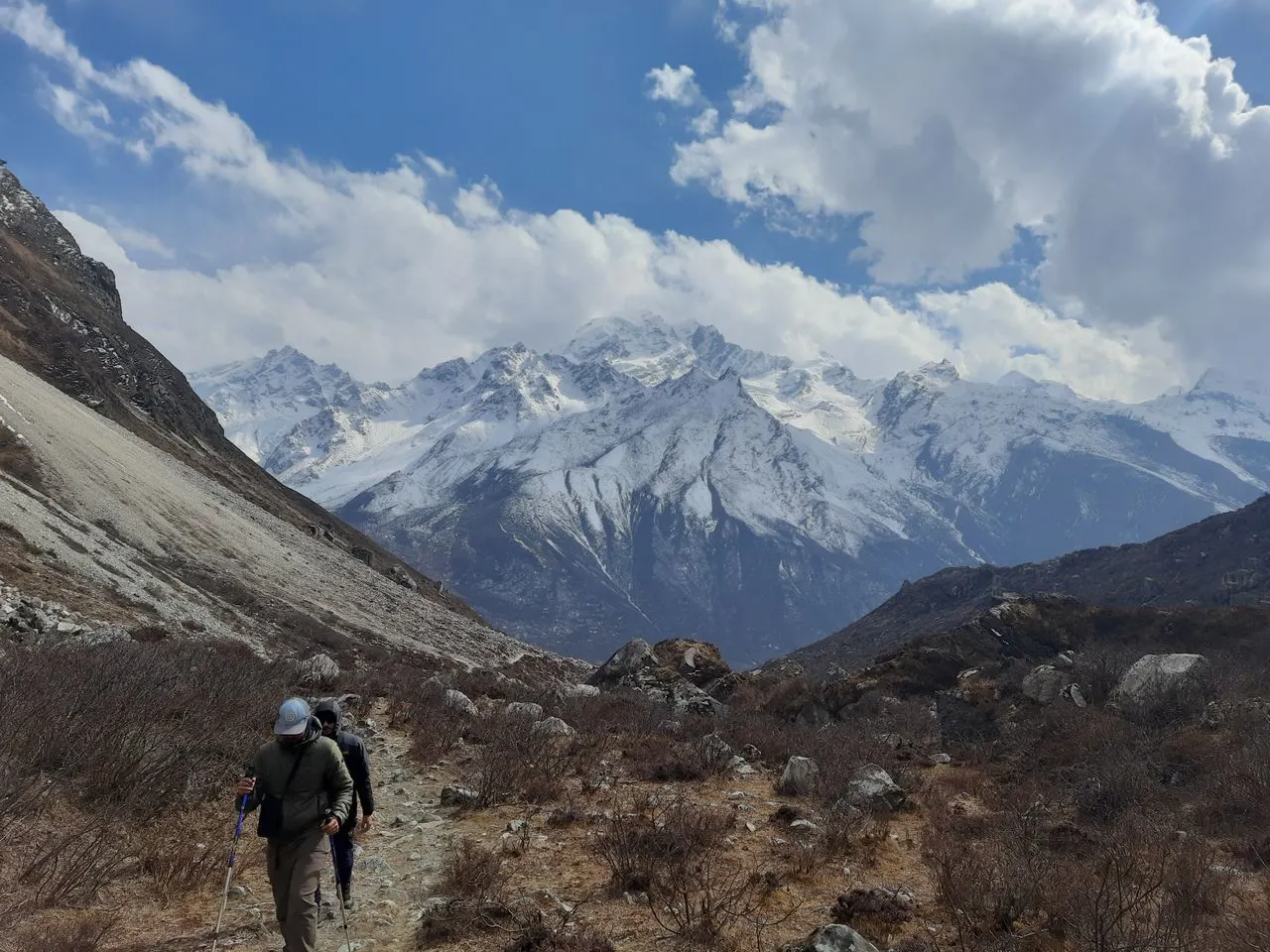
Gosaikunda is not part of the Langtang Valley Trek, but it is inside Langtang National Park. It sits at 4,300 metres and is one of Nepal’s most important pilgrimage sites — sacred to Hindus (associated with Lord Shiva) and Buddhists alike. Thousands of pilgrims visit during Janai Purnima (August) and other festivals.
The lake system is a Ramsar site, recognising its ecological importance. For trekkers, the Gosaikunda route adds 5–7 days to a Langtang itinerary and crosses the Lauribina La (4,610 m), a high pass with panoramic views. The route passes through Cholangpati forest, one of the more reliable red panda habitats in the park.
Practical note: The Gosaikunda trek is physically more demanding than the Langtang Valley Trek. The pass crossing requires good weather and proper acclimatization. It is not a casual add-on.
Tamang Culture: The People Who Call Langtang Home
The cultural dimension of National Park is inseparable from its geography. The valley’s inhabitants are predominantly Tamang, an ethnic group of Tibeto-Burman origin whose ancestors are thought to have migrated from the Kerung region of Tibet and intermingled with communities in Helambu.
The 2015 earthquake devastated Langtang Village, killing hundreds of residents and destroying the settlement. The village has been rebuilt — new stone houses, prayer flags, and a resilience that visitors often remark on. Trekking through Langtang today means walking through a landscape of recovery.
Cultural highlights:
-
Kyanjin Gompa — the spiritual heart of the valley, a Buddhist monastery where butter lamps are lit in the evening
-
Tamang villages — Gatlang, Goljung, and Briddhim on the Tamang Heritage Trail
-
Traditional livelihoods — yak herding, cheese-making (the Kyanjin cheese factory is a trekking institution), and seasonal migration
-
Language — Tamang is a Tibeto-Burman language distinct from Nepali; learning a few phrases is appreciated
A note on sensitivity: The Tamang are not a “cultural attraction” to be consumed. They are communities living in a protected area with complex relationships to conservation, tourism, and land use. Trekking with a local guide — which is now mandatory — ensures that tourism revenue reaches the communities that host you.
Best Time to Visit Langtang National Park
Autumn (late September–November) is the strongest season. Post-monsoon skies are clear, the air is crisp, and mountain views from Kyanjin Gompa are at their best. October is peak. The downside is crowds — still modest compared to Everest, but the main teahouses fill up.
Spring (March–May) is the second-best window. Rhododendrons bloom between 2,500 and 4,000 metres, turning the forests red and pink. Wildlife is active. The weather is warmer but less stable than autumn, and haze can obscure distant peaks.
Winter (December–February) is cold but feasible at lower elevations. Snow can block the upper valley, and many teahouses close. It is quiet and atmospheric, but not recommended for a first high-altitude trek.
Monsoon (June–August) brings rain, leeches at lower elevations, landslides, and obscured views. The trail is slippery and the risk of rockfall increases. Not recommended.
Permits, Fees, and Regulations (Verified 2026)
Two permits are mandatory for foreign trekkers in Langtang National Park:
-
Entry Permit
-
TIMS Card (Trekkers’ Information Management System)
Current fees (2026):
| Permit | Foreign Nationals | SAARC Nationals | Nepali Citizens |
|---|---|---|---|
| Park Entry | NPR 3,000 (~USD 22) | NPR 1,500 (~USD 11) | NPR 100 |
| TIMS Card | NPR 2,000 (solo) / NPR 1,000 (group) | NPR 1,000 | Not required |
Total for foreign trekkers: Approximately NPR 5,000 (~USD 37).
Where to get them: Nepal Tourism Board office in Kathmandu (with passport and photos), or through a licensed trekking agency. Permits can also be issued at the Dhunche entry gate, but pre-arranging in Kathmandu saves time. The gate queue on busy mornings can be slow.
Guide requirement: Since 2023 (enforced from February 2025), foreign trekkers must be accompanied by a licensed guide in Langtang National Park. This is a national regulation, not a park-specific rule. Independent trekking is no longer permitted for foreigners. TIMS cards are now issued through licensed agencies when booking a guide.
Children under 10: Free entry.
Important: Permit fees can change. Always verify current rates before budgeting. The figures above are verified as of 2026.
Costs: What a Langtang Trek Actually Costs in 2026
| Category | Budget Range (USD) |
|---|---|
| Permits | $37–$40 |
| Guide (mandatory) | $25–$30/day × 8 days = $200–$240 |
| Teahouse accommodation | $3–$6/night |
| Meals (3/day) | $15–$25/day |
| Transport (Kathmandu–Syabrubesi round trip) | $20–$40 (bus) or $80–$150 (jeep) |
| Porter (optional) | $20–$25/day |
| Total (budget, 7–8 days) | $350–$550 |
| Total (guided, mid-range) | $550–$850 |
Note: Teahouse pricing follows an unwritten rule — the room is cheap because you eat there. Dinner and breakfast at the same lodge balances the cost. Bargaining a room to NPR 300 and then eating elsewhere for NPR 1,400 is a false economy.
Cash: Carry Nepali rupees. There is an ATM in Dhunche but it is unreliable. Past Syabrubesi, cash only.
Accommodation: Teahouses, Not Luxury
Every night on the Langtang Valley route is spent in a teahouse — a family-run guesthouse with twin-sharing rooms, communal dining, and basic facilities. This is not luxury trekking. Expect:
-
Rooms: Simple, wooden or stone walls, twin beds, thick blankets
-
Bathrooms: Shared, increasingly with hot showers for a fee (NPR 200–400)
-
Food: Dal bhat, noodles, momos, eggs, Tibetan bread, and increasingly pizza and pasta
-
Electricity: Charging devices costs NPR 100–300 per hour in higher villages
-
Wi-Fi: Available for a fee at most teahouses, but slow and unreliable
Above 3,000 metres, facilities become more basic. Kyanjin Gompa has several teahouses, a bakery, and the famous cheese factory. The Lama Hotel — confusingly, not a single hotel but a cluster of 6–8 teahouses — is a key stop on the ascent.
Conservation: What the Park Needs From You
National Park faces genuine conservation pressures:
Climate change is shifting the treeline upward at a rate of 3.73 metres per year, according to a 2025 study. The average treeline elevation rose from 3,609.60 metres in 2000 to 3,680.34 metres in 2018. Winter minimum temperatures are increasing by 0.060°C per year. This has consequences for high-altitude ecosystems and the species that depend on them.
Red panda habitat faces threats from livestock grazing, fuel-wood collection, and the presence of cattle herders and dogs during the monsoon birth season. An Anti-Poaching Unit has been established in the park to control illegal hunting.
Human-wildlife conflict exists but is less acute than in some other protected areas. Livestock grazing is permitted inside the park under Himalayan Parks regulations.
Tourism declined in the 2025–26 fiscal year: 50,360 visitors vs. nearly 56,000 the previous year, with revenue dropping from Rs 57.7 million to Rs 42.8 million. Of the current year’s arrivals, 39,011 were domestic travellers, 788 from SAARC countries, and 10,561 from other nations. This matters because park revenue funds protection and biodiversity management.
What you can do:
-
Carry out what you carry in. Plastic waste is a persistent problem on the trail.
-
Do not buy wildlife products. Musk, fur, or any animal-derived souvenir.
-
Keep your distance from wildlife. Use binoculars, not your feet.
-
Stay on trails. Off-trail walking damages fragile alpine vegetation.
-
Hire local guides and porters. This keeps tourism revenue in the communities that protect the park.
-
Respect Tamang culture. Ask before photographing people. Learn a few words of Tamang.
Langtang vs. Everest vs. Annapurna: An Honest Comparison
| Factor | Langtang Valley | Everest Base Camp | Annapurna Circuit |
|---|---|---|---|
| Duration | 7–10 days | 12–14 days | 12–18 days |
| Max altitude | 3,870 m (Kyanjin Gompa) | 5,545 m (Kala Patthar) | 5,416 m (Thorong La) |
| Difficulty | Moderate | Challenging | Demanding |
| Distance from Kathmandu | 7–8 hours by bus | 35-min flight + trek | 5–6 hours by road |
| Crowds | Low–Moderate | High | Moderate–High |
| Cost (guided) | $550–$850 | $1,000–$1,500+ | $820–$1,600 |
| Best for | First high-altitude trek, culture, solitude | Bucket-list achievement, Sherpa culture | Landscape diversity, physical challenge |
| Wildlife | Red panda, tahr, musk deer | Snow leopard, tahr, pika | Blue sheep, snow leopard, monal |
| Flights required | No | Yes (Lukla) | No |
The honest verdict: Langtang is the best first Himalayan trek in Nepal for most people. It is accessible, affordable, culturally rich, and physically achievable without technical skills. Everest Base Camp is a bucket-list experience but requires flights, more time, more money, and better altitude tolerance. The Annapurna Circuit offers the most landscape diversity but is a longer commitment.
If you want red pandas and Tamang culture without the Everest crowds, Langtang is the answer.
Why Trek Langtang with Wonder Hikes Nepal
Wonder Hikes Nepal operates treks in the Langtang region because we believe it is the most underrated protected area in the Himalayas. Our approach is straightforward:
-
Licensed local guides who know the trail, the wildlife, and the communities
-
Permits and logistics handled before you arrive — no queueing at NTB or Dhunche
-
Itineraries built around acclimatization, not speed
-
Wildlife briefing before the trek — what to look for, where, and how to observe responsibly
-
Transport arranged from Kathmandu, including jeep options when road conditions demand
-
Post-earthquake sensitivity — we work with communities that rebuilt after 2015 and support local teahouses
We do not promise red panda sightings. We do promise honest advice, responsible trekking, and a genuine Himalayan experience.
Ready to plan your Langtang trek? Contact Wonder Hikes Nepal to discuss itinerary options, costs, and the best time for your departure.
Frequently Asked Questions
1.Where is Langtang National Park located?
It is in north-central Nepal, about 117–132 km by road from Kathmandu, spanning Rasuwa, Nuwakot, and Sindhupalchok districts. The park headquarters is in Dhunche. The nearest trailhead is Syabrubesi.
2.How do I get to Langtang National Park from Kathmandu?
By public bus or private jeep from Kathmandu to Syabrubesi. The journey takes 7–9 hours. There are no flights. Buses leave from Balaju Bus Park early in the morning.
3.What animals live in Langtang National Park?
The park records 46 mammal species and over 250 bird species. Notable mammals include Himalayan tahr, red panda, musk deer, snow leopard, Himalayan black bear, and goral. Birds include the Himalayan monal, satyr tragopan, and blood pheasant.
4.Is red panda actually found in Langtang?
Yes. The park holds a significant portion of Nepal’s red panda population, with bamboo forests in the lower valley (2,200–3,500 m) providing core habitat. However, they are nocturnal and solitary. Sightings are rare on standard treks.
5.How difficult is the Langtang Valley Trek?
Moderate. No technical climbing. Daily walking of 5–7 hours and 10–15 km. The main challenges are altitude and the muddy section between Syabrubesi and Lama Hotel.
6.What is the highest point on the trek?
Kyanjin Gompa is at 3,870 m. Optional side hikes reach Kyanjin Ri (4,773 m) and Tserko Ri (4,985 m).
7.How much does the Langtang trek cost?
Budget treks start around $350–$550 per person; guided mid-range treks cost $550–$850. This includes permits, guide, accommodation, and meals.
8.What permits do I need?
Two: the Langtang National Park Entry Permit (NPR 3,000 for foreigners) and the TIMS Card (NPR 2,000 solo / NPR 1,000 group). A licensed guide is mandatory for foreign trekkers.
9.What is the best time to visit?
Autumn (late September–November) and spring (March–May). Autumn offers the clearest skies; spring brings rhododendron blooms and active wildlife.
10.Do I need a guide?
Yes. Since 2023 (enforced from February 2025), foreign trekkers must be accompanied by a licensed guide in Langtang National Park.
11.Is Langtang safe?
The trail is well-established and the main hazards are altitude, weather, and trail conditions. The mandatory guide rule improves safety. Always check current conditions before departure.
12.Is Langtang suitable for beginners?
Yes. It is one of the most beginner-friendly high-altitude treks in Nepal. Reasonable fitness is required, but no technical skills.
13.What is Gosaikunda and can I combine it with Langtang?
Gosaikunda is a sacred lake at 4,300 m inside the park, revered by Hindus and Buddhists. It can be combined with the Langtang Valley Trek as a 12–16 day itinerary crossing the Lauribina La (4,610 m).
14.How does Langtang compare to Everest Base Camp?
Langtang is shorter, cheaper, lower, and less crowded. It is more accessible from Kathmandu (no flights) and more culturally immersive. Everest is higher, more challenging, and more famous.
15.Is Langtang worth visiting?
For most trekkers, yes. It offers Himalayan scenery, Tamang culture, genuine wildlife habitat, and a degree of solitude that Everest and Annapurna no longer provide. It is the best “first Himalayan trek” in Nepal.
Final Word
Langtang National Park is not a lesser Everest. It is a different mountain experience entirely — one that rewards curiosity over ambition, observation over speed, and cultural engagement over summit photos. The red pandas are there, somewhere in the bamboo. The snow leopards leave tracks you will probably never see. The Tamang villages are rebuilding, and the trail is open.
Wonder Hikes Nepal is ready to help you plan a Langtang trek that matches your fitness, timeline, and interests. Contact us to start the conversation.
Ready to plan your trek?
Tell us your dates and group size. We reply on WhatsApp within a few hours.