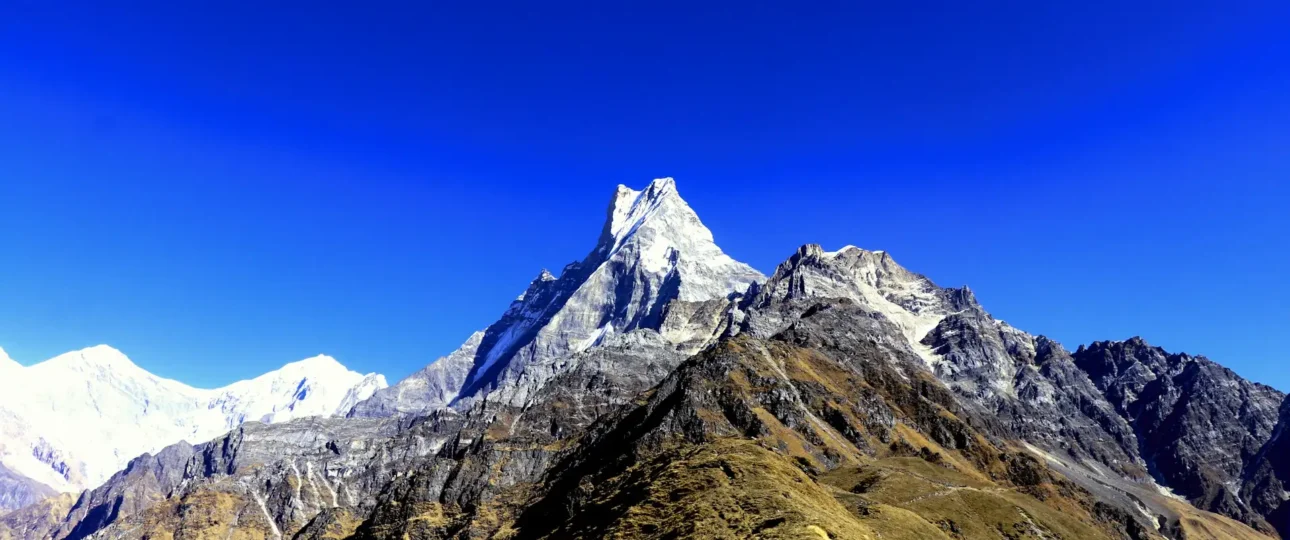
Mardi Himal Trek Difficulty
The Mardi Himal Trek is moderate — but that word doesn’t tell you much.
Here’s the direct answer: if you can walk 5–7 hours a day on hilly terrain, climb stairs continuously for 20–30 minutes without collapsing, and handle an altitude of 4,500 meters with proper pacing, you can complete this trek. Most fit beginners can do it.
But “moderate” in the Himalayas is not “moderate” at sea level.
The upper sections — from High Camp (3,550m) to the Viewpoint (≈4,300m) and optional Base Camp (4,500m) — are genuinely challenging. The air is thin, the ridge is exposed, and the final push is steep. The descent is harder on your knees than the ascent is on your lungs.
This guide gives you the real picture: what the trek actually feels like, which sections hurt, how to prepare, and whether it’s right for you.
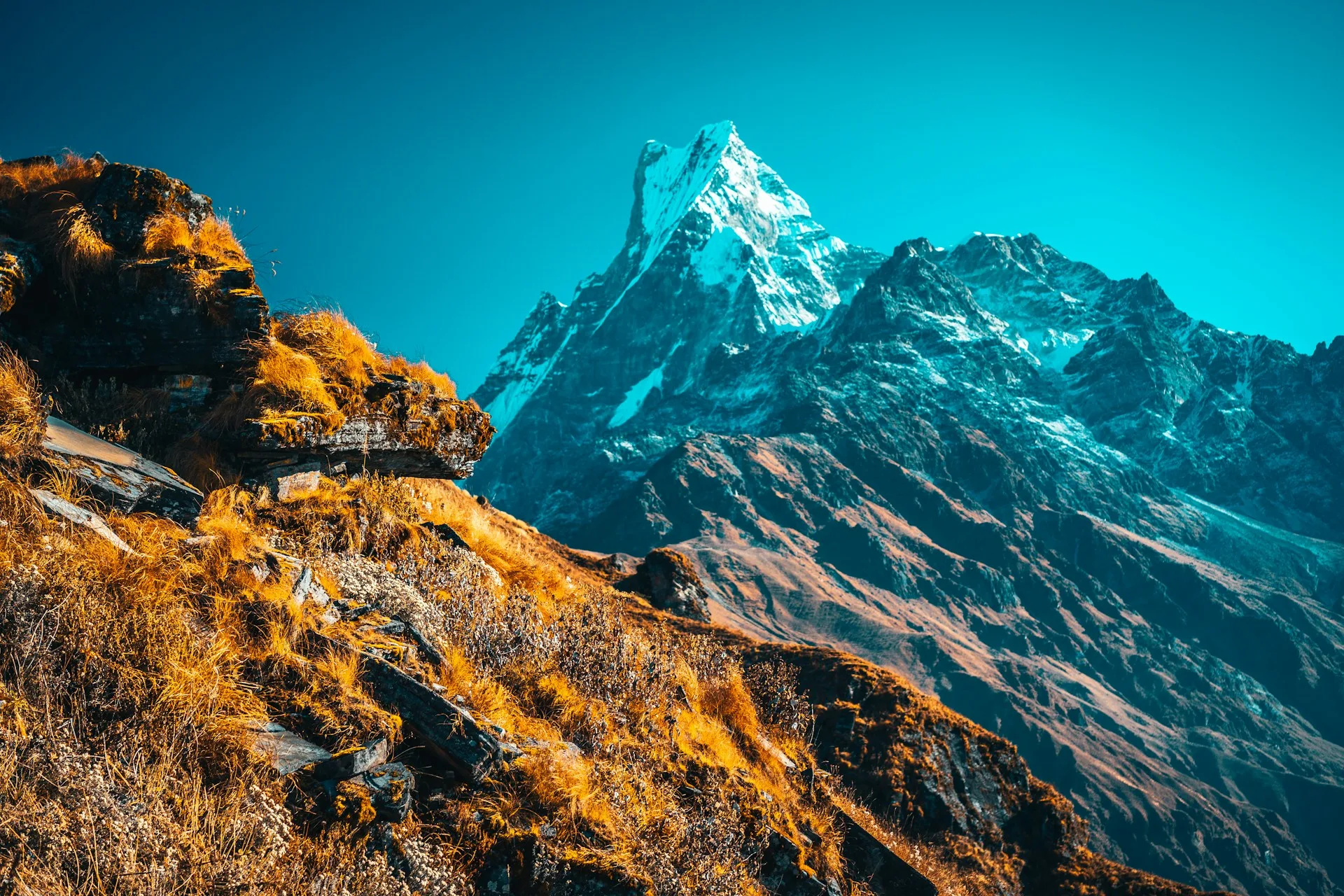
What “Moderate” Actually Means on Mardi Himal
When trekking companies call Mardi Himal “moderate,” here’s what they mean:
It’s not technical. No ropes, no climbing, no glaciers. The trail is well-defined.
It’s physically demanding. Not extreme, but you will feel it. Every day.
The altitude is real. 4,500 meters is high enough to affect most people.
Here’s what “moderate” feels like on the trail:
-
Your calves burn on the endless stone staircases
-
Your lungs work harder above 3,000 meters—especially when you bend to tie boots or step over rocks
-
Your knees ache on the long descents, which can feel harder than climbing
-
Your pace slows to a crawl in the final section, not because you’re unfit but because oxygen is thinner
One guide described the ridge walk as “walking through waist-deep water” . That’s the sensation: every step takes more effort than it should, and your heart rate climbs faster than your boots do.
The total distance varies by route but is roughly 40–50 km over 4–6 days . That’s not far, but the elevation profile makes it feel longer.
Key reality: You’re working for every view. There’s almost no flat ground on the upper trail—you’re either climbing or descending . And the famous “Nepali flat” (a local term that actually means “constant up-and-down”) is relentless .
Day-by-Day Mardi Himal Trek Difficulty Breakdown
Route variations exist depending on your starting point and itinerary length . Most treks begin with a drive from Pokhara to Kande or Phedi.
Here’s a realistic difficulty breakdown for a 5-day itinerary, which is the most common:
Day 1: Pokhara to Forest Camp (≈2,600m)
-
Walking time: 4–5 hours
-
Elevation gain: ≈1,200m from Kande
-
Terrain: Dense forest trail with stone steps and root-covered paths
-
Challenge: Getting into rhythm; the stairs are harder than expected
-
Difficulty: Easy–Moderate
-
Advice: Start slow. This day introduces you to “Nepali flat”—you’ll go up, down, and up again. Conserve energy.
Day 2: Forest Camp to Low Camp (≈3,100m) or High Camp (≈3,550m)
-
Walking time: 4–6 hours (depending on endpoint)
-
Elevation gain: 500–950m
-
Terrain: Emerges from forest onto alpine ridge at Badal Danda
-
Challenge: The ridge becomes exposed; wind and sun increase
-
Difficulty: Moderate
-
Advice: Some itineraries stop at Low Camp for acclimatization . This is wise. Rushing to High Camp on Day 2 increases altitude risk.
Day 3: High Camp to Viewpoint (≈4,300m) and/or Base Camp (≈4,500m)
-
Walking time: 3–6 hours up; 5–7 hours total with descent to Low Camp
-
Elevation gain: 750–1,000m from High Camp
-
Terrain: Exposed alpine ridge, steep final sections, potentially snow/ice
-
Challenge: The hardest day. Thin air, steep grade, exposed ridge, early start (around 4:00 AM for sunrise)
-
Difficulty: Hard
-
Advice: Start before dawn. Go slow. The Viewpoint is the main goal; Base Camp is optional and adds significant difficulty .
Day 4: Descent to Badal Danda or Siding Village
-
Walking time: 5–7 hours
-
Elevation loss: 1,500–2,000m
-
Terrain: Steep downhill on stone stairs
-
Challenge: Knees take a beating. The descent is more physically punishing on joints than the ascent
-
Difficulty: Moderate–Hard (on the body)
-
Advice: Use trekking poles. They save your knees on this day. Walk sideways on steep sections if needed.
Day 5: Siding Village to Pokhara
-
Walking time: 3–4 hours walking + drive
-
Terrain: Gradual descent through farmland
-
Challenge: Fatigue from previous days
-
Difficulty: Easy
-
Advice: Take it easy. You’ve earned the rest.
Important: Itineraries vary . Some are 4 days, some 6–7. The difficulty per day changes based on how the route is split. More days = easier days.
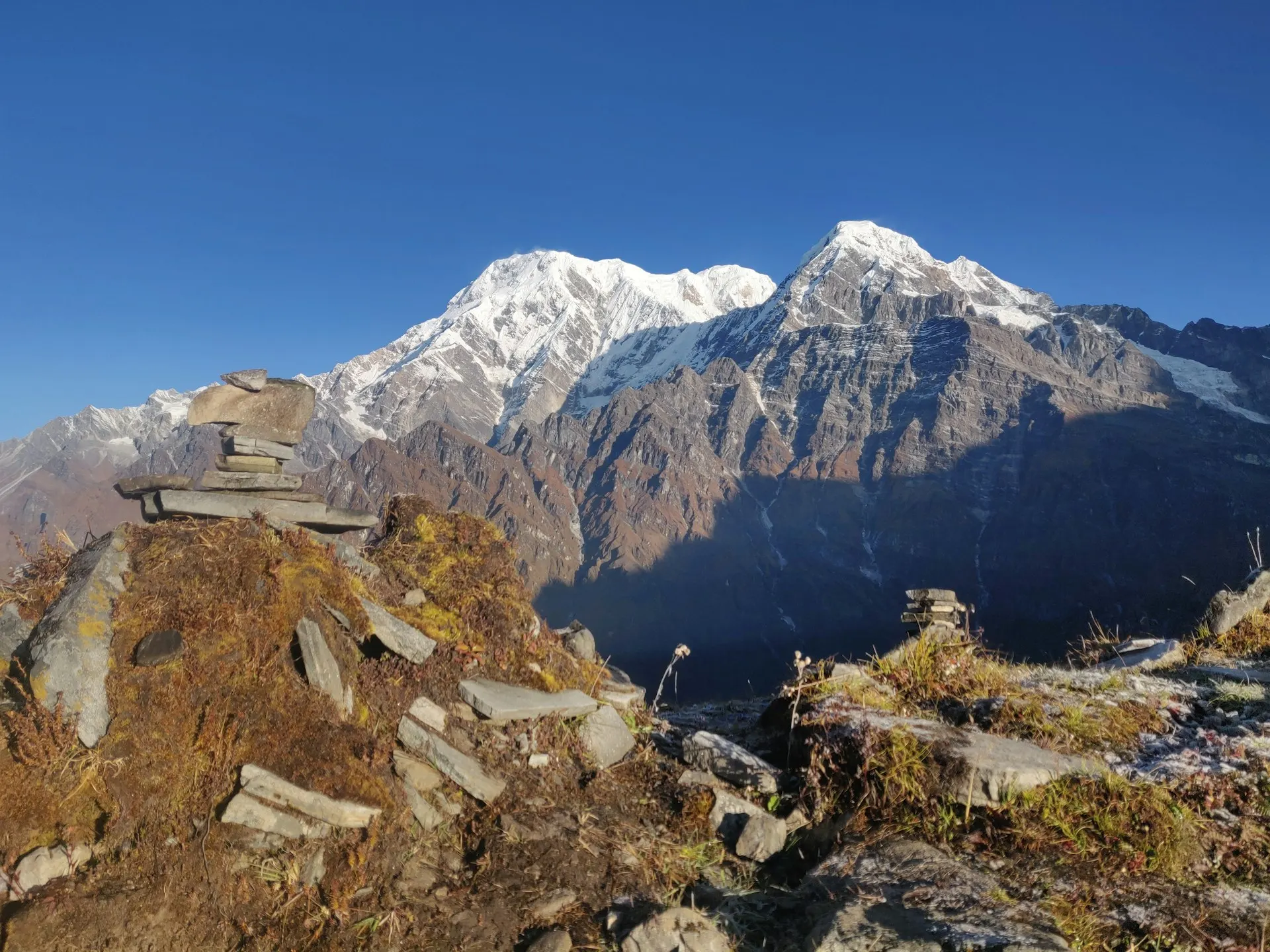
What Makes the Mardi Himal Trek Difficult?
1. The Terrain: Endless Stairs and Exposure
The Mardi Himal trail is not a gentle valley walk. It’s a ridge hike with almost no flat sections . You’re either grinding uphill or braking downhill.
Staircases: Thousands of uneven stone steps carved into hillsides. They vary in height, are often slick with roots or moss, and force constant adjustments. Your calves and quads feel every single one .
The Ridge: After Badal Danda, the trail emerges from the forest onto an exposed alpine ridge. There are steep drop-offs on both sides. In wind, rain, or fog—common on this ridge—it becomes mentally taxing .
2. Altitude: The Invisible Burden
Altitude changes everything.
At 4,300 meters, there’s roughly 40% less oxygen than at sea level . Your body compensates by breathing faster and pumping harder. This makes walking feel like exercise even when you’re moving slowly.
Key point: Fitness doesn’t protect you from altitude. The fittest person can still get AMS if they ascend too fast.
The altitude gain on this trek is rapid. You can go from 850m (Pokhara) to 4,500m in three days. That’s fast enough to trigger altitude sickness in many people .
3. Weather: Unpredictable and Punishing
The exposed ridge makes you vulnerable to weather .
-
Afternoon clouds often roll in by 1:00–2:00 PM, dropping visibility to near zero
-
Wind chill at High Camp can make freezing temperatures feel brutal
-
Rain and snow turn trails into mud or ice
-
Temperature swings are extreme: hot in forest sections, freezing above 3,000m
4. The Descent: The Hidden Challenge
Everyone worries about going up. Few prepare for going down.
The descent from High Camp to Low Camp or Siding involves hours of steep downhill. Your quadriceps act as brakes with every step. Knees that feel fine going up can become painful on day four.
Trekking poles are not optional for most people on this descent—they’re essential.
The Hardest Sections of the Mardi Himal Trek
1. High Camp to Viewpoint (4:00 AM Start)
Why it’s hard:
-
Steep climb at the highest altitude
-
Pre-dawn start in freezing temperatures
-
Exposed ridge with wind
-
Low oxygen makes every step laborious
-
The mental game: “How much further?”
This is where beginners often struggle most. The combination of altitude, cold, early start, and steep terrain is a unique challenge.
2. Badal Danda Ridge
Why it’s hard:
-
Fully exposed—no tree cover
-
Strong winds
-
Potential for sudden weather changes
-
Steep drop-offs
This section is where the “scenic” part becomes “exposed” . In poor weather, it’s genuinely uncomfortable.
3. The Descent from High Camp
Why it’s hard:
-
Sustained downhill on tired legs
-
Stone stairs with irregular heights
-
Knee pain for many trekkers
-
Mental fatigue from focusing on every step
Many trekkers report the descent being physically harder than the ascent, even though it’s “easier” on paper.
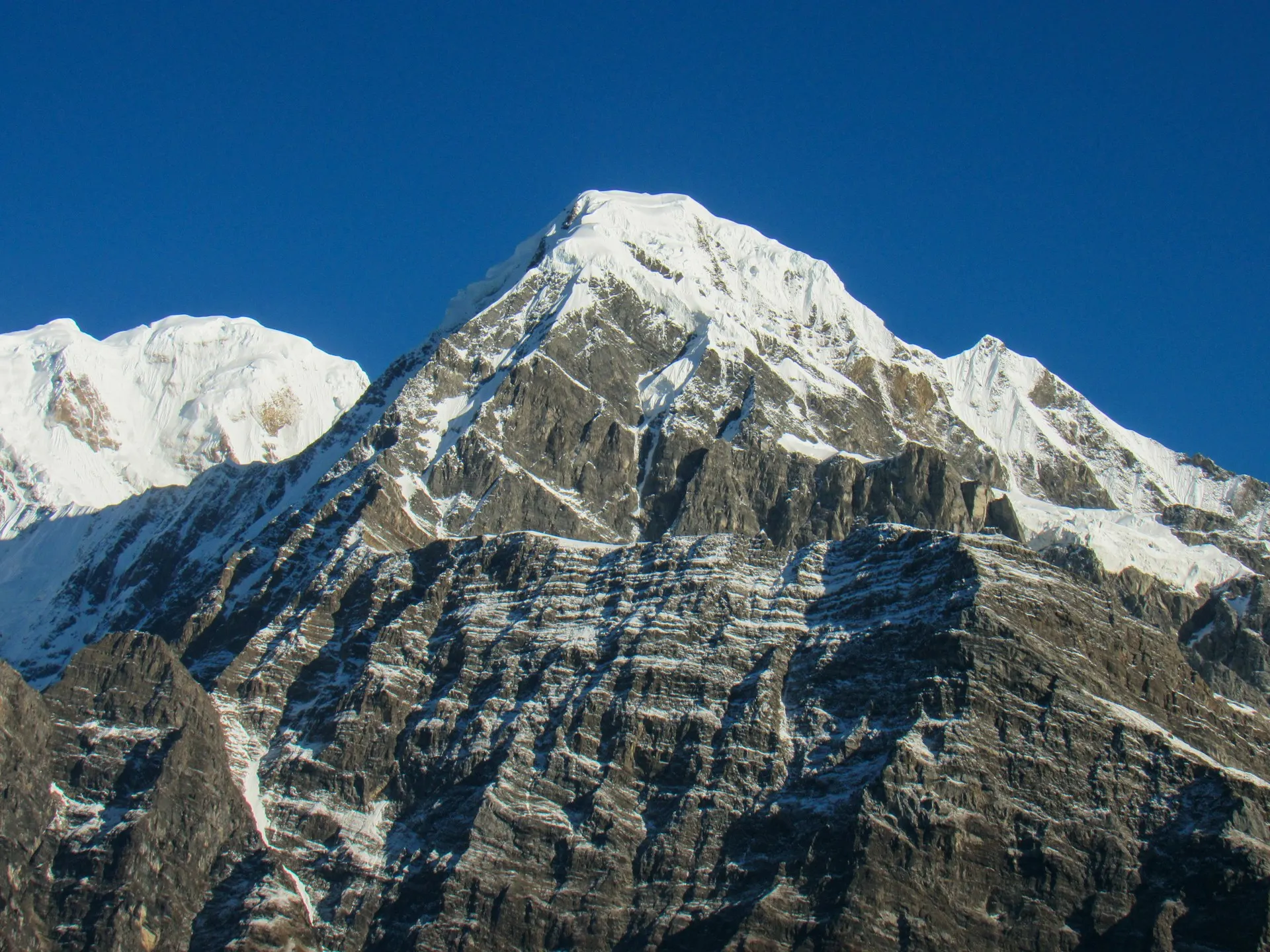
Mardi Himal Trek Fitness Requirements
You don’t need to be an athlete, but you need a solid base.
Can you comfortably do the following?
-
Walk 10–15 km on hilly terrain without frequent breaks
-
Climb steep stairs or gradients for 60–90 minutes continuously
-
Carry a 5–7 kg backpack while doing the above
-
Walk on consecutive days even when tired
If you answered “yes” to all, you’re in good shape for this trek.
Practical Fitness Self-Assessment
The Stair Test: Find a long flight of stairs (or a hill) and walk up for 20 minutes at a steady pace. If you need to stop more than twice, work on your cardio before booking.
The Consecutive Day Test: Go on back-to-back hikes of 3–4 hours on a weekend. If you’re wrecked on day two, your recovery fitness needs work.
The Weighted Test: Do the stair test with a 5–7 kg pack. This simulates real conditions.
Training Recommendations
| Training Type | Frequency | Duration | Purpose |
|---|---|---|---|
| Uphill hiking/walking | 2–3x/week | 60–90 min | Build leg strength and cardio |
| Stair climbing | 1–2x/week | 30–45 min | Simulate trail conditions |
| Long walks (flat) | 1x/week | 2–3 hours | Build endurance |
| Strength training | 1–2x/week | 30 min | Legs, core, stabilizers |
| Downhill practice | 1x/week | 30 min | Condition knees for descent |
Aim for at least 6–8 weeks of consistent training before the trek. This isn’t optional—the people who struggle most are those who showed up without specific preparation.
Can a Beginner Do the Mardi Himal Trek?
Short answer: Yes, a fit beginner can do it.
Long answer: Being a “beginner” is less important than being “fit and well-prepared.”
Here’s what beginners typically find difficult:
-
Underestimating the stairs: At sea level, you don’t climb for hours. On the trek, you do.
-
Altitude surprises: Even if you’re fit, altitude can slow you down.
-
Knee pain on descent: Most beginners don’t train downhill. This is a mistake.
-
Packing too much: Extra weight on the trail = extra pain.
What makes it manageable for beginners:
-
The trek is short (4–6 days), so you don’t need marathon-level endurance
-
Teahouses provide shelter and food—no need to carry camping gear
-
The trail is well-marked and relatively straightforward
-
Guides are available for those who want support
Honest warning: A beginner who is very unfit, has no cardio, and carries too much weight will suffer—or quit. But a beginner who trains, paces themselves, and listens to their body will likely complete the trek and enjoy it.
Mardi Himal Trek Altitude & Acclimatization
Elevation Points Summary
| Location | Elevation (approx.) | Significance |
|---|---|---|
| Pokhara | 850m | Starting point |
| Kande | 1,500m | Typical trek start |
| Forest Camp | 2,600m | Day 1 stop |
| Low Camp | 3,100m | Optional acclimatization stop |
| Badal Danda | 3,200m | Forest-to-ridge transition |
| High Camp | 3,550m | Pre-summit overnight stop |
| Upper Viewpoint | ≈4,300m | Main destination for most |
| Base Camp | ≈4,500m | Optional extension |
Important Distinction
Upper Viewpoint (≈4,300m) is where most trekkers stop for sunrise views. Mardi Himal Base Camp (≈4,500m) is higher and requires additional effort. Many articles confuse them. They are two different places .
Altitude Sickness Risk
The trek’s rapid elevation gain increases AMS risk . You start at 850m and can reach 4,500m within 3–4 days—faster than recommended for proper acclimatization.
Common symptoms to watch for:
-
Headache (most common)
-
Nausea or loss of appetite
-
Fatigue or weakness
-
Dizziness
-
Shortness of breath
What to do if symptoms appear:
-
Stop ascending immediately
-
Rest and hydrate
-
Descend if symptoms worsen
Never continue ascending with AMS symptoms. This is non-negotiable.
Acclimatization Tips
-
Go slow: “Walk slowly, drink a lot, sleep well”
-
Stagger ascent: Spend a night at Low Camp (≈3,100m) before High Camp
-
Stay hydrated: Dehydration worsens altitude symptoms
-
Consider Diamox: Consult your doctor—it helps some people
-
Don’t push: The mountain will be there tomorrow
How Seasonal Conditions Change Difficulty
Spring (March–May)
Difficulty: Moderate
Pros: Stable weather, blooming rhododendrons, moderate temperatures
Cons: Afternoon clouds, cold nights above 3,000m
Verdict: Best time for most trekkers
Monsoon (June–August)
Difficulty: Hard
Pros: Less crowded
Cons: Muddy trails, leeches, fog blocks views, slippery stone stairs
Verdict: Not recommended for beginners
Autumn (September–November)
Difficulty: Moderate
Pros: Best visibility, stable weather, dry trails
Cons: Busiest season (more crowded tea houses), ridge winds
Verdict: Best overall conditions
Winter (December–February)
Difficulty: Hard
Pros: Clear views, fewer crowds
Cons: Freezing temperatures, snow/ice near High Camp, microspikes often needed
Verdict: Only for experienced winter trekkers
Mardi Himal vs Poon Hill, ABC, and EBC
| Trek | Duration | Max Elevation | Difficulty | Best For |
|---|---|---|---|---|
| Poon Hill | 3–4 days | 3,210m | Easy | Quick views, beginners |
| Mardi Himal | 4–6 days | 4,500m | Moderate | Quiet ridge trek, close-up Fishtail views |
| Annapurna Base Camp | 7–12 days | 4,130m | Moderate–Hard | Classic base camp, more facilities |
| Everest Base Camp | 12–16 days | 5,545m | Hard | Iconic route, highest challenge |
Mardi Himal vs Poon Hill
Mardi is harder . It reaches 4,500m vs 3,210m at Poon Hill. The trail is longer and more exposed. If you’re a beginner with doubts, do Poon Hill first.
Mardi Himal vs Annapurna Base Camp
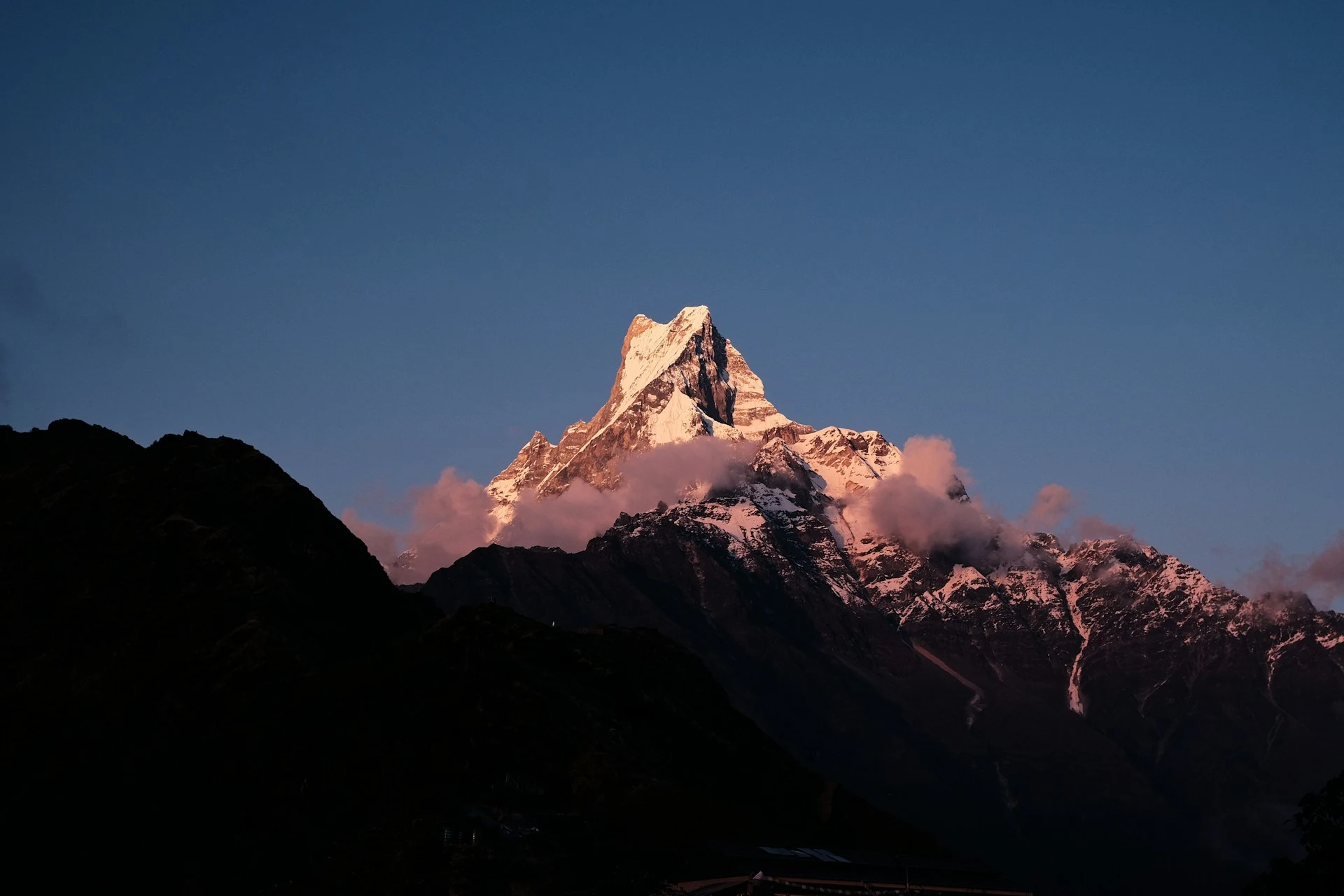
“ABC is longer and more physically demanding overall. Mardi Himal has a sharper final push” . ABC is a classic, but it’s more crowded and takes longer. Mardi gives better views of Machhapuchhre (Fishtail) with fewer people.
Mardi Himal vs Everest Base Camp
Not comparable. EBC is a multi-week expedition to 5,545m. Mardi is a 4–6 day moderate trek. If you’re choosing between them, you’re comparing very different experiences.
Who Should NOT Do the Mardi Himal Trek?
Honest transparency builds trust:
-
People with severe knee problems (the descent is punishing)
-
Those with heart conditions or poor cardiovascular health
-
People with a history of severe altitude sickness
-
Anyone unwilling to train before the trek
-
Those seeking a luxury experience (teahouses are basic)
-
People who can’t walk 5–7 hours a day on consecutive days
Important: If you’re over 70, have spinal issues, or are pregnant, check with your doctor first .
How to Make the Mardi Himal Trek Easier
-
Add acclimatization days to your itinerary
-
Book a guide—they help with pacing, safety, and local knowledge
-
Use trekking poles—essential for descent
-
Pack light—carry only what you need
-
Start early each day—beat the afternoon clouds and wind
-
Train specifically—stairs, hills, and weighted walks
-
Choose the right season—spring or autumn
-
Pay attention to your body—don’t ignore altitude symptoms
-
Consider Diamox—discuss with your doctor
-
Hydrate constantly—dehydration makes everything worse
Why Book Mardi Himal Trek with Wonder Hikes Nepal?
Wonder Hikes Nepal specializes in honest, well-paced trekking experiences in the Annapurna region.
What makes them different:
-
Responsible itinerary design—they build acclimatization into the route, not just “fastest possible”
-
Licensed, experienced guides—who understand altitude, pacing, and beginner needs
-
Transparent difficulty communication—no sugar-coating; they tell you what to expect
-
Comprehensive support—permits, logistics, and practical guidance included
-
Safety-focused—travel insurance guidance and emergency planning
What they don’t do: They won’t promise “100% success” or “best company ever.” They focus on helping you prepare properly and enjoy the trek safely.
Practical inclusions:
-
Airport and hotel transfers in Pokhara
-
TIMS and ACAP permits
-
Licensed guide for the entire trek
-
Teahouse accommodation
-
Porter services (optional)
Not included (typical for Nepal treks):
-
Travel insurance (required)
-
Personal expenses (drinks, snacks, hot showers)
-
Tips for guide and porter
Frequently Asked Questions about Mardi Himal Trek Difficulty
1. How difficult is the Mardi Himal Trek in simple terms?
Moderate—physically demanding but not technical. Expect 5–7 hours of walking per day, steep stone staircases, and altitude up to 4,500m. Fit beginners can do it with preparation.
2. Can a complete beginner do the Mardi Himal Trek?
Yes, a beginner with adequate fitness and proper preparation can complete it. However, someone very unfit or with knee problems will struggle .
3. What fitness level do I need for the Mardi Himal Trek?
You should be able to walk 10–15 km on hilly terrain, climb steep stairs for 60 minutes, and carry a 5–7 kg pack on consecutive days without collapsing .
4. Is Mardi Himal harder than Annapurna Base Camp?
Mardi is shorter but has a sharper final push. ABC is longer and more physically demanding overall .
5. Is Mardi Himal harder than Everest Base Camp?
No. EBC is far longer (12–16 days), reaches higher altitude (5,545m), and is significantly more demanding.
6. What’s the highest point on the Mardi Himal Trek?
Mardi Himal Base Camp at ≈4,500m. Most trekkers stop at the Upper Viewpoint at ≈4,300m .
7. What’s the difference between Viewpoint and Base Camp?
The Viewpoint (≈4,300m) is the main sunrise destination. Base Camp (≈4,500m) is higher and optional—it adds significant difficulty .
8. Which day is hardest on the Mardi Himal Trek?
The push from High Camp (3,550m) to Viewpoint/Base Camp (4,300–4,500m) is the hardest: steep, high altitude, pre-dawn start .
9. Can I get altitude sickness on Mardi Himal?
Yes. The rapid elevation gain makes AMS possible. Symptoms include headache, nausea, and fatigue. Descend if symptoms worsen .
10. Do I need trekking poles for Mardi Himal?
Yes, strongly recommended. The descent is punishing on knees, and poles reduce impact significantly .
11. How long does the trek take?
Most itineraries are 4–6 days of trekking, with some offering 3-day options .
12. What’s the best season for Mardi Himal?
Spring (March–May) and autumn (September–November) offer the best conditions. Winter is cold with snow/ice; monsoon brings mud and leeches .
13. Do I need a guide for Mardi Himal?
Nepal currently requires guides for most trekking routes. A guide helps with pacing, safety, and local knowledge .
14. What permits do I need?
TIMS (Trekkers’ Information Management System) and ACAP (Annapurna Conservation Area Permit) .
15. How do I prepare for the Mardi Himal Trek?
Train with stair climbing and uphills for 6–8 weeks, use trekking poles, pack light, and choose the right season.