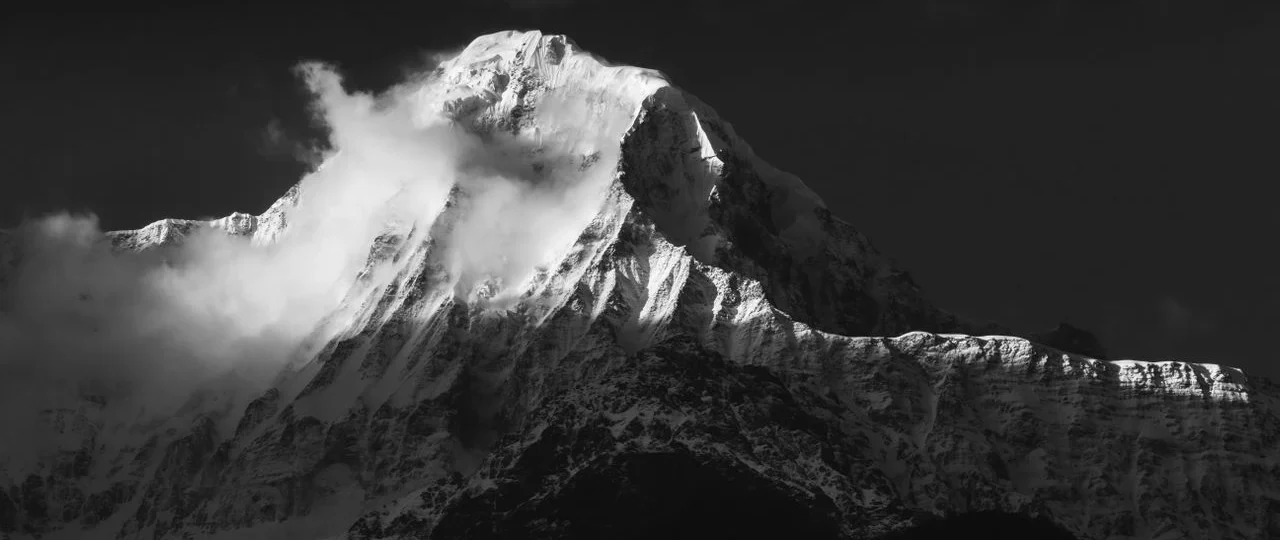
The Annapurna Base Camp Trek difficulty is officially rated moderate—but that single word doesn’t tell you what you actually need to know. The ABC trek reaches 4,130m, involves thousands of stone stairs, demands 4-7 hours of daily walking across consecutive days, and tests your endurance, knees, and mental resilience. The honest answer: this trek is achievable for many first-timers with proper preparation, but it will challenge you in ways that generic “moderate” labels fail to communicate . This guide breaks down every factor affecting Annapurna Base Camp Trek difficulty, so you can assess your readiness and prepare effectively.
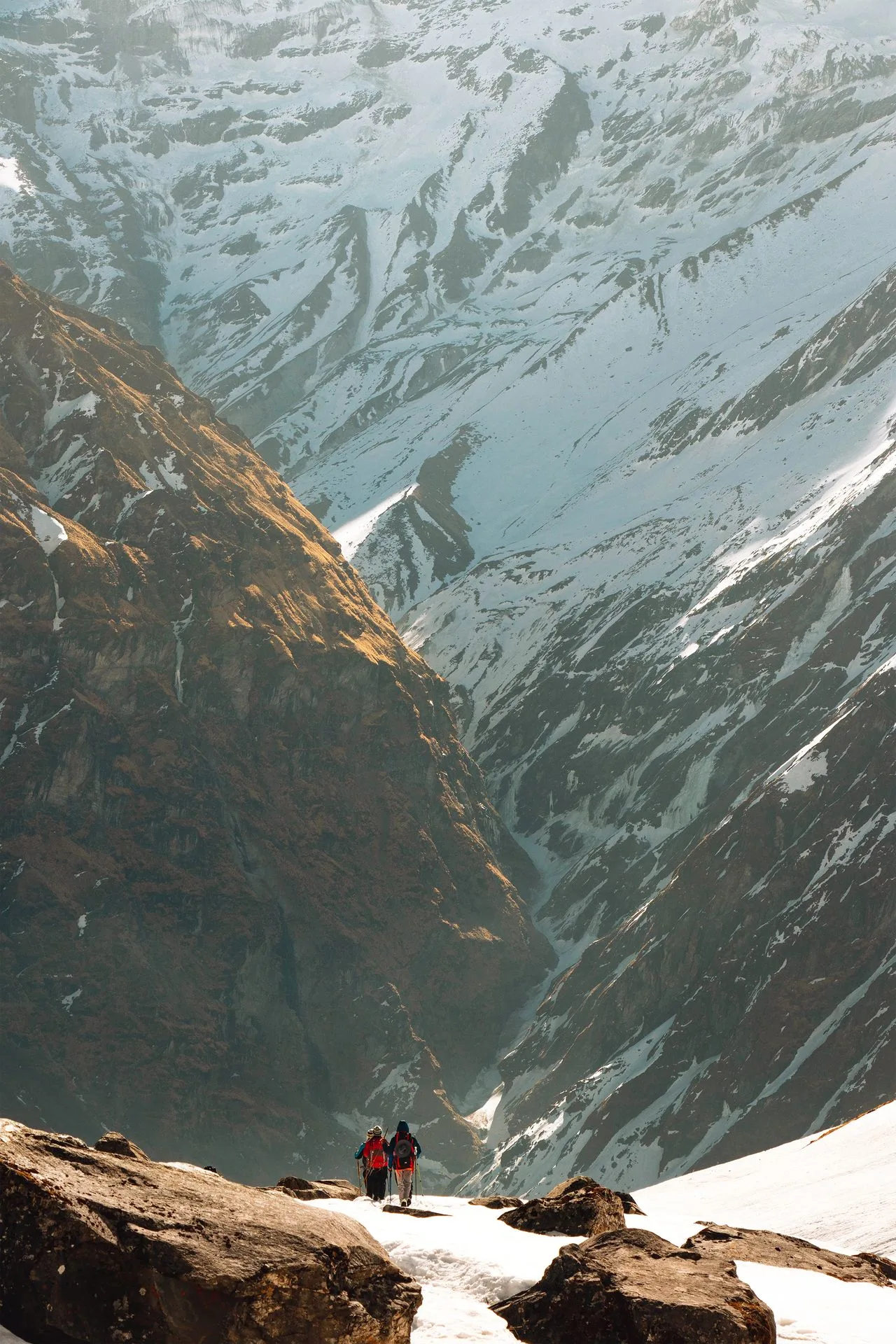
What Does “Moderate Difficulty” Actually Mean?
Nepal’s trekking industry labels the Annapurna Base Camp trek as “moderate,” but this classification has become almost meaningless through overuse. In practical terms, on the ABC route, “moderate” means :
-
Walking 4 to 7 hours each day for 7 to 11 consecutive days
-
Non-technical terrain—no climbing equipment or ropes required
-
Significant elevation changes daily—you’ll ascend and descend thousands of meters
-
Well-marked trails with teahouse accommodation at every overnight stop
-
Facilities that become progressively more basic as you gain altitude
“Moderate” also means something else: you are the variable that determines whether this trek feels manageable or overwhelming. A regular walker with eight weeks of targeted training will have a fundamentally different experience than someone who books the trek assuming their daily office routine is enough .
Quick Facts: Annapurna Base Camp Trek Difficulty at a Glance
| Factor | Details |
|---|---|
| Overall Difficulty | Moderate to Challenging |
| Maximum Altitude | 4,130m / 13,550ft (Annapurna Base Camp) |
| Technical Difficulty | None—walking only, no climbing |
| Duration | 7–14 days (standard 10–11 day itinerary recommended for beginners) |
| Daily Walking | 4–7 hours |
| Total Distance | Approximately 83–115 km round trip |
| AMS Risk | Low to Moderate (lower than EBC) |
| Minimum Fitness | Regular walking 3–4 hours/day before the trek |
| Best Season | Autumn (Sep–Nov) and Spring (Mar–May) |
The Seven Factors That Define Annapurna Base Camp Trek Difficulty
1. Physical Difficulty
Physical difficulty on the Annapurna Base Camp trek is primarily about endurance and leg strength. The cardiovascular demand is moderate—you’re walking uphill for extended periods, but rarely at a pace that leaves you gasping. The real physical challenge is the accumulated load: day after day of walking, with muscles never fully recovering overnight .
-
You will walk 5–7 hours daily for 7–9 consecutive days at altitude
-
Total elevation gain from Nayapul to ABC is approximately 3,000 meters, but cumulative elevation change including descents exceeds 5,000 meters over the full trek
-
The steepest section is the stone staircase above Chhomrong; the most sustained climbing is the final push from Deurali to ABC
Most common physical challenge: Trekkers who fail physically often do so because they underestimated the consecutive-day nature of the trek. Can you walk a long day, sleep in a basic room, wake up, and do it again for eight more days?
2. Technical Difficulty
Technical difficulty is near-zero. The trail is well-defined, there are no rope sections, and no technical climbing skills are required .
The catch: Technical simplicity does not mean physical simplicity. Thousands of stone steps are technically straightforward but physically punishing on your knees and quads.
3. Altitude Difficulty
ABC reaches 4,130m, which is moderate altitude by Himalayan standards. At this elevation, oxygen levels are roughly 60% of sea level. You will feel breathless going uphill. Many trekkers experience mild altitude symptoms—headache, fatigue, loss of appetite .
-
AMS risk: Acute Mountain Sickness (AMS) affects many trekkers above 3,000m. The risk period is primarily between Deurali and Base Camp, where you gain 900 meters in a single day
-
Serious altitude sickness is less common on ABC than on Everest Base Camp (5,545m at Kala Patthar), but it remains a genuine risk
-
The key difference: ABC’s altitude is manageable for most people without dedicated acclimatization days, provided they ascend slowly and monitor symptoms carefully
Altitude Safety Rule: Never ascend with AMS symptoms. If symptoms appear, rest at the same altitude for 24 hours. If symptoms worsen, descend immediately .
4. Terrain Difficulty
This is where ABC reveals its teeth. The trail involves thousands of stone steps, particularly on the ascent from Tikhedhunga to Ghorepani . The route winds through dense forest on steep slopes, crosses suspension bridges, and climbs rocky paths into the alpine zone .
The most demanding terrain? The section from Sinuwa to Deurali, which involves significant elevation gain through forest and boulder fields, followed by the final ascent to Machhapuchhre Base Camp and ABC through the Sanctuary .
5. Weather Difficulty
Weather transforms the difficulty equation dramatically :
| Season | Difficulty | Conditions |
|---|---|---|
| Autumn (Sep–Nov) | Best | Stable conditions, clear skies, comfortable walking, minimal rainfall |
| Spring (Mar–May) | Best | Warm temperatures, rhododendron bloom, good visibility |
| Winter (Dec–Feb) | Hard | Snow, sub-zero nights (-15°C at ABC), potential trail ice above 3,000m |
| Monsoon (Jun–Aug) | Hardest | Mud, leeches, landslides, poor visibility—not recommended for beginners |
6. Mental Difficulty
The psychological challenge is often underestimated. Consecutive days of walking, cold showers, limited food variety, and the same basic routine of wake-walk-sleep can wear you down. The altitude magnifies this effect—common symptoms include disrupted sleep and irritability .
Mental challenges you might not expect :
-
5am cold starts: Waking in near-freezing temperatures daily is its own challenge
-
Basic toilet facilities above Chhomrong: squat toilets, no hot water
-
Remote feeling: Medical help is hours away above Chhomrong
-
Poor sleep at altitude: Waking every few hours above 3,500m is very common
-
Appetite loss: Altitude kills your hunger, but you must eat anyway to fuel energy
7. Recovery Difficulty
This is the factor that separates trekkers who finish comfortably from those who struggle. Your body does not fully recover overnight at altitude. The cumulative fatigue of day-after-day walking means that what felt manageable on Day 3 will feel harder by Day 7, even if the terrain is similar .
Recovery difficulty means pacing matters more than speed. The trekkers who rush and push hard early are the ones who burn out by the final days.
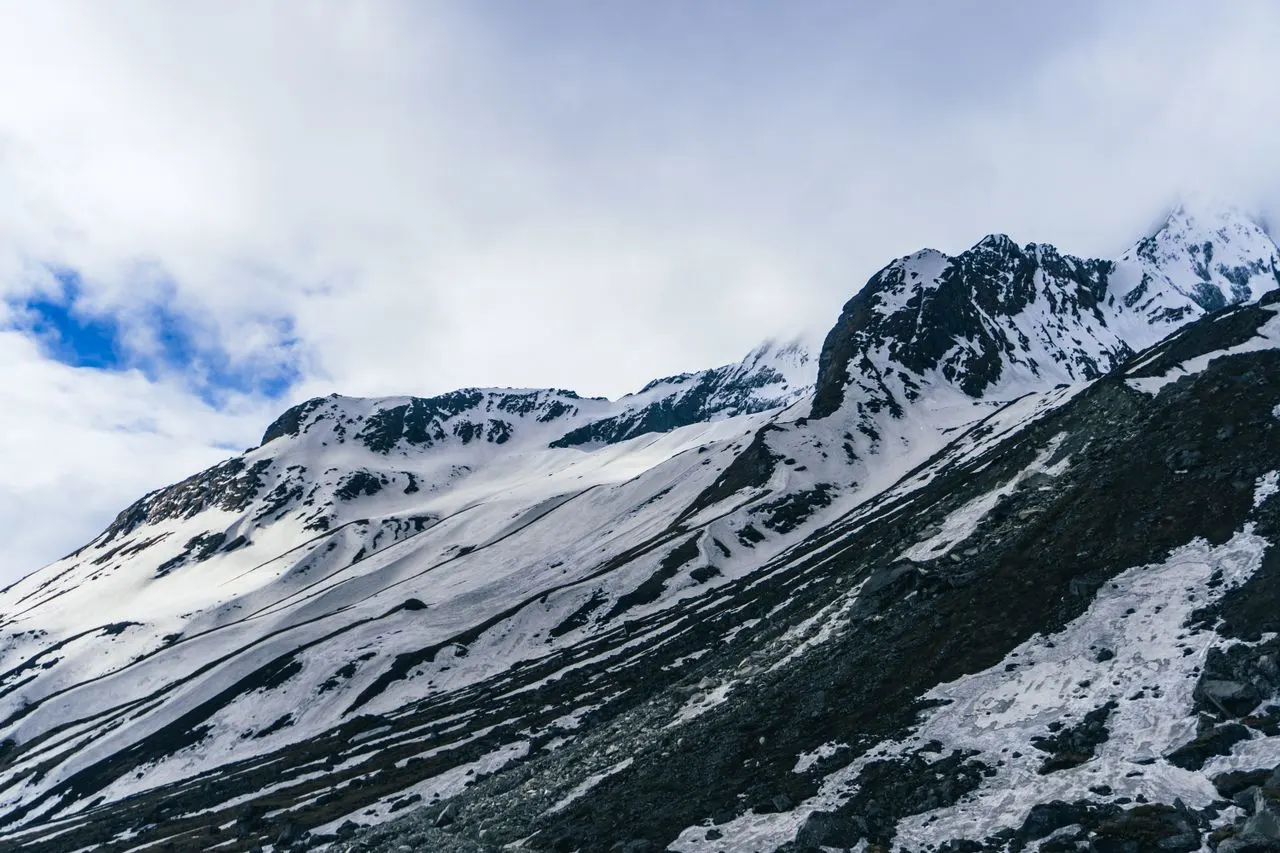
Day-by-Day Annapurna Base Camp Trek Difficulty Breakdown
The following itinerary represents a standard 10-11 day trek. Durations and difficulty levels assume autumn or spring conditions. Weather can significantly alter the experience .
Day 1: Pokhara to Ghandruk or Nayapul
Walking hours: 2–4 hours
Elevation: ~820m to 1,940m
Difficulty: Easy
A short day to ease into the trek. The walk starts through terraced farmland and gentle hills. This is the least physically demanding day.
Day 2: Ghandruk to Chhomrong
Walking hours: 5–6 hours
Elevation: 1,940m to 2,170m
Difficulty: Moderate
Steep ascent with significant stone steps. The first taste of ABC’s real challenge. Trekkers who haven’t trained for stairs notice it here.
Day 3: Chhomrong to Bamboo or Sinuwa
Walking hours: 5–6 hours
Elevation: 2,170m to 2,340m
Difficulty: Moderate
A demanding day with a steep descent to the river crossing followed by a punishing ascent on the other side. The descent is just as hard as the climb—your knees will feel it. Stone steps dominate .
Day 4: Bamboo to Deurali
Walking hours: 5–7 hours
Elevation: 2,340m to 3,230m
Difficulty: Moderate to Challenging
The trek enters higher altitude. The trail becomes steeper and more rugged as you climb through forest then into the alpine zone. This is where altitude begins to affect trekkers. Breathlessness increases. Pace must slow .
Day 5: Deurali to Machhapuchhre Base Camp
Walking hours: 4–5 hours
Elevation: 3,230m to 3,700m
Difficulty: Moderate
The final approach into the Sanctuary. The trail is dramatic—high alpine, mountain views opening up. Altitude is now a real consideration. Many trekkers feel mild AMS symptoms at this stage .
Day 6: Machhapuchhre Base Camp to Annapurna Base Camp
Walking hours: 3–4 hours
Elevation: 3,700m to 4,130m
Difficulty: Challenging (due to altitude)
The short but significant final ascent to ABC. The elevation gain is modest in distance, but oxygen is low. Even fit trekkers move slowly on this section. This is the day that altitude affects most people. Arrival at ABC is a serious physical achievement .
Day 7-9: Descent
Walking hours: 5–7 hours daily
Difficulty: Surprisingly Hard
The descent may feel easier on paper, but it’s punishing on knees, especially the long downhill stretches from Deurali to Chhomrong. Trekkers who haven’t trained downhill walking find this harder than the ascent .
The Stone Stairs: ABC’s Most Demanding Feature
Ask experienced trekkers what they remember most about ABC difficulty, and they will not say “the altitude.” They will say “the stairs.”
The trek features thousands of stone steps, particularly on the section between Tikhedhunga and Ghorepani—over 3,000 steps . There’s a reason you see trekkers moving slowly with trekking poles on this section. The stairs are irregular, steep, and relentless.
Why the Stairs Are So Challenging
-
Uneven surfaces: The stone steps are irregularly sized and placed, requiring constant attention
-
Sustained nature: 3,000+ steps in one morning is not a short staircase—it’s a vertical assault
-
Quads and calves: Uphill stairs demand specific leg strength that regular walking doesn’t build
-
Knee impact on descent: Descents on uneven stairs punish knees with every step
-
Weather variation: Wet stone steps are dangerously slippery
How to Prepare for the Stairs
-
Train on actual stairs—climb 30–40 floors in one session
-
Practice step-ups with a loaded pack
-
Use trekking poles on the trail—they take significant load off your knees
-
Train downhill walking—many trekkers only practice climbing and are unprepared for the descent
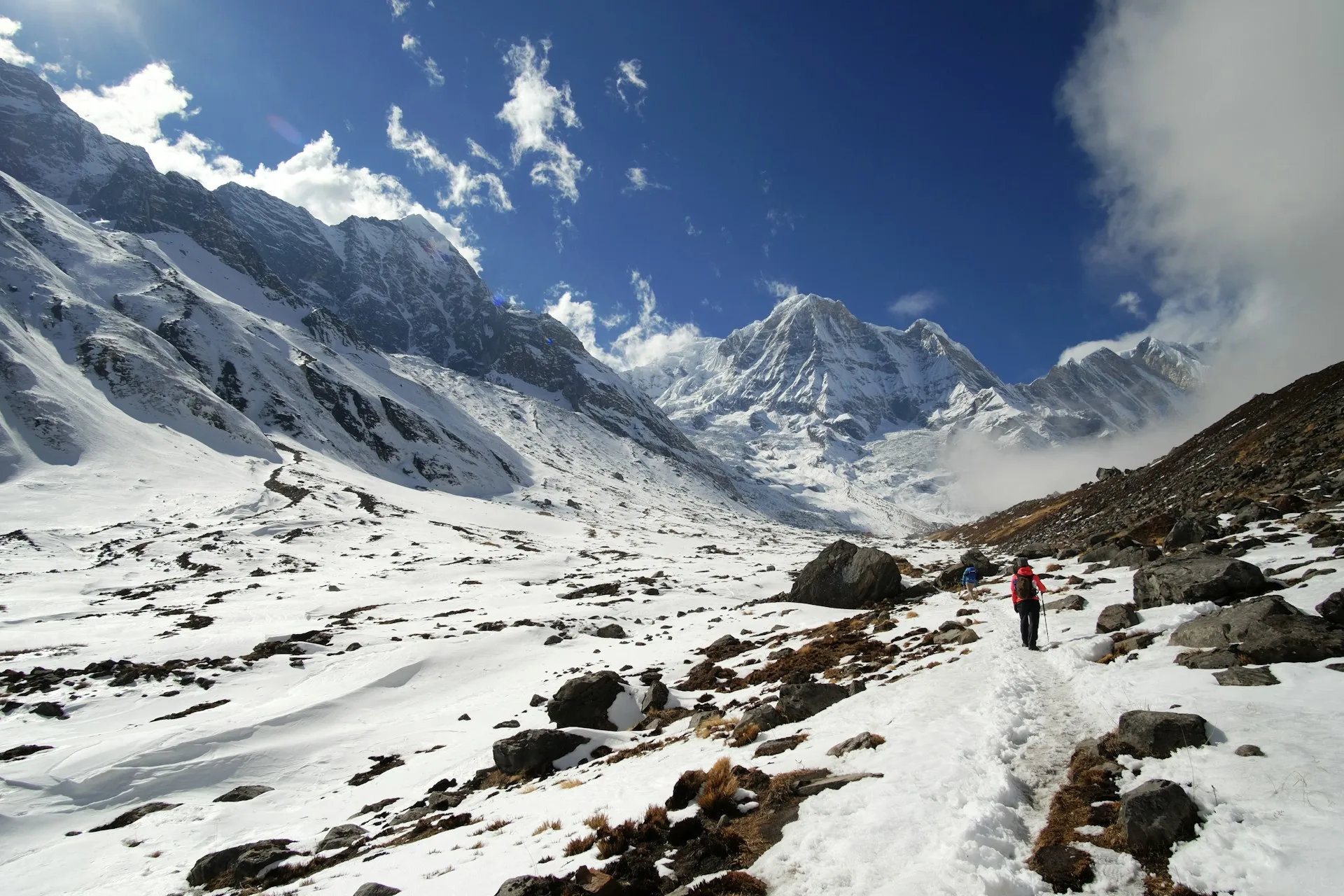
Altitude on the ABC Trek
At 4,130m, Annapurna Base Camp sits at moderate altitude where most people will experience some symptoms. Acute Mountain Sickness (AMS) affects many trekkers above 3,000m .
Common AMS Symptoms
-
Headache (most common)
-
Nausea or loss of appetite
-
Fatigue beyond expected effort
-
Dizziness or lightheadedness
-
Difficulty sleeping
-
Shortness of breath at rest
Altitude Risk Management
The Golden Rule: Never ascend with AMS symptoms. If symptoms appear, rest at the same altitude for 24 hours. If symptoms worsen, descend immediately .
Acclimatization Strategy
The standard 10–11 day itinerary already builds in gradual ascent. Key acclimatization points include Ghorepani (2,850m), Chhomrong (2,170m), and Deurali (3,230m) before the final push to ABC .
Altitude safety practices :
-
Hydrate aggressively: 3–4 liters of water daily above 3,000m
-
Ascend gradually: Don’t gain more than 500-600m in elevation per day above 3,000m
-
Consider Diamox: Discuss acetazolamide with your doctor before departure
-
Watch for symptoms: Headache, nausea, dizziness, unusual fatigue are warning signs
-
Descend if symptoms worsen: No view is worth a medical emergency
Can a Beginner Do the Annapurna Base Camp Trek?
Yes—but not every beginner. The trekkers who succeed have a base level of fitness and have prepared specifically for the demands of the trail .
Who Is Likely to Manage ABC
-
People who can walk 10+ km comfortably
-
People who have practiced stairs or uphill walking
-
People with realistic expectations about consecutive walking days
-
People who are willing to go slowly and listen to their bodies
-
People who can handle basic accommodation and cold temperatures
Who Needs More Preparation
-
Sedentary people with no regular exercise
-
People who don’t have time for 6–8 weeks of specific training
-
People with a history of severe knee problems
-
People who cannot handle basic accommodation and cold temperatures
What Beginners Commonly Underestimate
-
The descent—knee impact from downhill walking is often worse than the climb
-
Cumulative fatigue—how hard consecutive days feel
-
The stairs—thousands of stone steps are not like a gym stair machine
-
Cold at altitude—ABC can drop to -15°C in winter
-
Basic facilities—no ensuite bathrooms, limited food options, squat toilets above Chhomrong
Completion Rate
Approximately 90% of those who start complete the ABC trek . The most common reason for not completing is stomach illness, not altitude . This statistic reflects the importance of food hygiene and water safety.
Fitness Requirements and Training
Annapurna Base Camp Trek difficulty is determined as much by training as by natural fitness. A moderately fit person with targeted training can complete the trek. A very fit person who hasn’t practiced stairs may struggle .
Minimum Fitness Baseline
-
Can you walk for 5 hours at a moderate pace without needing more than a 10-minute rest?
-
Can you climb 30–40 floors of stairs without your legs failing before your lungs?
-
Can you walk downhill for 45 minutes the day after a long hike without sharp knee pain?
8-Week Training Plan
Weeks 1–2: Base Building
-
30–40 minute walks, 3–4x/week
-
Start introducing stairs or hills
-
Bodyweight strength exercises (squats, lunges)
Weeks 3–4: Progression
-
1–2 hour walks with pack (5–8kg)
-
Stair climbing sessions, 20–30 floors
-
Add back-to-back walking days on weekends
Weeks 5–6: Specificity
-
3-hour weekend hikes with pack (8–10kg)
-
Back-to-back weekend hikes
-
Focus on downhill training—eccentric leg work is critical
Weeks 7–8: Taper
-
Maintain volume but reduce intensity
-
Full gear check
-
Rest 7–10 days before departure
Common Training Mistakes to Avoid
According to experienced guides, the most damaging mistakes are often small decisions repeated over time :
-
Training for the summit photo but not the walk back—trekkers practice uphill fitness, then discover that descending wet steps is the greater strain
-
Starting too fast below Chhomrong—strong walkers often treat the lower trail as a speed test, creating fatigue before altitude becomes important
-
Testing boots but not the full sock-and-insole system—a familiar boot can still rub when paired with new socks or swollen feet during a long descent
-
Overtraining—increasing activity too quickly risks injury and burnout
-
Neglecting rest days—essential for muscle repair; view them as strategic, not setbacks
Mental Training
Preparing mentally is as crucial as physical training for ABC :
-
Set mini-goals: Break long hikes into manageable segments
-
Practice positive self-talk: Replace “I can’t do this” with “I am prepared for this challenge”
-
Visualize success: Picture yourself trekking confidently and reaching Base Camp
-
Embrace discomfort: Accept that some parts will be challenging
-
Trust your guide: If trekking with a guide, trust their expertise for logistics and safety
How ABC Compares to Other Nepal Treks
ABC vs Everest Base Camp (EBC)
| Factor | ABC | EBC |
|---|---|---|
| Max Elevation | 4,130m | 5,545m (Kala Patthar) |
| Duration | 7–12 days | 12–16 days |
| Difficulty | Moderate | Moderate to Strenuous |
| AMS Risk | Low to Moderate | High |
| Daily Walking | 5–7 hours | 6–8 hours |
| Best For | First-timers, limited time | High-altitude adventure seekers |
ABC is objectively easier than EBC due to lower altitude. EBC requires more acclimatization days, has higher AMS risk, and involves longer walking hours. ABC is recommended for first-timers; EBC demands previous high-altitude experience .
ABC vs Annapurna Circuit
The Annapurna Circuit is longer (14–18 days vs 7–9 days), goes higher (Thorong La pass at 5,416m vs 4,130m at ABC), and includes a high-pass crossing that ABC does not. ABC is the right choice for first-time Himalayan trekkers and travelers who prioritize the dramatic Annapurna Sanctuary experience .
ABC vs Mardi Himal
Mardi Himal is shorter (5–6 days) and lower (4,500m at the viewpoint). While the maximum elevation is higher than ABC’s 4,130m, the Mardi Himal trail involves less overall vertical gain and fewer consecutive walking days. ABC offers more dramatic mountain views and a more established teahouse network .
ABC vs Poon Hill
Poon Hill is significantly easier (4–5 days, max 3,210m, very low AMS risk) and is better for families and time-limited travelers. Many trekkers combine Poon Hill with ABC as a longer itinerary .
Which Trek Should You Choose?
Choose ABC if you are :
-
A first-time trekker to altitude in the Himalayas
-
Have 7–10 days available
-
Are on a tighter budget
-
Want dramatic base camp scenery without pushing past 5,000m
-
Prefer populated trail villages and cultural experience
-
Want to avoid flight risk and potential Lukla delays
Choose EBC if you :
-
Want to stand near the base of the world’s highest mountain
-
Have 12–16 days and a slightly higher budget
-
Have already done ABC or another 4,000m+ trek
-
Are driven by Sherpa culture and the Tengboche Monastery experience
-
Want that Kala Patthar sunrise
Best Time to Trek for Your Ability Level
Autumn (September–November) – Best Season
Difficulty: Easiest
Conditions: Post-monsoon skies are scrubbed clean, delivering the clearest mountain views of the year. Daytime temperatures at lower elevations sit between 15°C and 22°C, with nights at Base Camp dropping to -5°C to -10°C .
Who should go: Everyone, especially beginners. This is the safest, most beginner-friendly season .
Spring (March–May) – Best Season
Difficulty: Easiest to Moderate
Conditions: Warmer temperatures and rhododendron blooms make spring magnificent. Below 3,000m, the forests erupt in red, pink, and white blossoms. Visibility is slightly hazier than autumn .
Who should go: Everyone. The trail between Ghandruk and Chhomrong is particularly spectacular .
Winter (December–February) – Possible for Experienced Trekkers
Difficulty: Hard
Conditions: Extreme cold at Base Camp (-15°C to -20°C at night) and possible snow on the trail above Deurali. Trails are quieter, but they require microspikes and serious layering .
Who should go: Experienced, well-equipped trekkers who want solitude.
Monsoon (June–September) – Not Recommended for Beginners
Difficulty: Hardest
Conditions: Heavy rain, leeches on lower trails, slippery stairs, obscured mountain views, landslide risk .
Who should go: Fit trekkers who don’t mind limited views and challenging conditions—but this is not recommended for first-timers .
Practical Preparation Checklist
One Month Before Departure
-
Complete a long hilly walk and next-day recovery walk
-
Check passport validity, visa eligibility, insurance wording, and altitude limit
-
Confirm the actual daily itinerary and highest sleeping elevation
-
Break in boots with the final socks and insoles
-
Review vaccines and personal health needs with a travel-health professional
-
Confirm ACAP, TIMS, and guide arrangements with your operator
-
Test waterproofs, trekking poles, headlamp, and power bank
One Week Before Departure
-
Reduce hard training and prioritize rest
-
Download insurance, passport, booking, and emergency documents offline
-
Split essential gear between hand luggage and checked luggage
-
Obtain clean Nepalese currency
-
Recheck current weather, trail, and transport information
-
Share the itinerary and operator contact with a trusted person
The Day Before Leaving Pokhara
-
Attend the guide briefing and confirm the next day’s start time
-
Repack the daypack: water, shell, insulation, sun protection, medication, and valuables
-
Check duffel weight and label the bag clearly
-
Charge devices and power bank
-
Confirm permits, passport copy, emergency contacts, and insurance procedure
-
Eat a familiar meal, hydrate normally, and sleep
Essential Gear for Beginners
Non-negotiable items :
-
Broken-in hiking boots (ankle support)
-
Trekking poles (essential for descents)
-
Sleeping bag rated to −10°C
-
Moisture-wicking base layers (2–3 sets)
-
Insulated mid-layer jacket
-
Waterproof outer shell jacket
-
Warm hat, gloves, buff
-
Headlamp + spare batteries
-
Reusable water bottle + purification tablets
-
Basic first aid kit + blister kit
-
Sunscreen SPF 50+ and lip balm
-
Diamox (discuss with your doctor pre-trek)
Beginner tip: Do not buy new boots for this trek. Wear your hiking boots on multiple 10+ km hikes before departure. Blisters from new footwear are one of the most common reasons beginners struggle or drop out in the first three days .
Permits for the ABC Trek
Every trekker entering the Annapurna Conservation Area requires official permits .
Required Permits
| Permit | Cost (International) | Where to Obtain |
|---|---|---|
| ACAP (Annapurna Conservation Area Permit) | NPR 3,000 (~$23 USD) | NTB Kathmandu/Pokhara or online: epermit.ntnc.org.np |
| TIMS Card (Trekkers’ Information Management System) | NPR 2,000 (~$15 USD) | Nepal Tourism Board offices |
Important Notes:
-
Children under 10 are exempt from ACAP fees
-
Permits are non-transferable and non-refundable—verify all details before payment
-
Checkpoints along the trail will verify your permits; do not attempt to trek without them
2026 Update: Since April 1, 2023, solo trekking is officially prohibited for all foreign nationals in Nepal—including on the Annapurna Base Camp trek. Every international trekker must be accompanied by a licensed, registered guide. This is rigorously enforced at multiple trail checkpoints from Birethanti to Chhomrong .
Do You Need a Guide?
As of 2023, solo trekking in the Annapurna Conservation Area without a licensed guide is not permitted . However, even before this regulation, hiring a local guide was strongly recommended for beginners for these reasons :
-
Navigation on side trails can be confusing
-
Guides recognize AMS before you do
-
Emergency assistance and evacuation support
-
Local knowledge on weather and route conditions
-
Tea house booking assistance in peak season
-
Cultural context and language support
A licensed guide costs approximately $25–$35 USD per day. For first-timers, this is genuinely one of the best investments you can make .
FAQs about Annapurna Base Camp Trek Difficulty
1. Is the Annapurna Base Camp Trek difficult?
Answer: The Annapurna Base Camp Trek is rated moderate to challenging. It is not technically difficult—no climbing or ropes required—but it demands physical endurance, leg strength, and mental resilience. Trekkers walk 4–7 hours daily for 7–11 consecutive days, with thousands of stone stairs and altitudes up to 4,130m .
2. Is ABC Trek suitable for beginners?
Answer: Yes, with proper preparation. ABC does not require technical skills or prior high-altitude experience. What it does require is physical preparation, cardiovascular fitness, and leg endurance built over 6–8 weeks before the trek. Beginners who prepare properly and choose a 10–12 day itinerary handle the trek well .
3. How fit do you need to be for Annapurna Base Camp?
Answer: You need to be able to walk 5–7 hours per day for 7–9 consecutive days with a 5–7kg day pack and handle significant ascents and descents on stone-paved trails. Reasonable cardiovascular fitness and leg strength are essential. We recommend three months of focused preparation, including cardio progression, weighted hiking, and stair climbing .
4. What is the hardest part of the ABC Trek?
Answer: The hardest sections are the Ulleri stone staircase (over 3,000 steps), the Chhomrong descent and re-climb (knee-intensive), and the final push to ABC from MBC (altitude effects and cumulative fatigue). Many trekkers say the descent is actually harder than the ascent due to knee impact .
5. Is ABC Trek harder than Everest Base Camp?
Answer: No, EBC is harder. EBC has a higher altitude (5,545m at Kala Patthar vs 4,130m at ABC), longer duration (12–16 days vs 7–11 days), and more sustained altitude exposure above 4,000m. ABC is the right choice for travelers who want a real Himalayan trek without the extreme altitude commitment .
6. Is ABC Trek harder than Mardi Himal?
Answer: Yes, ABC is generally harder than Mardi Himal in terms of overall distance, duration, and altitude exposure. Mardi Himal is shorter (5–6 days) and has a lower maximum sleeping elevation, though the viewpoint reaches 4,500m. ABC offers more dramatic mountain views and a more established route .
7. Is ABC Trek harder than Poon Hill?
Answer: Yes, ABC is significantly harder than Poon Hill. Poon Hill is 4–5 days, max altitude 3,210m, with very low AMS risk. ABC is 7–11 days, reaches 4,130m, and has thousands more stone stairs. Many trekkers combine Poon Hill with ABC .
8. Is altitude sickness common on the ABC Trek?
Answer: Many trekkers experience mild AMS symptoms above 3,000m—headache, fatigue, loss of appetite. Serious altitude sickness is less common on ABC than on EBC due to lower altitude. Proper acclimatization, hydration, and a slow pace significantly reduce risk .
9. How many hours do you walk on the ABC Trek?
Answer: Daily walking hours range from 4 to 7 hours, with the longest days typically between Sinuwa and Deurali (6–7 hours) and the final ascent to ABC (3–4 hours but with altitude effects). The total distance is approximately 83–115 km round trip .
10. How do you train for the Annapurna Base Camp Trek?
Answer: An 8-week training plan should include: base building (30–40 minute walks, 3–4x/week), progression (1–2 hour walks with pack, stair climbing), specificity (3-hour weekend hikes with pack, back-to-back walking days), and taper (reduce intensity before departure). Focus on stair climbing and downhill training .
11. What permits are needed for the ABC Trek?
Answer: You need two permits: an ACAP permit (NPR 3,000/~$23) and a **TIMS card** (NPR 2,000/~$15). Both can be obtained in Kathmandu or Pokhara at the Nepal Tourism Board office or through a registered trekking agency. Since 2023, a licensed guide is also mandatory for foreign trekkers .
12. What is the best time of year for the ABC Trek?
Answer: Autumn (September–November) and Spring (March–May) are the best seasons. Autumn offers the clearest mountain views and stable weather. Spring provides warmer temperatures and rhododendron blooms. Winter is possible but cold; monsoon is not recommended for beginners .
13. Can you see Mount Everest from Annapurna Base Camp?
Answer: No. You cannot see Mount Everest from Annapurna Base Camp. The two base camps are in entirely different regions—ABC is in central Nepal, EBC is in eastern Nepal. From ABC, trekkers have close views of Annapurna I, Annapurna South, Machhapuchhre, Hiunchuli, and surrounding peaks .
14. Who should NOT do the Annapurna Base Camp Trek?
Answer: The trek may not be suitable for people with severe knee problems, those who cannot handle basic accommodation, people with no time for 6–8 weeks of specific training, and sedentary individuals who don’t exercise regularly. Beginners with proper preparation can succeed, but realistic expectations are essential .
15. What is the success rate for the ABC Trek?
Answer: Approximately 90% of those who start complete the ABC trek. The most common reason for not completing is stomach illness (not altitude). This statistic reflects the importance of food hygiene and water safety, which is why having an experienced guide matters .
Trekking With Wonder Hikes Nepal
When you’re ready to tackle the Annapurna Base Camp, having an experienced, locally-rooted operator makes a tangible difference—especially on the sections where the Annapurna Base Camp Trek difficulty is most pronounced.
Wonder Hikes Nepal is a Nepal-based trekking company with deep local knowledge of the Annapurna region and a reputation for responsible, safety-conscious trekking. Their guides are government-licensed, trained in altitude sickness recognition and emergency response, and know the trail intimately—from the best pacing strategies on the Ulleri staircase to the teahouses that handle altitude symptoms best .
What sets Wonder Hikes Nepal apart is their approach to personalized itinerary planning. Rather than offering a one-size-fits-all package, they work with trekkers to build itineraries that match individual fitness levels, experience, and comfort with altitude. For beginners, they recommend longer itineraries with built-in acclimatization—because they know that a rushed ABC itinerary is where the Annapurna Base Camp Trek difficulty often becomes overwhelming. For experienced trekkers, they can adjust the route for a more challenging experience .
Their guides practice the “bistari” philosophy—slowly, slowly—which is the key to managing altitude, conserving energy, and making the daily walking feel manageable rather than punishing. They also handle permits, teahouse bookings, logistics, and emergency planning, so you can focus on the trail and the experience .
Wonder Hikes Nepal understands that preparation before the trek matters as much as the trek itself. They provide detailed pre-departure guidance on training, gear, and fitness—helping you arrive in Nepal ready to manage the Annapurna Base Camp Trek difficulty with confidence.
Whether you’re a first-time Himalayan trekker or an experienced hiker looking to explore the Annapurna Sanctuary, Wonder Hikes Nepal offers the support, local knowledge, and safety-conscious planning that turns a challenging trek into a rewarding achievement.
Final Thoughts: Is the Annapurna Base Camp Trek Worth It?
Yes, every single time. The Annapurna Base Camp Trek is a genuine high-altitude achievement that rewards effort with one of the most dramatic mountain amphitheaters on Earth—the Annapurna Sanctuary, surrounded by Annapurna I (8,091m), Machhapuchhre, and Hiunchuli .
The Annapurna Base Camp Trek difficulty is real but manageable. It will test your fitness, your knees, and your mental resilience. It will push you through thousands of stone stairs, cold nights, and days when your legs ache and your breath comes short. But the sunrise at ABC, surrounded by giants, makes complete sense of every challenging step.
The trekkers who succeed are not the fittest or the fastest. They are the ones who prepared specifically, paced themselves deliberately, and listened to their bodies and their guides. If you respect the trail and prepare for the Annapurna Base Camp Trek difficulty, you will succeed. And you will remember it for the rest of your life.